
Starting from
$500PP
Overview
Mago National Park is a remote and largely untouched protected area in southwestern Ethiopia, located along the Omo River near the South Sudan border. The park is characterized by vast savanna plains, riverine forests, seasonal wetlands, and rugged wilderness that remains one of the least developed safari regions in the country. Mago is ecologically significant for protecting wildlife adapted to dry lowland environments and for preserving a true sense of isolation and raw nature. Although tourism infrastructure is minimal, the park appeals to adventurous travelers seeking an off-the-beaten-path safari experience combined with cultural exploration of the lower Omo Valley.
Pros & Cons
- Vast and unspoiled wilderness
- Authentic off-the-grid safari experience
- Good lowland savanna habitats
- Proximity to Omo Valley cultural regions
- Very low visitor numbers
- Extremely limited tourism infrastructure
- Difficult access and long travel times
- Wildlife sightings can be unpredictable
- Best suited for experienced and adventurous travelers
Map in Ethiopia

Want to Visit Mago National Park?


Want to Visit Mago National Park?
Wildlife & Animals
Mago National Park supports wildlife typical of Ethiopia’s dry lowland savannas. Large herbivores roam the open plains, while riverine forests along the Omo River provide refuge for a range of mammals. Due to the park’s size and remoteness, animals are widely dispersed, offering a raw and natural safari experience rather than concentrated game viewing.
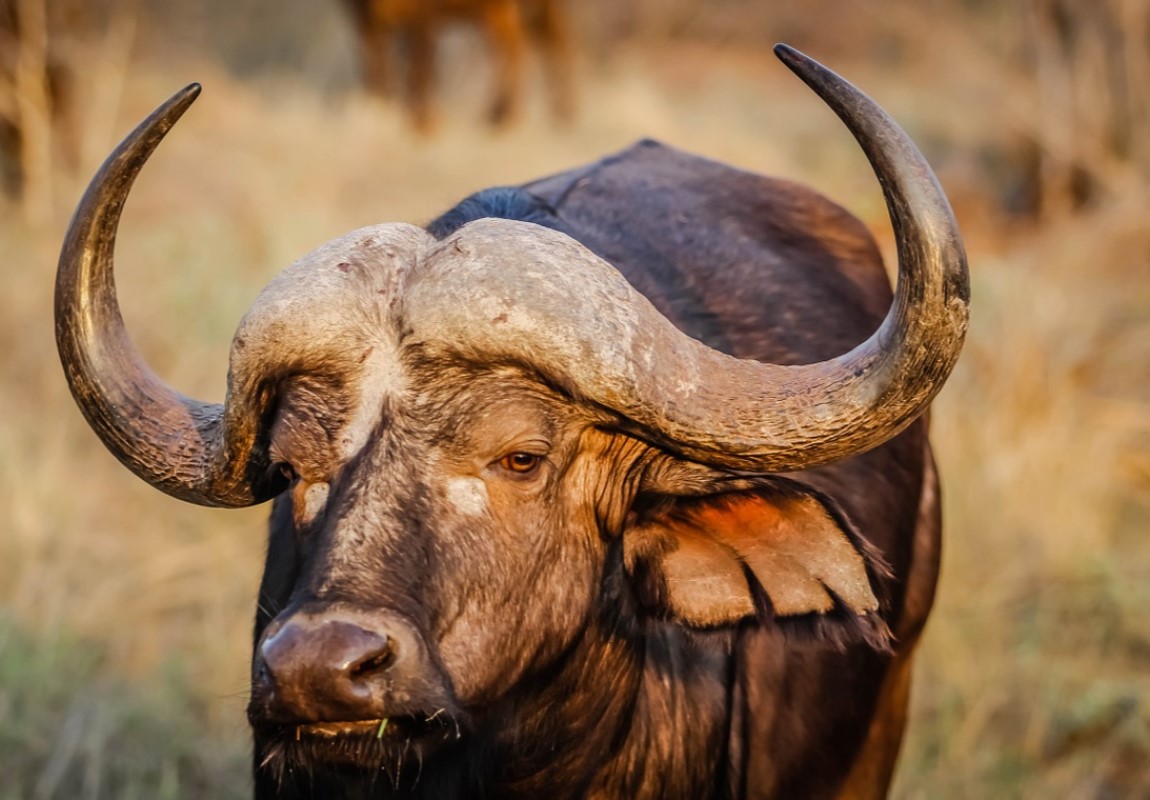
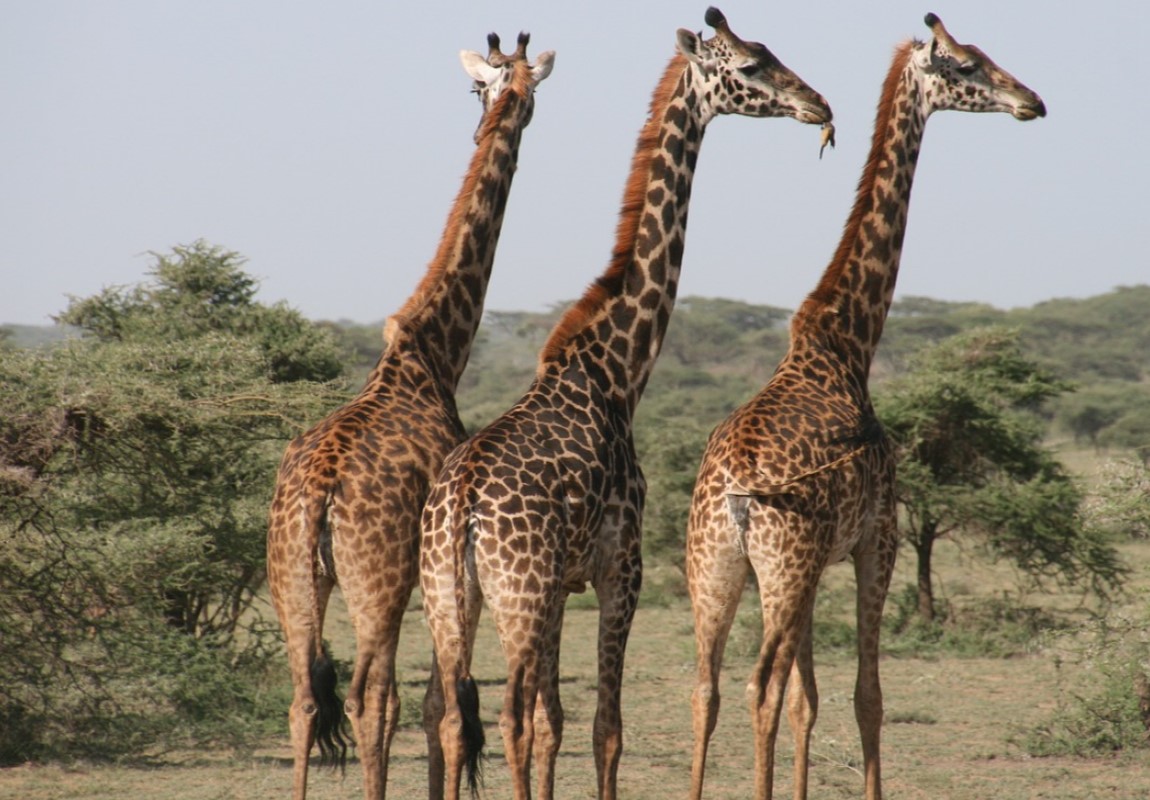
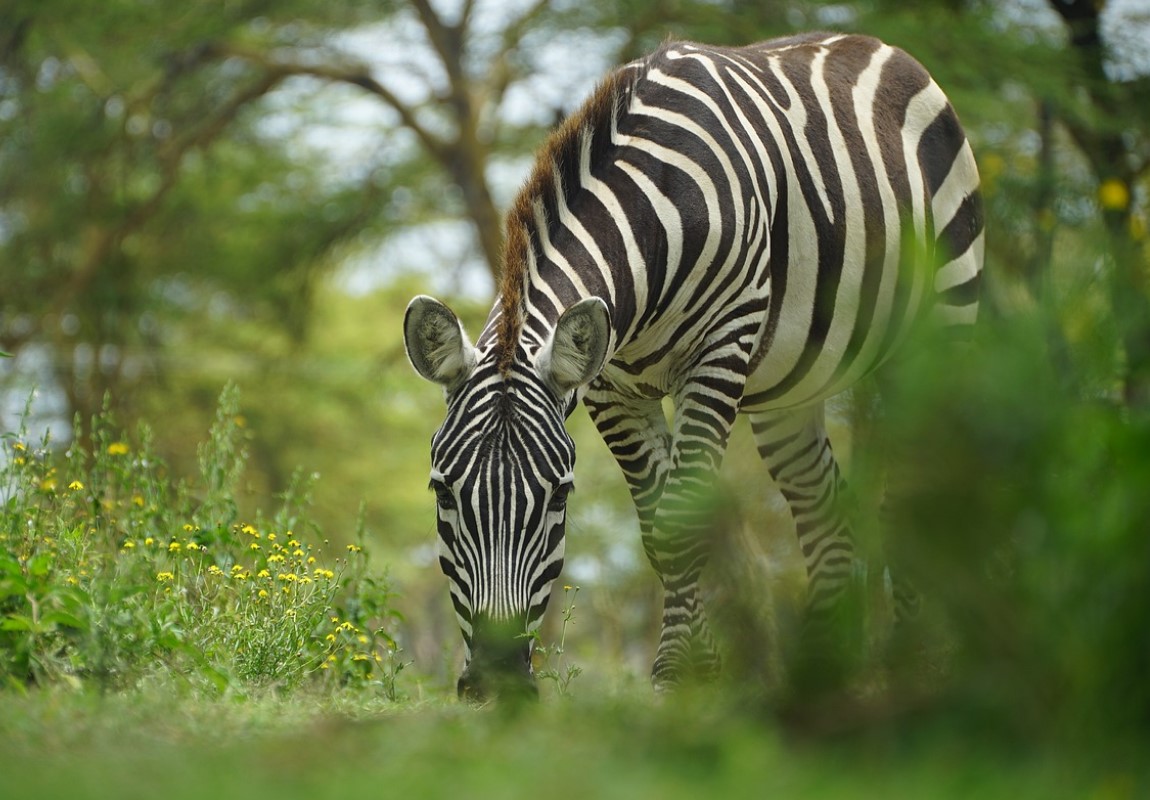
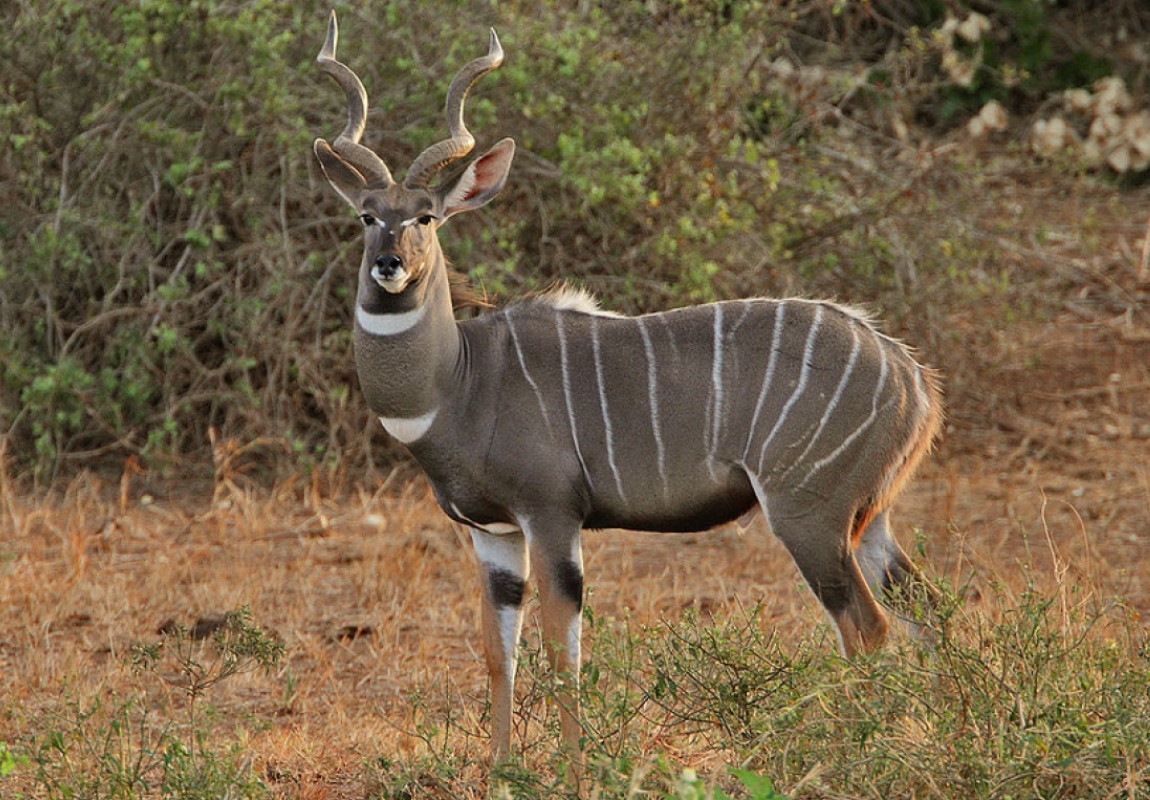
Wildlife Highlights
The highlight of wildlife viewing in Mago is the sense of exclusivity and untouched habitat. Encounters with buffalo, giraffe, and antelope species occur in expansive open landscapes, often without the presence of other visitors, reinforcing the park’s wilderness character.
Best Time for Wildlife Viewing
The best wildlife viewing occurs between December and February, when animals gather closer to permanent water sources during the peak dry season.
Want to Visit Mago National Park?
Birds
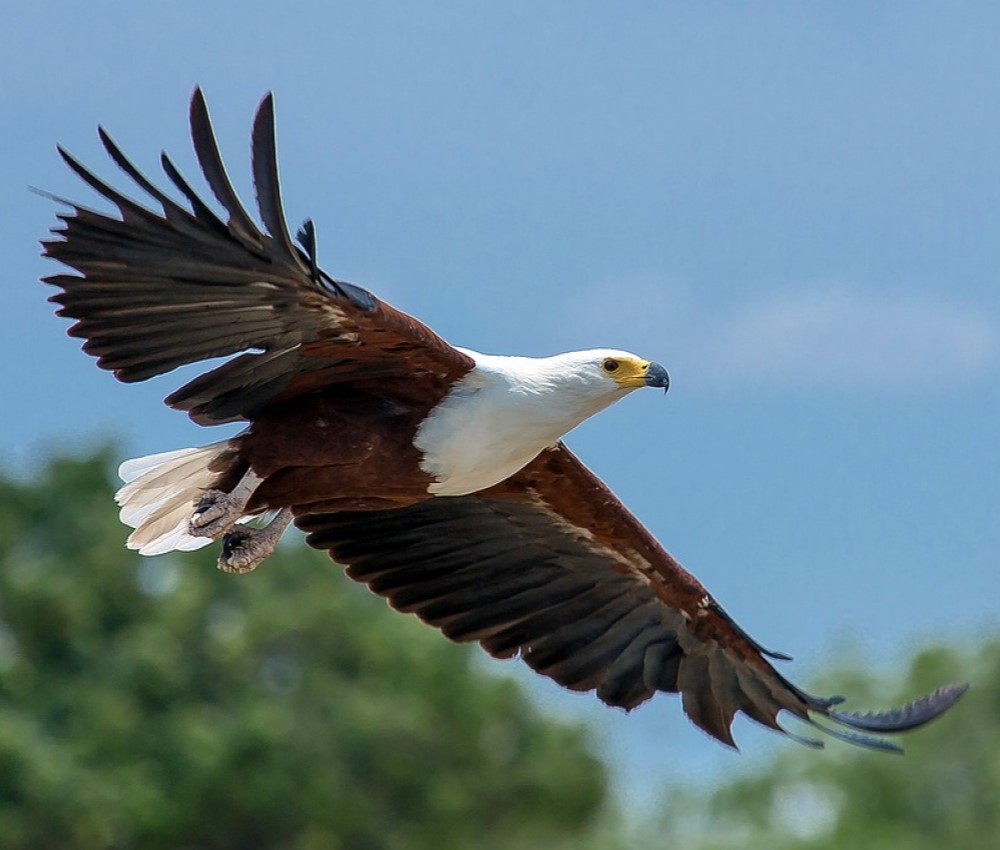
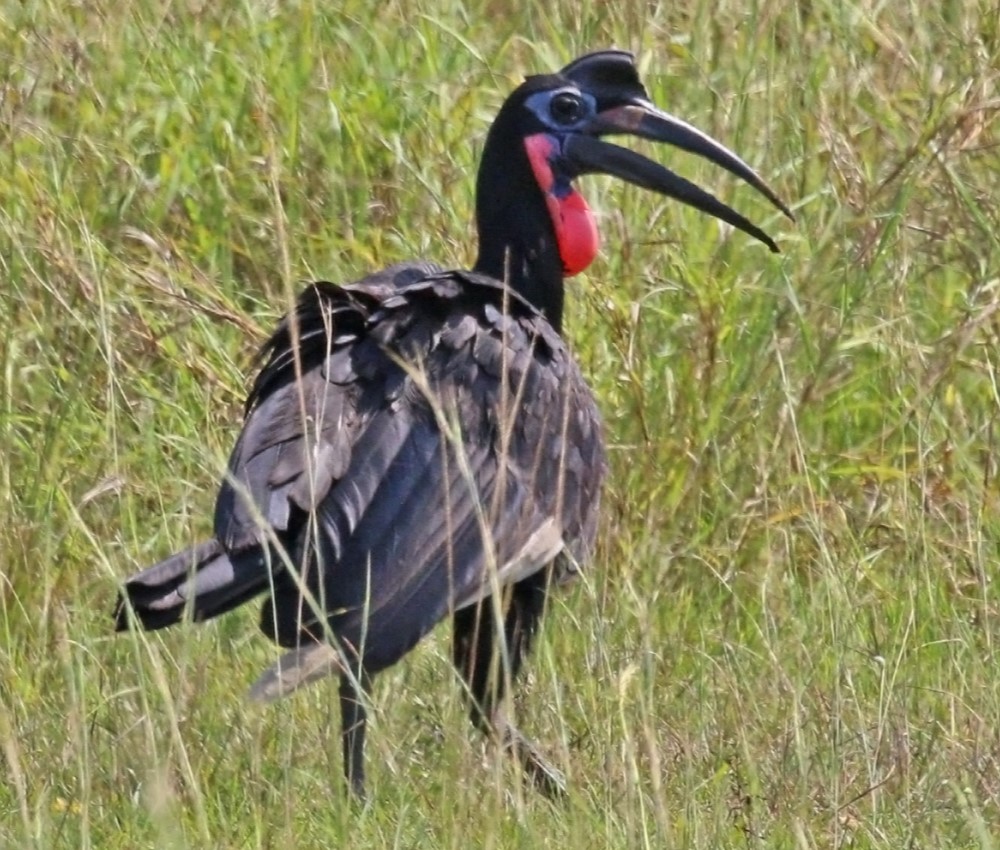
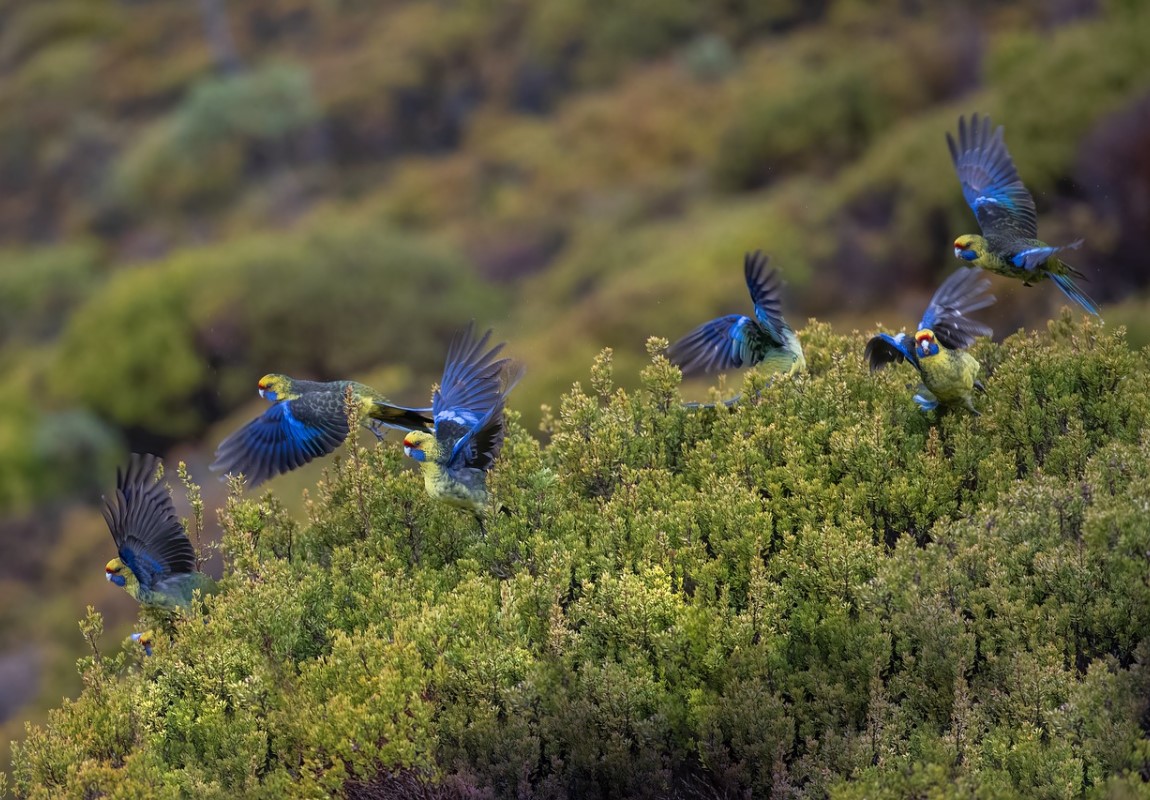
Birdlife in Mago National Park is diverse but under-recorded, reflecting the park’s limited visitation. Savanna, riverine, and wetland habitats support a range of resident and migratory bird species, making the park of interest to adventurous birdwatchers.


Best Time for Birding
Birdwatching is best from November to March, when migratory birds are present and visibility is improved.
Want to Visit Mago National Park?
Best Time to Visit – Mago National Park
The best wildlife viewing occurs between December and February, when animals gather closer to permanent water sources during the peak dry season.
October to February (Dry Season)
- Improved road access
- Better wildlife visibility
- Comfortable daytime temperatures
- Dry and dusty conditions
- Wildlife still widely spread
March to September (Wet Season)
- Lush landscapes
- Strong bird activity
- Dramatic seasonal scenery
- Very difficult access
- Limited travel reliability
- Wildlife hard to spot
Want to Visit Mago National Park?
Activities
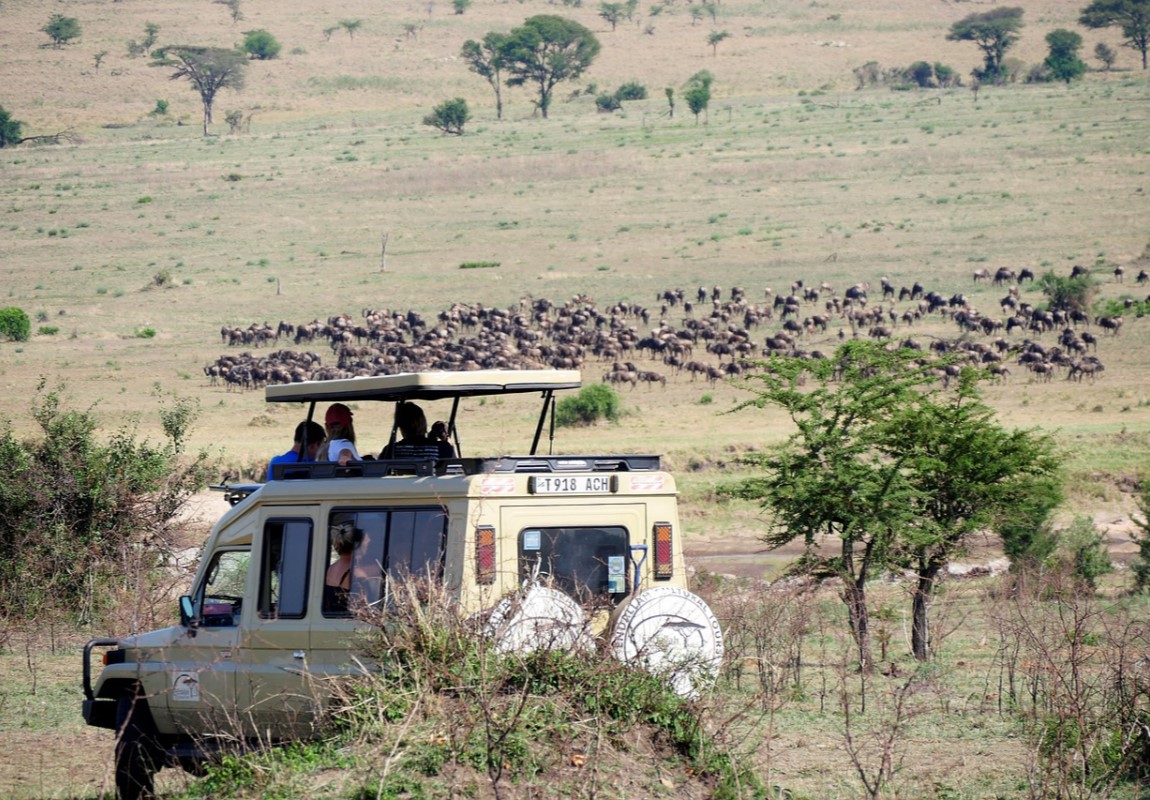
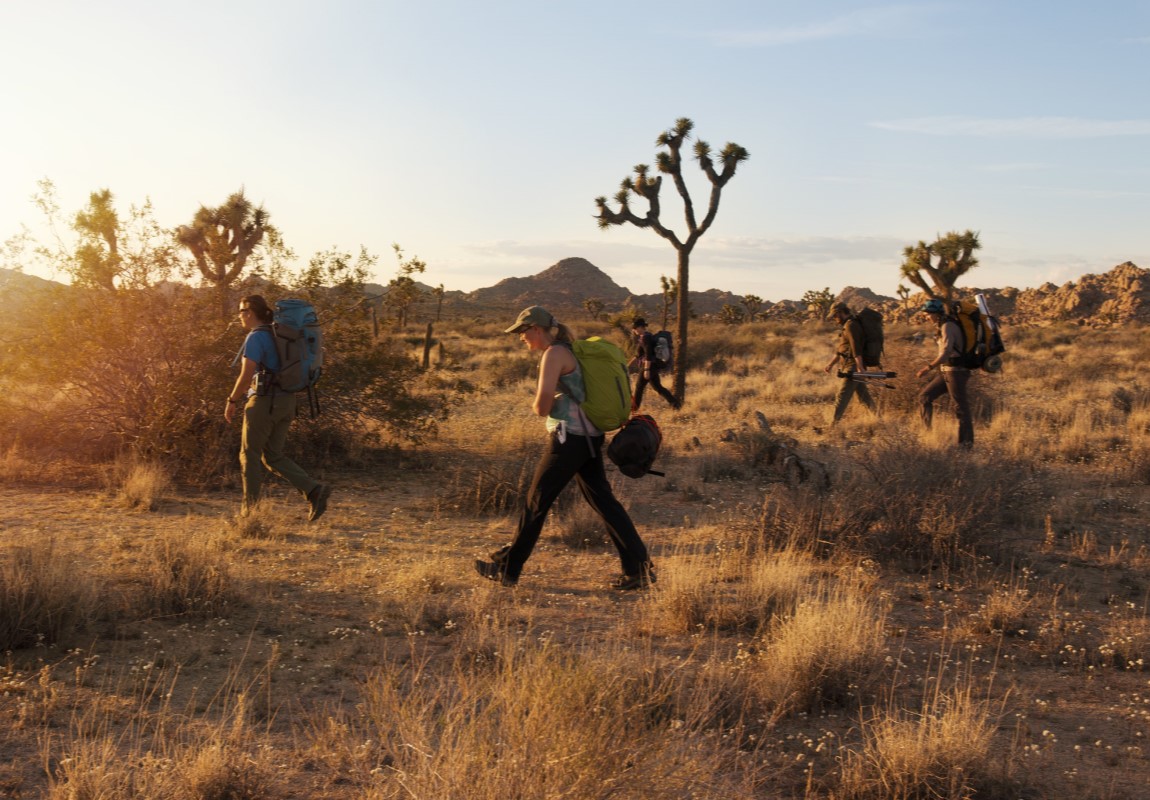
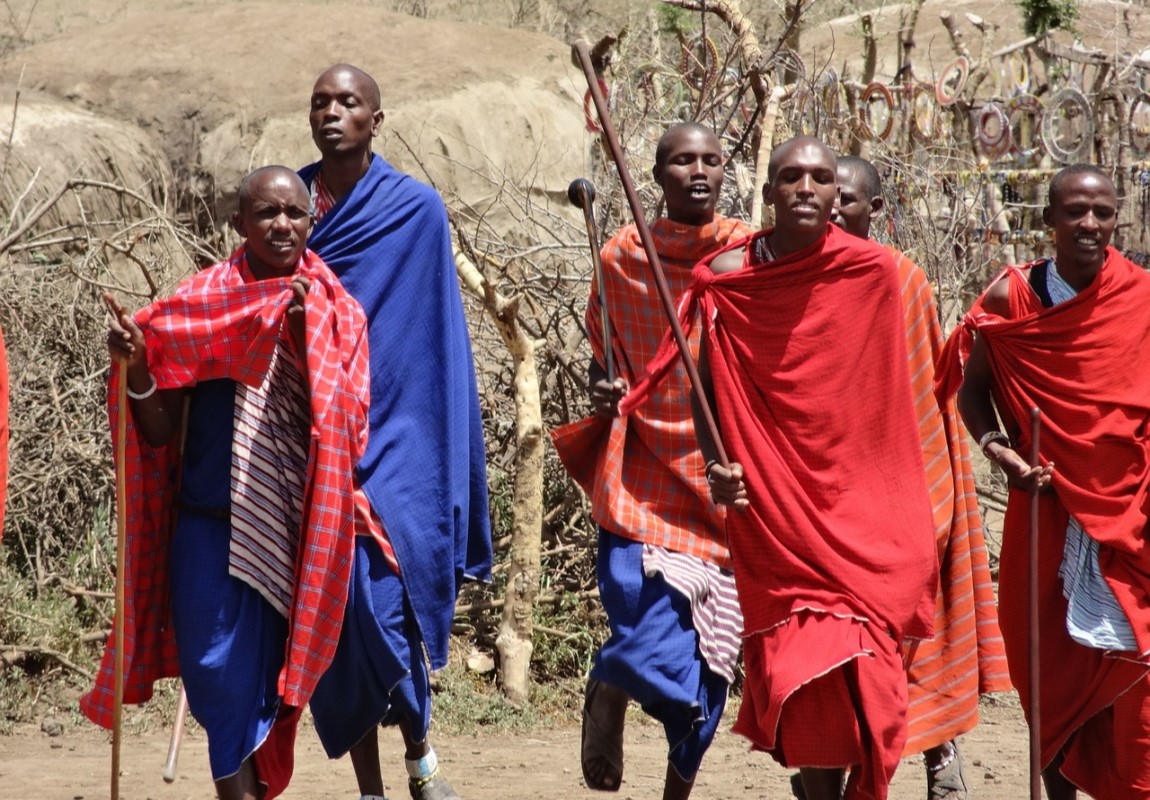
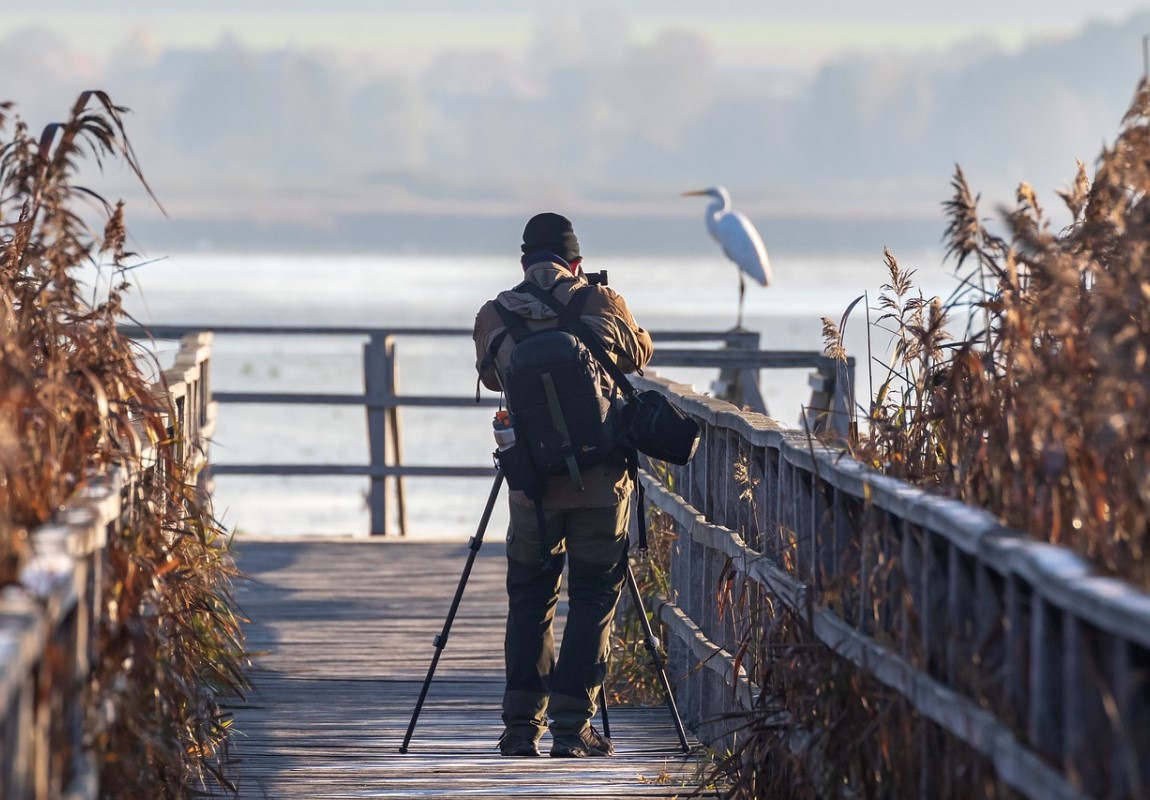
Explore popular activities available in and around Mago National Park.

Want to Visit Mago National Park?
No FAQs available for this park yet.