
Starting from
$500PP
Overview
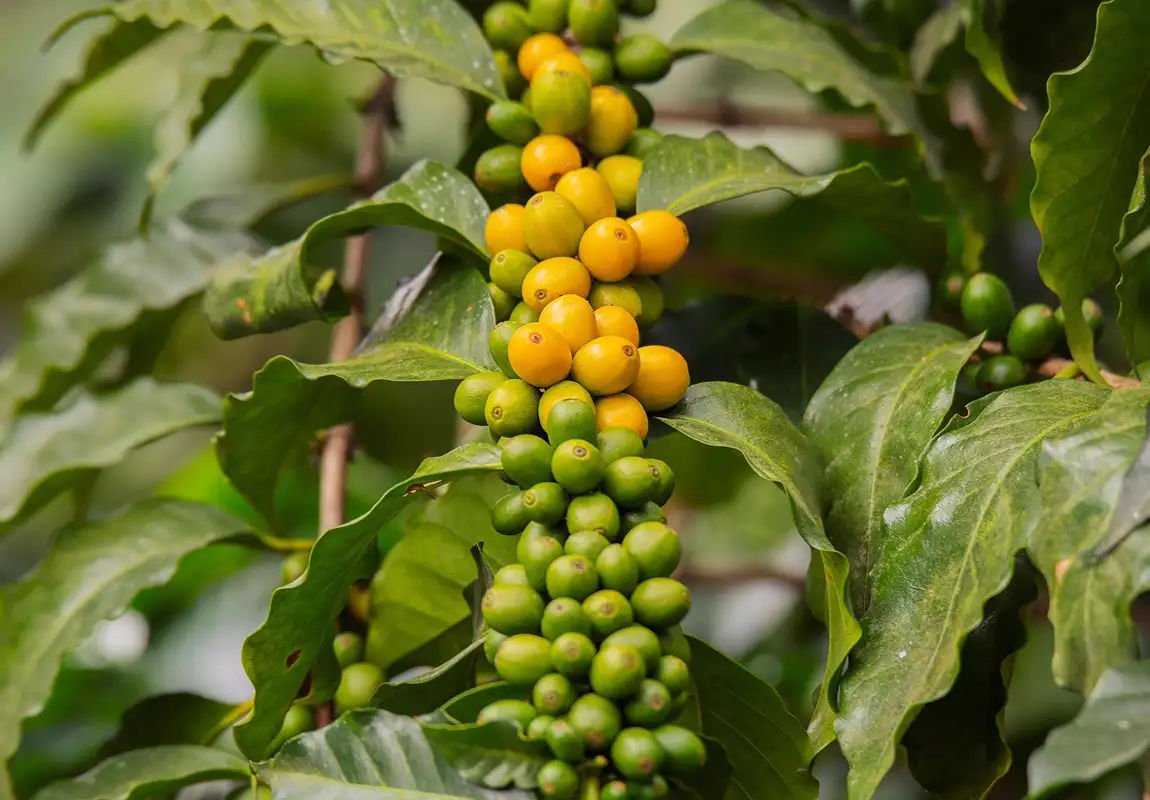
Harenna Forest is one of the largest and most biologically rich montane forests in Ethiopia, forming the southern extension of Bale Mountains National Park. This dense Afro-montane rainforest is characterized by towering wild coffee plants, giant fig trees, moss-draped canopies, and deep river valleys. Often shrouded in mist, Harenna Forest offers a dramatic contrast to the alpine plateaus above and is considered a global biodiversity hotspot. It is home to rare mammals, endemic birds, and culturally significant plant species, making it a prime destination for nature lovers, birdwatchers, and travelers seeking an immersive forest wilderness experience.
Pros & Cons
- One of the largest remaining montane forests in Ethiopia
- High levels of endemic wildlife and bird species
- Important origin area of wild Arabica coffee
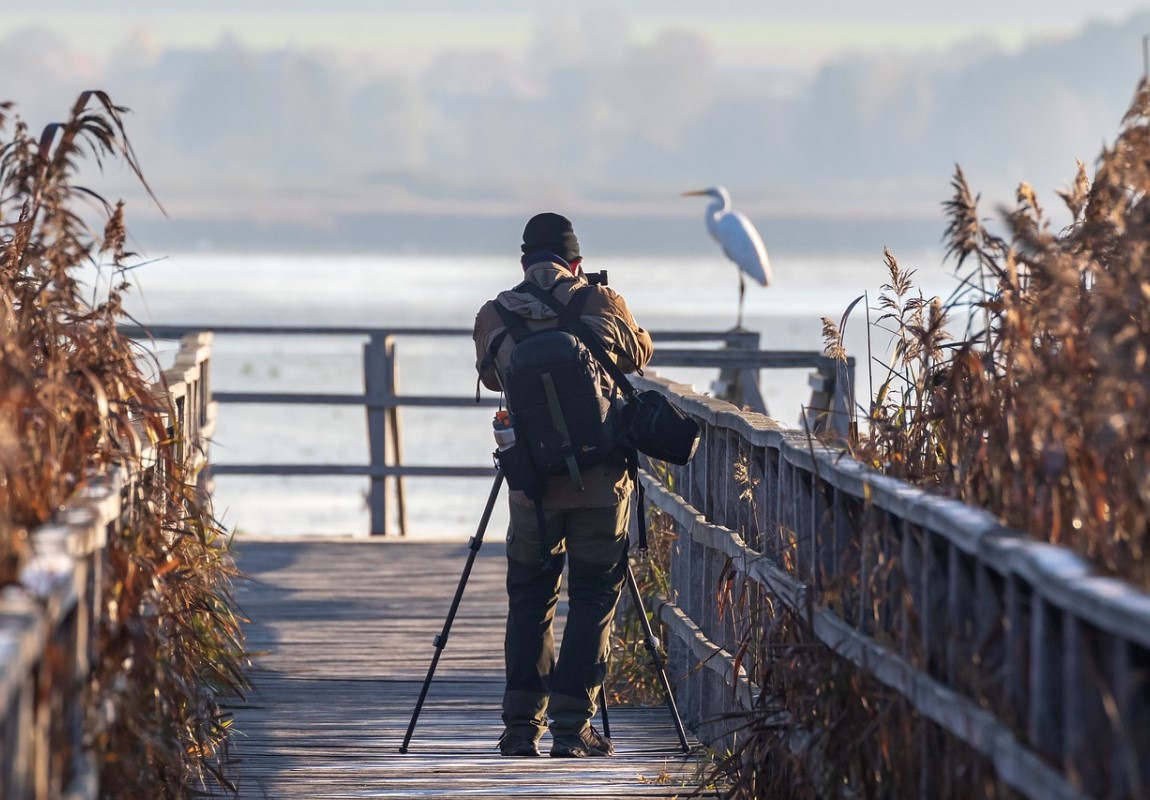
- Excellent destination for birdwatching and nature walks
- Cool climate and scenic forest landscapes
- Dense vegetation can limit wildlife visibility
- Limited tourism infrastructure compared to major parks
- Rainfall can make trails slippery during wet months
- Remote location requires careful planning
Map in Ethiopia

Want to Visit Harenna Forest?


Want to Visit Harenna Forest?
Wildlife & Animals
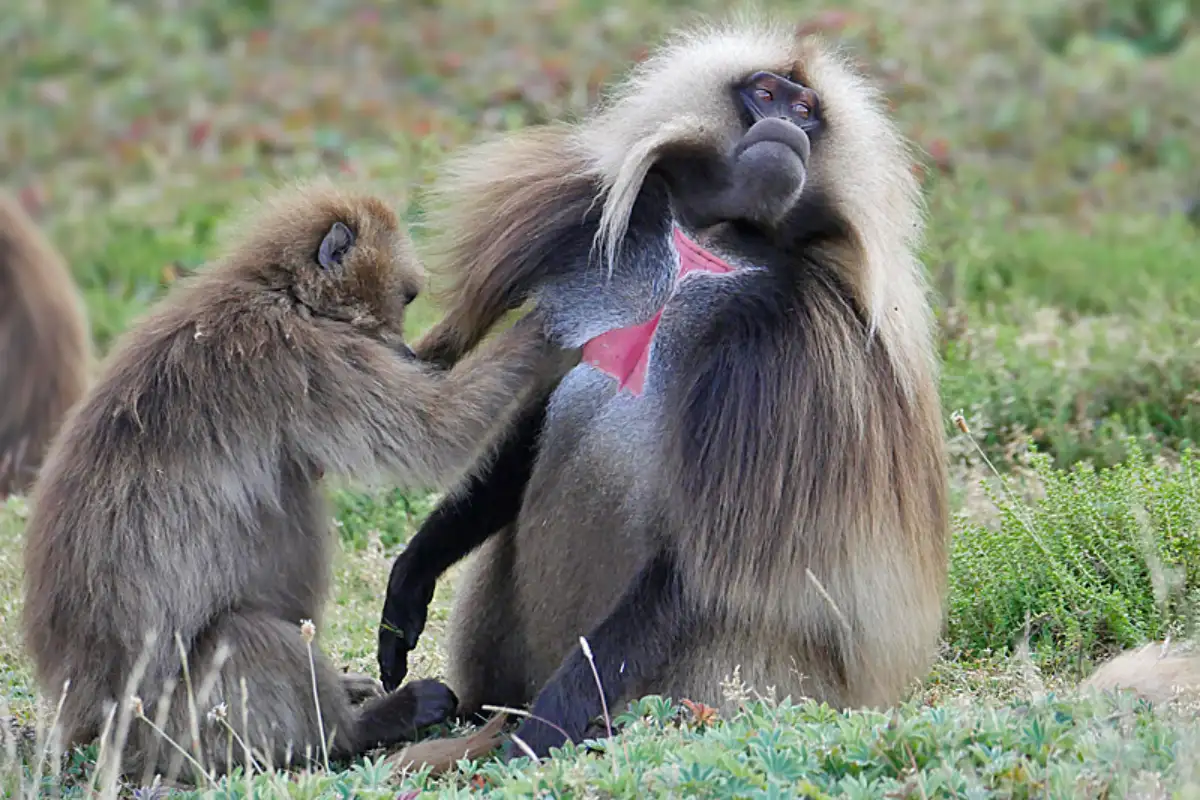
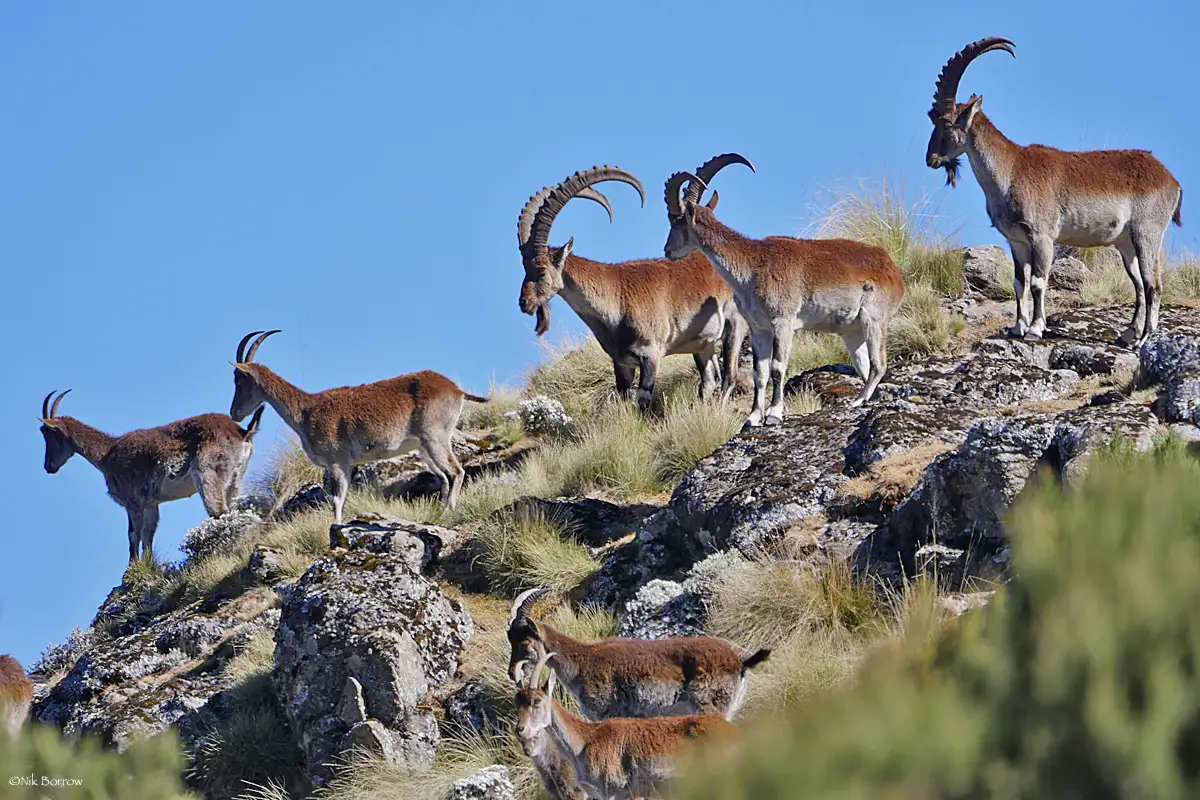
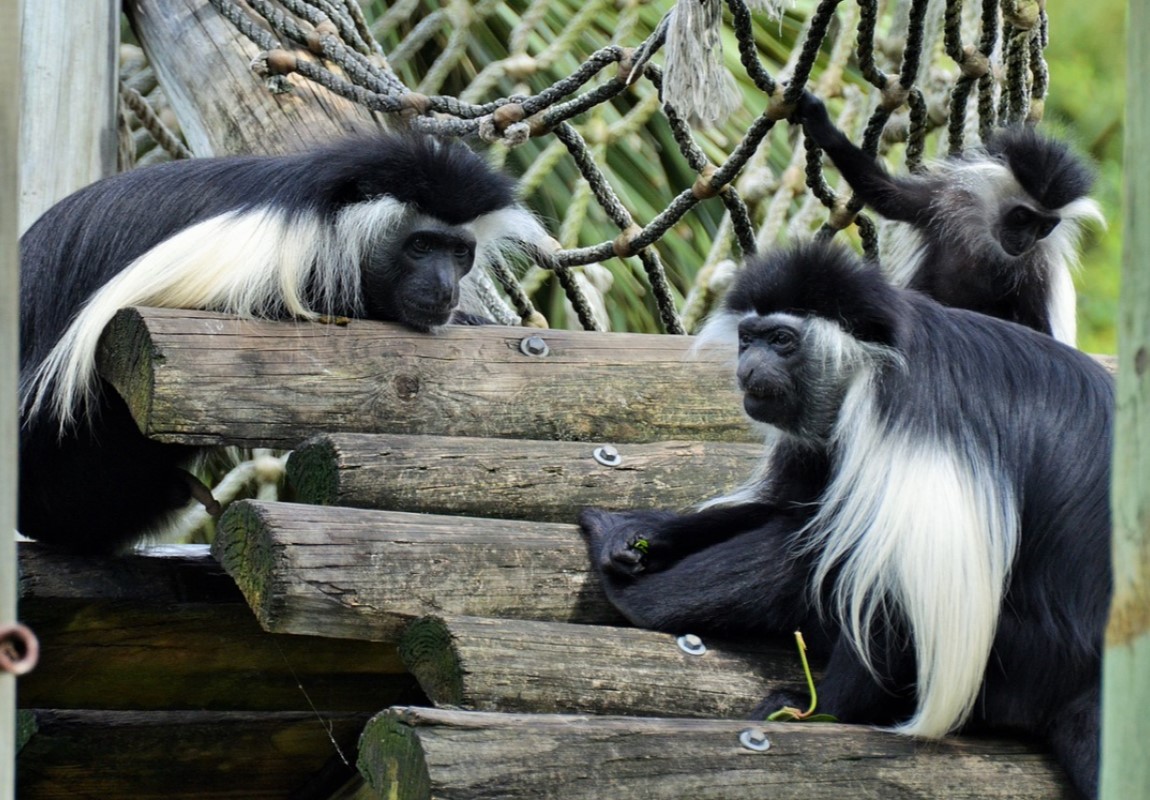
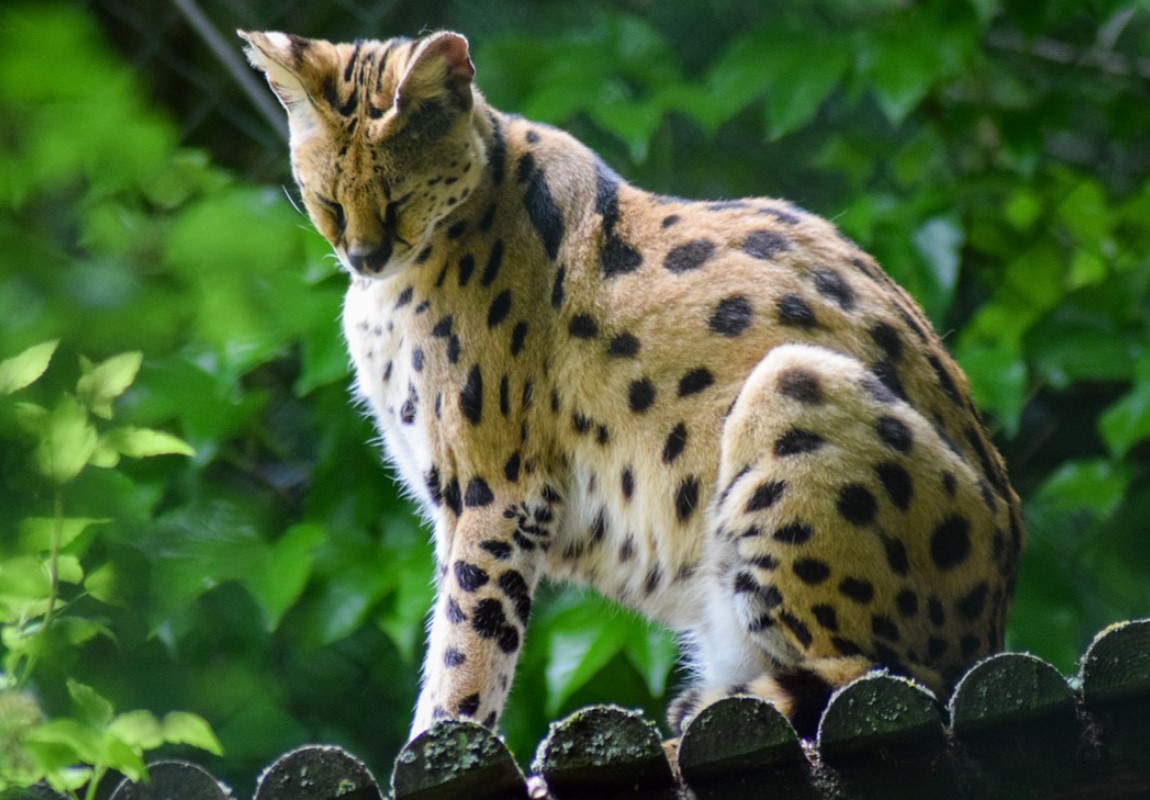
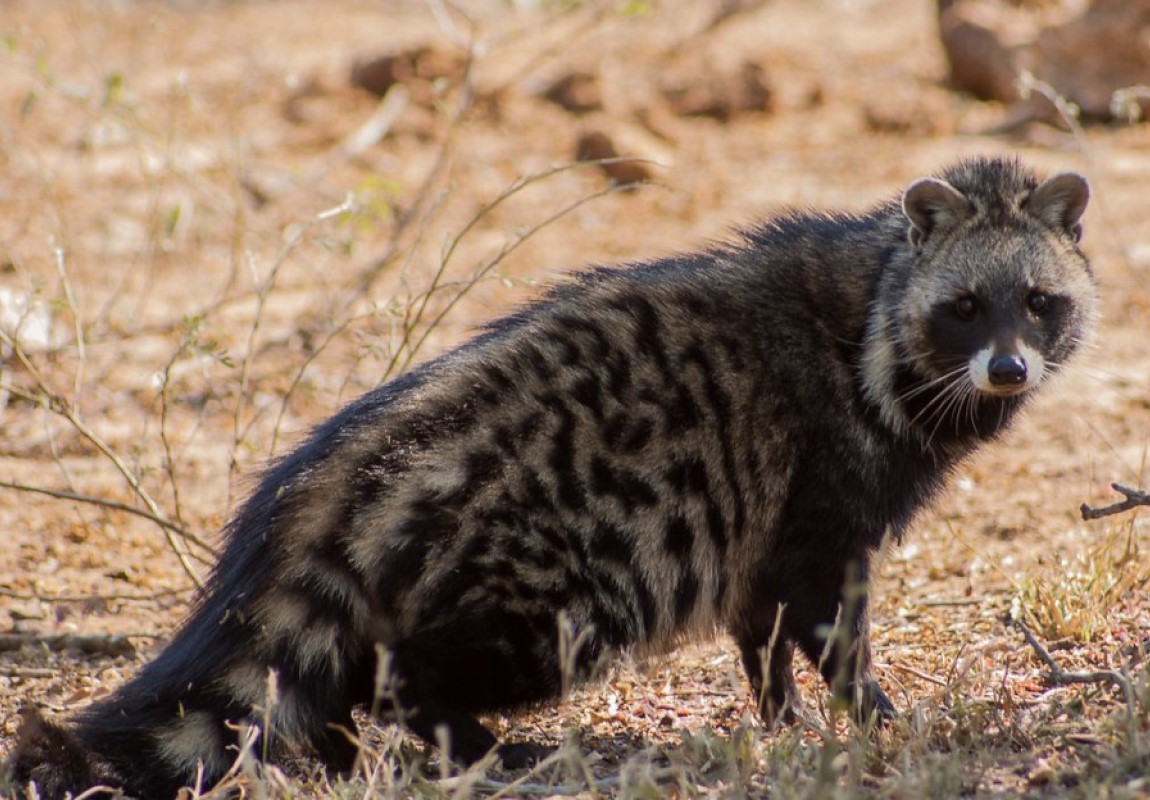
Harenna Forest supports a diverse range of forest-dwelling mammals adapted to dense vegetation and rugged terrain. The forest is known for its primates, small antelopes, and nocturnal species, many of which are endemic to Ethiopia. Wildlife sightings tend to be subtle and rewarding, often involving careful tracking and quiet observation. The ecological importance of the forest is immense, providing habitat connectivity between highland and lowland ecosystems.




Wildlife Highlights
Highlights include sightings of Bale monkeys in bamboo zones, forest antelopes moving quietly through undergrowth, and unique small mammals rarely seen elsewhere in Africa. The presence of endemic species makes every wildlife encounter in Harenna Forest especially significant.
Best Time for Wildlife Viewing
Wildlife viewing is best from November to February, when rainfall is lower and forest trails are more accessible, increasing chances of sightings.
Want to Visit Harenna Forest?
Birds
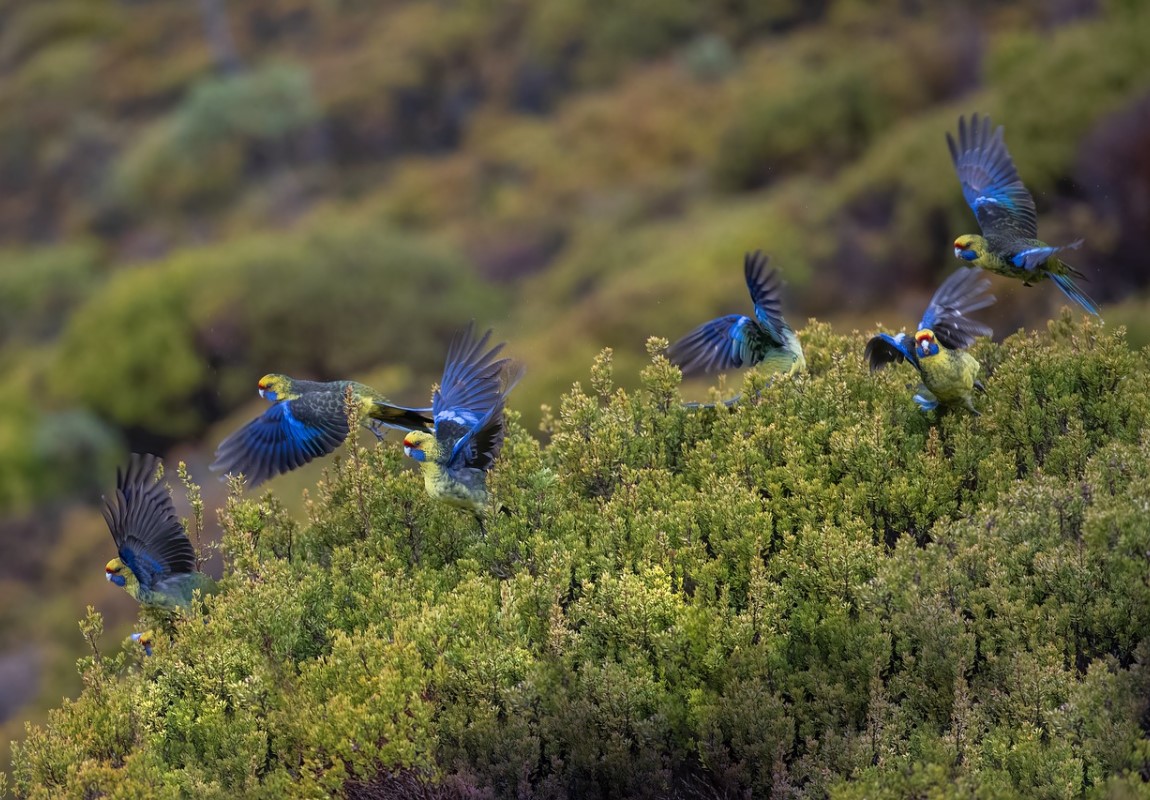
Harenna Forest is one of Ethiopia’s premier birding destinations, supporting numerous endemic and forest-specialist bird species. The dense canopy and varied forest strata provide ideal habitats for hornbills, turacos, and understory birds. Birdlife is active throughout the year, with calls and sightings rewarding patient observers.




Best Time for Birding
The best time for birdwatching is from October to April, when breeding activity increases and migratory species add to the forest’s diversity.
Want to Visit Harenna Forest?
Best Time to Visit – Harenna Forest
Wildlife viewing is best from November to February, when rainfall is lower and forest trails are more accessible, increasing chances of sightings.
October to March (Dry Season)
- Better trail accessibility
- Improved wildlife visibility
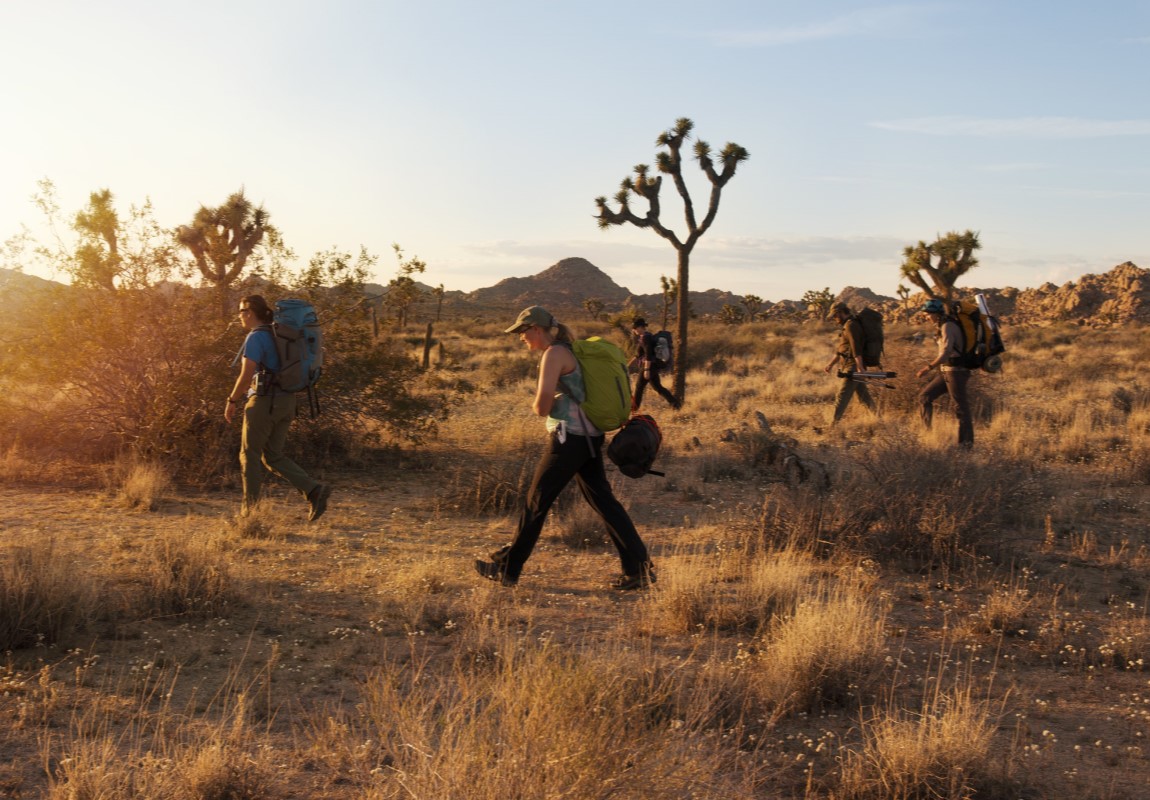
- Comfortable temperatures for hiking
- Ideal conditions for birdwatching
- Higher visitor numbers during peak months
- Some species remain elusive in dense forest
April to September (Wet Season)
- Lush green forest scenery
- Excellent bird breeding activity
- Fewer tourists and quieter trails
- Slippery trails and limited access
- Reduced wildlife visibility due to dense foliage
Want to Visit Harenna Forest?
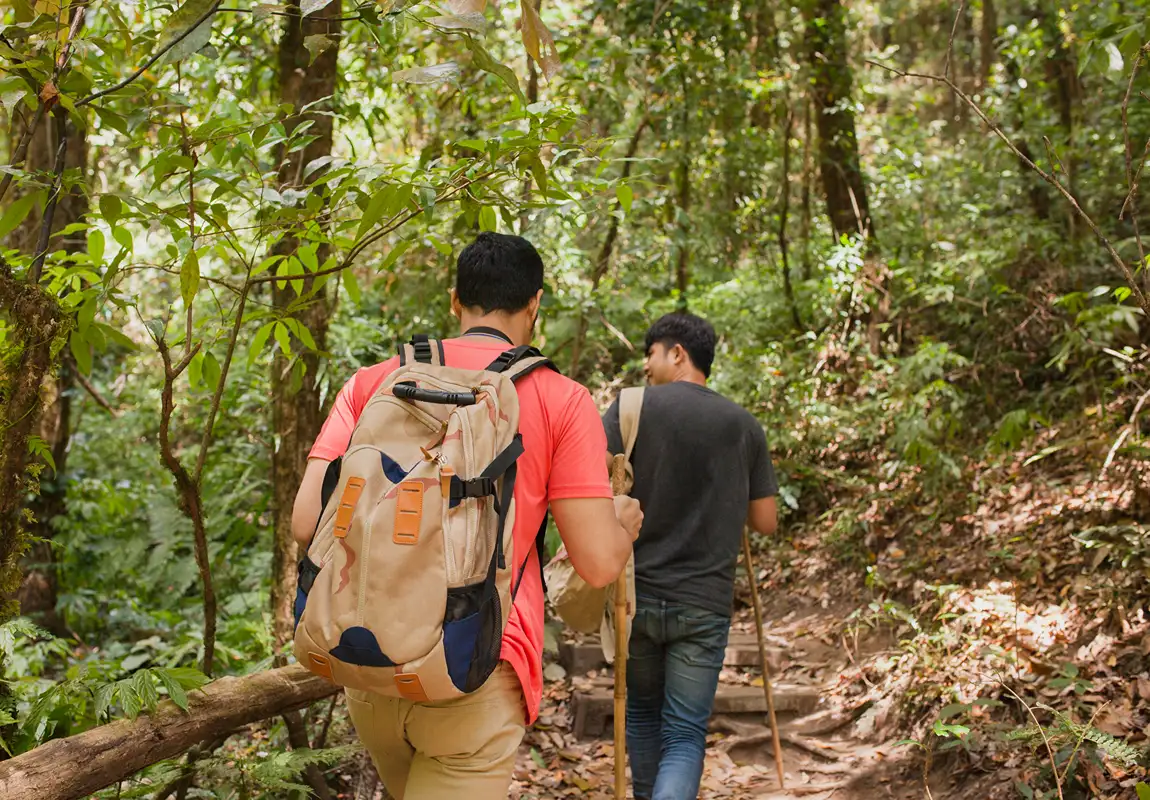
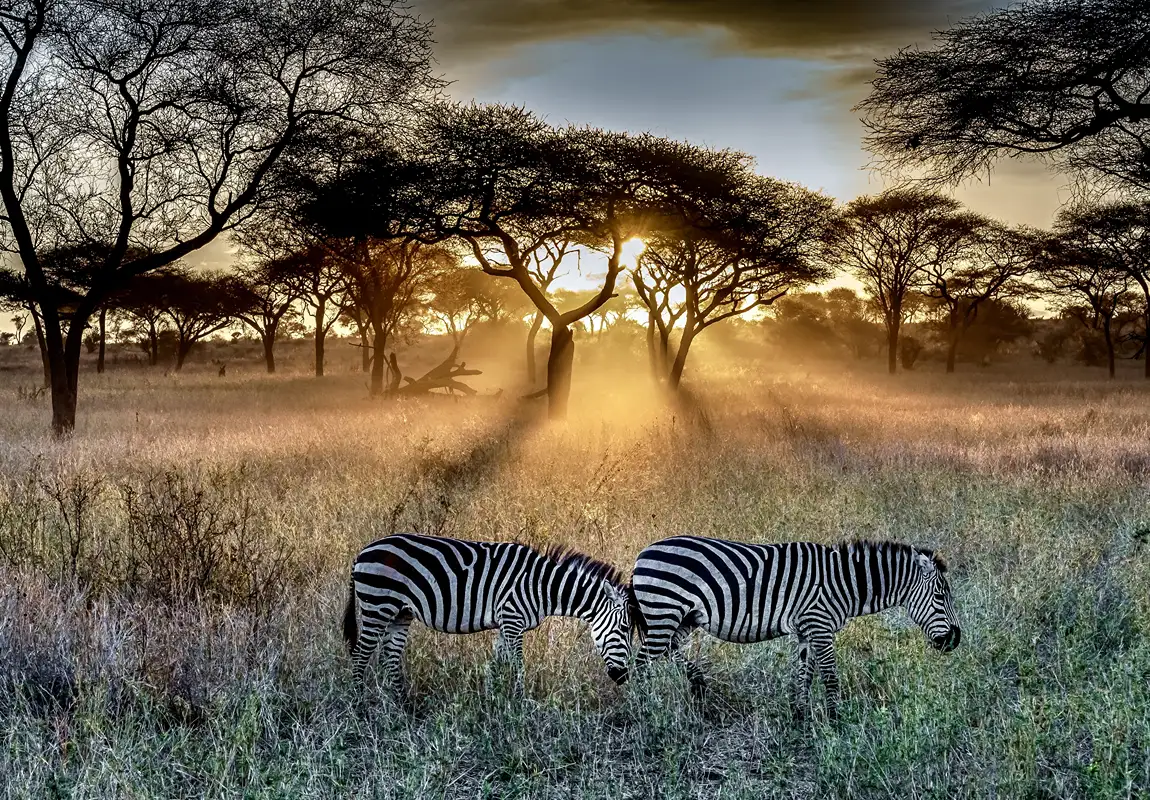
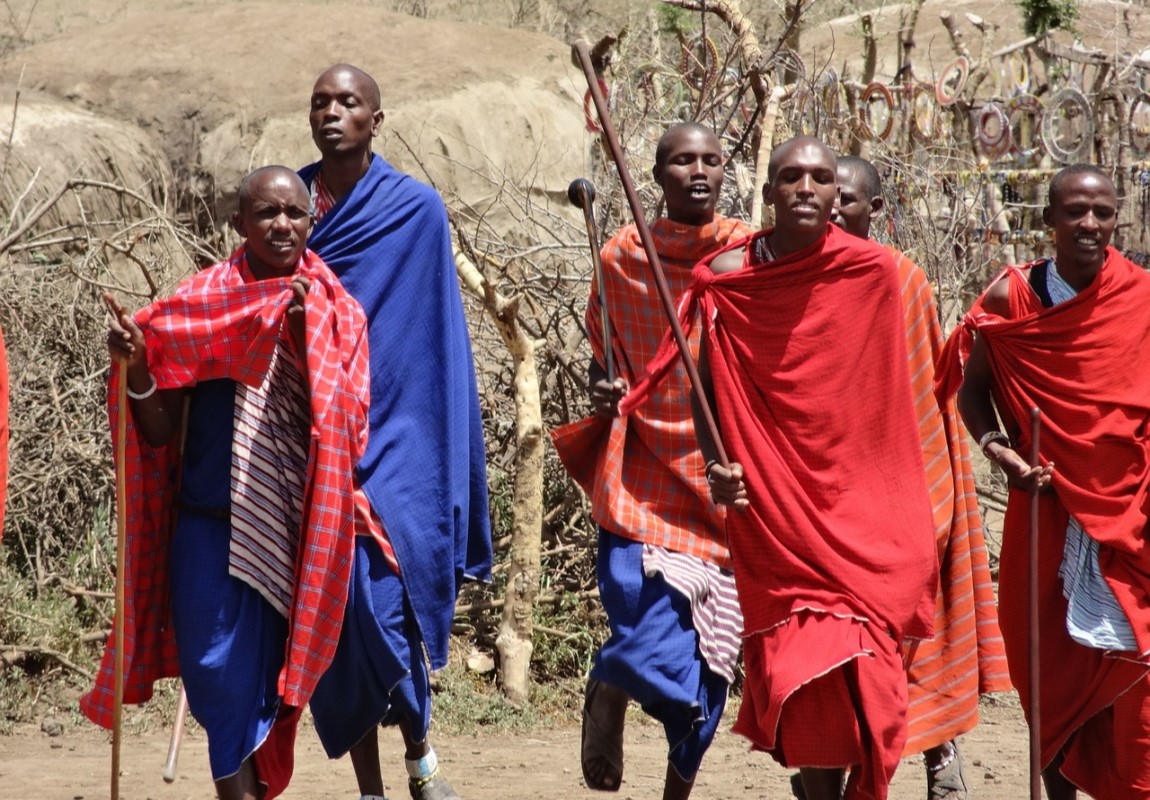
Activities
Explore popular activities available in and around Harenna Forest.


Want to Visit Harenna Forest?
No FAQs available for this park yet.