Bale Mountains National Park 
Bale Mountains National Park - Ethiopia Wildlife Destination
Starting from
$500PP
Overview
Bale Mountains National Park is Ethiopia’s most biologically significant and diverse protected area, located in the southeastern highlands of the country. The park protects a spectacular range of habitats, from the afro-alpine Sanetti Plateau and volcanic peaks to dense cloud forests and the vast Harenna Forest on the southern slopes. Bale is internationally renowned for its exceptionally high level of endemism and is considered the single most important conservation area in Ethiopia. It is the best place in the world to see Ethiopian endemics such as the Ethiopian wolf and mountain nyala, while also offering dramatic scenery, rich birdlife, and unique high-altitude ecosystems found nowhere else on Earth.
Pros & Cons
- World’s best place to see Ethiopian wolf
- Exceptional level of endemic wildlife and birds
- Diverse landscapes from alpine plateaus to rainforest
- Excellent trekking and photography opportunities
- Cool temperatures compared to lowland parks
- Wildlife viewing requires patience and exploration
- Cold conditions at high altitude
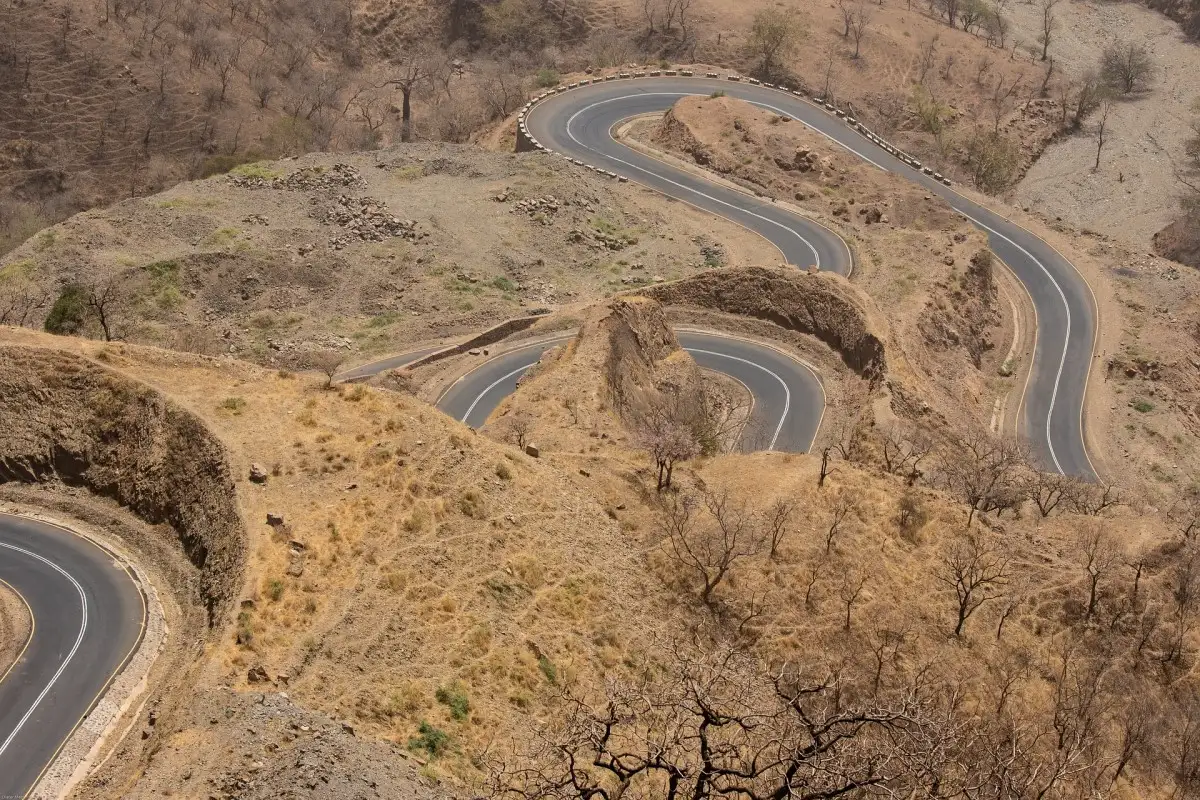
- Road access can be challenging in wet season
- Not a classic Big Five safari destination
Map in Ethiopia

Want to Visit Bale Mountains National Park?


Want to Visit Bale Mountains National Park?
Wildlife & Animals
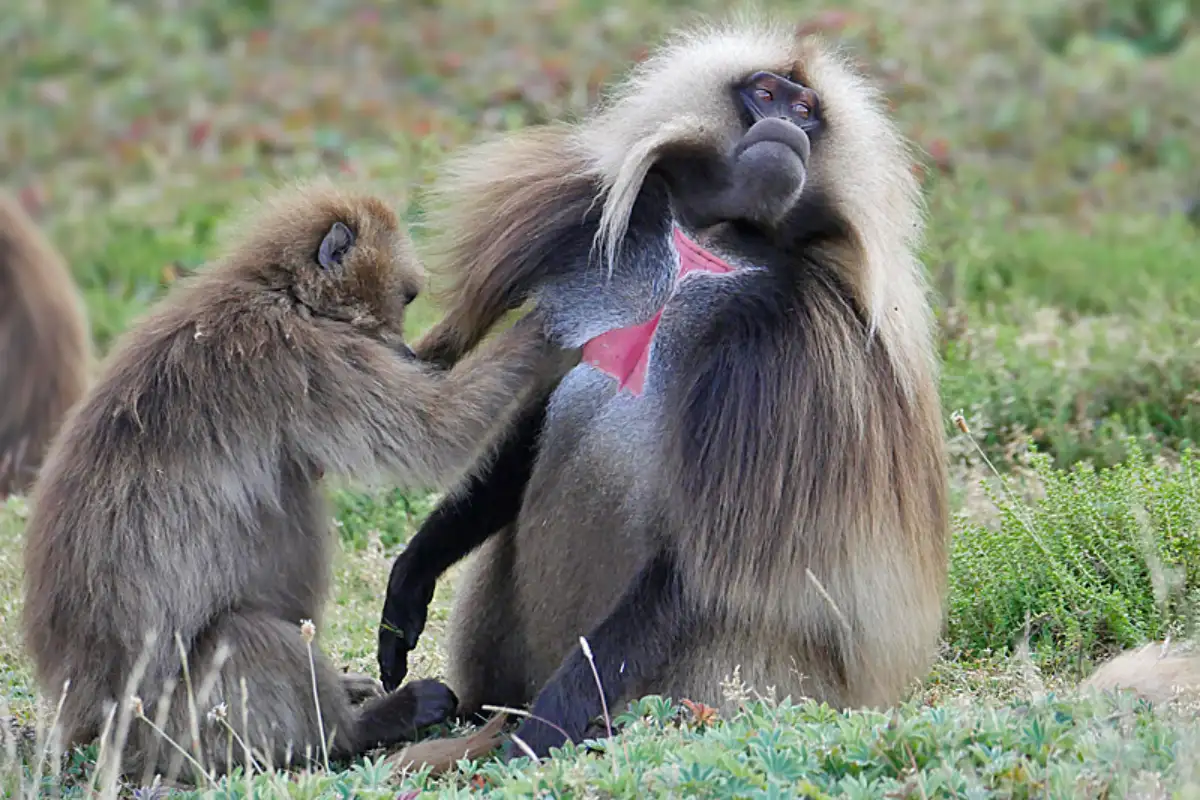
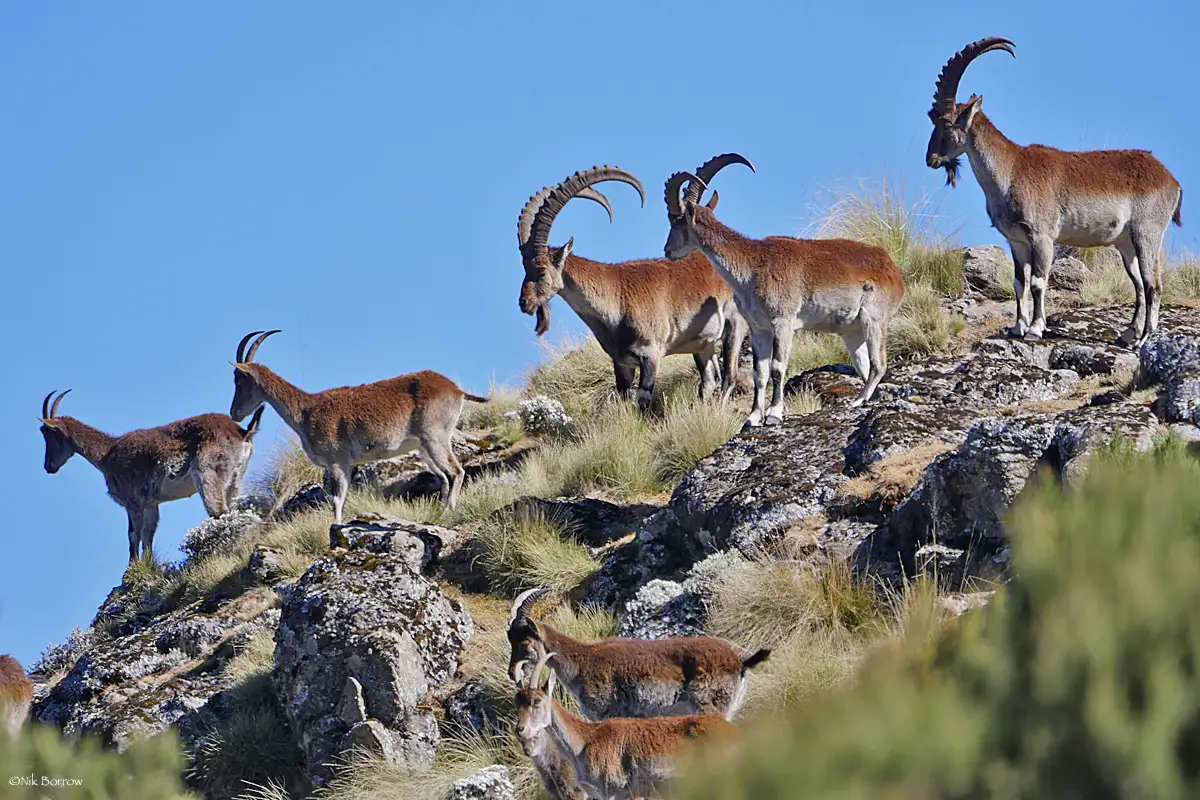
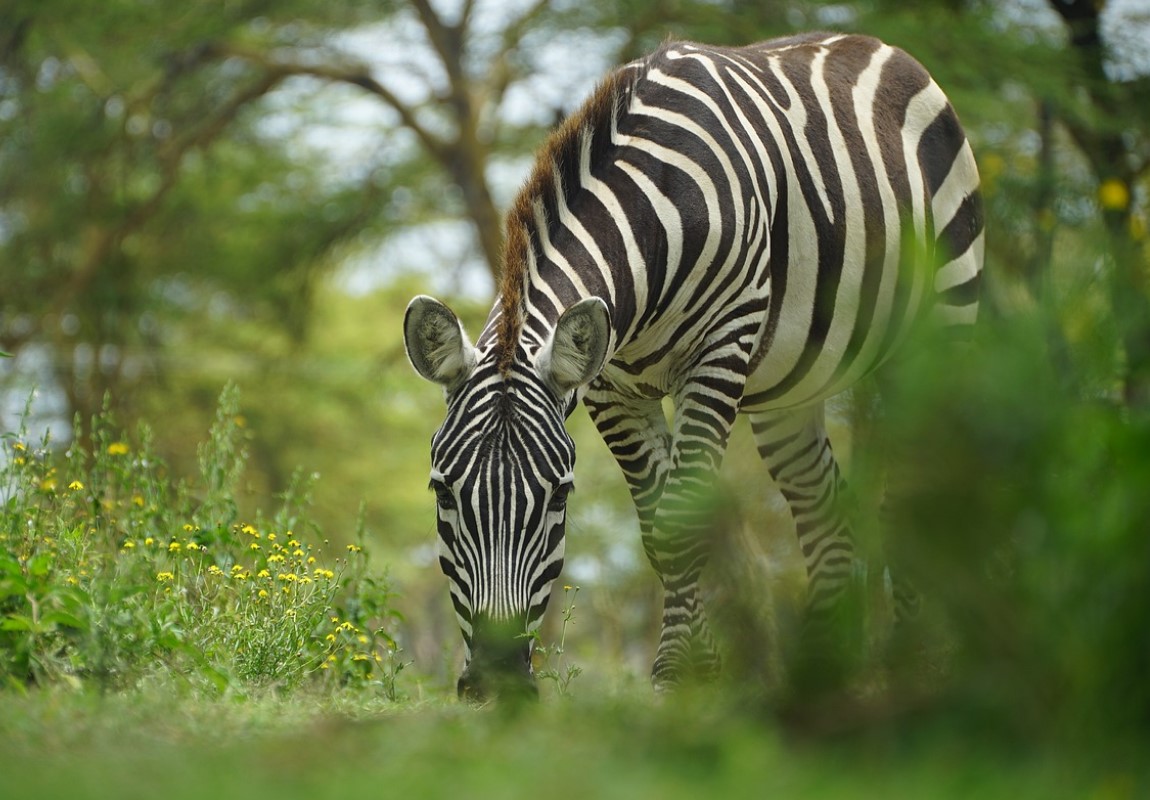
Bale Mountains National Park supports one of Africa’s most unique wildlife communities, shaped by its high-altitude ecosystems. The park is famous for its endemic mammals, many of which are restricted entirely to the Ethiopian Highlands. Large herbivores graze across the Sanetti Plateau, while dense forests shelter elusive species. Predators are present but are adapted to open alpine environments rather than savanna hunting.





Wildlife Highlights
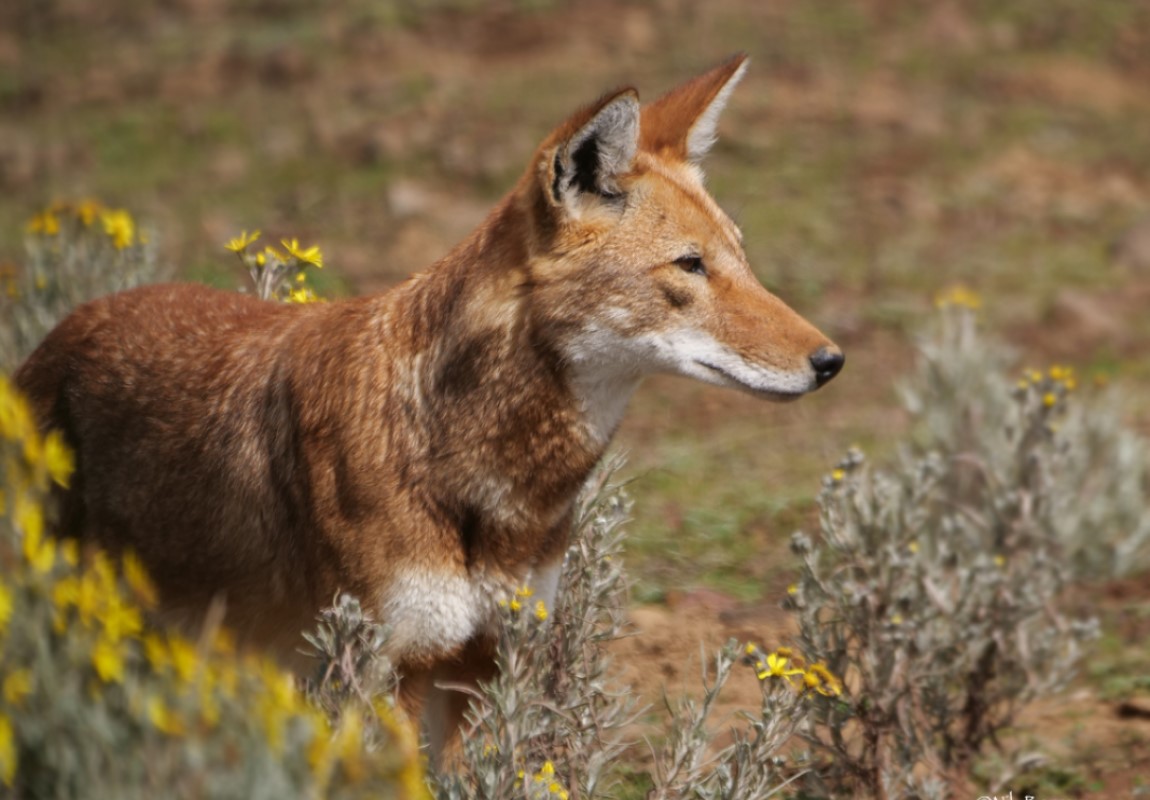
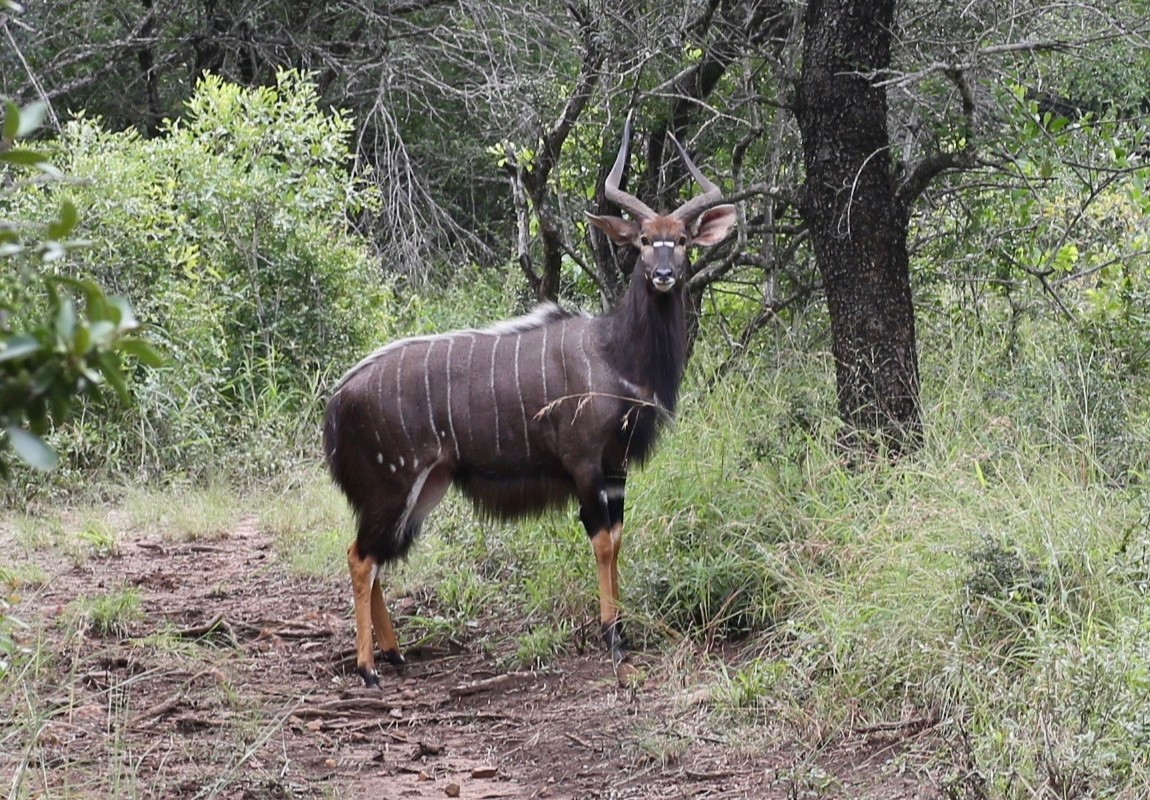
The Ethiopian wolf is the undisputed wildlife highlight of Bale Mountains and is frequently seen hunting rodents on the Sanetti Plateau. The park is also the stronghold of the mountain nyala, one of Africa’s most elegant antelopes, along with several endemic small mammals found nowhere else in the world.
Best Time for Wildlife Viewing
Wildlife viewing is best from November to February, when clear weather improves visibility on the plateau and animals are active throughout the day.
Want to Visit Bale Mountains National Park?
Birds
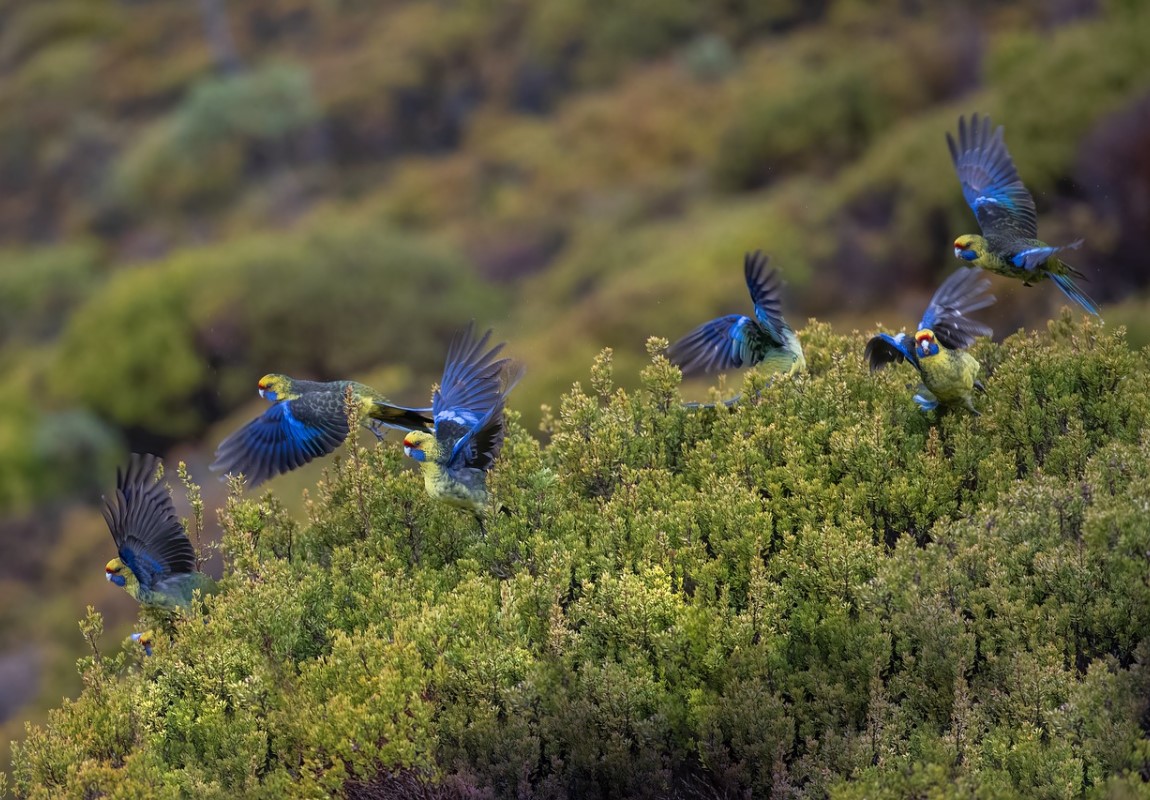
Bale Mountains National Park is one of Africa’s premier birding destinations, with an exceptional concentration of endemic and highland species. Habitats range from alpine moorlands to forested valleys, supporting a wide variety of birds adapted to different elevations.

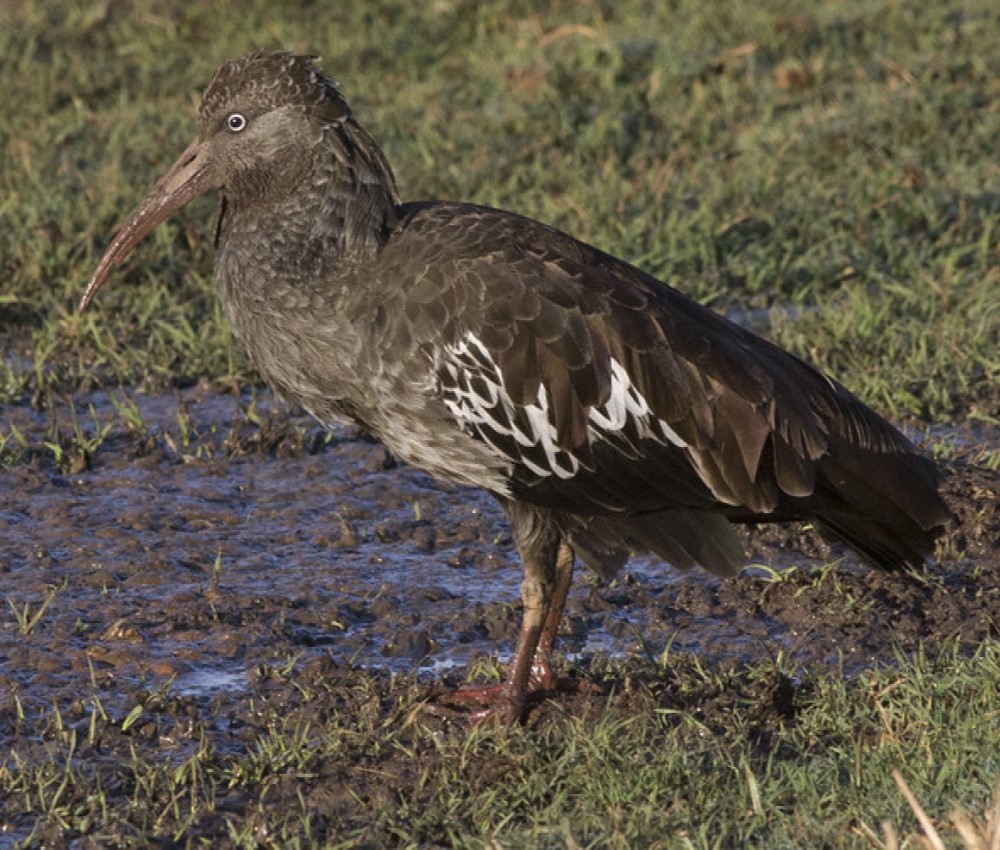
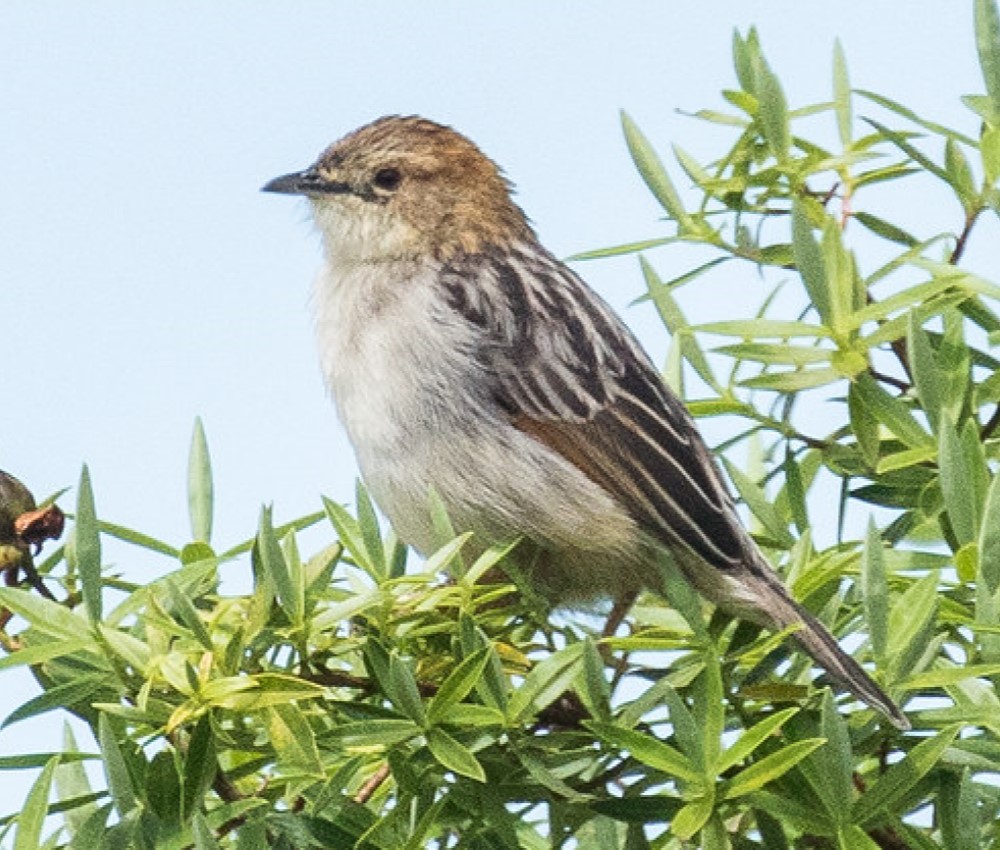
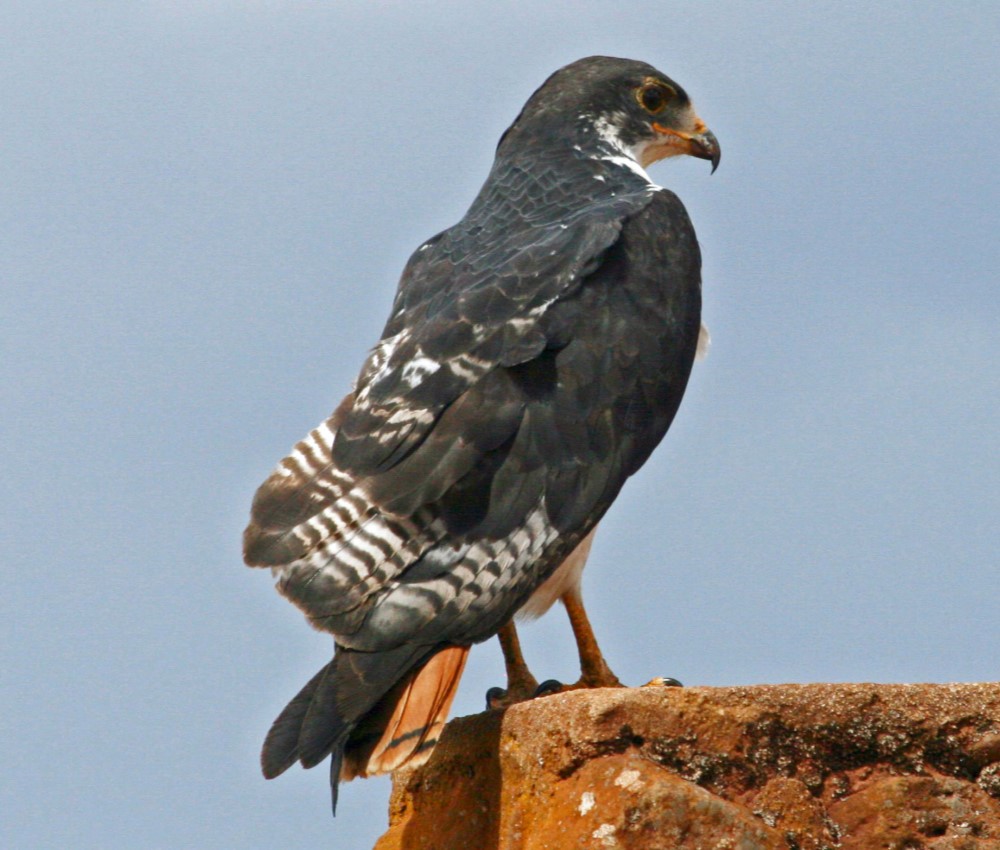
Best Time for Birding
The best time for birdwatching is from November to March, when breeding activity increases and migratory species are present.
Want to Visit Bale Mountains National Park?
Best Time to Visit – Bale Mountains National Park
Wildlife viewing is best from November to February, when clear weather improves visibility on the plateau and animals are active throughout the day.
October to March (Dry Season)
- Clear skies and excellent visibility
- Best conditions for trekking and photography
- Reliable wildlife sightings
- Cold mornings at high altitude
- More visitors during peak months
April to September (Wet Season)
- Lush green landscapes
- Dramatic scenery and waterfalls
- Fewer tourists
- Poor road conditions
- Limited access to Sanetti Plateau
- Frequent fog and rain
Want to Visit Bale Mountains National Park?
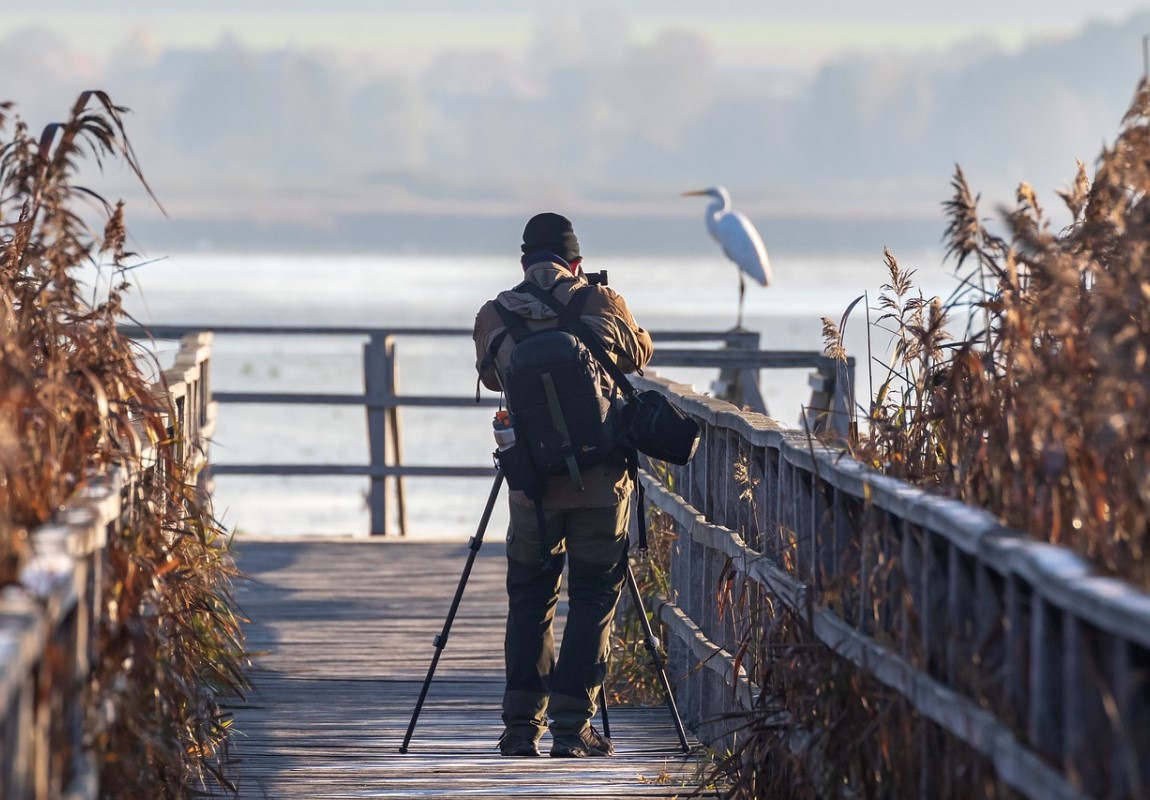
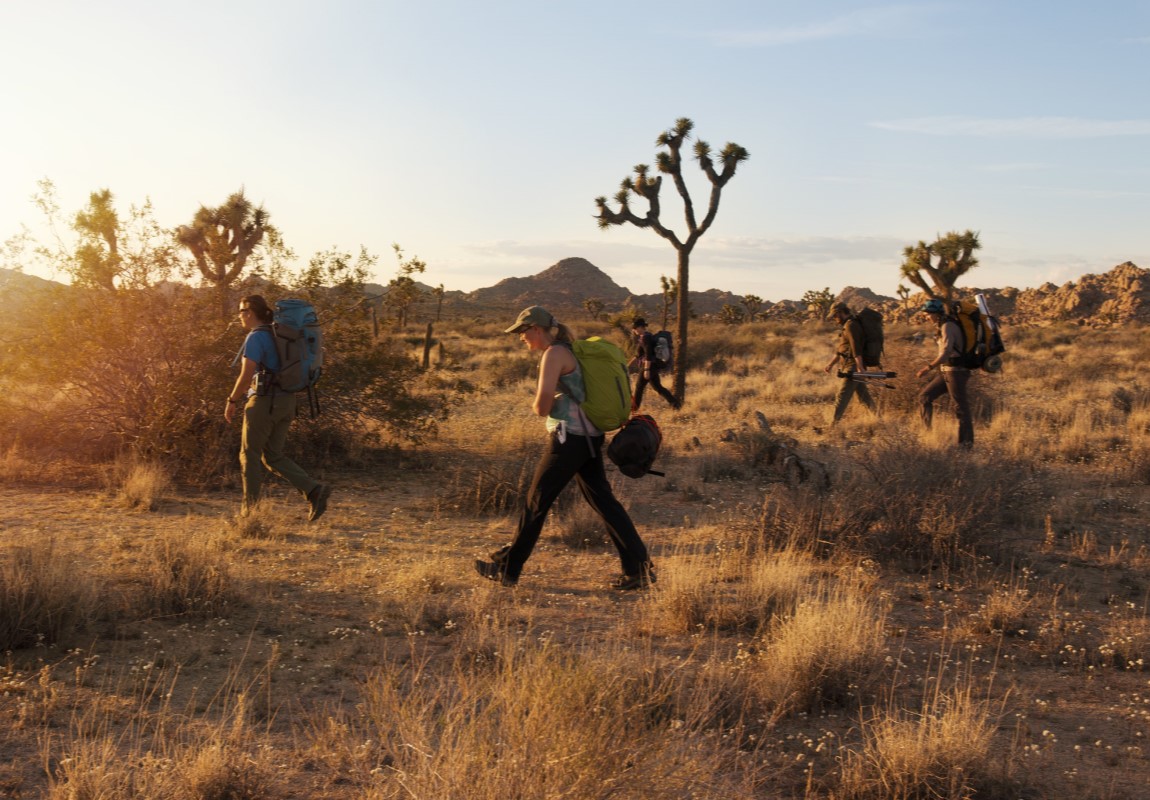
Activities
Explore popular activities available in and around Bale Mountains National Park.



Want to Visit Bale Mountains National Park?
No FAQs available for this park yet.