Namib-Naukluft National Park 
Namib-Naukluft National Park - Namibia Wildlife Destination
Starting from
$500PP
Overview
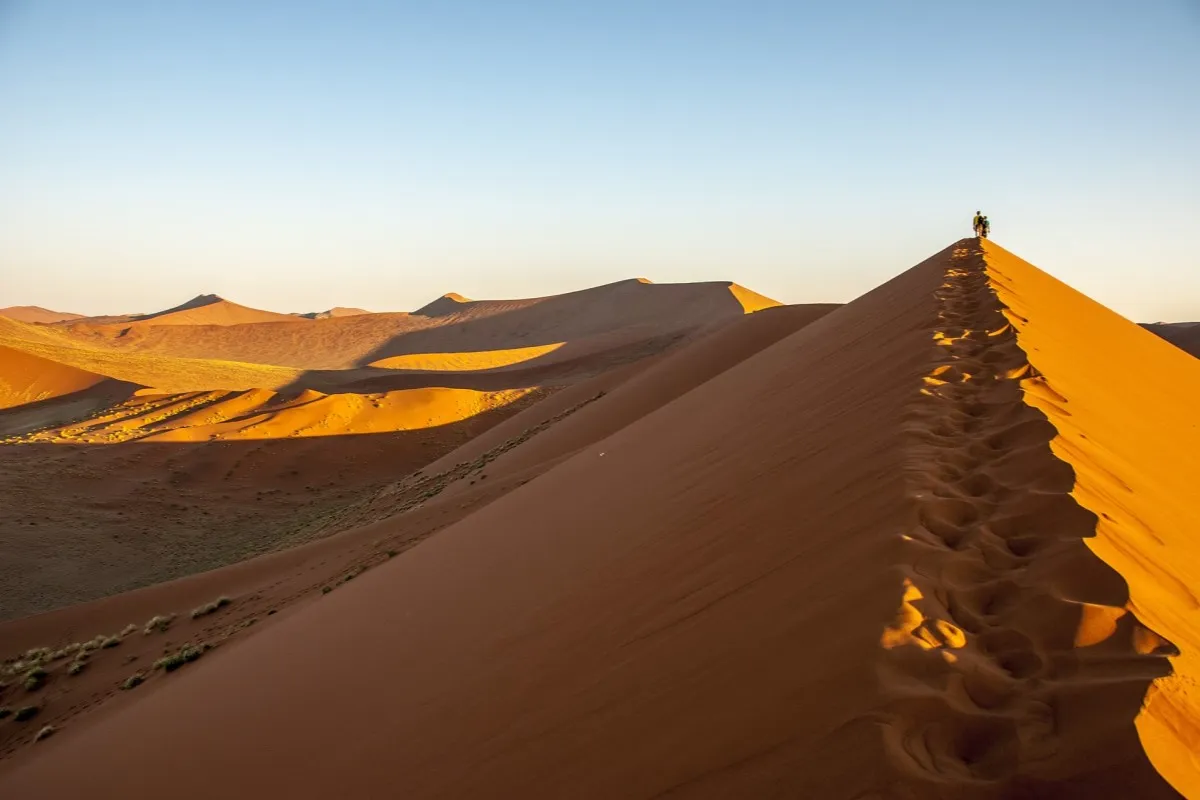
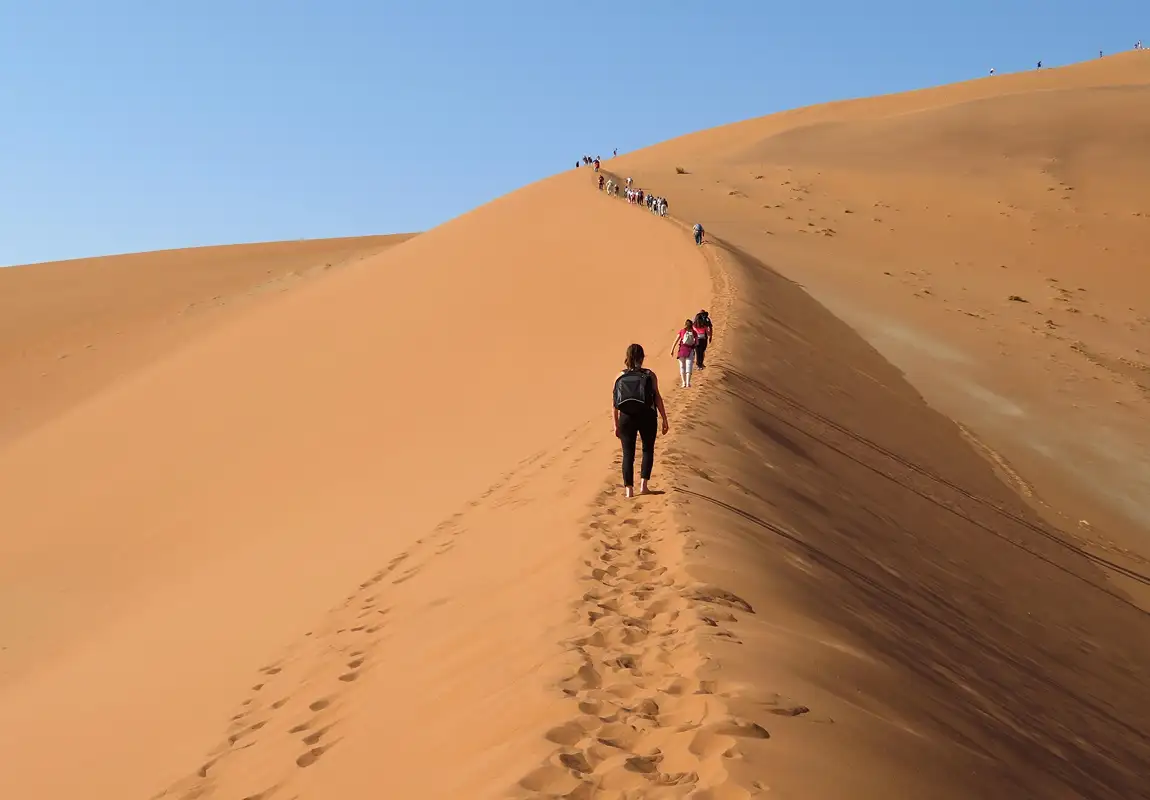
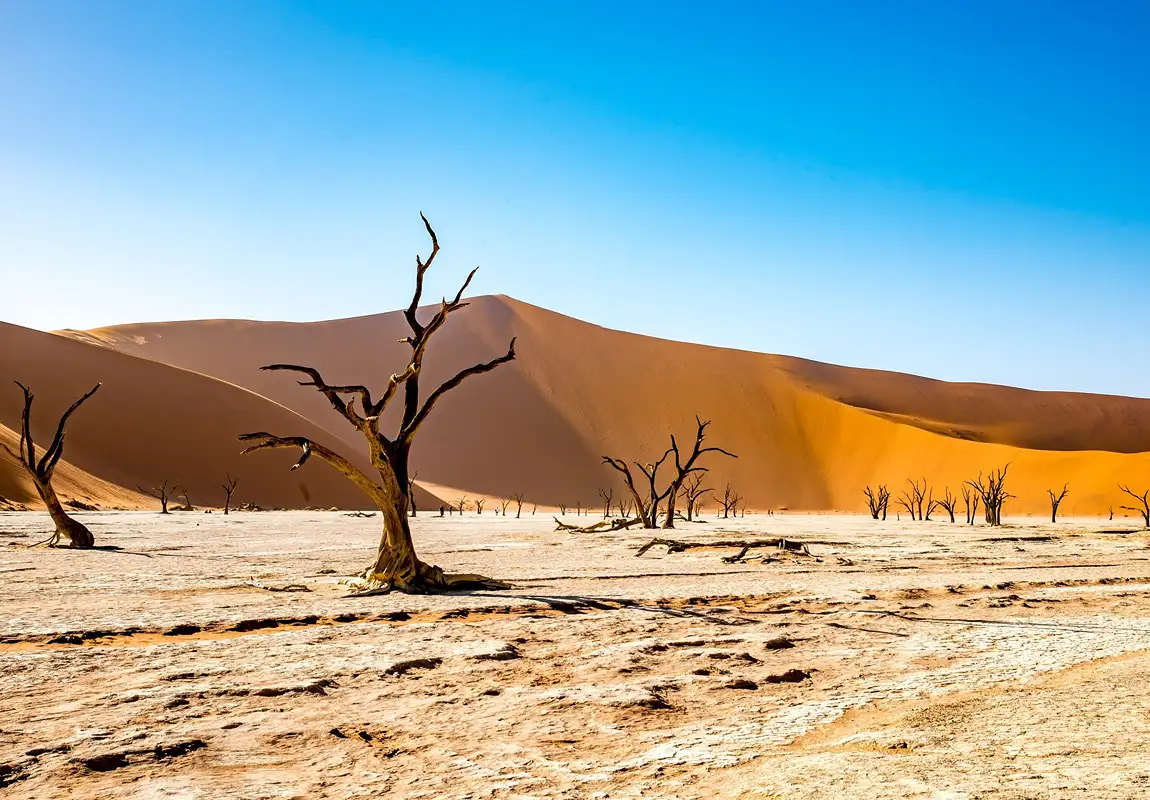
Namib-Naukluft National Park is one of Africa's largest protected areas and a cornerstone of Namibia's natural heritage. Encompassing vast stretches of the ancient Namib Desert, towering sand dunes, gravel plains, rugged mountains, and dramatic canyons, the park showcases some of the oldest landscapes on Earth. Iconic areas such as Sossusvlei, Deadvlei, and the Naukluft Mountains define its character, offering striking contrasts between blazing red dunes and stark white clay pans. The park is renowned not for dense wildlife populations but for its extraordinary desert-adapted species, geological features, and otherworldly scenery, making it a must-visit destination for photographers, hikers, and nature lovers.
Pros & Cons
- Iconic red sand dunes and desert landscapes
- Excellent photography opportunities
- Unique desert-adapted wildlife
- Well-developed access to key attractions like Sossusvlei
- Extreme heat in summer months
- Sparse wildlife compared to savanna parks
- Long driving distances between sites
- Harsh desert conditions
Map in Namibia

Want to Visit Namib-Naukluft National Park?


Want to Visit Namib-Naukluft National Park?
Wildlife & Animals
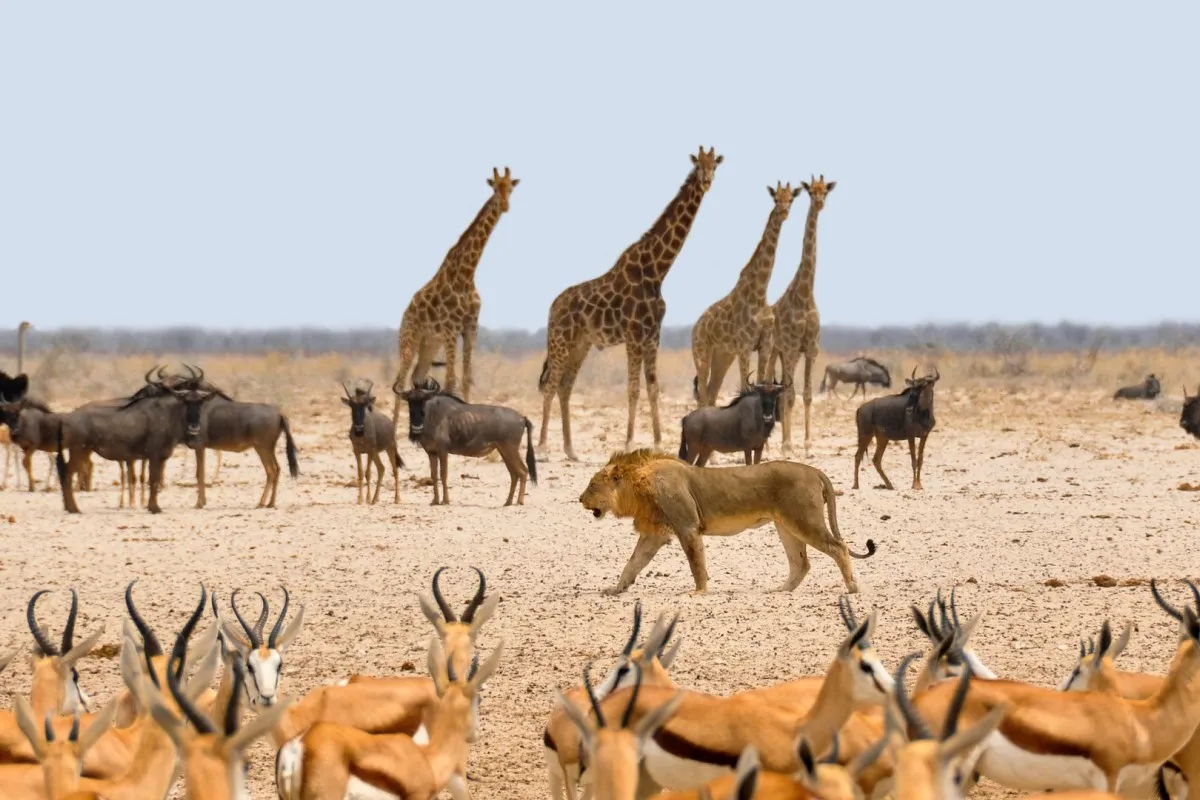
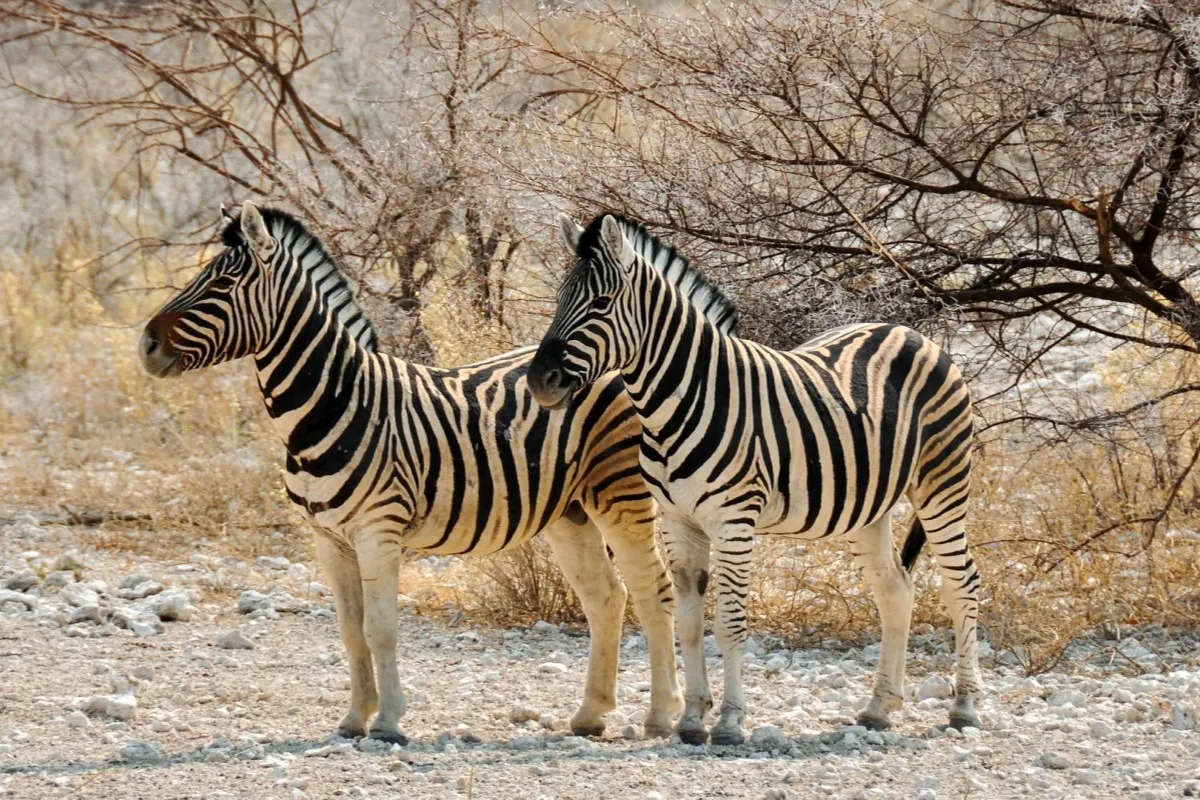
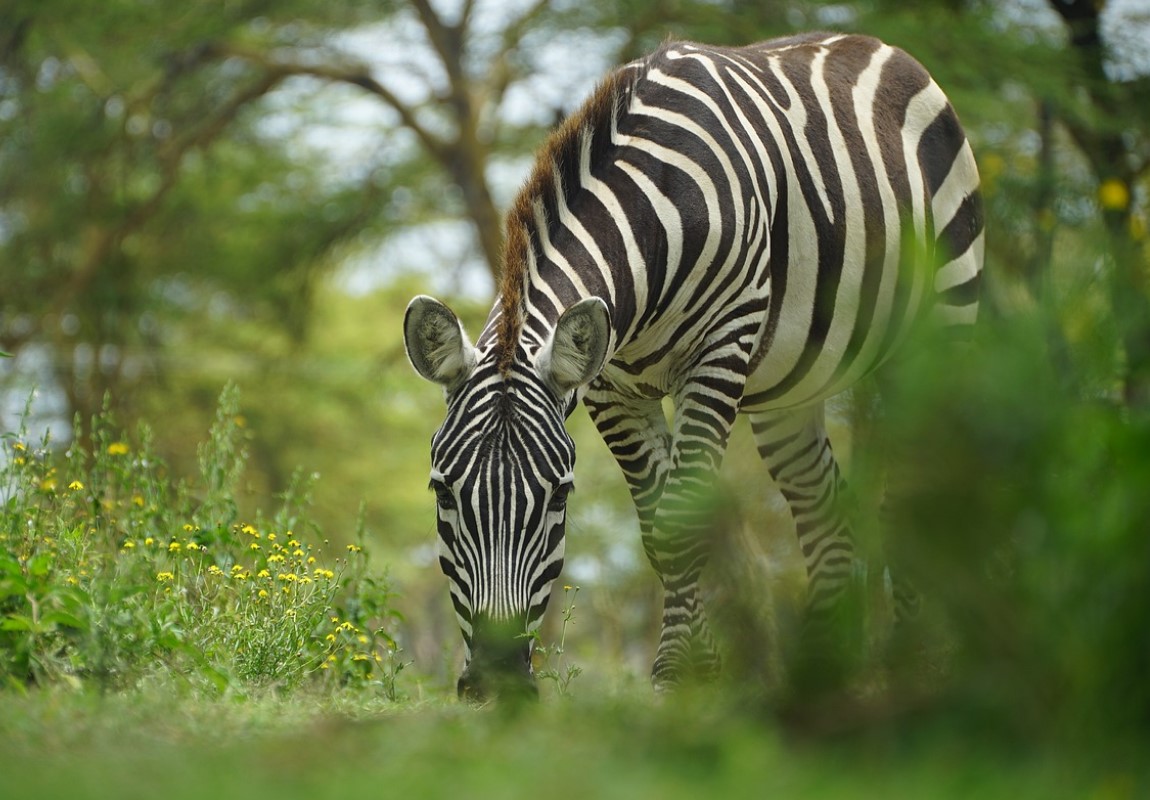
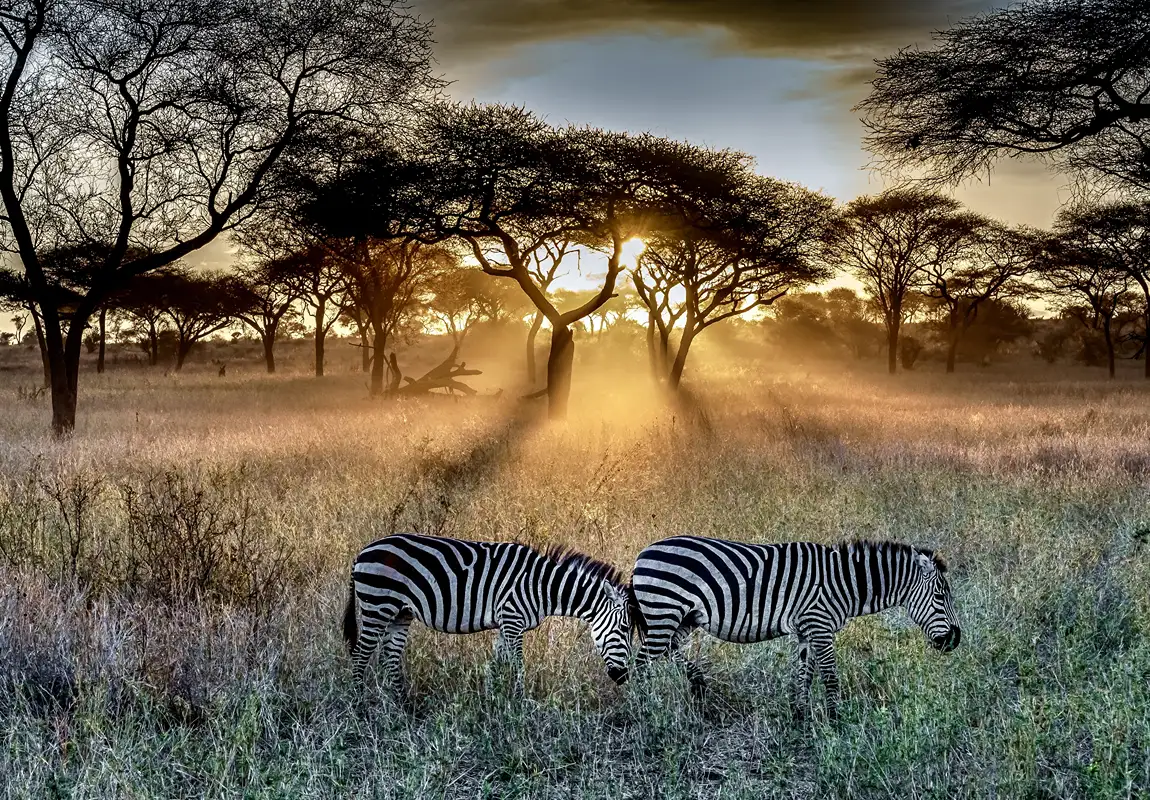
Wildlife in Namib-Naukluft National Park is subtle and specialized, shaped by extreme aridity and temperature fluctuations. Species here are remarkably adapted to survive with minimal water, drawing moisture from fog and sparse vegetation. Oryx, springbok, and Hartmann's mountain zebra roam the plains and dune margins, while smaller mammals such as bat-eared foxes, jackals, and rodents are more frequently encountered. Predators like cheetahs and leopards are present but elusive, relying on vast territories and stealth rather than numbers.






Wildlife Highlights
A major highlight of the park is the sight of oryx silhouetted against towering dunes, symbolizing desert survival. Hartmann's mountain zebra navigate steep, rocky slopes with ease, while desert-adapted reptiles and insects add to the park's ecological intrigue. Although wildlife sightings require patience, the sense of space and isolation enhances every encounter, making even brief sightings memorable.
Best Time for Wildlife Viewing
The best time for wildlife viewing is from May to September, when cooler temperatures encourage daytime activity and animals are more likely to move across open terrain. Early mornings and late afternoons provide the best opportunities to observe antelope and smaller mammals near water sources and dune edges.
Want to Visit Namib-Naukluft National Park?
Birds
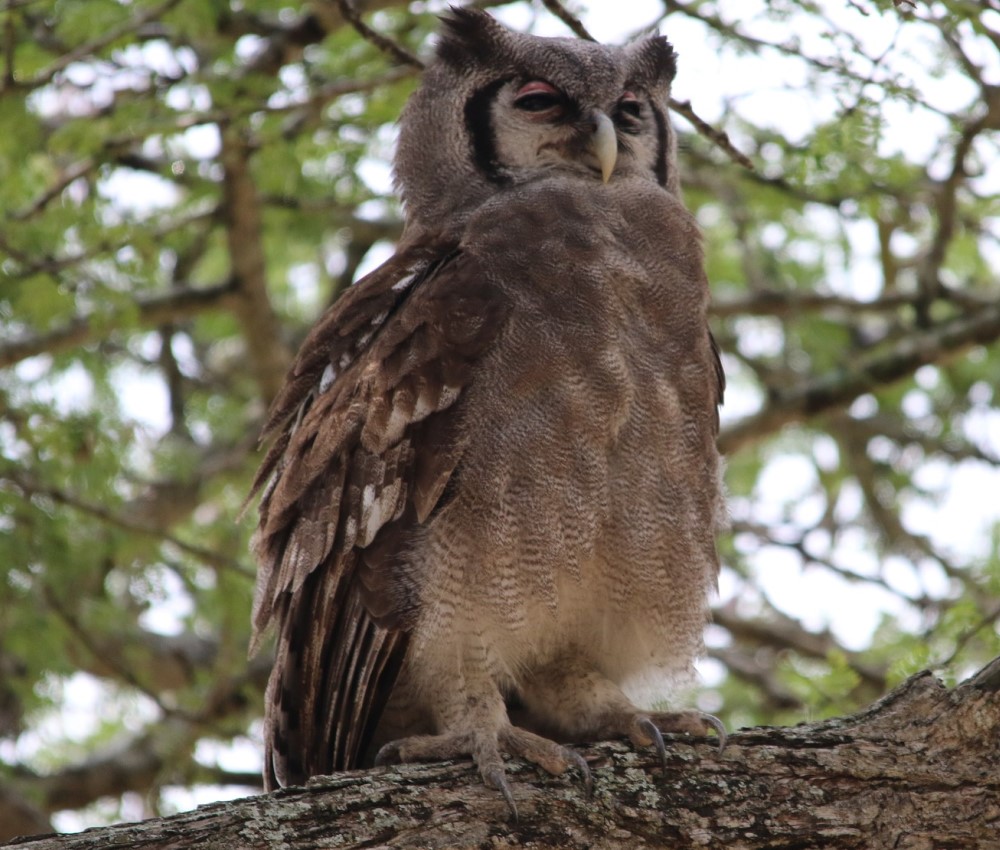
Birdlife in Namib-Naukluft National Park reflects the diversity of desert and mountain habitats. Larks, wheatears, and coursers are commonly seen in arid plains, while raptors such as Verreaux's eagle patrol the Naukluft Mountains. Seasonal water and fog influence bird distribution, and migratory species add variety during wetter months. Birding here rewards those interested in desert specialists rather than sheer numbers.



Best Time for Birding
November to March is the best period for birdwatching, when migratory birds arrive and breeding activity increases following sporadic rainfall. During this time, insect populations rise, attracting insectivorous species and enhancing overall bird diversity.
Want to Visit Namib-Naukluft National Park?
Best Time to Visit – Namib-Naukluft National Park
The best time for wildlife viewing is from May to September, when cooler temperatures encourage daytime activity and animals are more likely to move across open terrain. Early mornings and late afternoons provide the best opportunities to observe antelope and smaller mammals near water sources and dune edges.
May to October (Dry Season)
- Comfortable daytime temperatures
- Excellent visibility and photography
- Ideal conditions for hiking and sightseeing
- Cold early mornings
- Limited bird activity
- Dusty conditions
December to March (Wet Season)
- Dramatic desert scenery
- Improved bird diversity
- Occasional green landscapes
- Extreme heat
- Reduced daytime wildlife activity
- Travel discomfort
Want to Visit Namib-Naukluft National Park?
Activities
Explore popular activities available in and around Namib-Naukluft National Park.


Want to Visit Namib-Naukluft National Park?
No FAQs available for this park yet.