Khaudum National Park 
Khaudum National Park - Namibia Wildlife Destination
Starting from
$500PP
Overview
Khaudum National Park is a remote and rugged wilderness located in northeastern Namibia along the border with Botswana. Covering vast tracts of Kalahari sandveld, dry riverbeds, and dense teak and mopane woodlands, the park represents one of Namibia’s last true wilderness areas. Khaudum is characterized by minimal infrastructure, challenging driving conditions, and an untamed atmosphere that rewards experienced and well-prepared travelers. Seasonal pans and ephemeral watercourses shape wildlife movements, while the park functions as an important ecological corridor linking Namibia’s interior with Botswana’s Okavango ecosystem. Its isolation and raw landscapes make Khaudum ideal for adventurous visitors seeking an authentic, self-reliant safari experience far from mainstream tourism routes.
Pros & Cons
- True wilderness experience
- Excellent elephant populations
- Low visitor numbers
- Strong sense of isolation and adventure
- Very limited facilities
- Challenging self-drive conditions
- Requires full 4x4 preparation
- Extreme heat in summer
Map in Namibia

Want to Visit Khaudum National Park?


Want to Visit Khaudum National Park?
Wildlife & Animals
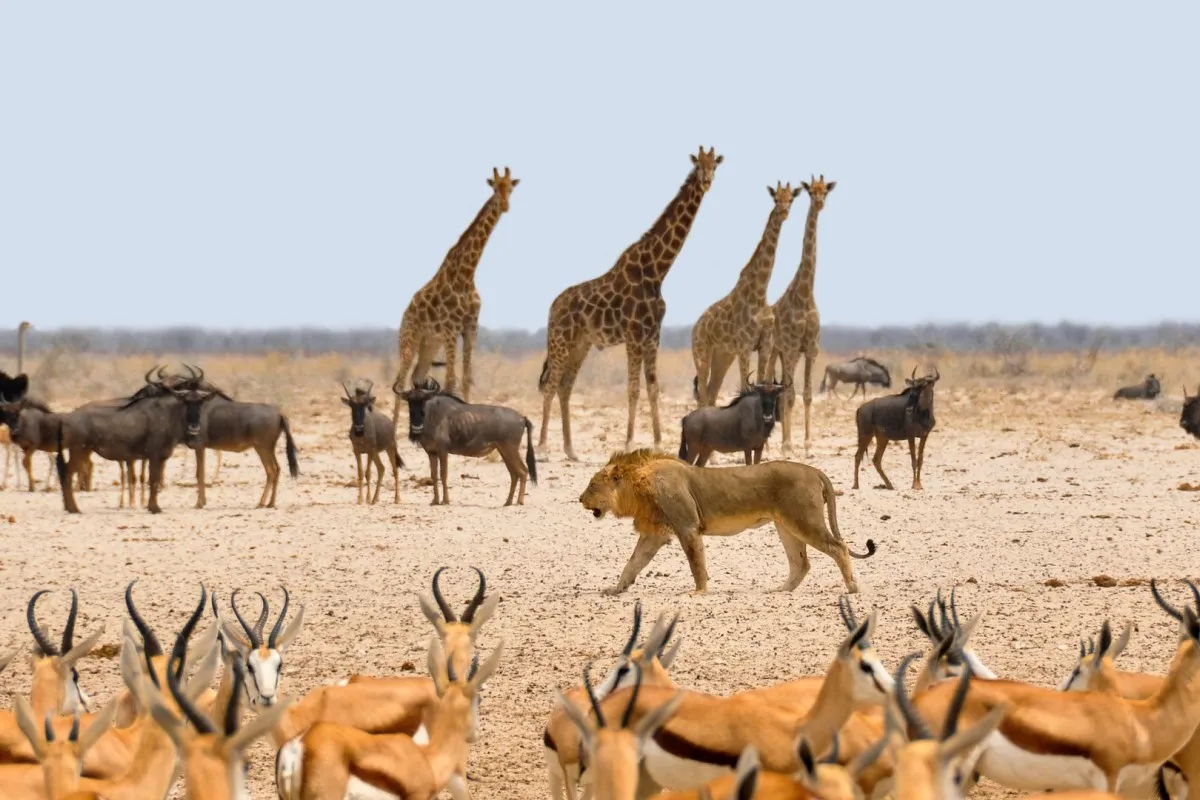
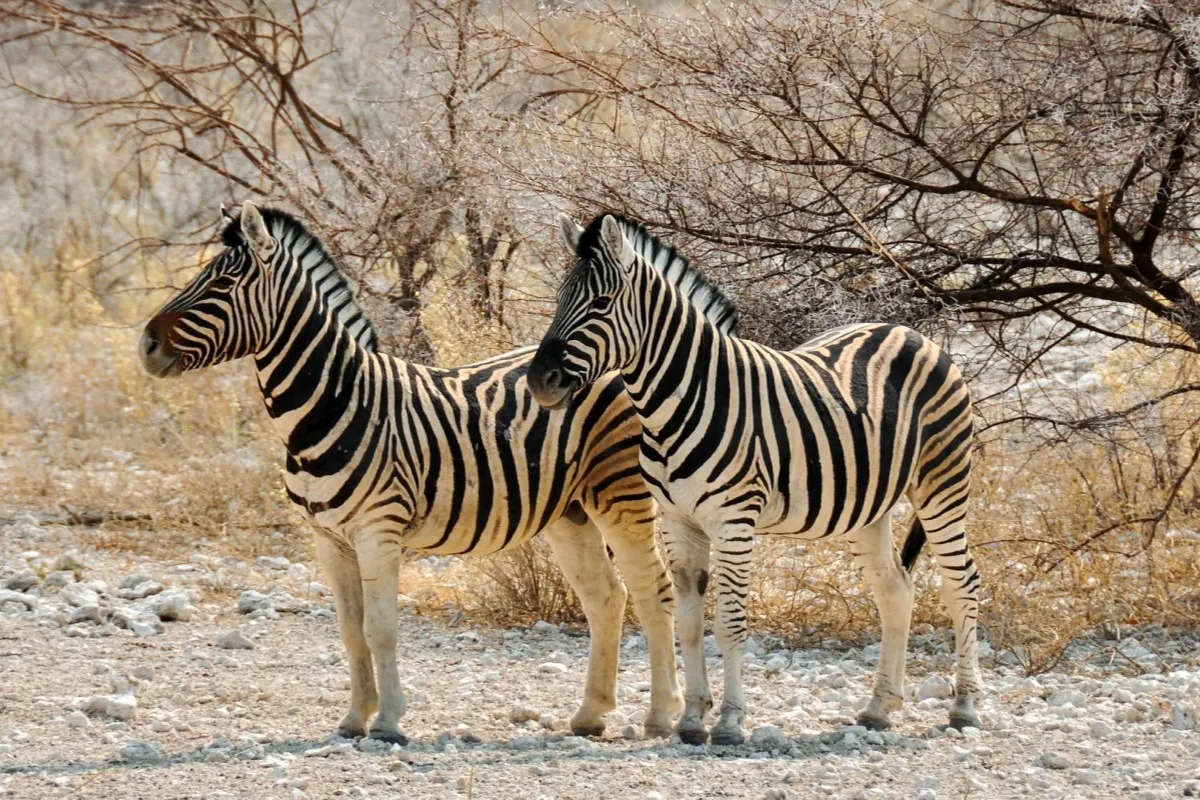
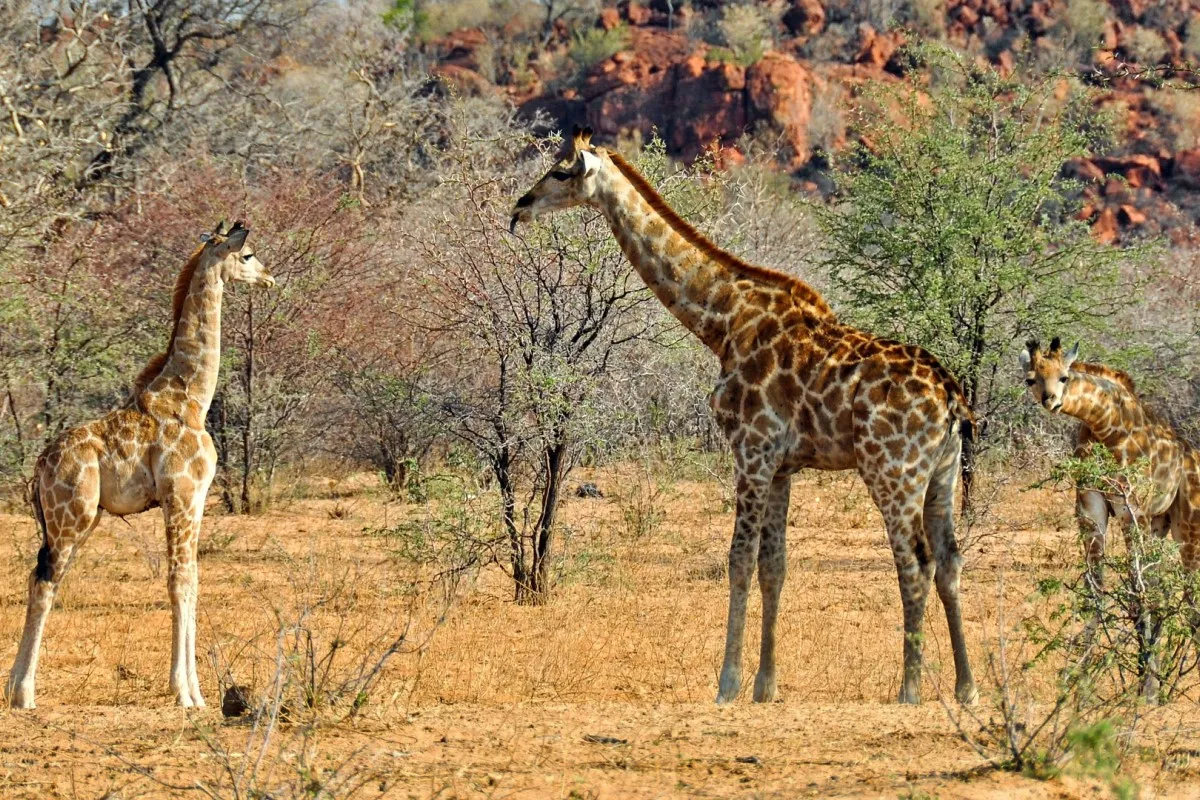
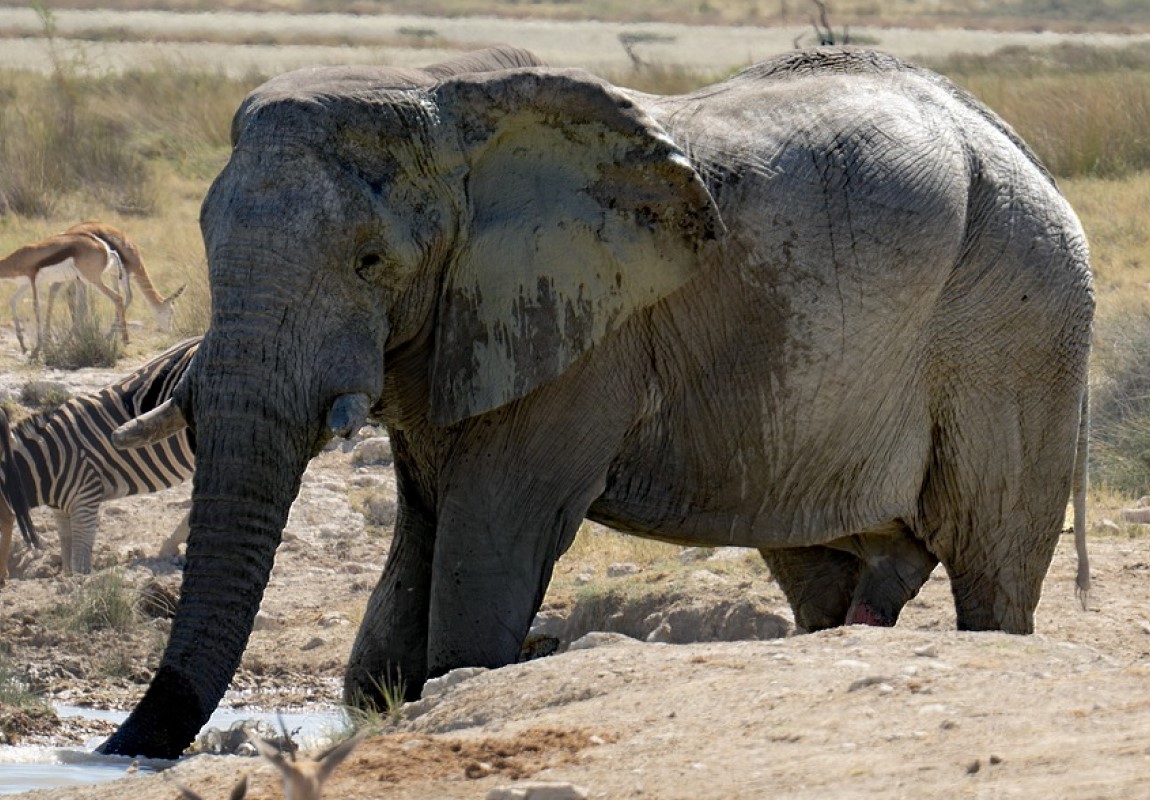
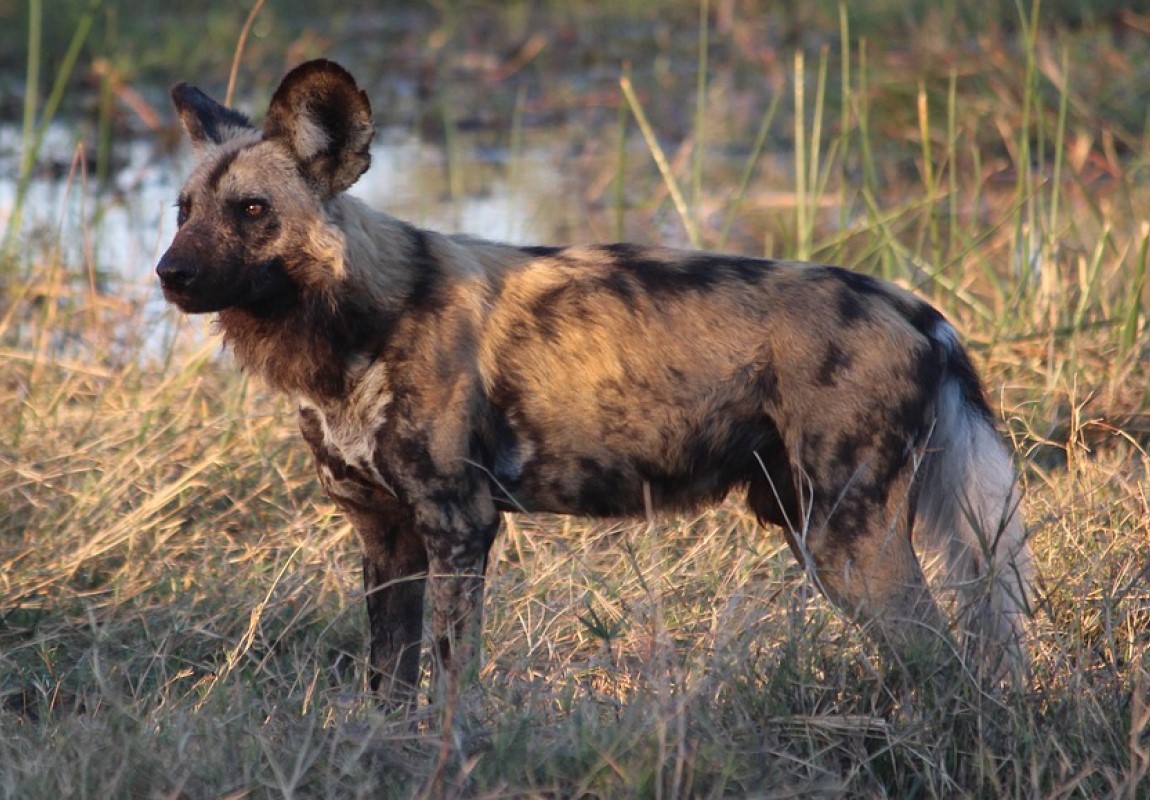
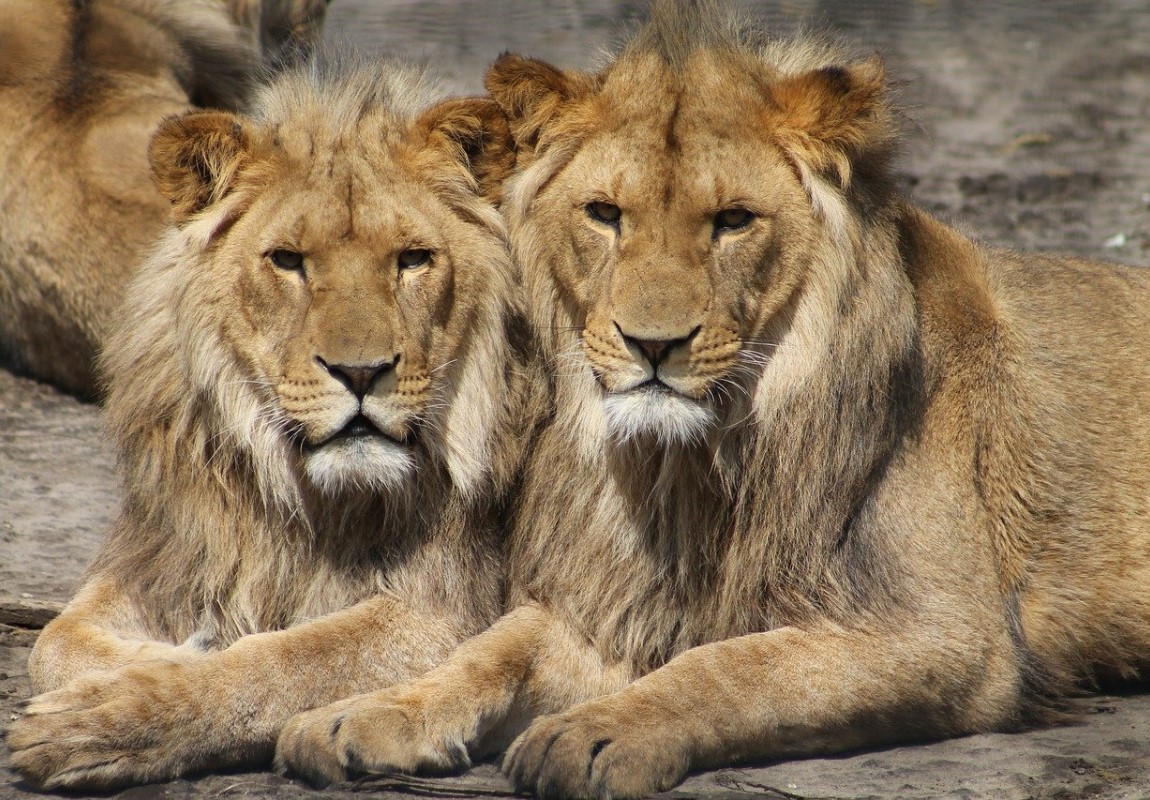
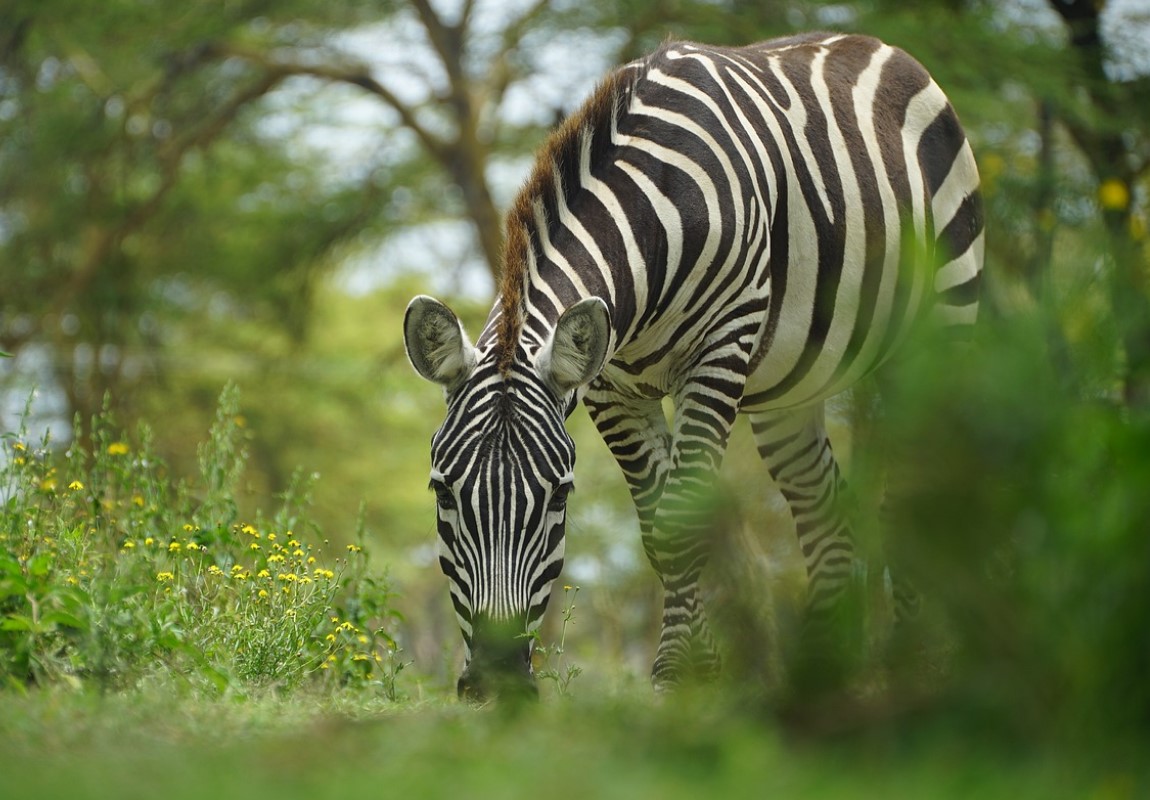
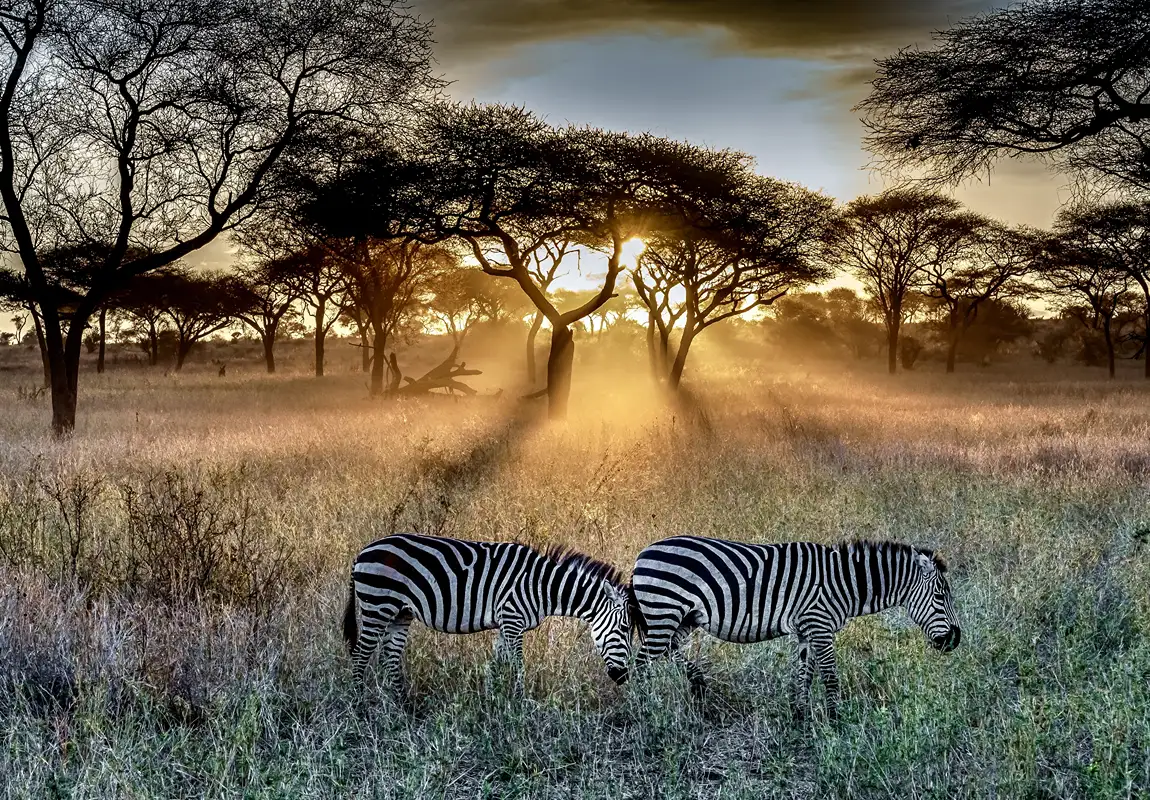
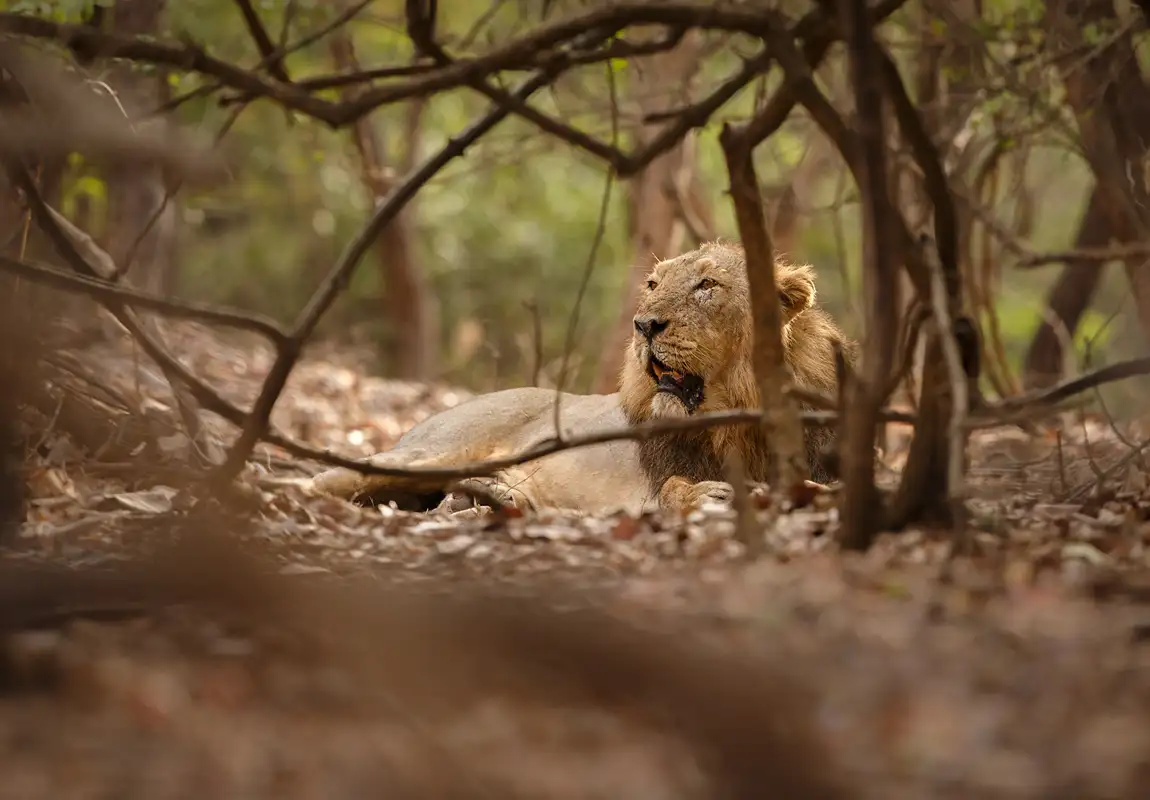
Khaudum National Park supports a diverse assemblage of large mammals adapted to dry woodland and sandveld environments. Elephants are the park’s flagship species and are frequently encountered moving between waterholes and seasonal pans. Other herbivores include giraffe, kudu, gemsbok, eland, and plains zebra, which utilize different vegetation zones throughout the year. Predators such as lions, leopards, spotted hyenas, and cheetahs are present but often difficult to spot due to dense vegetation and vast territories. Wildlife movements are strongly seasonal, with animals concentrating around artificial and natural water sources during the dry months.

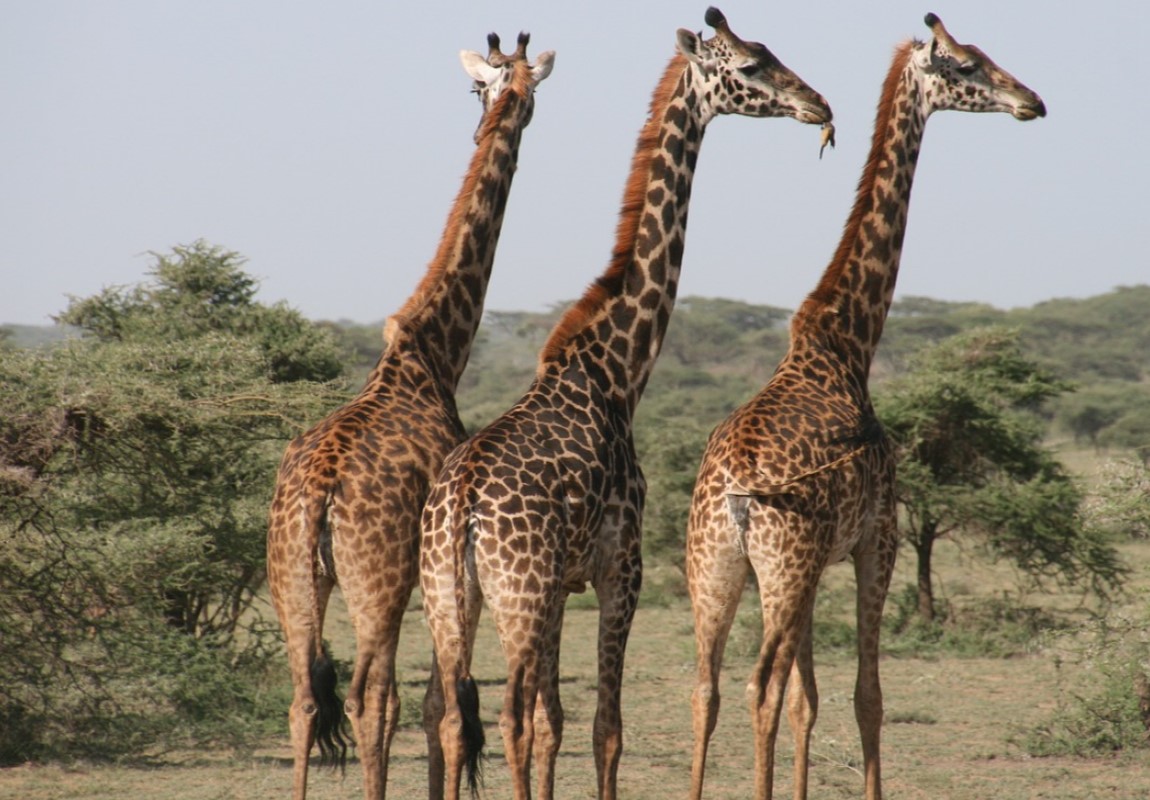
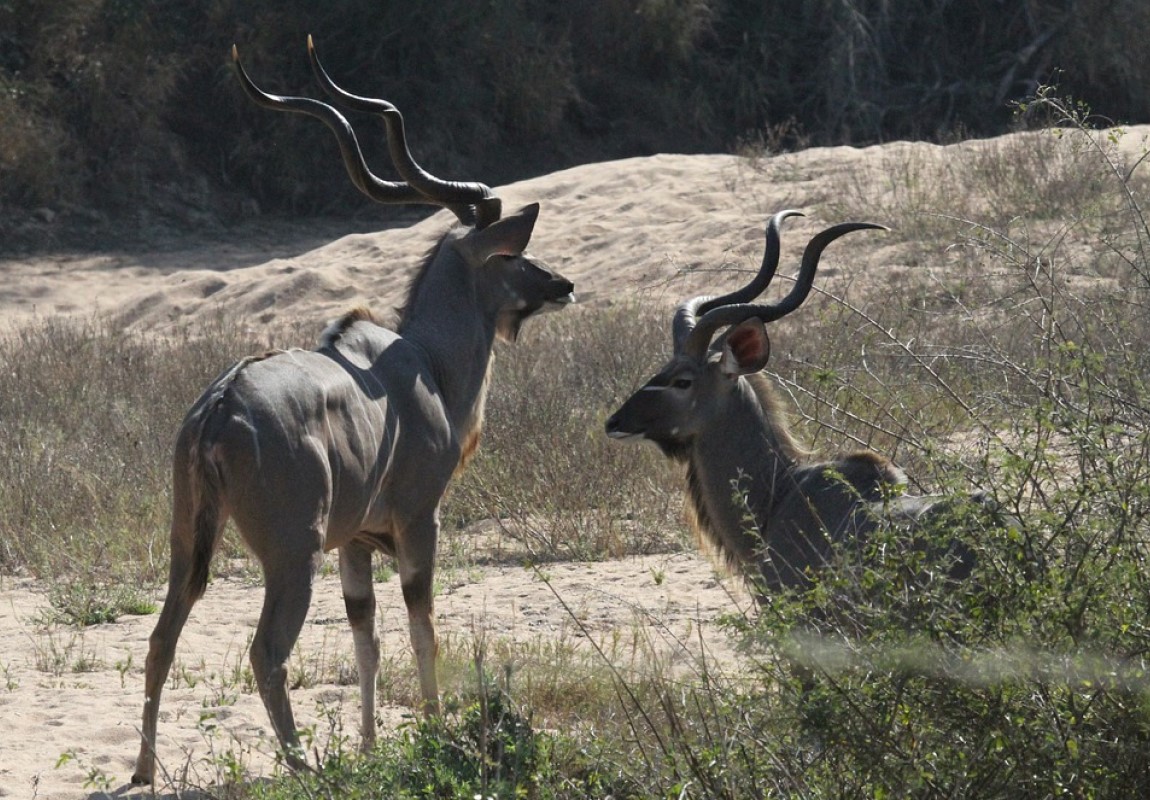

Wildlife Highlights
Wildlife highlights include encounters with large, free-ranging elephant herds, sightings of desert-adapted antelope, and the thrill of tracking predators in a remote setting. The absence of mass tourism enhances the experience, allowing visitors to observe natural behavior without disturbance. Khaudum’s role as a cross-border wildlife corridor adds ecological significance, as animals move between Namibia and Botswana in response to rainfall and grazing conditions.
Best Time for Wildlife Viewing
The best time for wildlife viewing is during the dry season from July to October, when water availability is limited and animals gather around permanent waterholes. Vegetation is thinner, visibility improves, and game movements are more predictable. Early mornings and late afternoons offer the best chances for sightings, particularly of predators and elephants.
Want to Visit Khaudum National Park?
Birds
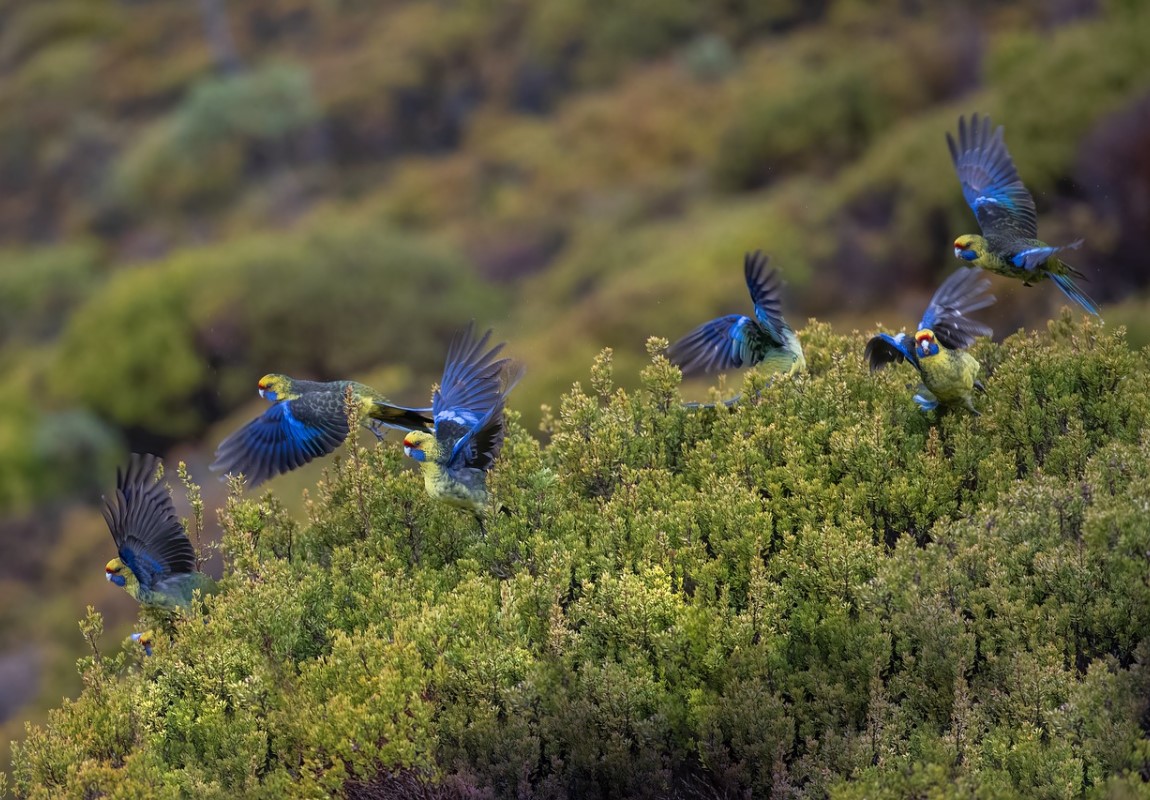
Birdlife in Khaudum National Park reflects its woodland and savanna habitats, with a strong presence of raptors, ground birds, and dry-country specialists. Species such as hornbills, francolins, bustards, and sandgrouse are commonly encountered, while birds of prey patrol open areas and waterholes. Seasonal rains attract migratory species, increasing diversity and breeding activity across the park. Although not a classic wetland birding destination, Khaudum rewards patient birders with sightings of uncommon and habitat-specific species.

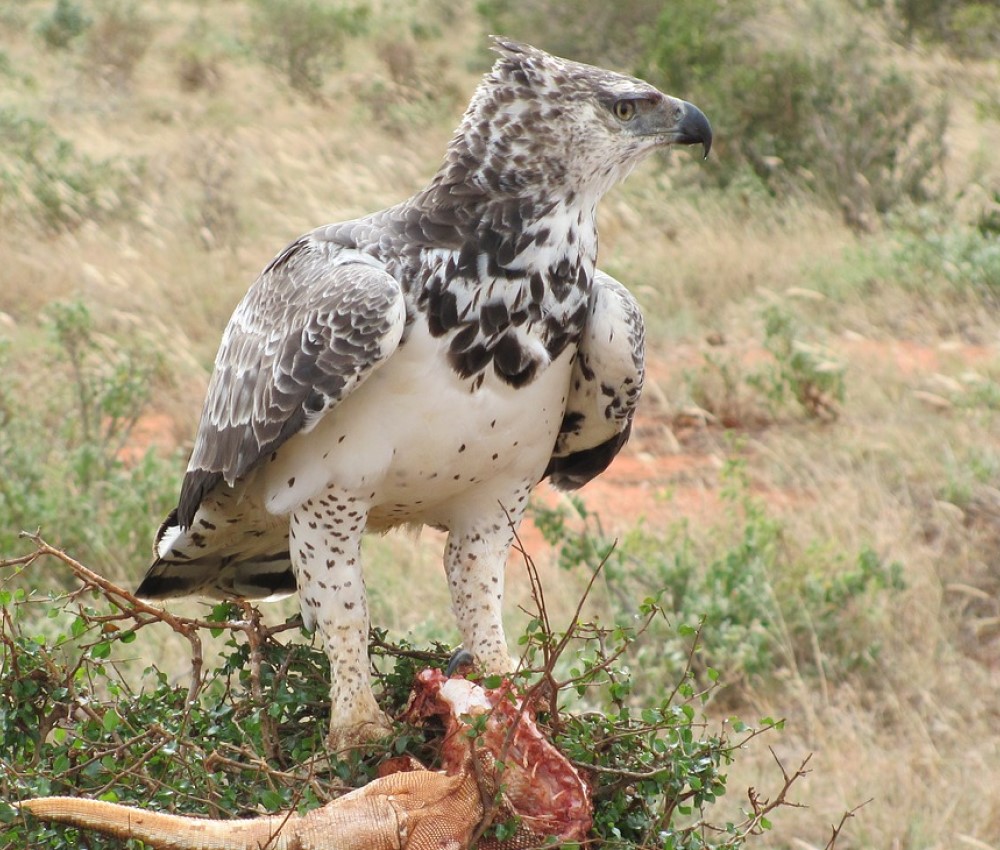
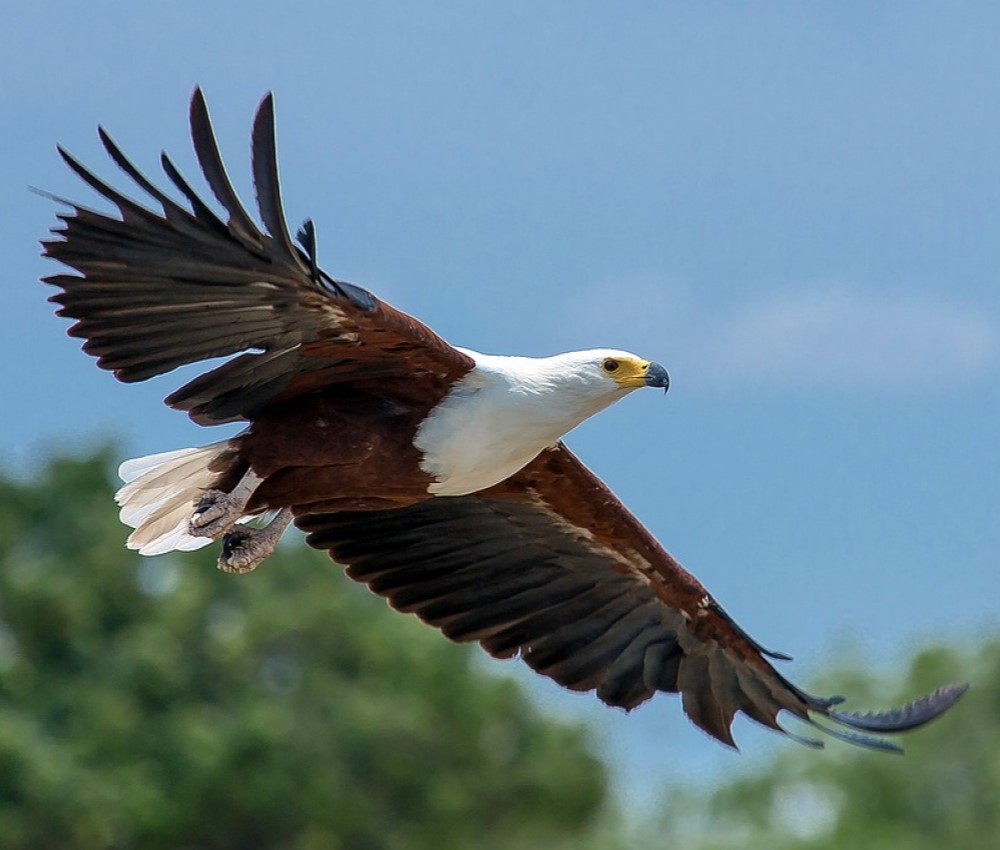

Best Time for Birding
The best time for birdwatching is from November to March, coinciding with the rainy season. Migratory birds arrive, and increased insect activity supports breeding behavior and higher overall diversity. The landscape becomes greener during this period, enhancing photographic opportunities despite more challenging road conditions.
Want to Visit Khaudum National Park?
Best Time to Visit – Khaudum National Park
The best time for wildlife viewing is during the dry season from July to October, when water availability is limited and animals gather around permanent waterholes. Vegetation is thinner, visibility improves, and game movements are more predictable. Early mornings and late afternoons offer the best chances for sightings, particularly of predators and elephants.
June to October (Dry Season)
- Improved wildlife visibility
- Easier driving conditions
- Cooler temperatures
- Dusty roads
- Limited bird diversity
- Cold nights
December to March (Wet Season)
- Excellent birdwatching
- Lush scenery
- Fewer visitors
- Difficult driving conditions
- High temperatures and humidity
- Dispersed wildlife
Want to Visit Khaudum National Park?
Activities
Explore popular activities available in and around Khaudum National Park.


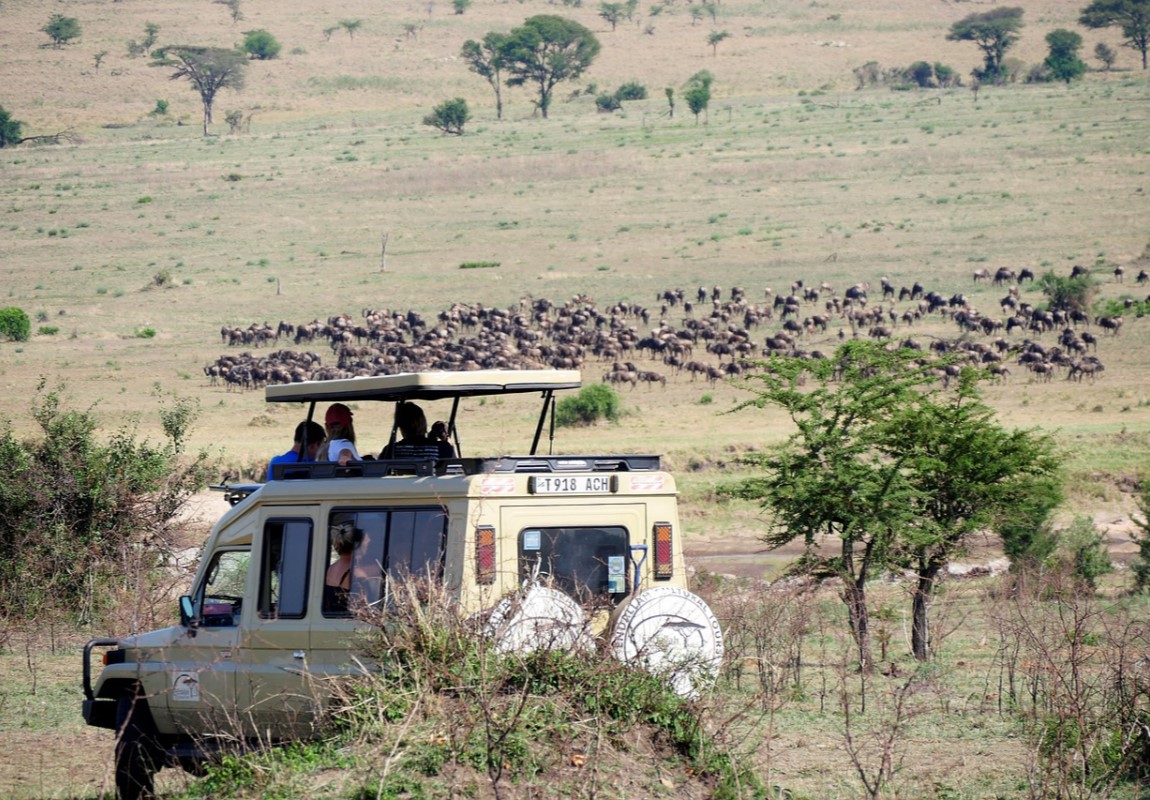

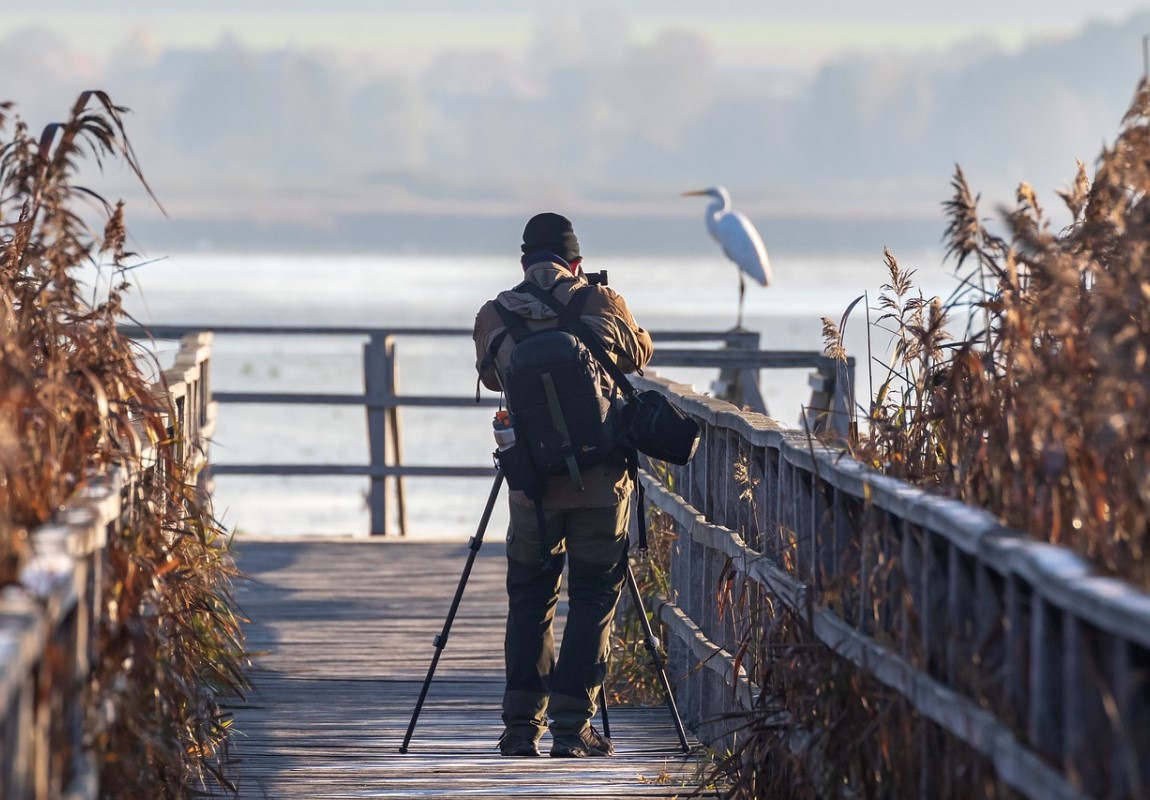
Want to Visit Khaudum National Park?
No FAQs available for this park yet.