Simien Mountains National Park 
Simien Mountains National Park - Ethiopia Wildlife Destination
Starting from
$525PP
Overview
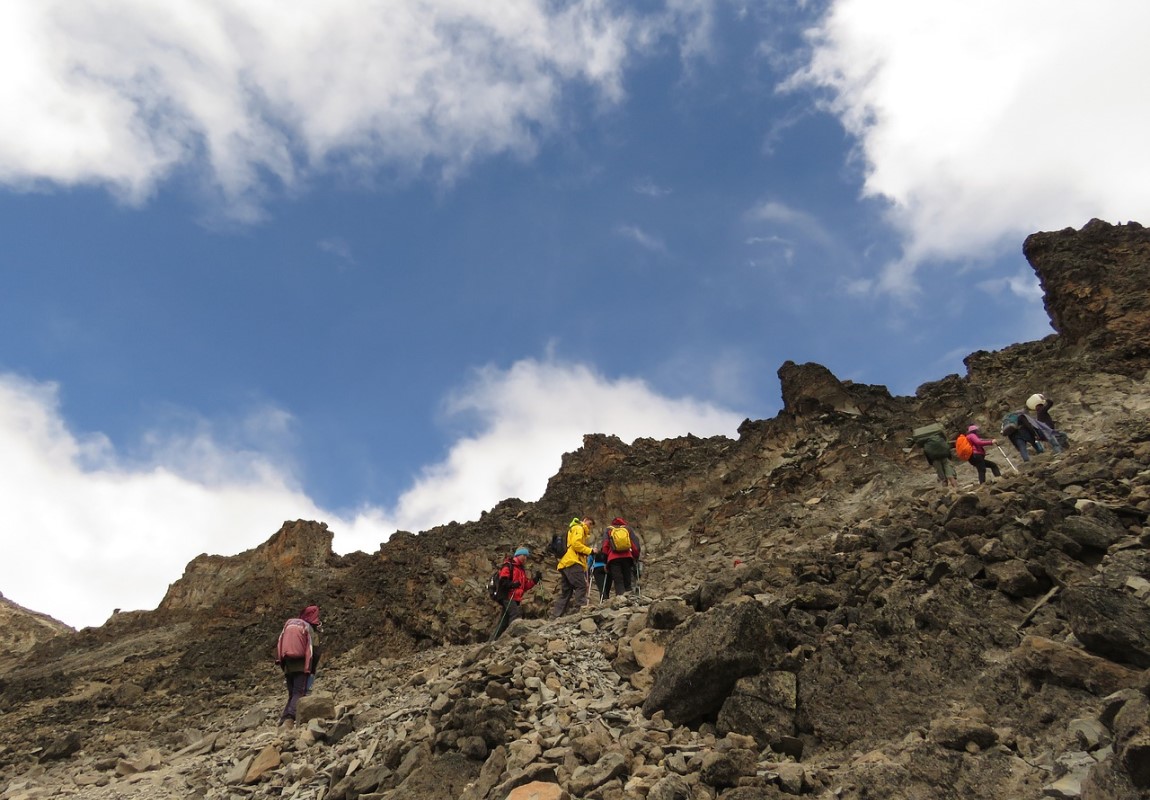
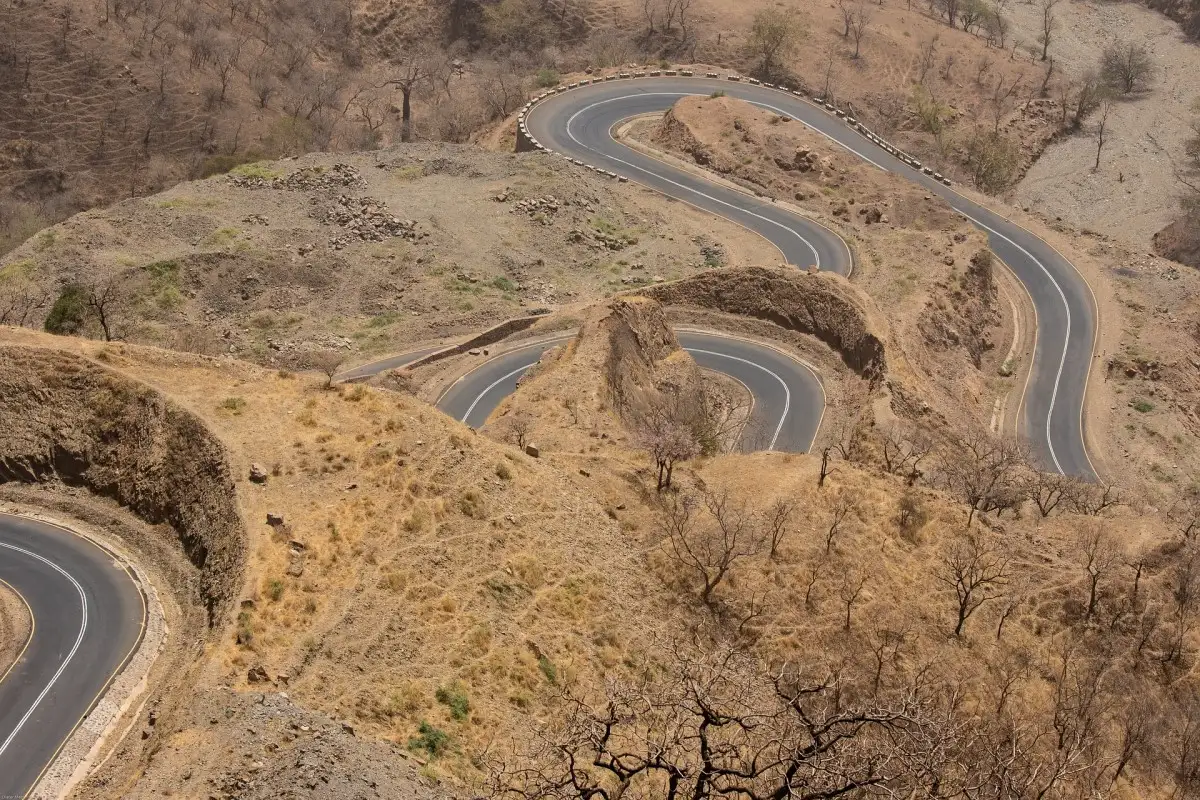
Simien Mountains National Park is a UNESCO World Heritage Site and one of Africa’s most spectacular highland landscapes. Characterized by dramatic escarpments, razor-sharp ridges, and deep valleys carved by ancient erosion, the park offers a wilderness experience unlike any other on the continent. Rising to over 4,500 meters, the Simien Mountains form the roof of Ethiopia and provide breathtaking trekking routes across Afro-alpine plateaus, sheer cliffs, and remote valleys. The park is globally renowned for its endemic wildlife, including large troops of gelada baboons grazing openly on mountain grasslands and the extremely rare Walia ibex navigating near-vertical cliffs. Combined with cool mountain climates, panoramic viewpoints, and authentic encounters with local highland communities, the Simien Mountains deliver a unique blend of adventure, wildlife, and cultural immersion.
Pros & Cons
- Exceptional mountain scenery and dramatic escarpments
- Home to endemic species like gelada baboons and Walia ibex
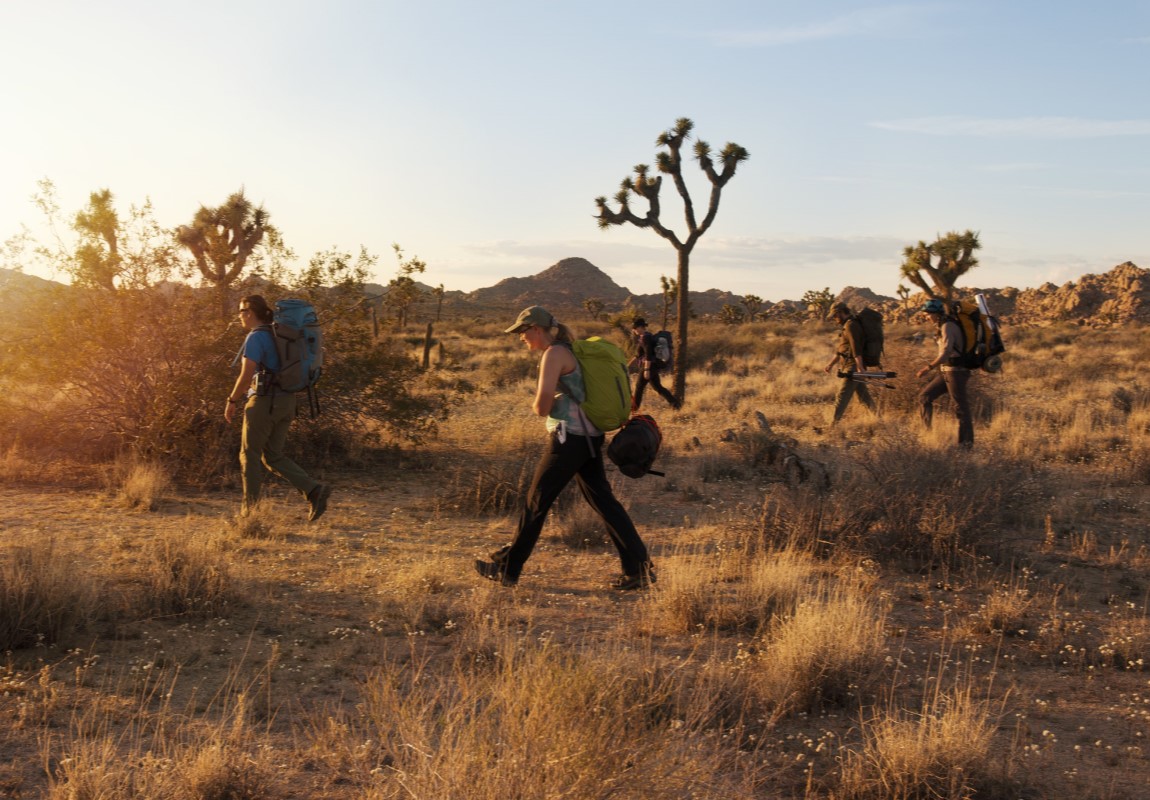
- One of Africa’s best trekking and hiking destinations
- Cool temperatures ideal for long hikes
- Authentic cultural encounters with highland communities
- Excellent photography opportunities
- High altitude can cause acclimatization challenges
- Very cold nights, especially at higher elevations
- Limited luxury accommodation inside the park
- Weather can change rapidly in mountainous areas
Map in Ethiopia

Want to Visit Simien Mountains National Park?


Want to Visit Simien Mountains National Park?
Wildlife & Animals
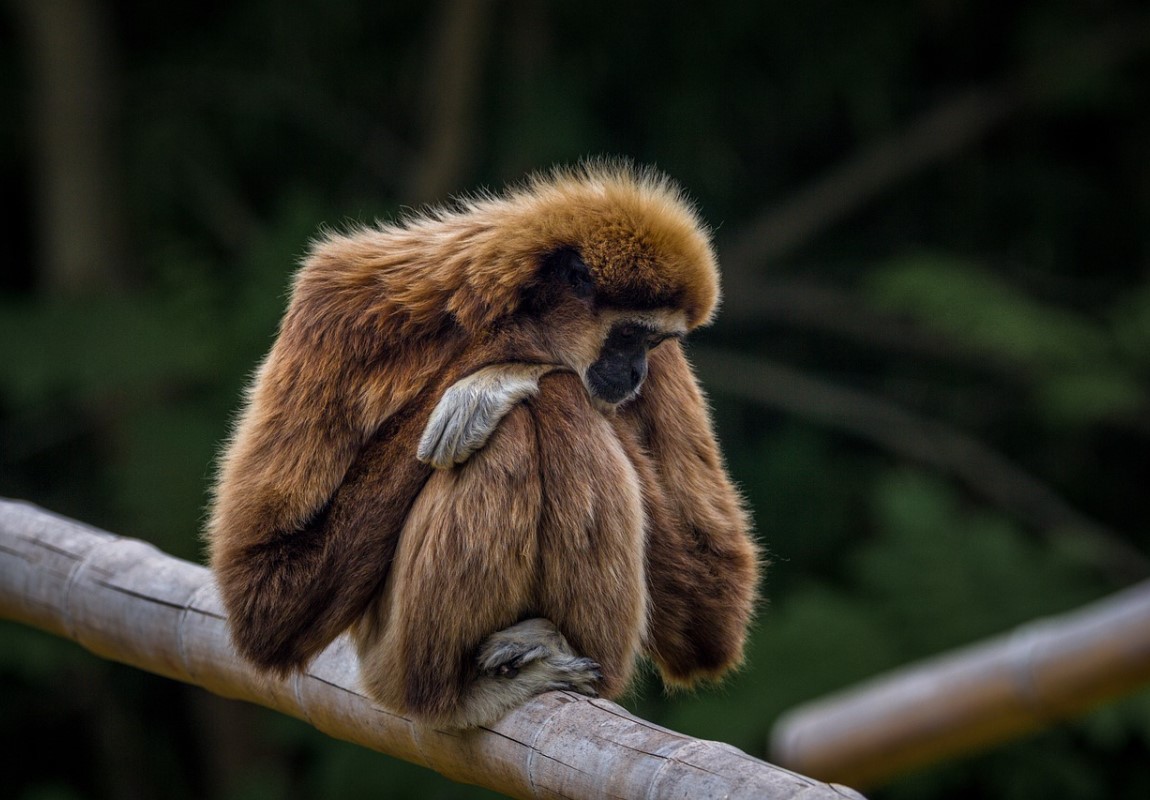
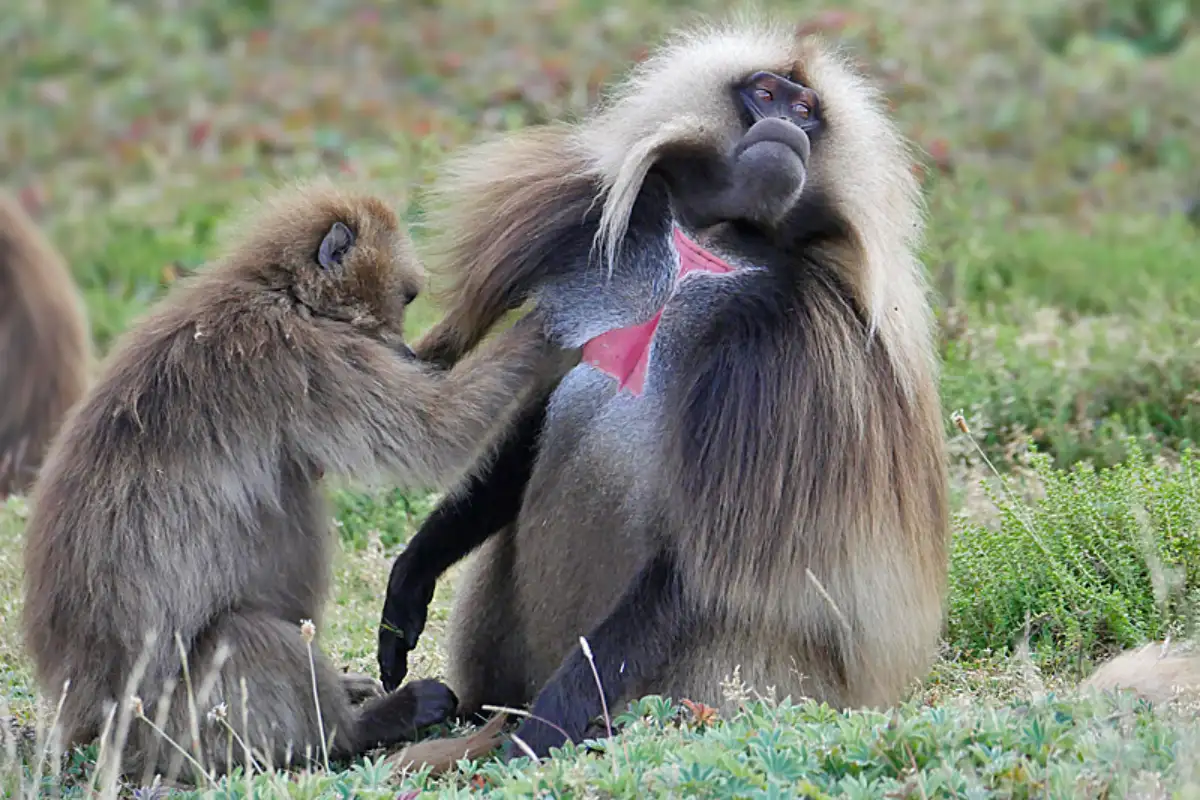
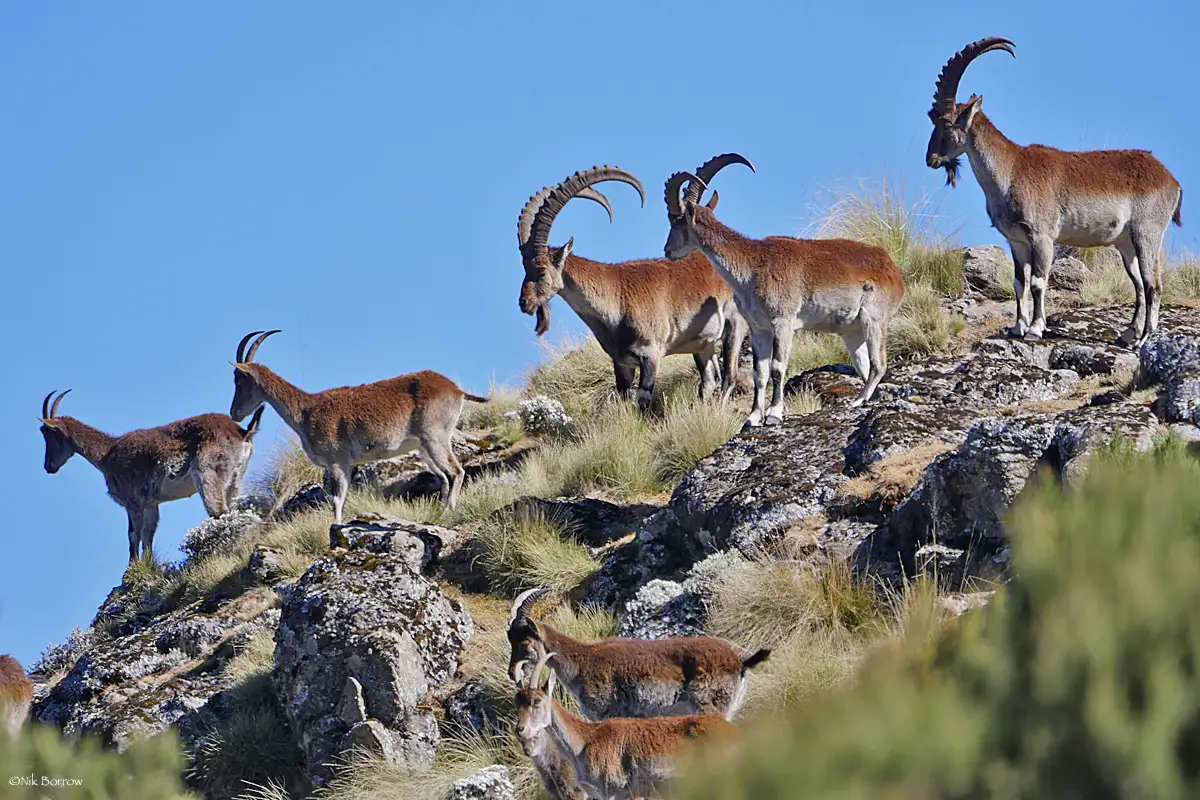
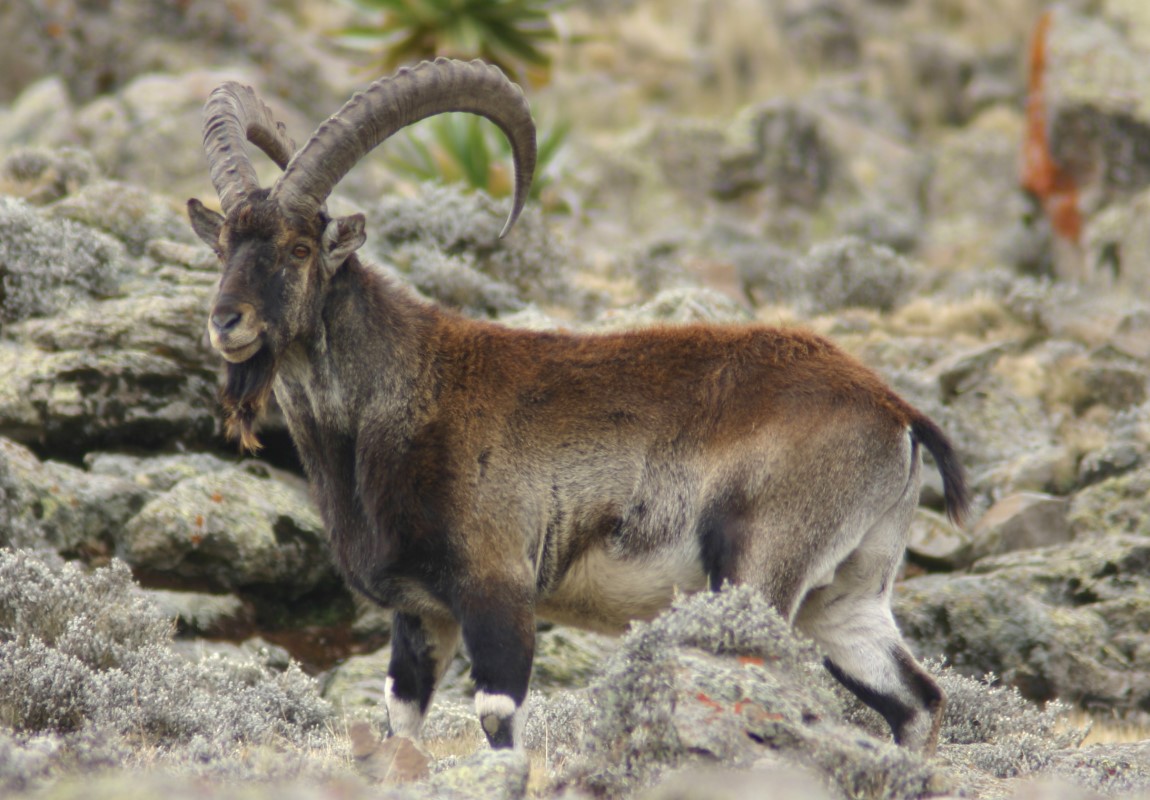
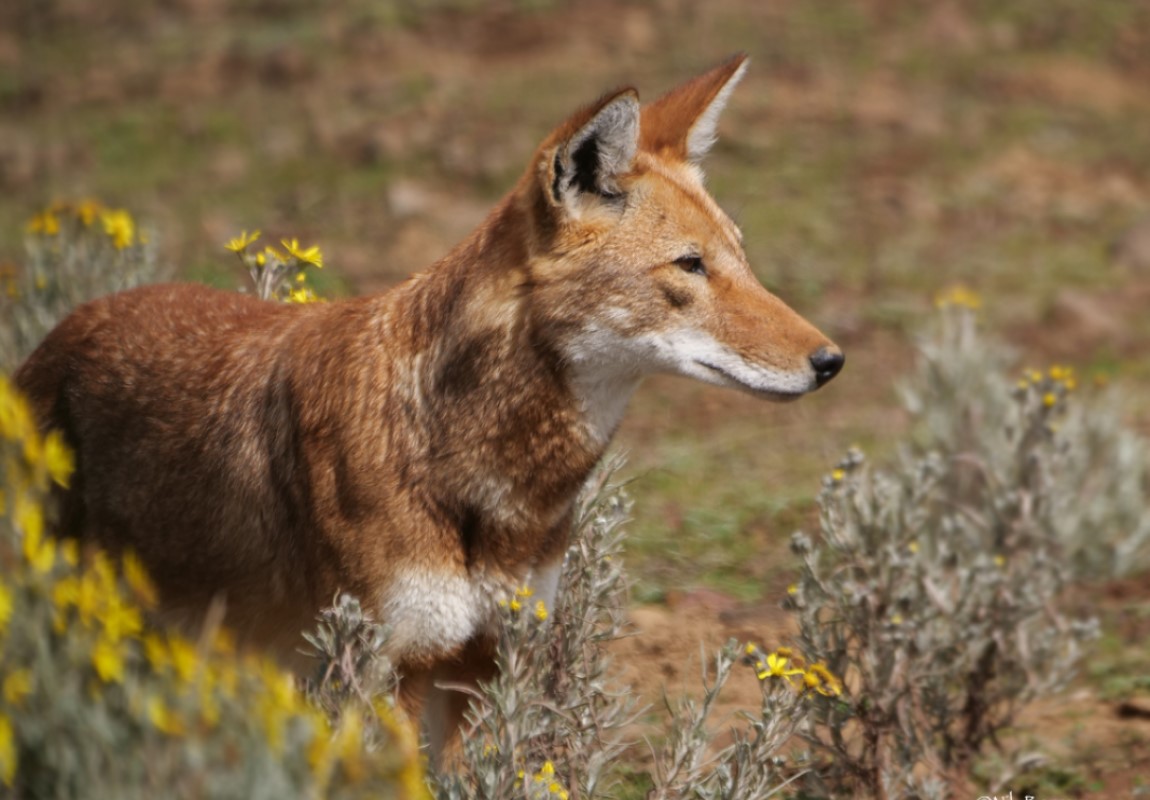
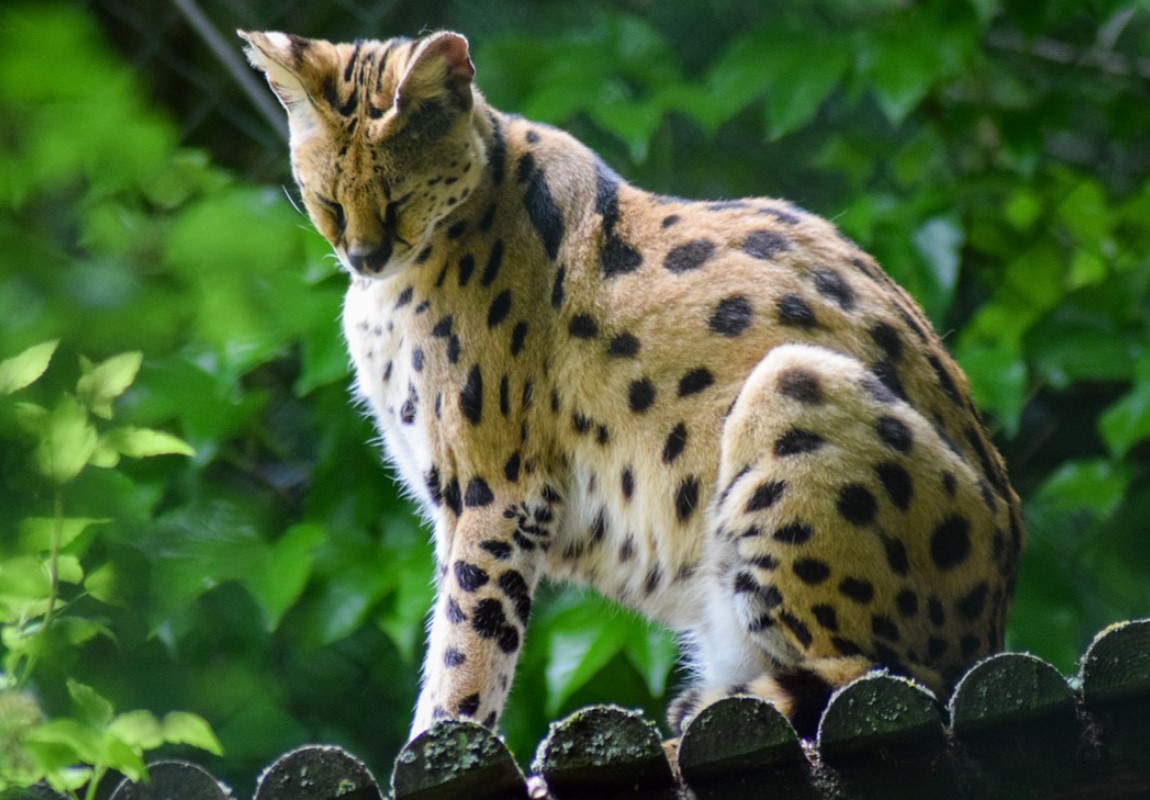
Wildlife in the Simien Mountains is uniquely adapted to high-altitude Afro-alpine environments. Unlike traditional savannah parks, animals here are often visible in open grasslands and along dramatic cliff edges. Large troops of gelada baboons dominate the landscape, feeding peacefully during the day, while the endangered Walia ibex is often seen balancing effortlessly on steep rocky slopes. The park also supports populations of Ethiopian wolves, one of the rarest canids in the world, alongside bushbuck, hyenas, and smaller carnivores. The combination of open terrain and reduced vegetation makes wildlife encounters frequent and rewarding for visitors.




Wildlife Highlights
Watching hundreds of gelada baboons grazing together on highland plateaus is one of the park’s most unforgettable experiences. The chance to see the rare Walia ibex in its only natural habitat is another major highlight, especially along cliff-lined viewpoints. Lucky visitors may encounter the Ethiopian wolf hunting rodents across the moorlands, a sight unique to Ethiopia’s high-altitude ecosystems.
Best Time for Wildlife Viewing
Wildlife viewing is best during the dry season from October to April, when clear skies improve visibility and animals spend more time in open grazing areas. Morning and late afternoon walks offer the best chances for close encounters.
Want to Visit Simien Mountains National Park?
Birds
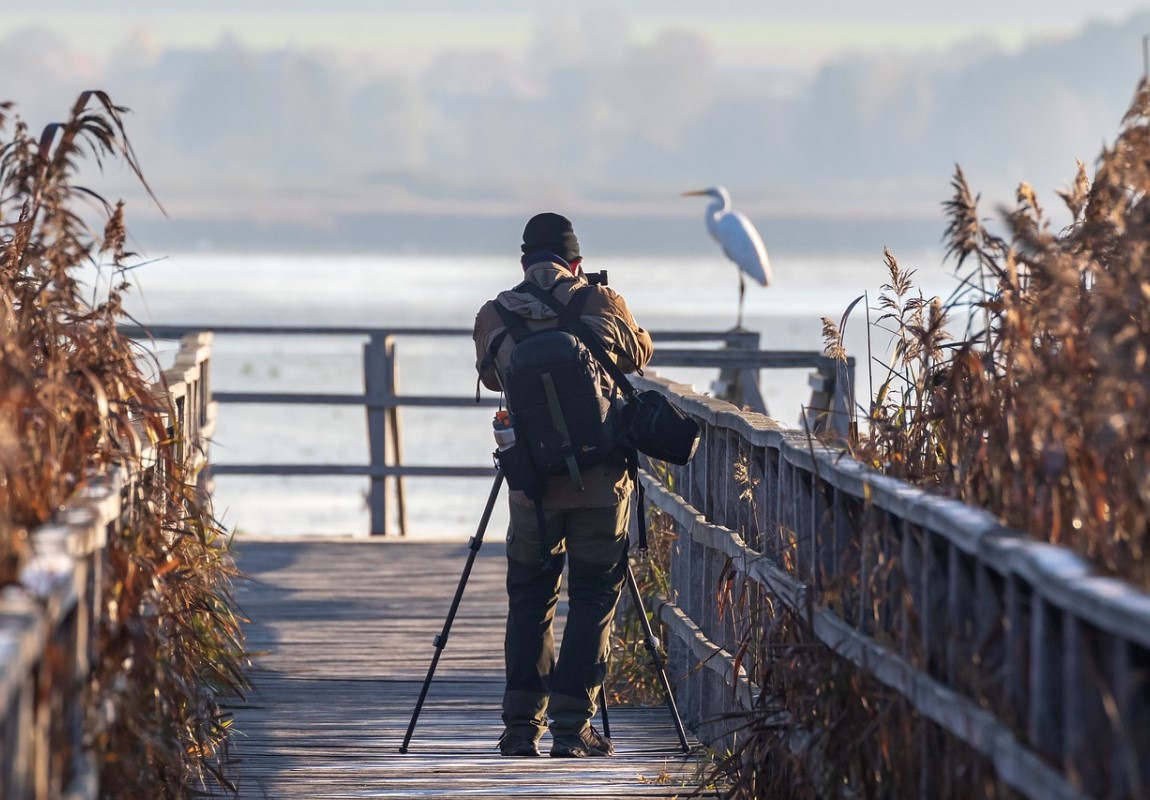
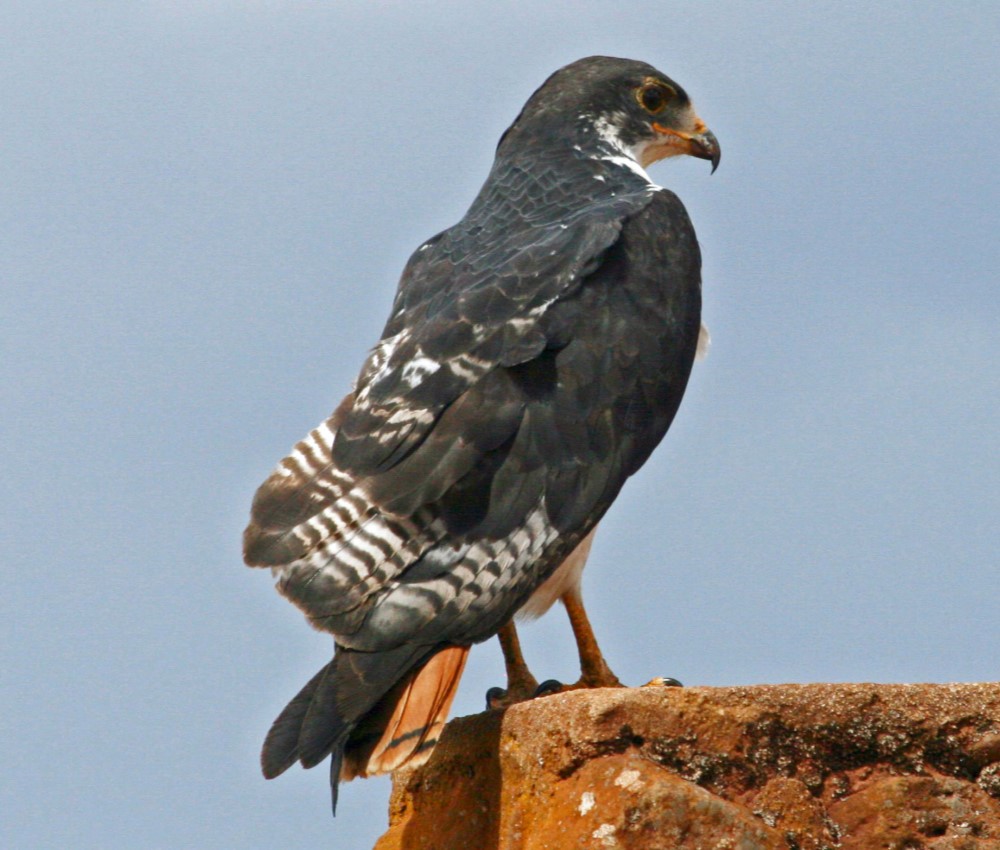
The Simien Mountains are an important high-altitude birding destination, supporting a mix of endemic Ethiopian species and widespread raptors. Steep cliffs and deep gorges create ideal nesting sites for birds of prey, while alpine meadows host specialized grassland species. Birdlife is easily observed during hikes, with soaring vultures, ravens, and buzzards frequently seen riding thermal currents above the escarpments.



Best Time for Birding
Bird watching is excellent year-round, but the best period is from November to April when migratory species arrive and clear weather improves viewing conditions. Raptors are especially active during dry, sunny days.
Want to Visit Simien Mountains National Park?
Best Time to Visit – Simien Mountains National Park
Wildlife viewing is best during the dry season from October to April, when clear skies improve visibility and animals spend more time in open grazing areas. Morning and late afternoon walks offer the best chances for close encounters.
October to April (Dry Season)
- Clear skies and excellent visibility
- Best conditions for trekking and hiking
- Wildlife easier to spot in open areas
- Ideal weather for photography
- Lower risk of trail closures
- Cold nights at higher elevations
- Peak season crowds in popular trekking routes
- Higher accommodation and guide costs
June to September (Wet Season)
- Lush green landscapes and blooming vegetation
- Fewer visitors and quieter trails
- Lower travel and accommodation costs
- Slippery and muddy trekking trails
- Reduced visibility due to fog and clouds
- Heavy rainfall can limit access to remote areas
Want to Visit Simien Mountains National Park?
Activities
Explore popular activities available in and around Simien Mountains National Park.