Saadani National Park 
Saadani National Park - Tanzania Wildlife Destination
Starting from
$650PP
Overview
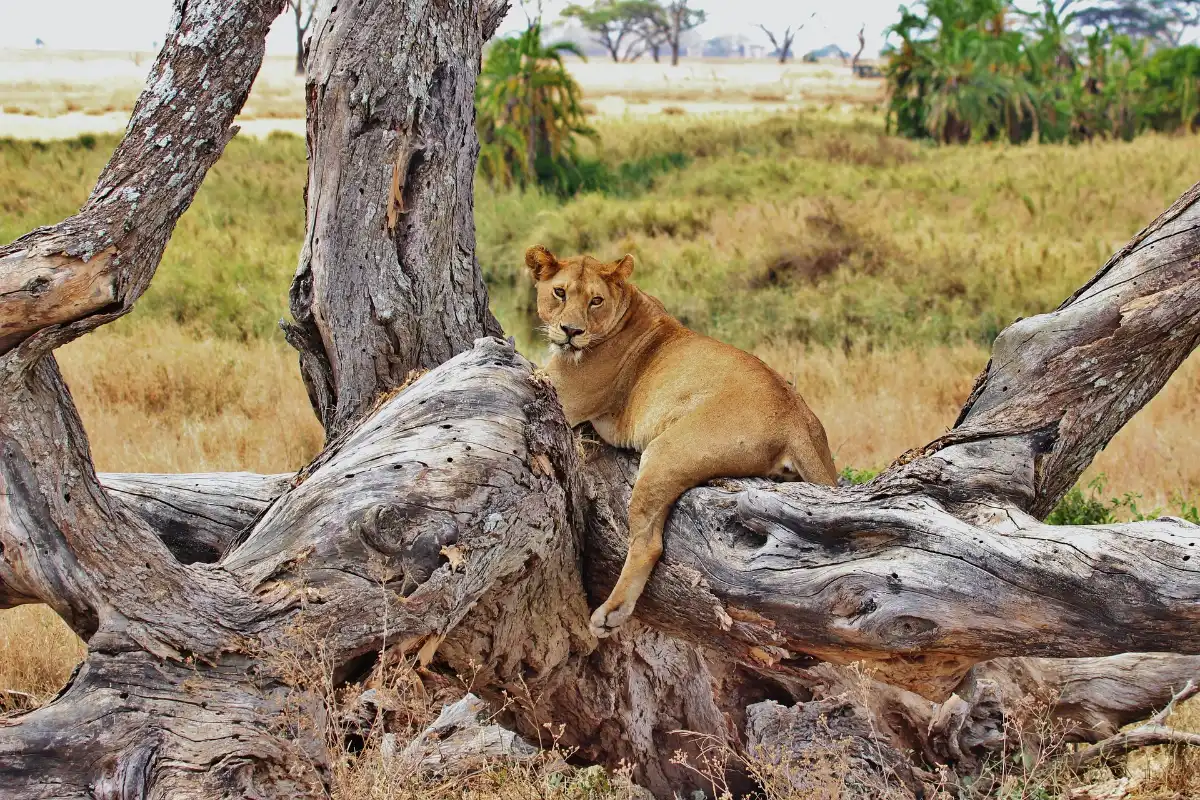
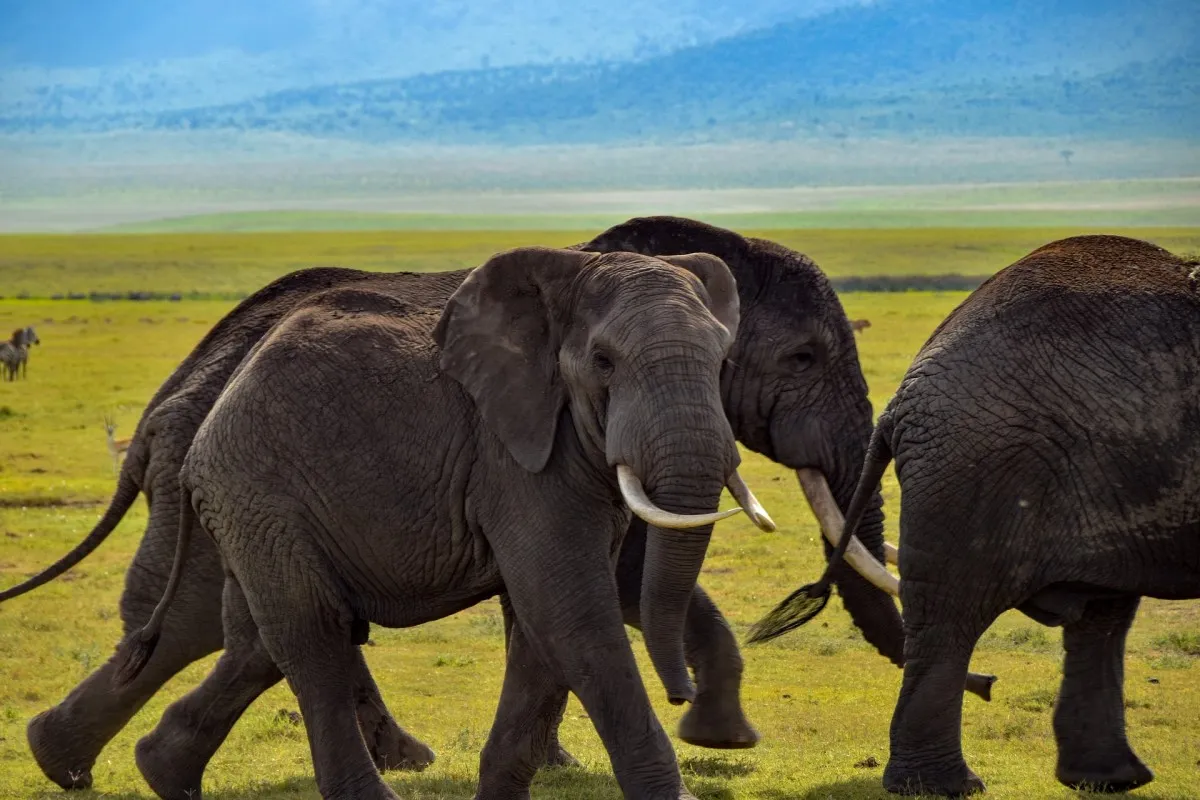
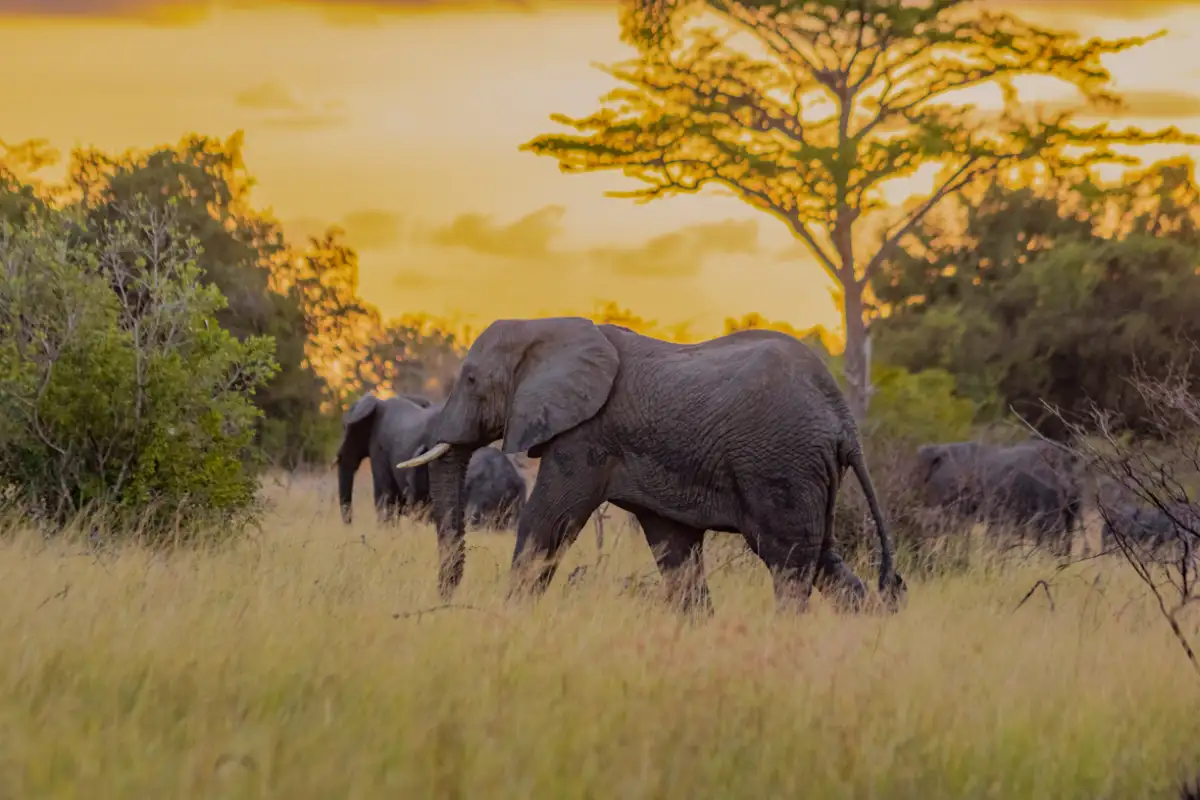
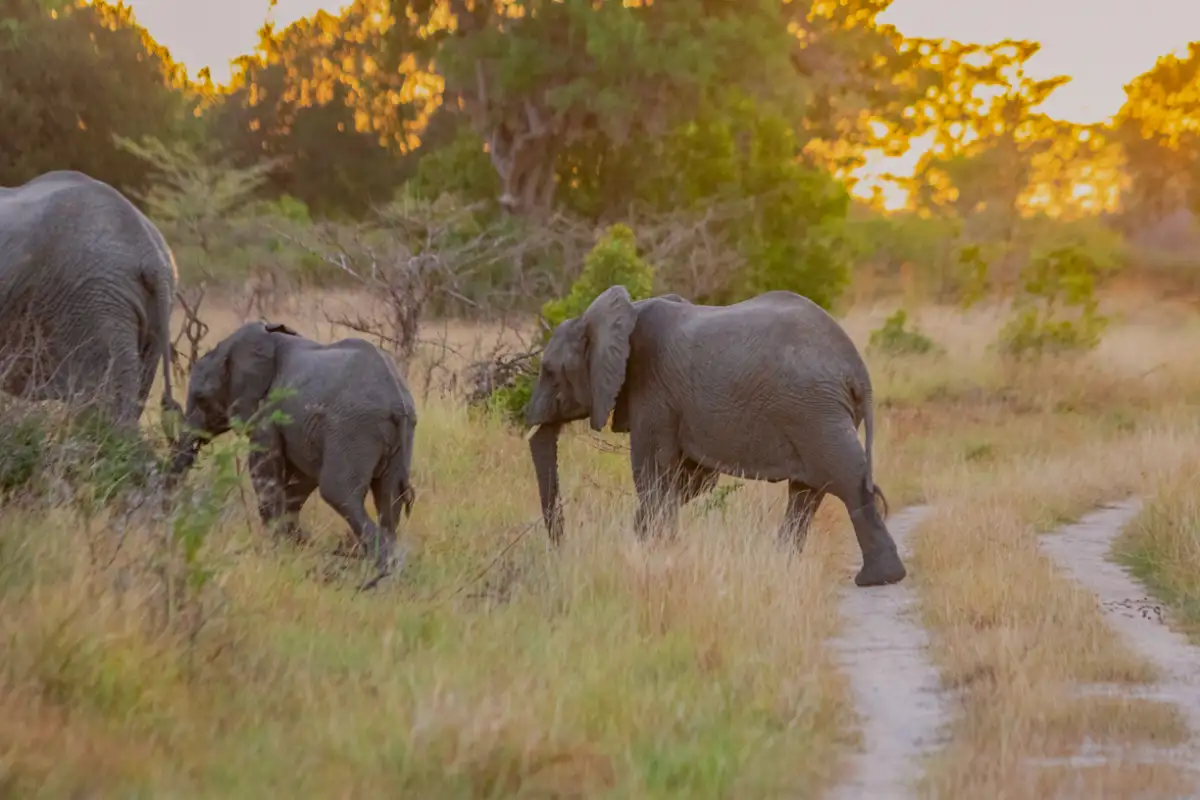
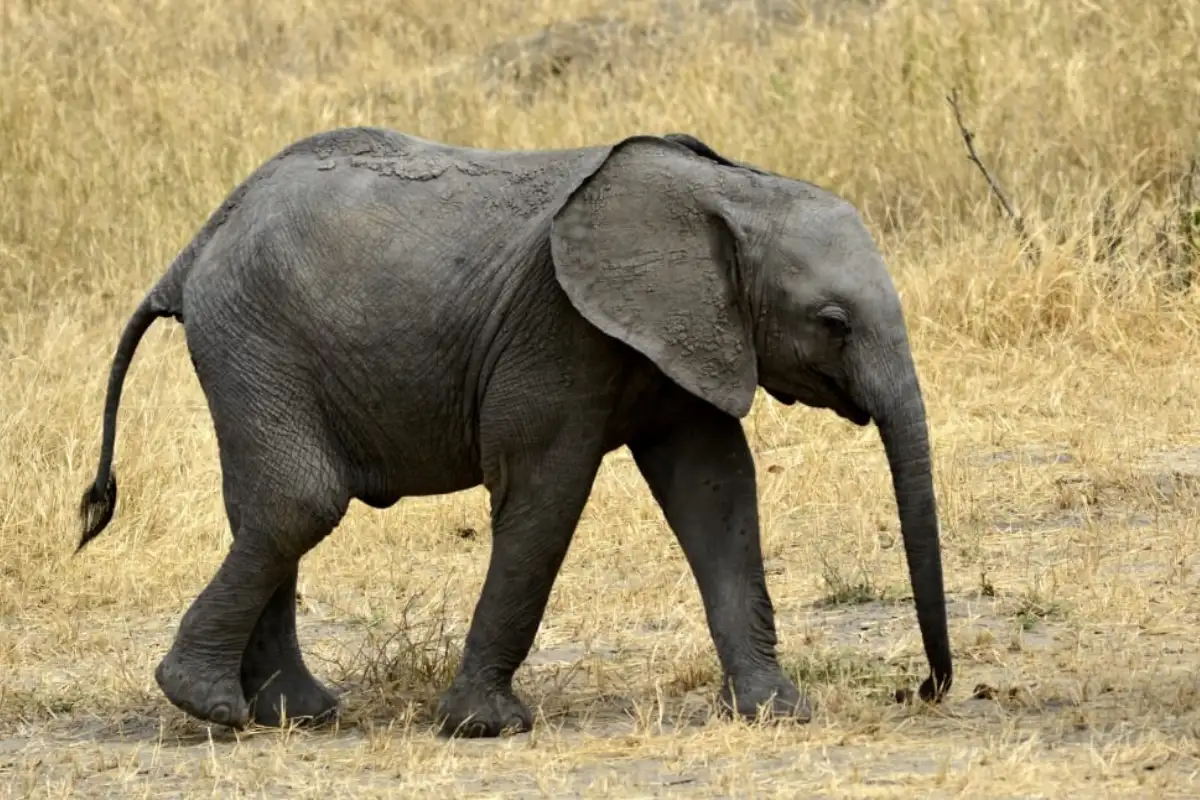
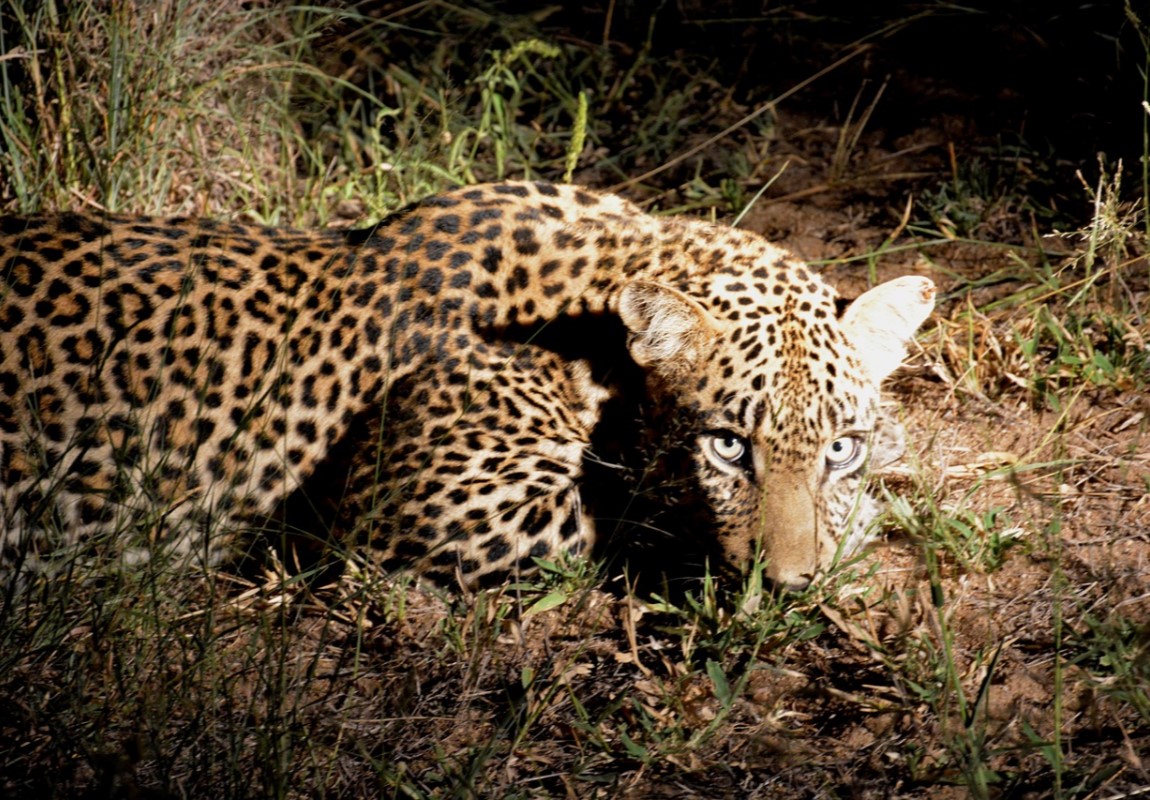
Saadani National Park is the only wildlife sanctuary in Tanzania bordering the sea. Tourists can see animals luxuriating along the Indian Ocean shores where they can have both aquatic and terrestrial tours. Wildlife in Saadani incorporates four of the Big Five, in particular lions, African bush elephants, Cape buffaloes and leopards. Along the coast dolphins are common and Green sea turtles can be spotted. During the October and November migration, whales swim through the Zanzibar channel.
Pros & Cons
- Combination of aquatic and terrestrial tours
- Wonderful beach destination for individuals who incline toward a bramble climate to a typical beach holiday-resort
- Nearest wildlife viewing destination to Zanzibar, associated by daily flights
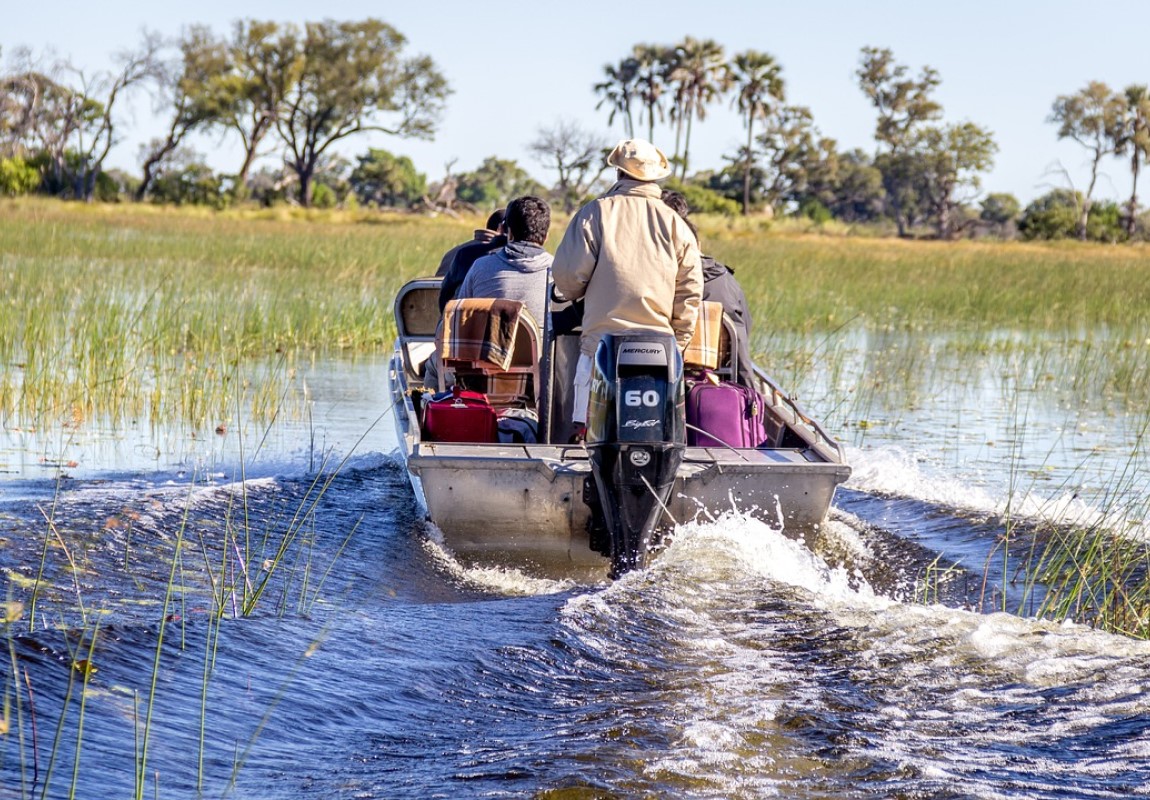
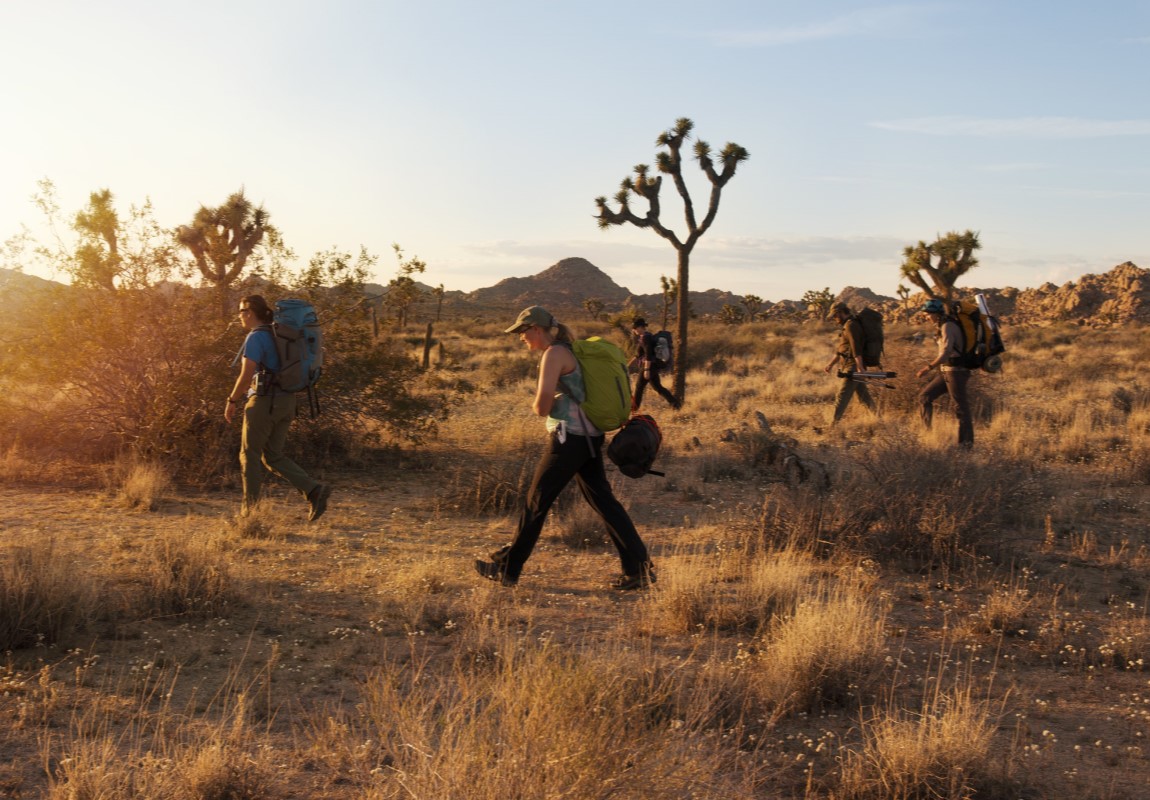
- Guided walks and boat trips available
- Most of the major safari animals aren't present or easily seen
- The wildlife-viewing circuit is very small
- Lack of wilderness appeal with human settlements all around
Map in Tanzania

Want to Visit Saadani National Park?
Gallery Images
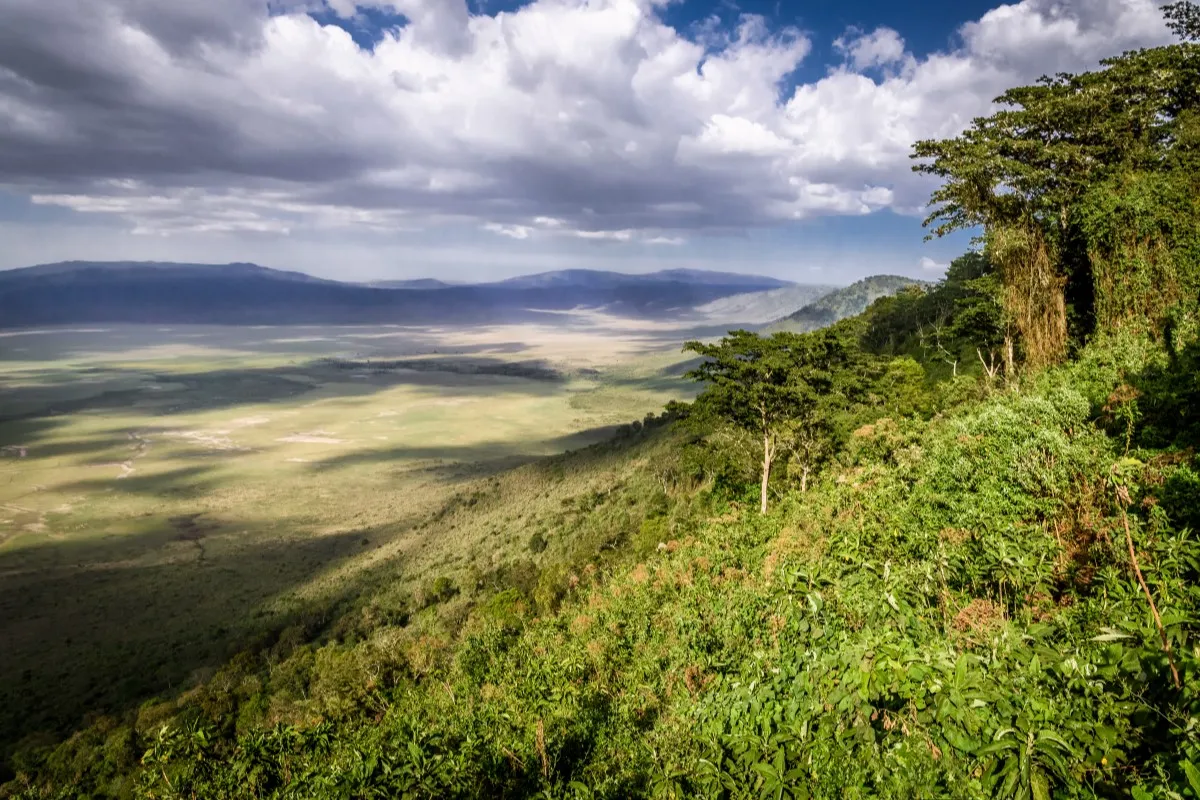
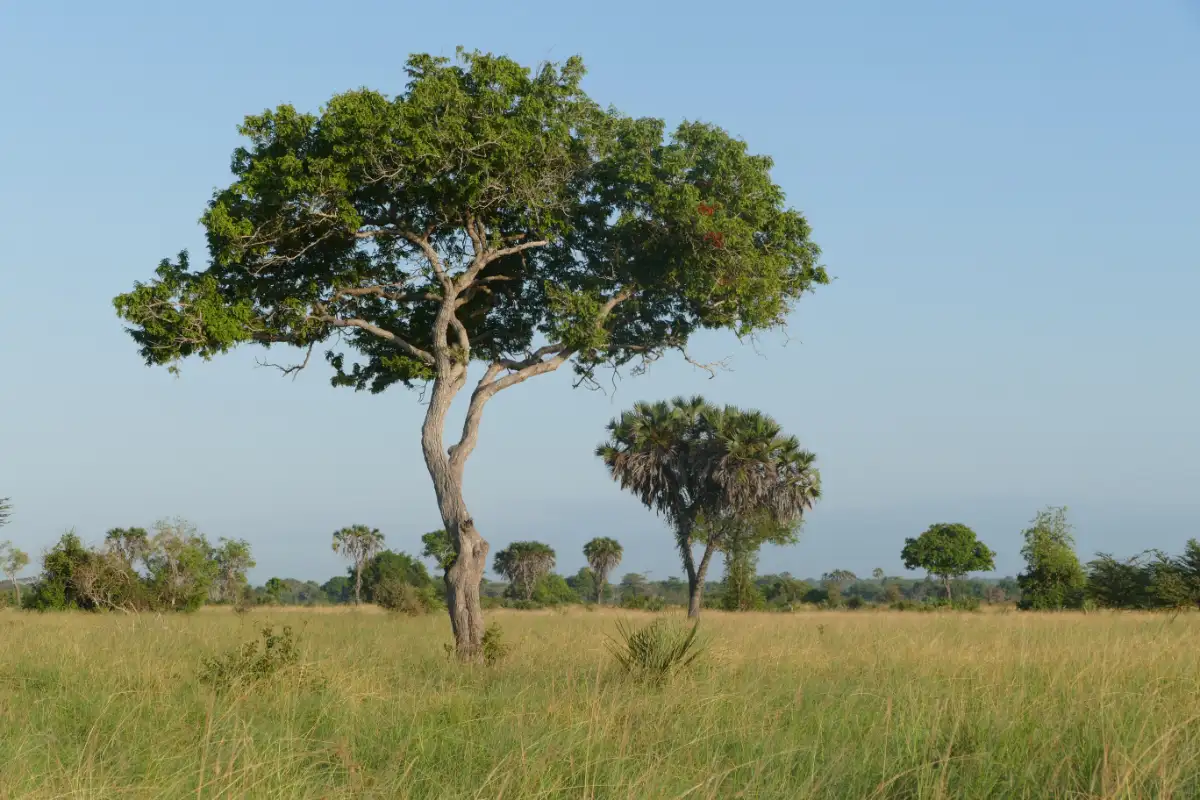
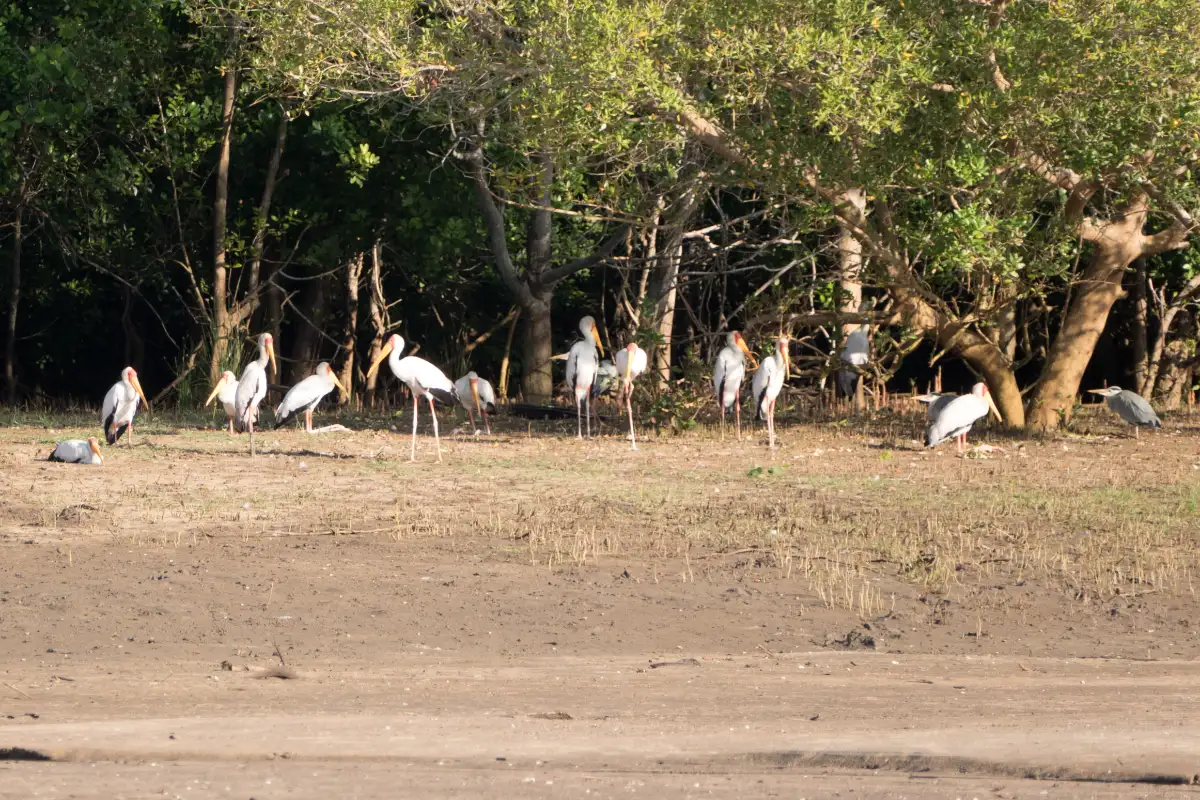
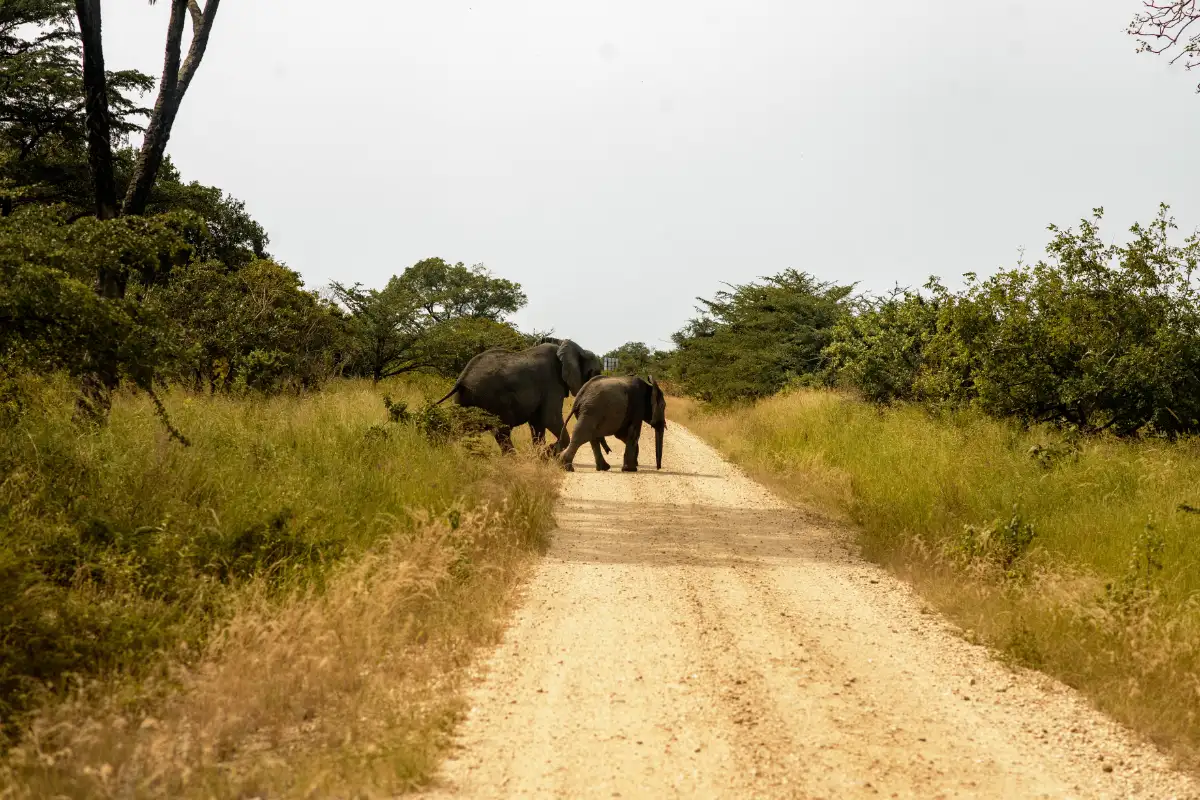
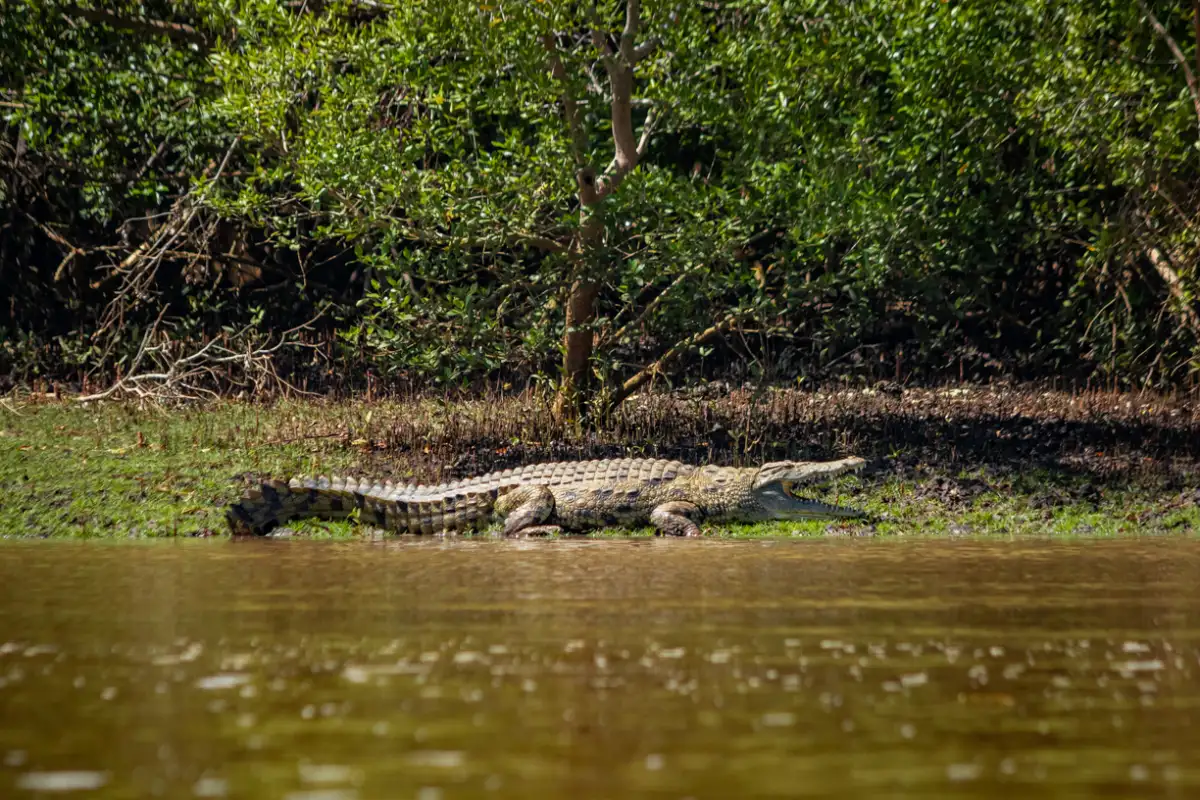
Explore the stunning beauty of Saadani National Park through our curated collection of photographs showcasing its landscapes, wildlife, and natural wonders.
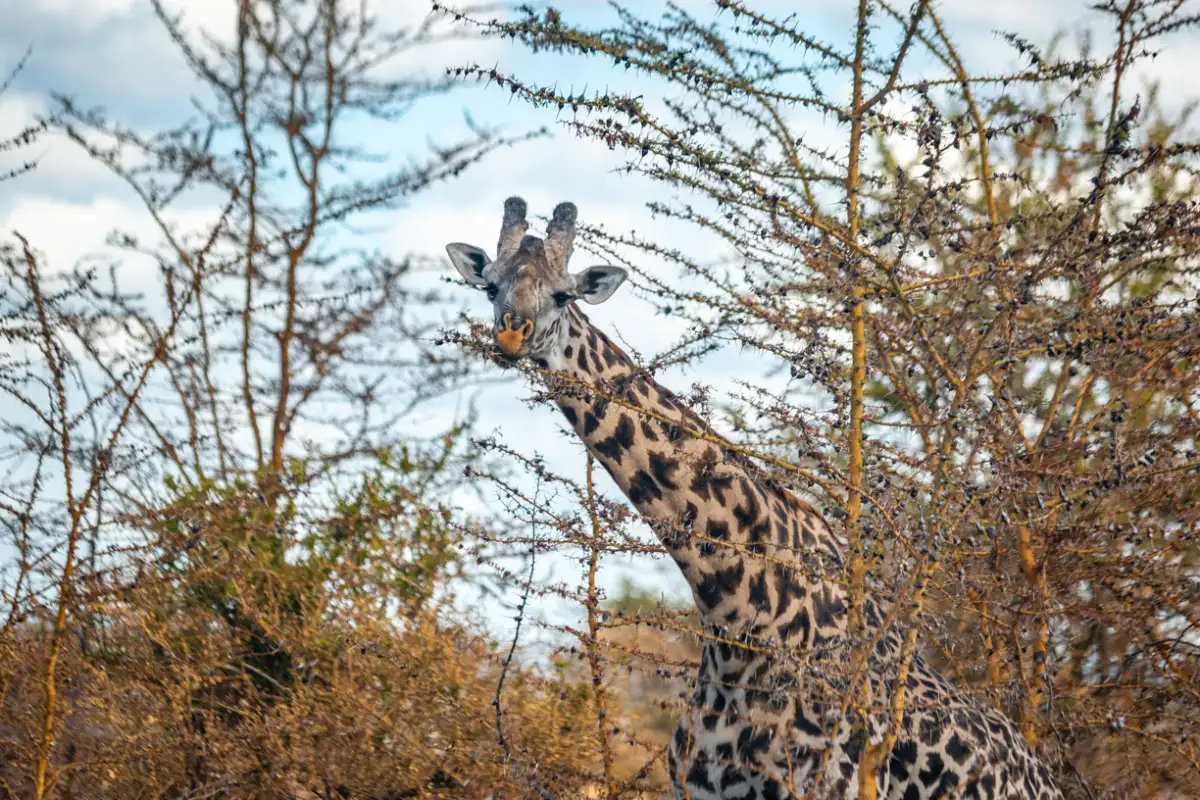
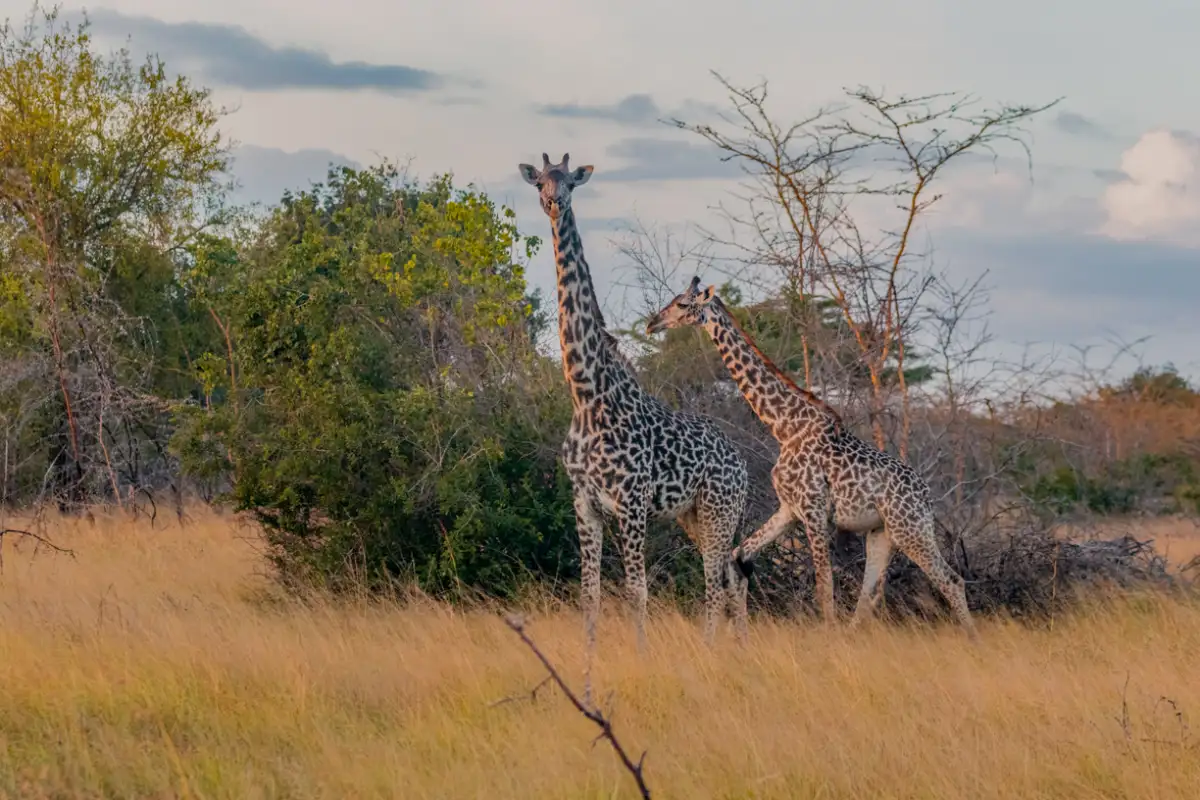
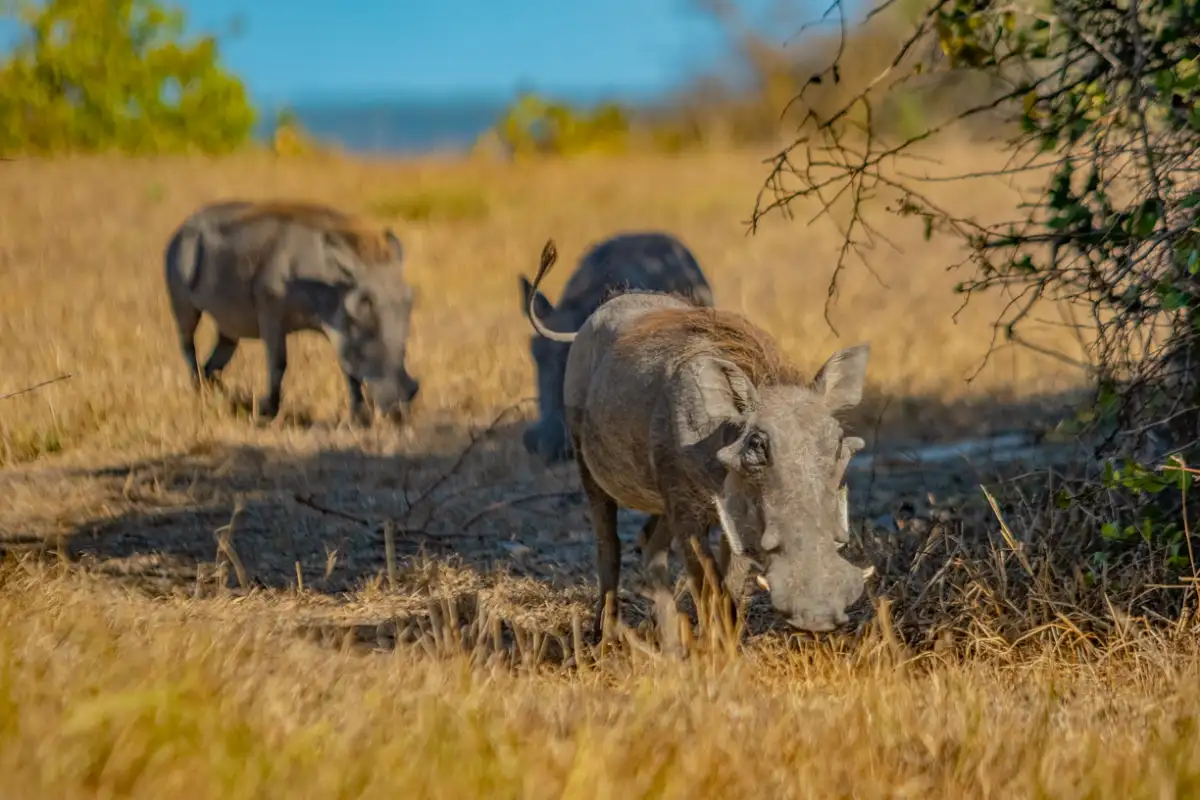
Want to Visit Saadani National Park?
Wildlife & Animals
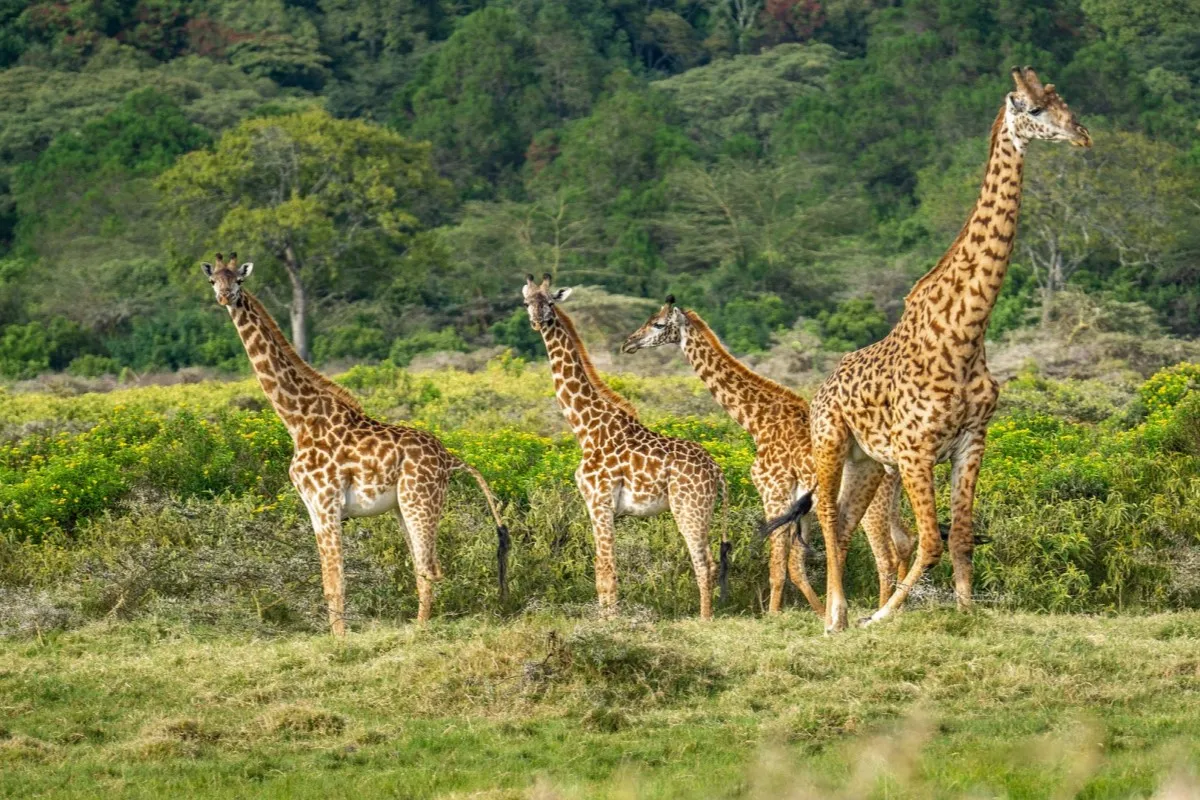
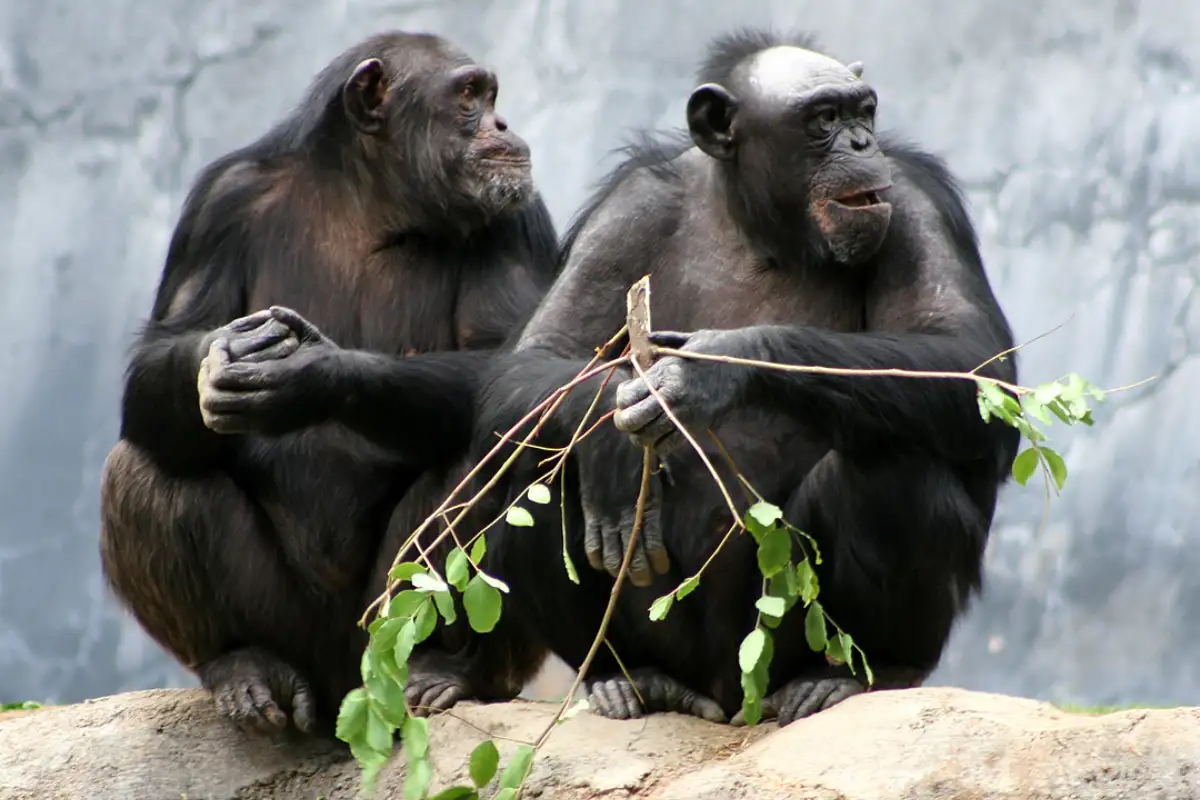
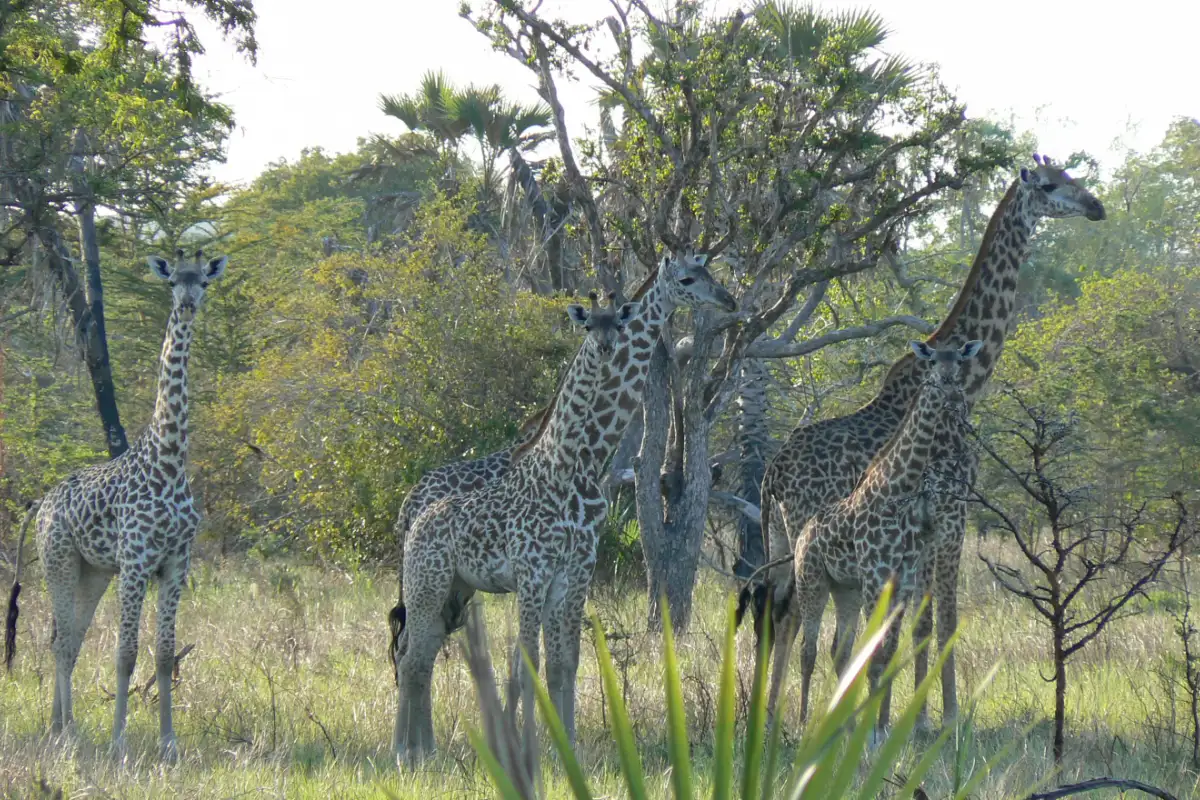
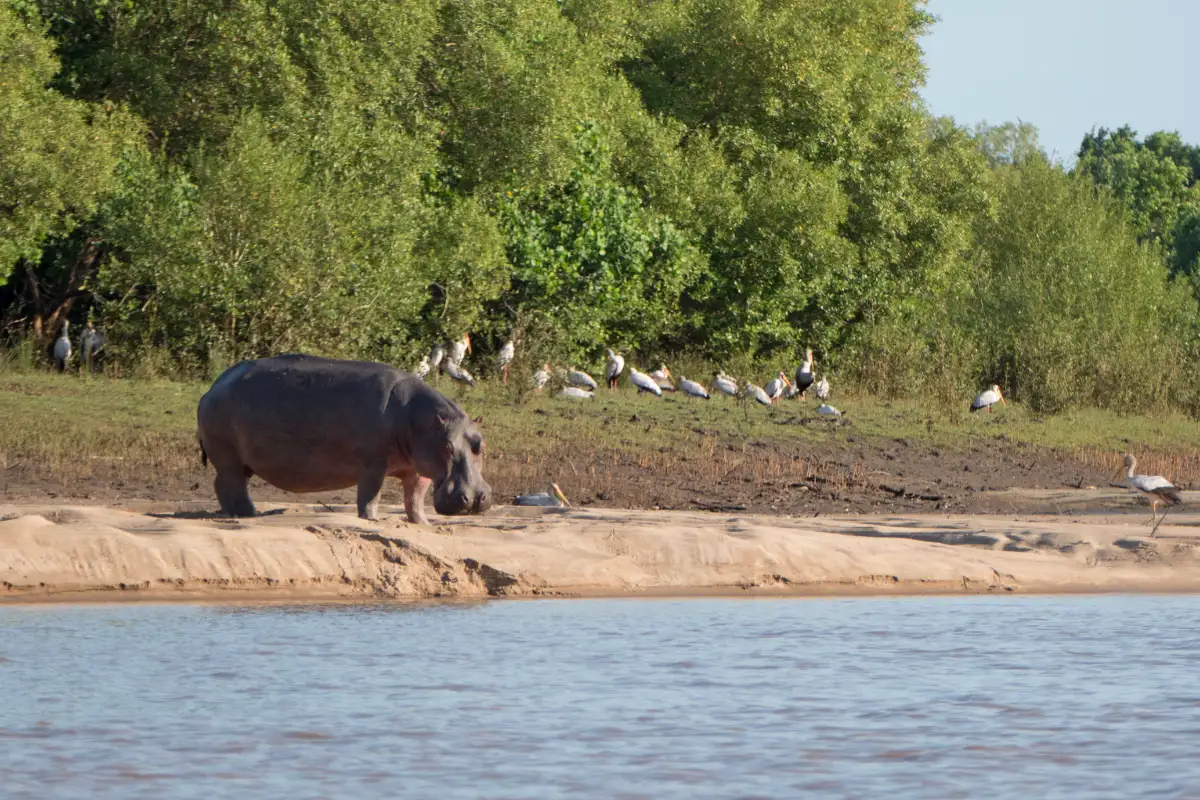
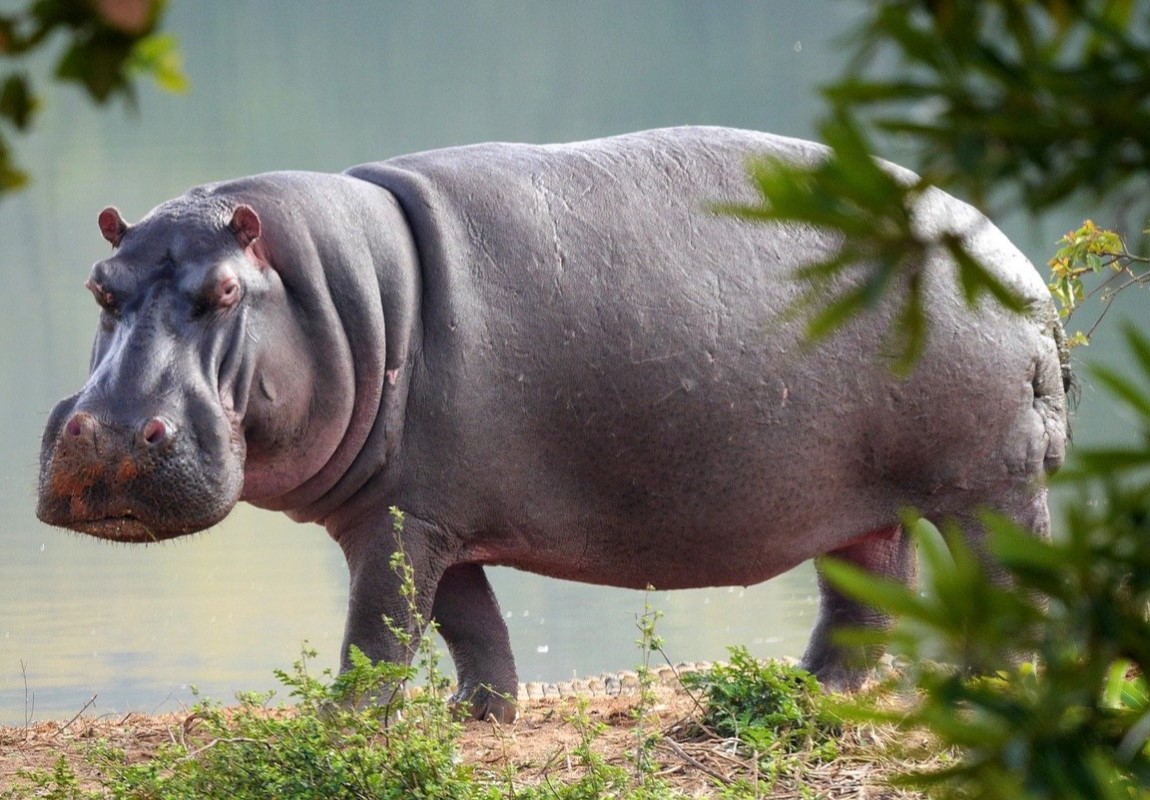
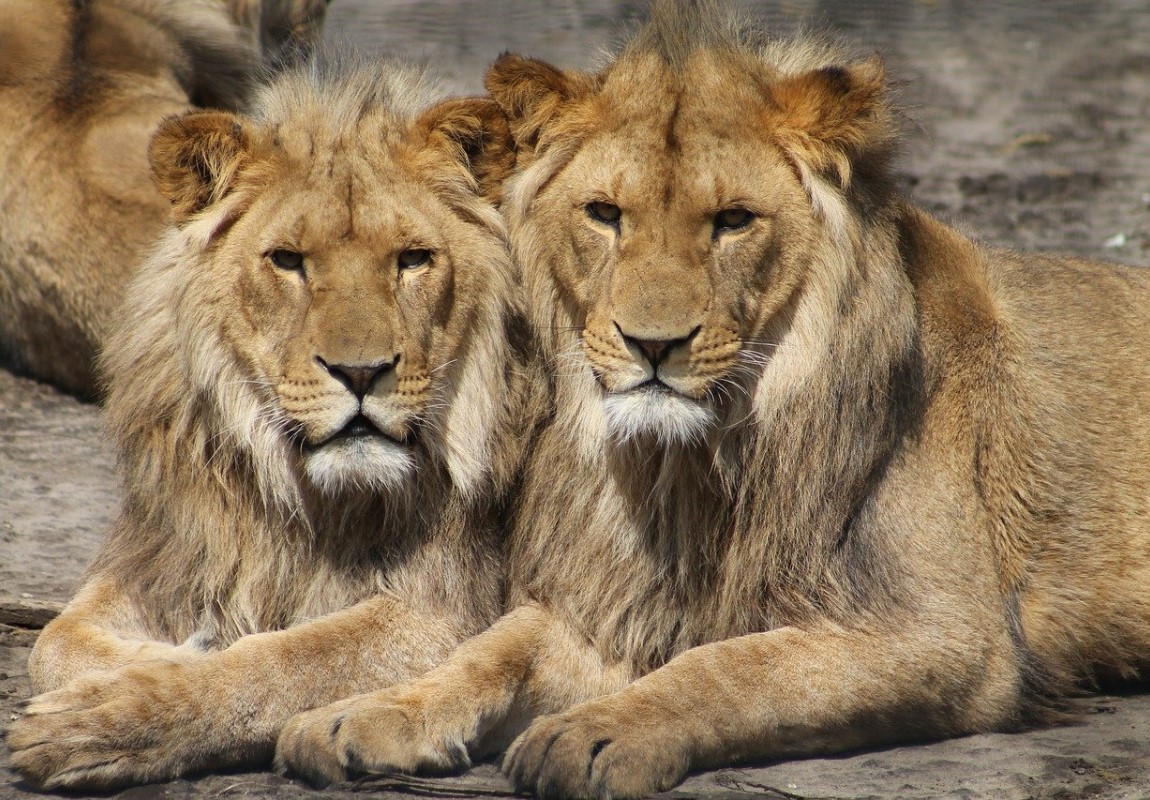
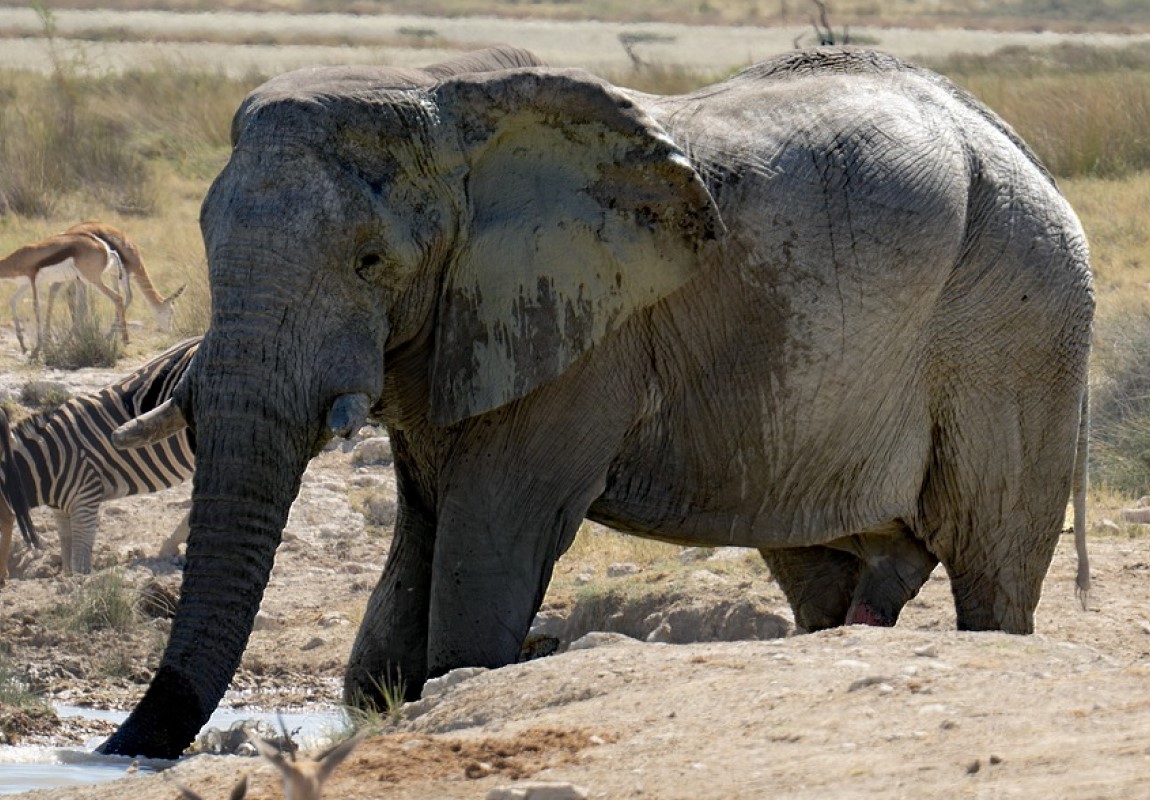
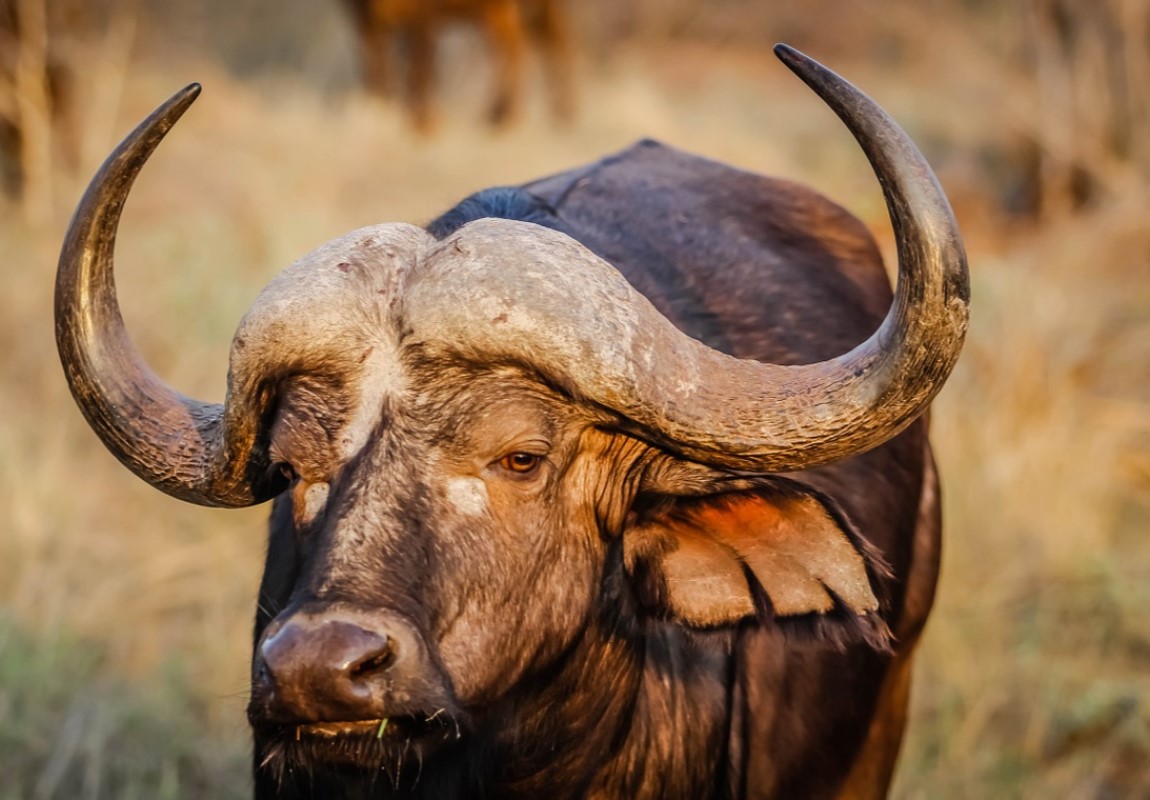
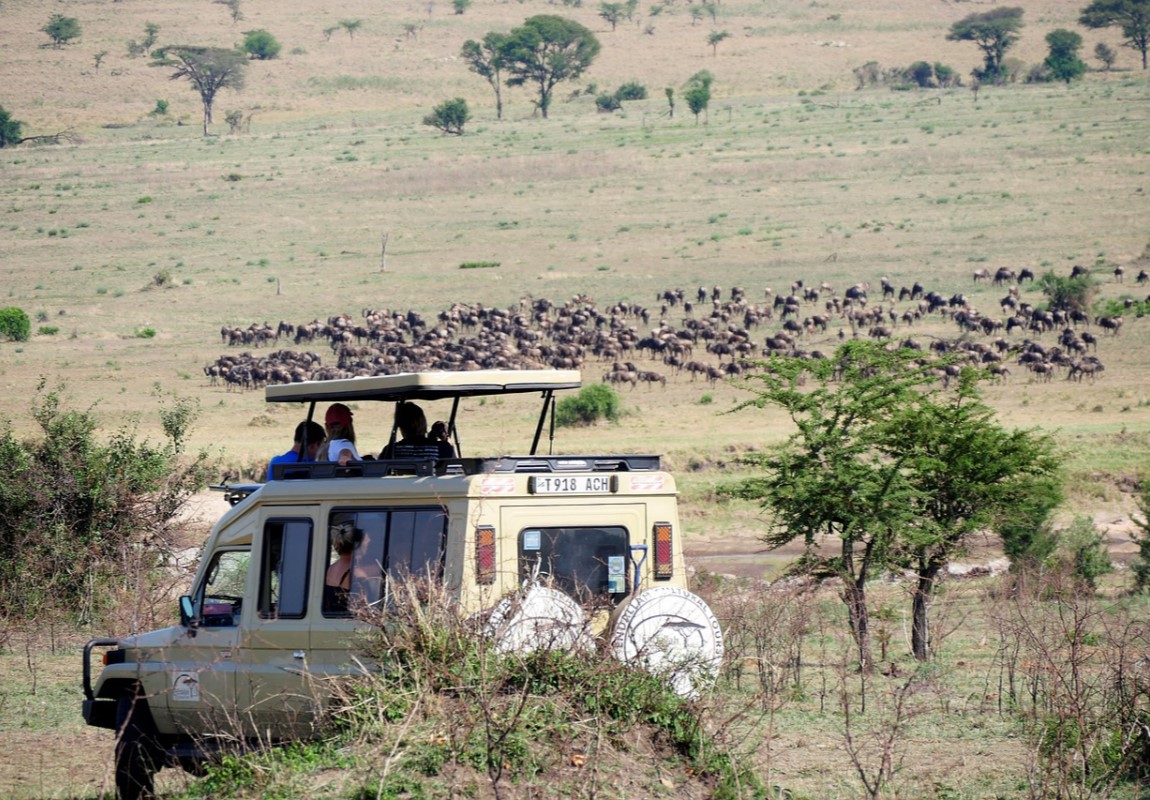
Wildlife in Saadani includes four of the Big Five, namely lions, African bush elephants, Cape buffaloes and leopards. Masai giraffes, Lichtenstein's hartebeest, waterbucks, blue wildebeests, bohor reedbucks, common and red duikers, Dik-Diks, yellow baboons, vervet monkeys, blue monkeys, Colobus monkeys, mongooses, genets, porcupines, sable antelopes, warthogs, hippopotamuses, crocodiles, Nile monitors are also found in the park.
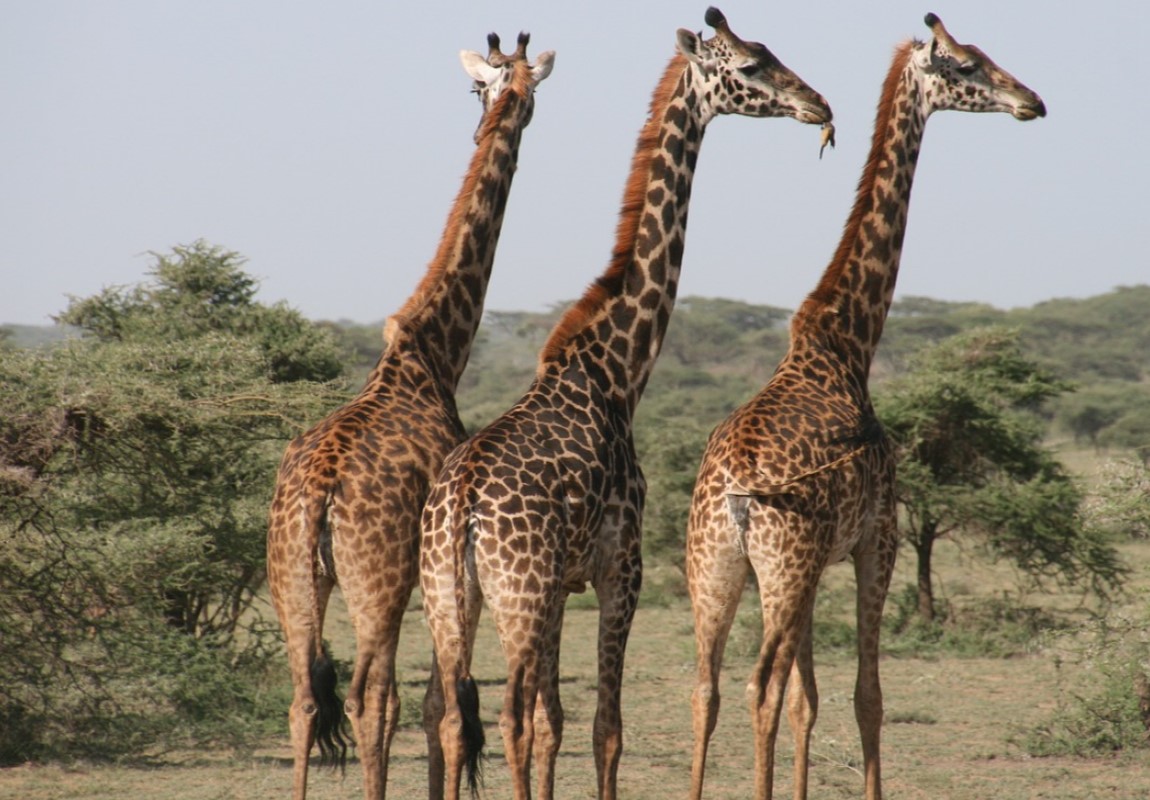

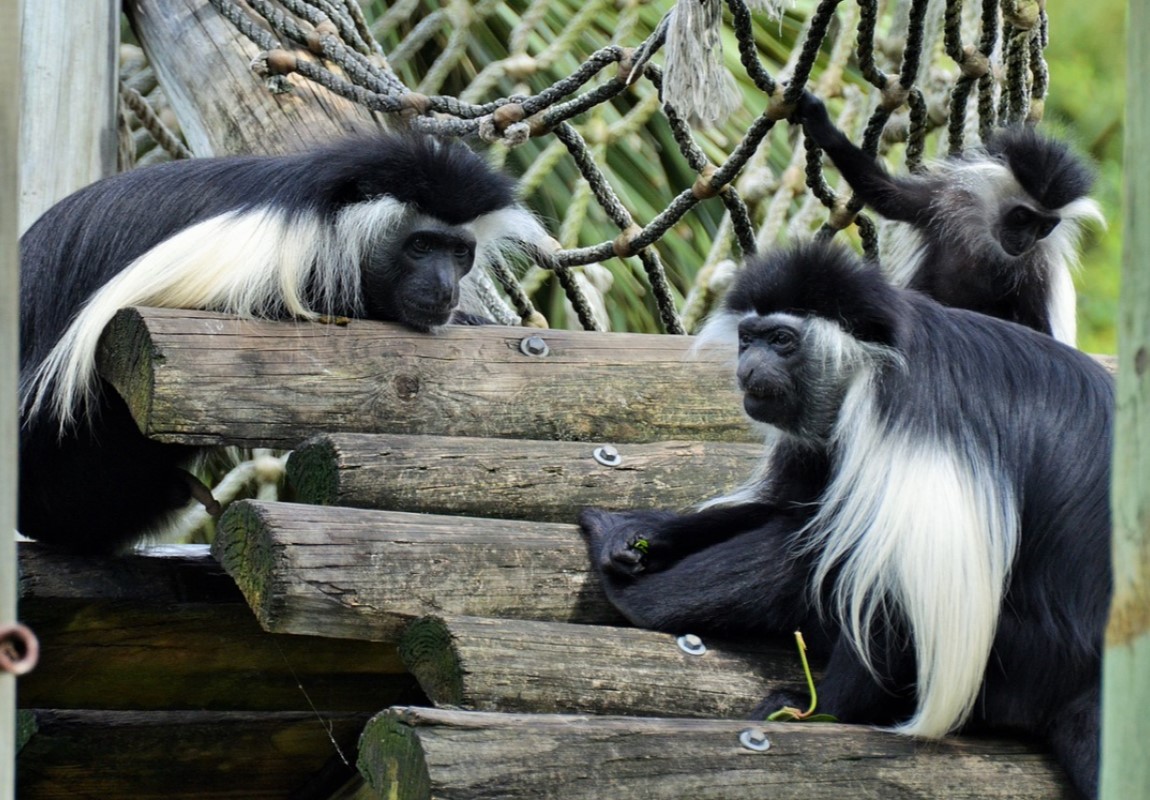
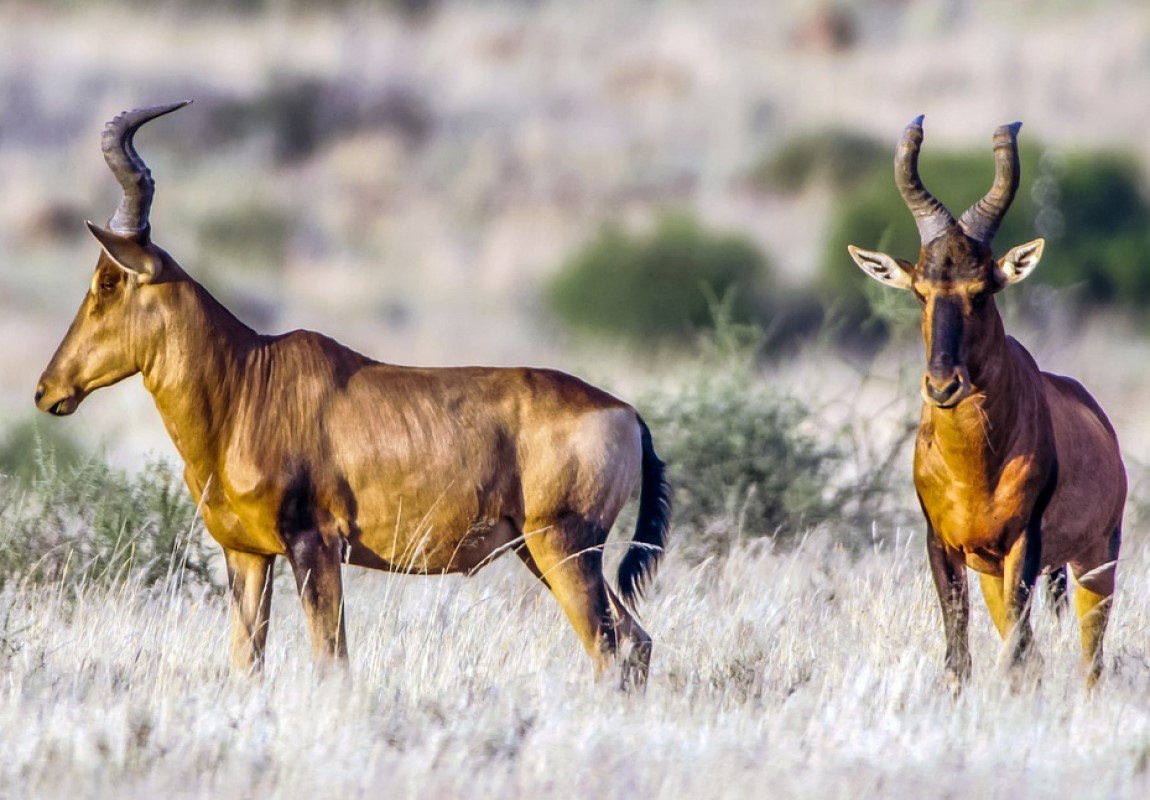
Wildlife Highlights
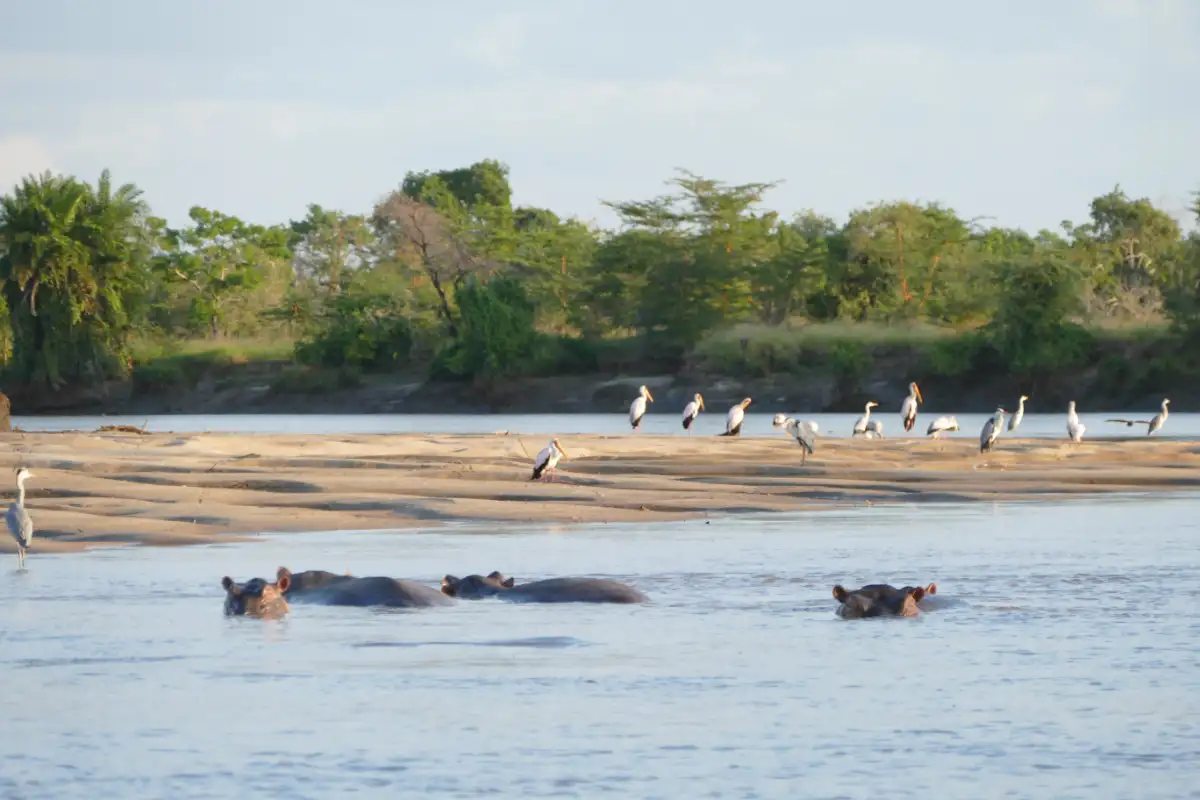
Saadani harbors a little populace of Roosevelt's sable, an endangered species observed to be generally just in Nyerere National Park and Kenya's Shimba Hills. Another coastal exceptional is the red duiker. The sea shores in and around the Saadani structure are one of the last significant breeding destinations for green turtles in Tanzania. Boat trips on the mangrove-fixed Wami River accompany a high shot at seeing hippos, crocodiles and a selection of marine and riverine birds.
Best Time for Wildlife Viewing
Saadani National park is open throughout the year, but Roads become sloppy and difficult to travel during April and May. The best wildlife viewing is after the rains, in January and February and from June to August, when there is still plenty of water on the plains, and the wildlife stays within the park.
Want to Visit Saadani National Park?
Birds
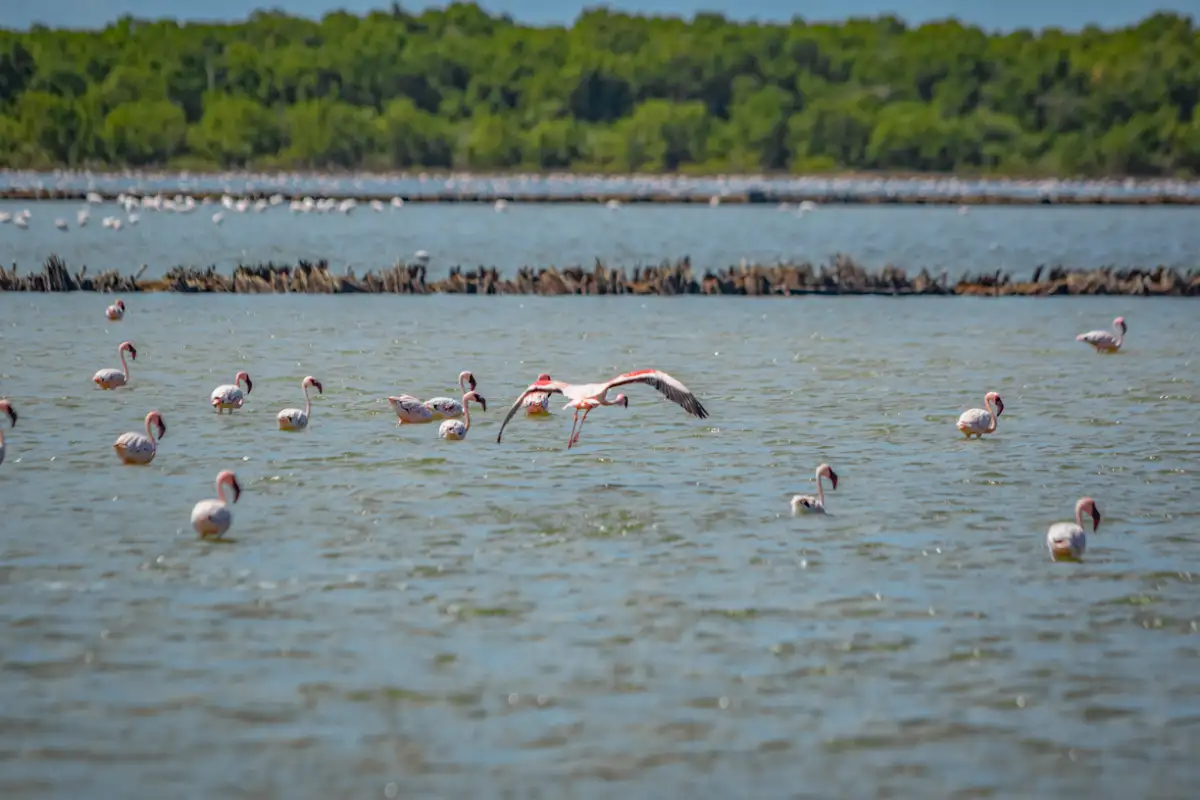
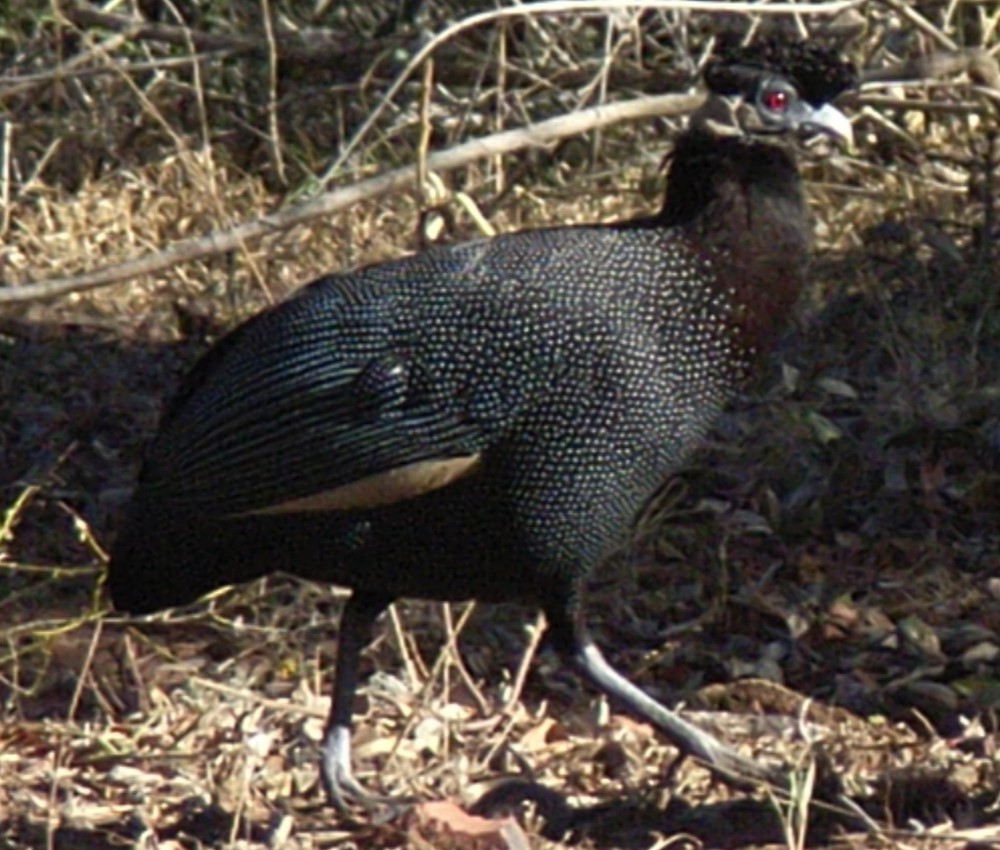
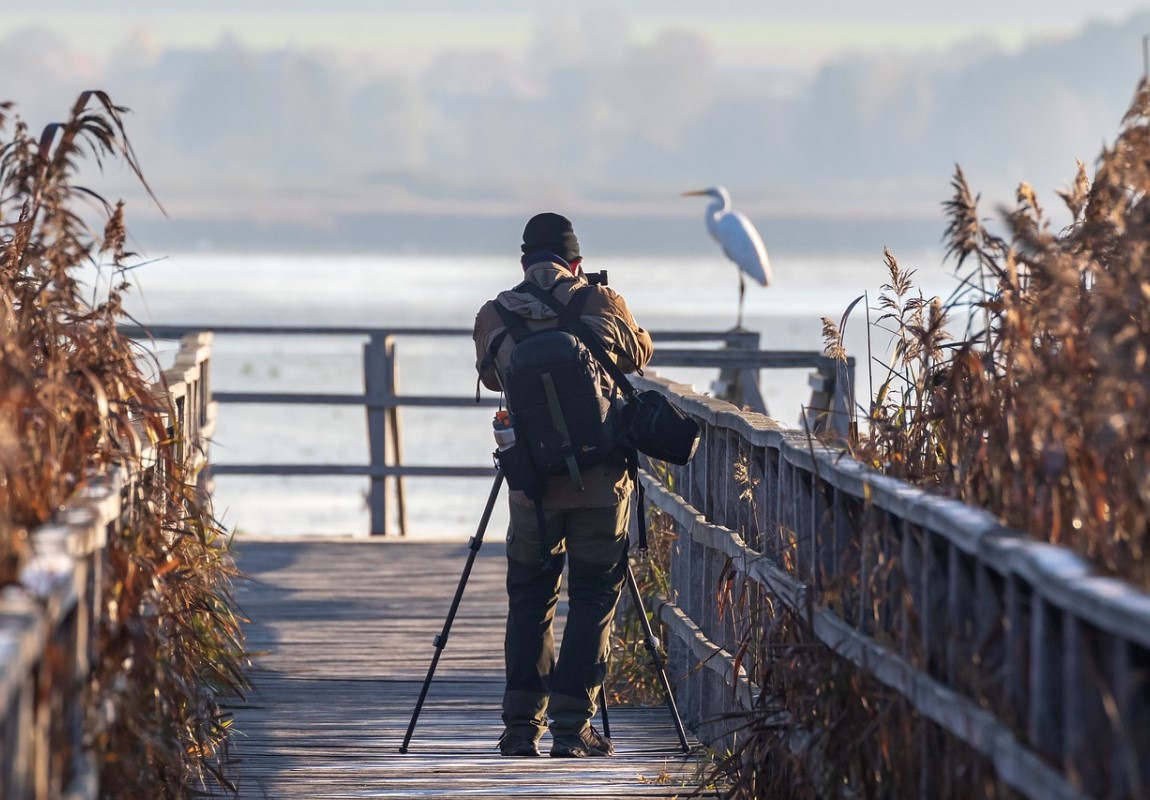
Saadani offers astounding birding in a variety of habitats. Boat trips on the mangrove-lined Wami River offer a decent choice of marine and riverine birds, including the mangrove kingfisher and lesser flamingo. The inside of the park is extraordinary for seeing a portion of the grassland species, and an assortment of raptors, for example, bateleur and crowned bird. Migratory birds are available from November to April.
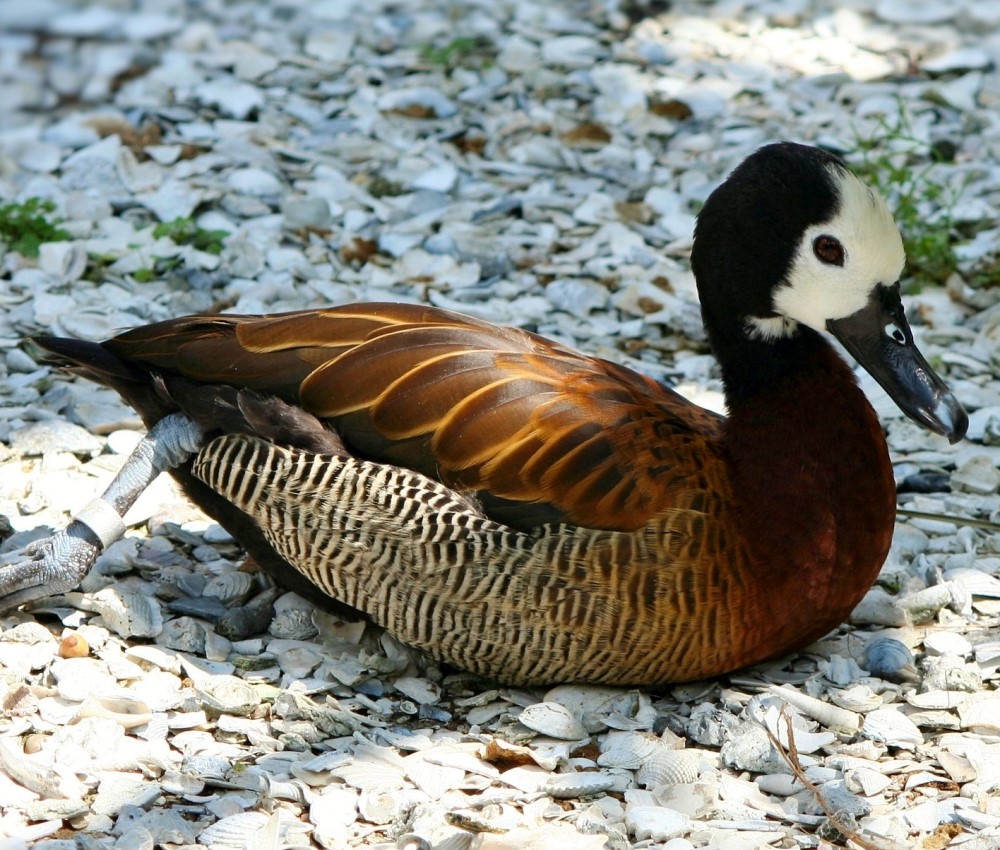
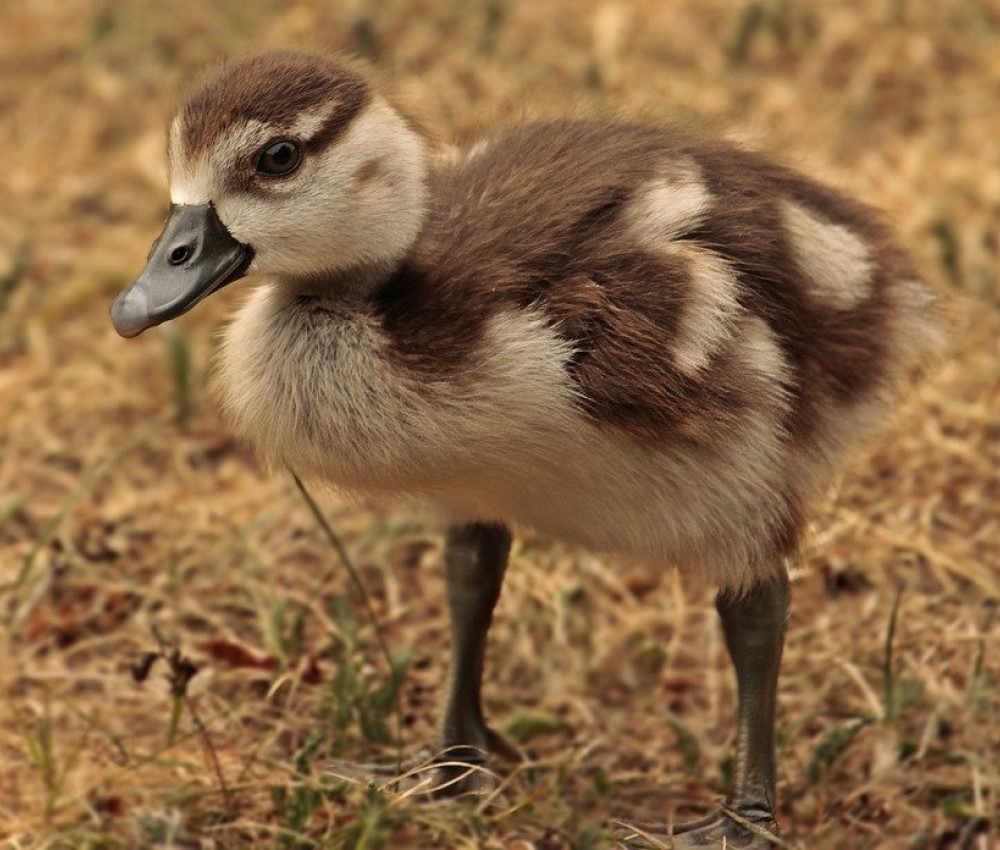

Best Time for Birding
Birdlife is sufficient throughout the year, yet bird watching is at its best when the European and north African transient birds are available from November to April. Nesting among the inhabitant birds is occurring during this equivalent time, so it is not difficult to spot birds in their breeding plumage. Wildlife viewing is best during the Dry season (June to October).
Want to Visit Saadani National Park?
Best Time to Visit – Saadani National Park
Saadani National park is open throughout the year, but Roads become sloppy and difficult to travel during April and May. The best wildlife viewing is after the rains, in January and February and from June to August, when there is still plenty of water on the plains, and the wildlife stays within the park.
June to September (Dry Season)
- From June to August after the rains, Animal densities become higher
- It rains very little and most days are radiant
- Fewer mosquitoes and less chance of catching malaria
- Humidity is lower, and the heat isn't overwhelming
- Animals move out of the park at the end of the Dry season when the water on the plains has dried out
October to May (Wet Season)
- Due to less crowd in this season, Pricing is very less to bring more travellers
- Birding is best as migratory birds are present
- The scenery is beautiful and at its most lush
- Animal densities are higher from January and February after the rains
- Roads become sloppy and difficult to travel
- March to May is the peak of the Wet season
Want to Visit Saadani National Park?
Activities
Explore popular activities available in and around Saadani National Park.
Want to Visit Saadani National Park?
No FAQs available for this park yet.
Safari Tours
View all tours