
Starting from
$350PP
Overview
Nairobi National Park is the world’s only protected area that lies so close to a capital city. This makes the park very accessible and provides an ideal opportunity to witness some unique wildlife even for those with limited time. Most big safari animals are present (except elephants). There is a small walk at the entrance leading through an indigenous forest and several wildlife enclosures.
Pros & Cons
- Amazing wildlife experience all year round with all of the Big Five Available except the elephant
- Very accessible and ideal opportunity for those with limited time
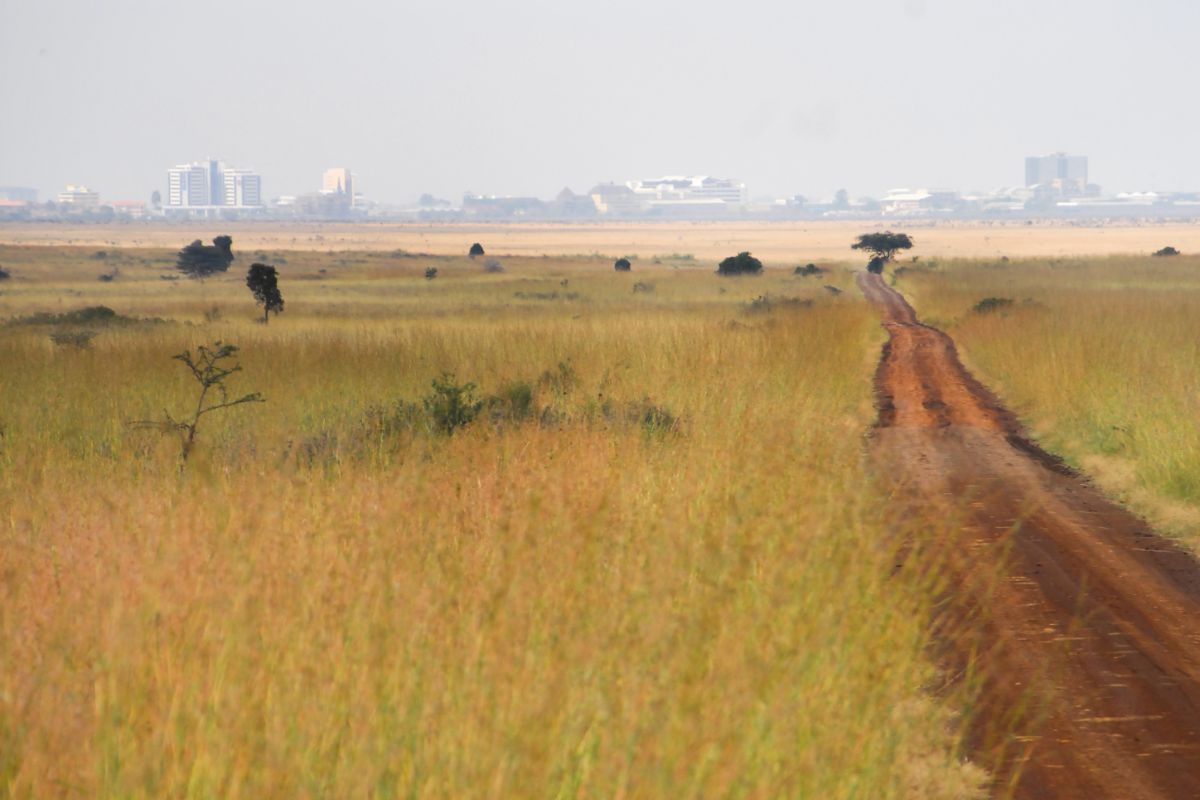
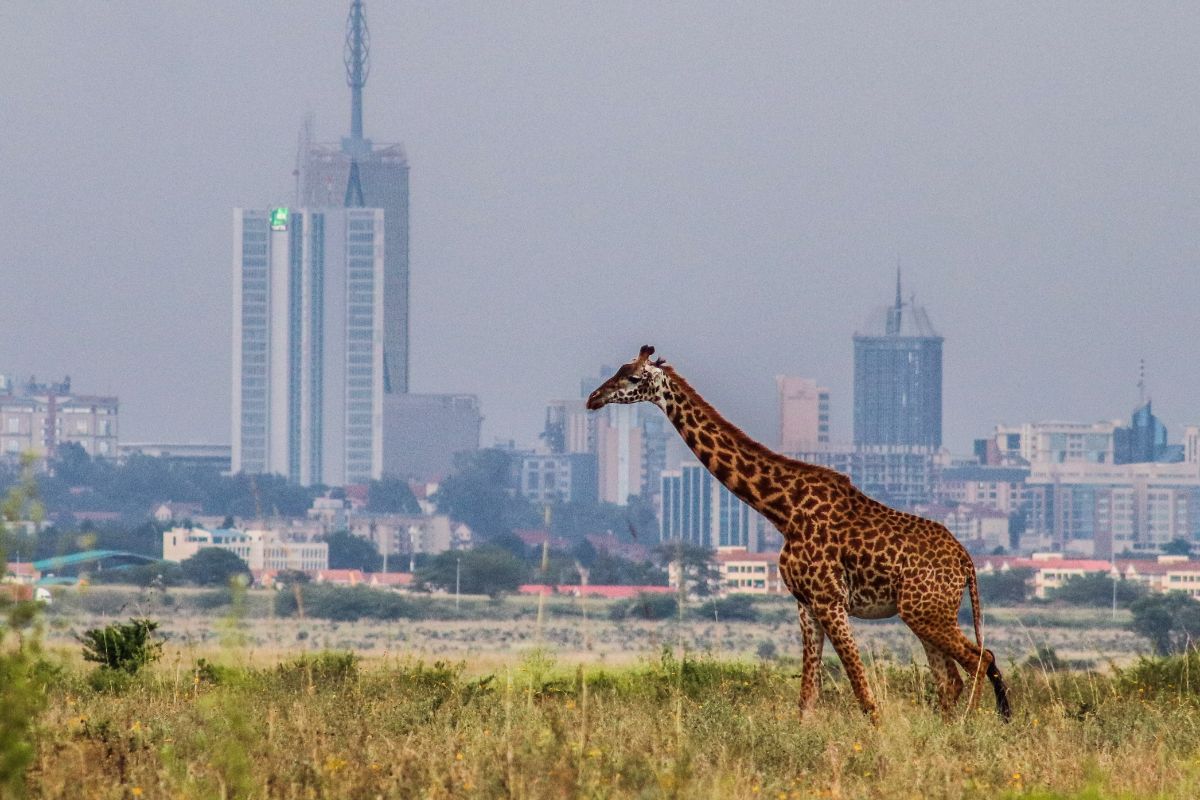
- Fascinating photo possibilities with animals against the backdrop of high-rise buildings
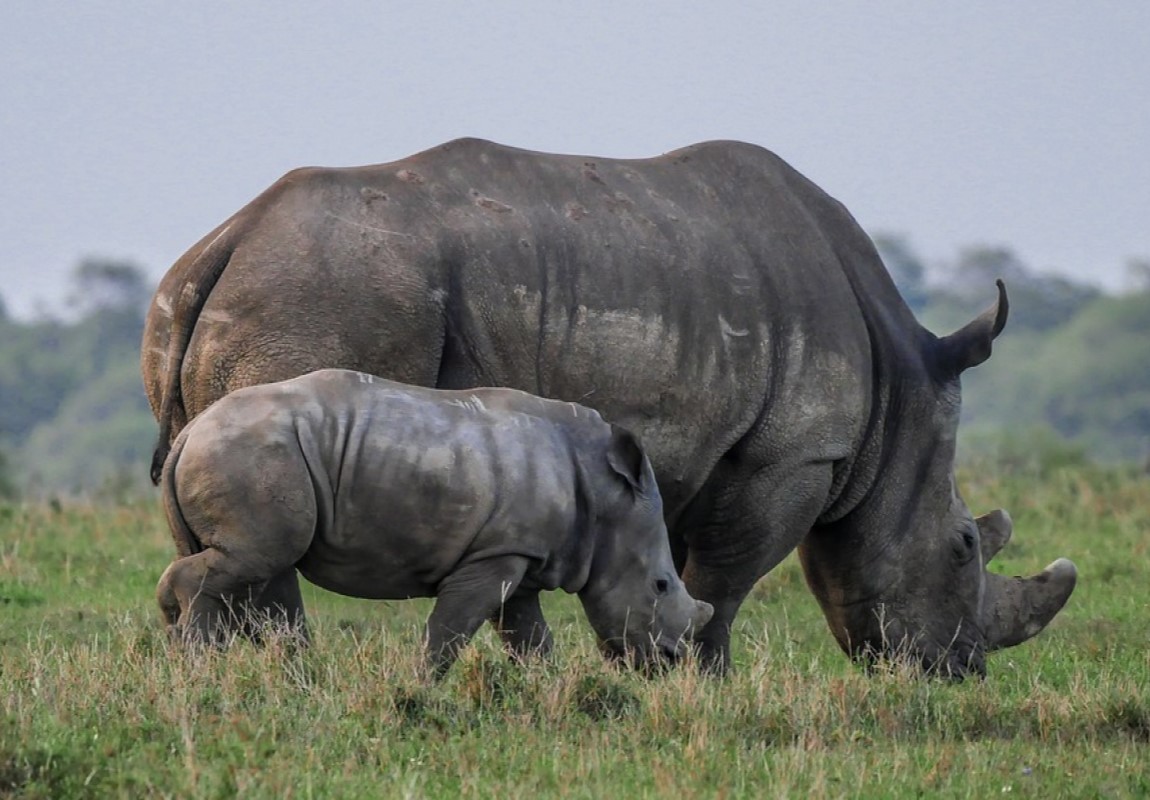
- A high density of black rhino are available
- Safari boardwalk with unusual animals, including bongo antelope
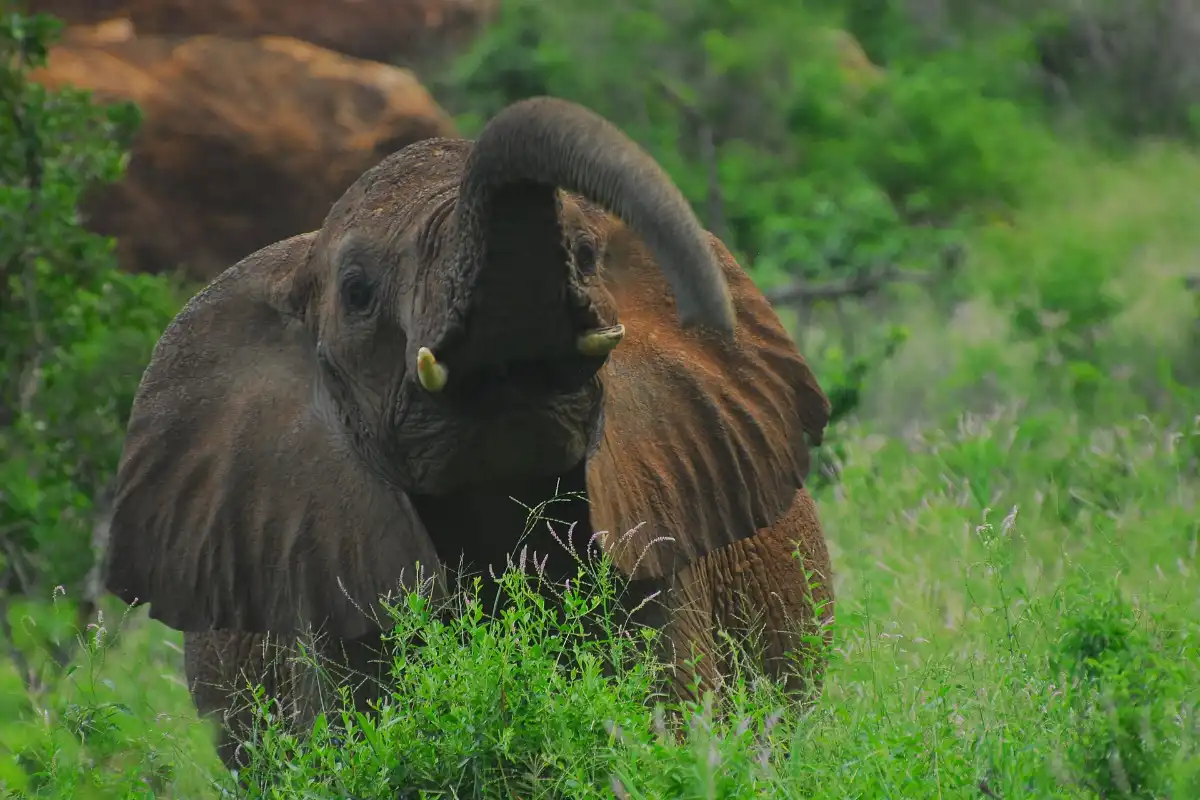
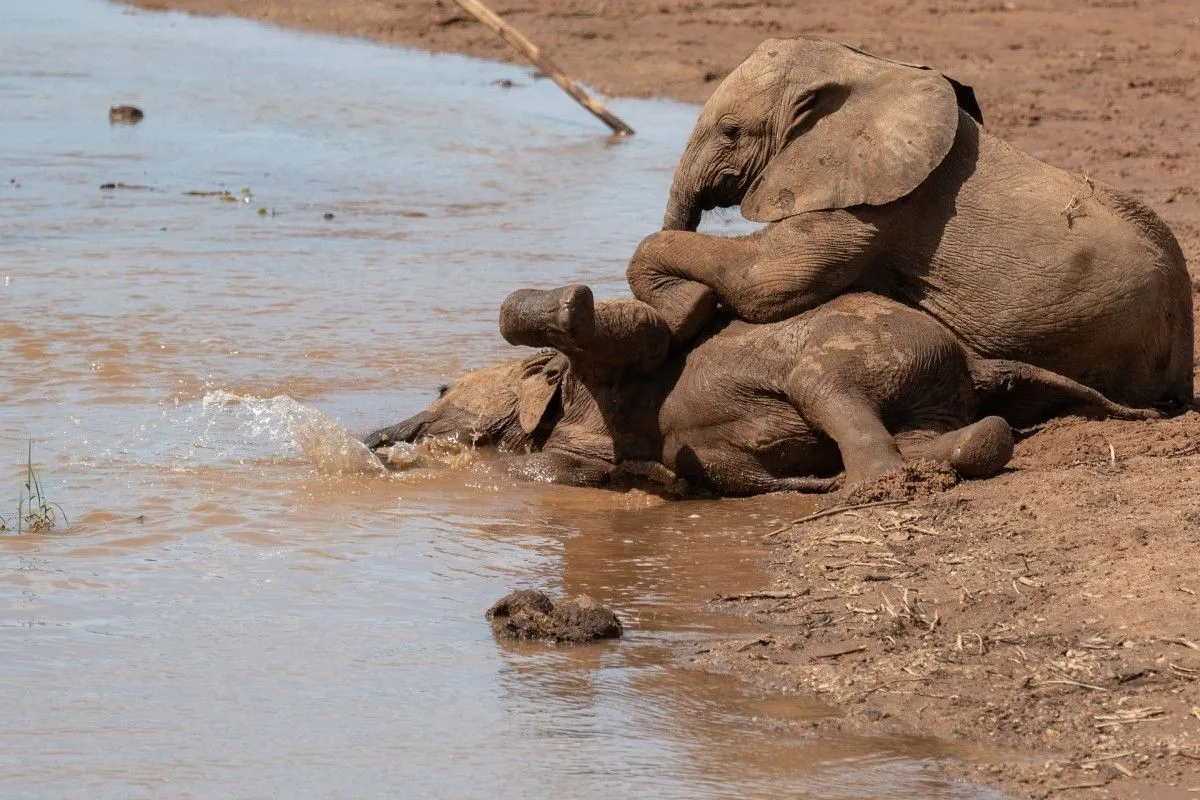
- Elephants are not available
- The proximity to the city lacks wilderness appeal
- Only one lodge inside the park
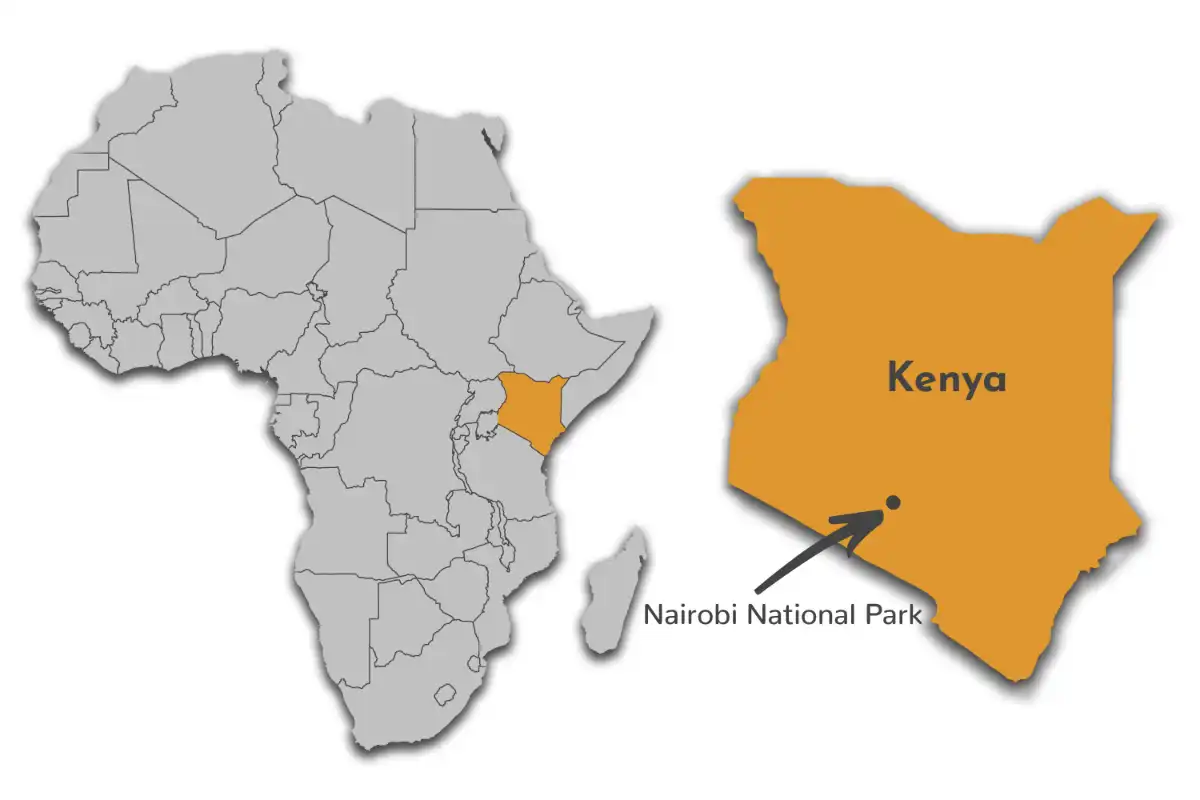
Map in Kenya
Want to Visit Nairobi National Park?
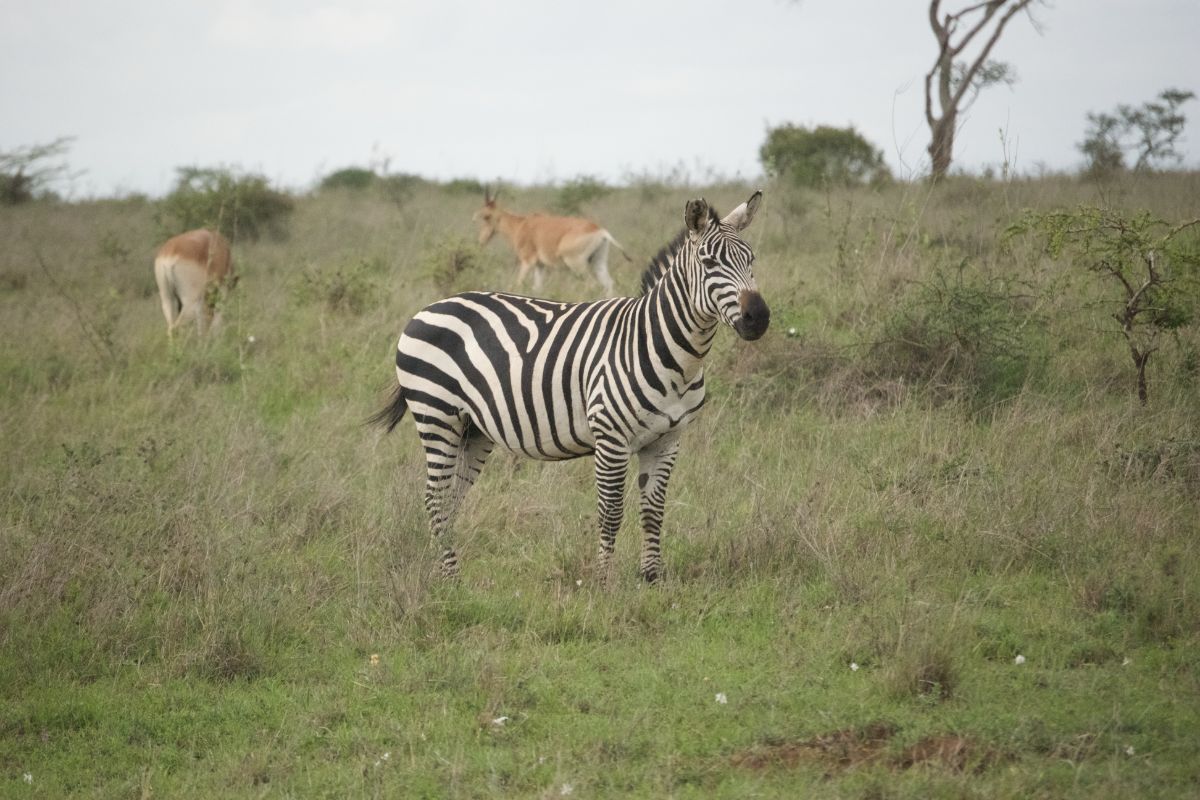
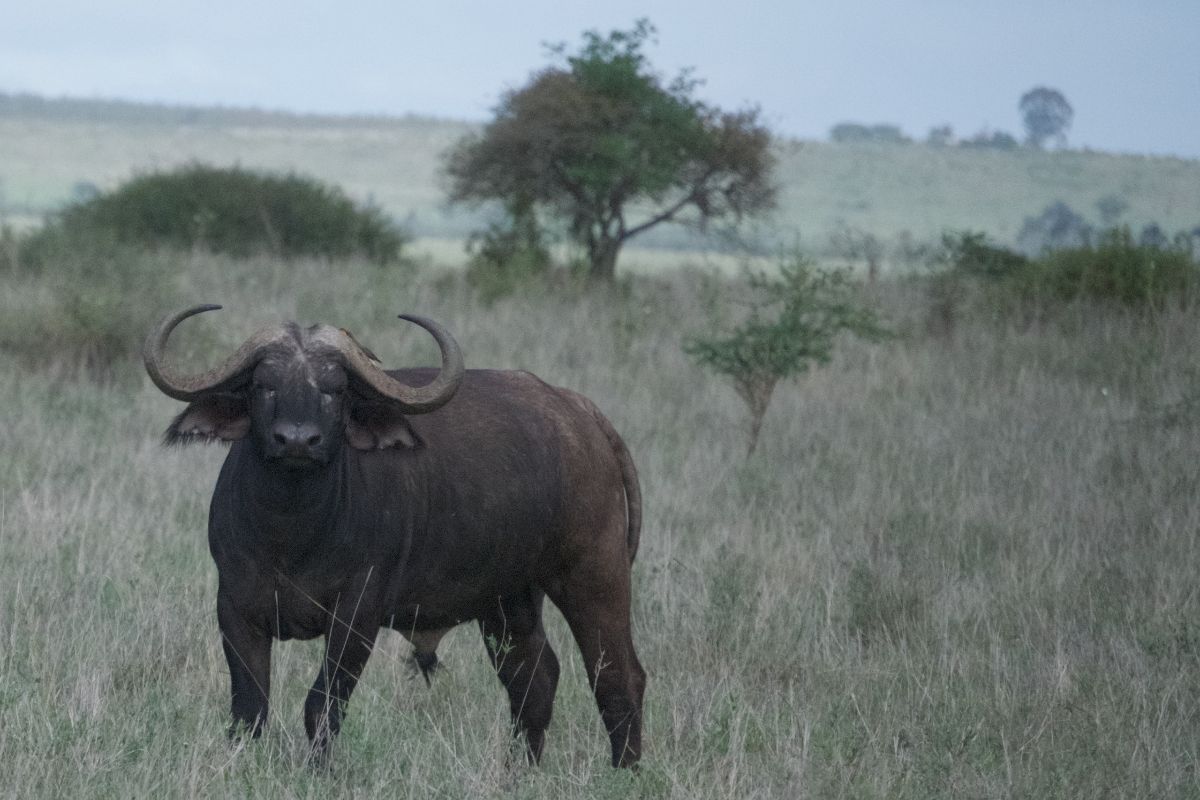
Gallery Images
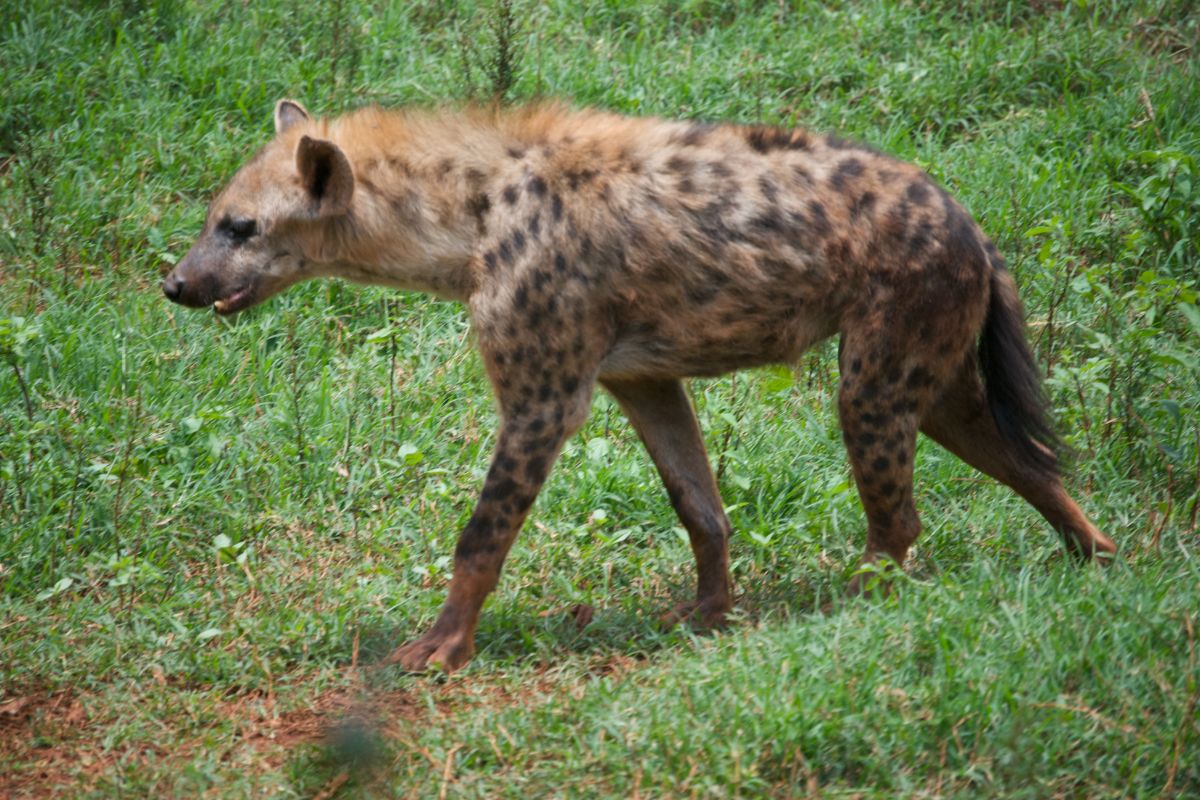
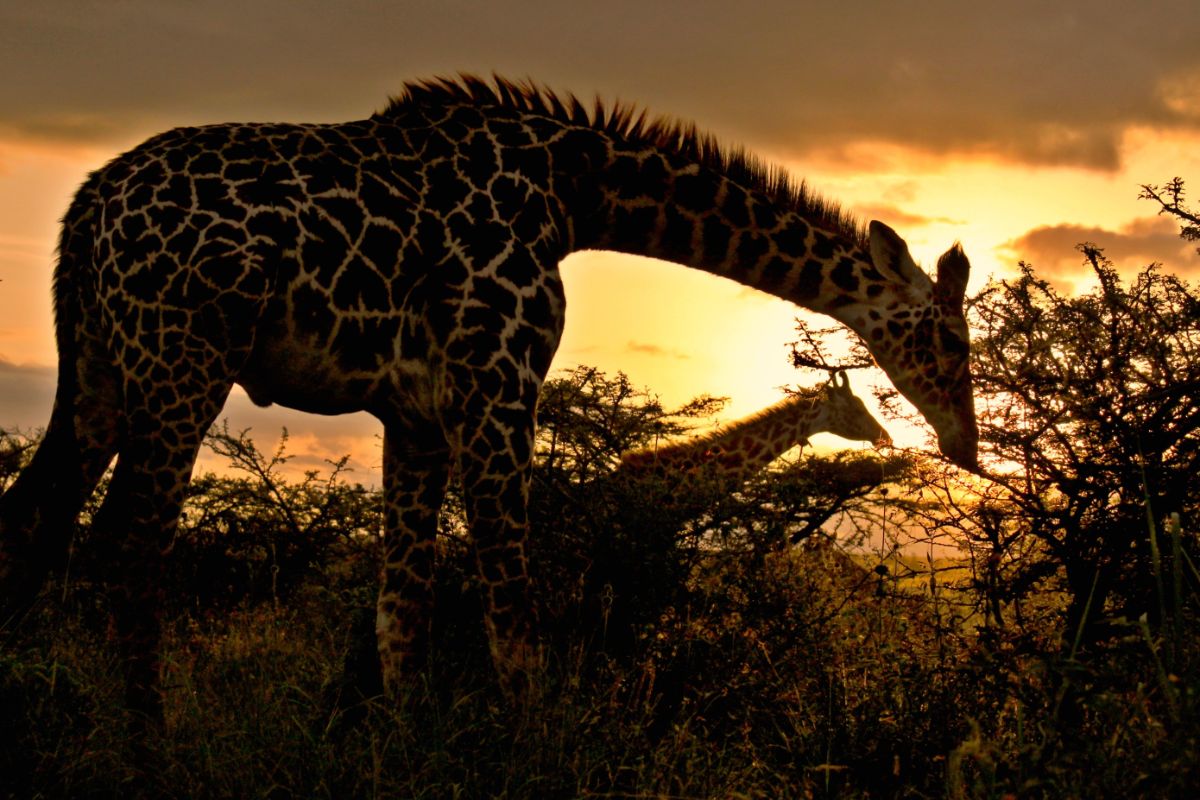
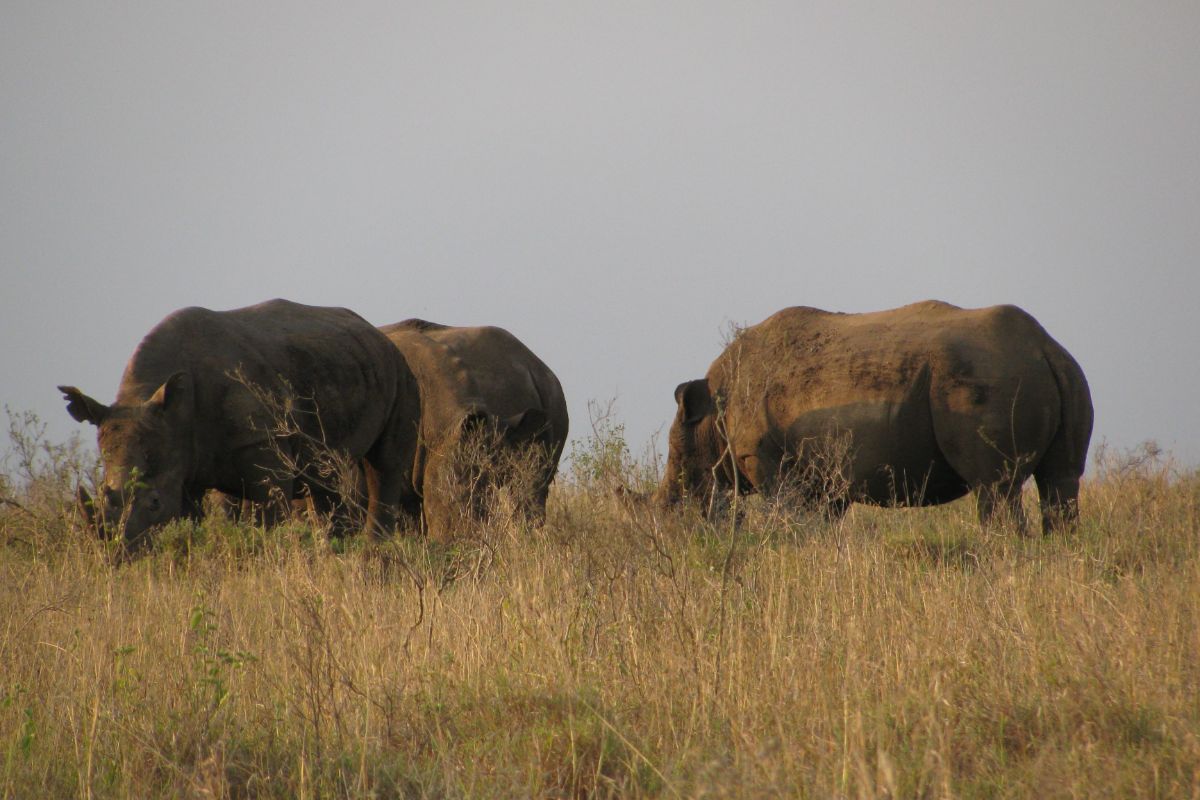
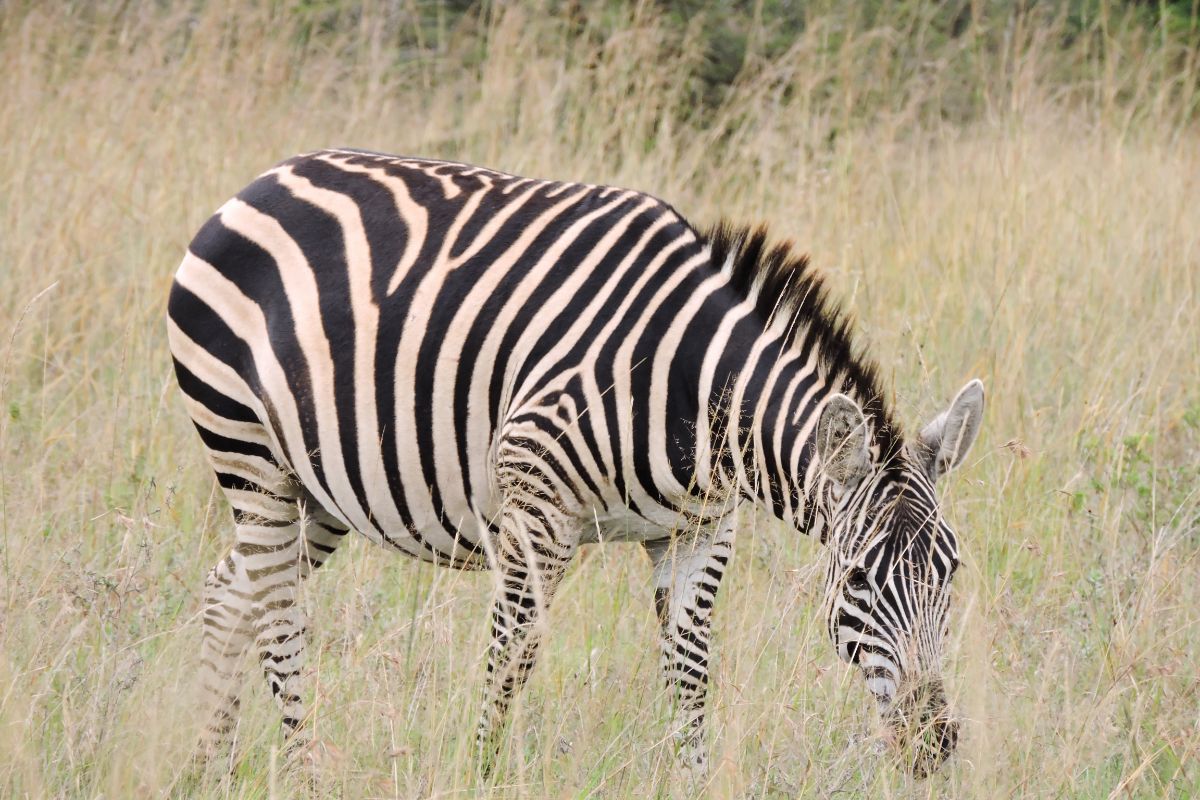
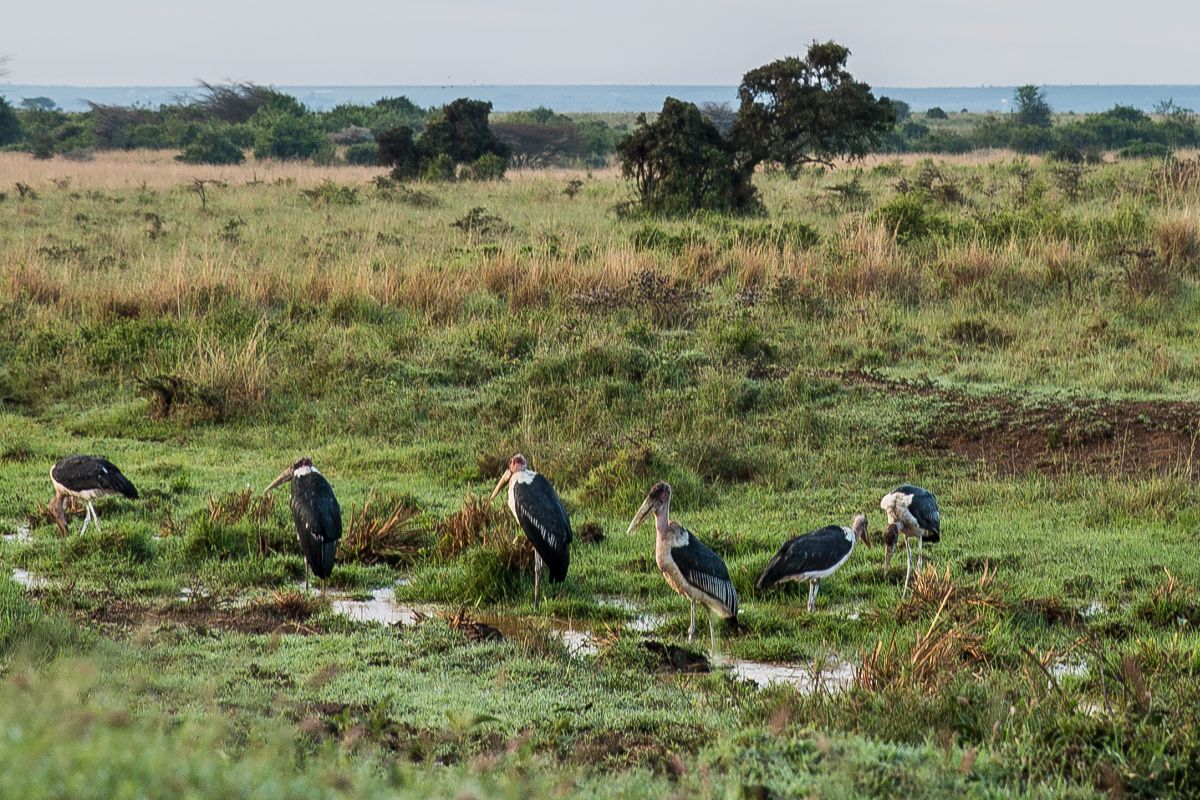
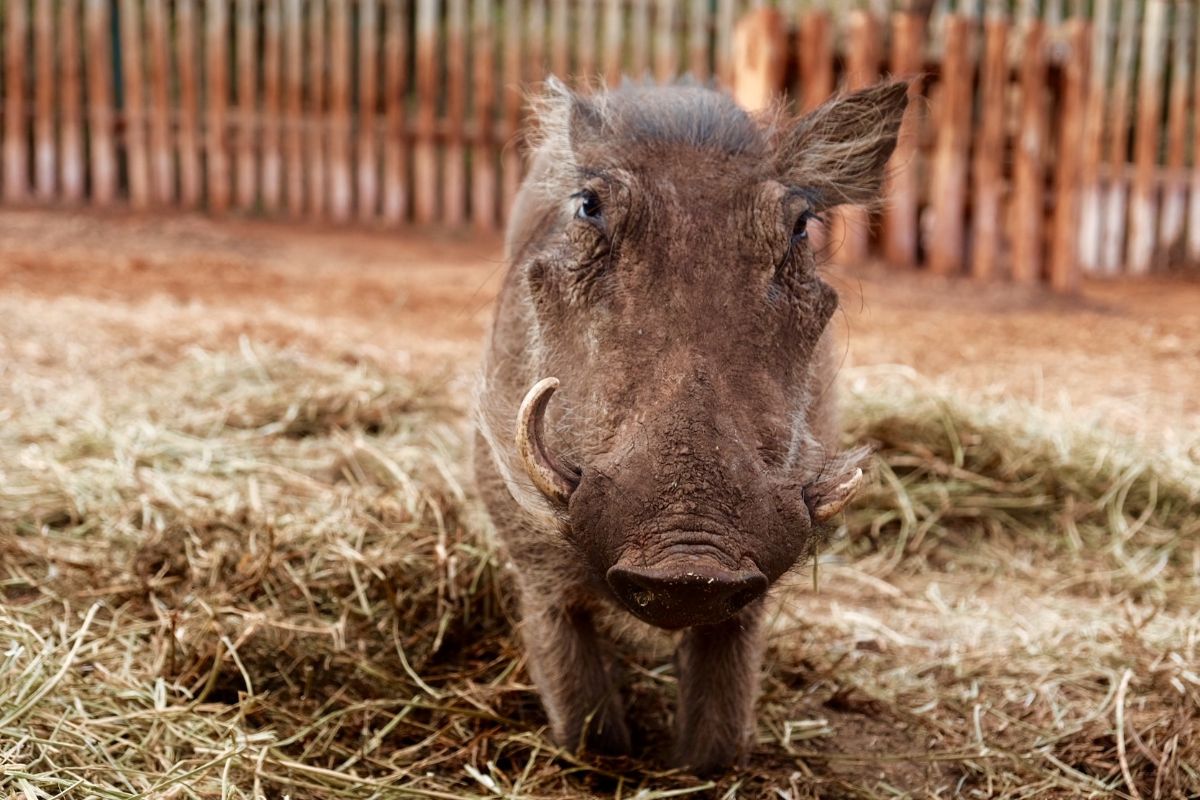
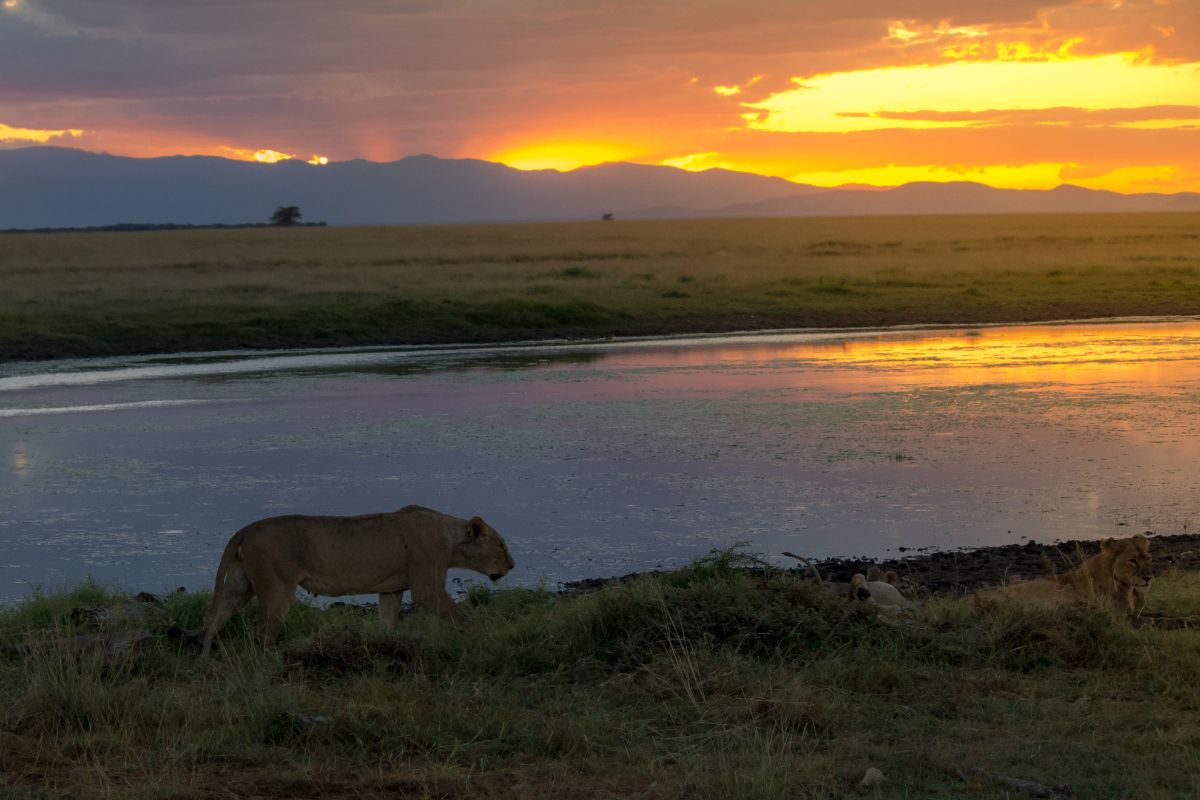
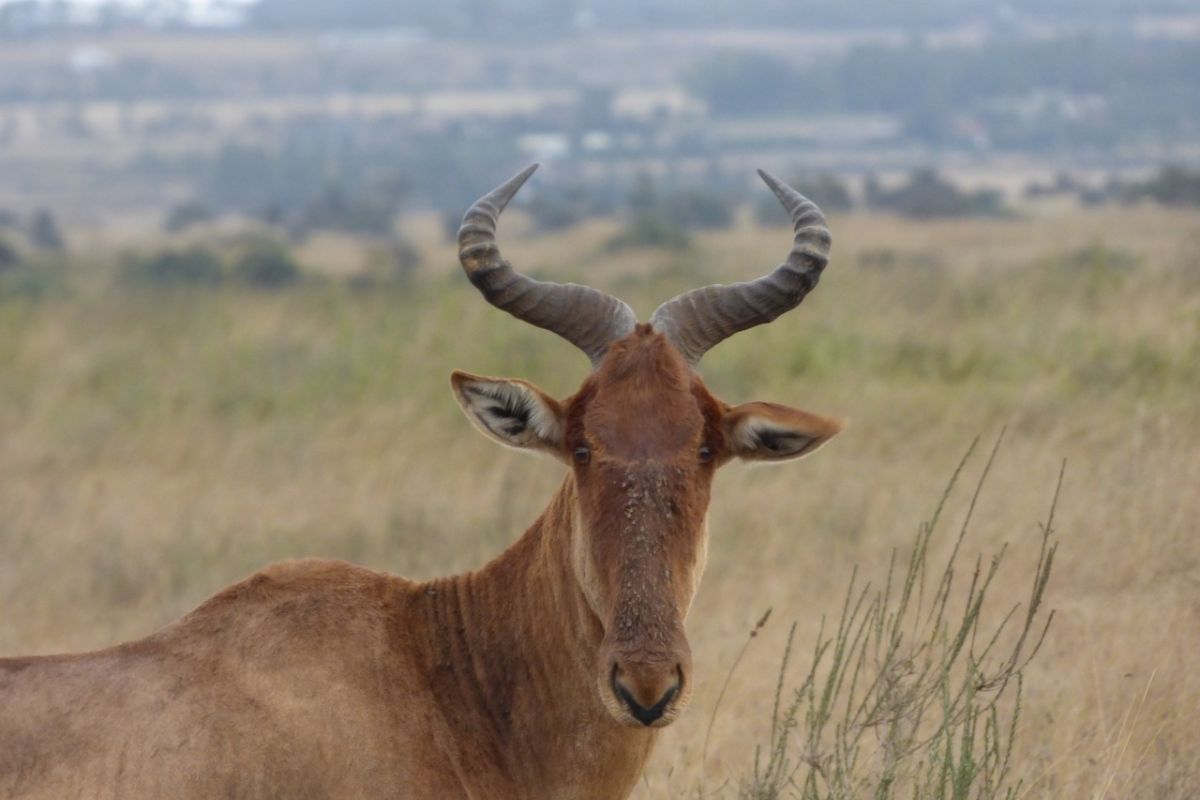
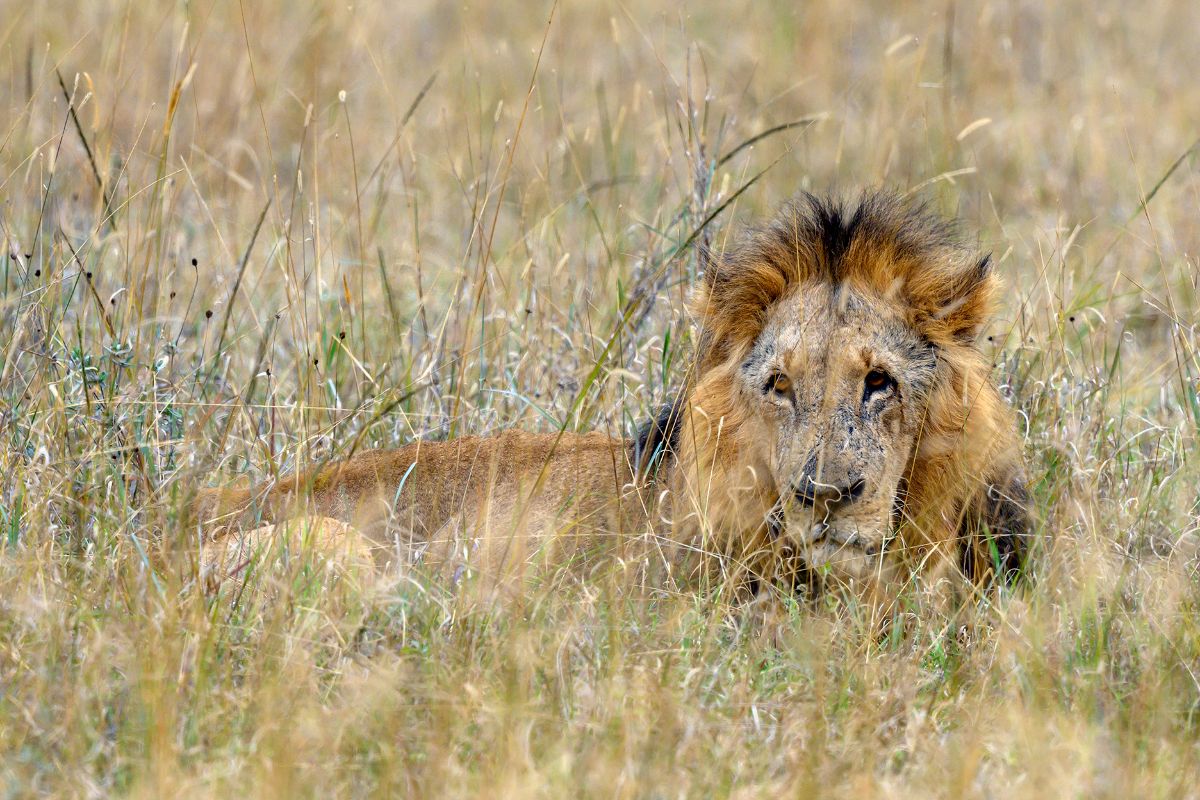
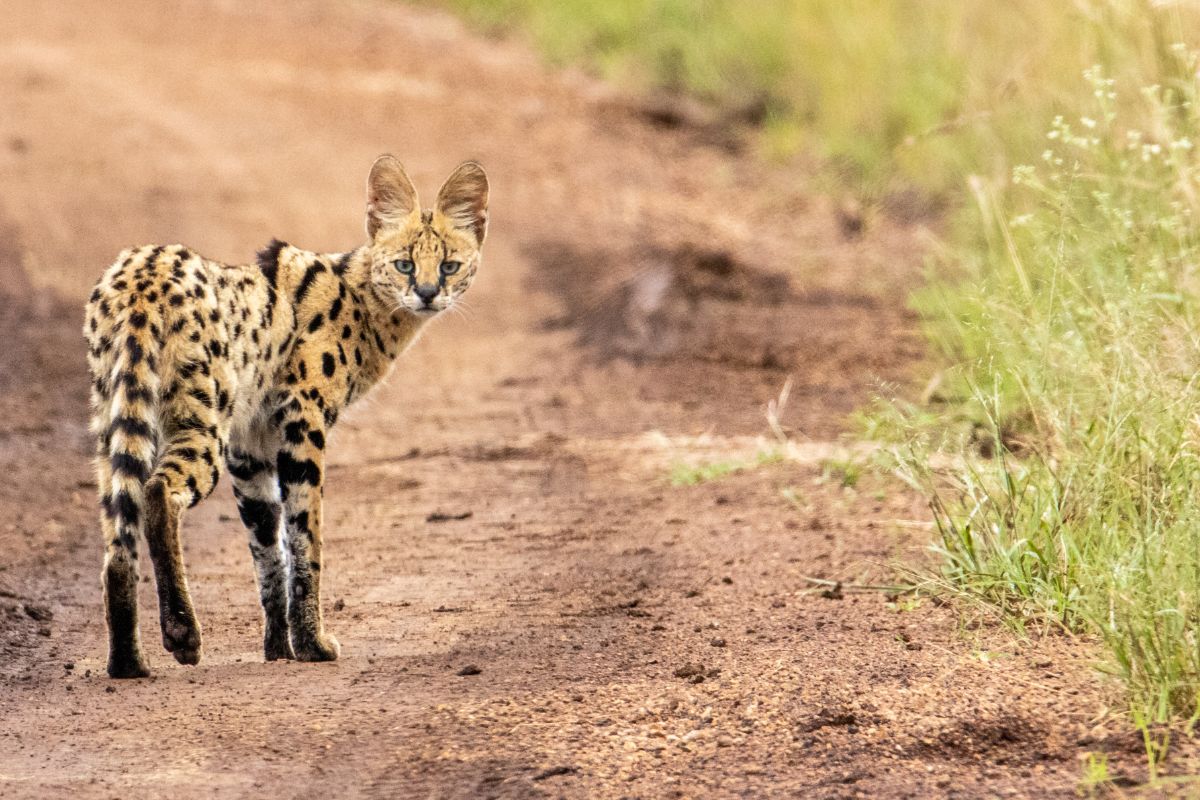
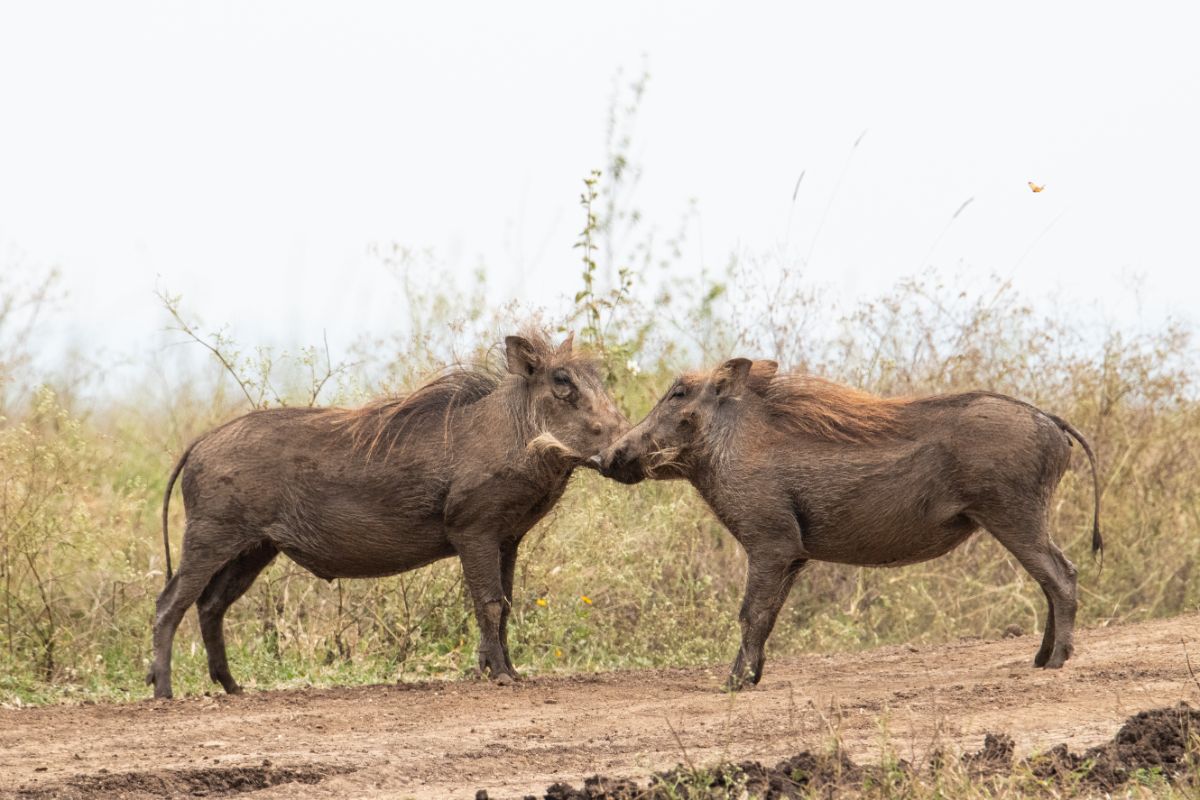
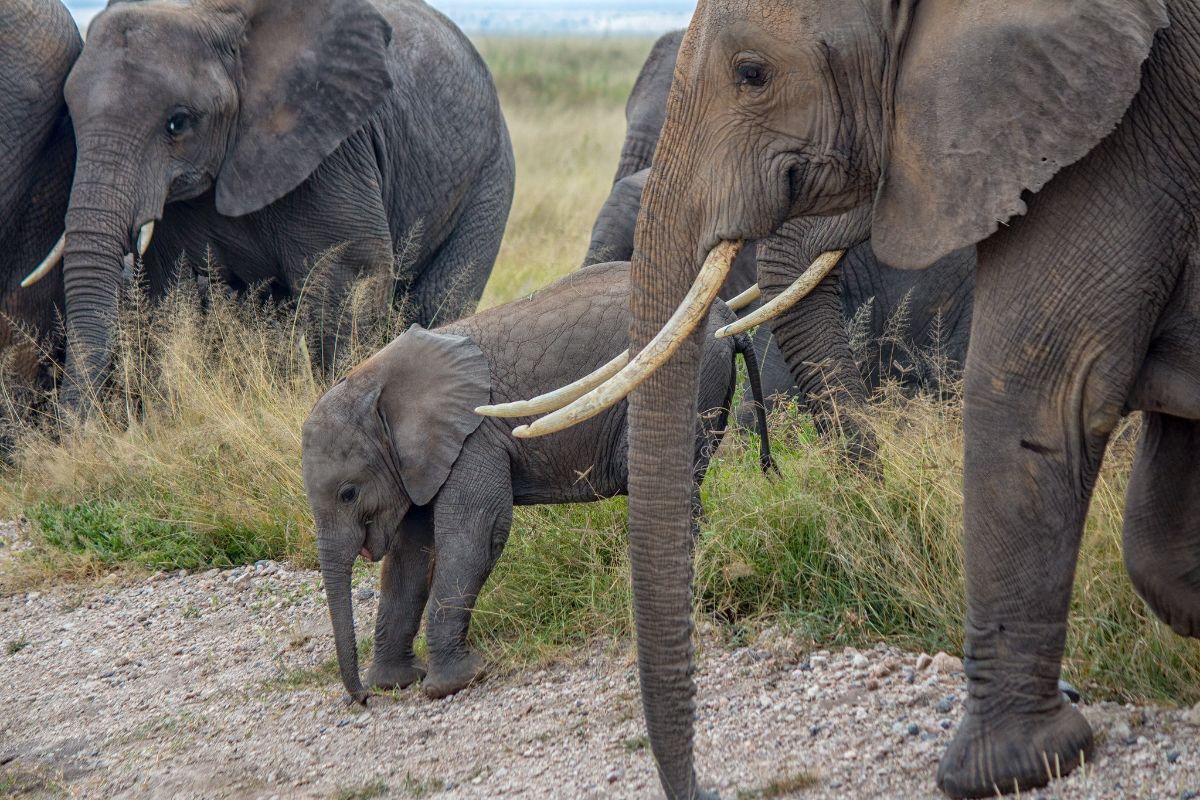
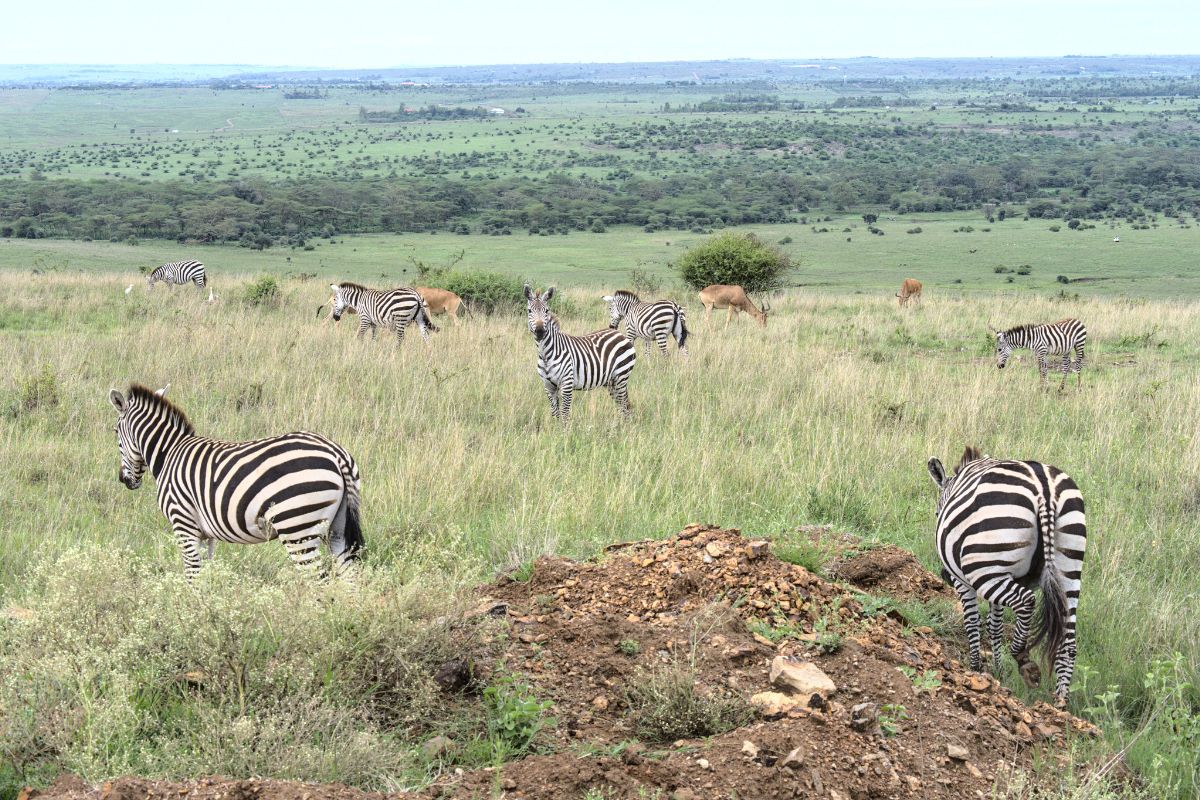
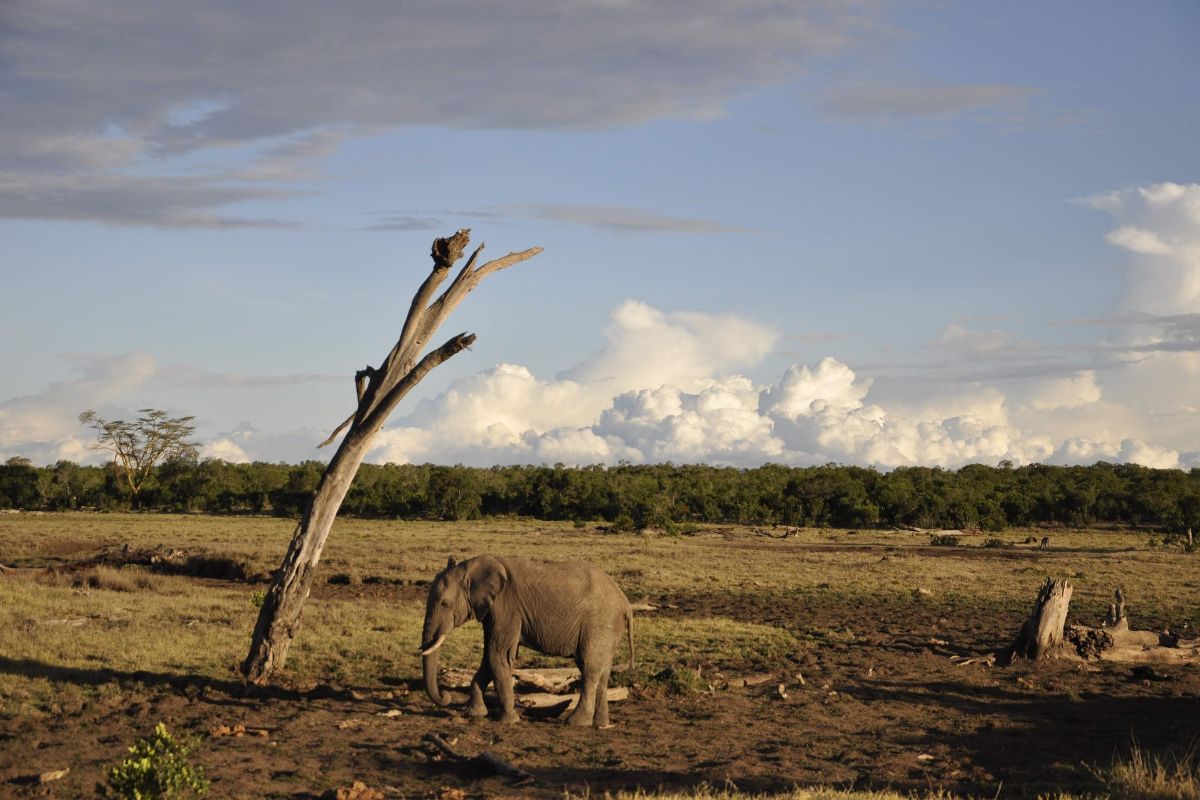
Explore the stunning beauty of Nairobi National Park through our curated collection of photographs showcasing its landscapes, wildlife, and natural wonders.


Want to Visit Nairobi National Park?
Wildlife & Animals
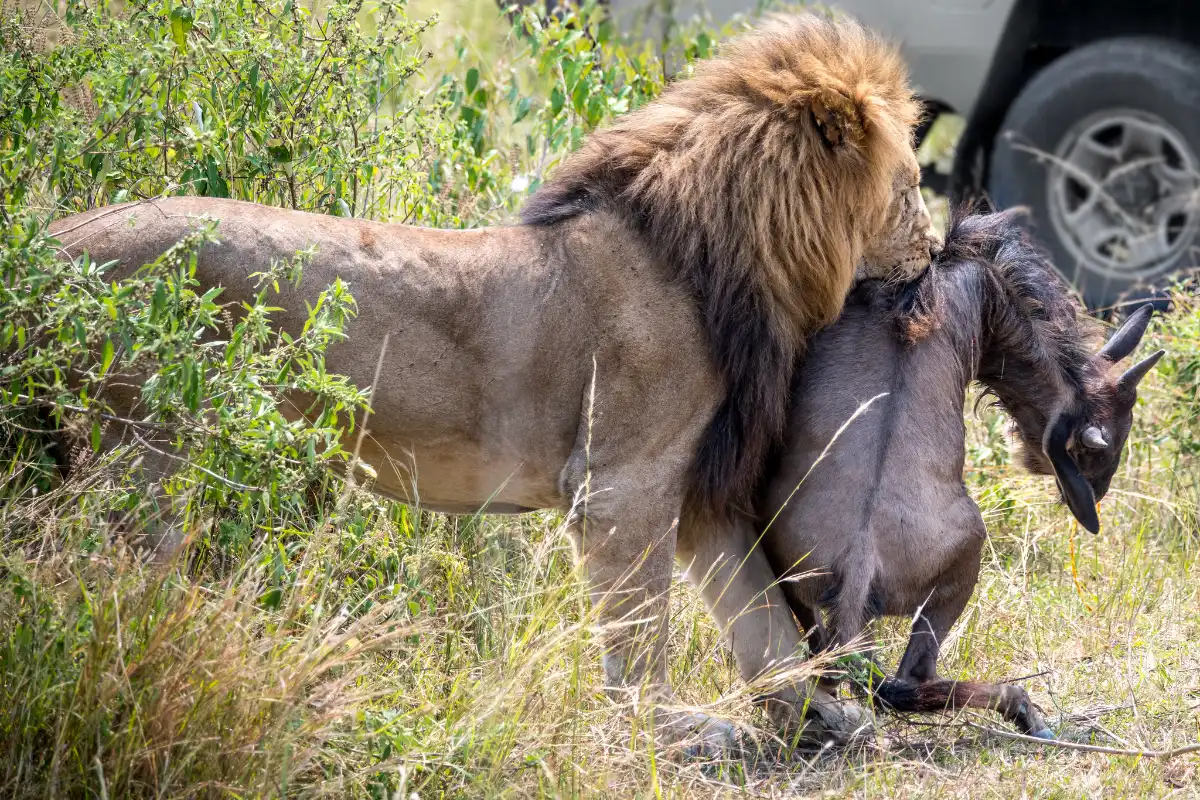
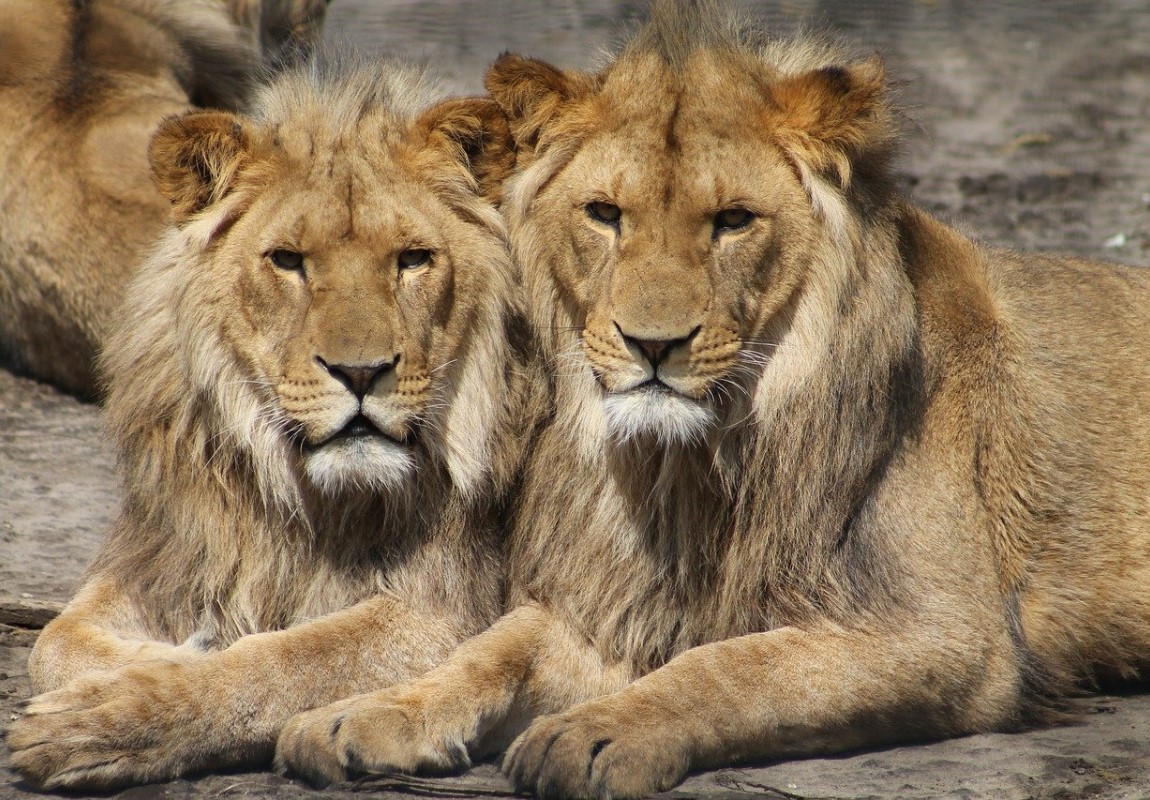
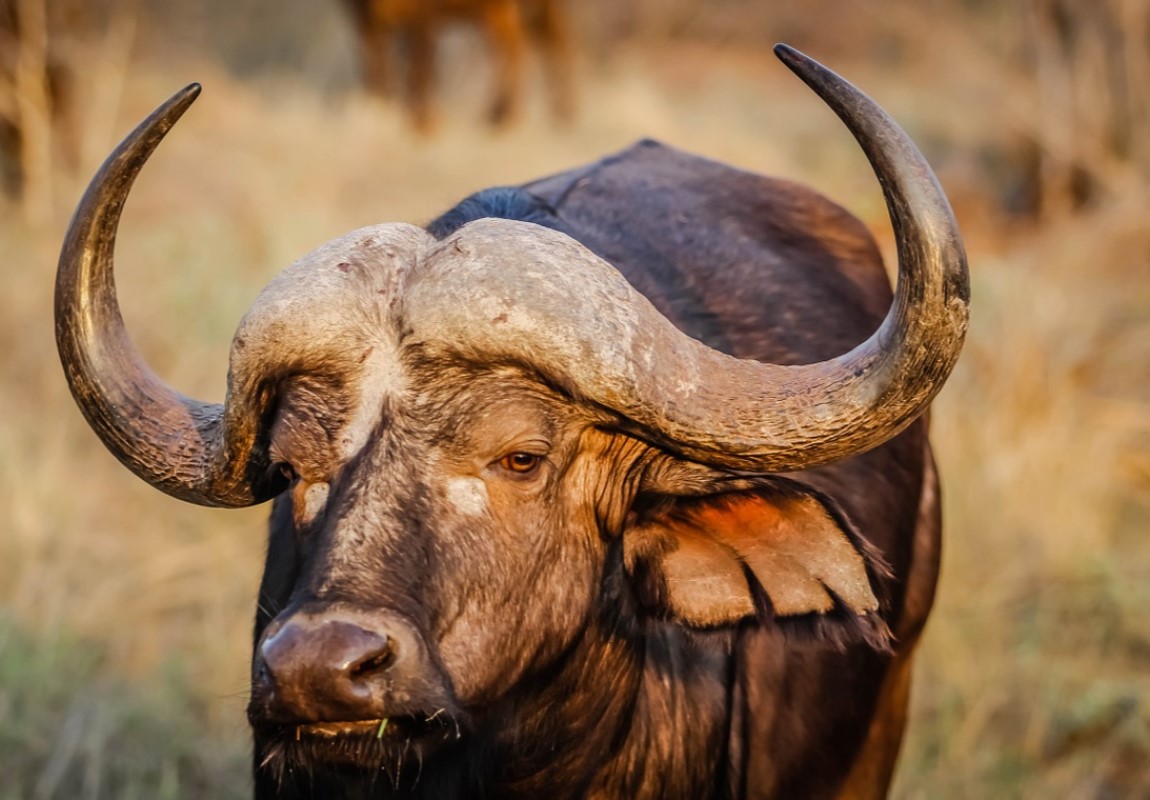
Nairobi National Park has a good variety of wildlife. Open grass plains are home to four of the big five - black rhinos, lions, leopards and buffalos – which can be seen regularly. There is an excellent shot at spotting a rhino. White rhinos are the least demanding to spot as they graze on the open fields, however, the park is one of Kenya's best safe havens for black rhinos, which like to keep concealed in the shrubberies.
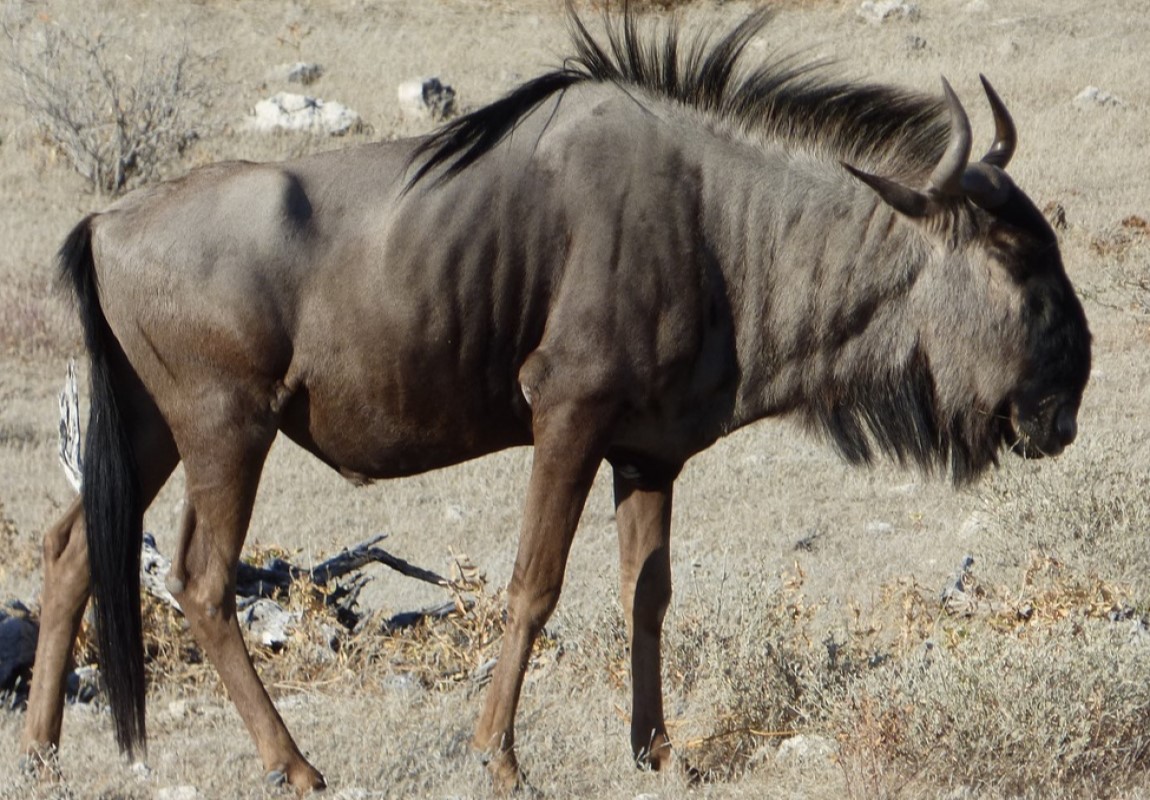
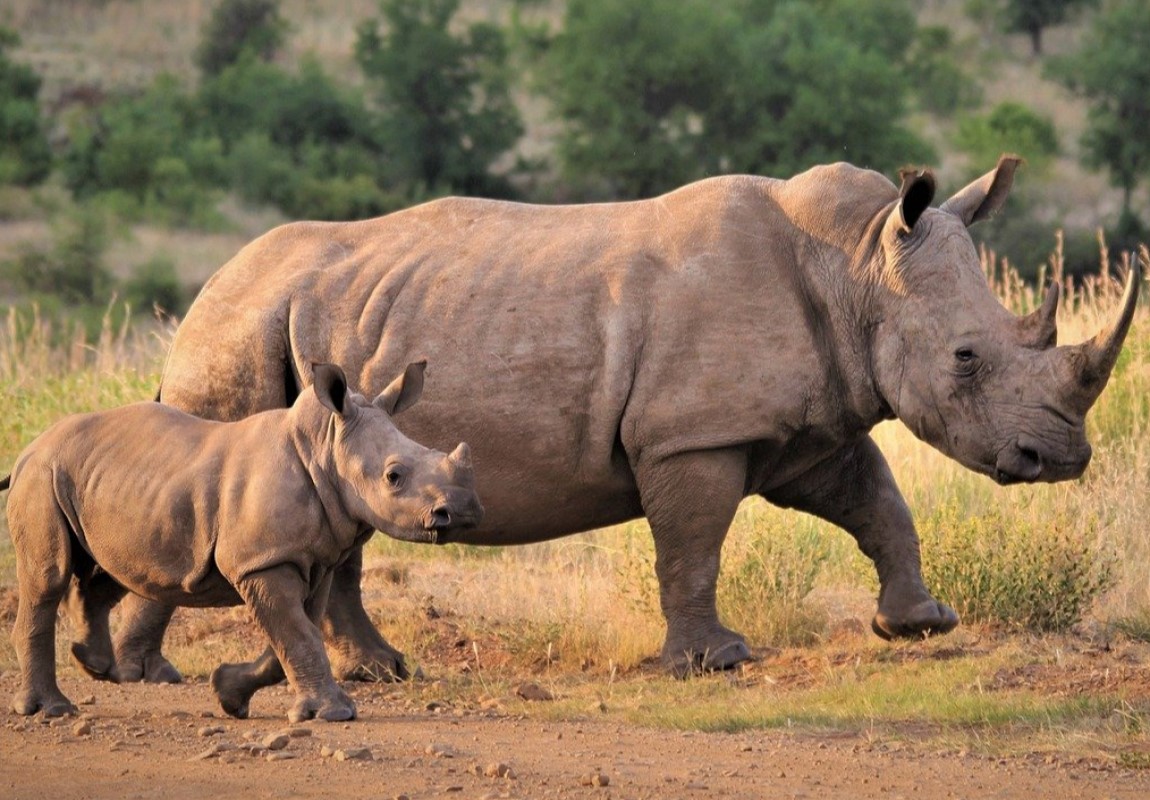
Wildlife Highlights
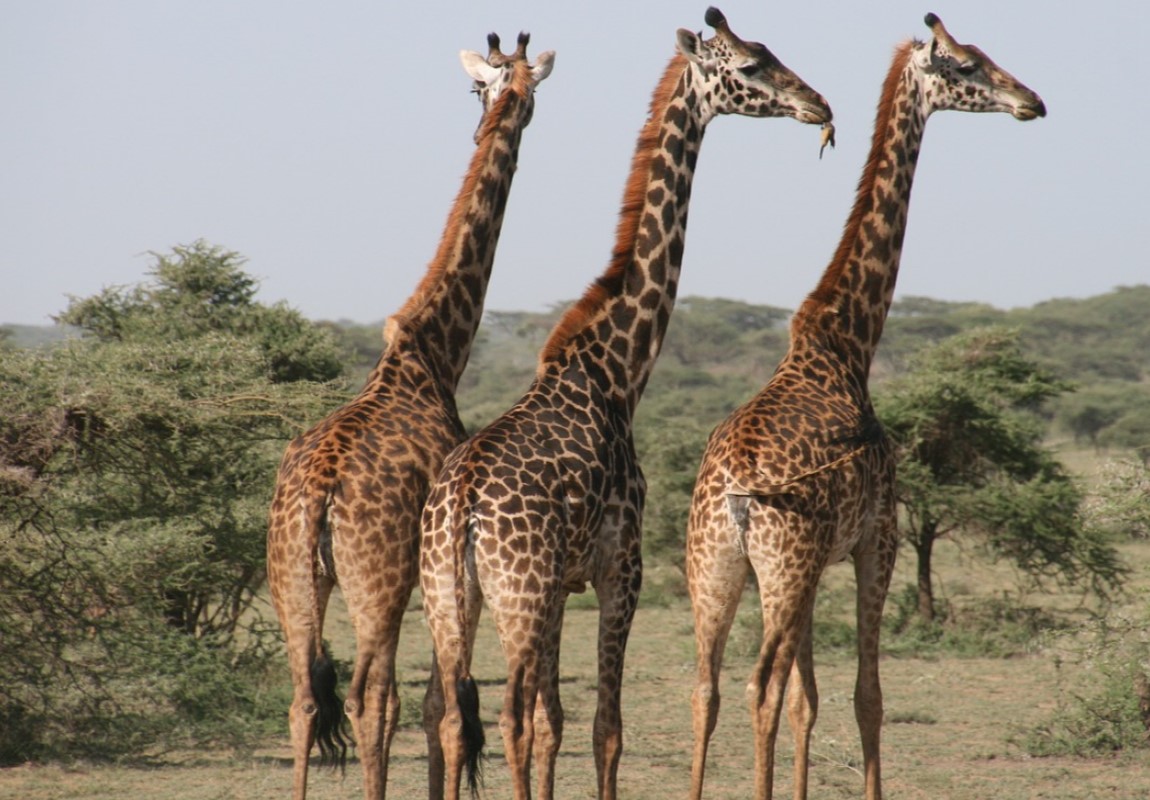
Lion, cheetah, Masai giraffe and buffalo are only a few of the animals you can experience on a half-day trip in Nairobi National park. It is likewise a decent spot to see some of the more unusual antelope species including oribi, a grassland extraordinary. Coke's hartebeest is very normal and if fortunate, a crowd of shy eland can be spotted.
Best Time for Wildlife Viewing
The dry season from June to September is the best time to visit Nairobi National Park as Wildlife is simpler to spot since vegetation is more slender and animals assemble around predictable water sources. However, it can be visited all year round. The long rains (March to May) and short rains (October to November) usually make animal spotting more difficult. Rain can interfere with your game drive and the vegetation tends to be very high.
Want to Visit Nairobi National Park?
Birds
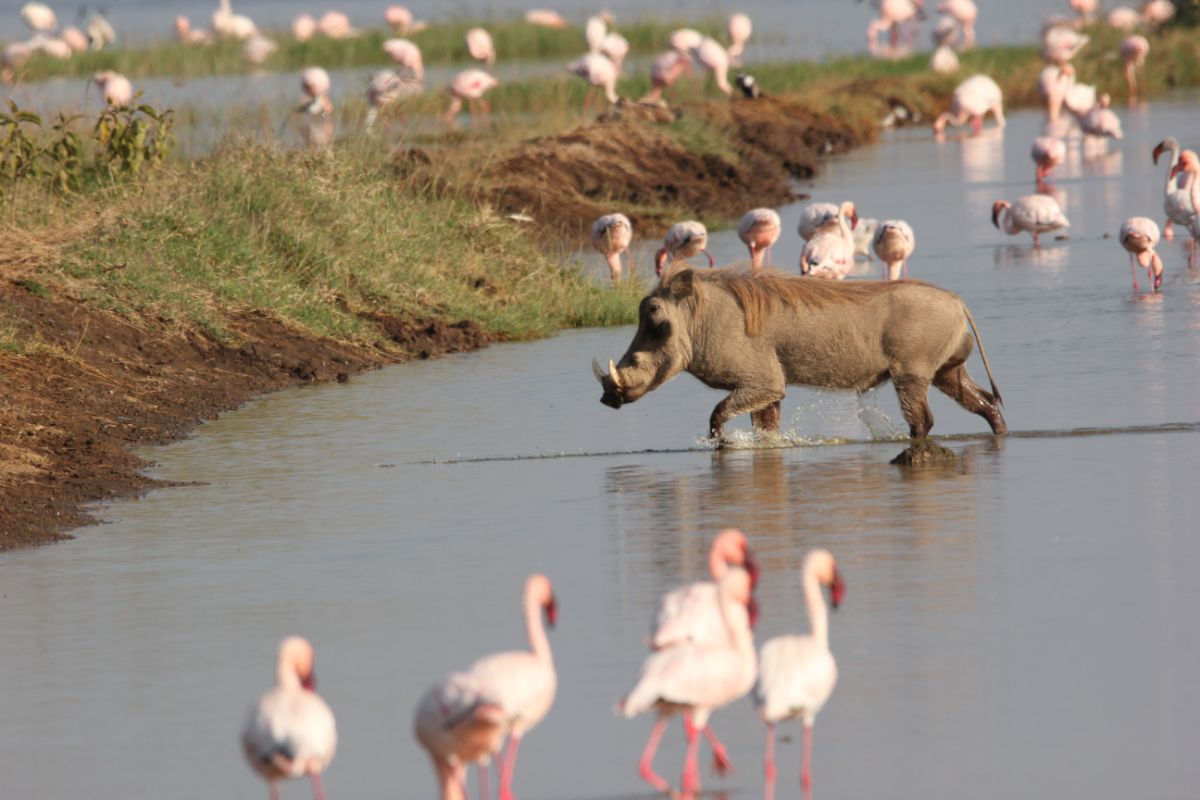
The park’s permanent rivers and dams support a large number of bird species and other aquatic biomes. The river area is a paradise for bird watchers who can expect to see many of the over 400 species found here such as the restricted-range Jackson’s widowbird, which breeds here regularly after good rains. Other grassland birds include ostriches, secretary birds and bustards. Nairobi National park is a popular birding destination and it’s easy to book a full or half-day guided birding trip at short notice.
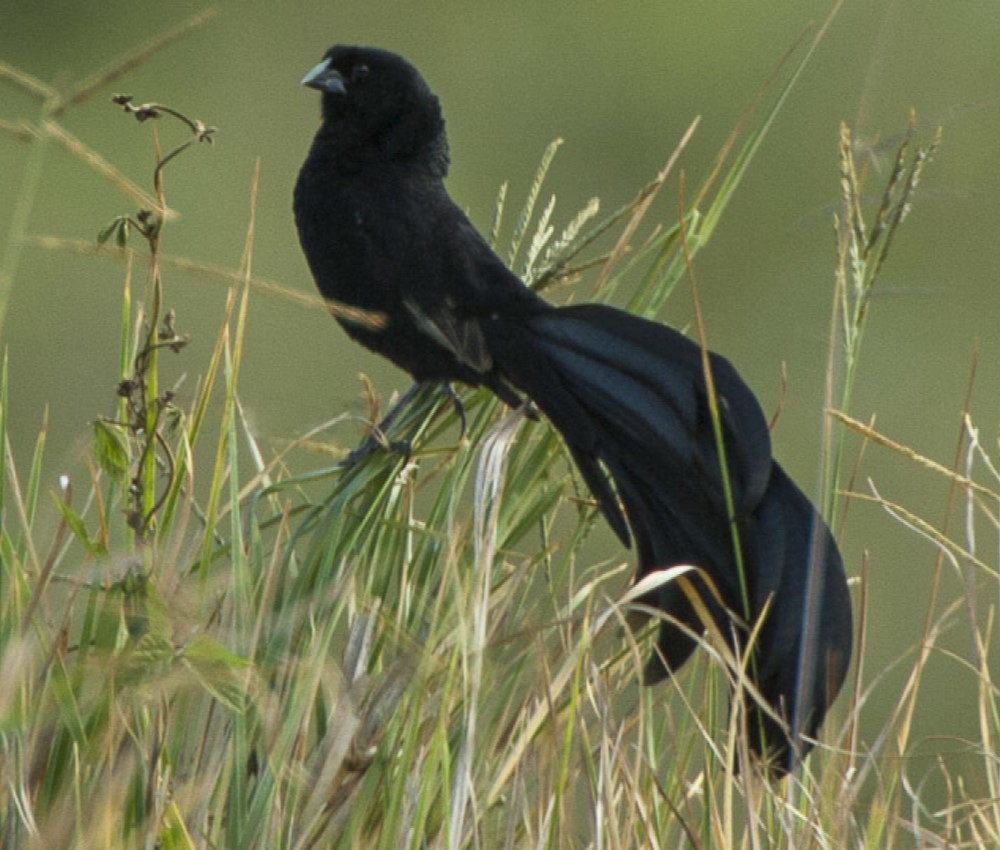
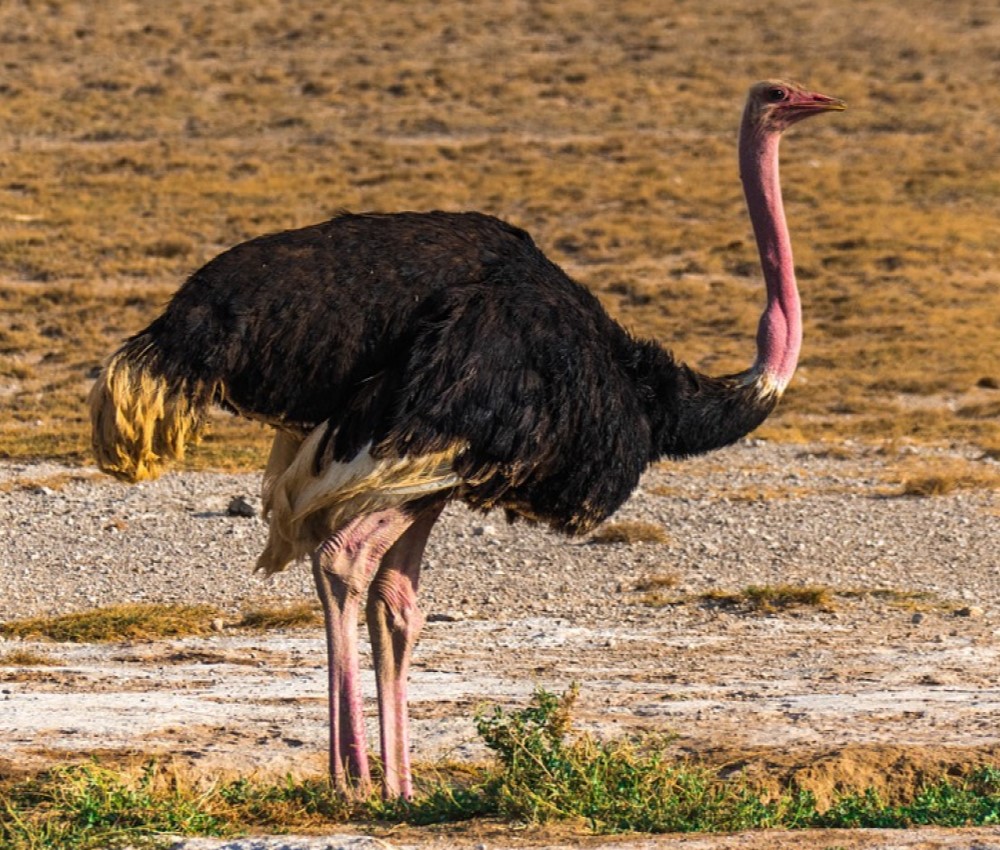
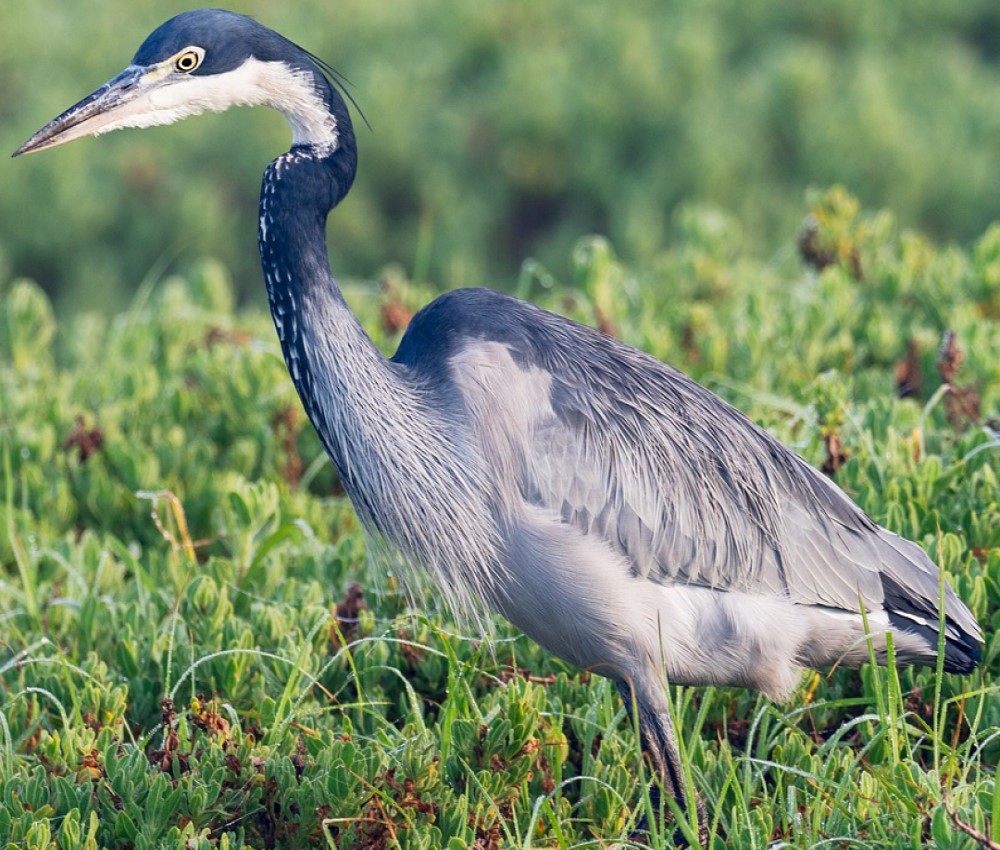
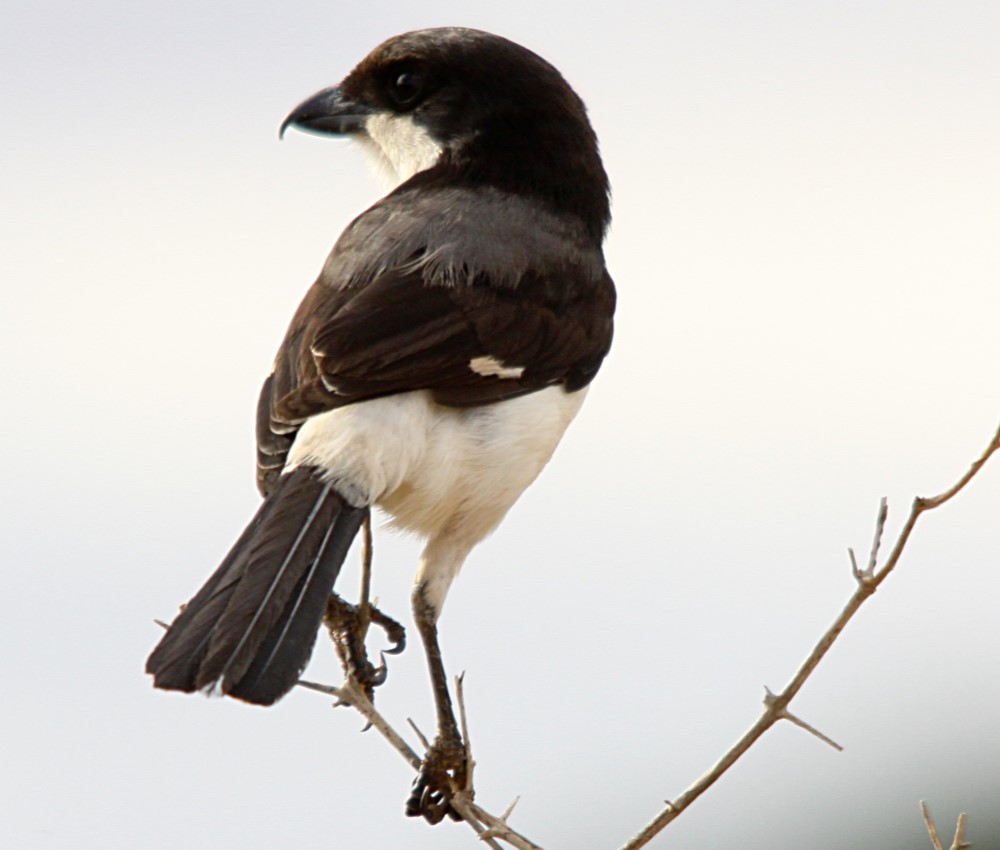
Best Time for Birding
Bird watchers can visit the park all year round to spot the resident bird species. However, the best time is from November to April when migratory birds from Europe and North Africa can be spotted. The peak months in the short and long rains are November and April with heavy rain a possibility, leading to bird-watching activities being disrupted.
Want to Visit Nairobi National Park?
Best Time to Visit – Nairobi National Park
The dry season from June to September is the best time to visit Nairobi National Park as Wildlife is simpler to spot since vegetation is more slender and animals assemble around predictable water sources. However, it can be visited all year round. The long rains (March to May) and short rains (October to November) usually make animal spotting more difficult. Rain can interfere with your game drive and the vegetation tends to be very high.
June to February (Dry Season)
- Wildlife watching is better when it’s dry and animals gather at water sources
- Rarely gets hot, Most of the time it's sunny & dry
- The grass is short and animals congregate around water sources
- There is a lot of dust in the air because it is very dry
- The sky is hazy and the scenery isn’t as pretty
March to May (Wet Season)
- The scenery is beautiful and at its most lush
- There are many newborn animals
- Birding is best as migratory birds are present
- Rain in April and May will sometimes come in between your planned activities
- Roads become sloppy and difficult to travel
- Animals dispersed and the grass is longer making wildlife viewing harder
Want to Visit Nairobi National Park?
Activities
Explore popular activities available in and around Nairobi National Park.





Want to Visit Nairobi National Park?
No FAQs available for this park yet.