Mikumi National Park 
Mikumi National Park - Tanzania Wildlife Destination
Starting from
$650PP
Overview
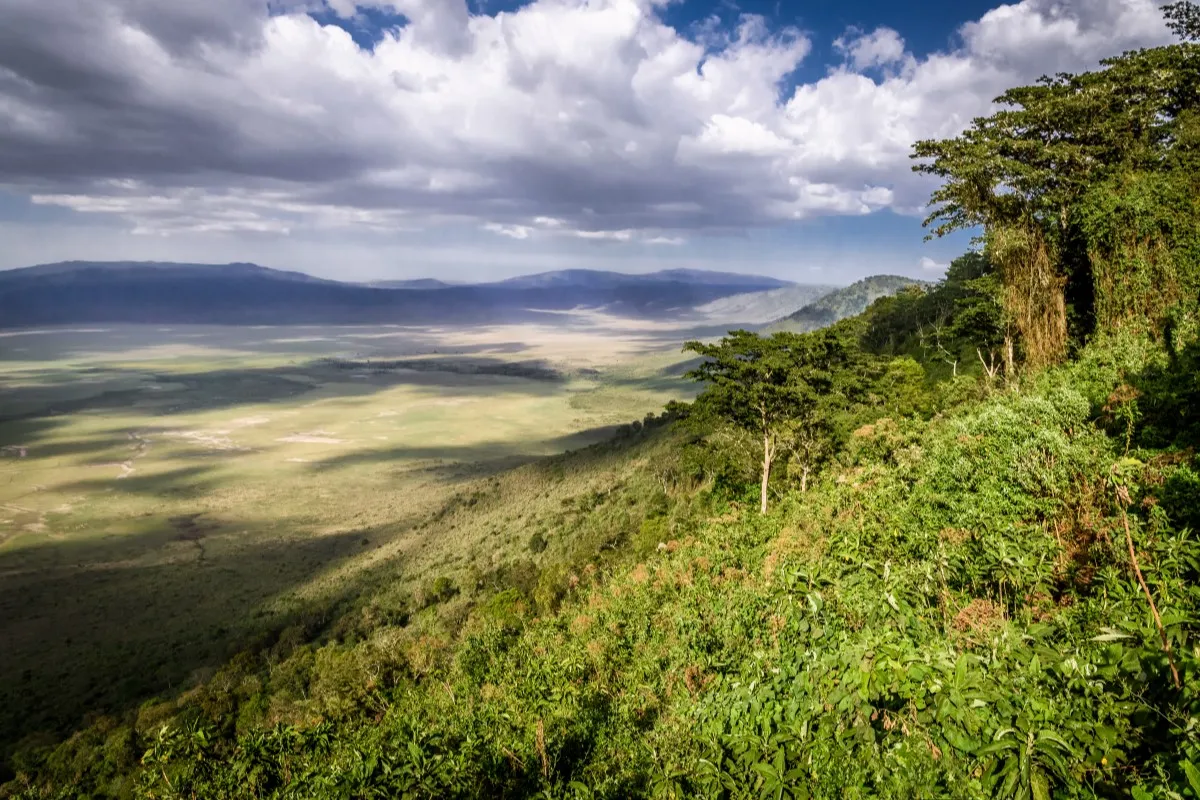
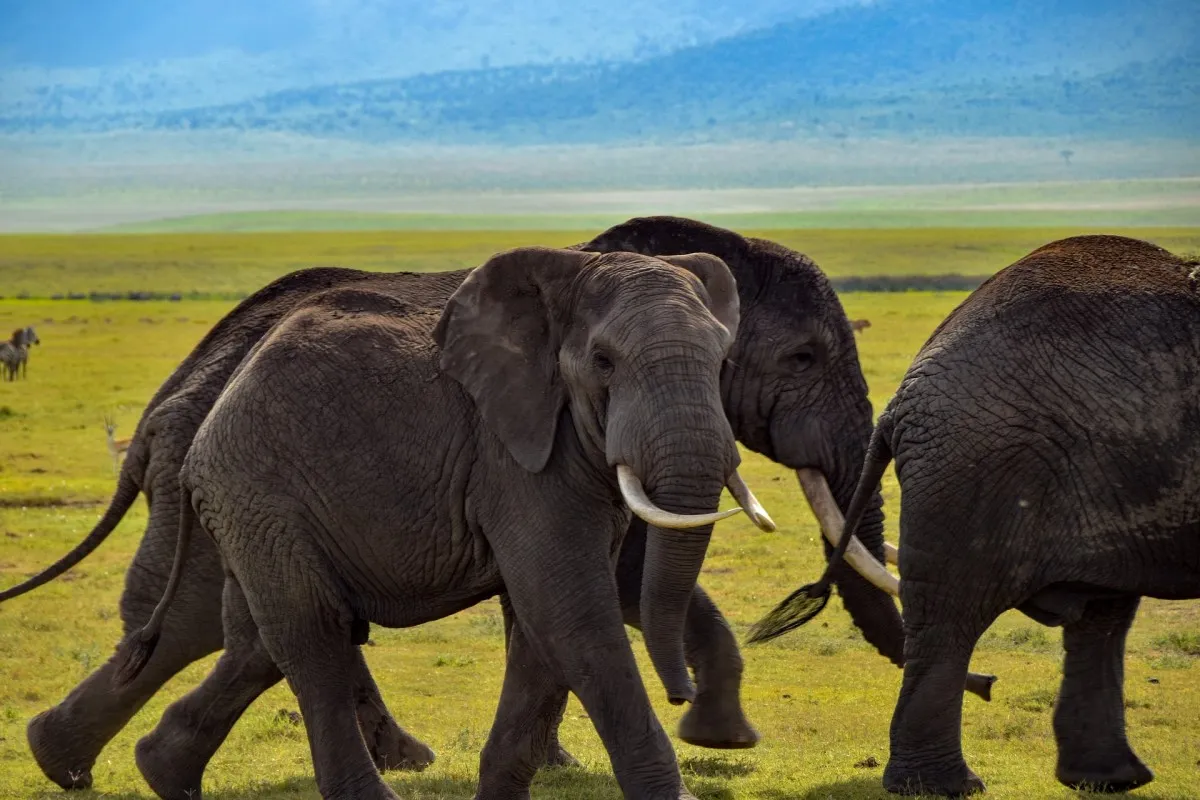
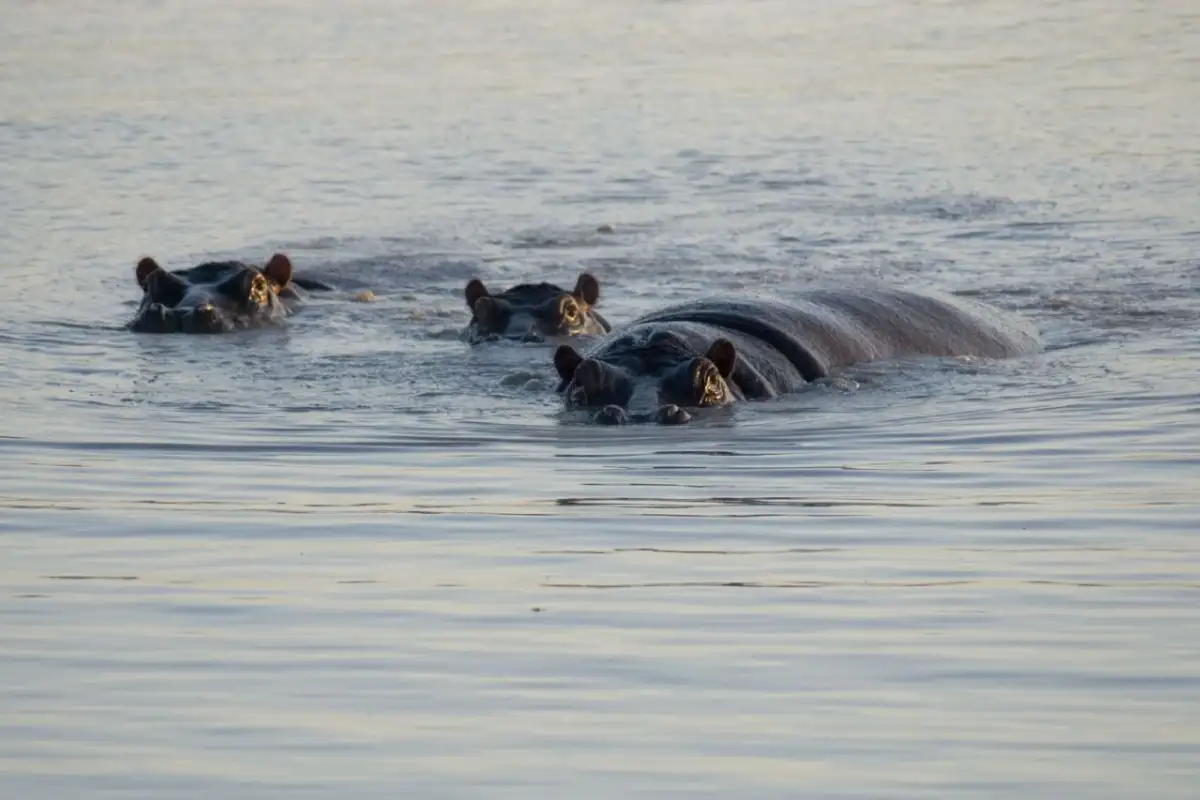
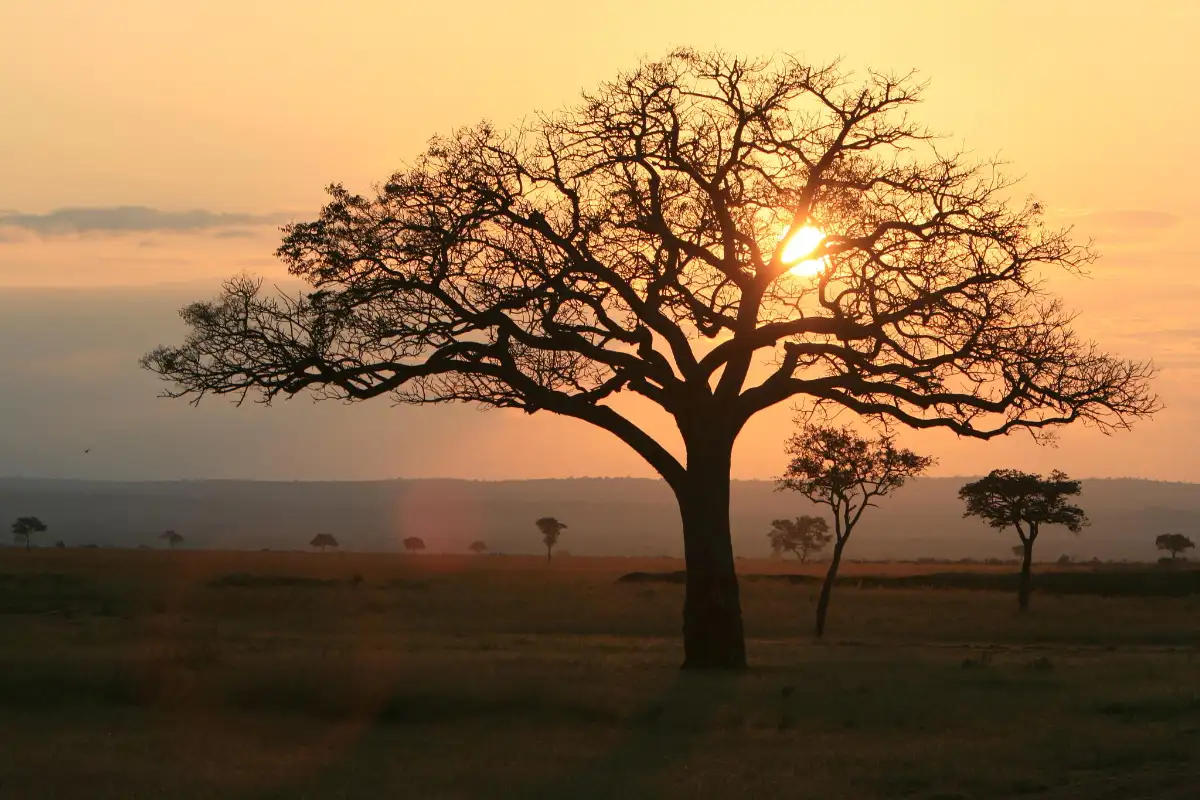
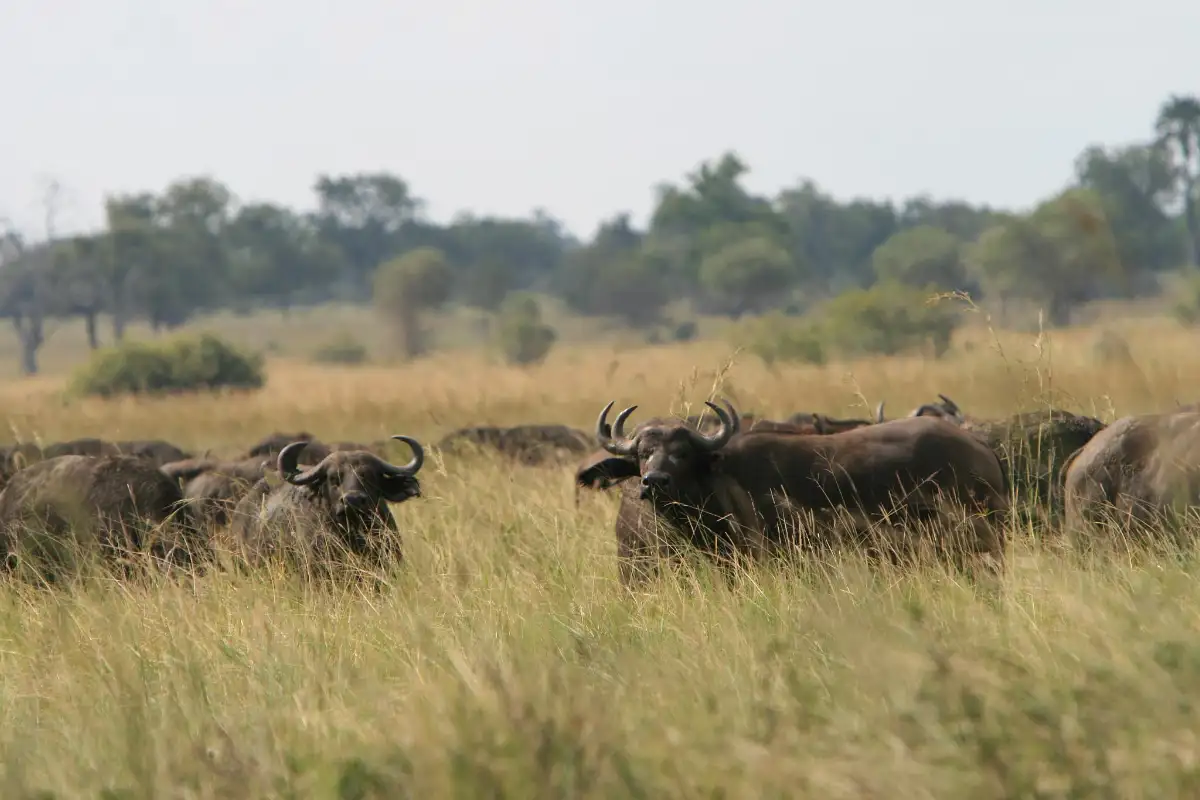
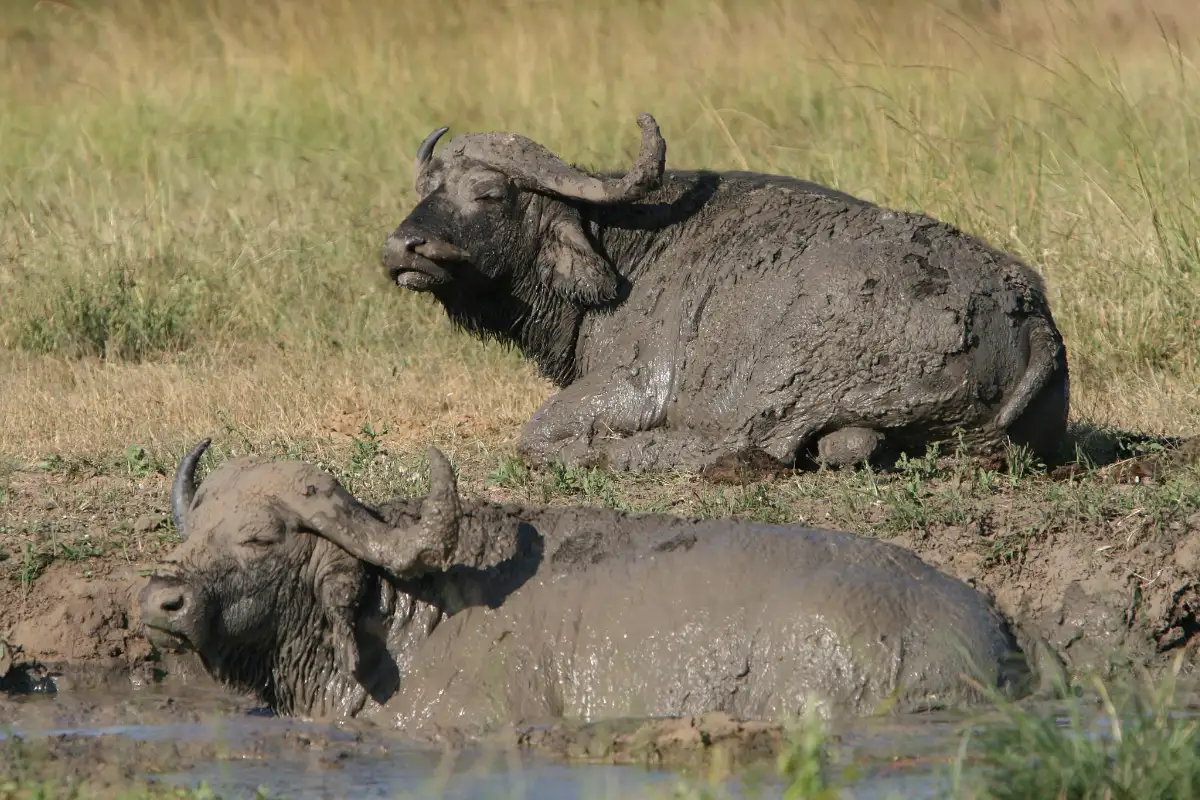
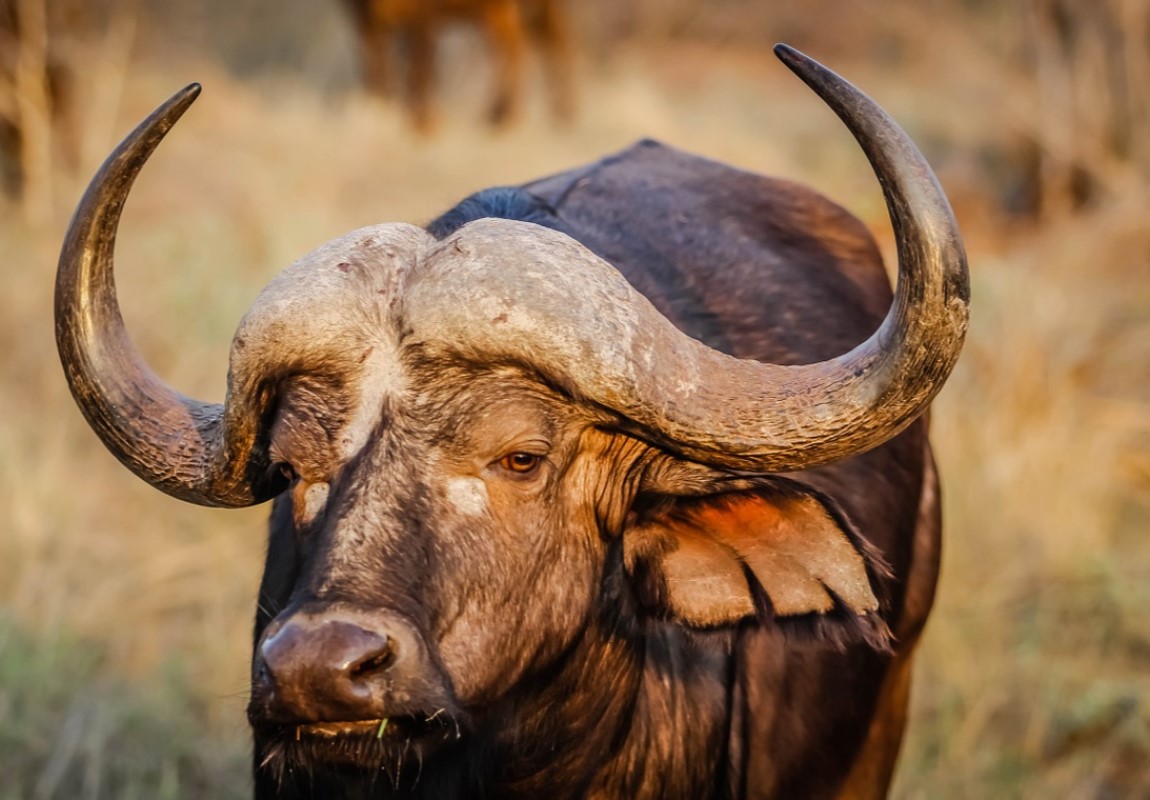
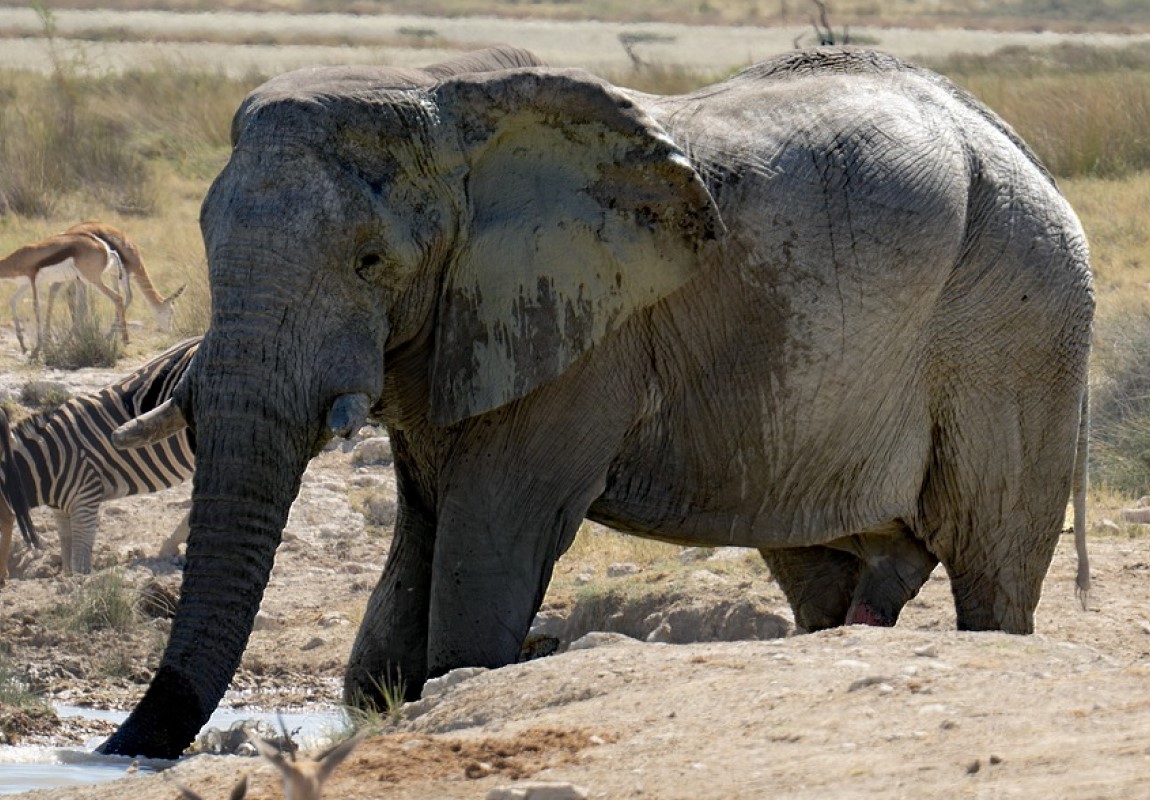
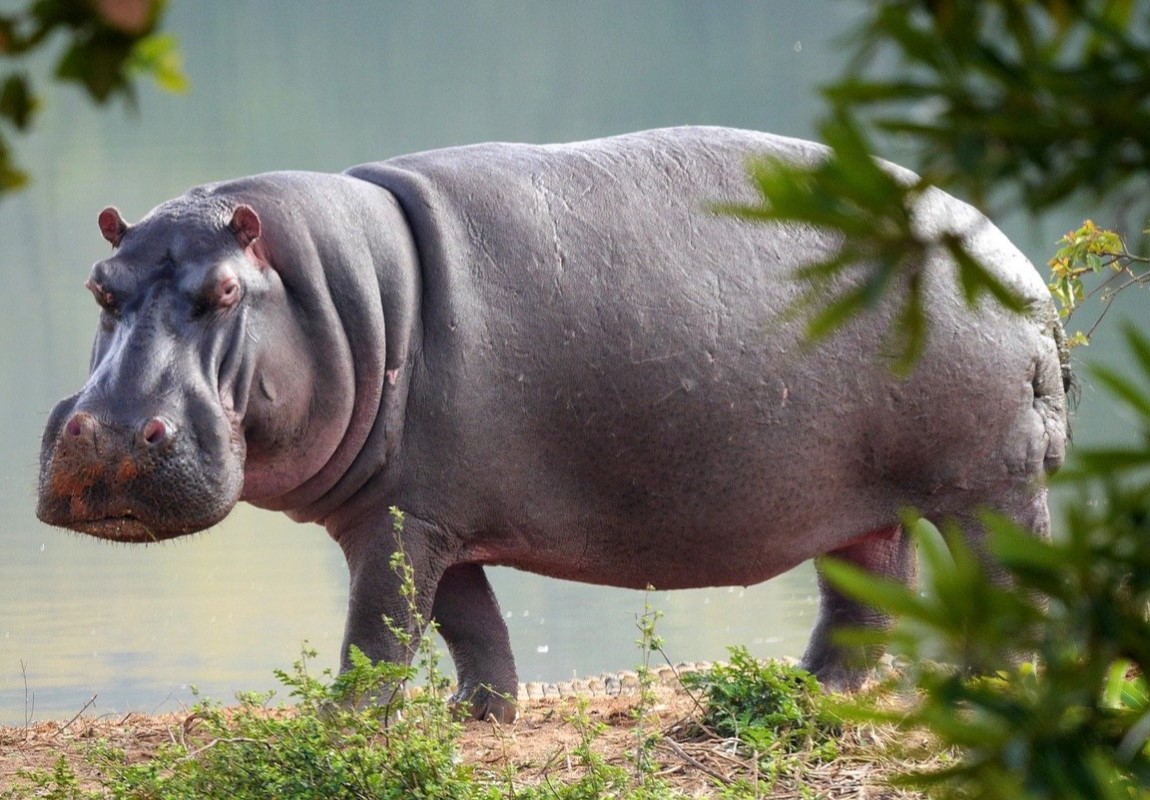
The landscape of Mikumi is often compared to that of the Serengeti. The road that crosses the park divides it into two areas with partially distinct environments. The area northwest is characterized by the alluvial plain of the river basin Mkata. Also bordering the park are the Udzungwa Mountains and the Uluguru Mountains, the latter offering some spectacular rock formations. At the end of the Dry season the waterholes, including the hippo pool, become a wildlife magnet and huge herds of elephants and buffalo visit these spots throughout the day.
Pros & Cons
- Home to four of the big five: leopards, lions, elephants, buffaloes
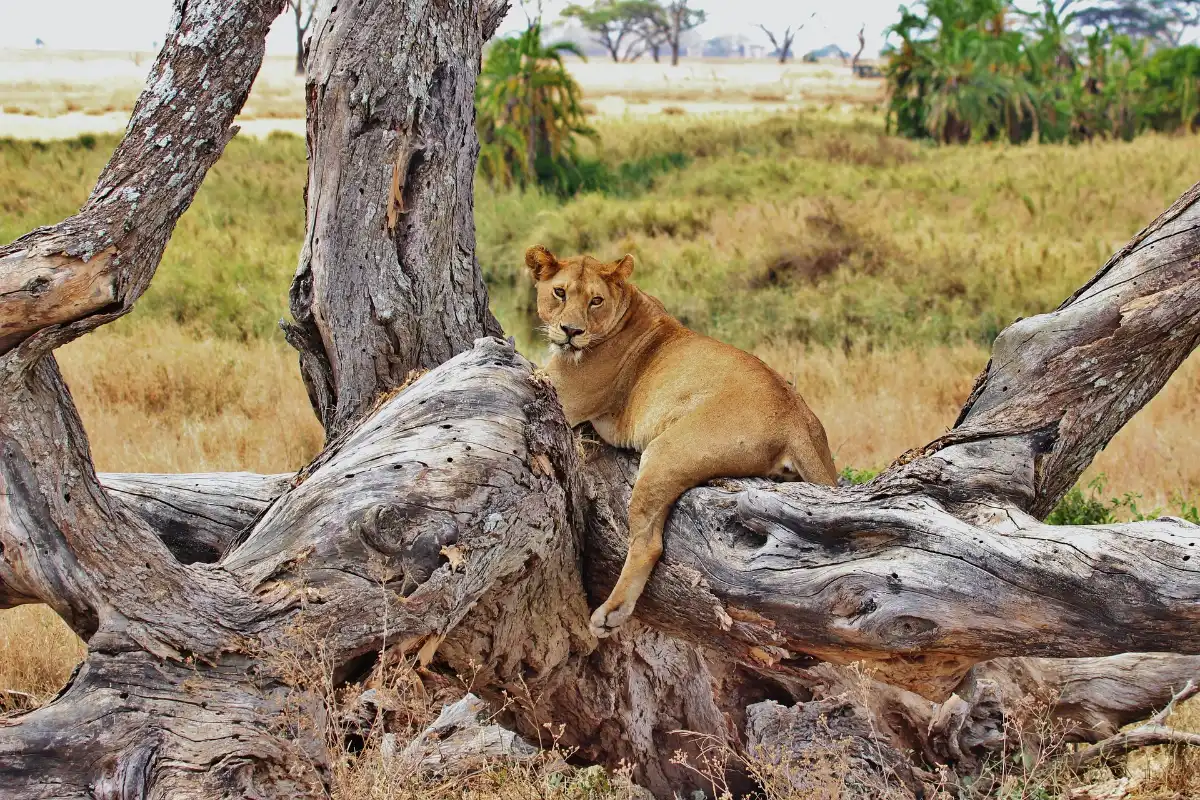
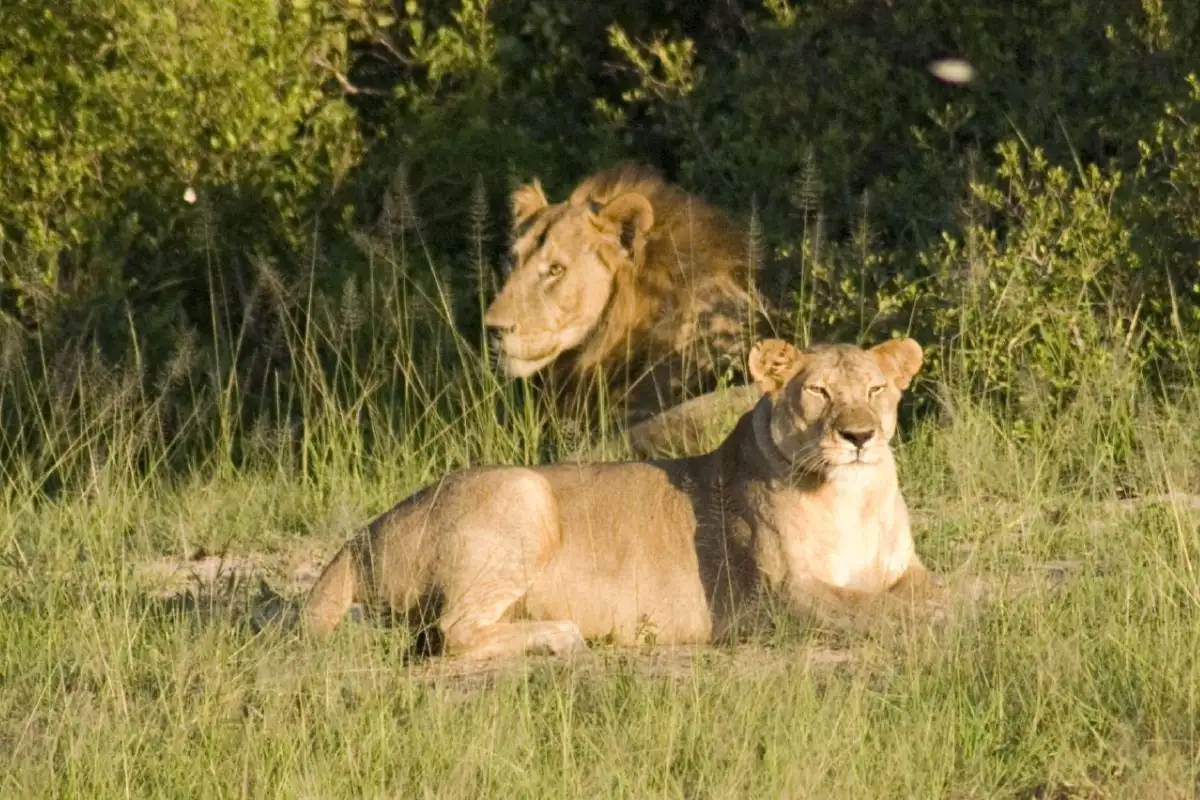
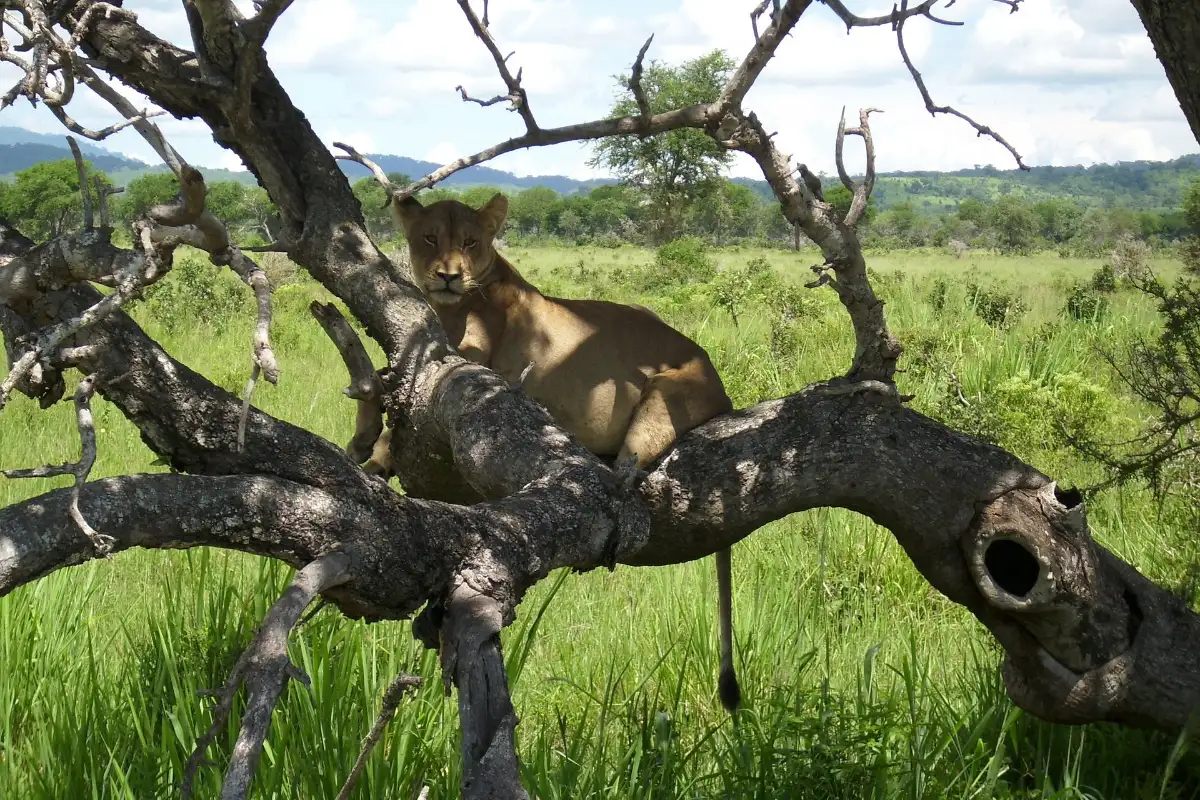
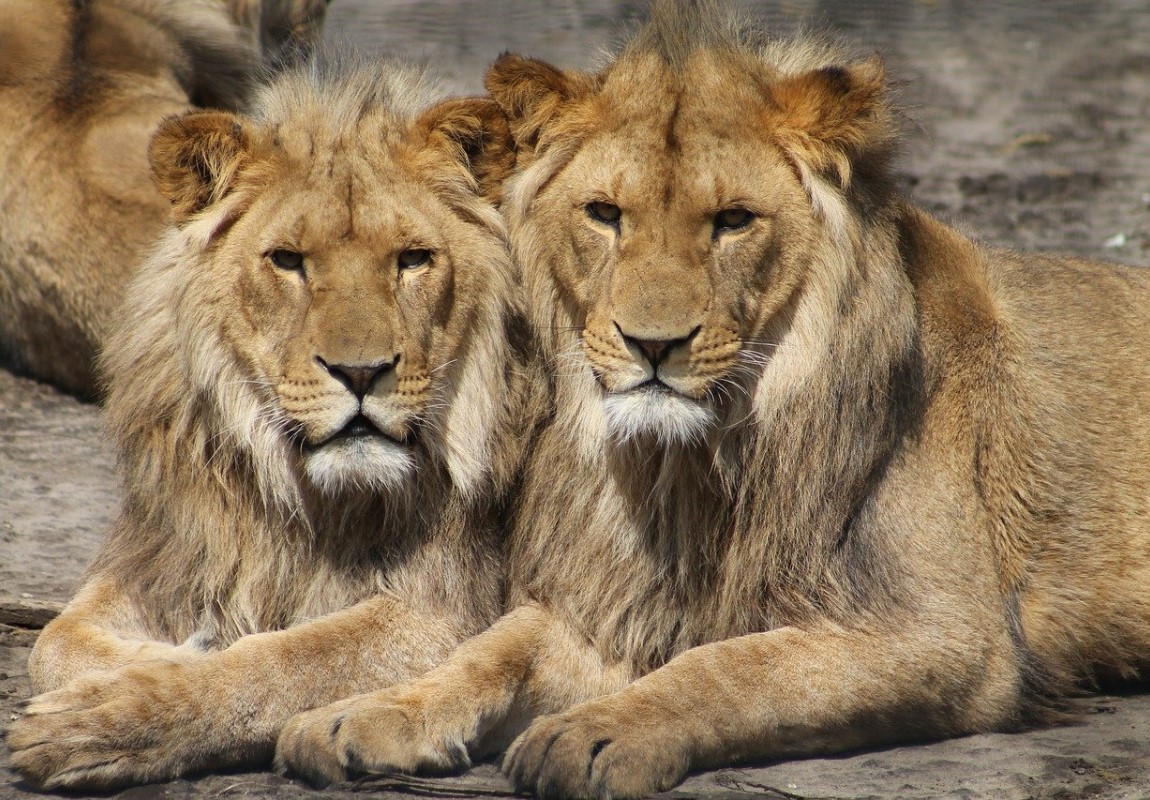
- Offers rare sightings of lions climbing trees
- Hippos living in two ponds in the north of the park
- Can be reached by road from Dar es Salaam in around 4 hours.
- Good sightings of less common antelope such as eland, greater kudu and sable
- Excellent well-priced mid-range lodges
- The park gets crowded on weekends
- Animals are dissipated during the Wet season
- Only one-road circuit available to visitors
- Absence of wilderness with the Tanzam expressway running straight through the park
Map in Tanzania

Want to Visit Mikumi National Park?
Gallery Images
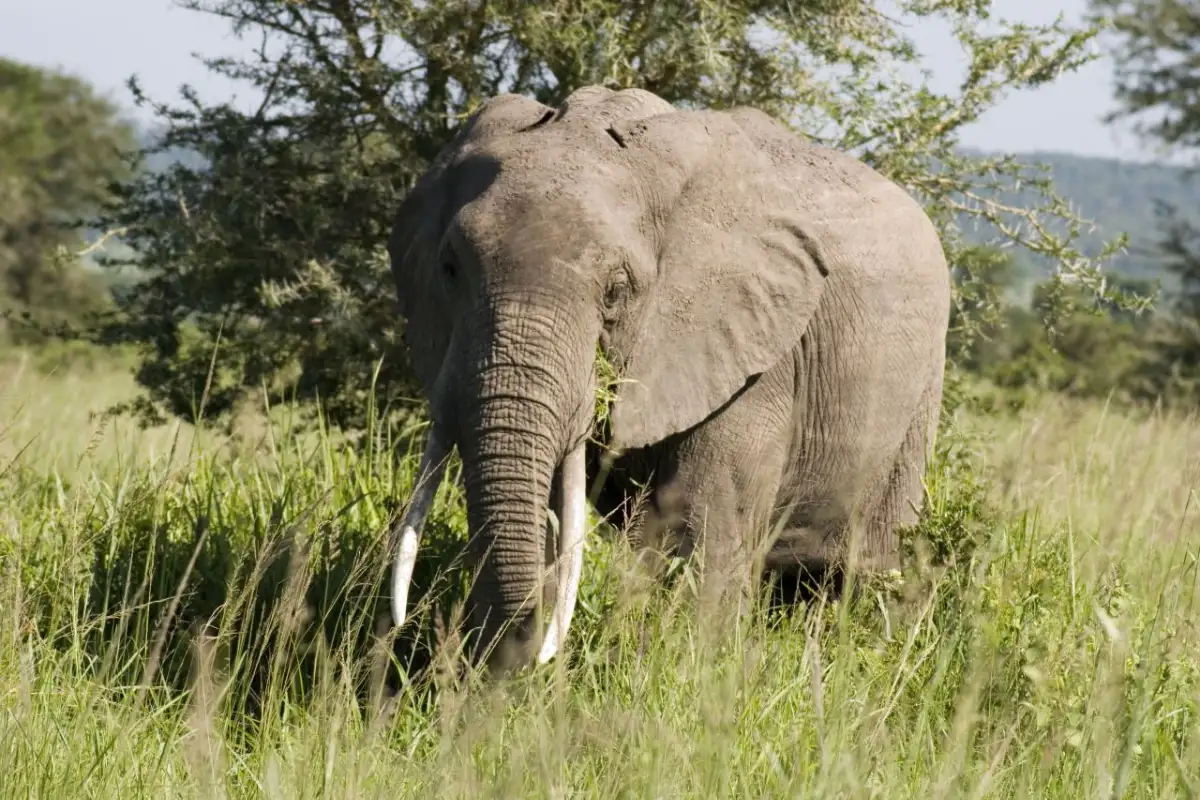
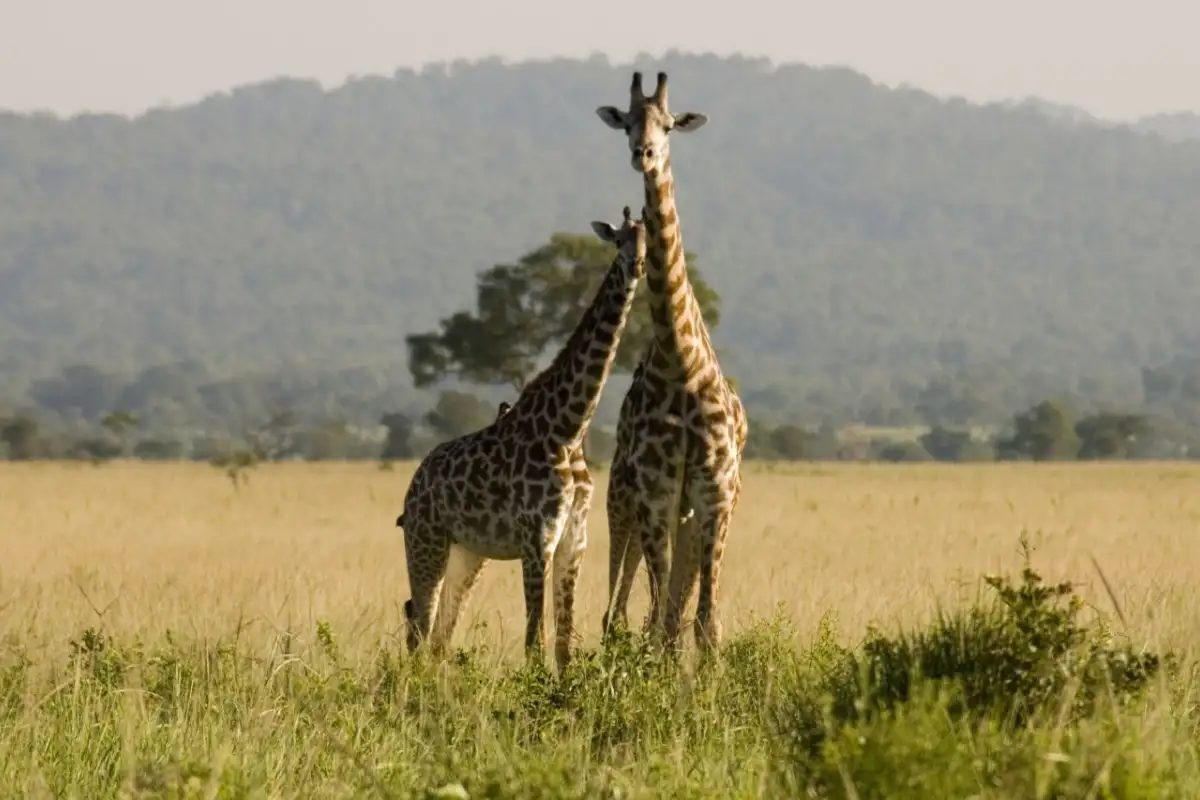
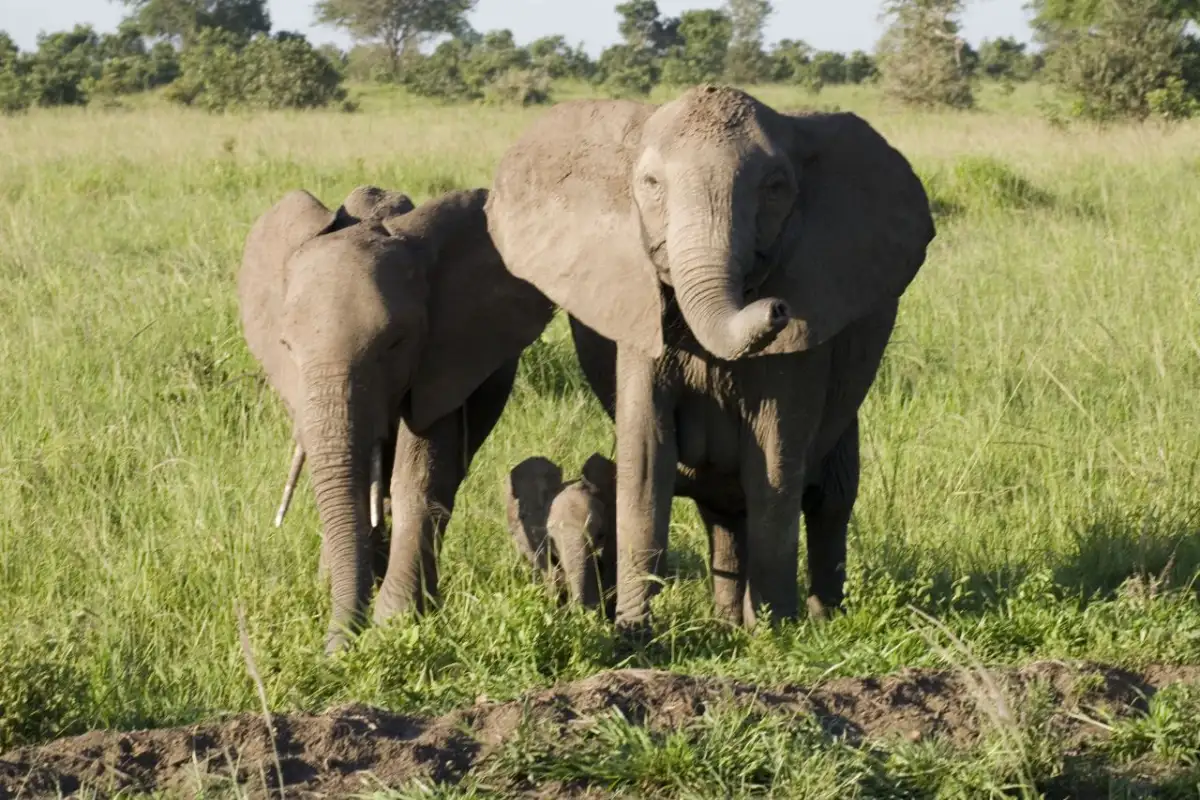
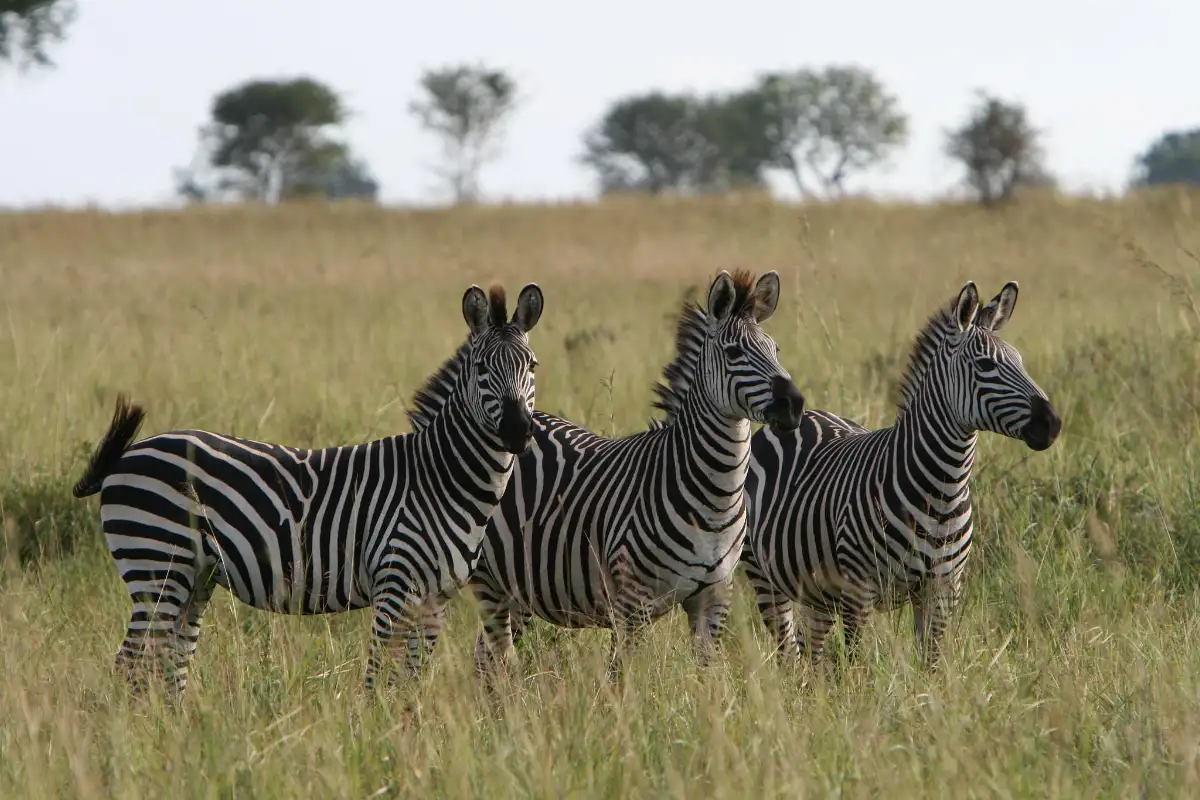
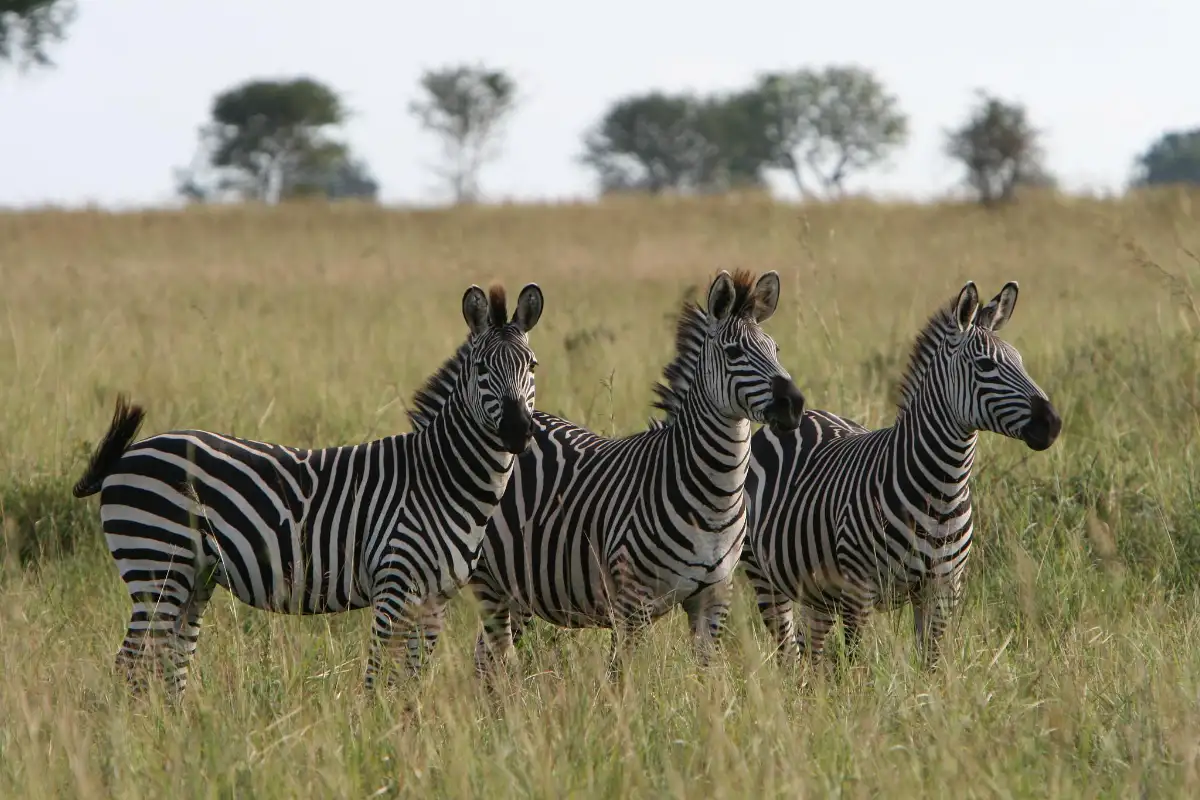
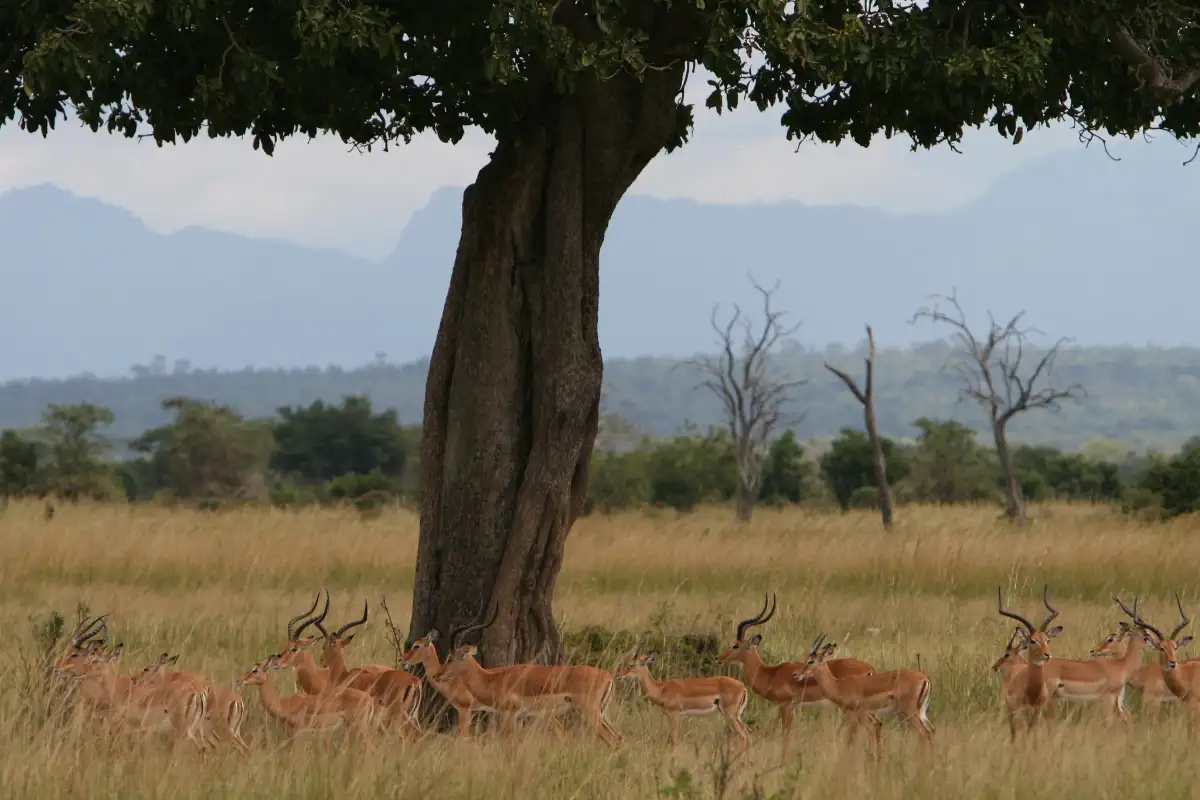
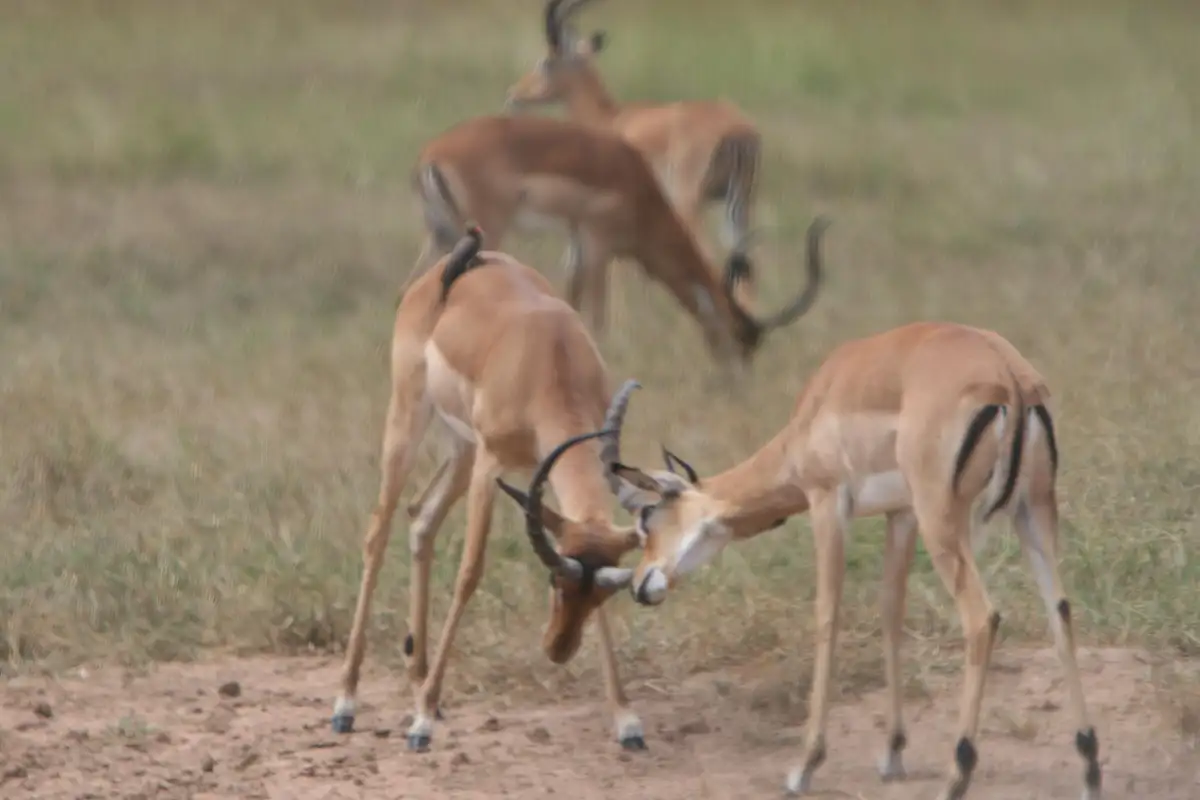
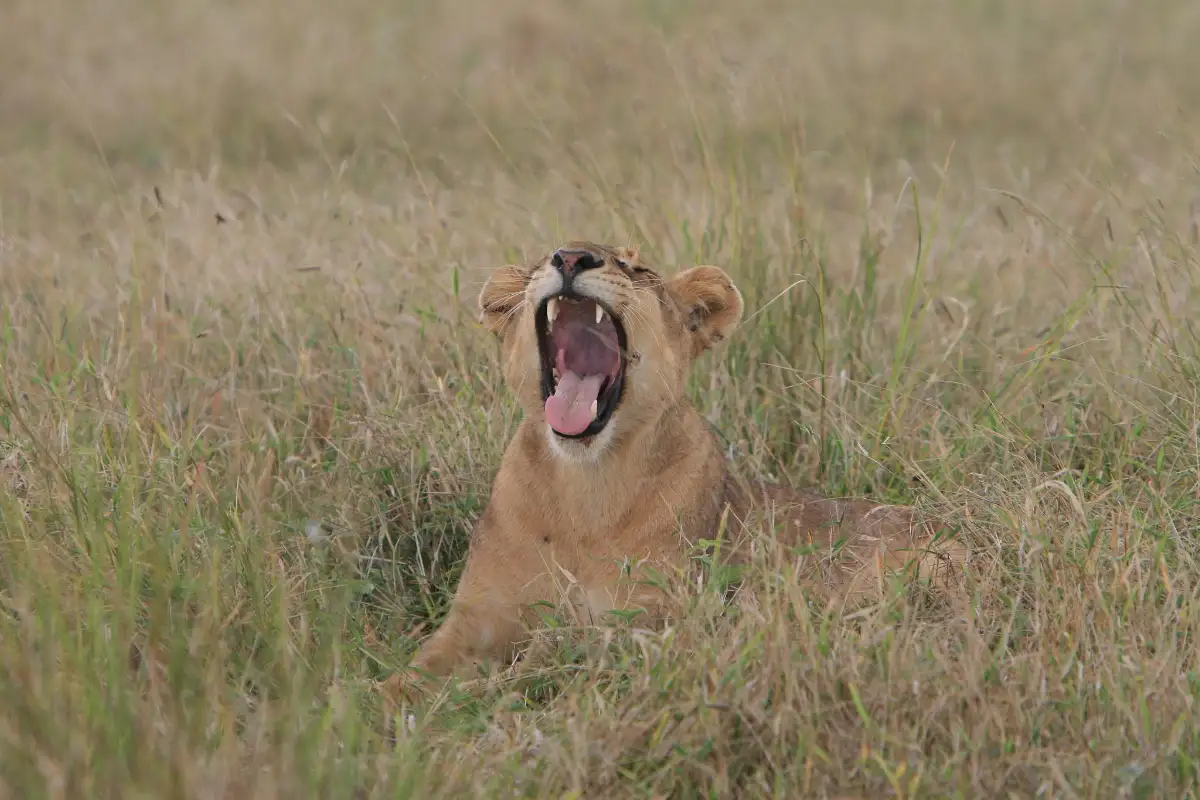
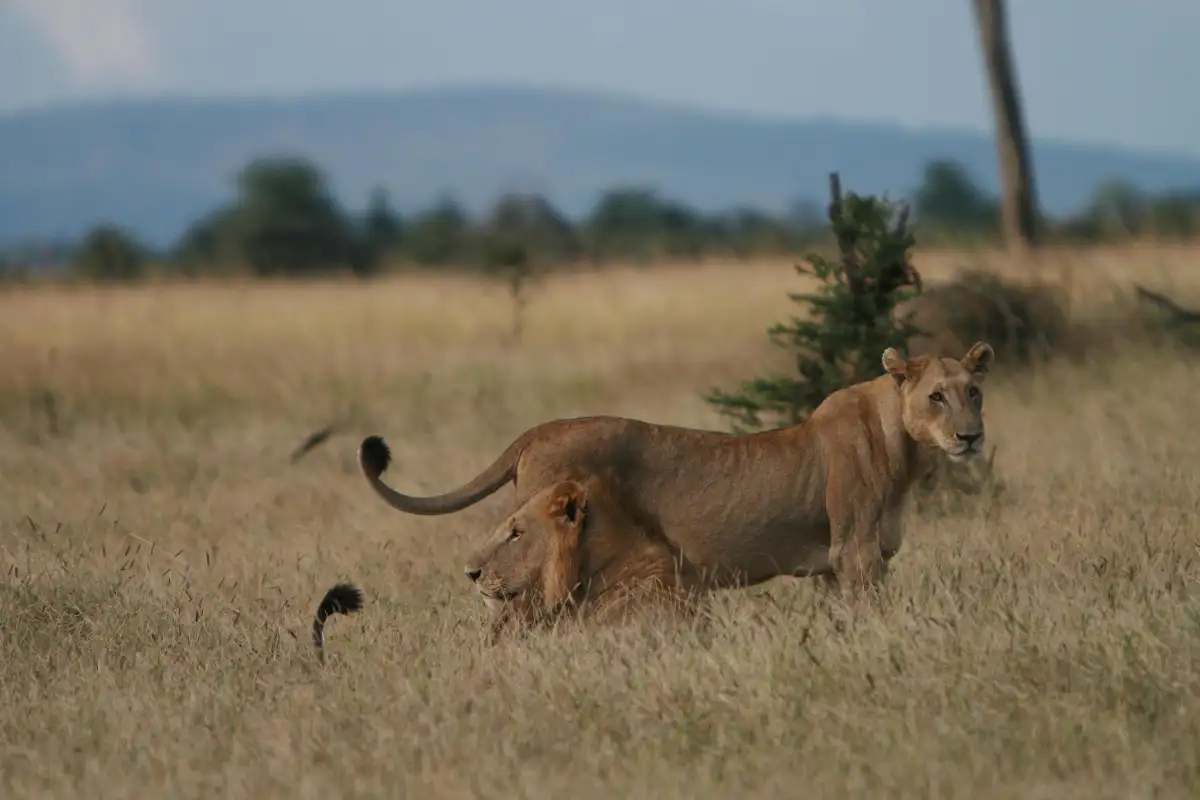
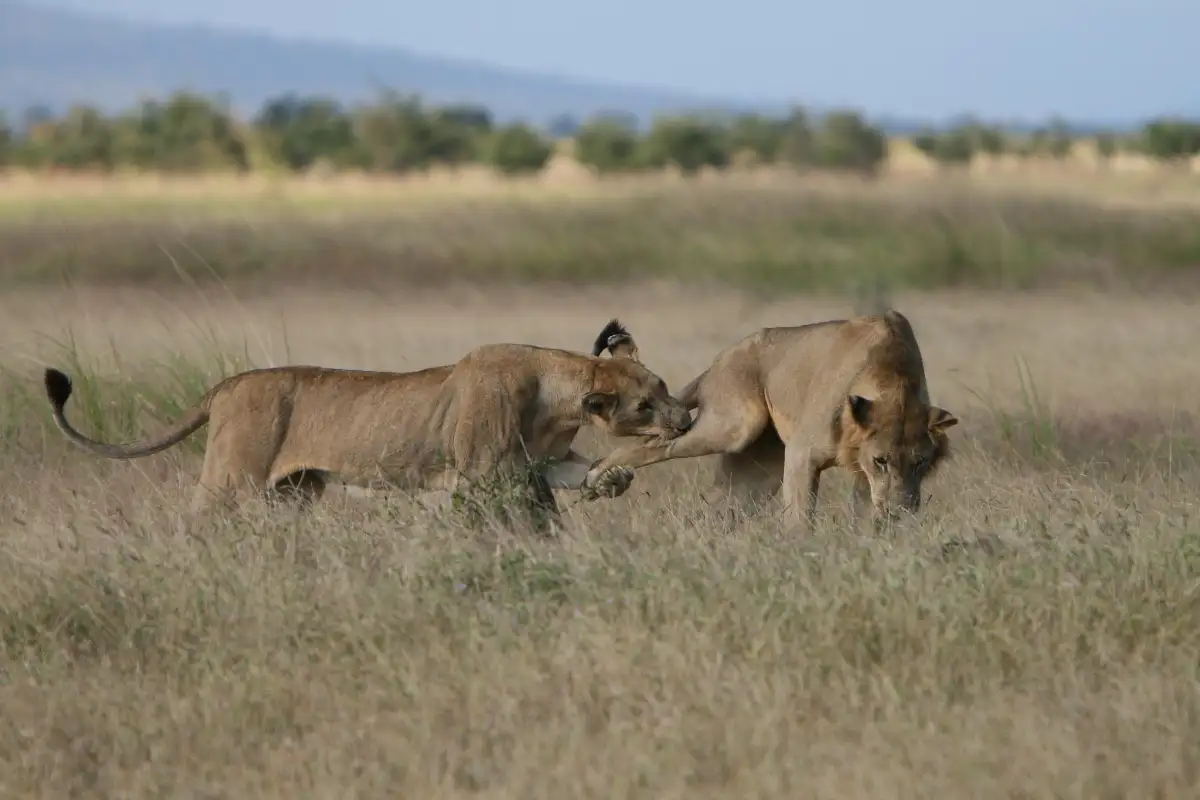
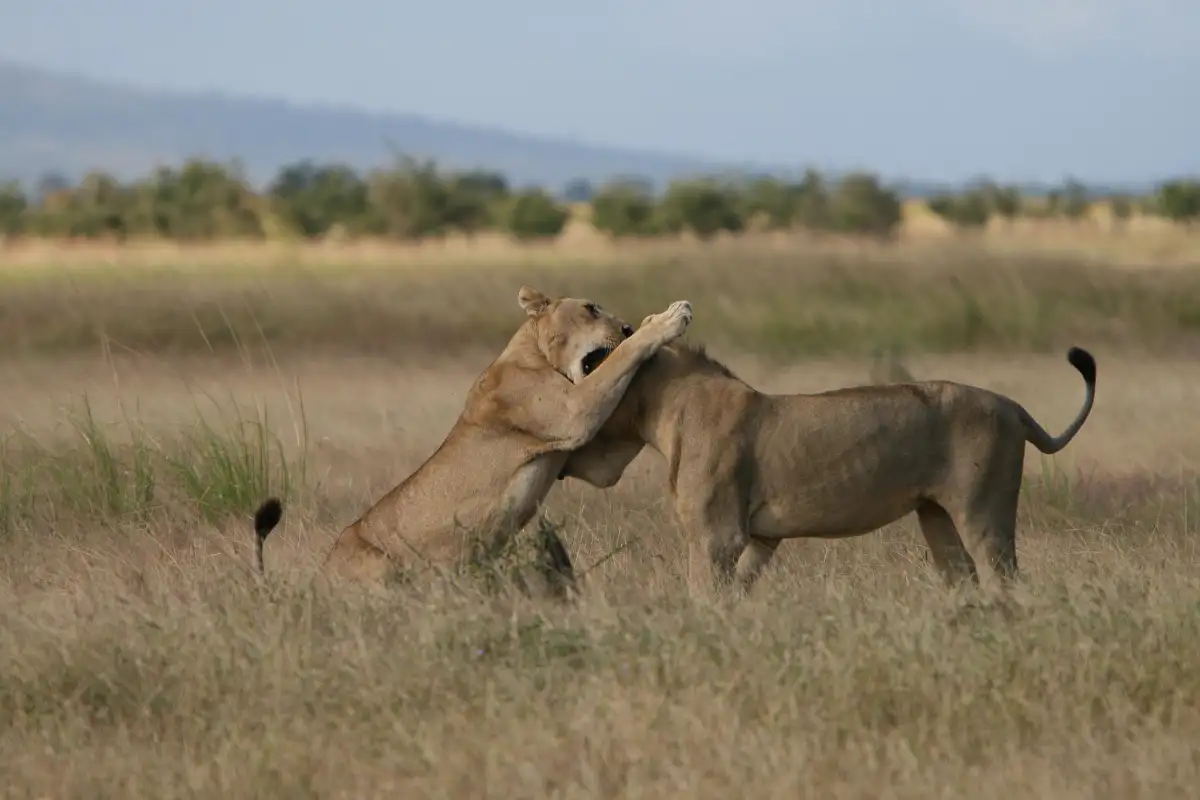
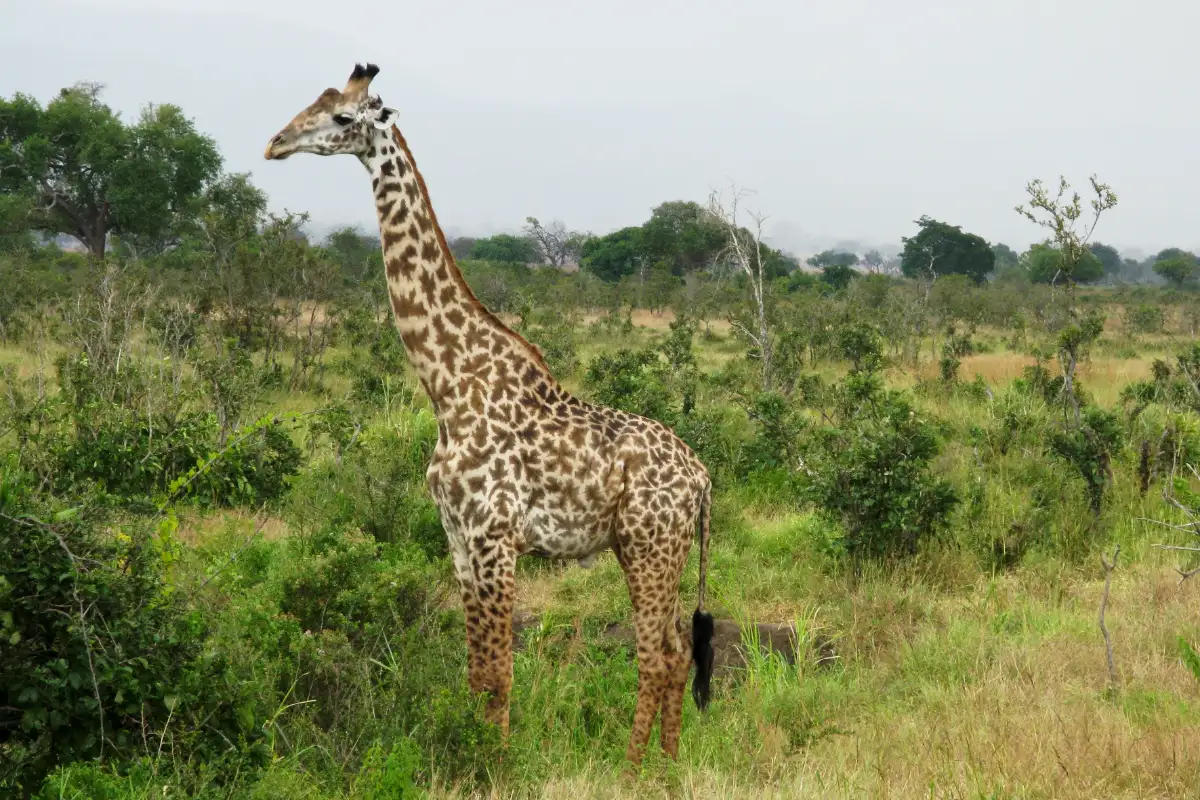
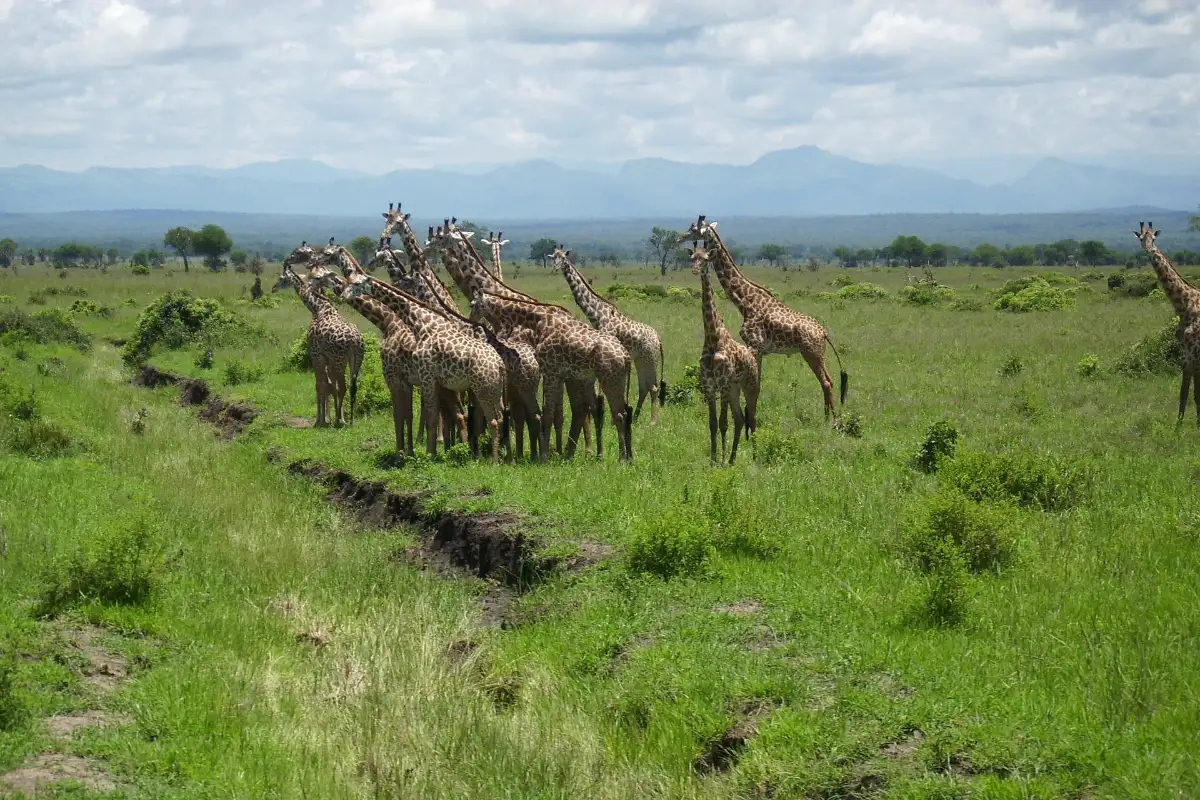
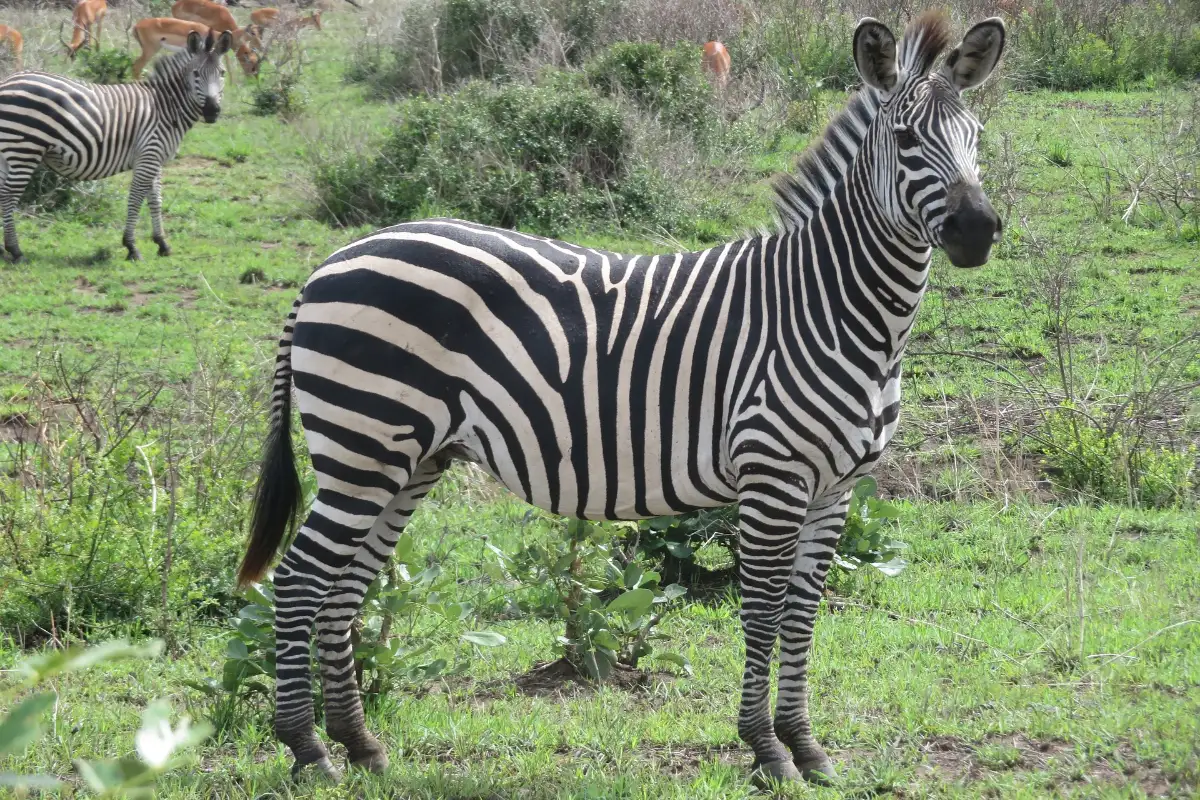
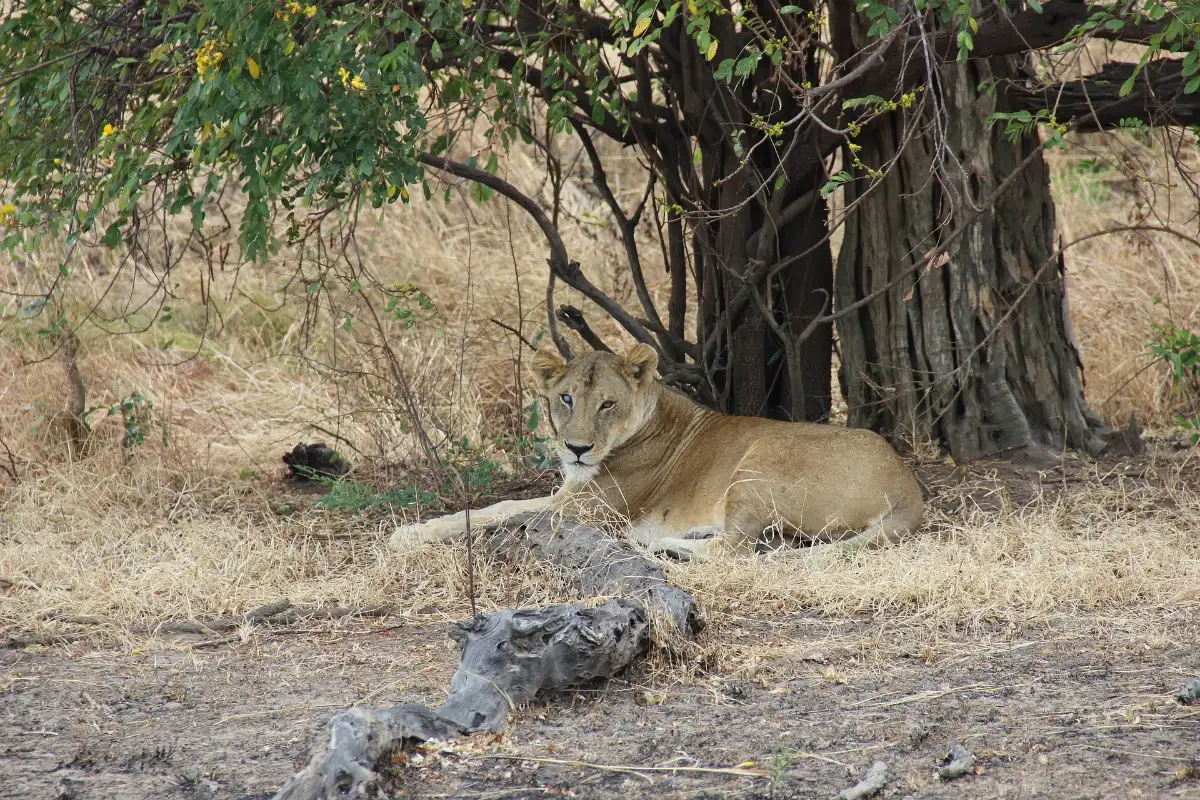
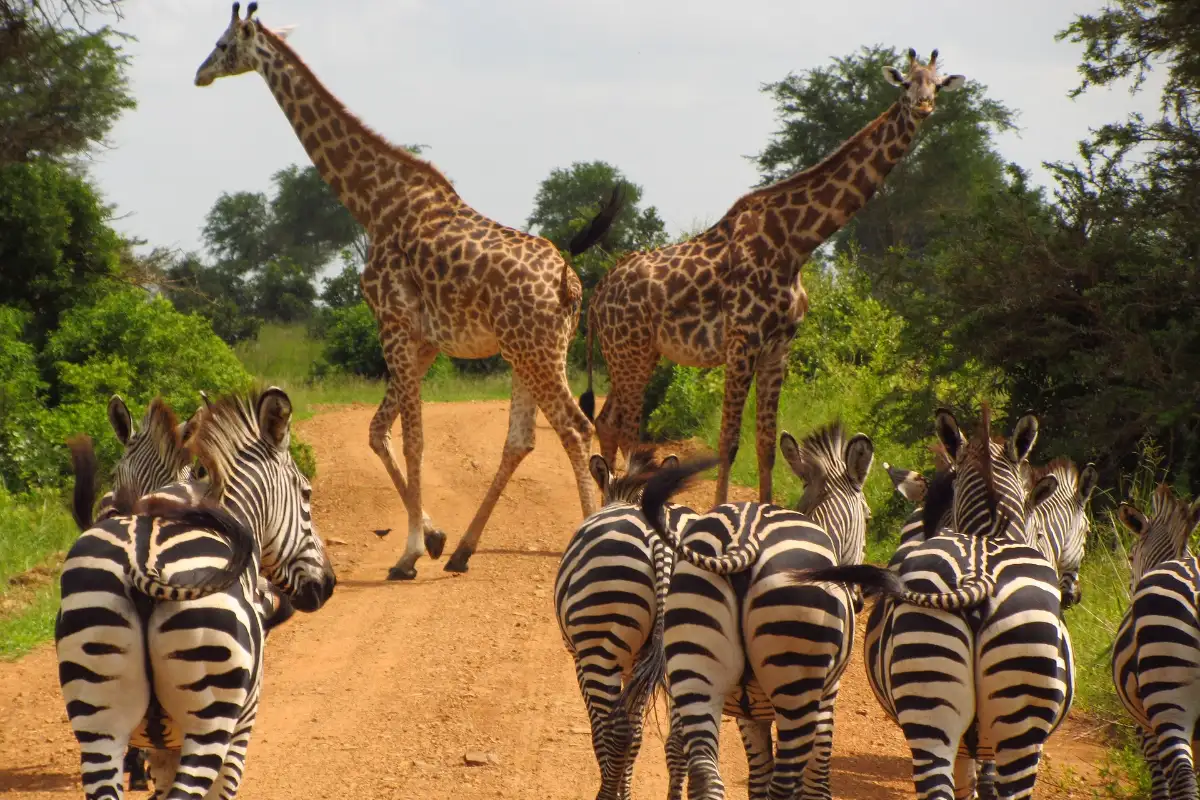
Explore the stunning beauty of Mikumi National Park through our curated collection of photographs showcasing its landscapes, wildlife, and natural wonders.


Want to Visit Mikumi National Park?
Wildlife & Animals
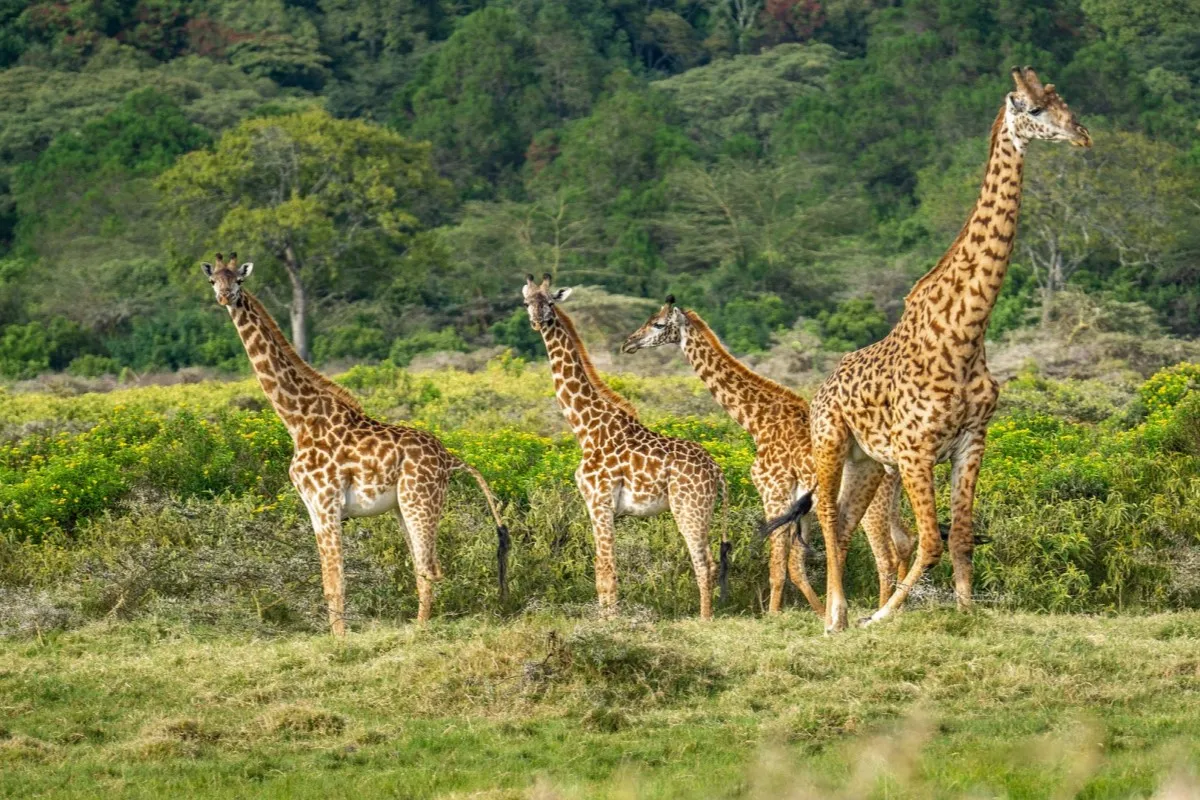
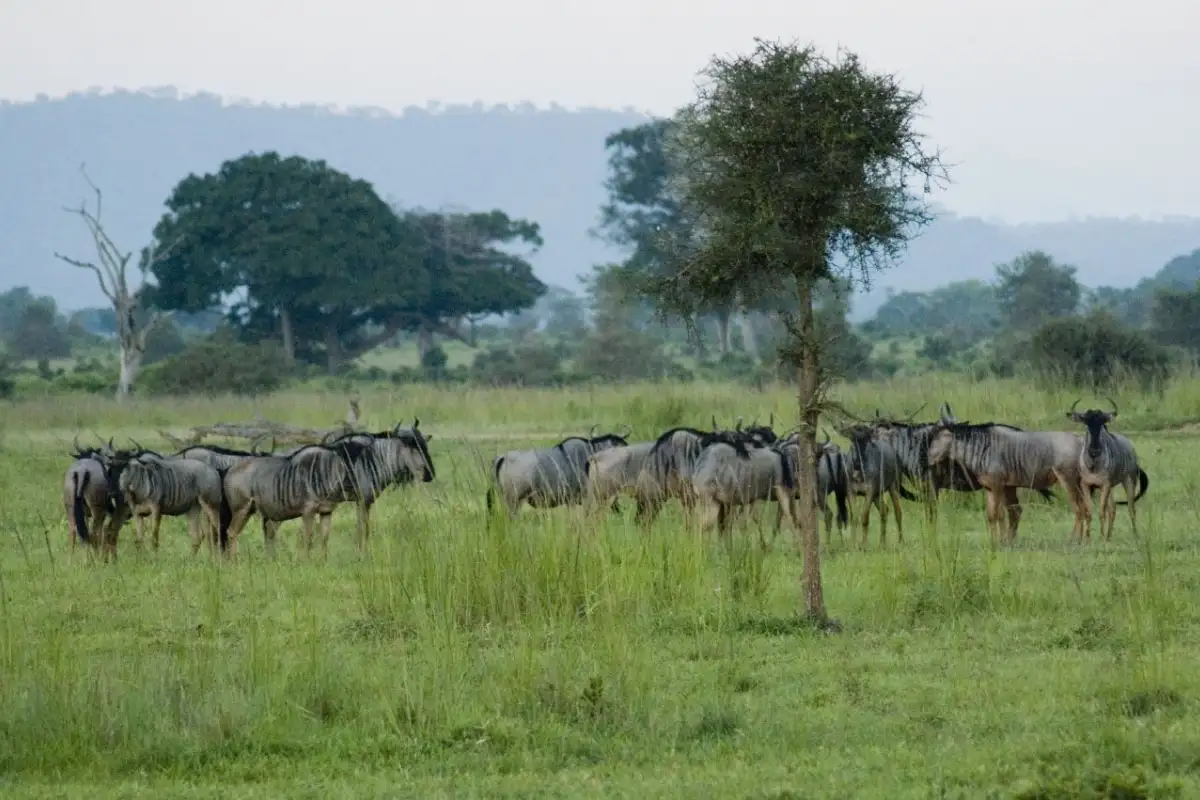
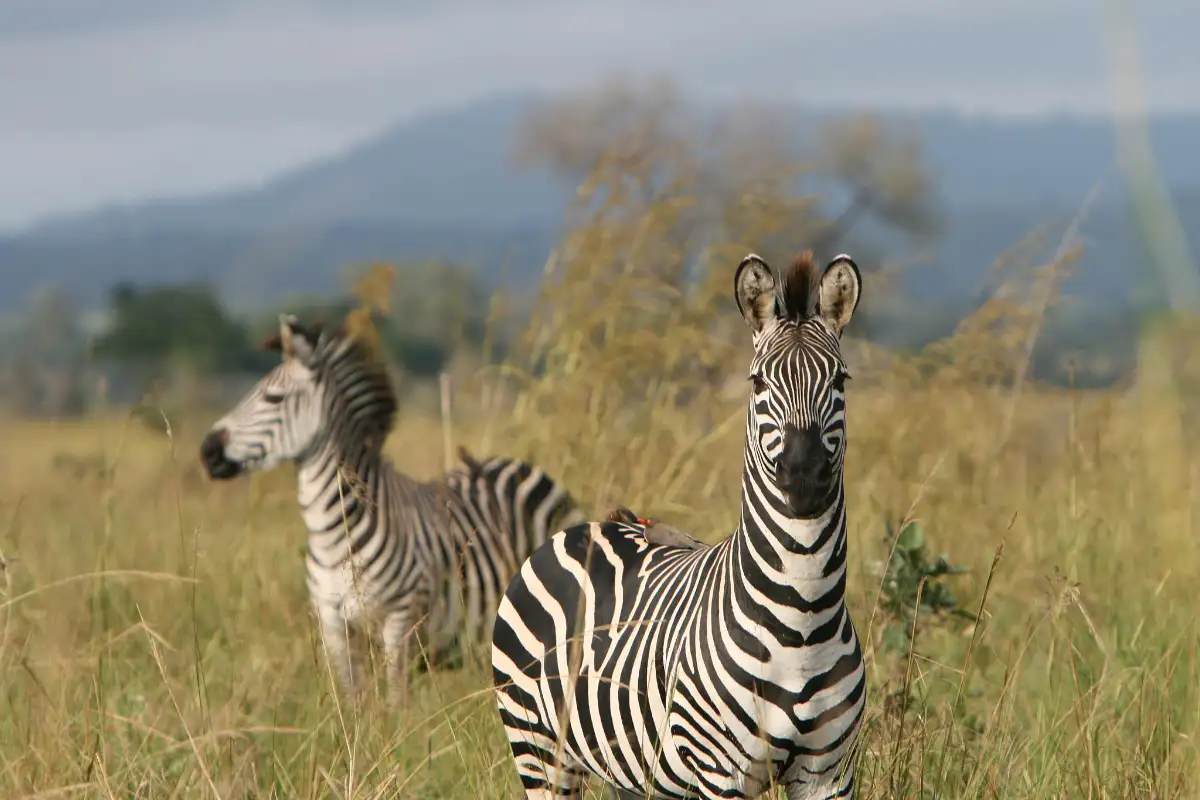
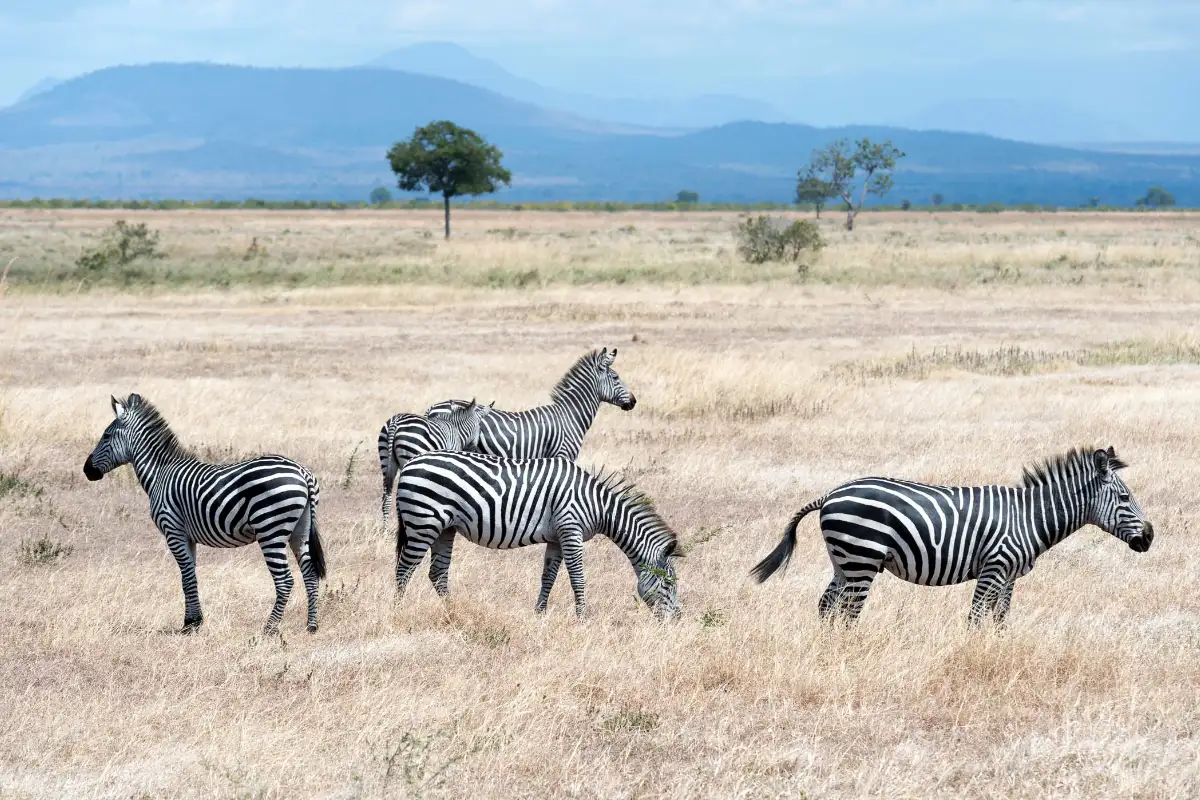
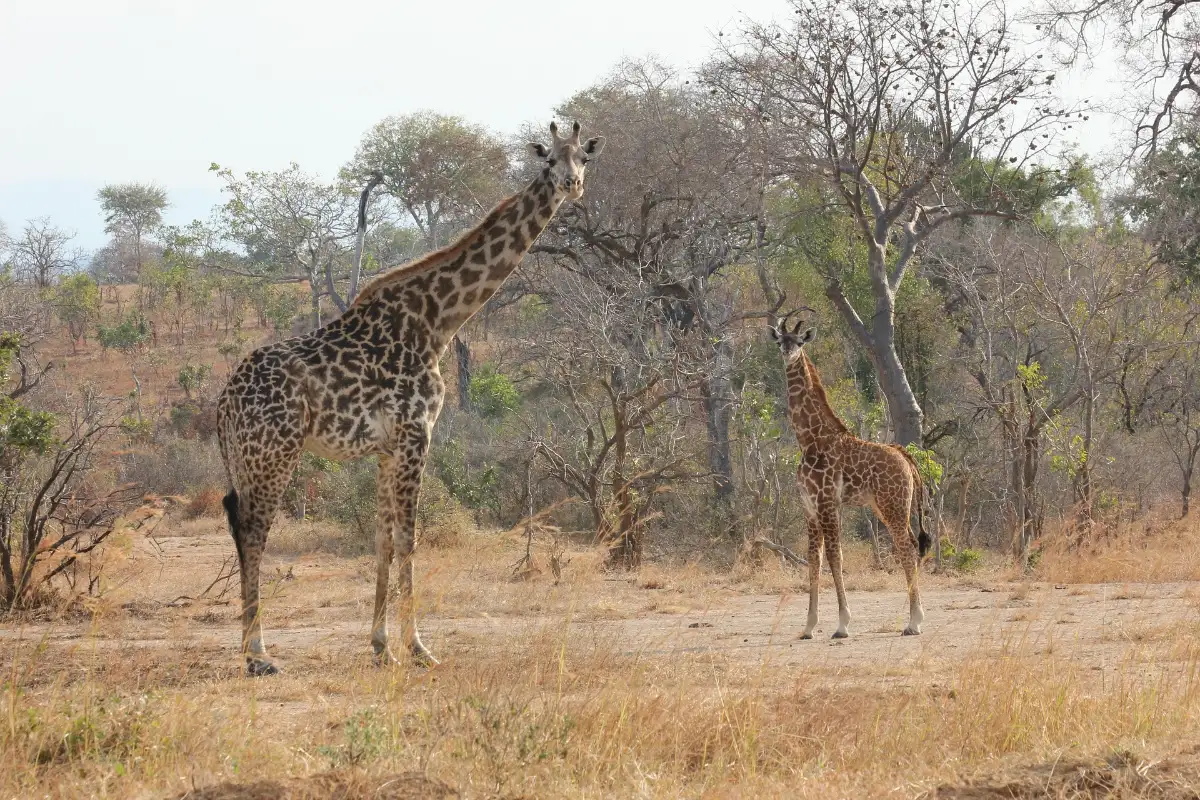
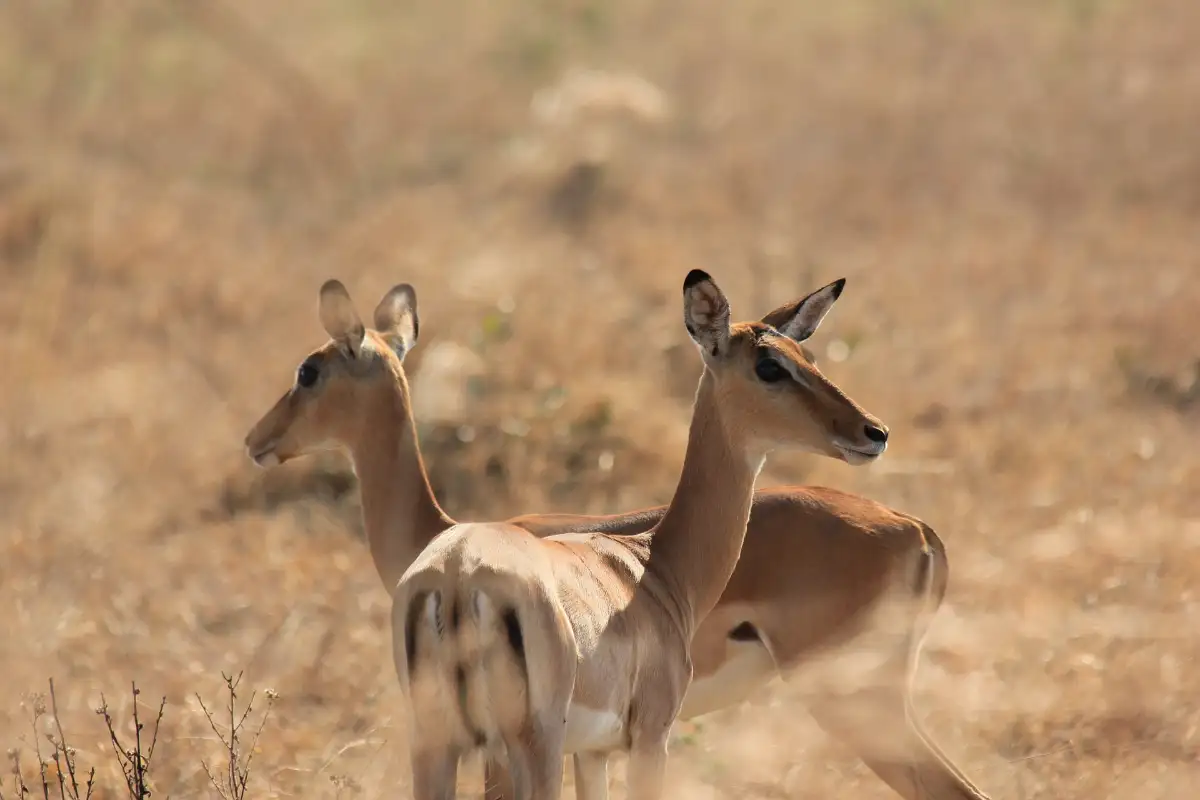
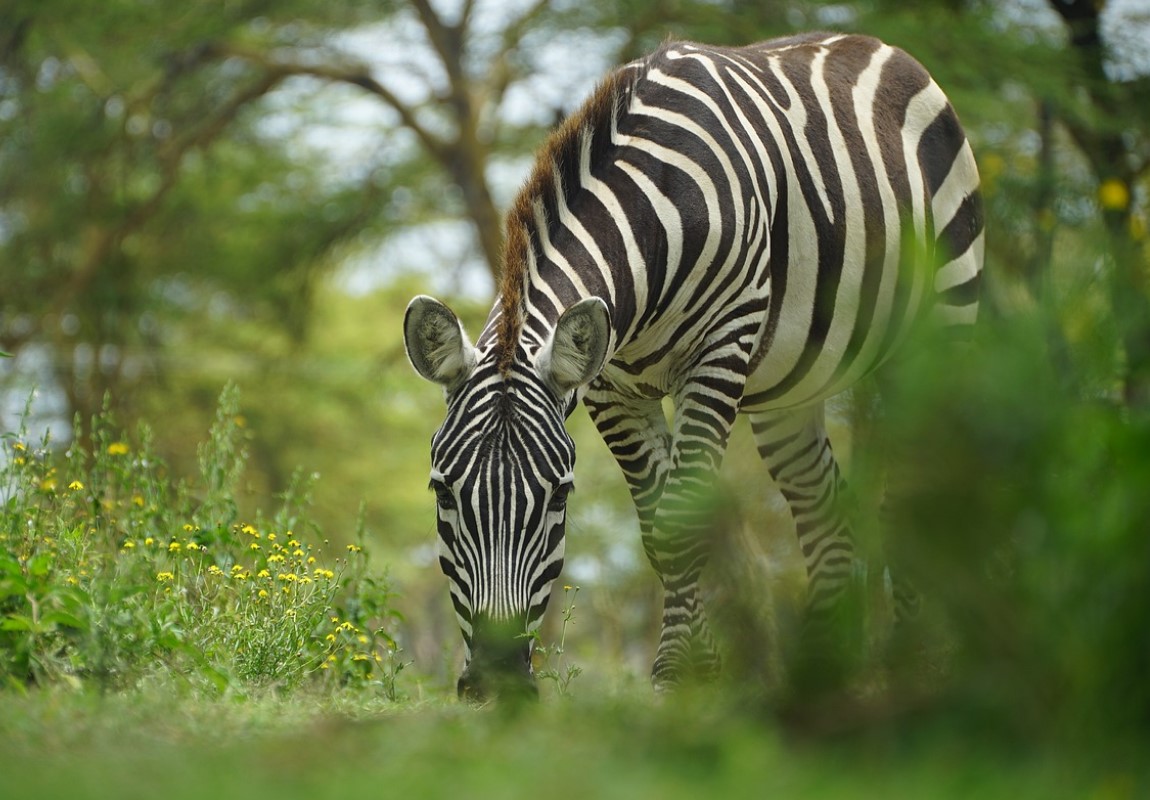
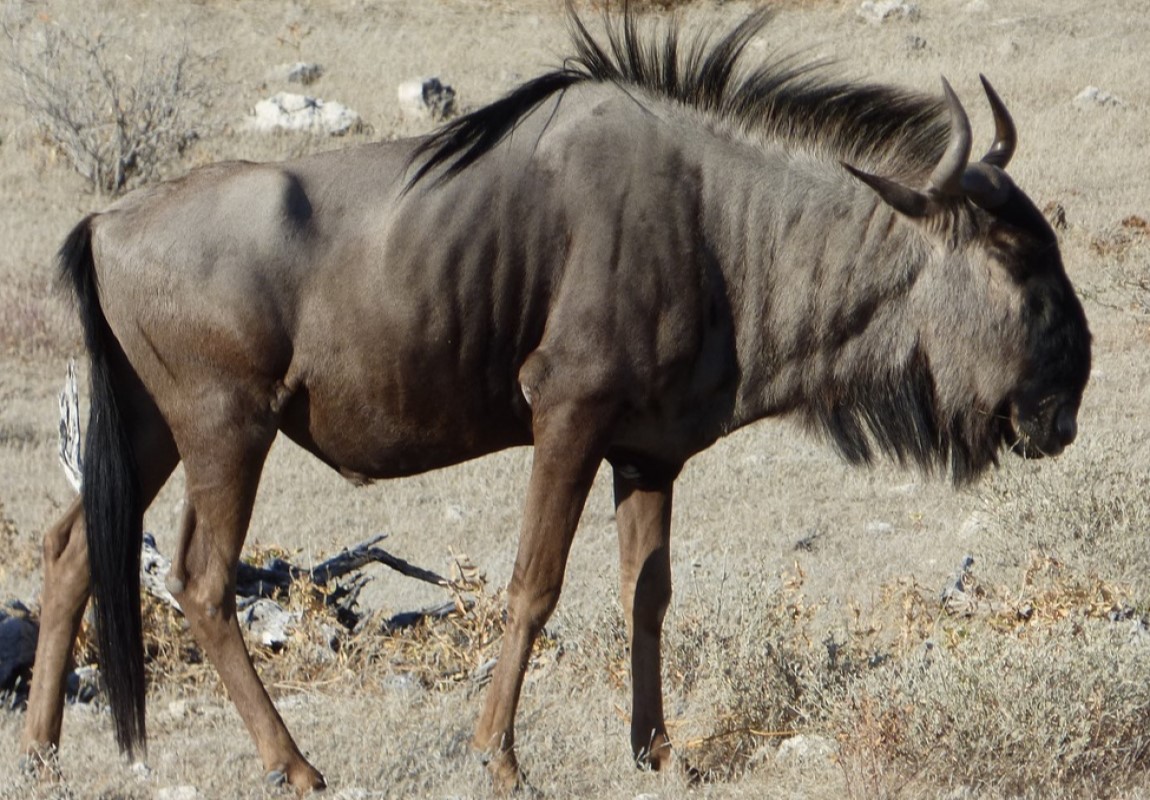
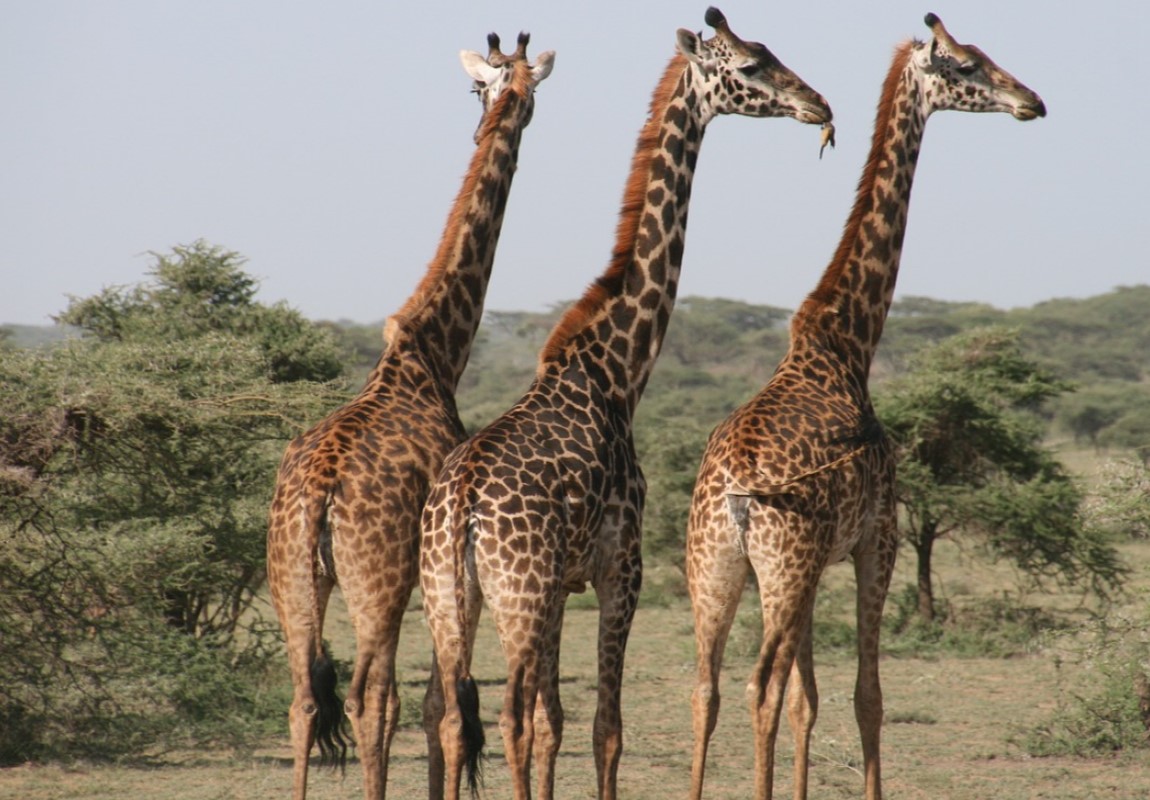
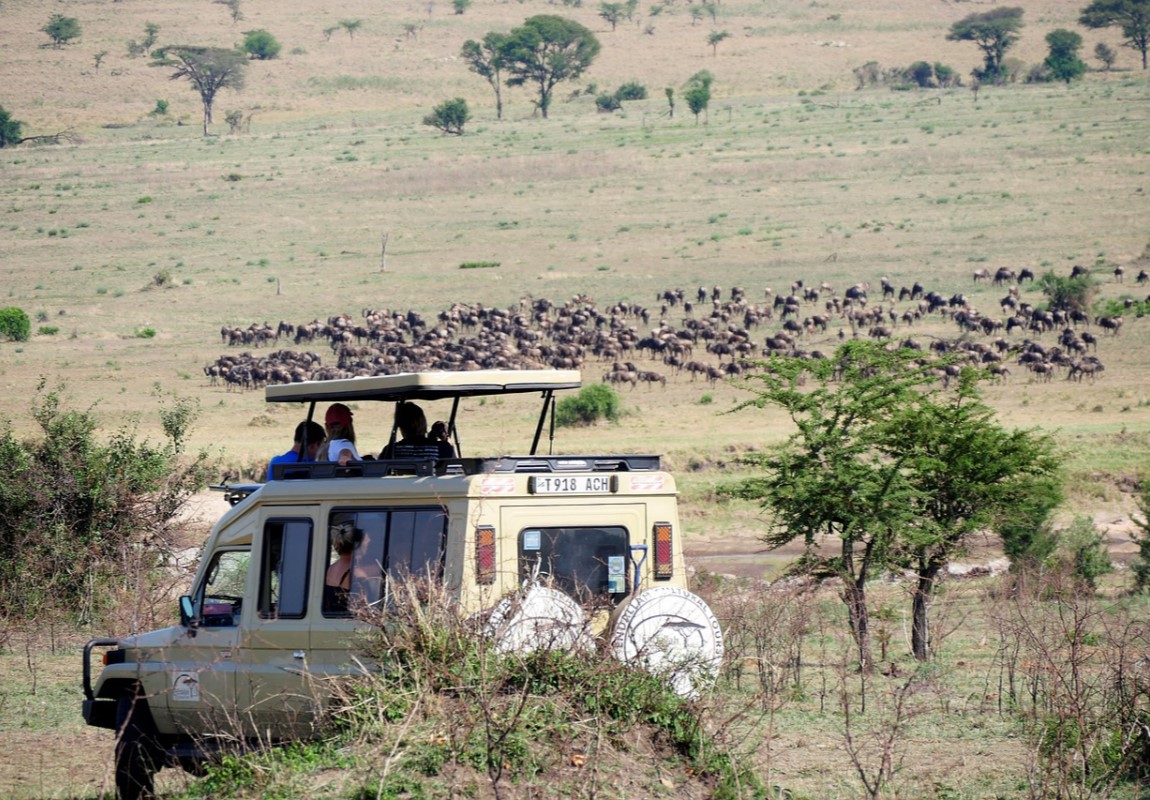
Three of the big five can be consistently located inside the Mikumi borders: lion, elephant and bison, a significant number of which have attributes explicit to this area. The grasslands of Mikumi support enormous herds of zebra, wildebeest, bison and impala. Giraffes and elephants are additionally normal. Troops of yellow baboons and vervet monkeys can be found all through the park.

Wildlife Highlights
Mikumi lions are well known for showing the rare behaviour of climbing on trees, and there is the strange marvel of 'midget elephants', which are smaller than ordinary African elephants and have less unmistakable tusks. Mikumi is additionally well known for sightings of the world's biggest antelope—the eland. Giraffes peruse leaves from the separated acacia trees that periphery the Mkata River.
Best Time for Wildlife Viewing
Wildlife viewing can be done throughout the year in Mikumi National Park but the best time to visit is in the dry season from June to October. With the dwindling vegetation around the water sources, it becomes easier to spot the wildlife gathering around them. During the Wet season (November to May) many animals migrate out of the park again, and wildlife viewing is not as good.
Want to Visit Mikumi National Park?
Birds
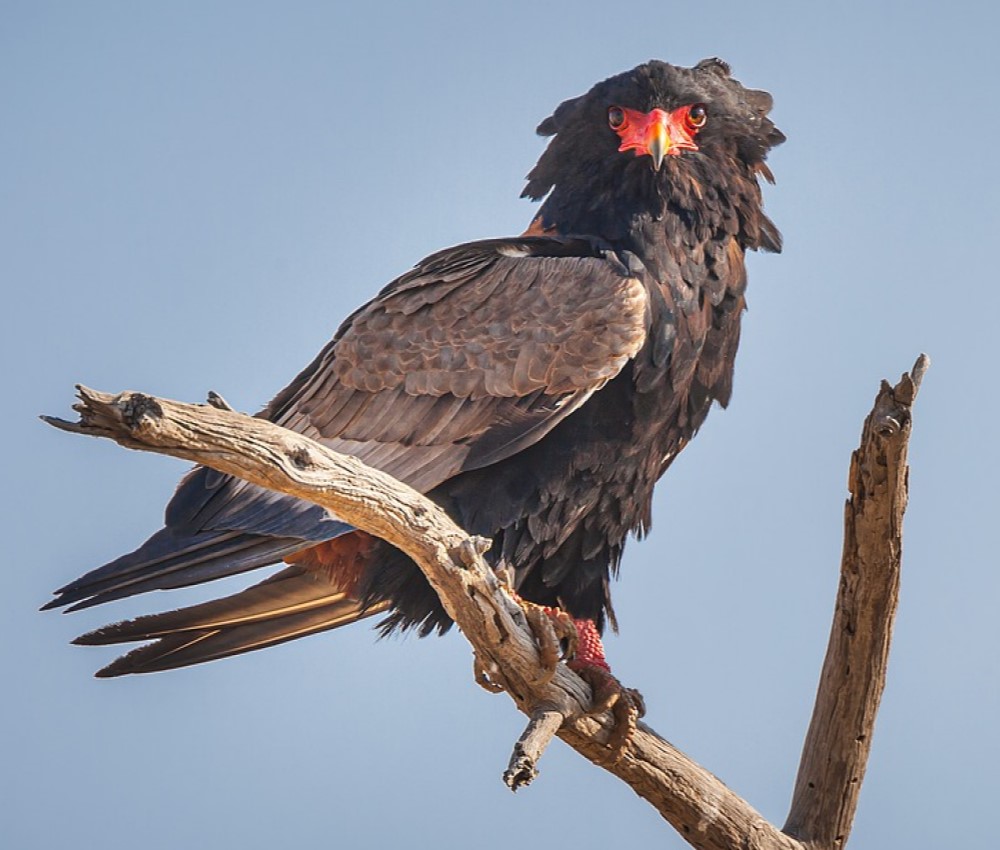
Mikumi is popular with birdwatchers, as it provides living and breeding space for over 400 species of birds including European migrating birds using it as their winter residence. Among which some common residents are the lilac-breasted roller, yellow-throated longclaw and bateleur eagle. The hippo pool and Mwanambogo dam are good places to see some of the water-associated birds like the African fish eagle, African spoonbill and hamerkop, and the Mkata river offers great views of African openbills fishing.


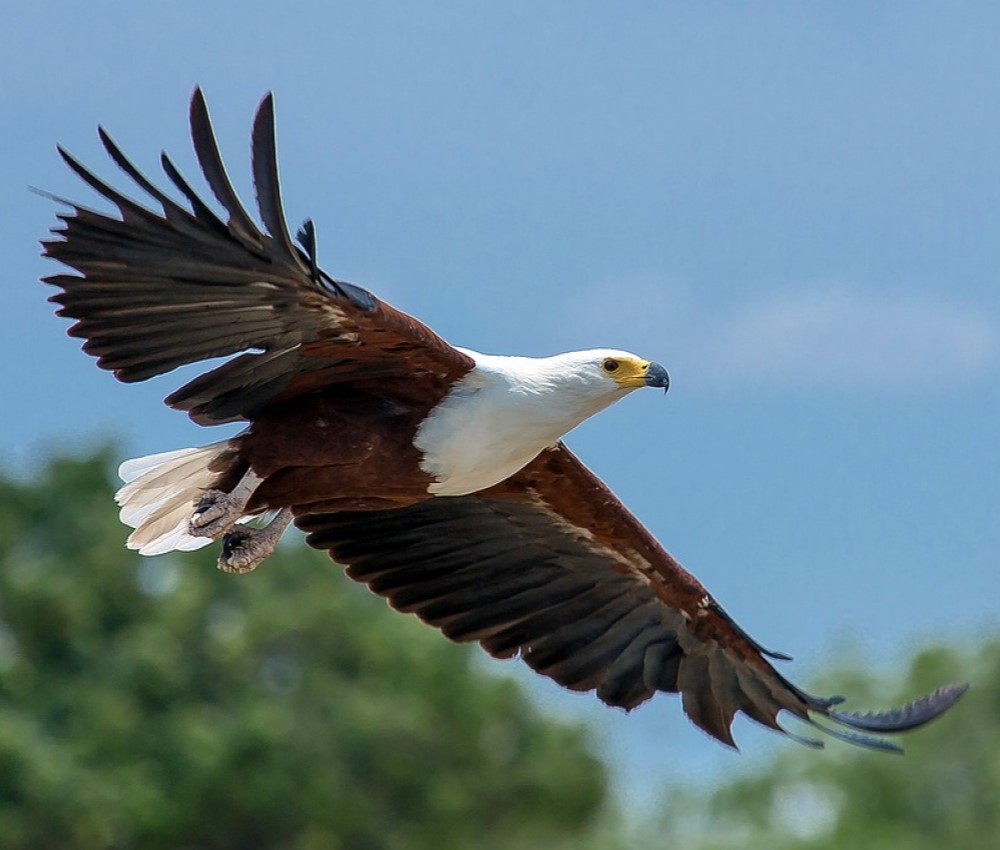
Best Time for Birding
The birds here are numerous throughout the year; however, the best time for watching the birds is from the start of November to the end of April. In these months the resident species begin Nesting and are in breeding plumage, as well as migratory birds coming from Europe or the northern part of Africa are present. From March up to April, the heavy rains make it really challenging to see the birds as the forest trails are really slippery.
Want to Visit Mikumi National Park?
Best Time to Visit – Mikumi National Park
Wildlife viewing can be done throughout the year in Mikumi National Park but the best time to visit is in the dry season from June to October. With the dwindling vegetation around the water sources, it becomes easier to spot the wildlife gathering around them. During the Wet season (November to May) many animals migrate out of the park again, and wildlife viewing is not as good.
June to October (Dry Season)
- Animals are easier to spot in the thinner vegetation
- It rains very little and most days are radiant
- Fewer mosquitoes and less chance of catching malaria
- Humidity is lower, and the heat isn't overwhelming
- There is a lot of dust in the air because it is very dry
- Many vehicles at the hippo pool
November to May (Wet Season)
- Due to less crowd in this season, Pricing is very less to bring more travellers
- Birding is best as migratory birds are present
- The scenery is beautiful and at its most lush
- Roads become sloppy and difficult to travel
- March to May is the peak of the Wet season
- It gets humid and hot
Want to Visit Mikumi National Park?
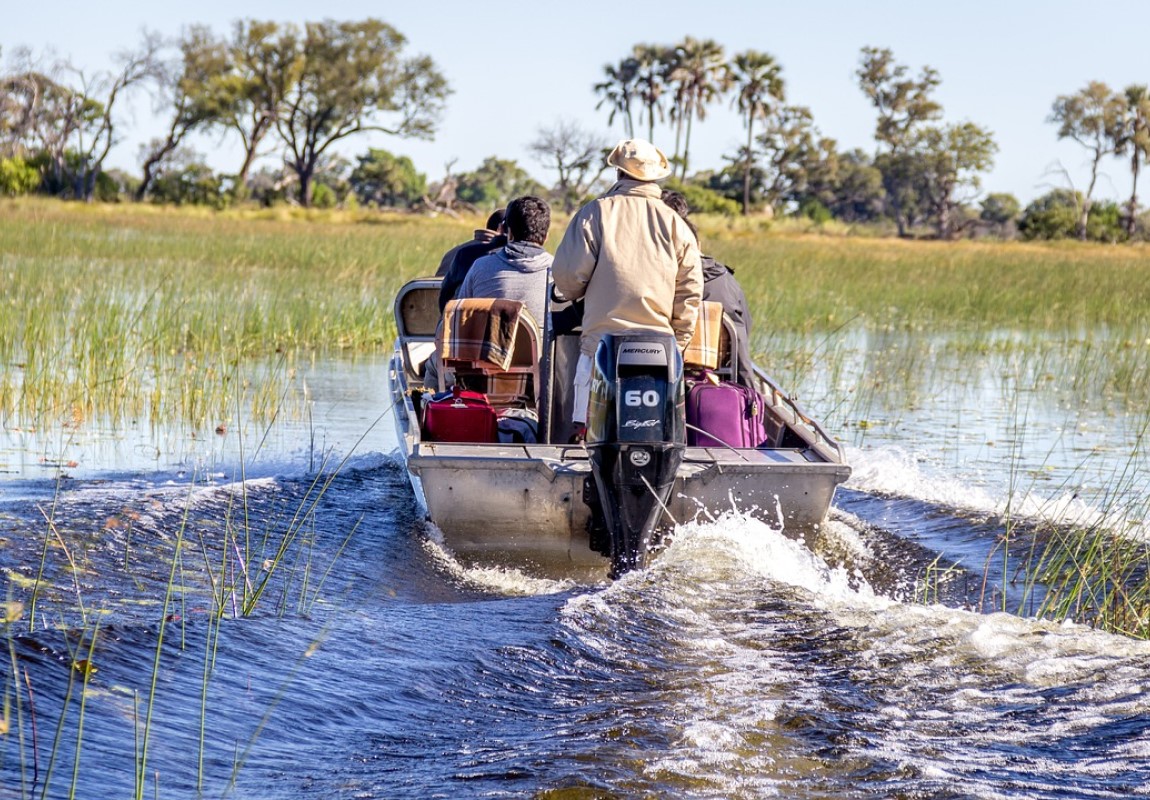
Activities
Explore popular activities available in and around Mikumi National Park.
Want to Visit Mikumi National Park?
No FAQs available for this park yet.
Safari Tours
View all tours