Lake Manyara National Park 
Lake Manyara National Park - Tanzania Wildlife Destination
Starting from
$1200PP
Overview
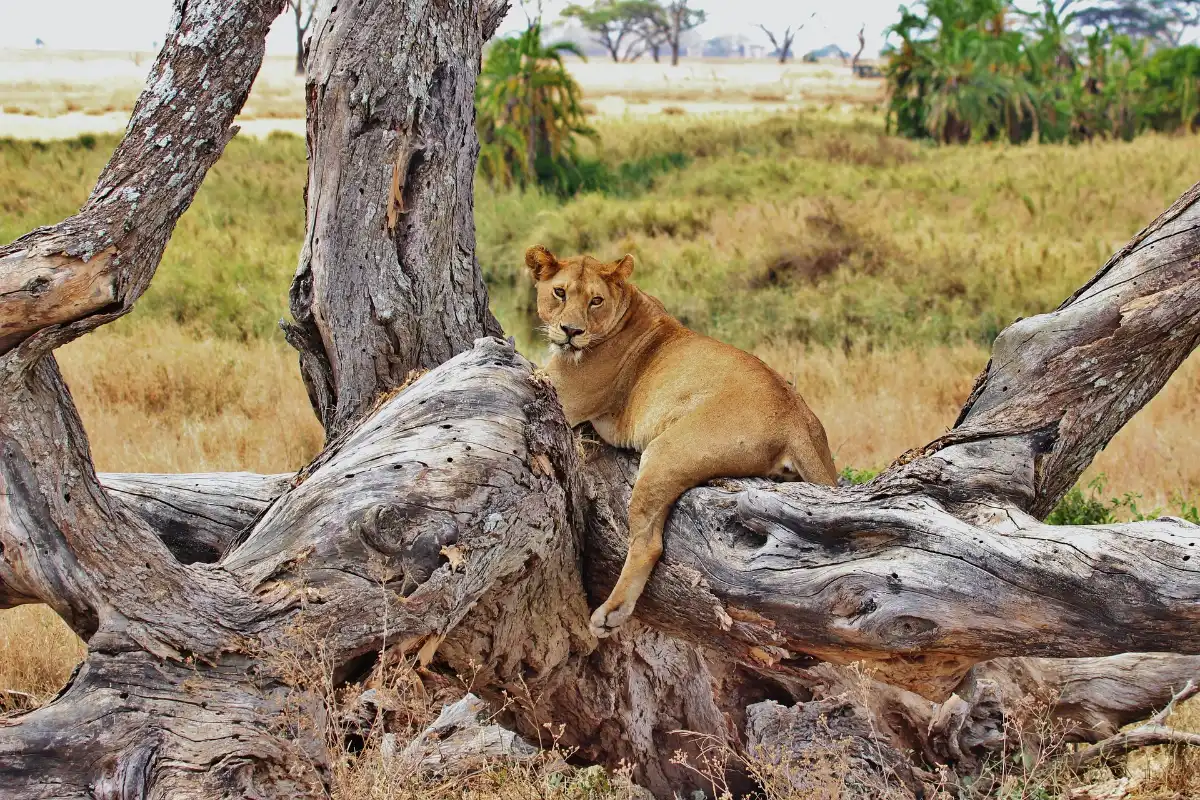
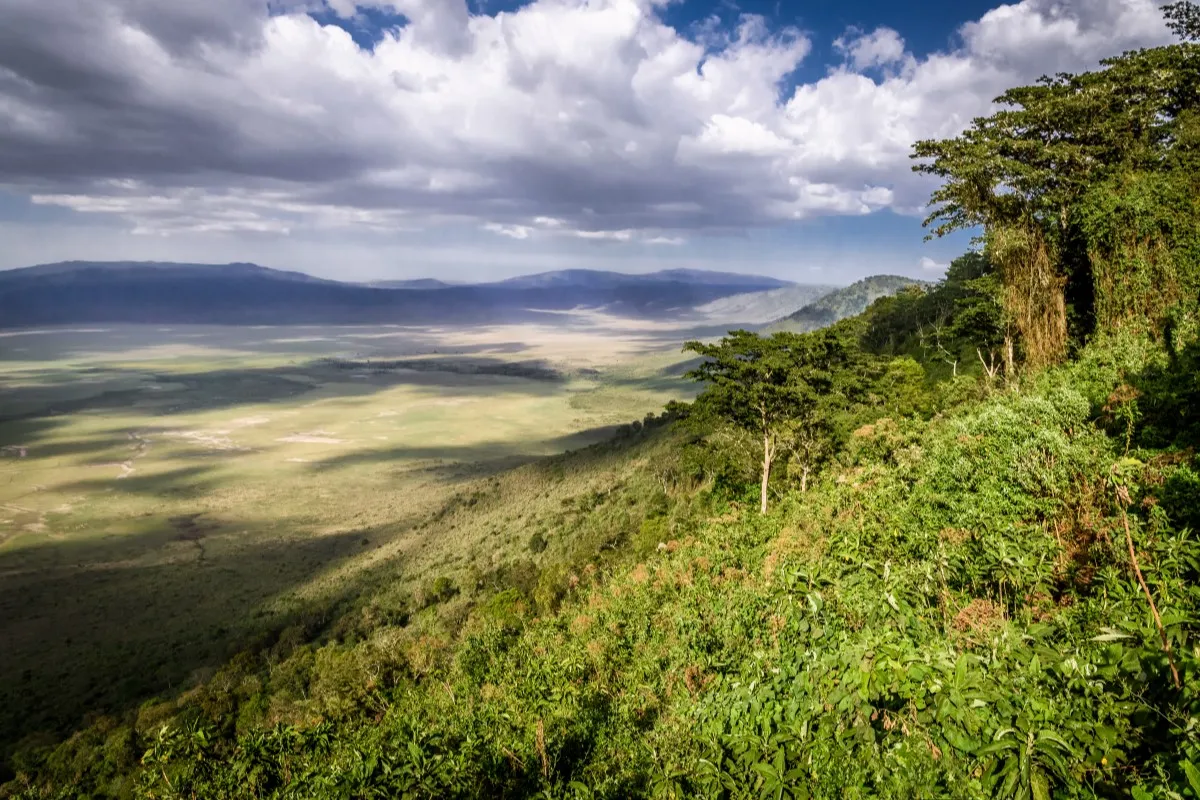
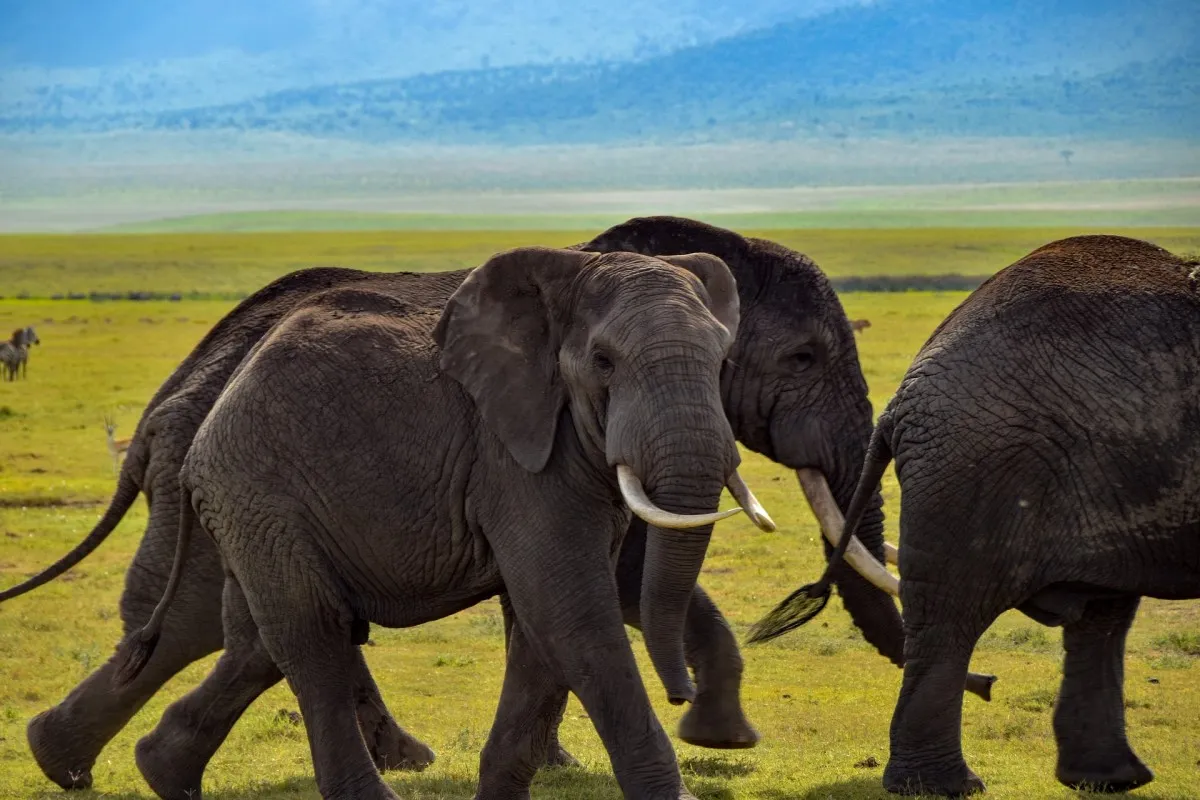
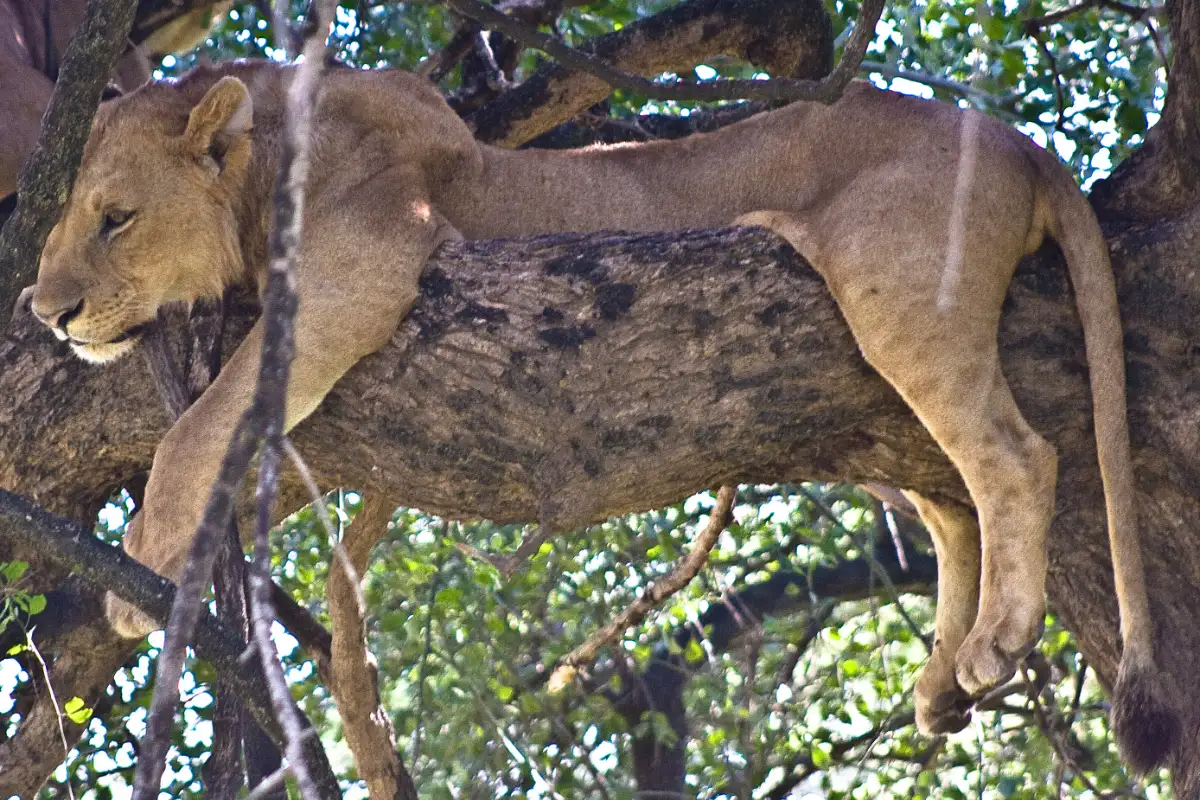
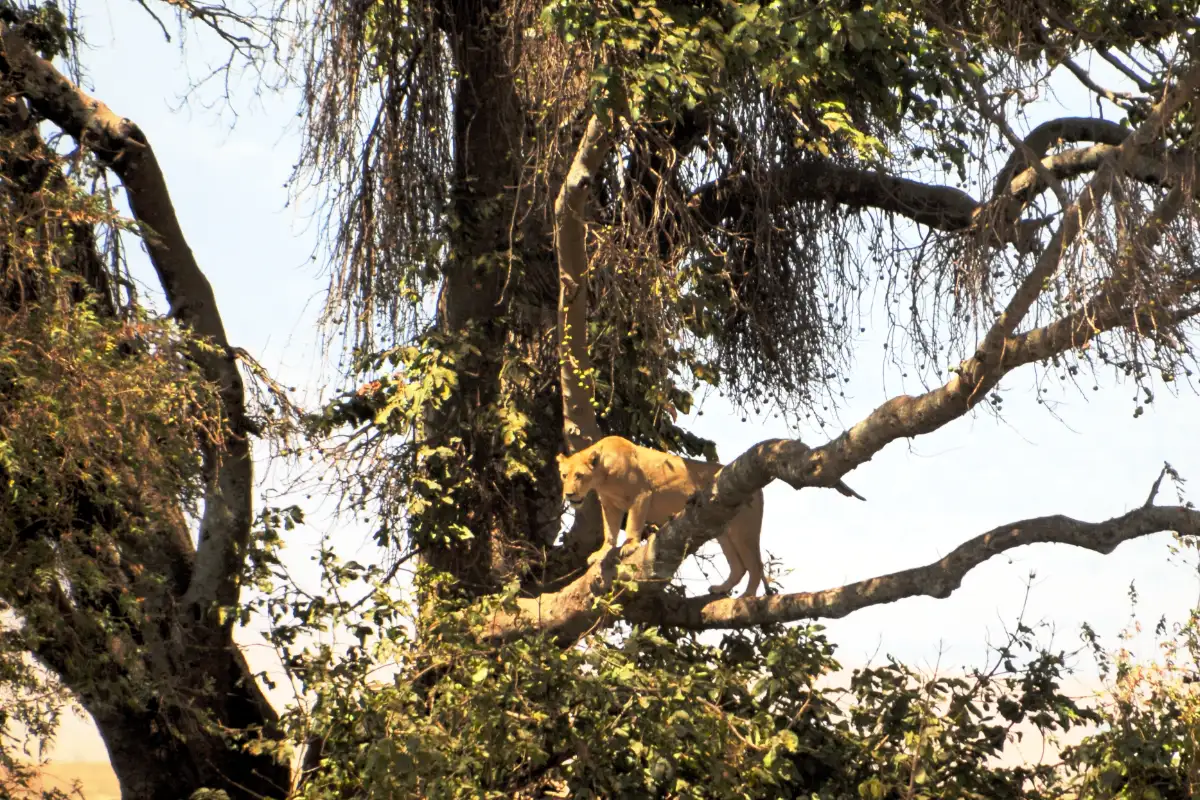
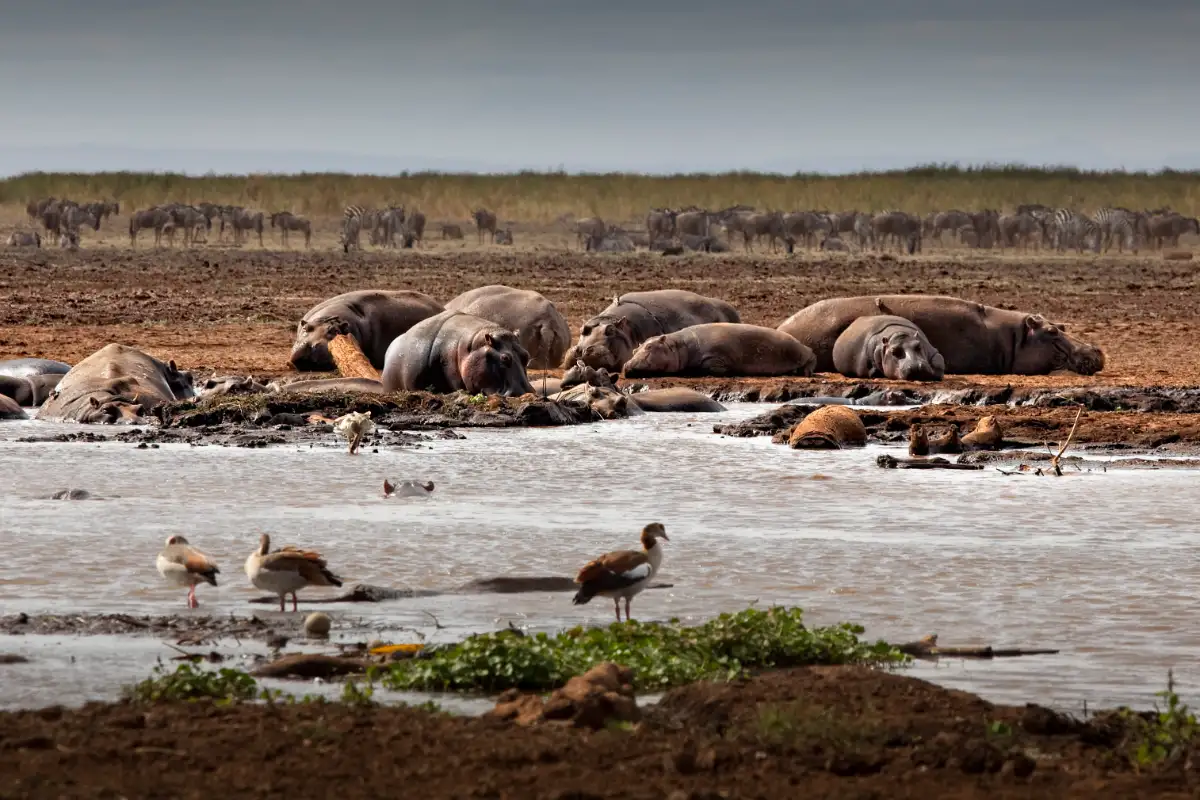
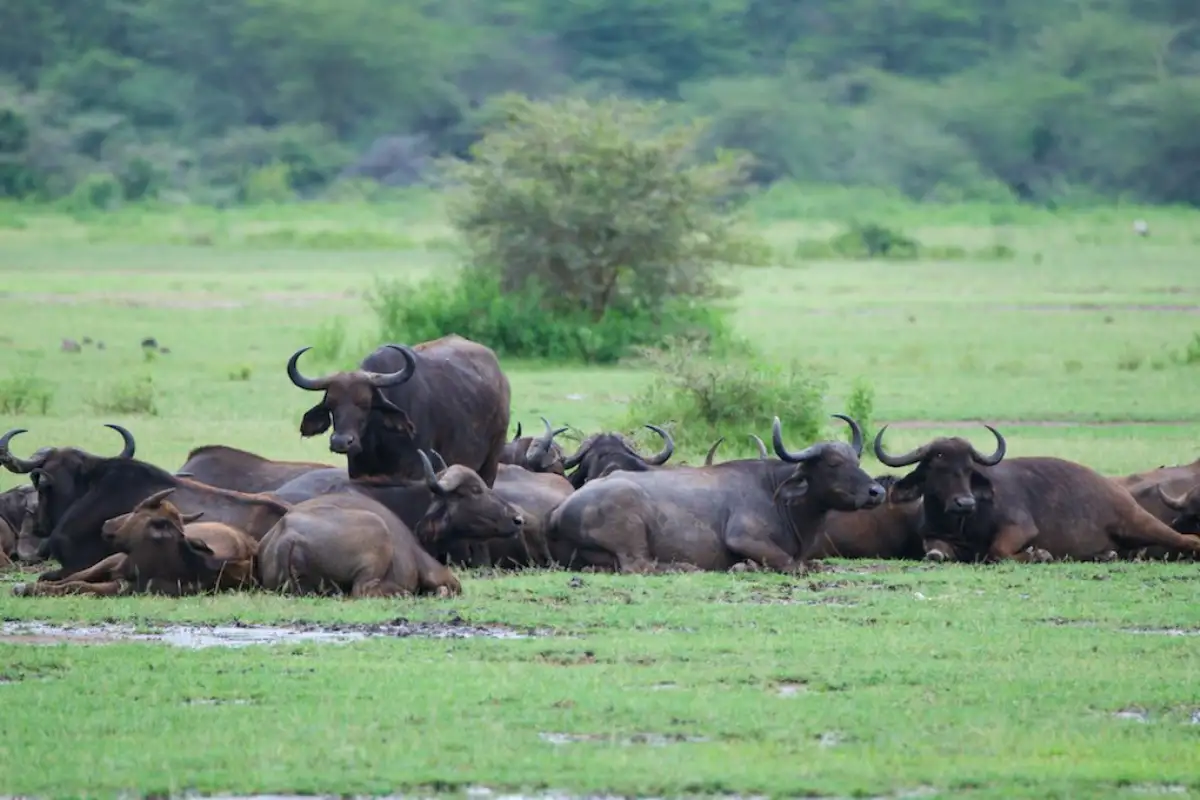
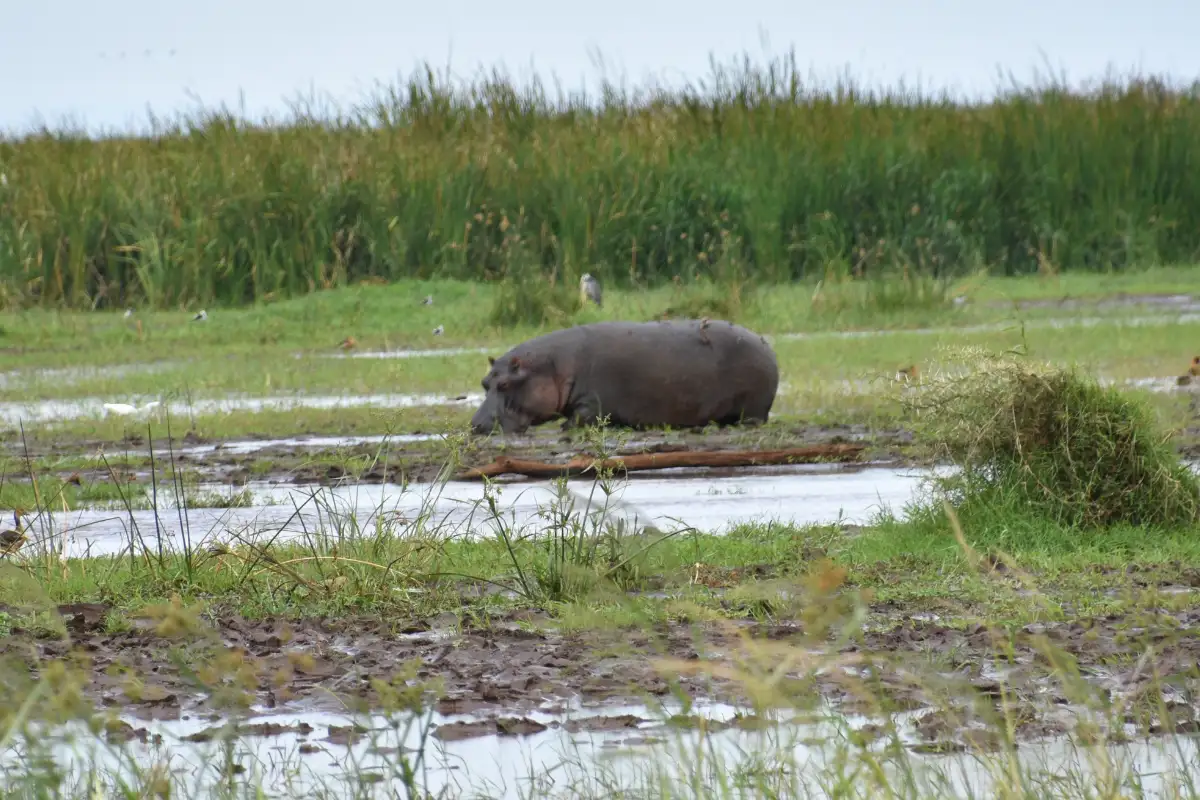
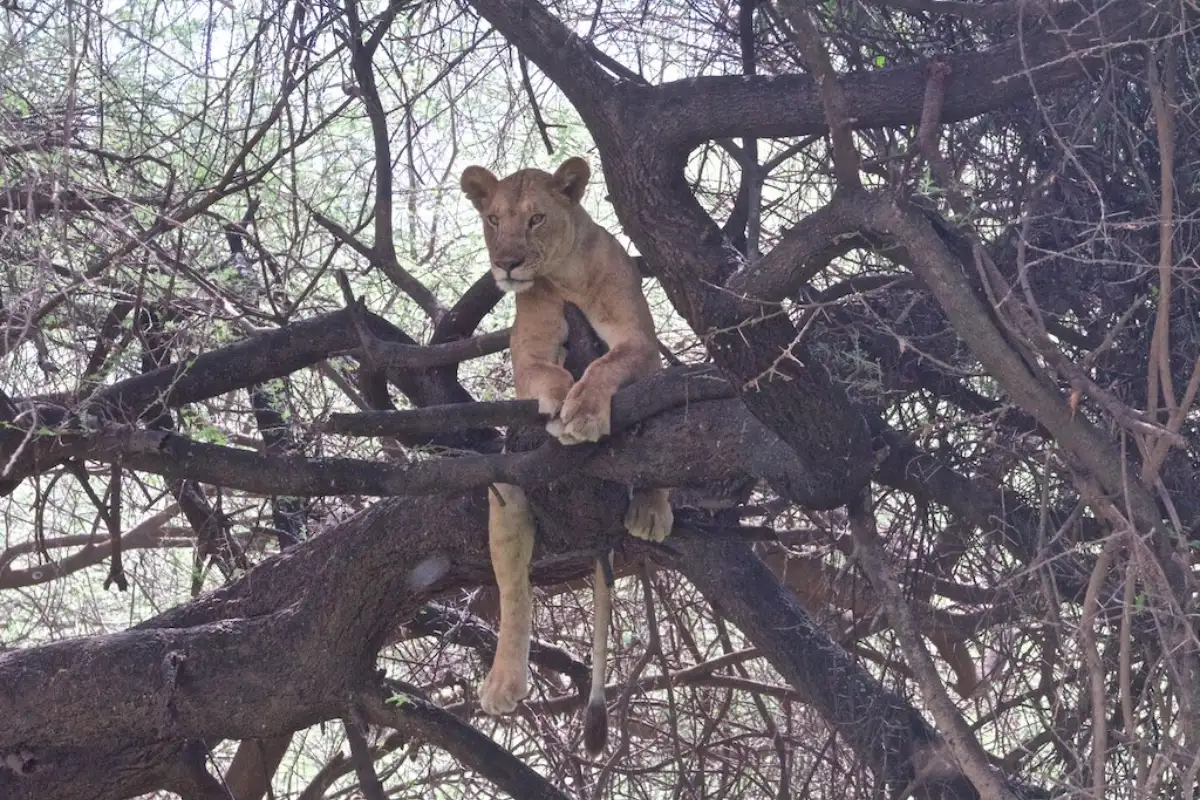
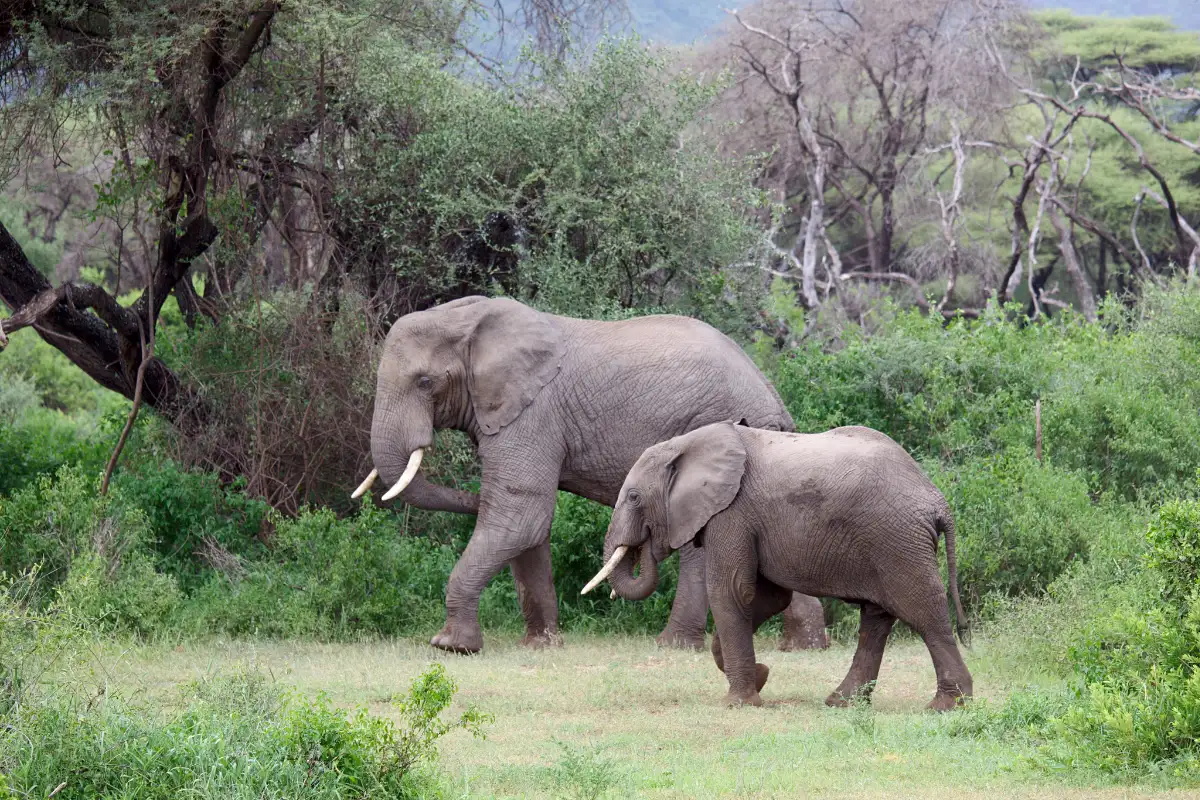
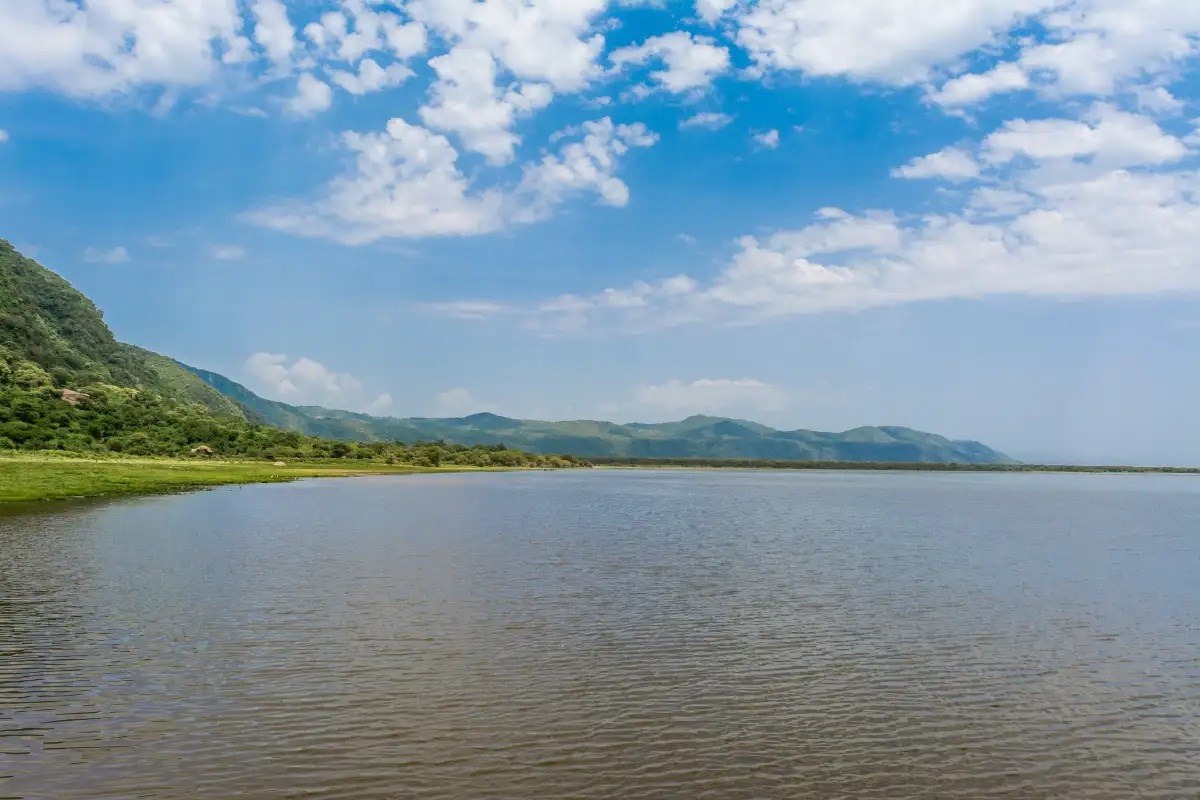
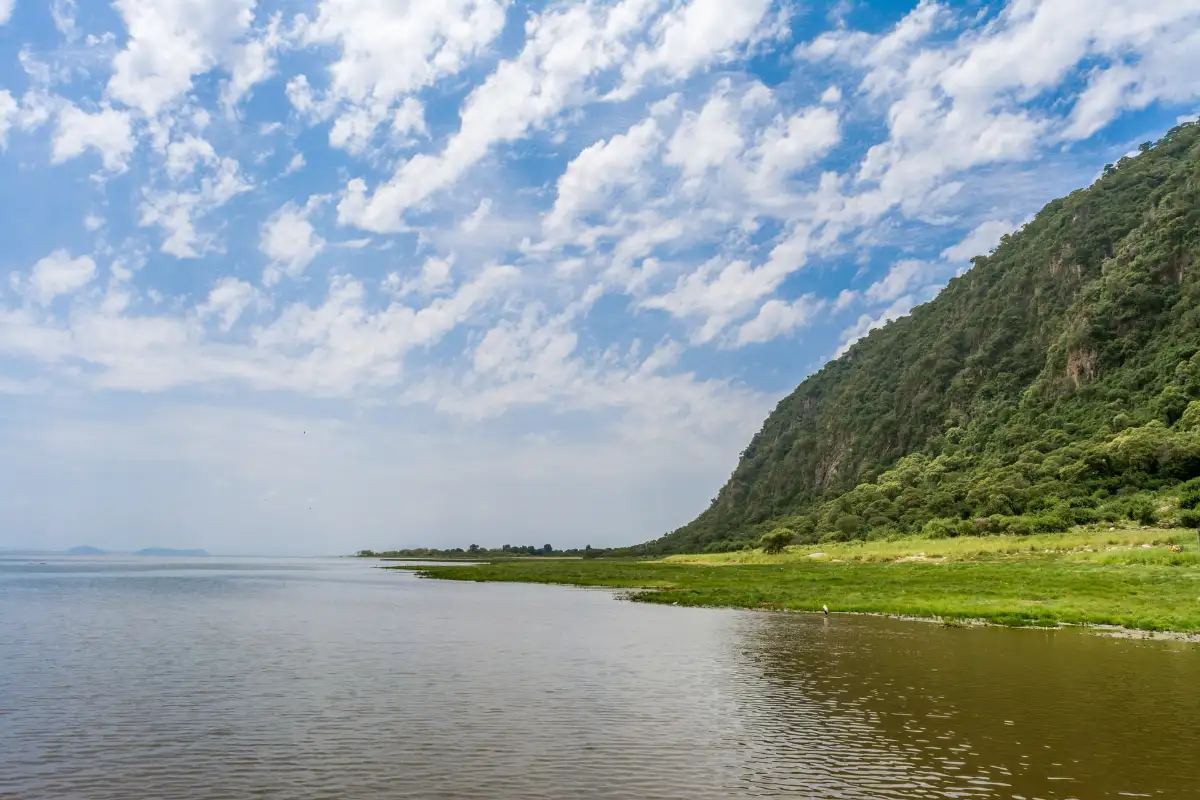
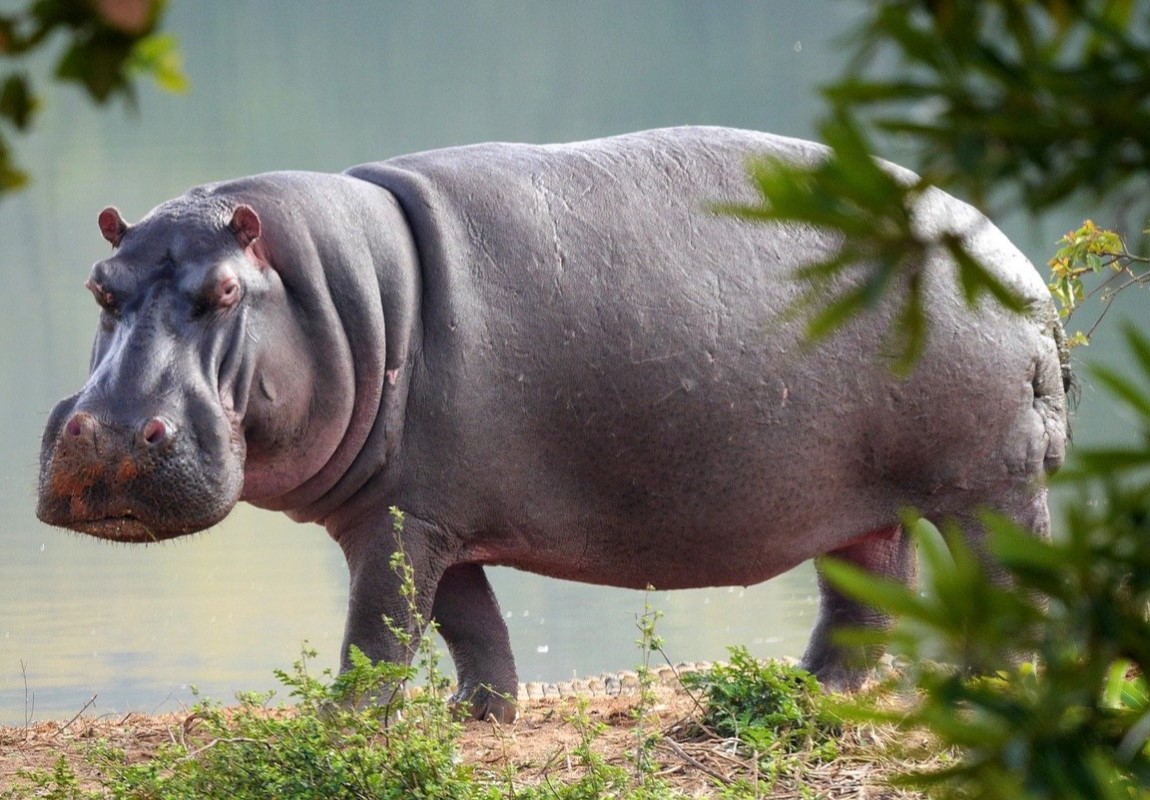
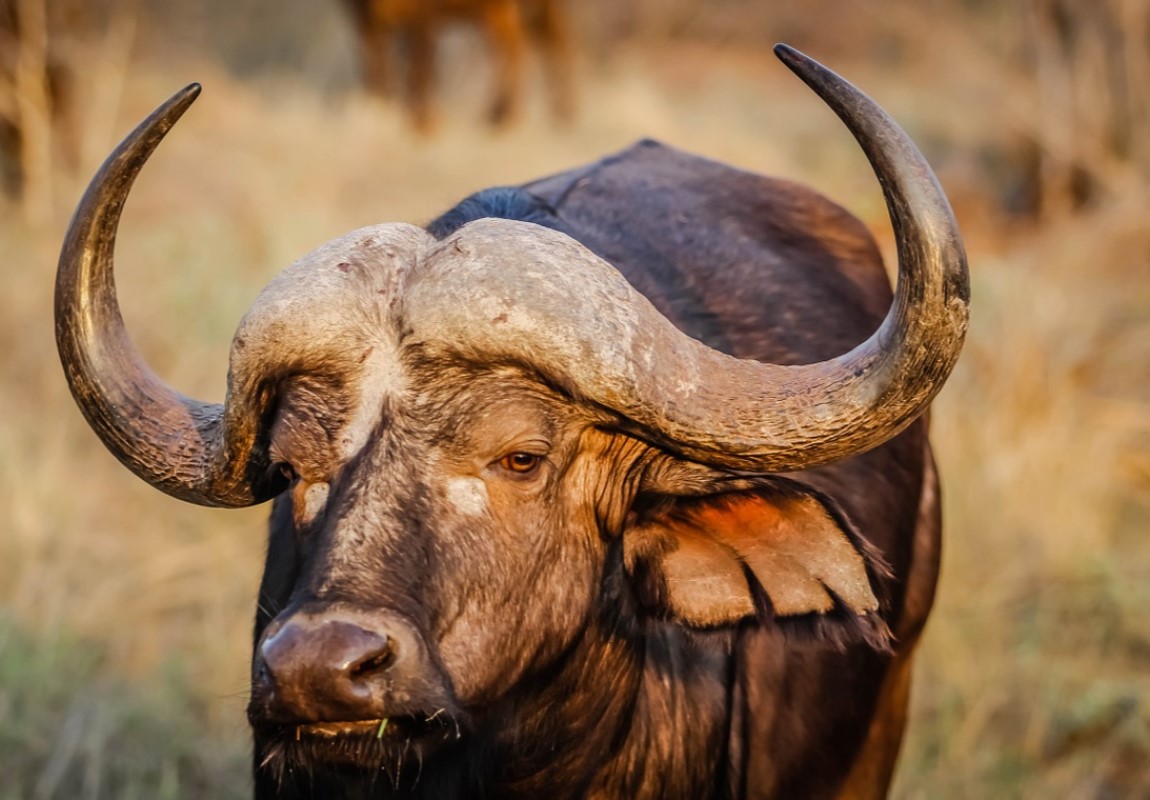
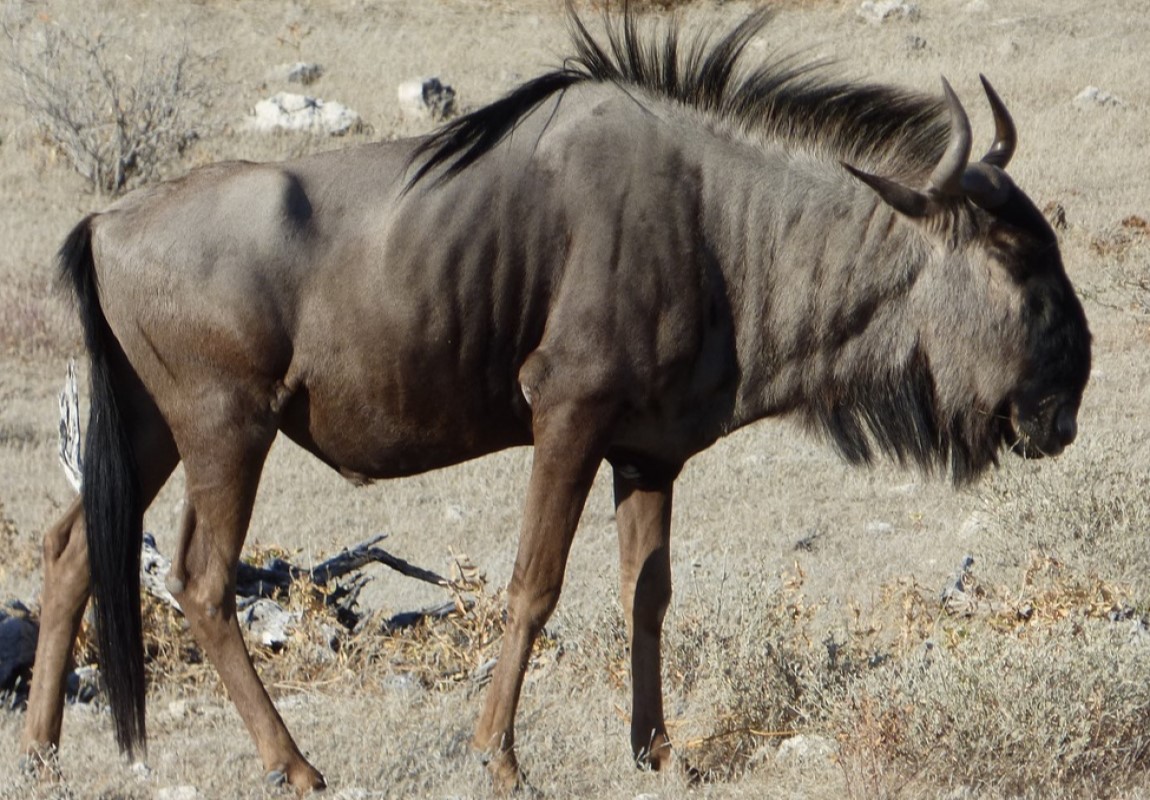
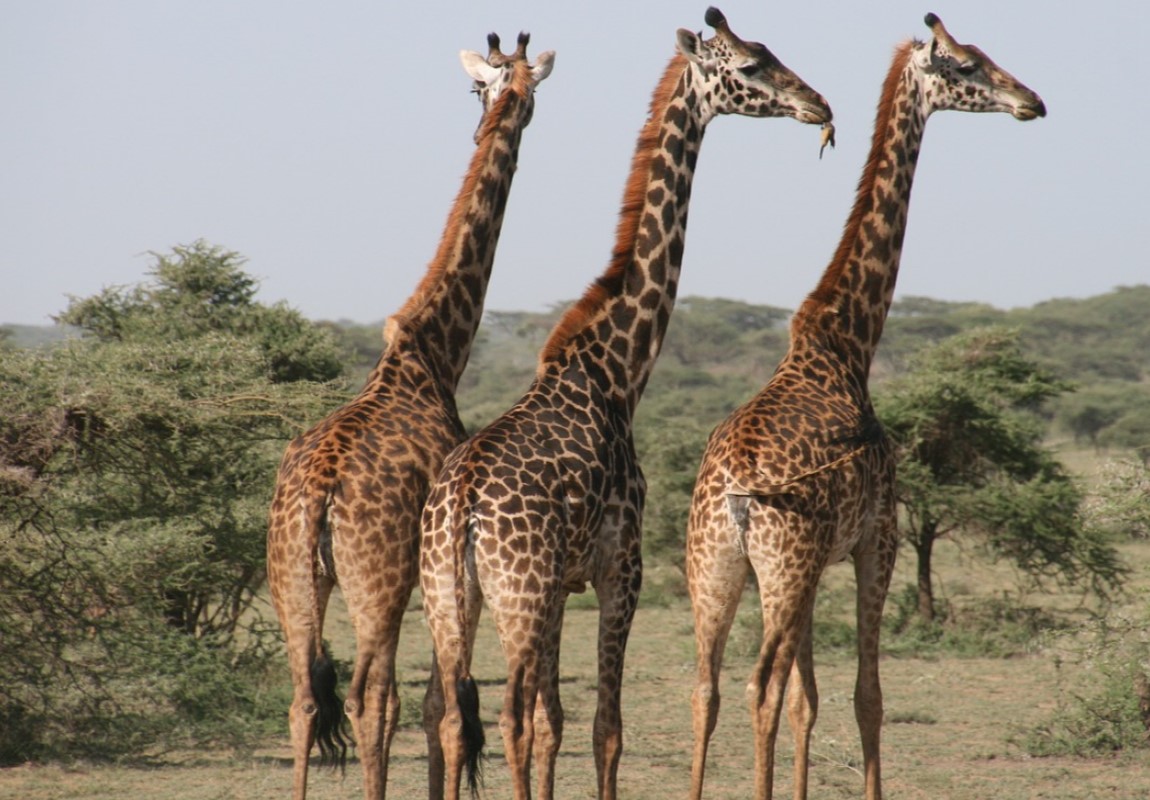
Situated in the Arusha and Manyara areas of Tanzania, Lake Manyara National Park is situated between the Great Rift Valley toward the west and Lake Manyara on its eastern boundary. Wide lush floodplains at the lakeshore give way to, acacia woodlands as you move further into the park, two distinct territories supporting an assorted population of animals. Widely known as a premier safari destination, the park has around 350 bird species, occasional flamingo social events, a huge population of elephants, tree-climbing lions, giraffes, and wildebeest and its tremendous diversity of other mammals. The park has a huge population of elephants, buffaloes and hippos.
Pros & Cons
- The elusive, tree-climbing lion
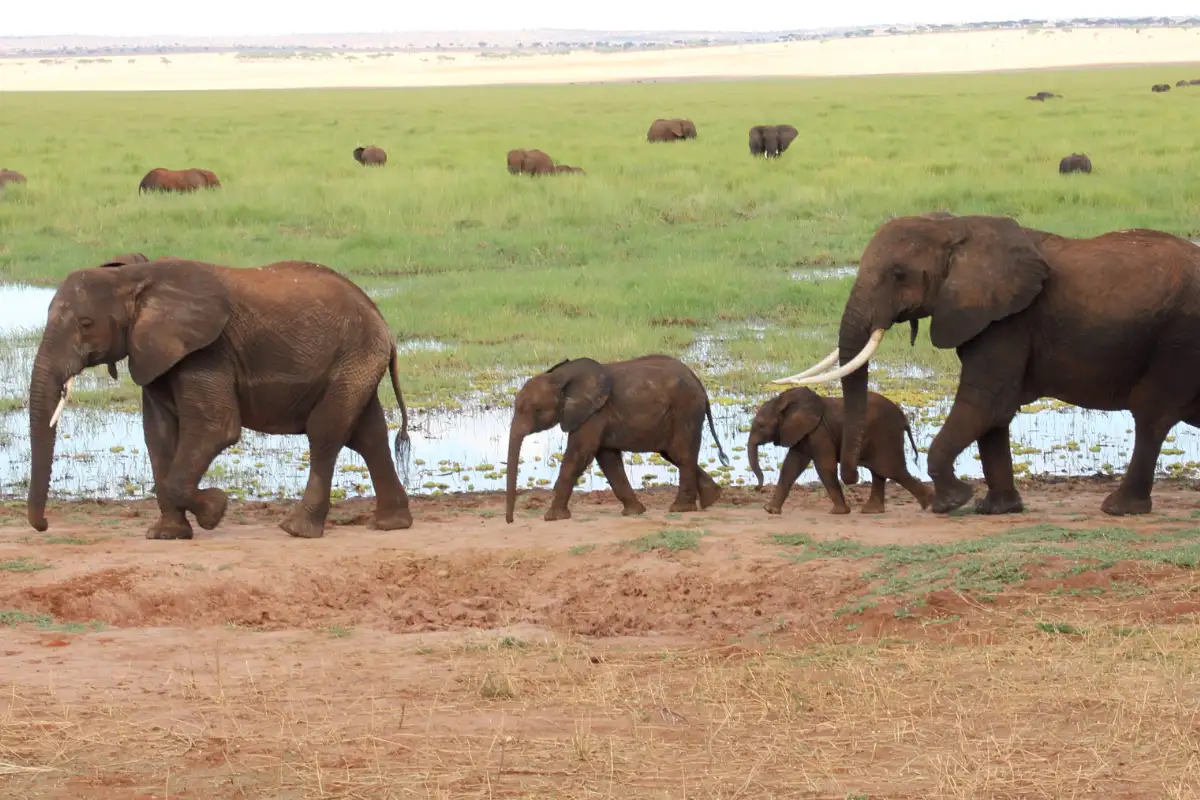
- Very relaxed elephants to view at close quarters
- one of the best parks in Africa for birdwatchers
- Near to Arusha and in close proximity to Tarangire National Park and Ngorongoro Crater
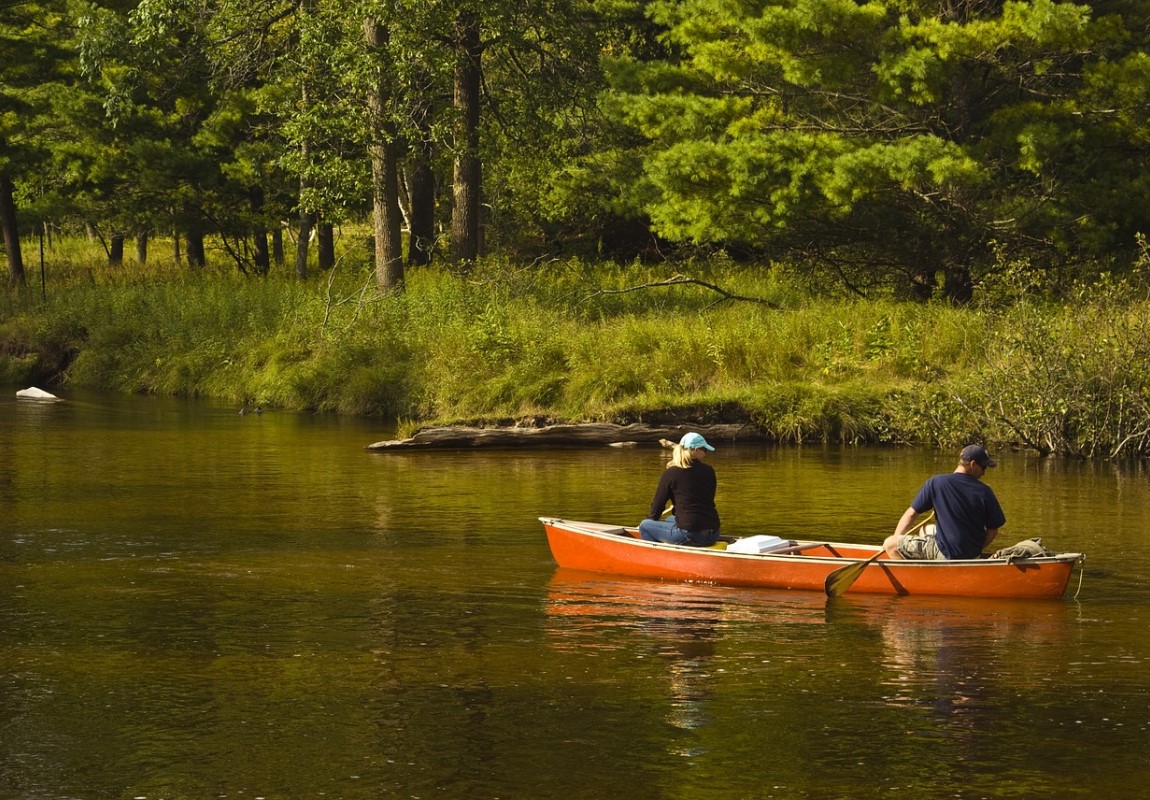
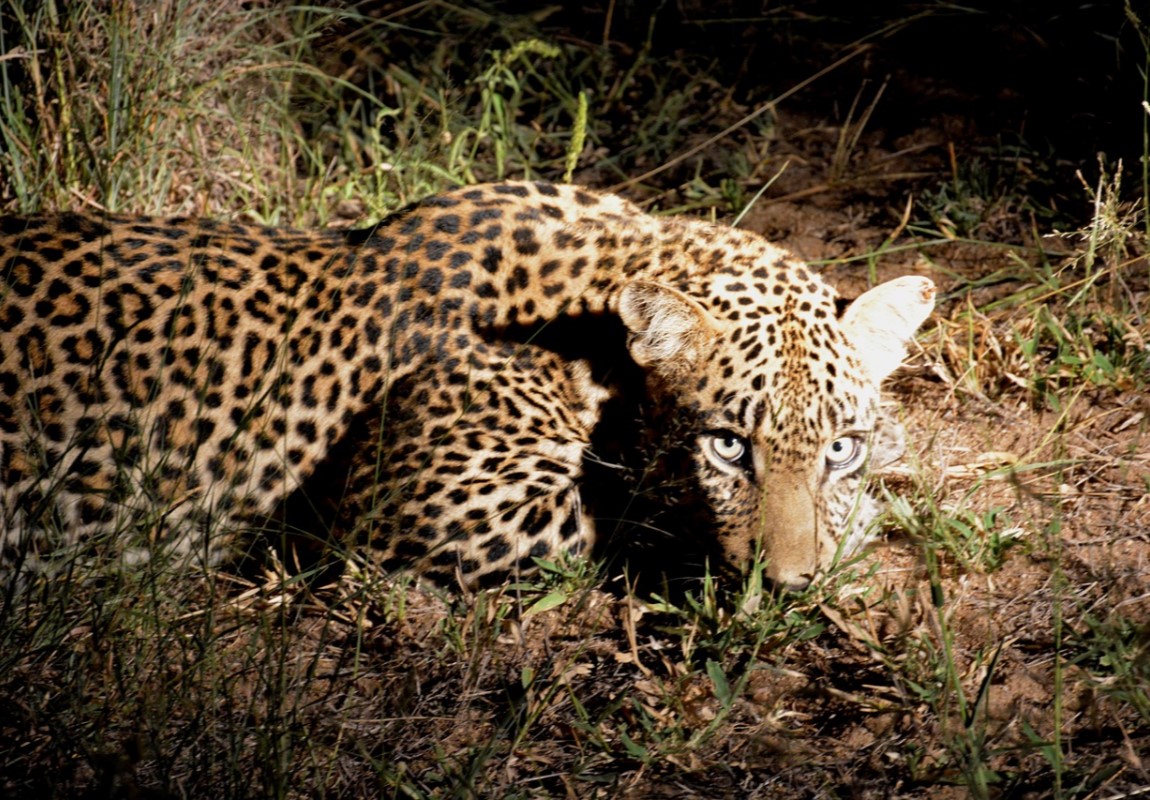
- Activities like Canoe safaris and night drives are available
- Gets very crowded in the afternoons during peak season (June, July and October to April)
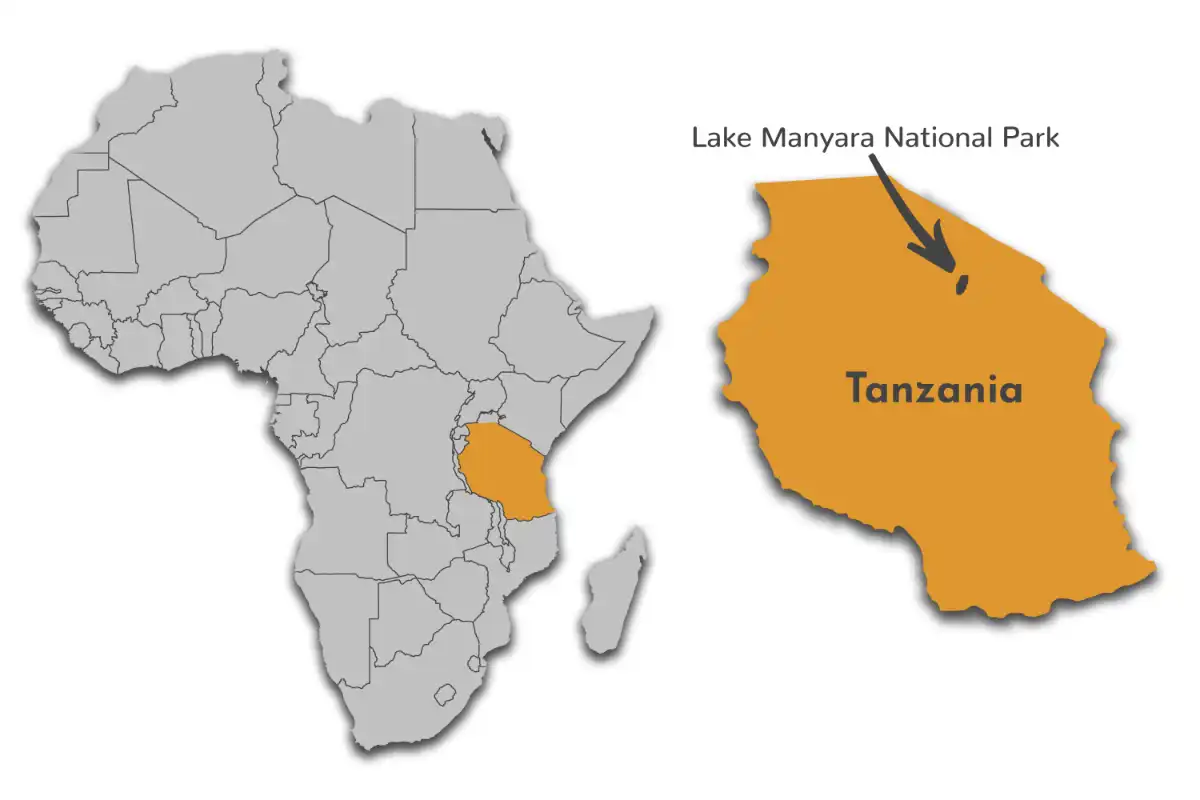
Map in Tanzania
Want to Visit Lake Manyara National Park?
Gallery Images
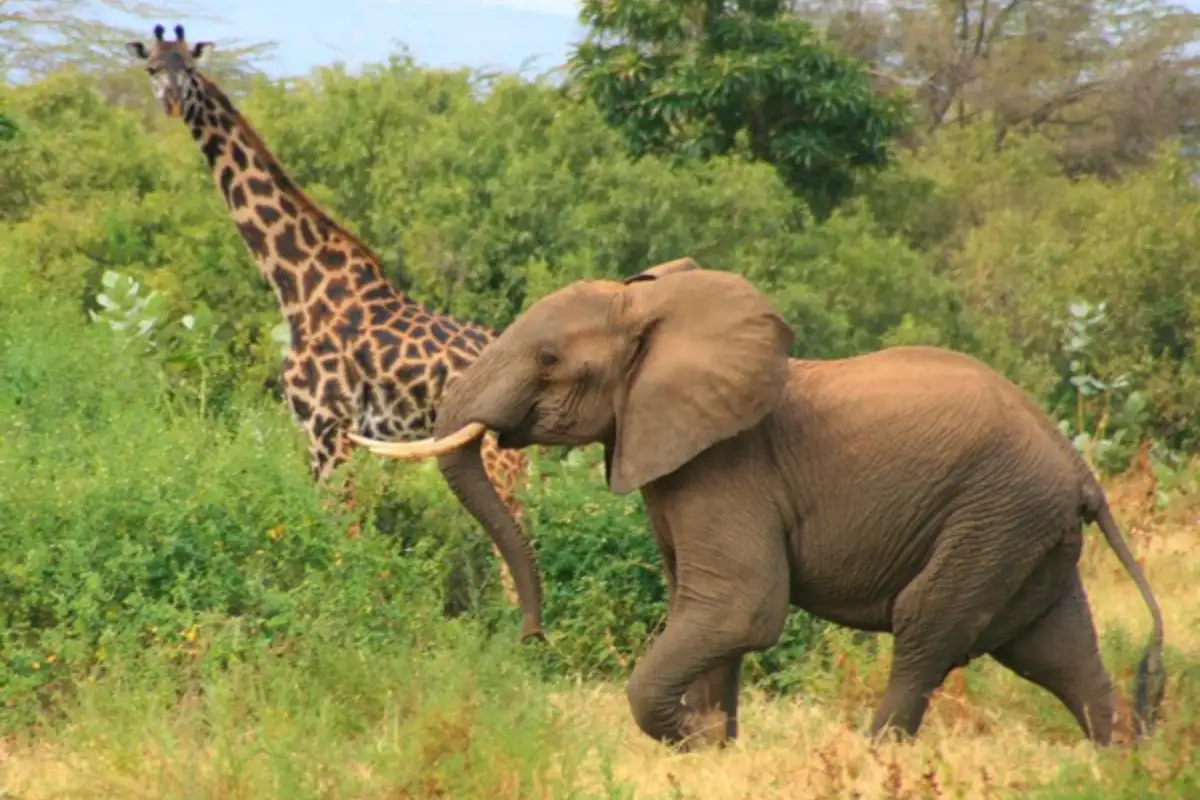
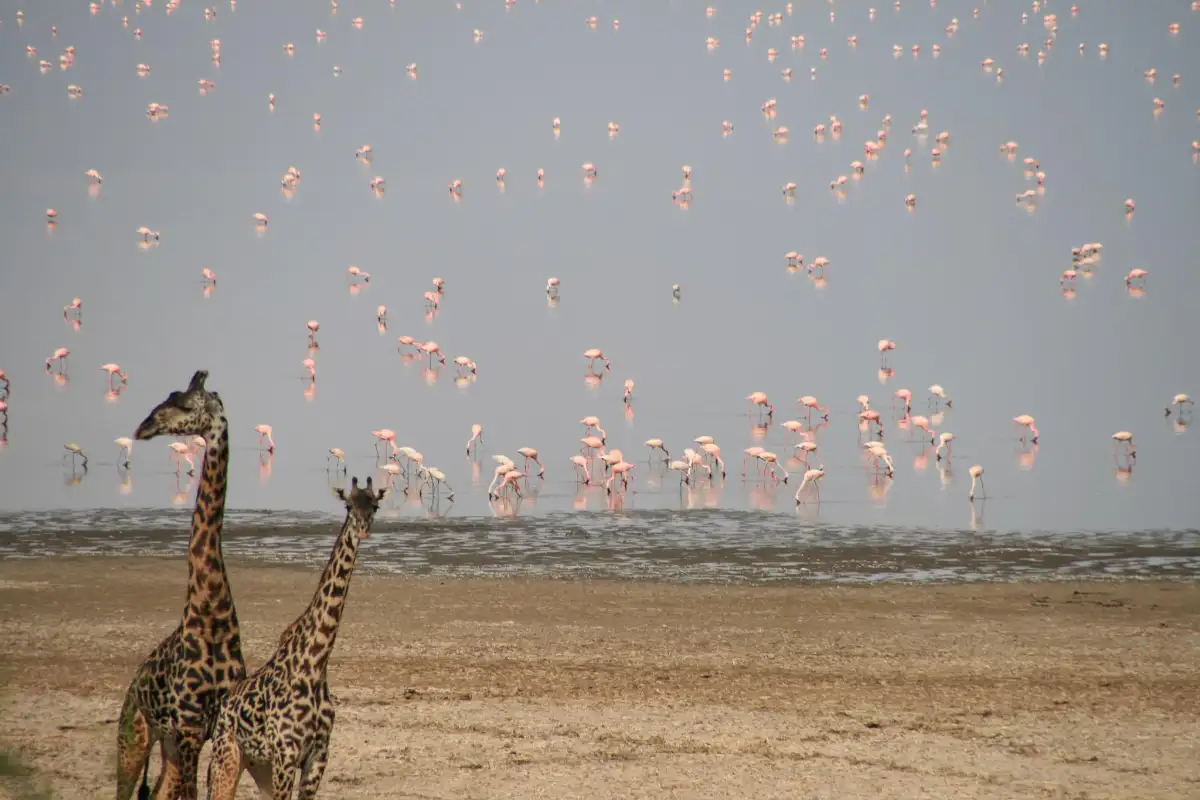
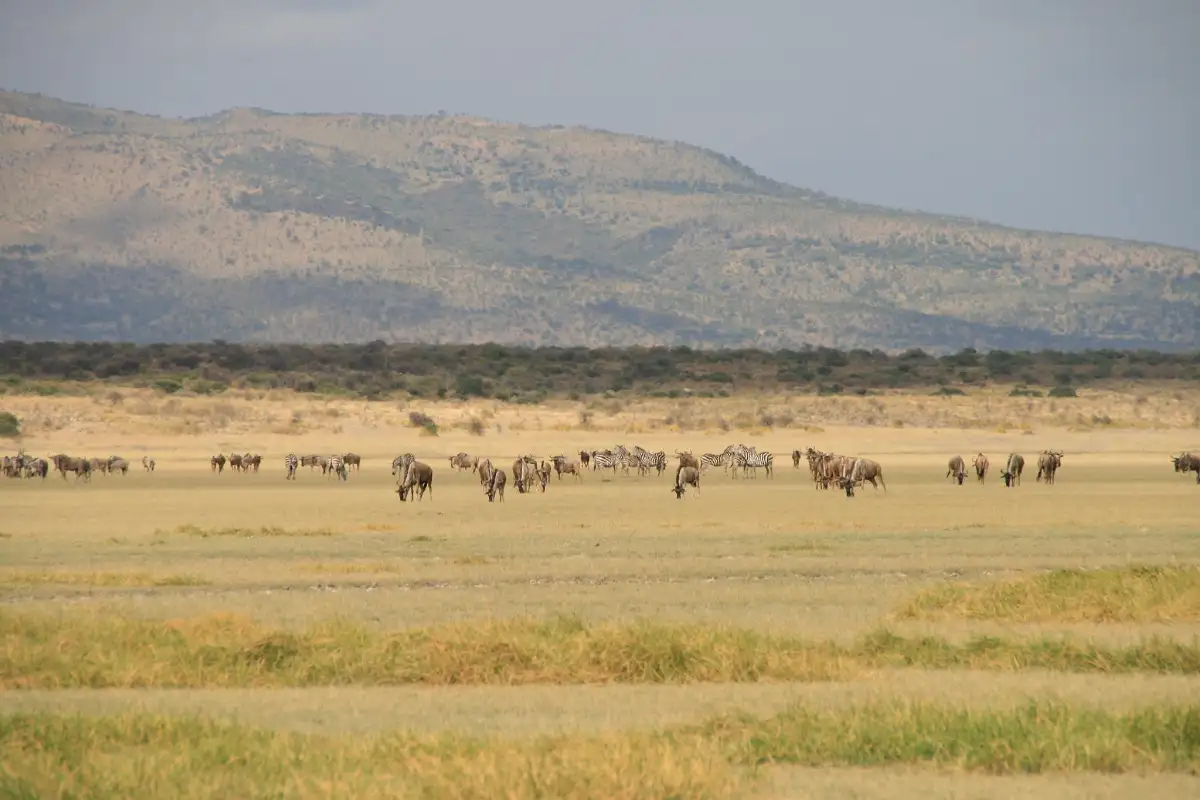
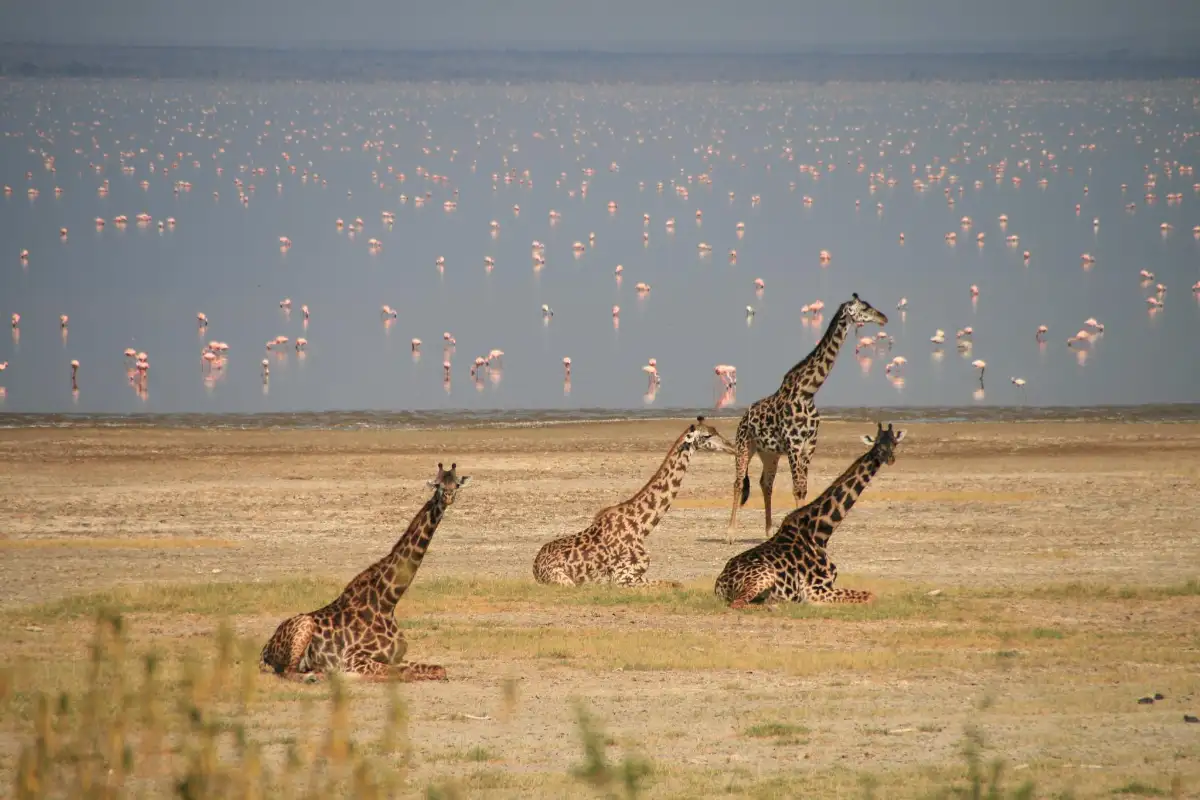
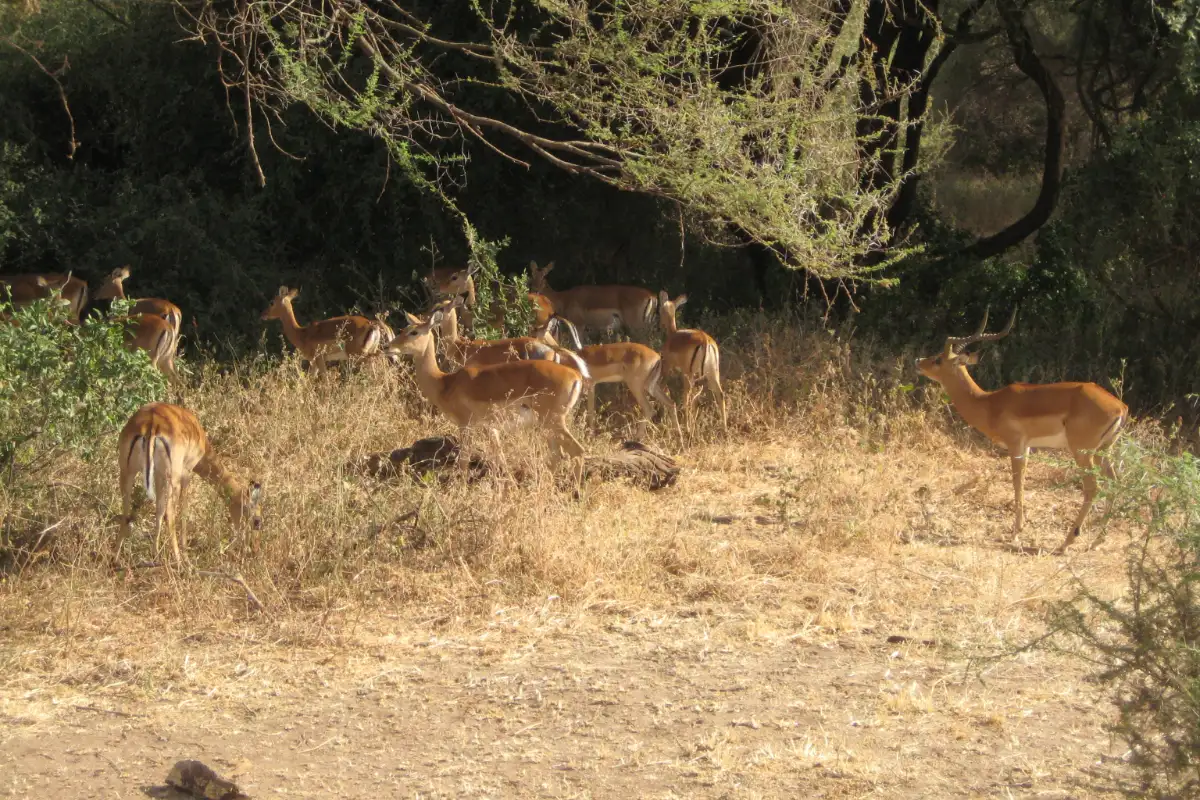
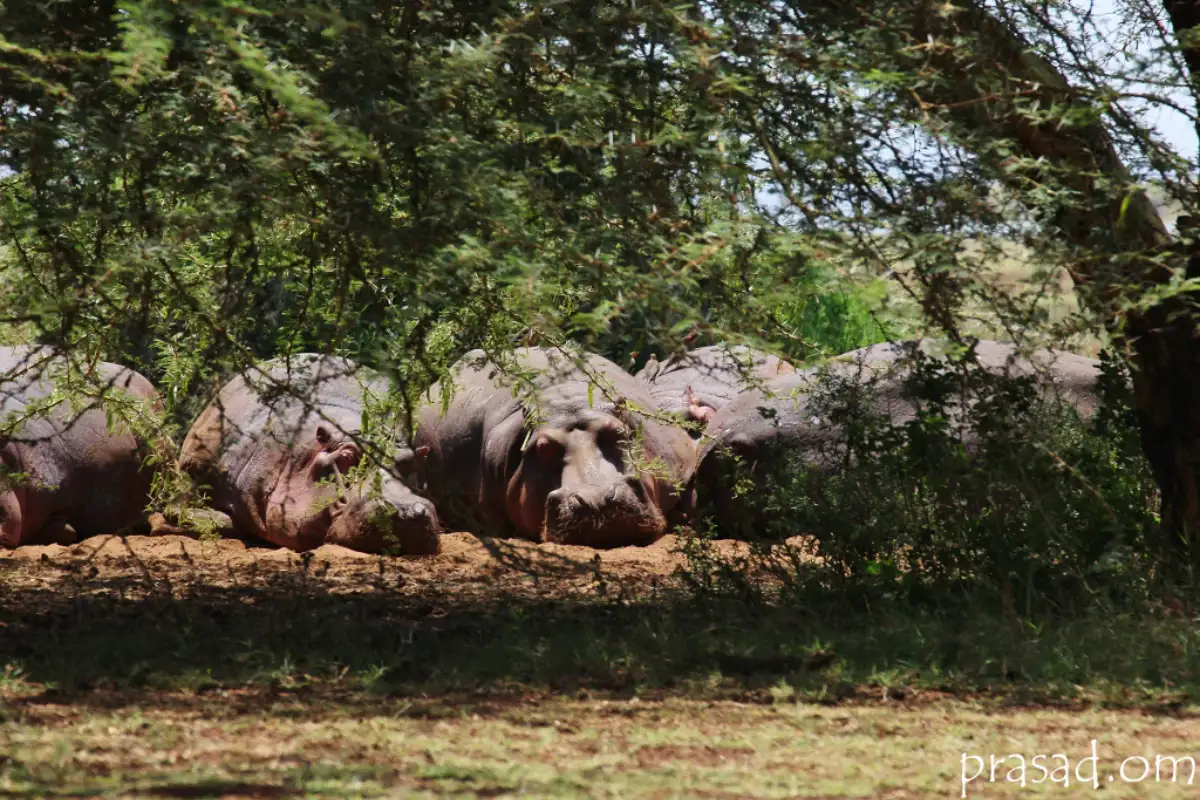
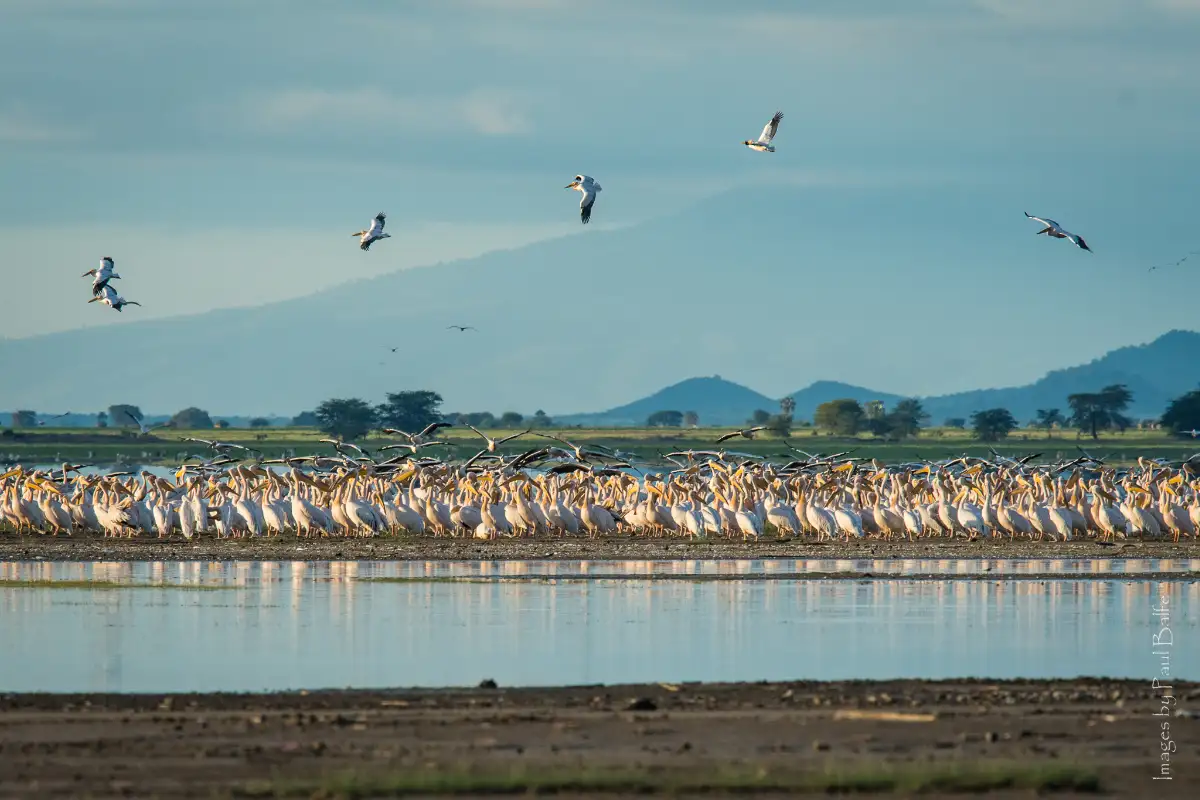
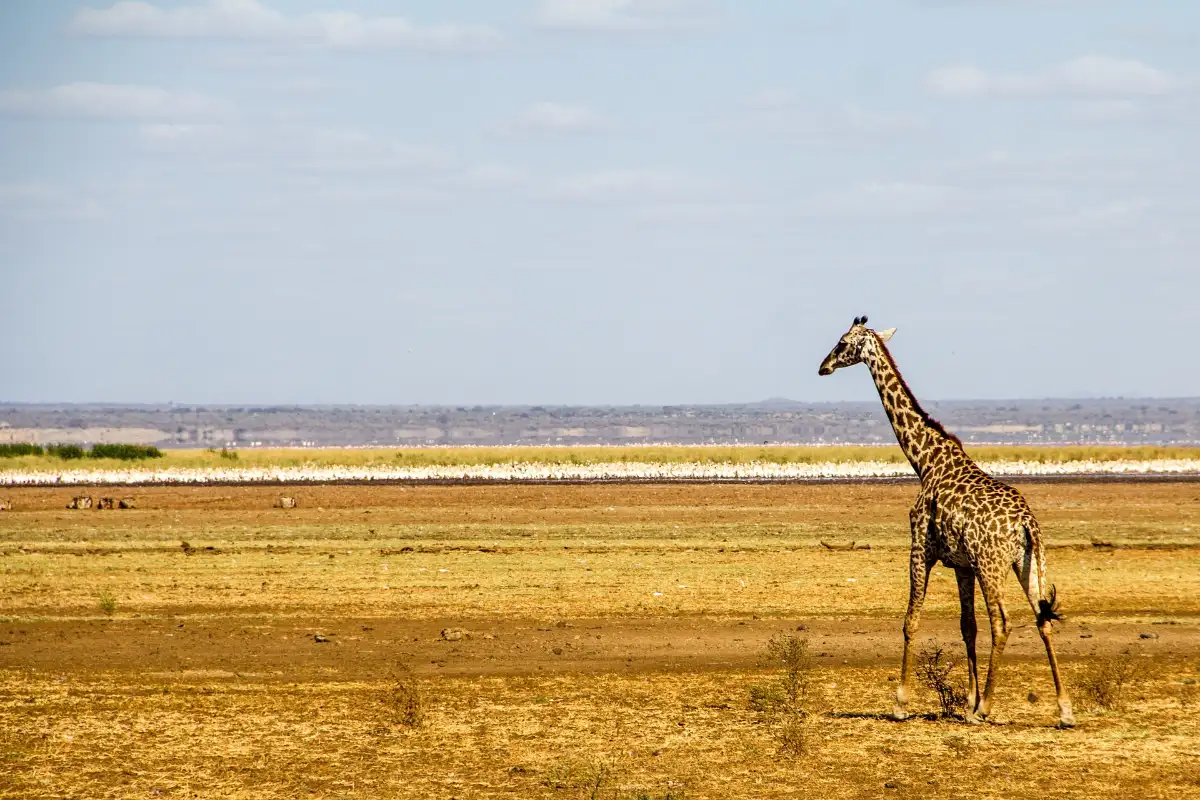
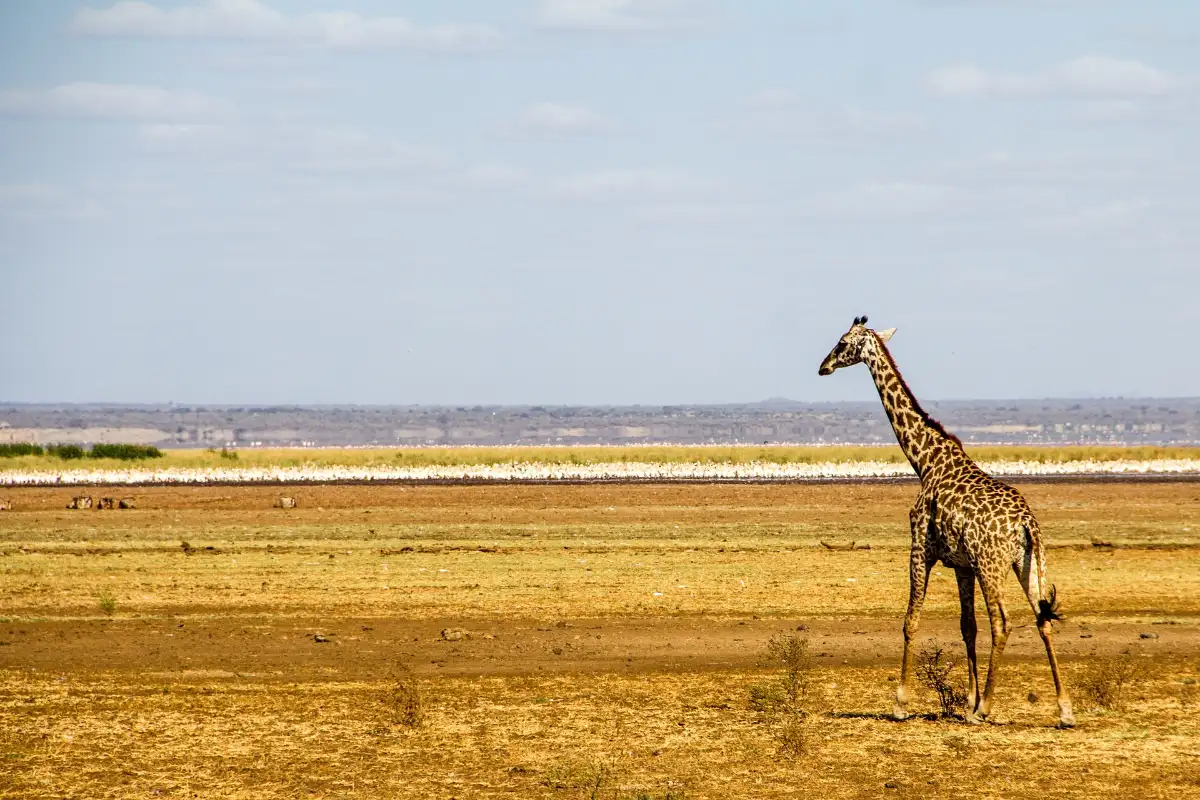
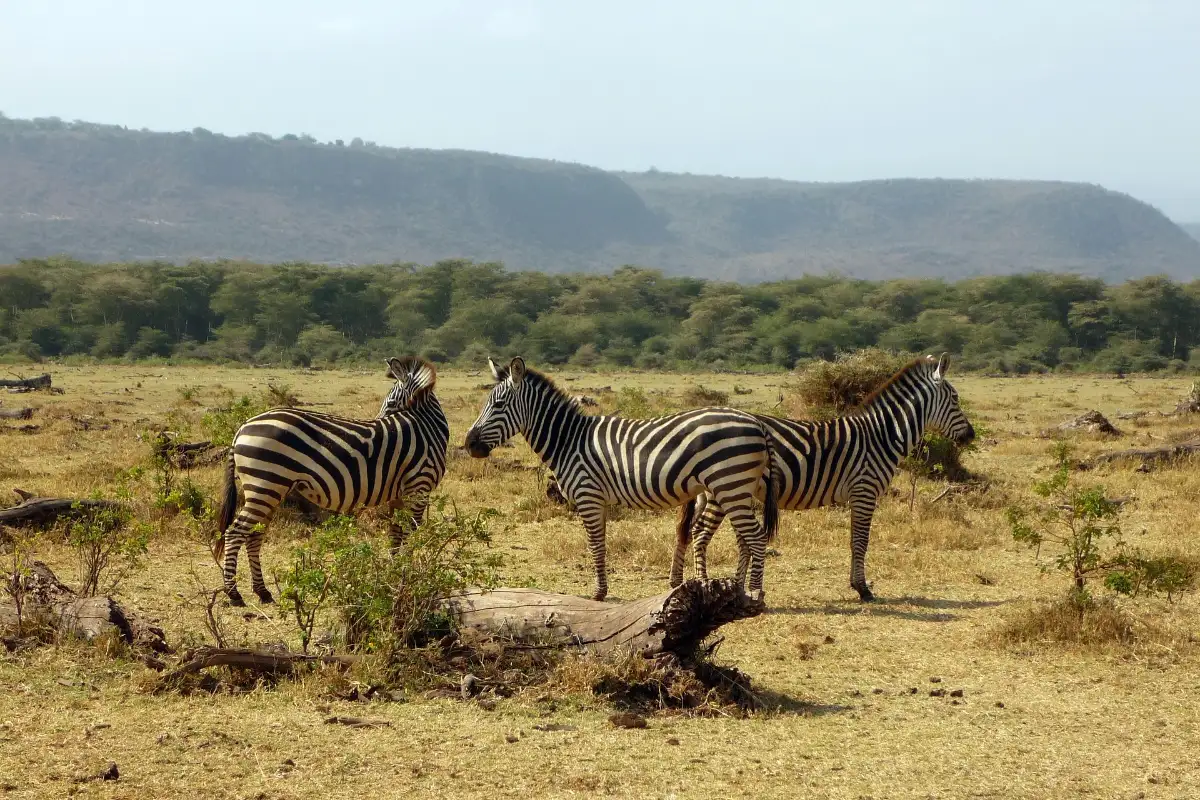
Explore the stunning beauty of Lake Manyara National Park through our curated collection of photographs showcasing its landscapes, wildlife, and natural wonders.
Want to Visit Lake Manyara National Park?
Wildlife & Animals
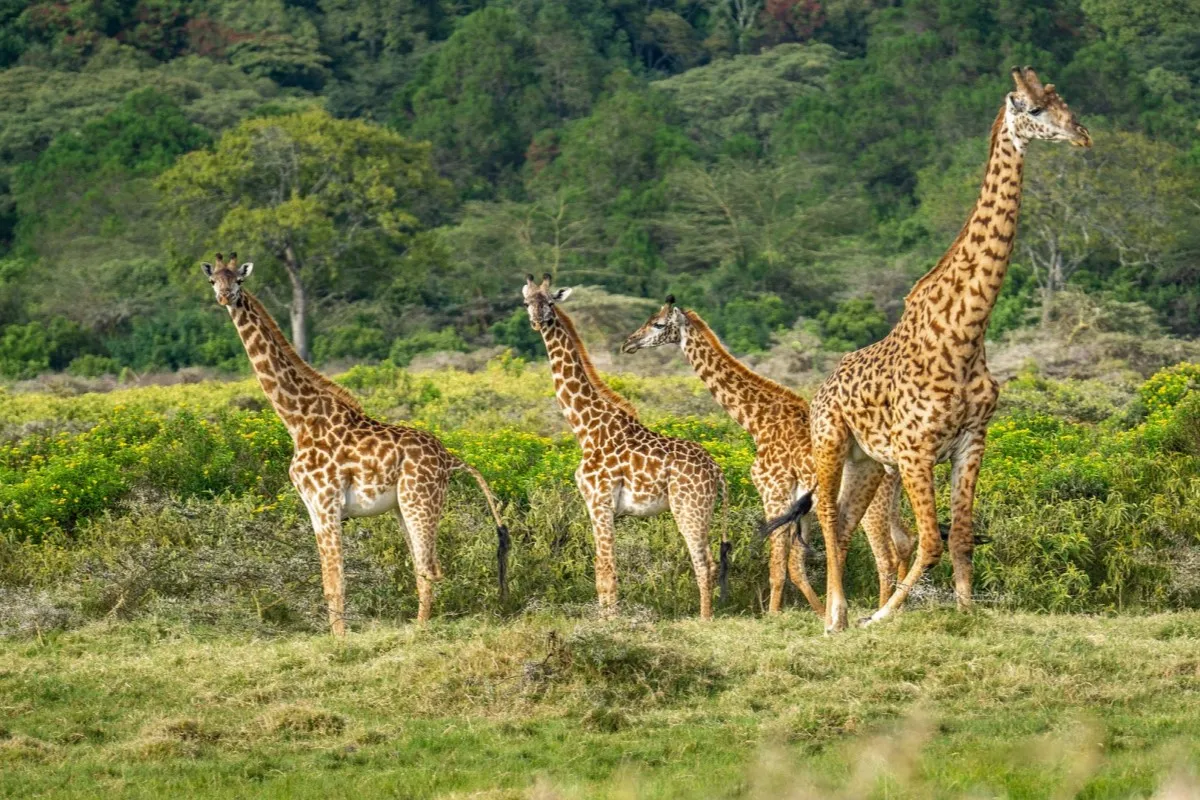
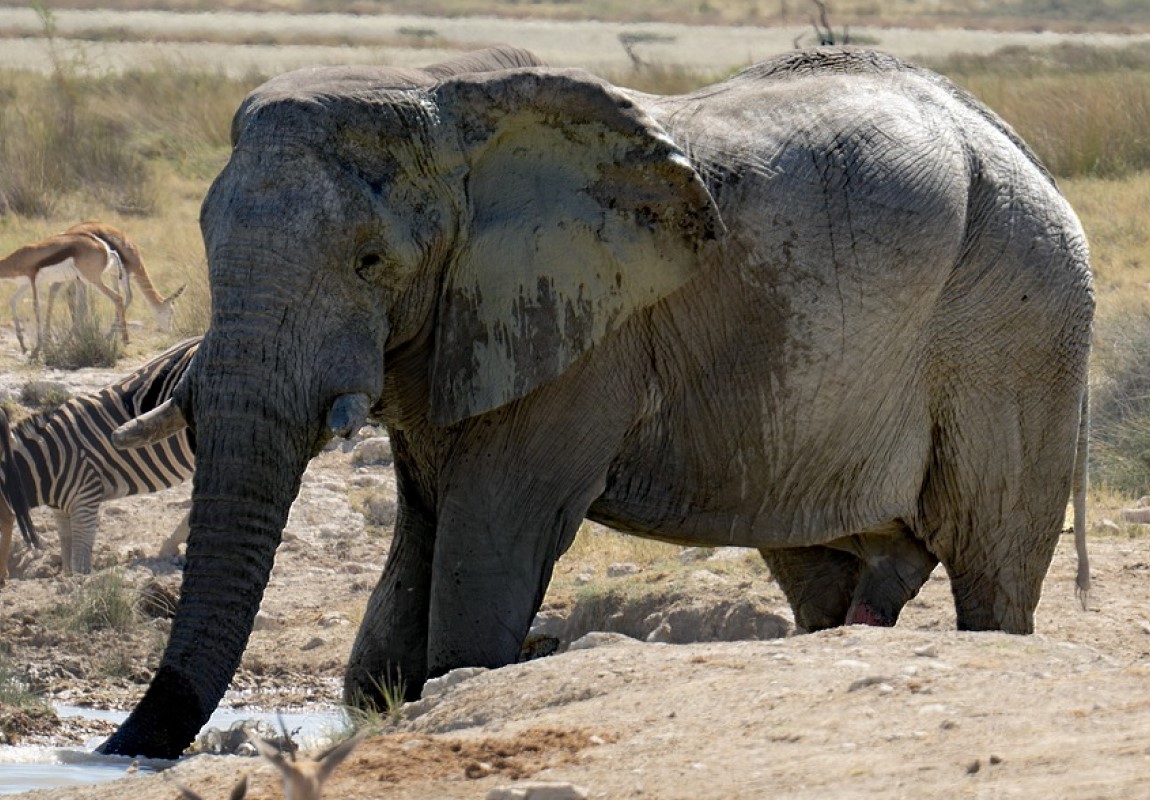
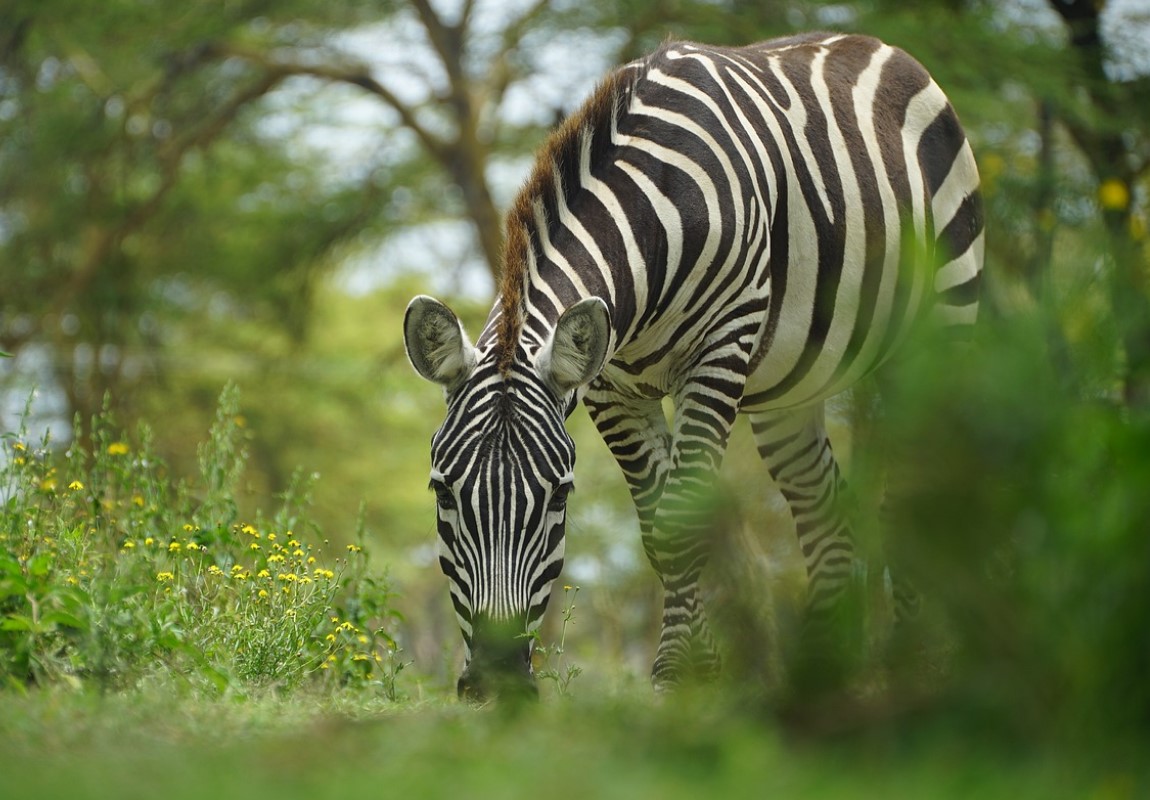
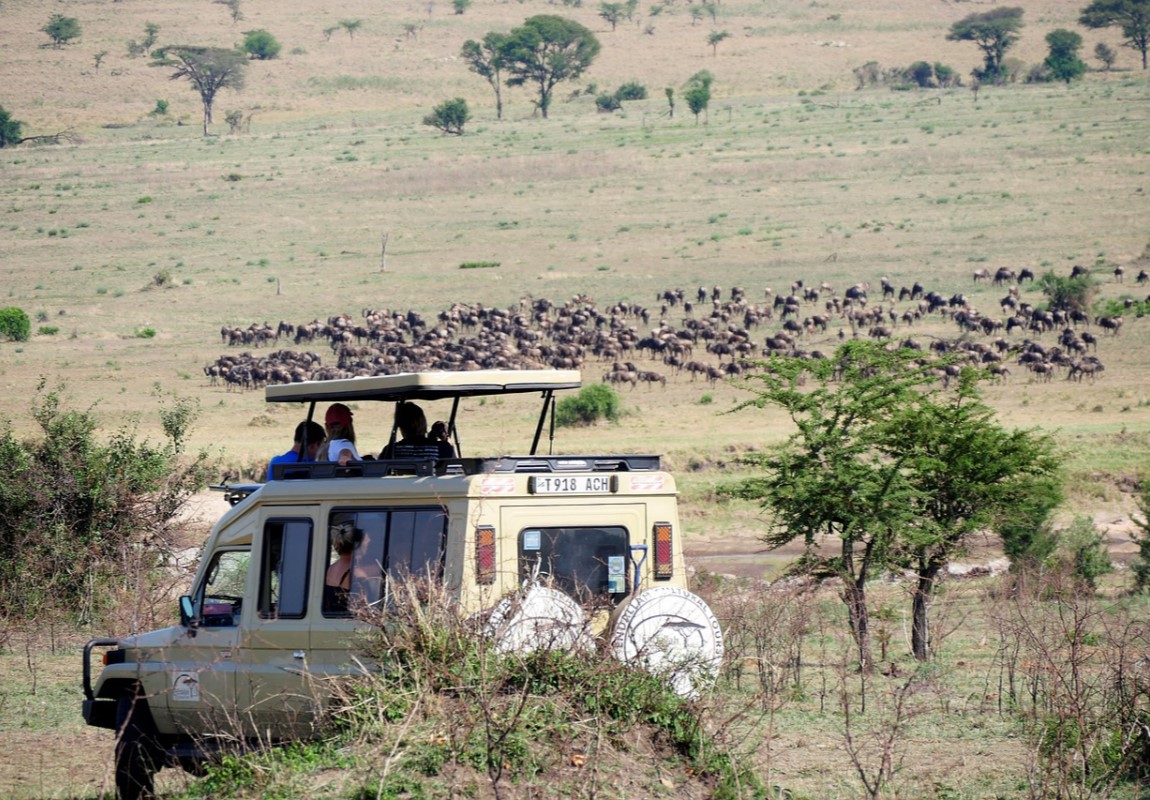
Lake Manyara National Park is well known for its tree-climbing lions, occasional flamingo gatherings, and its variety of different mammals. The park has a huge population of elephants, buffaloes and hippos. Vervets and blue monkeys are frequently seen swinging through the mahogany and sausage trees in the rich swamp woods. The presence of amazing wildebeest herds, gazelles, zebras and giraffes likewise adds variety to the wildlife at the Lake Manyara National park.

Wildlife Highlights
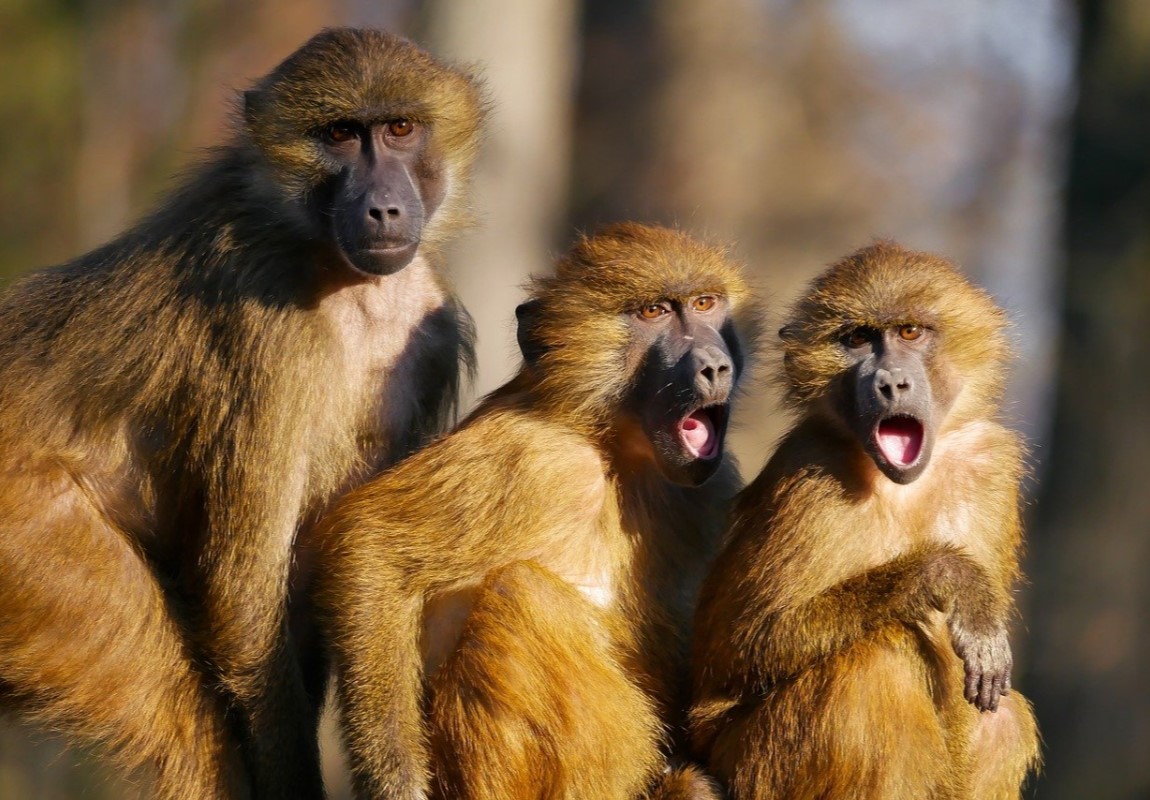
At the point when you hear the alert shout of Olive baboons, you realize that you are within the sight of a leopard. Other predatory species seen in the wilds of Lake Manyara National Park are African wild cats, African civets, bat-eared foxes, black-backed jackals and spotted hyenas. Once in a while, you may likewise go over either a cheetah or an African golden cat.
Best Time for Wildlife Viewing
Wildlife viewing can be done throughout the year in Lake Manyara National Park but the best time to visit is in the dry season from June to October. With the dwindling vegetation around the water sources, it becomes easier to spot the wildlife gathering around them.
Want to Visit Lake Manyara National Park?
Birds
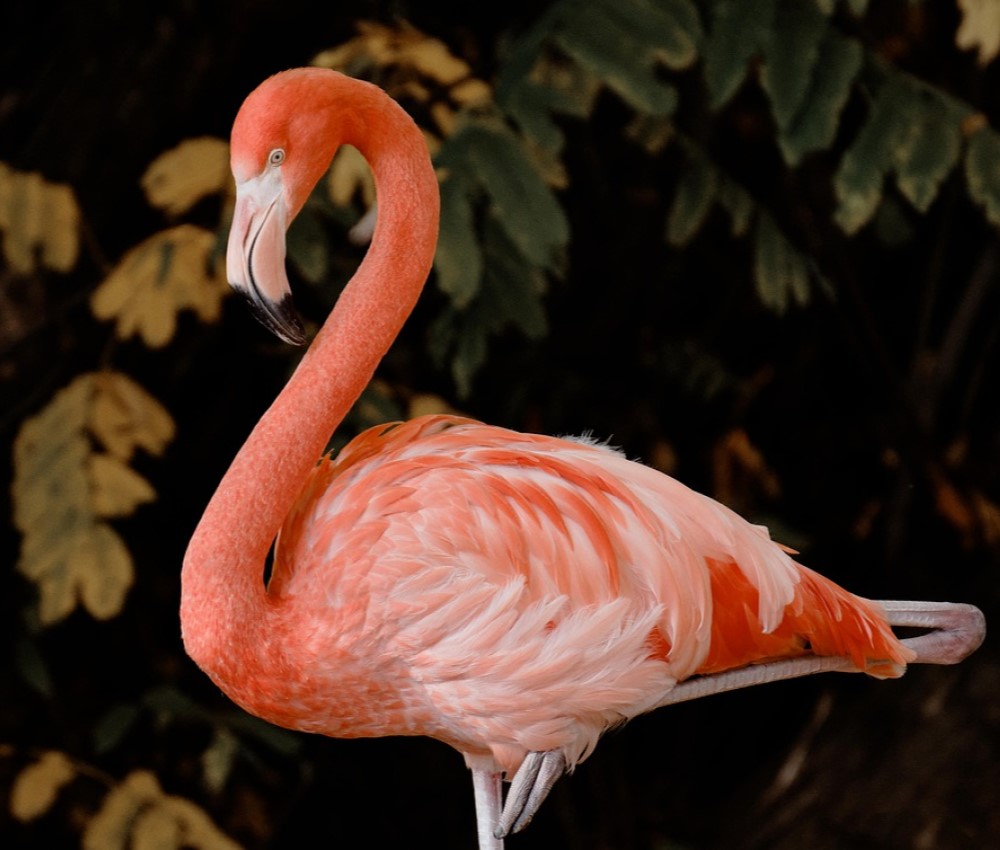
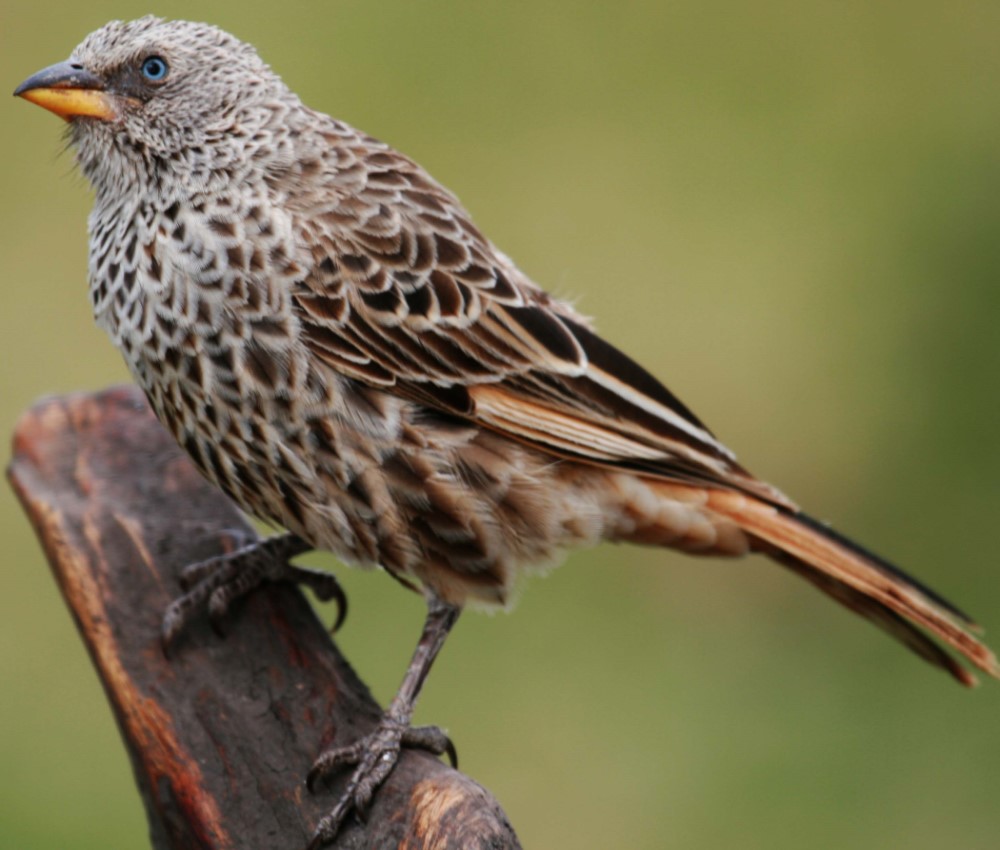
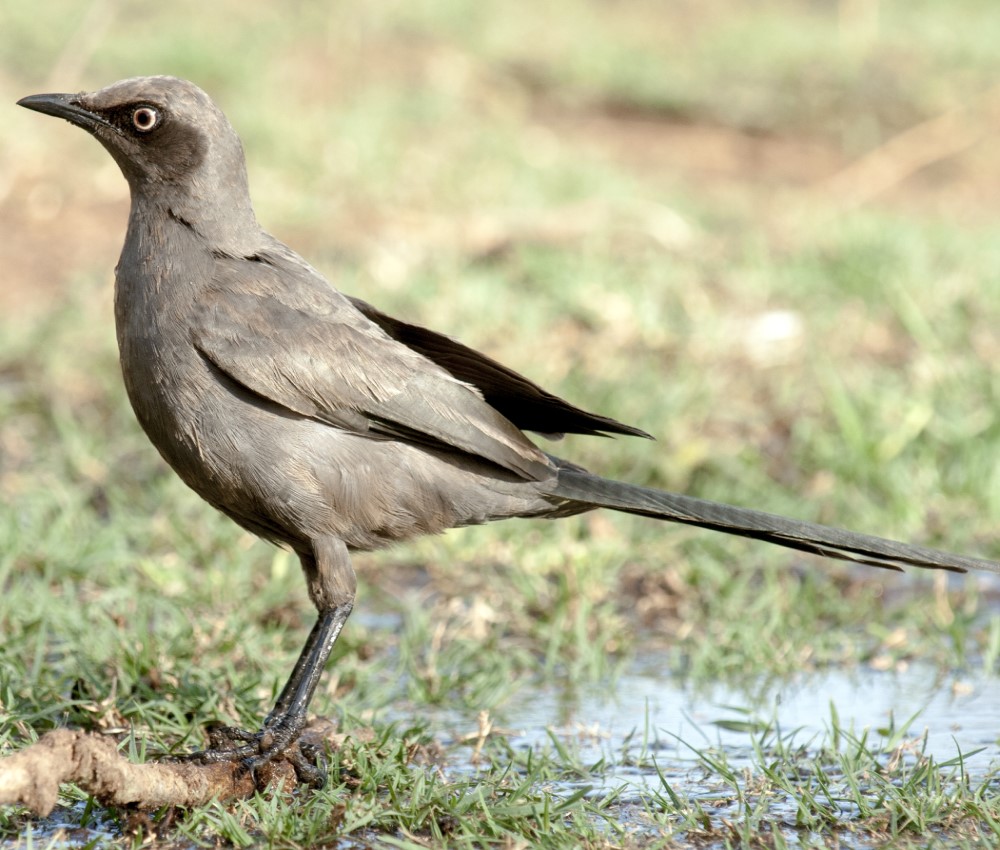
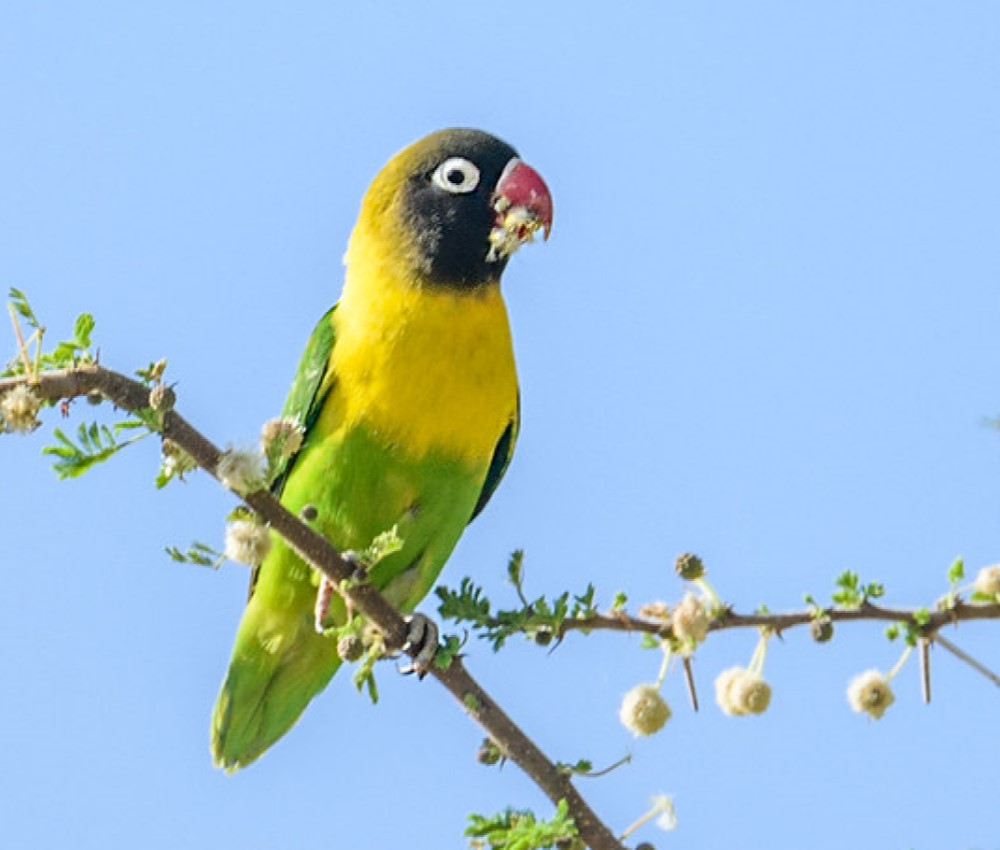
Lake Manyara National Park has more than 390 bird species including Eurasian migrant birds, acacia-related birds, raptors, and 3 endangered Tanzanian species: Rufous-tailed weaver, Ashy starlings and Black-collared Lovebird. Lake Manyara National Park is known for the flocks of thousands of flamingos that feed along the edge of the lake in the wet season. The groundwater forest toward the north of the lake, and generally inside the National Park, is a notable breeding site for a great many Pink-backed pelicans and yellow-billed storks alongside more modest quantities of Marabou stork and grey heron.
Best Time for Birding
Lake Manyara NP can be visited year-round for birding, but at its best from November to April when the migratory birds from Europe and northern Africa are present, and many resident birds are in breeding plumage. This makes it the best time for bird watching. The best time to watch wildlife is during the Dry season, which is from June to October.
Want to Visit Lake Manyara National Park?
Best Time to Visit – Lake Manyara National Park
Wildlife viewing can be done throughout the year in Lake Manyara National Park but the best time to visit is in the dry season from June to October. With the dwindling vegetation around the water sources, it becomes easier to spot the wildlife gathering around them.
June to October (Dry Season)
- Animals are easier to spot in the thinner vegetation
- It rains very little and most days are radiant
- Fewer mosquitoes and less chance of catching malaria
- Humidity is lower, and the heat isn't overwhelming
- Bring warm clothes in June and August as Mornings and nights gets cold
November to May (Wet Season)
- Due to less crowd in this season, Pricing is very less to bring more travellers
- Birding is best as migratory birds are present
- The scenery is beautiful and at its most lush
- Roads become sloppy and difficult to travel
- March to May is the peak of the Wet season
Want to Visit Lake Manyara National Park?
Activities
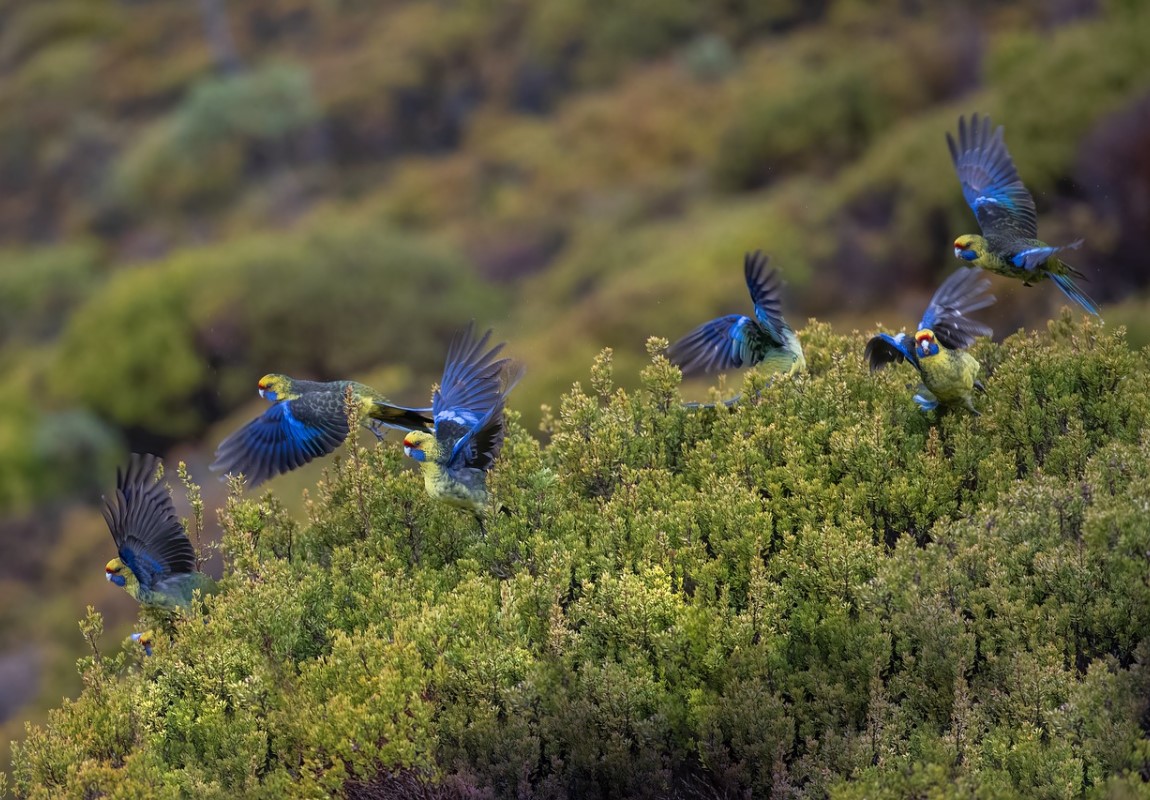
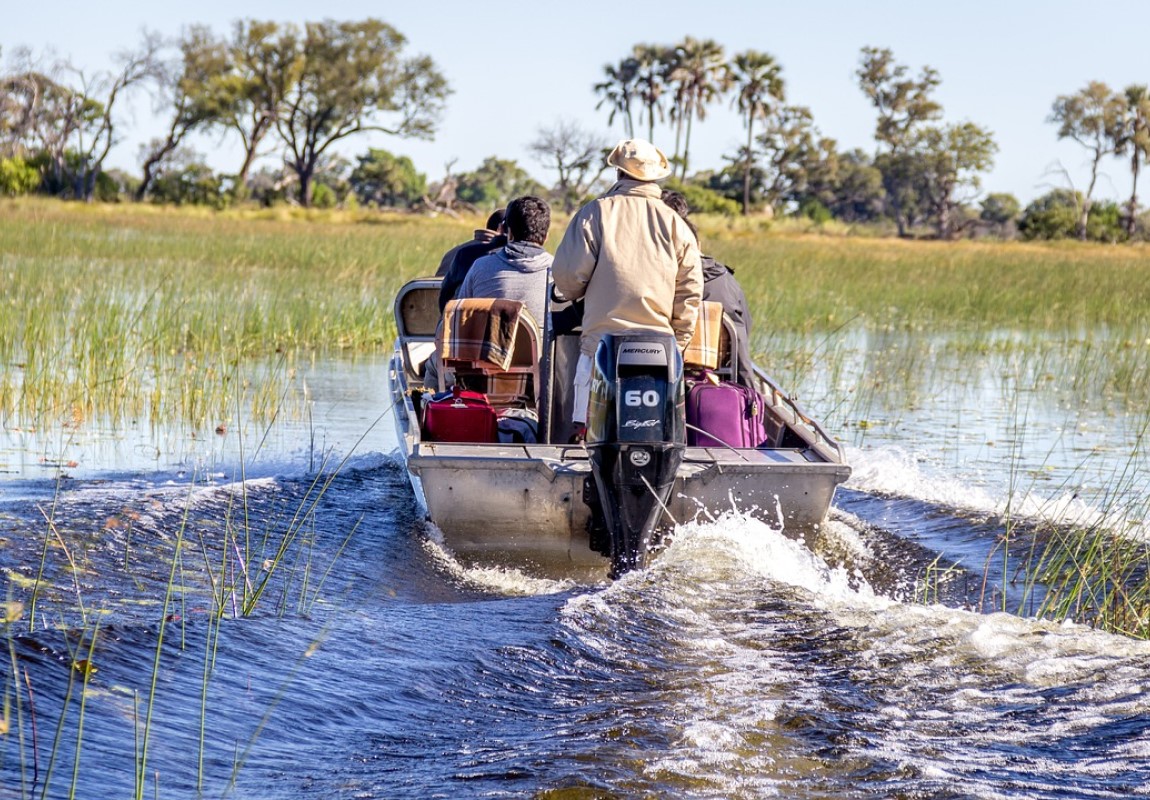
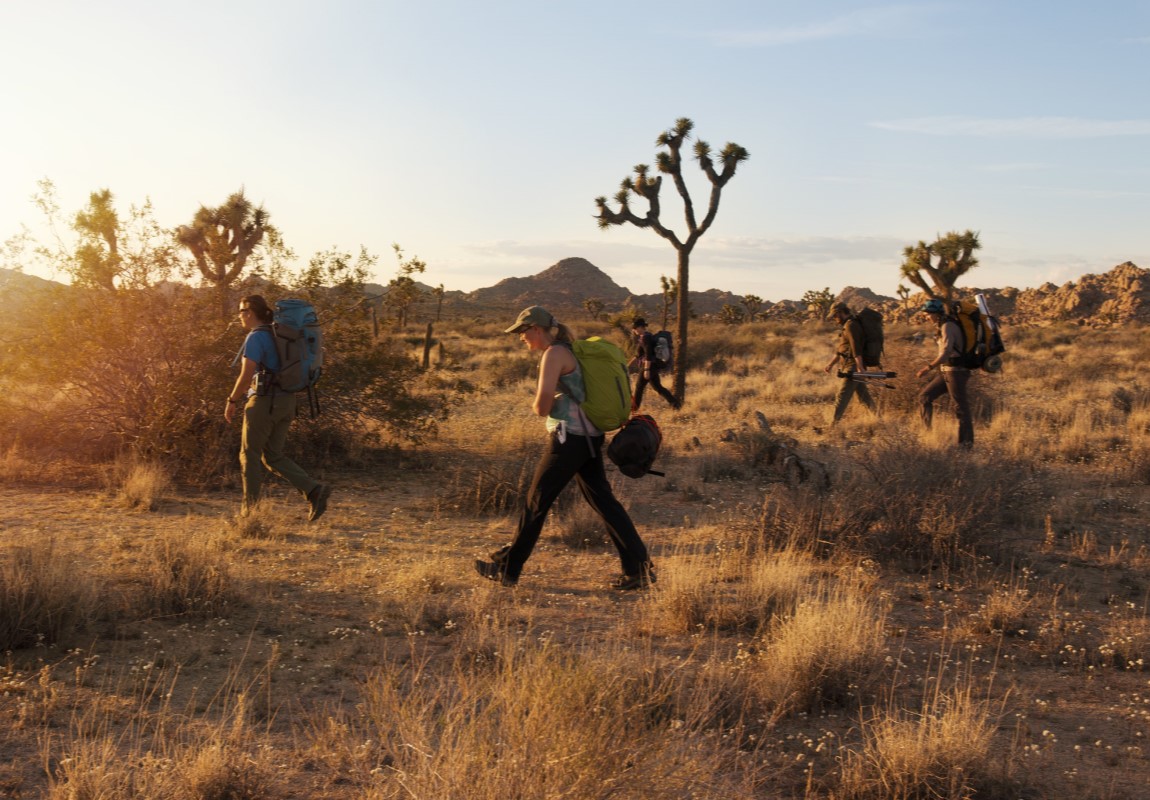
Explore popular activities available in and around Lake Manyara National Park.
Want to Visit Lake Manyara National Park?
No FAQs available for this park yet.
Safari Tours
View all tours