Tsau //Khaeb National Park 
Tsau //Khaeb National Park - Namibia Wildlife Destination
Starting from
$500PP
Overview
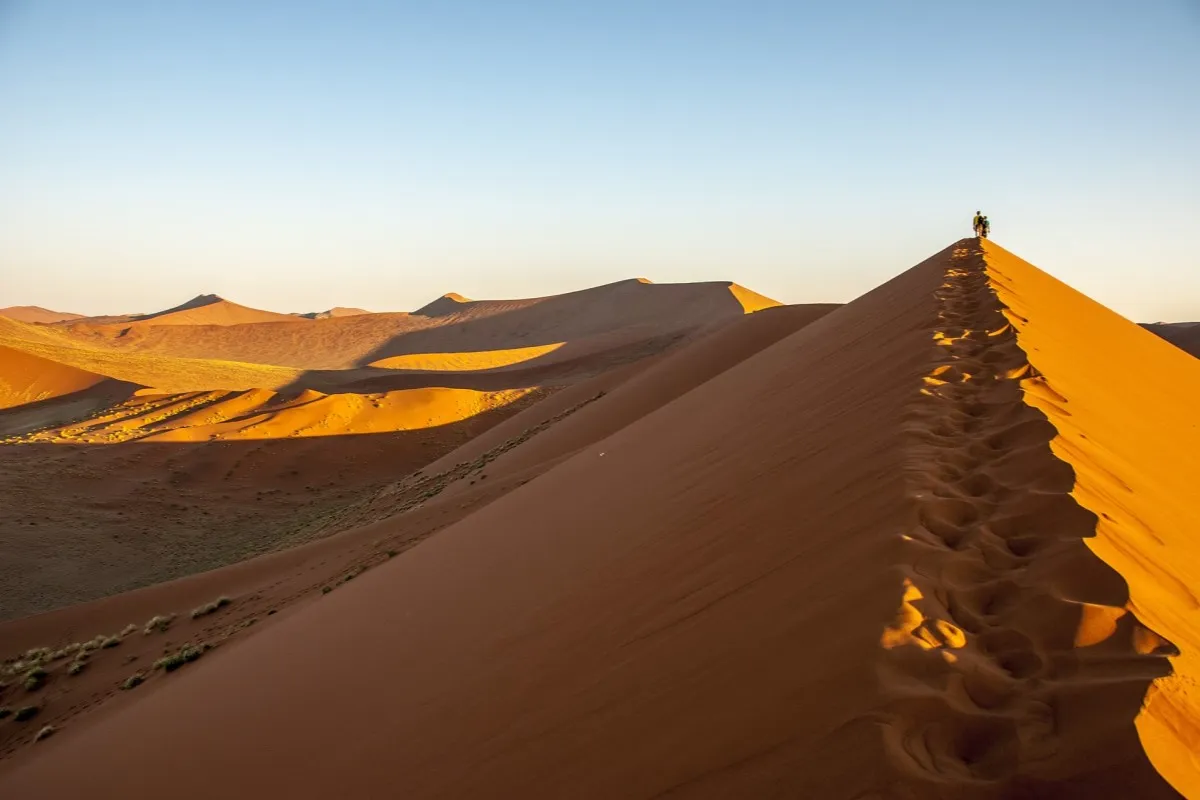
Tsau //Khaeb National Park, formerly known as Sperrgebiet National Park, is one of Namibia’s most extraordinary and least disturbed wilderness areas, stretching along the southern Atlantic coast. Covering vast desert plains, shifting sand dunes, gravel flats, and rugged mountains, the park protects a landscape shaped by wind, fog, and time rather than water. For over a century, the area was closed to the public due to diamond mining, which unintentionally preserved its ecosystems in an almost pristine state. Today, Tsau //Khaeb is globally significant for its desert-adapted life forms, endemic species, and dramatic coastal scenery where the Namib Desert meets the Atlantic Ocean. The park offers a rare sense of isolation and raw beauty, making it a destination for travelers seeking remote desert exploration, geological wonders, and one of Africa’s most untouched protected areas.
Pros & Cons
- One of Africa’s most pristine and untouched desert landscapes
- Unique desert-meets-ocean scenery
- High levels of endemism and desert-adapted species
- Exceptional geological and photographic value
- Very low visitor numbers and true wilderness experience
- Limited wildlife density compared to savanna parks
- Restricted access areas require permits or guided visits
- Harsh desert conditions with limited facilities
- Not suitable for classic Big Five safaris
Map in Namibia

Want to Visit Tsau //Khaeb National Park?


Want to Visit Tsau //Khaeb National Park?
Wildlife & Animals
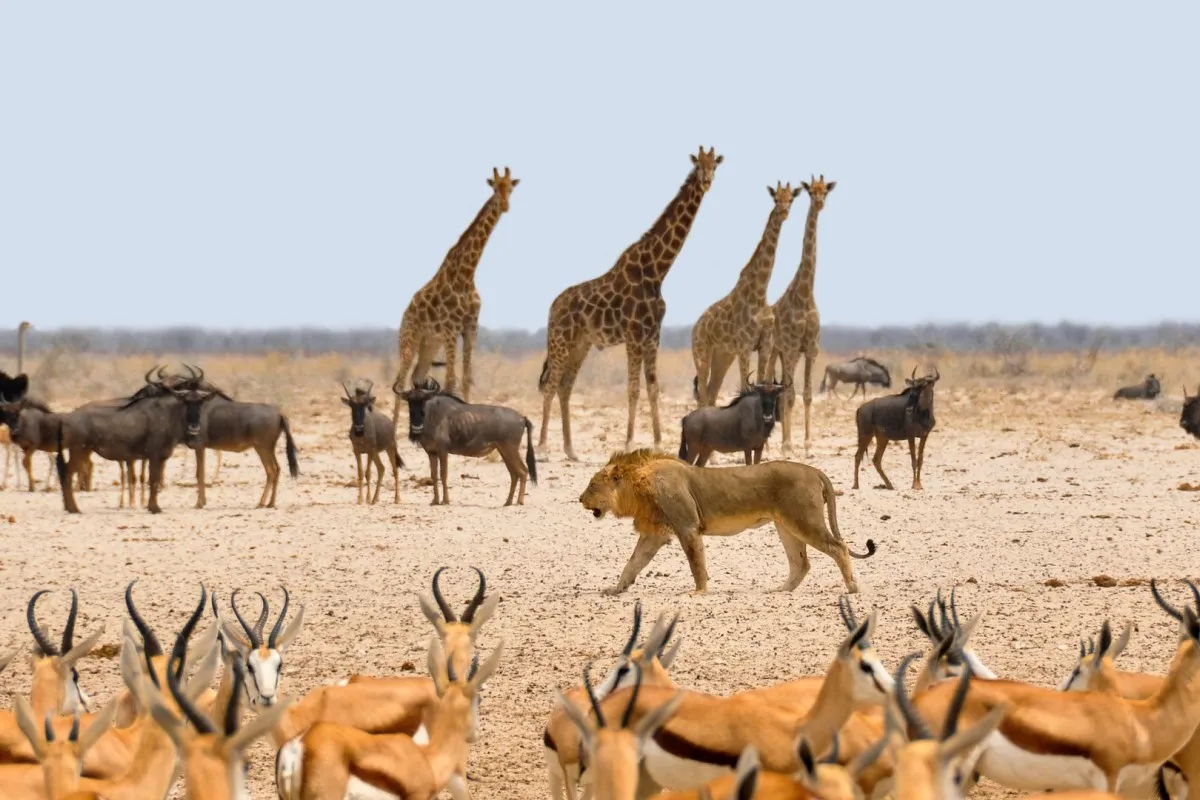
Wildlife in Tsau //Khaeb National Park is subtle, specialized, and perfectly adapted to extreme desert conditions. Rather than large concentrations of animals, the park is renowned for its hardy desert-adapted species that survive with minimal water, relying on coastal fog and sparse vegetation. Mammals such as oryx, springbok, and brown hyena have adapted remarkable survival strategies, ranging from long-distance movement to nocturnal behavior. Smaller mammals, reptiles, and invertebrates form the backbone of the ecosystem. Many species are endemic to the Namib Desert, making the park biologically significant despite its low visible wildlife density. Observing wildlife here requires patience and an appreciation for desert ecology, where every track, burrow, or fleeting movement tells a story of survival.






Wildlife Highlights
A key wildlife highlight of Tsau //Khaeb National Park is the presence of desert-adapted brown hyenas that patrol long stretches of coastline, feeding on marine carcasses and demonstrating the unique land-sea ecological link of the region. Oryx and springbok are occasionally seen moving across gravel plains, often silhouetted against vast dune systems. Another major highlight is the incredible diversity of reptiles and endemic invertebrates, many of which are found nowhere else on Earth. These species play a crucial role in the desert food web and make Tsau //Khaeb a hotspot for scientific research and conservation interest.
Best Time for Wildlife Viewing
Wildlife viewing in Tsau //Khaeb National Park is best during the cooler months from May to September, when animals are more active during daylight hours and extreme heat is reduced. Coastal fog during this period provides moisture that attracts wildlife and supports desert vegetation. Early mornings and late afternoons offer the best chances of spotting mammals and observing tracks in the sand, while guided excursions increase the likelihood of meaningful wildlife encounters.
Want to Visit Tsau //Khaeb National Park?
Birds
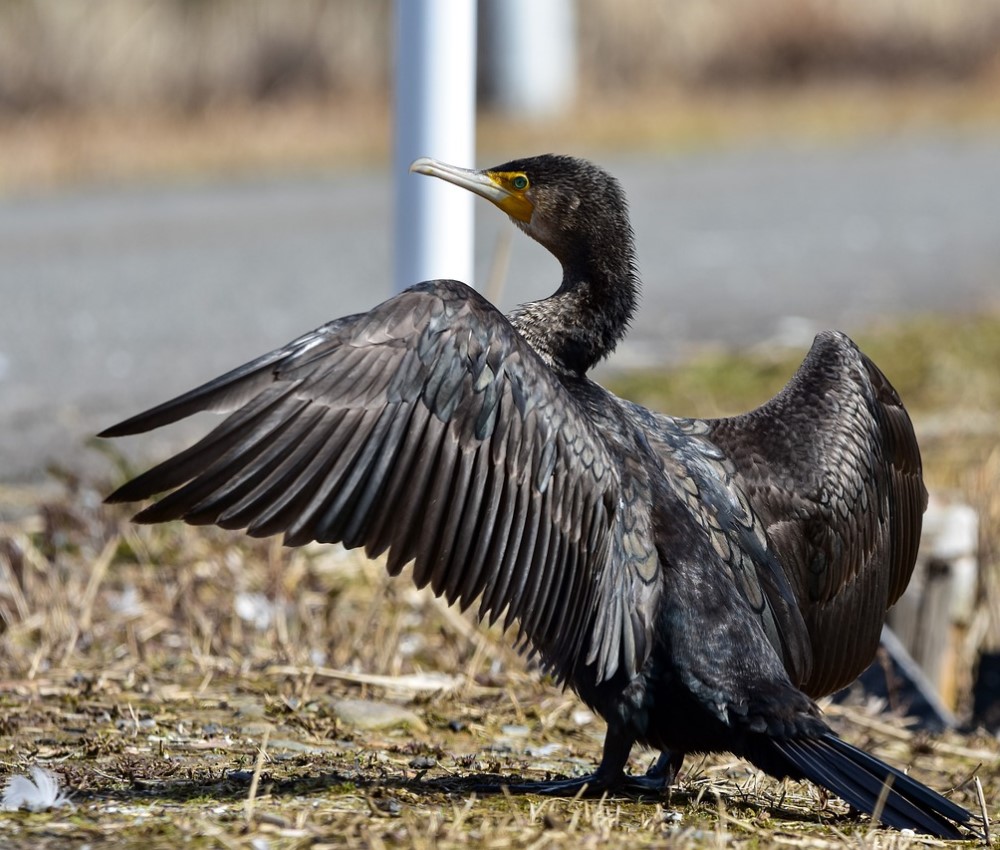
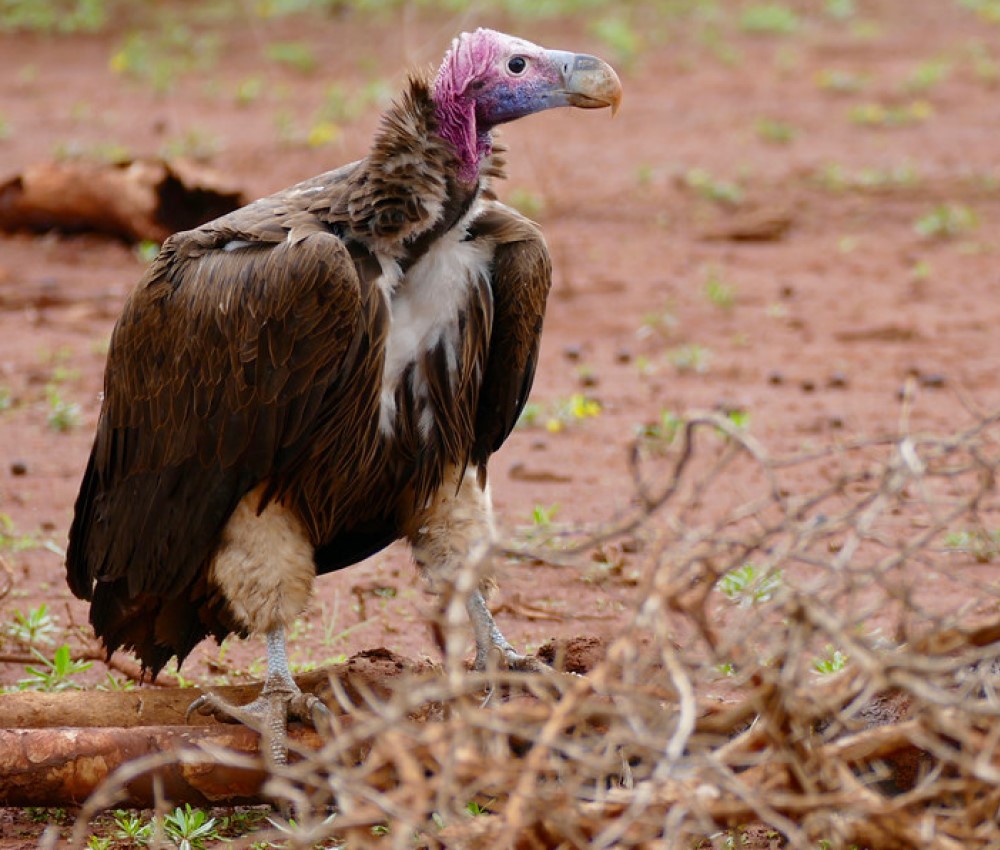
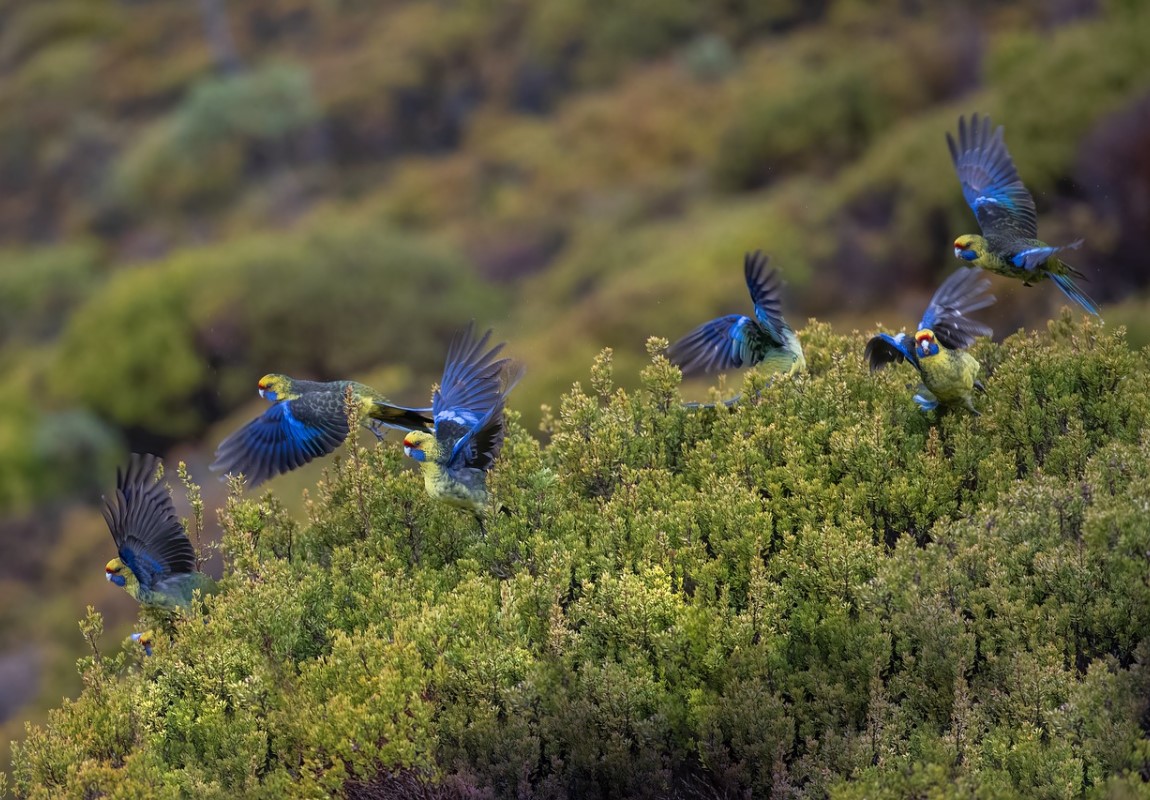
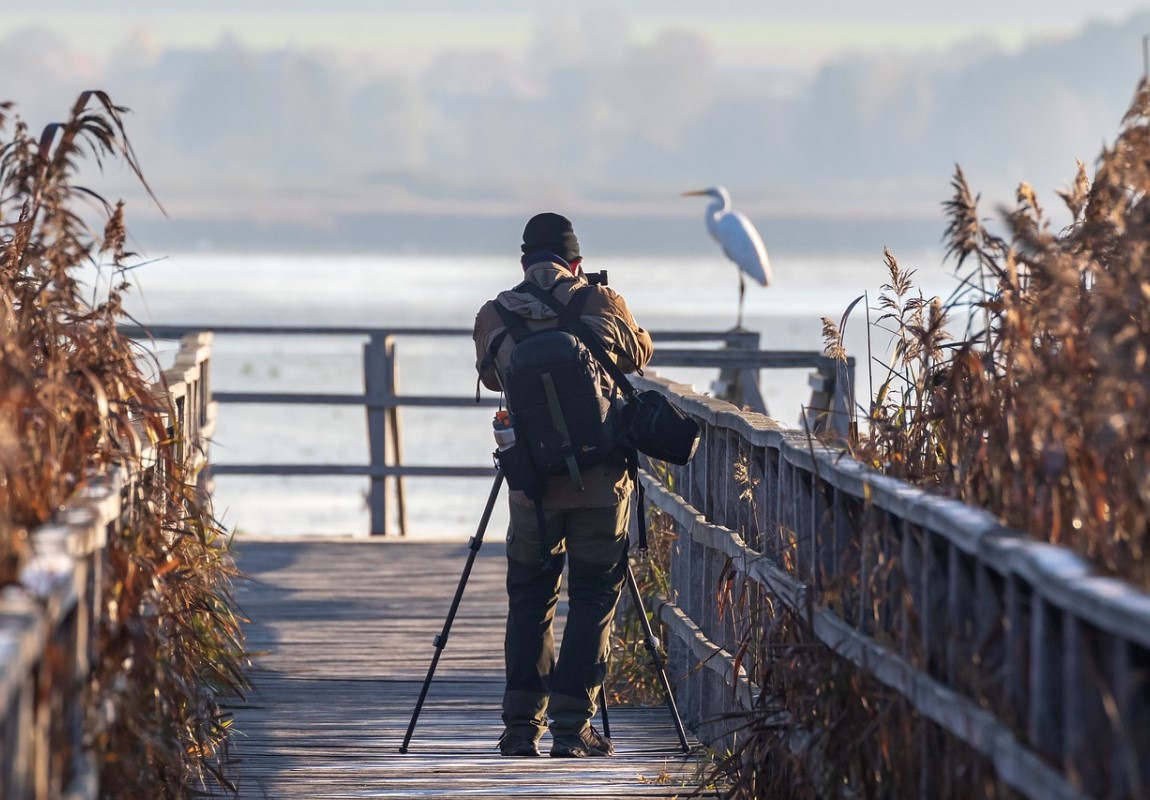
Despite its harsh environment, Tsau //Khaeb National Park supports a fascinating range of birdlife, particularly along the coastline and in areas influenced by fog and seasonal wetlands. The Atlantic shoreline attracts seabirds, cormorants, and gulls, while inland gravel plains and desert slopes are home to specially adapted resident species. Birding in the park is defined by quality rather than quantity, with opportunities to observe desert specialists and coastal species in an unspoiled setting. The contrast between barren desert and vibrant bird activity near the ocean creates a unique birdwatching experience.


Best Time for Birding
November to March is the prime period for birdwatching in Tsau //Khaeb National Park, as migratory species arrive along the Atlantic coastline and inland desert habitats. During these warmer months, increased insect activity and seasonal moisture attract both resident and migratory birds, making sightings more frequent and diverse. Coastal fog and temporary wetlands support seabirds, waders, and raptors, while breeding activity among resident species results in heightened vocalization and display behavior, offering rewarding opportunities for bird enthusiasts.
Want to Visit Tsau //Khaeb National Park?
Best Time to Visit – Tsau //Khaeb National Park
Wildlife viewing in Tsau //Khaeb National Park is best during the cooler months from May to September, when animals are more active during daylight hours and extreme heat is reduced. Coastal fog during this period provides moisture that attracts wildlife and supports desert vegetation. Early mornings and late afternoons offer the best chances of spotting mammals and observing tracks in the sand, while guided excursions increase the likelihood of meaningful wildlife encounters.
May to October (Dry Season)
- Cooler daytime temperatures
- Excellent visibility for landscapes
- Comfortable conditions for exploration
- Stable weather patterns
- Very dry conditions
- Limited surface water
November to April (Wet Season)
- Increased bird activity
- Striking desert contrasts
- Coastal fog enhances scenery
- High temperatures inland
- Challenging travel conditions in extreme heat
Want to Visit Tsau //Khaeb National Park?
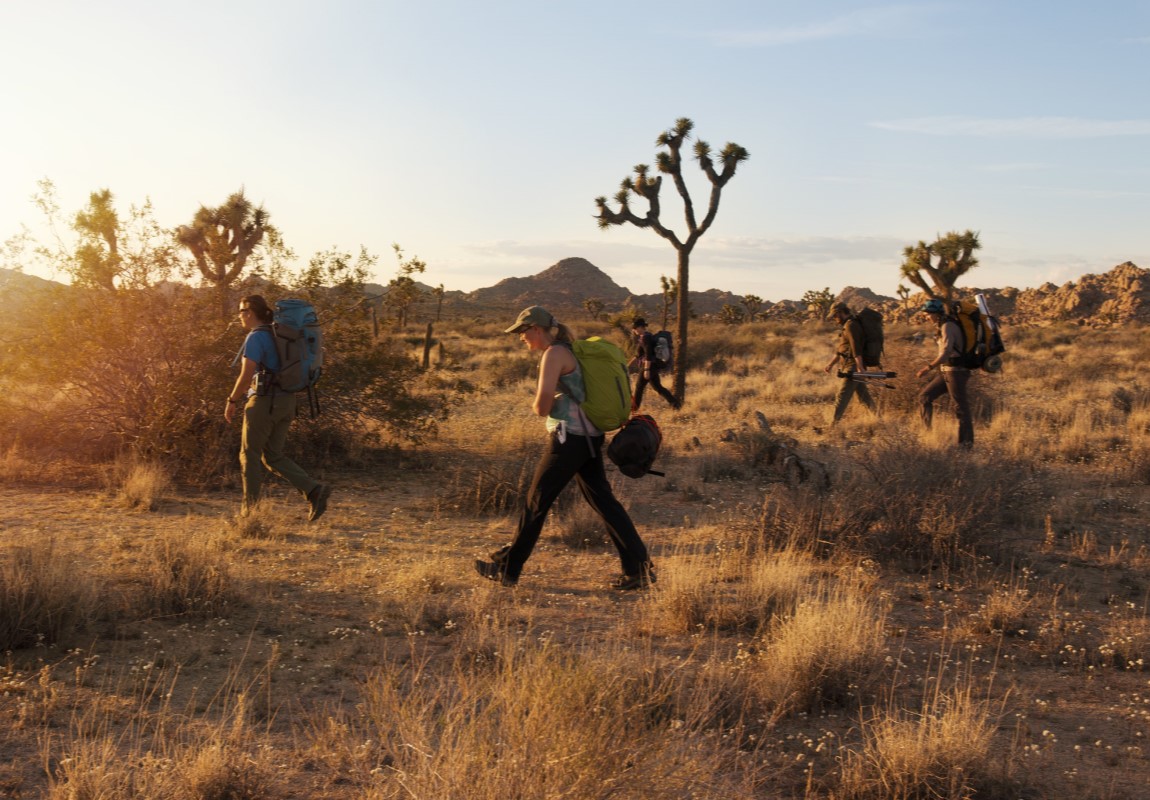
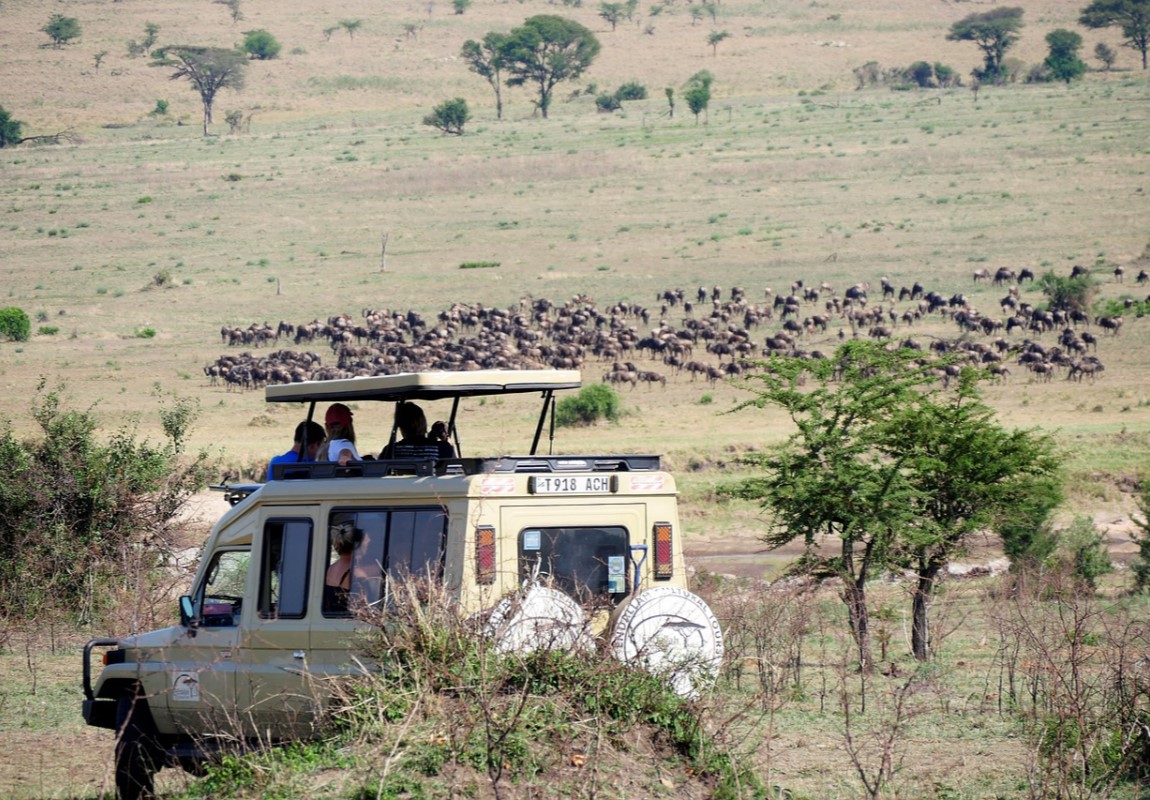
Activities
Explore popular activities available in and around Tsau //Khaeb National Park.


Want to Visit Tsau //Khaeb National Park?
No FAQs available for this park yet.