Timbavati Game Reserve 
Timbavati Game Reserve - South Africa Wildlife Destination
Starting from
$500PP
Overview
Timbavati Game Reserve is a vast and ecologically important private reserve located on the western boundary of Kruger National Park in South Africa. Covering more than 50,000 hectares, Timbavati forms part of the Greater Kruger ecosystem and is unfenced from the national park, allowing wildlife to move freely across an expansive wilderness. The reserve is internationally famous as the birthplace of the legendary white lions, a naturally occurring genetic rarity. Its diverse habitats include open savanna, dense mopane woodland, seasonal rivers, and granite outcrops, supporting excellent year-round wildlife viewing and authentic safari experiences.
Pros & Cons
- Part of the Greater Kruger ecosystem
- Excellent Big Five sightings
- Famous white lion lineage
- Lower vehicle density than busier reserves
- Sightings can be less predictable than smaller reserves
- Larger area requires more tracking time
Map in South Africa

Want to Visit Timbavati Game Reserve?


Want to Visit Timbavati Game Reserve?
Wildlife & Animals
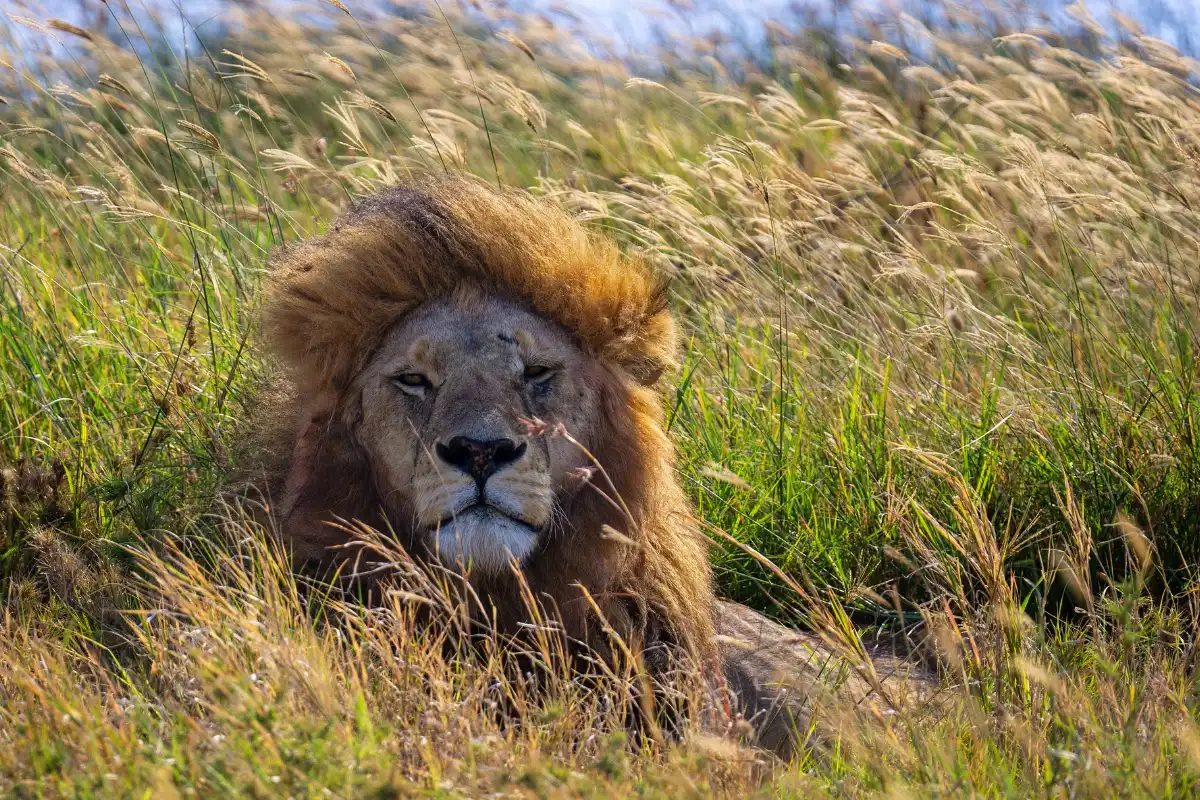
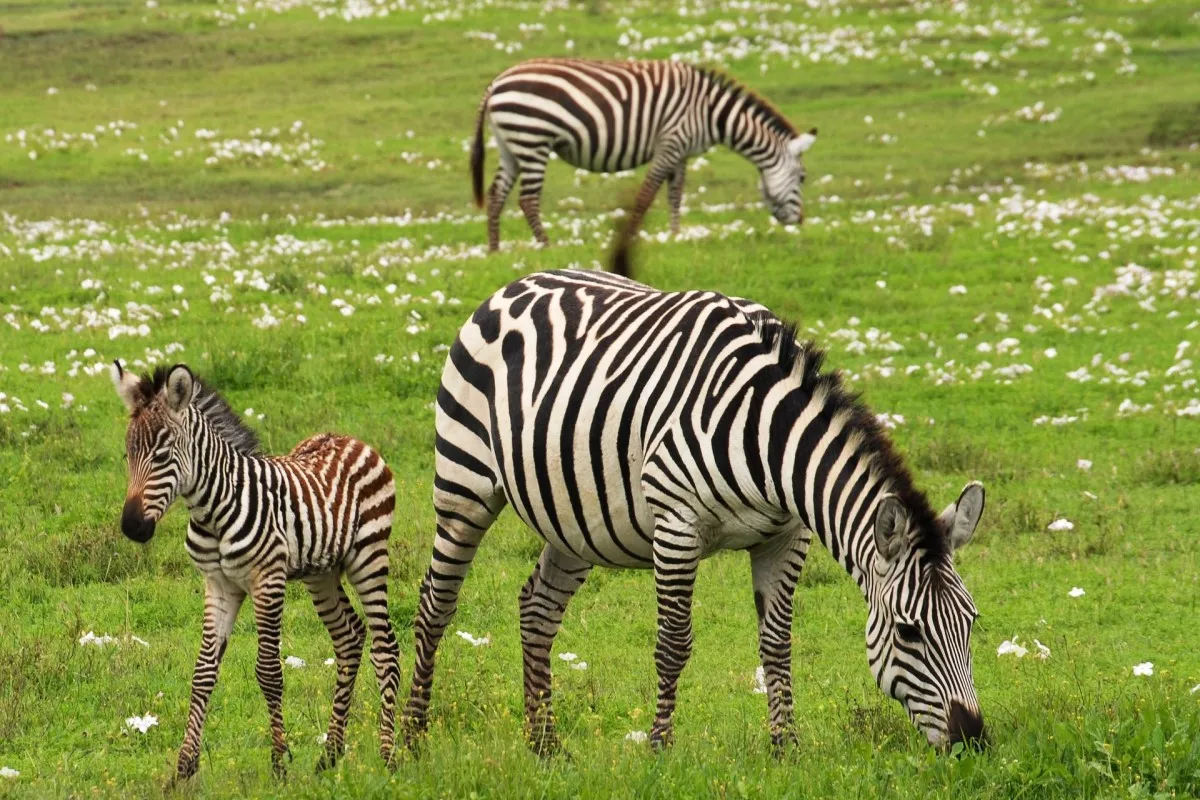
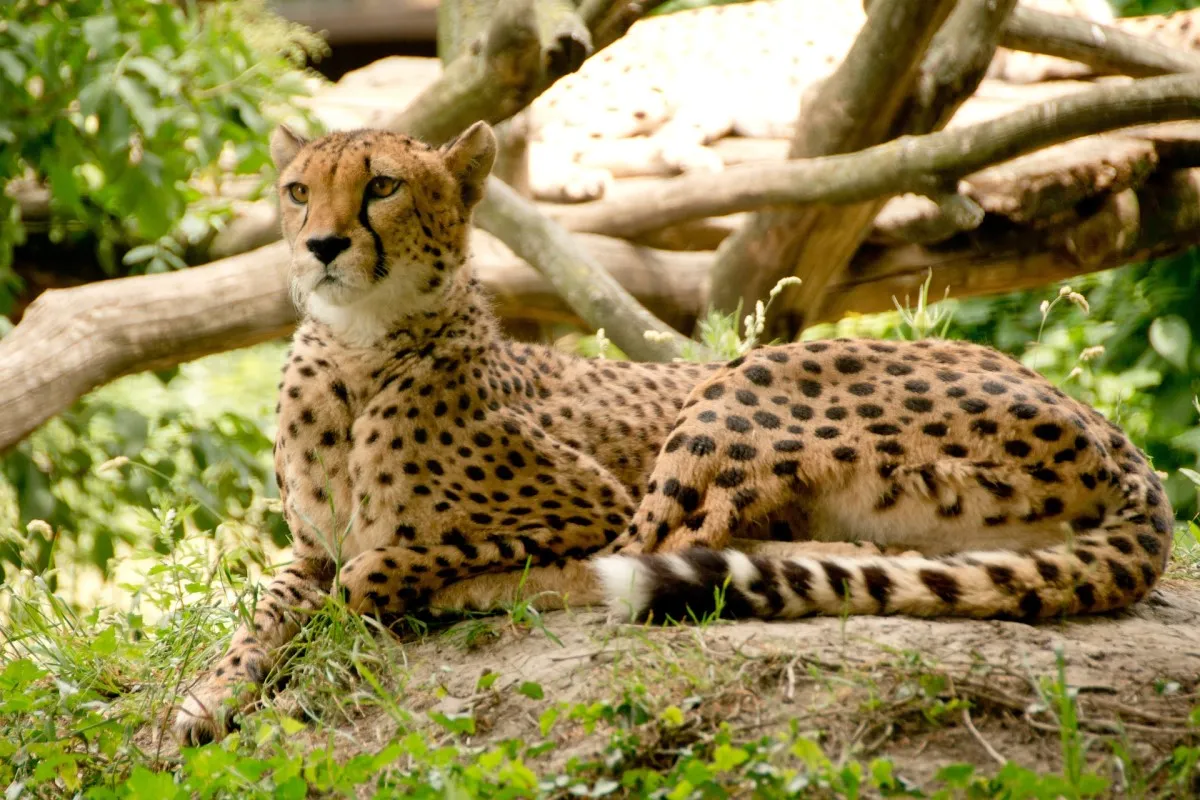
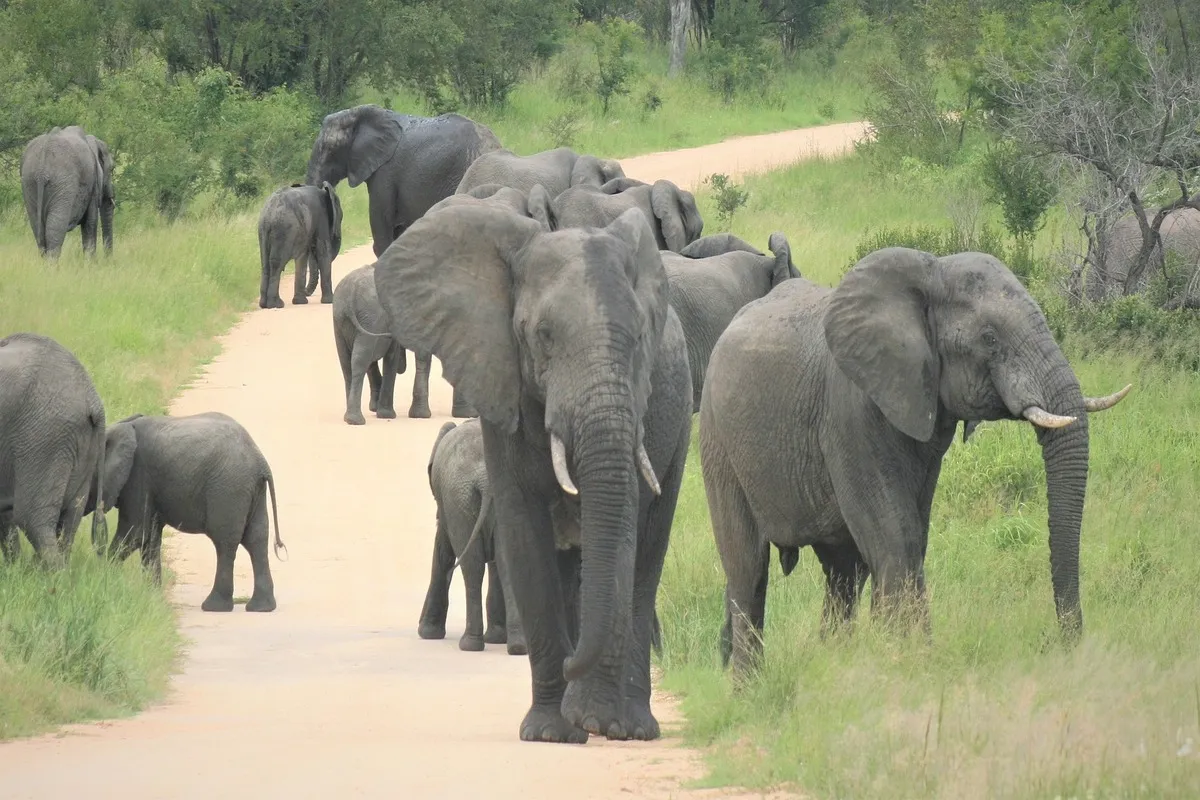
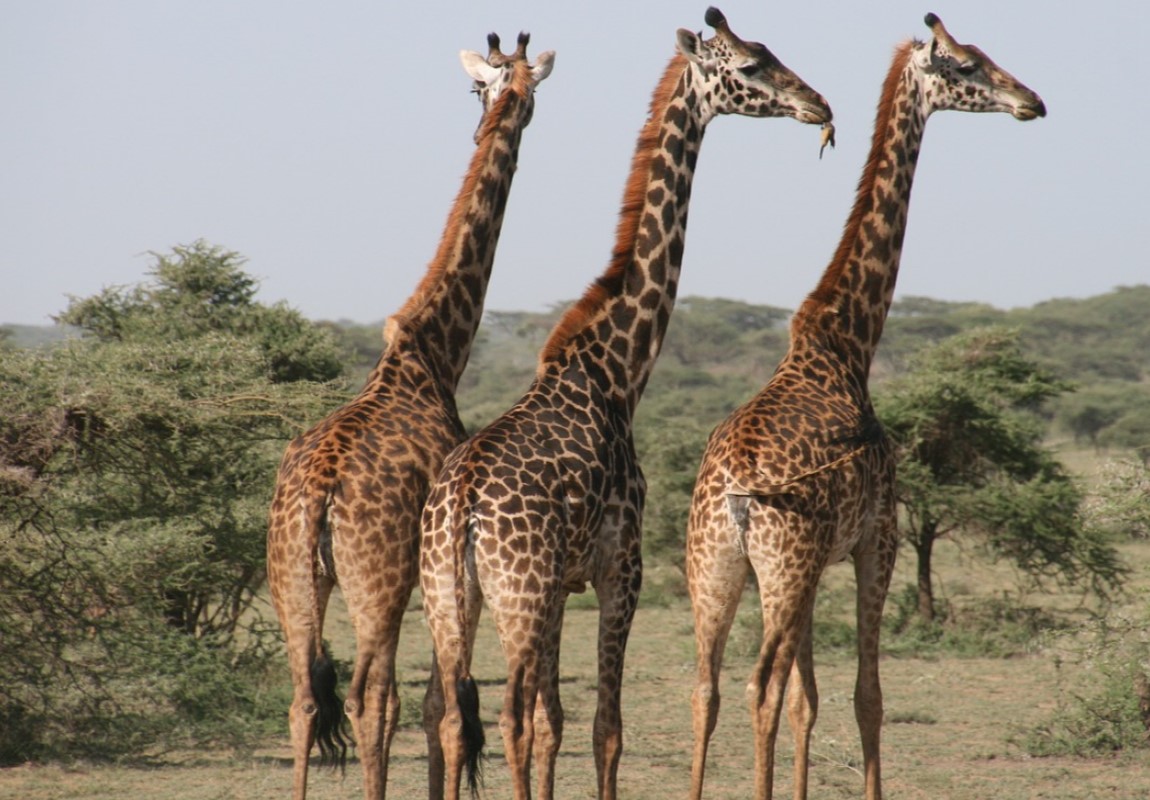
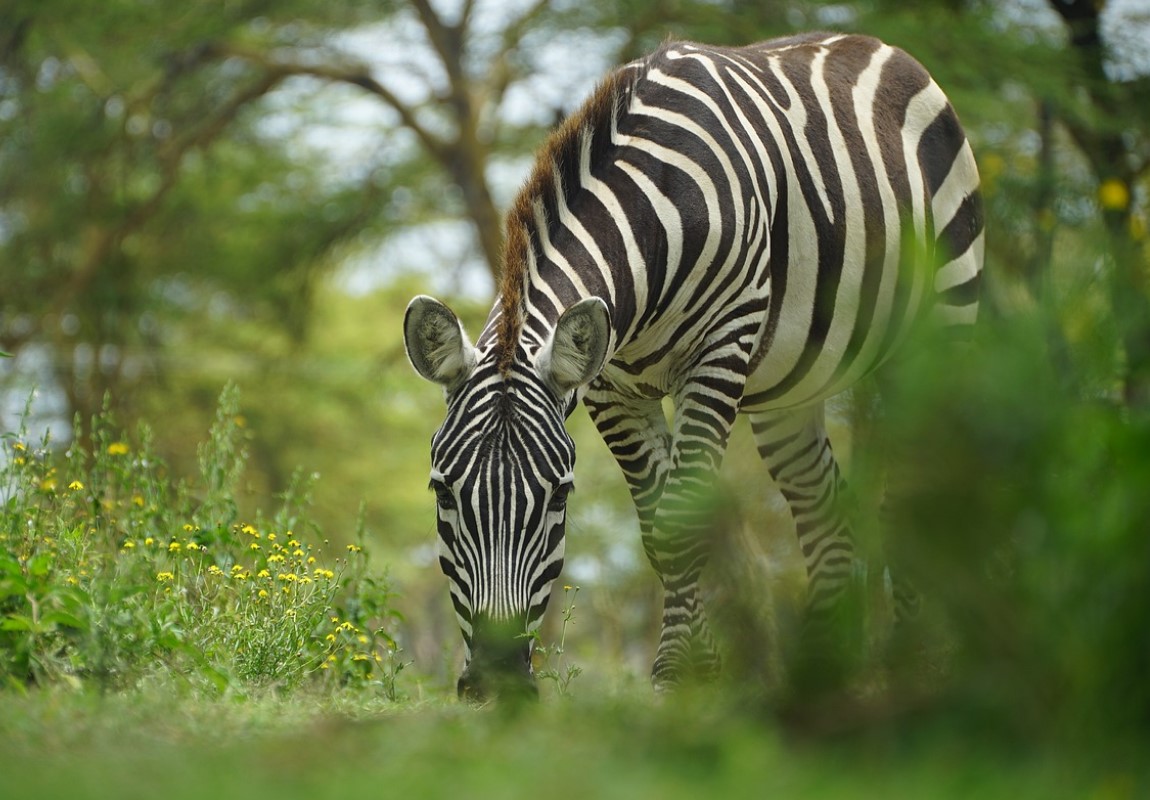
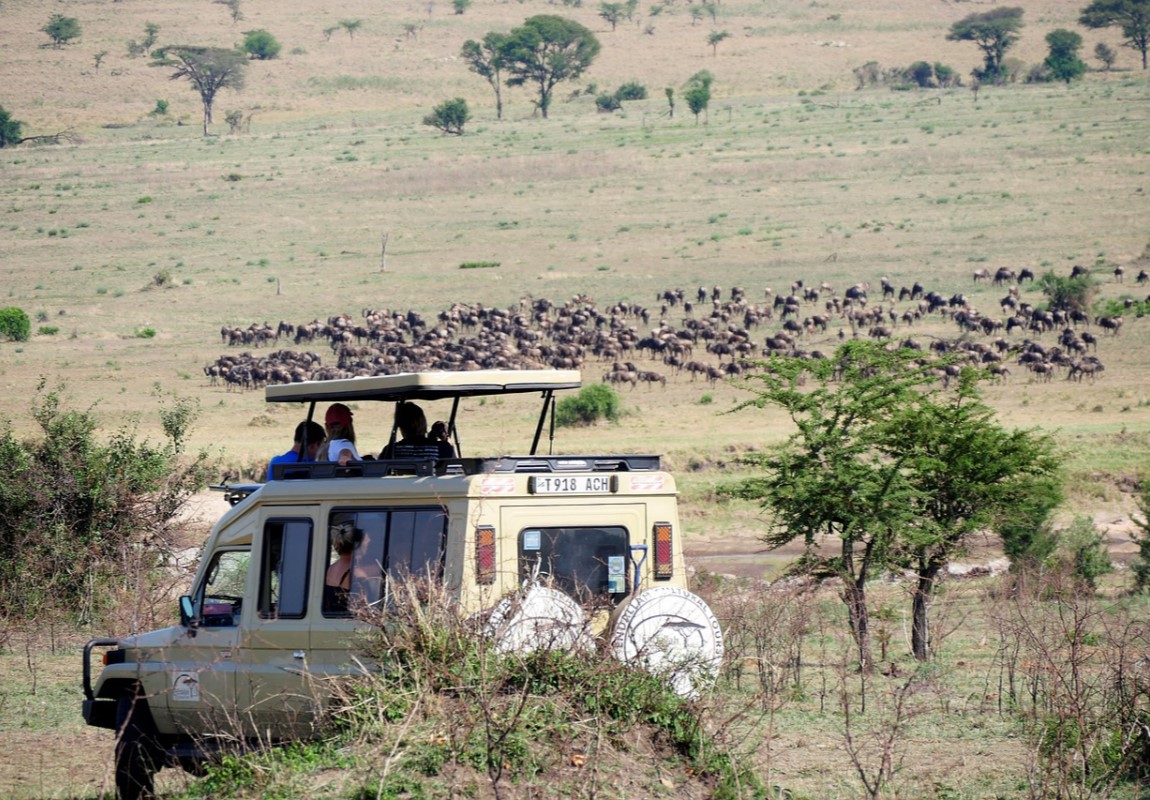
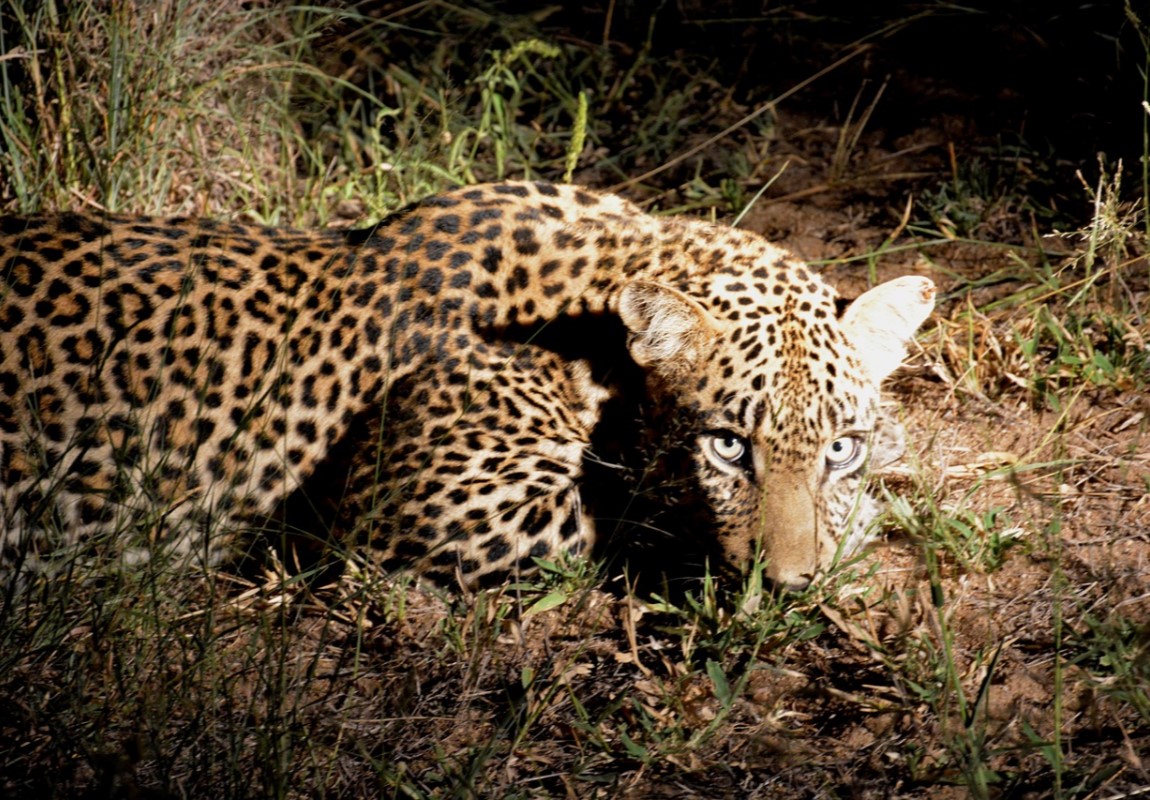
Timbavati Game Reserve supports a rich and balanced wildlife population, benefitting from its open borders with Kruger National Park. All members of the Big Five are present, with elephants and buffalo frequently encountered along river systems and open plains. Lions are a major highlight, including descendants of the famous white lion gene, while leopards are regularly seen along drainage lines and rocky terrain. A strong prey base of zebra, giraffe, kudu, impala, and wildebeest sustains healthy predator numbers, alongside spotted hyenas, cheetahs, and a variety of smaller carnivores.
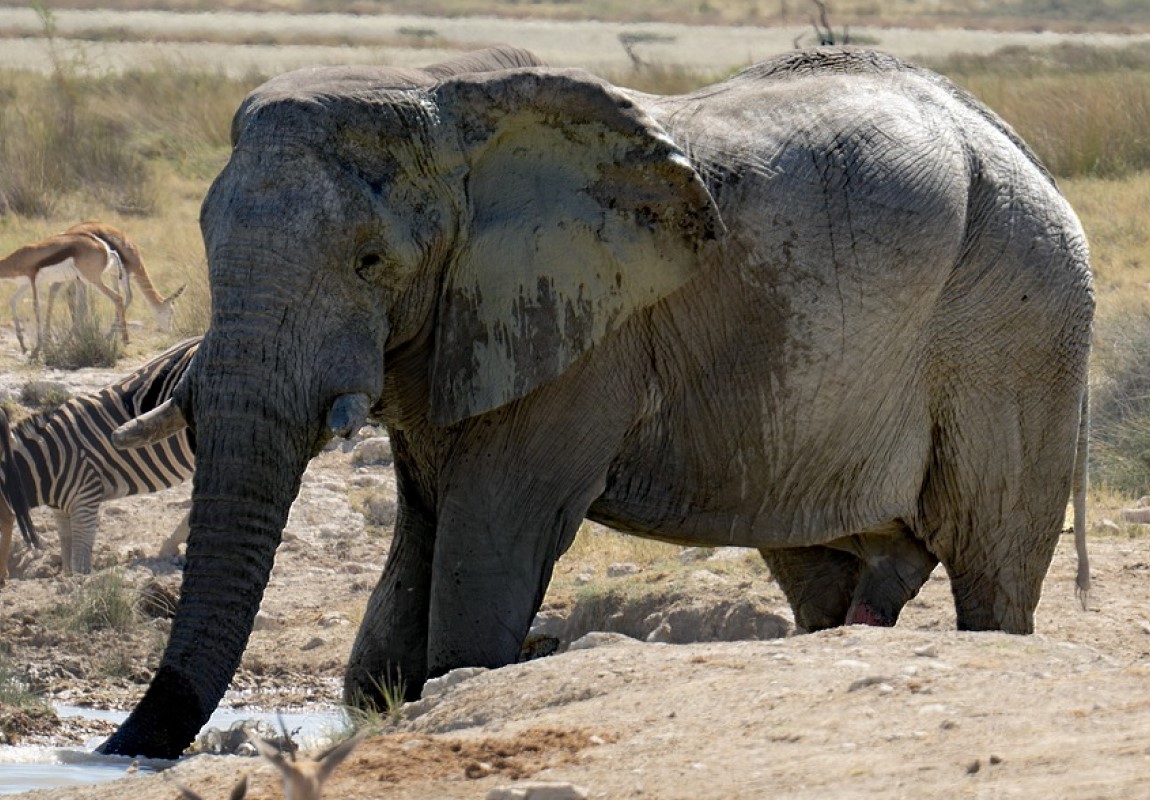
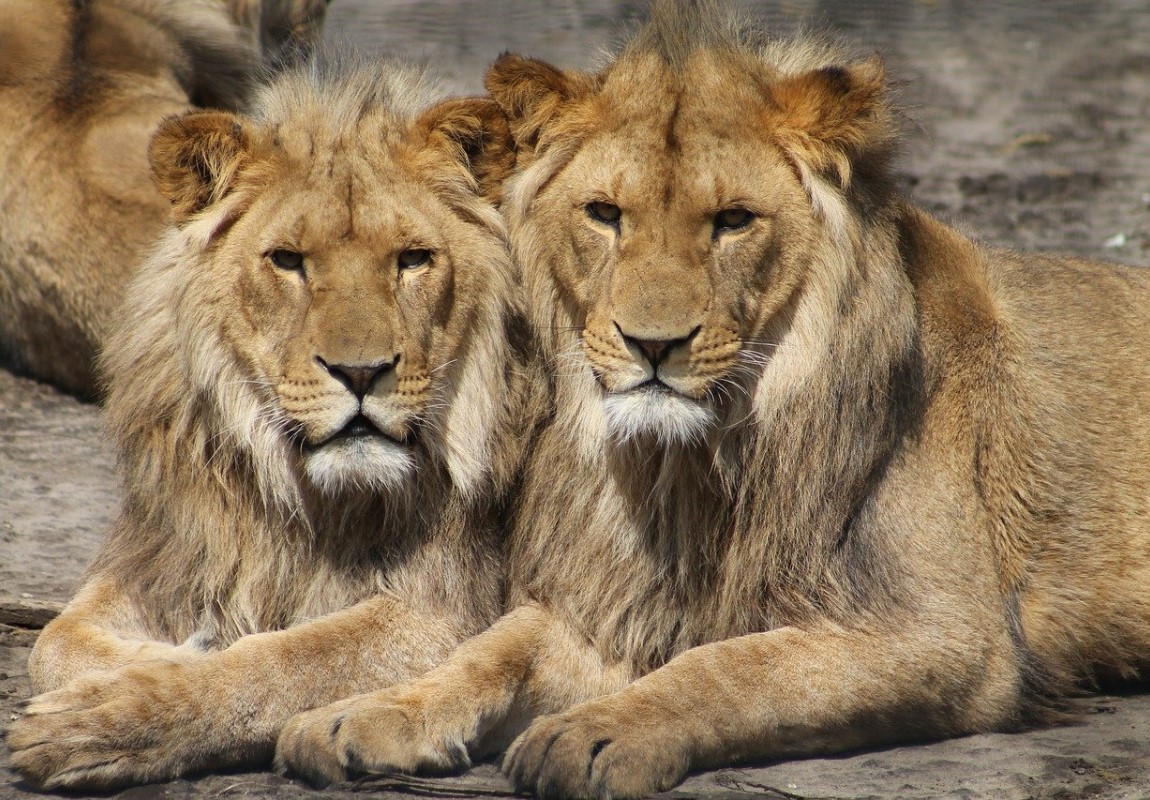

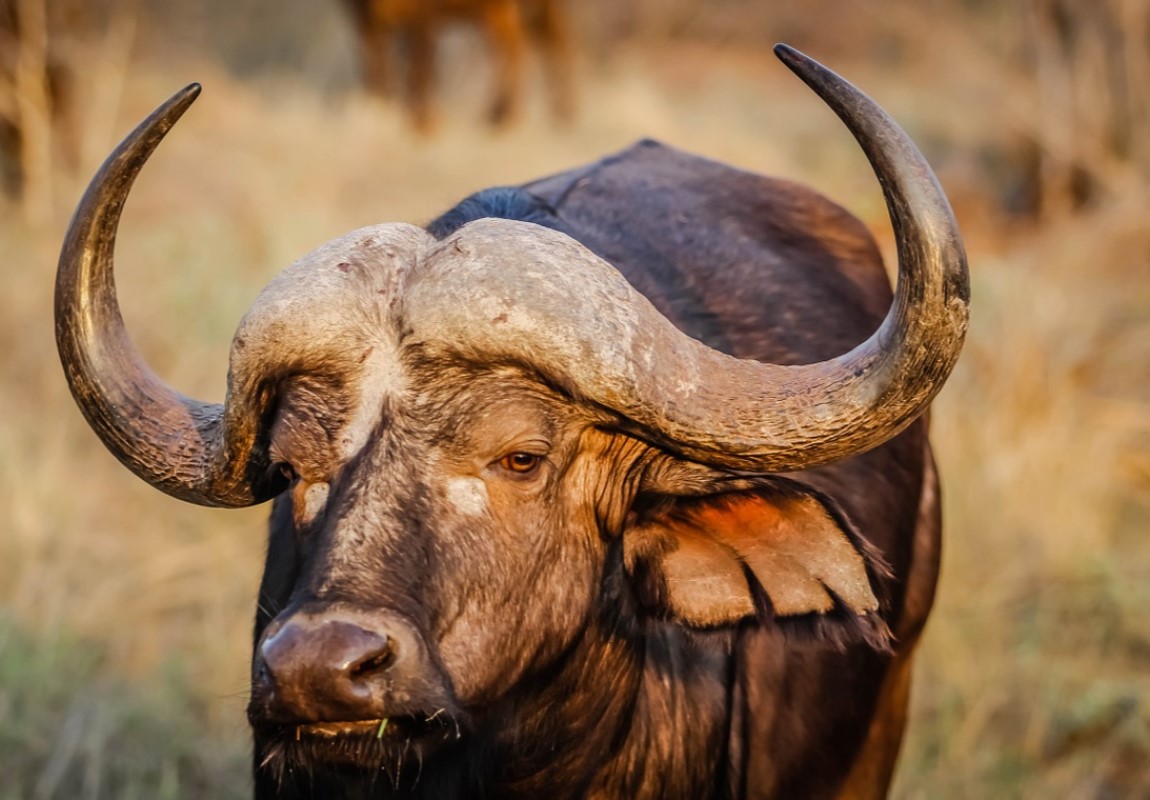
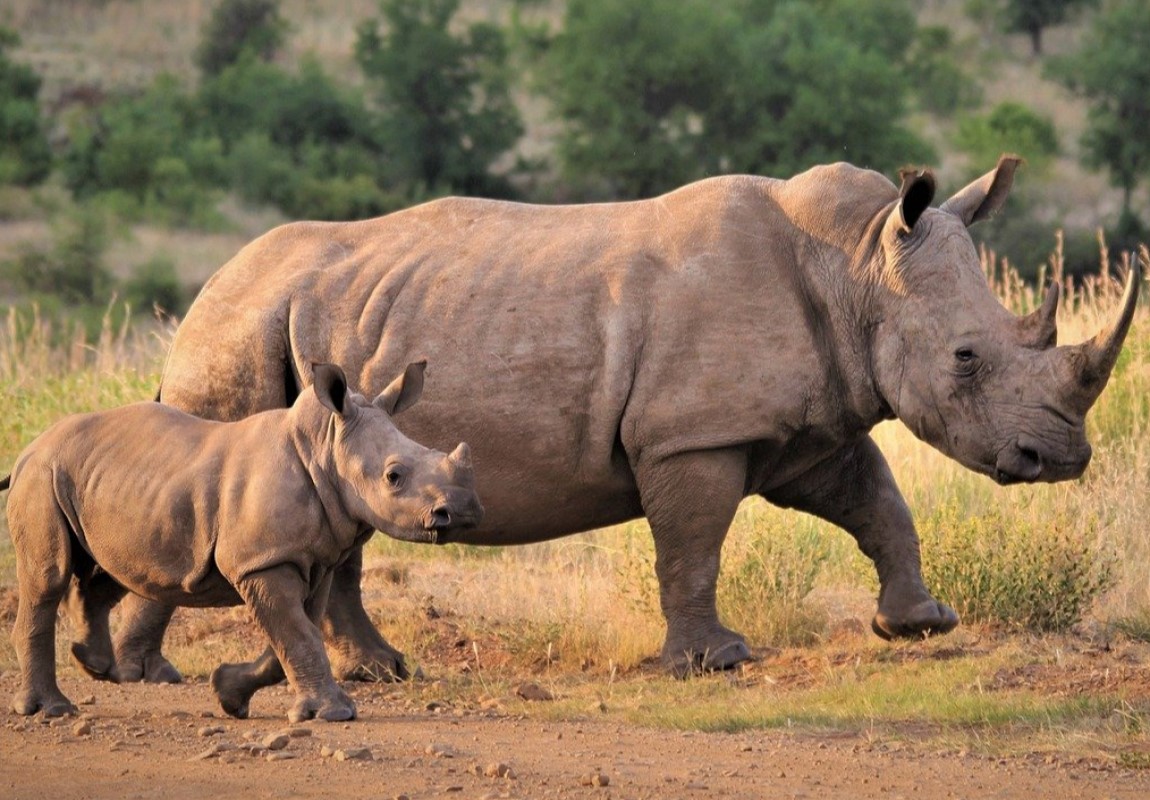

Wildlife Highlights
Timbavati is globally renowned for its white lions, which are occasionally seen within the reserve and hold deep cultural significance for local communities. Large lion prides, territorial leopard sightings, and frequent elephant movements make game drives consistently rewarding. The reserve also offers outstanding tracking experiences, with skilled rangers following fresh spoor across varied landscapes to locate predators and elusive species.
Best Time for Wildlife Viewing
The best wildlife viewing in Timbavati occurs during the dry season from June to October. Reduced vegetation improves visibility, and animals concentrate around permanent water sources such as the Timbavati River. Cooler daytime temperatures also allow for longer and more productive game drives, particularly for predators.
Want to Visit Timbavati Game Reserve?
Birds
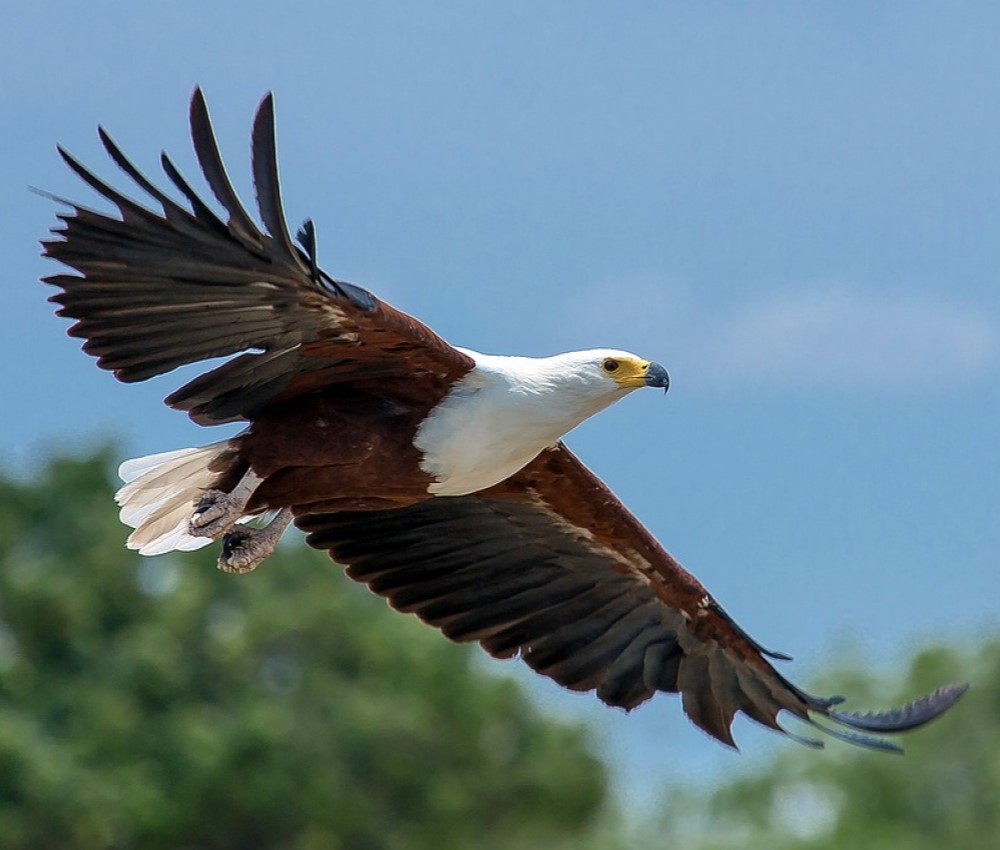
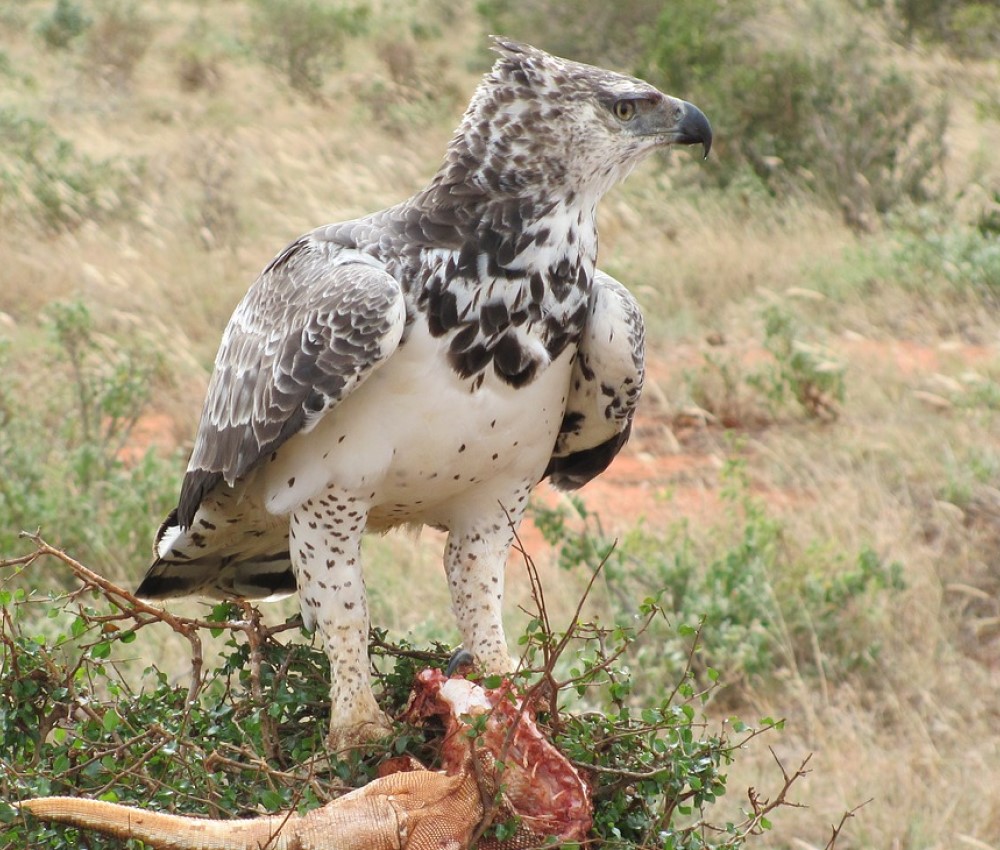
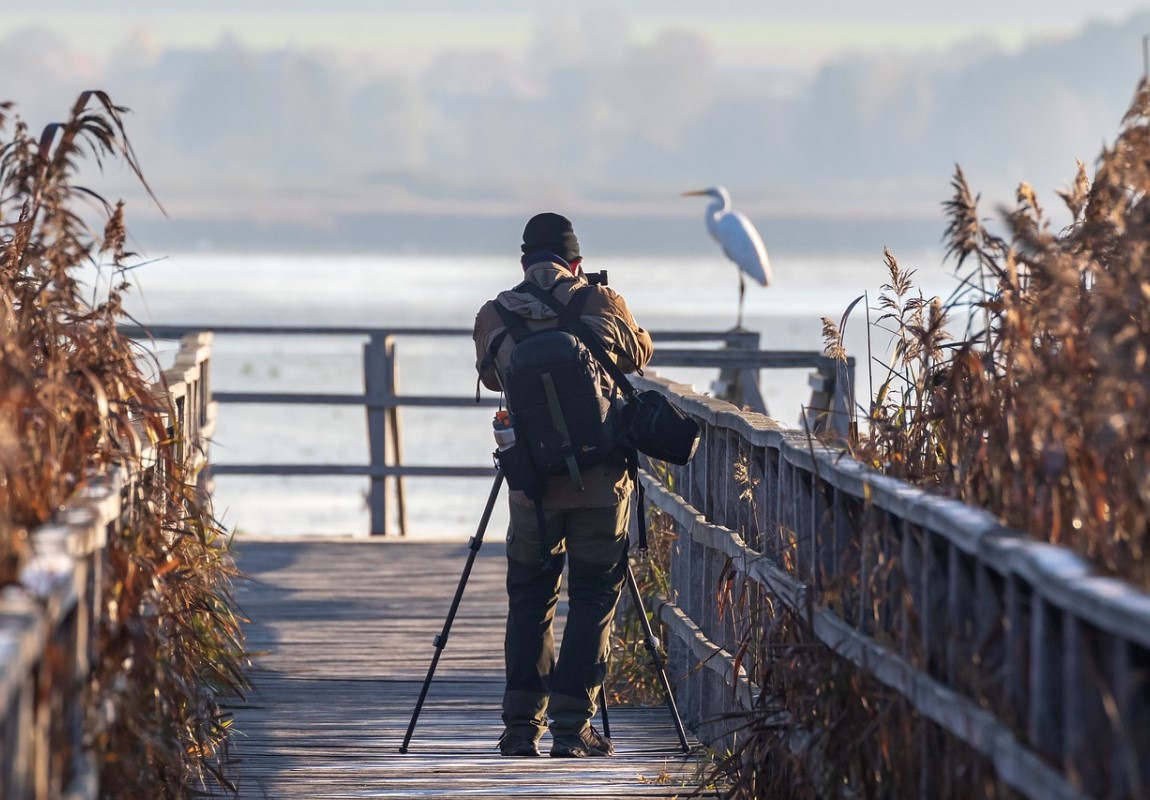
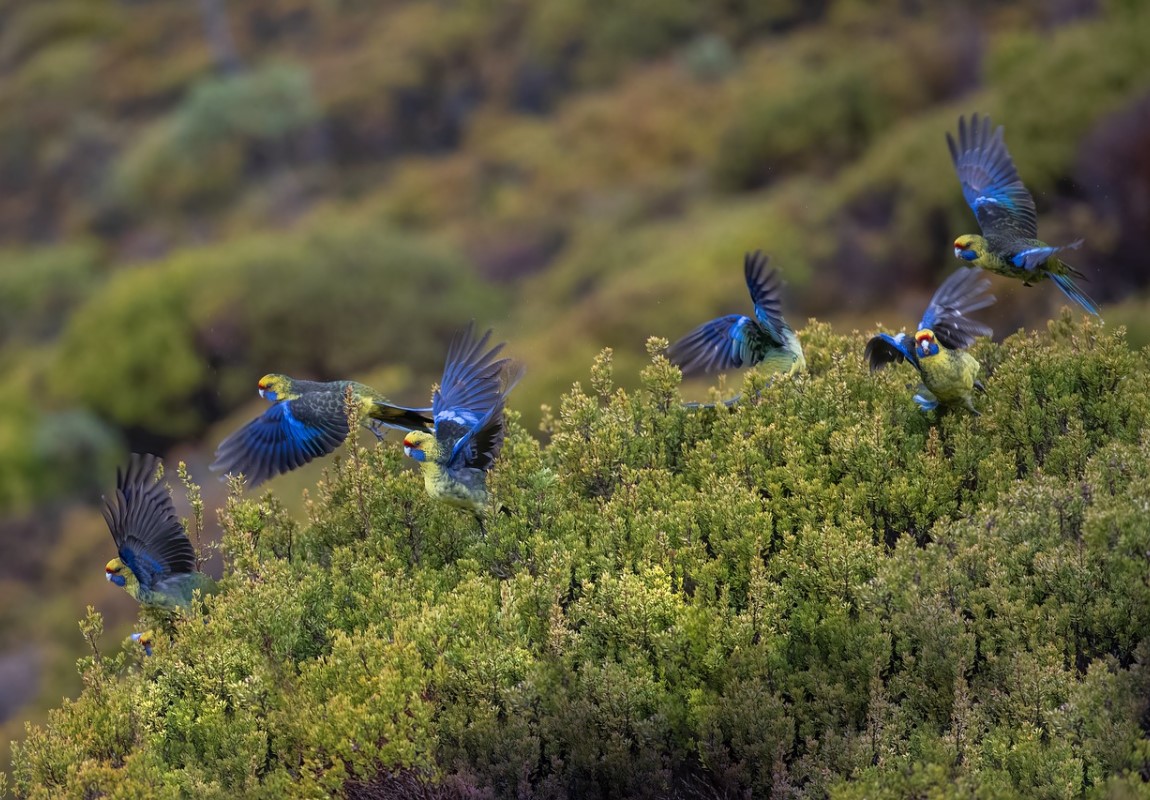
Timbavati Game Reserve offers excellent birding opportunities, with over 350 recorded bird species across its diverse habitats. Riverine areas attract kingfishers, herons, and African fish eagles, while open savannas host kori bustards, rollers, and hornbills. Raptors such as martial eagles and bateleurs are frequently seen soaring above the reserve, making Timbavati appealing to both general wildlife enthusiasts and dedicated birdwatchers.


Best Time for Birding
The prime birdwatching season in Timbavati runs from November to March, when migratory species arrive from Europe and Asia. This period coincides with breeding season, when birds are more vocal and display vibrant plumage, enhancing sightings and photographic opportunities.
Want to Visit Timbavati Game Reserve?
Best Time to Visit – Timbavati Game Reserve
The best wildlife viewing in Timbavati occurs during the dry season from June to October. Reduced vegetation improves visibility, and animals concentrate around permanent water sources such as the Timbavati River. Cooler daytime temperatures also allow for longer and more productive game drives, particularly for predators.
May to October (Dry Season)
- Excellent predator visibility
- Comfortable temperatures
- High concentration of wildlife
- Cool early morning game drives
- Higher demand during peak months
November to March (Wet Season)
- Lush scenery and dramatic skies
- Peak birding season
- Newborn wildlife
- Dense vegetation reduces visibility
- Hot and humid conditions
Want to Visit Timbavati Game Reserve?
Activities
Explore popular activities available in and around Timbavati Game Reserve.

Want to Visit Timbavati Game Reserve?
No FAQs available for this park yet.
Safari Tours
View all tours