Spioenkop Nature Reserve 
Spioenkop Nature Reserve - South Africa Wildlife Destination
Starting from
$500PP
Overview
Spioenkop Nature Reserve is a scenic and historically significant protected area located in the KwaZulu-Natal province of South Africa, near the foothills of the Drakensberg Mountains. Covering rugged hills, open grasslands, thornveld, and the expansive Spioenkop Dam, the reserve is best known for its dramatic landscapes and its role in the Anglo-Boer War, particularly the Battle of Spioenkop. Today, the reserve offers a blend of wildlife viewing, outdoor recreation, and cultural heritage. Its varied terrain supports a wide range of plant and animal life, while panoramic viewpoints provide sweeping vistas across the Tugela River valley, making it an appealing destination for nature lovers, photographers, and history enthusiasts alike.
Pros & Cons
- Dramatic mountain and dam scenery
- Rich historical significance
- Good variety of antelope and plains game
- Excellent birdwatching opportunities
- Wide range of outdoor activities
- Limited large predator sightings
- Wildlife densities lower than major safari parks
- Can be windy and cold in winter
Map in South Africa

Want to Visit Spioenkop Nature Reserve?


Want to Visit Spioenkop Nature Reserve?
Wildlife & Animals
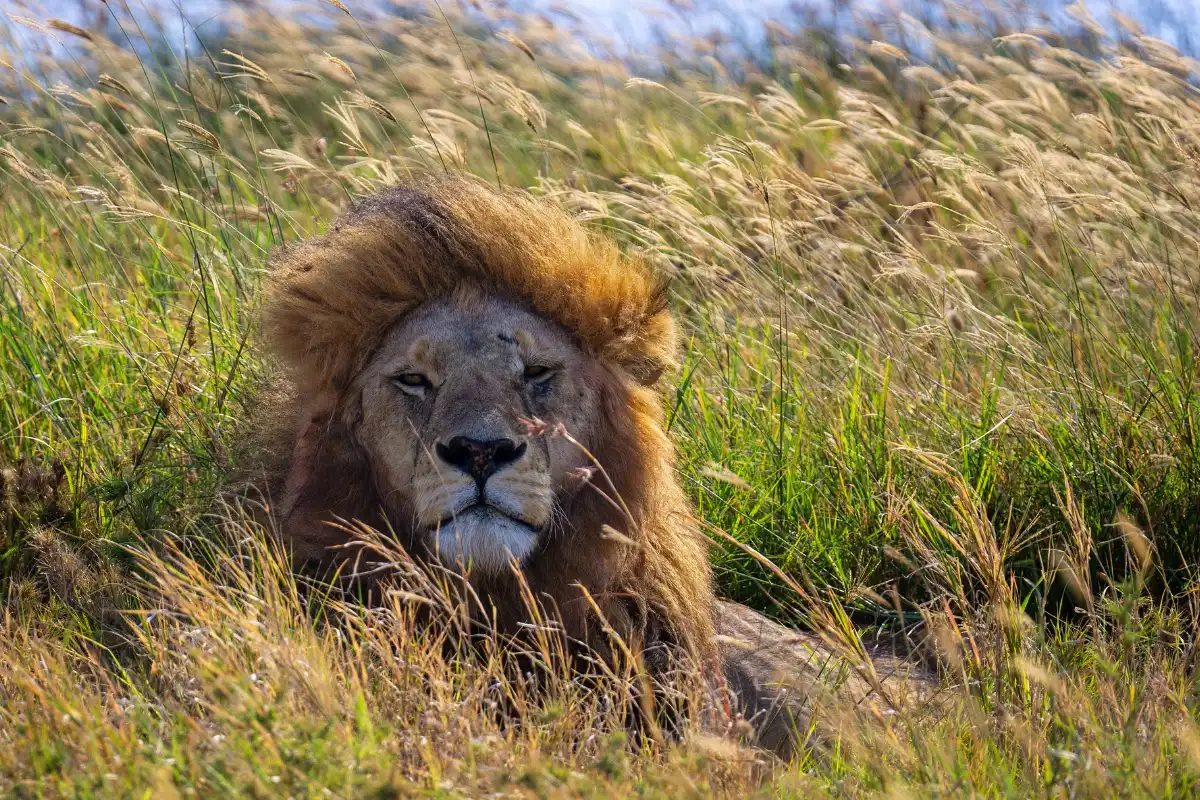
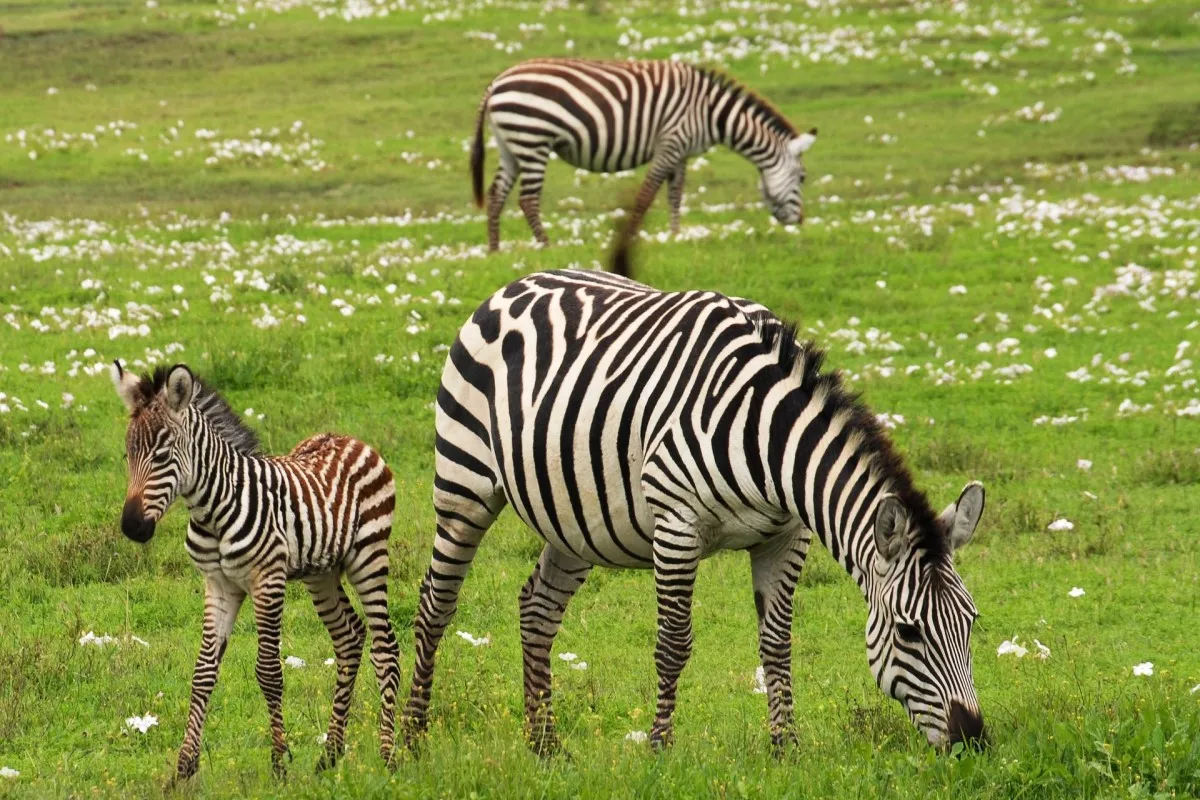
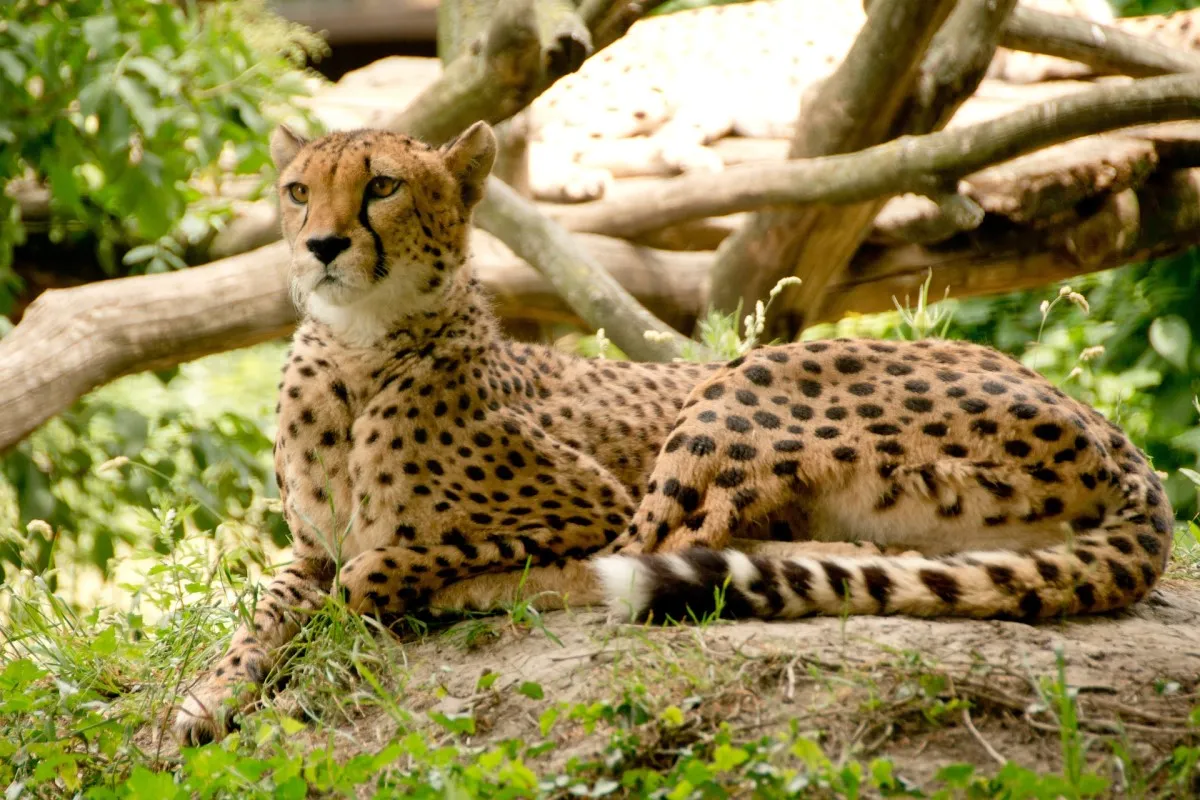
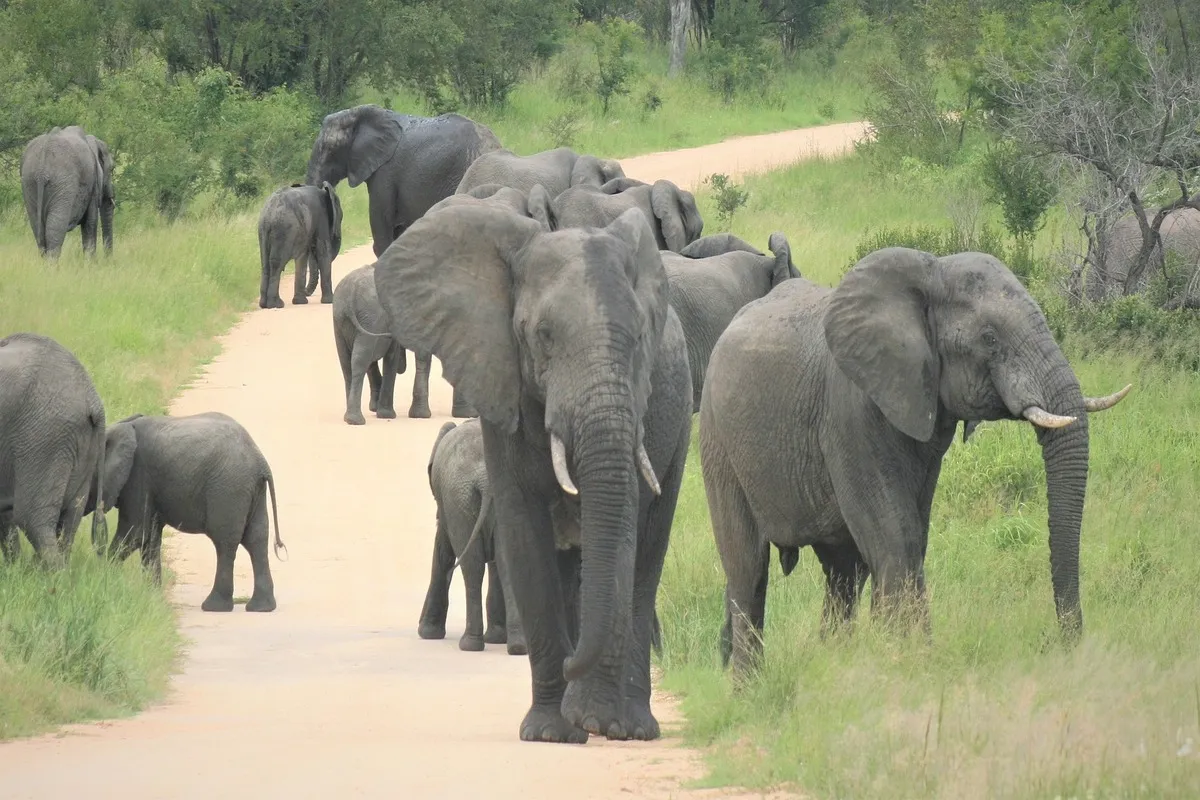
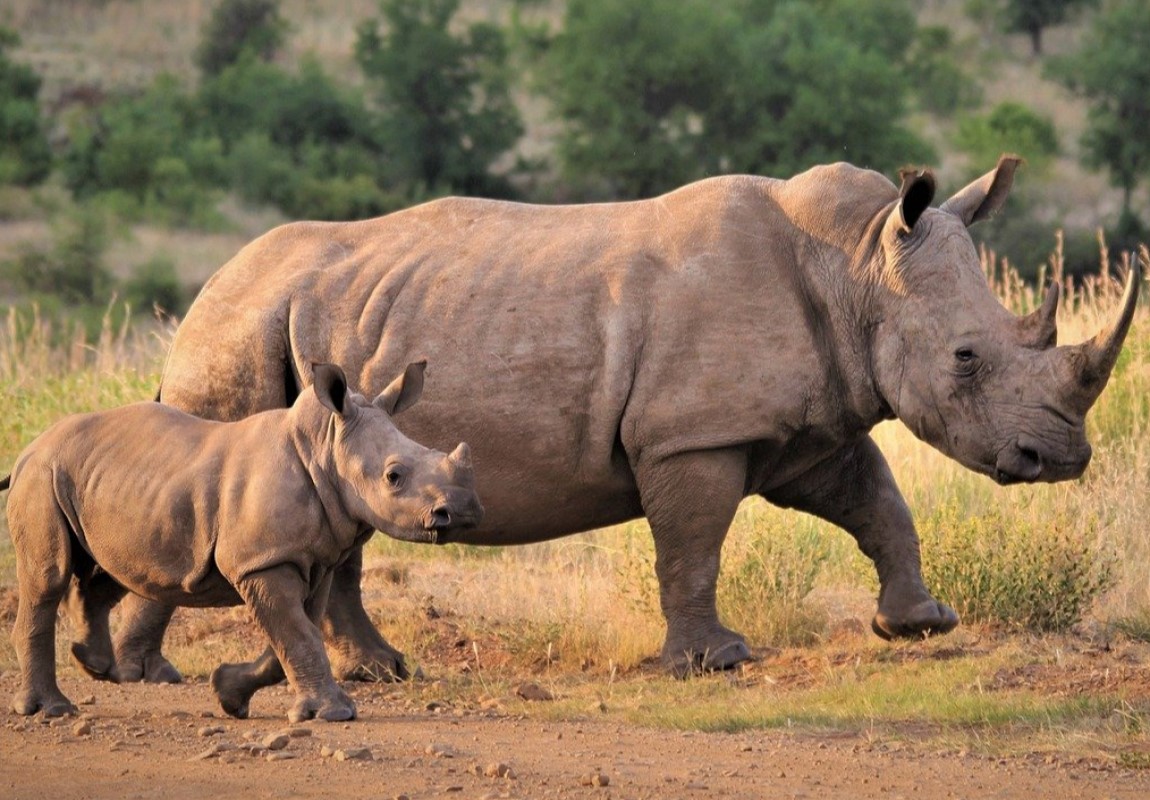
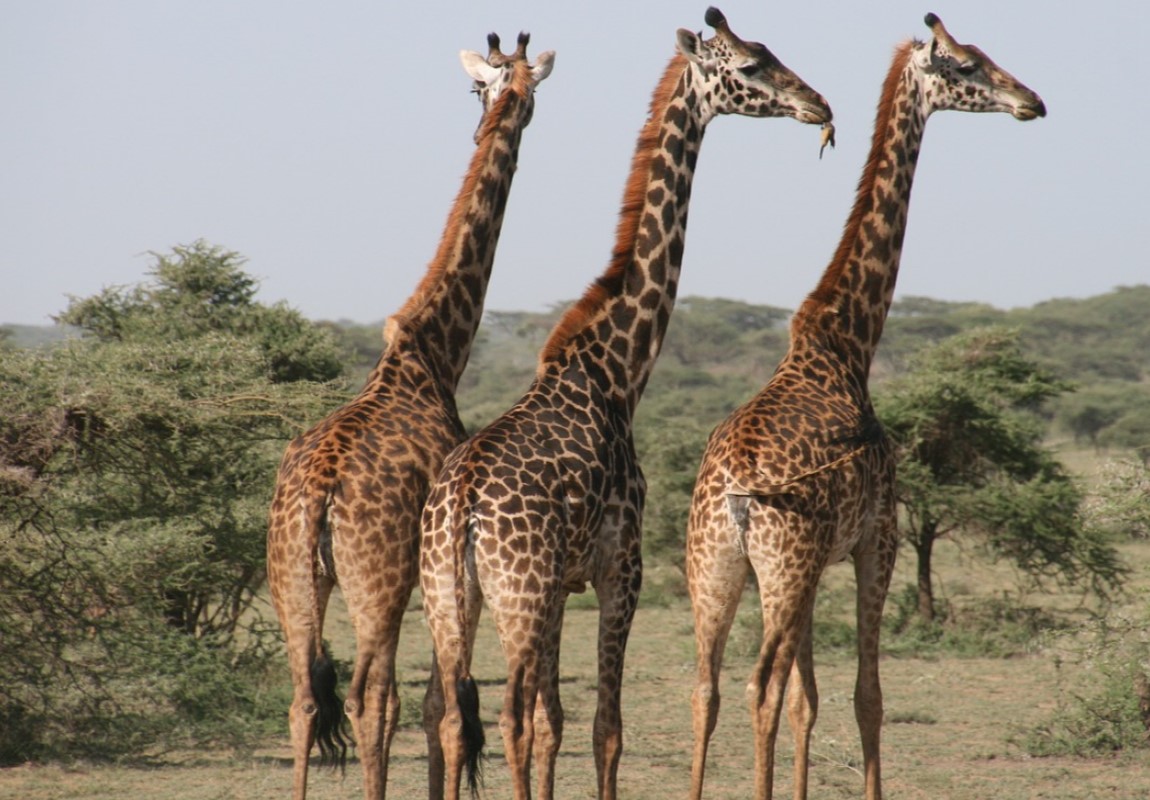
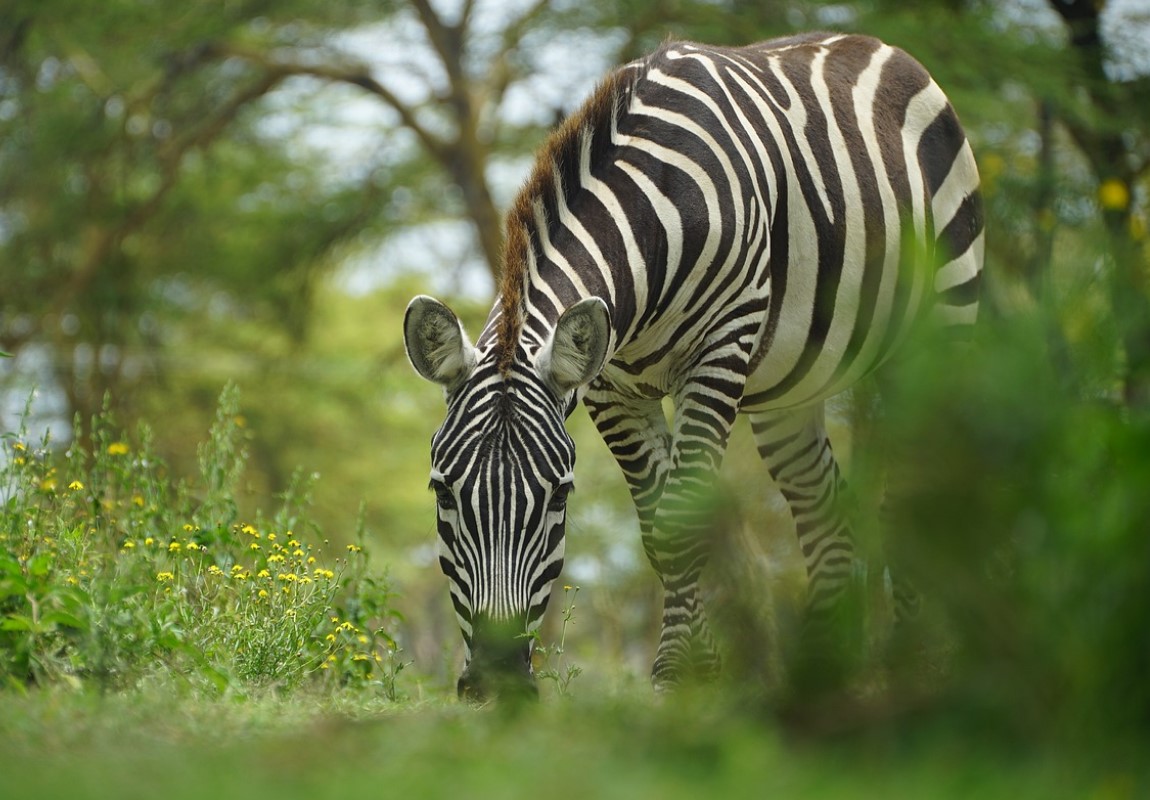
Spioenkop Nature Reserve supports a healthy population of plains game and smaller mammals adapted to its grassland and bushveld habitats. Species such as white rhinoceros, giraffe, zebra, and several antelope species are commonly encountered, often grazing on open slopes or near water sources. While the reserve does not host large predator populations like lions, its ecological value lies in providing safe habitat for herbivores and maintaining a balanced natural environment. The presence of the Spioenkop Dam also attracts animals during dry periods, offering reliable wildlife sightings in scenic surroundings.

Wildlife Highlights
One of the key wildlife highlights of Spioenkop Nature Reserve is the opportunity to observe white rhinos and giraffes against a backdrop of rolling hills and mountain ridges. Close-range sightings of zebra and antelope herds are common, particularly during morning and late afternoon drives. The absence of major predators allows visitors to focus on relaxed viewing, photography, and understanding animal behavior in an open, peaceful setting.
Best Time for Wildlife Viewing
The best time to visit Spioenkop Nature Reserve for wildlife viewing is during the dry season from May to September. Vegetation is thinner, animals are easier to spot, and wildlife tends to congregate closer to permanent water sources such as the dam. Cooler daytime temperatures also result in increased animal activity, making game drives and walks more rewarding.
Want to Visit Spioenkop Nature Reserve?
Birds
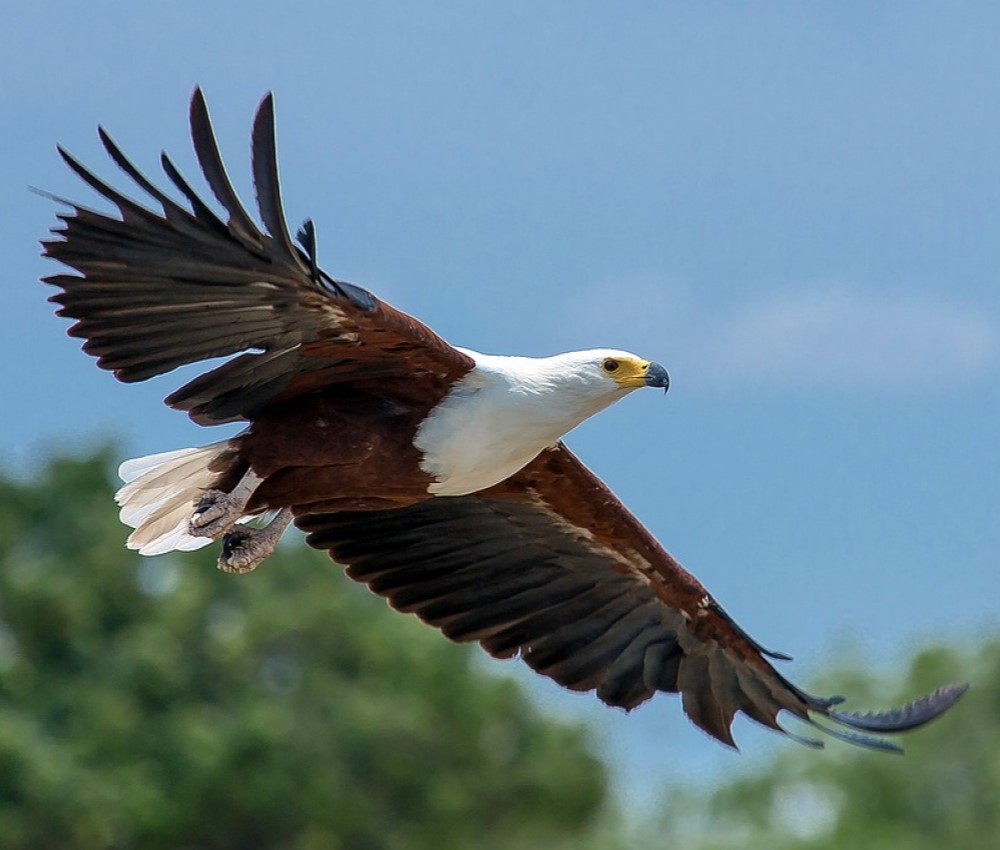
Spioenkop Nature Reserve is a well-regarded birding destination, with over 250 recorded bird species benefiting from the reserve’s diverse habitats. Grasslands support bustards and larks, rocky cliffs attract raptors, and wetlands around Spioenkop Dam host waterbirds and migratory species. The combination of open landscapes and aquatic environments makes the reserve especially appealing to both casual birdwatchers and dedicated ornithologists.
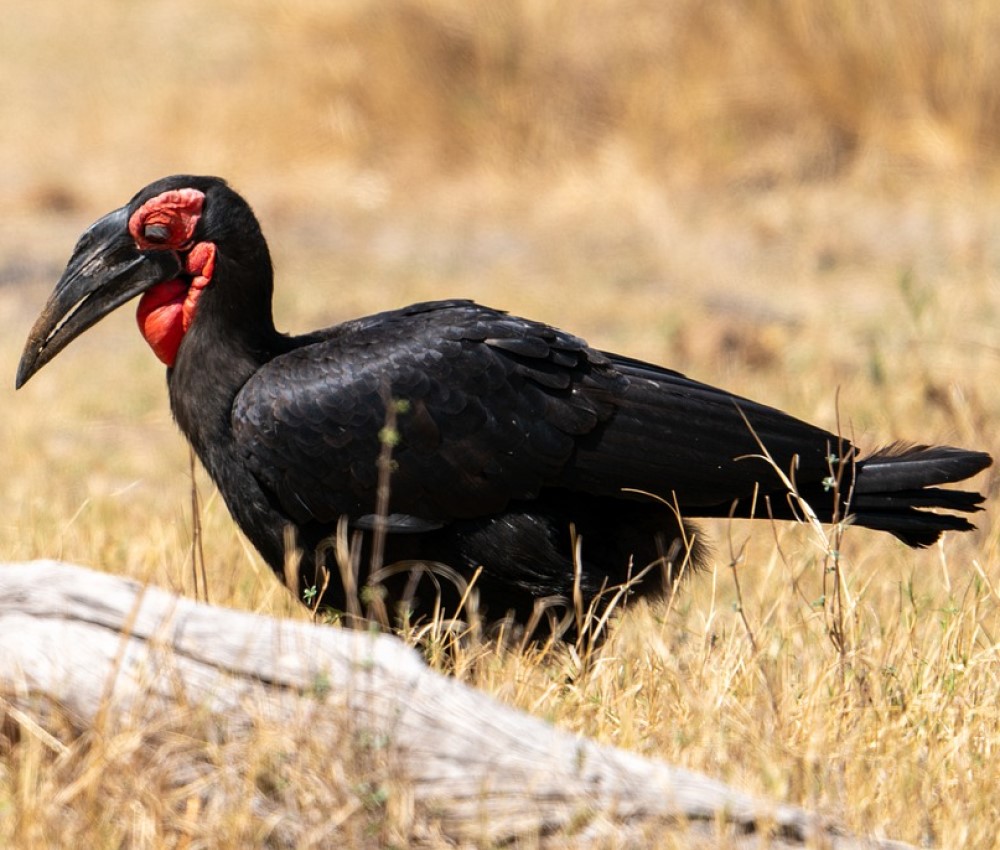


Best Time for Birding
The prime birding season at Spioenkop Nature Reserve runs from November to March, when summer rains attract migratory birds and trigger breeding activity. During this period, birdlife is more abundant and vocal, and many species display breeding plumage, enhancing identification and viewing opportunities.
Want to Visit Spioenkop Nature Reserve?
Best Time to Visit – Spioenkop Nature Reserve
The best time to visit Spioenkop Nature Reserve for wildlife viewing is during the dry season from May to September. Vegetation is thinner, animals are easier to spot, and wildlife tends to congregate closer to permanent water sources such as the dam. Cooler daytime temperatures also result in increased animal activity, making game drives and walks more rewarding.
May to September (Dry Season)
- Better wildlife visibility
- Cooler temperatures
- Clear scenic viewpoints
- Colder mornings and evenings
- Reduced bird diversity
October to March (Wet Season)
- Excellent birdwatching
- Lush landscapes
- Active breeding season
- Hot afternoons
- Wildlife more dispersed
Want to Visit Spioenkop Nature Reserve?
Activities
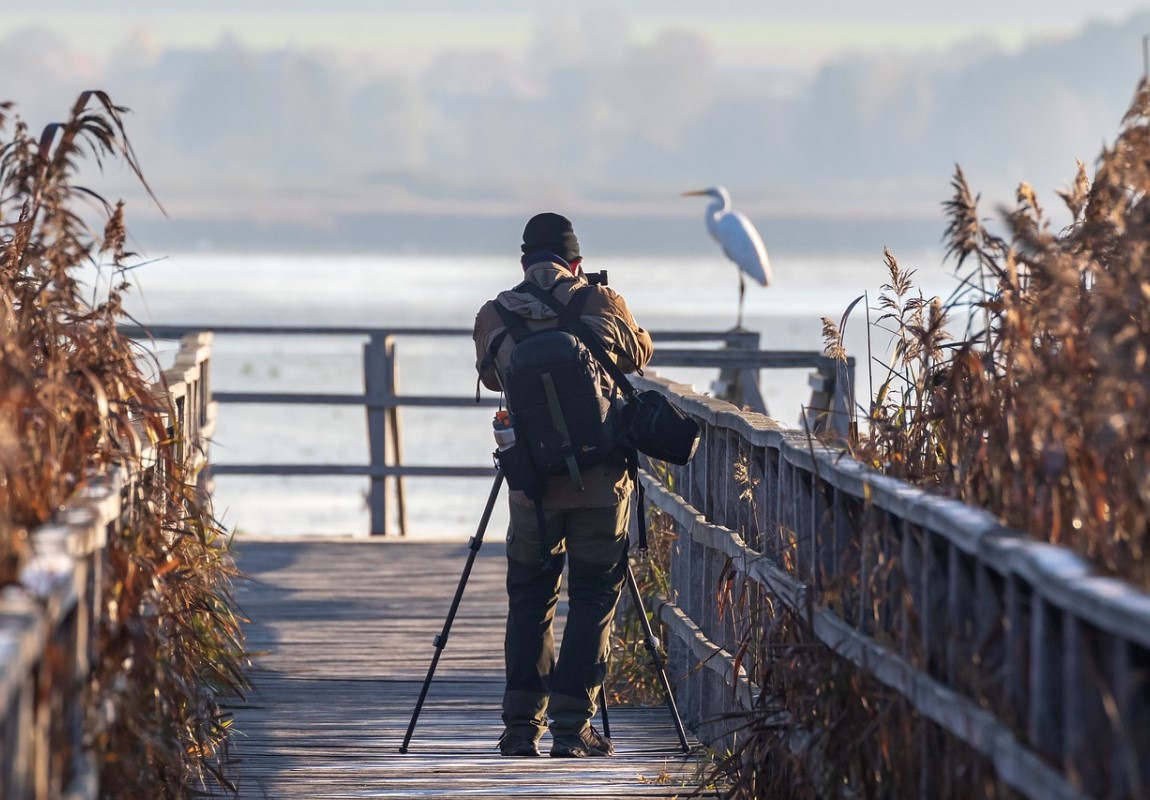
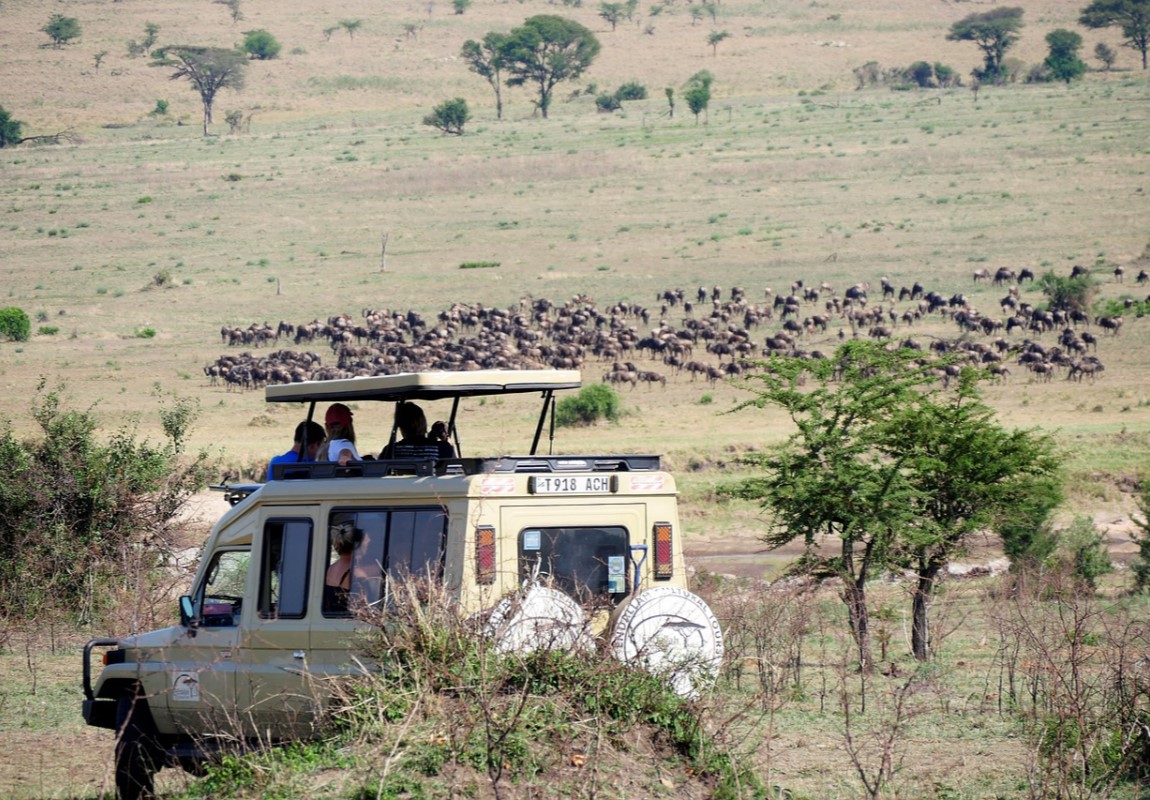
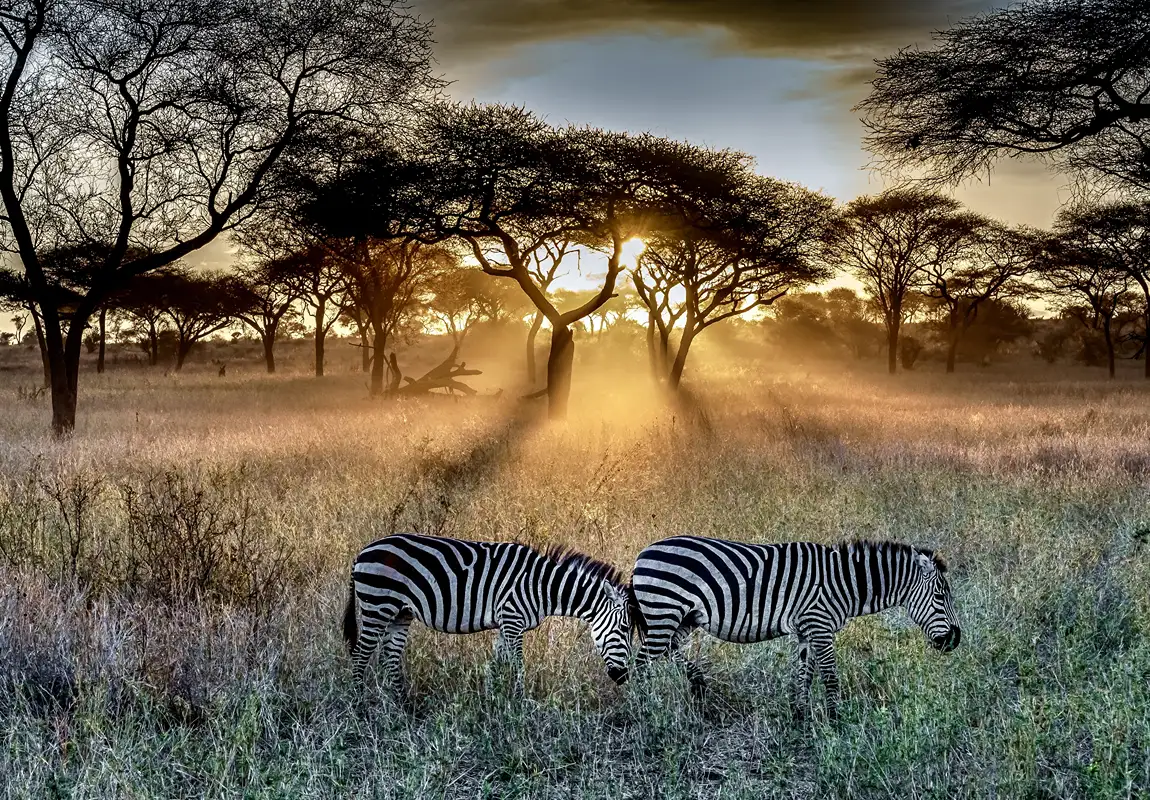
Explore popular activities available in and around Spioenkop Nature Reserve.


Want to Visit Spioenkop Nature Reserve?
No FAQs available for this park yet.
Safari Tours
View all tours