Shamwari Private Game Reserve 
Shamwari Private Game Reserve - South Africa Wildlife Destination
Starting from
$500PP
Overview
Shamwari Private Game Reserve is one of South Africa’s most celebrated private conservation areas, located in the malaria-free Eastern Cape near Port Elizabeth. Established on land that was once degraded farmland, Shamwari is a global success story in ecological restoration, having reintroduced native wildlife and rehabilitated diverse habitats including grassland, thicket, riverine woodland, and savanna. The reserve spans tens of thousands of hectares and is internationally recognized for its strong conservation ethos, luxury lodges, and educational initiatives. Shamwari combines classic Big Five safaris with meaningful conservation engagement, making it a flagship destination for travelers seeking responsible, high-quality wildlife experiences in a malaria-free environment.
Pros & Cons
- Malaria-free safari destination
- Excellent Big Five sightings
- Strong conservation and rehabilitation programs
- Luxury lodges with varied landscapes
- Suitable for families and first-time safari travelers
- Less dramatic migration-style wildlife movement
- Predator sightings can be less frequent than Kruger-based reserves
- Higher costs compared to national parks
Map in South Africa

Want to Visit Shamwari Private Game Reserve?


Want to Visit Shamwari Private Game Reserve?
Wildlife & Animals
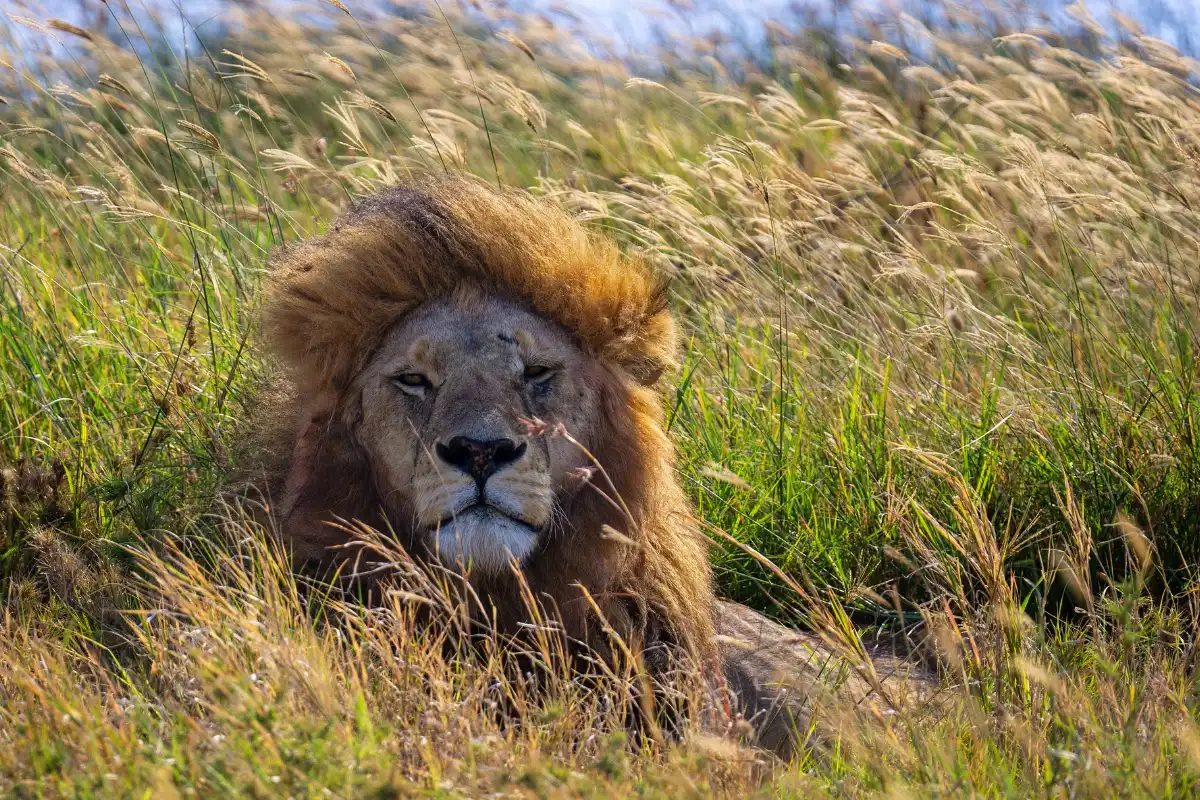
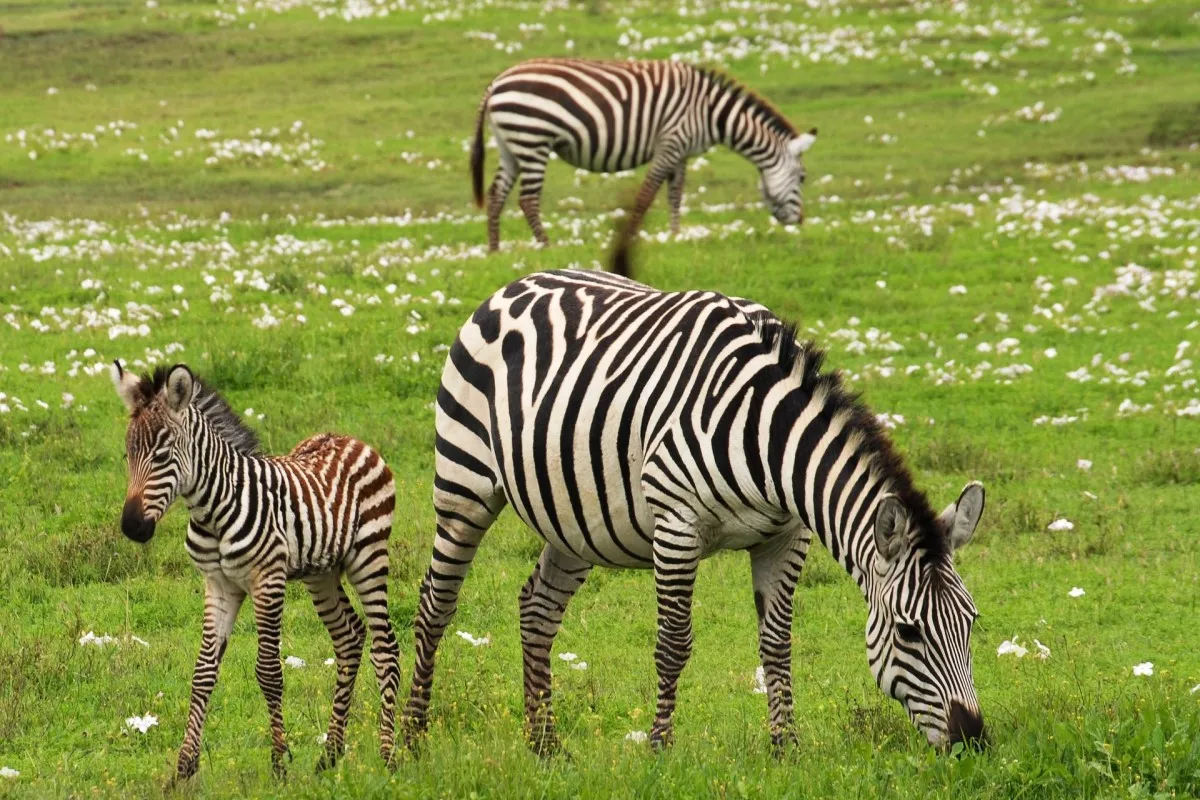
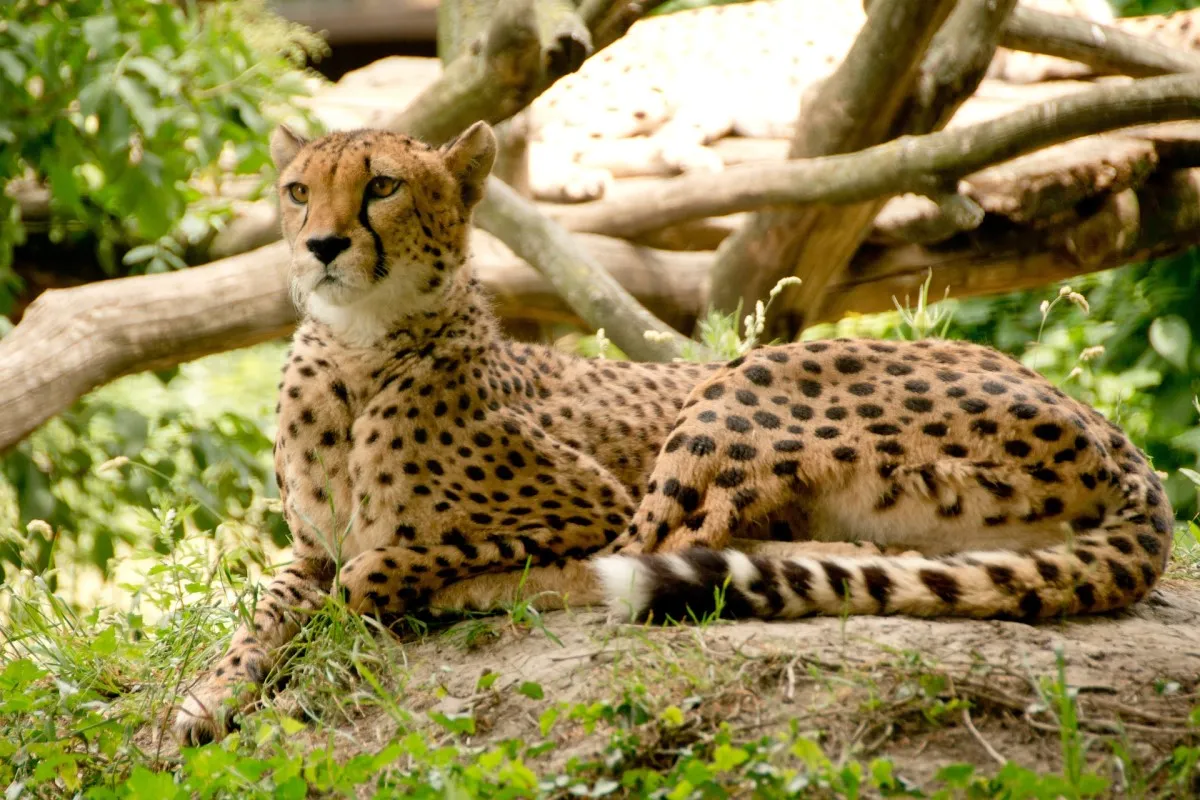
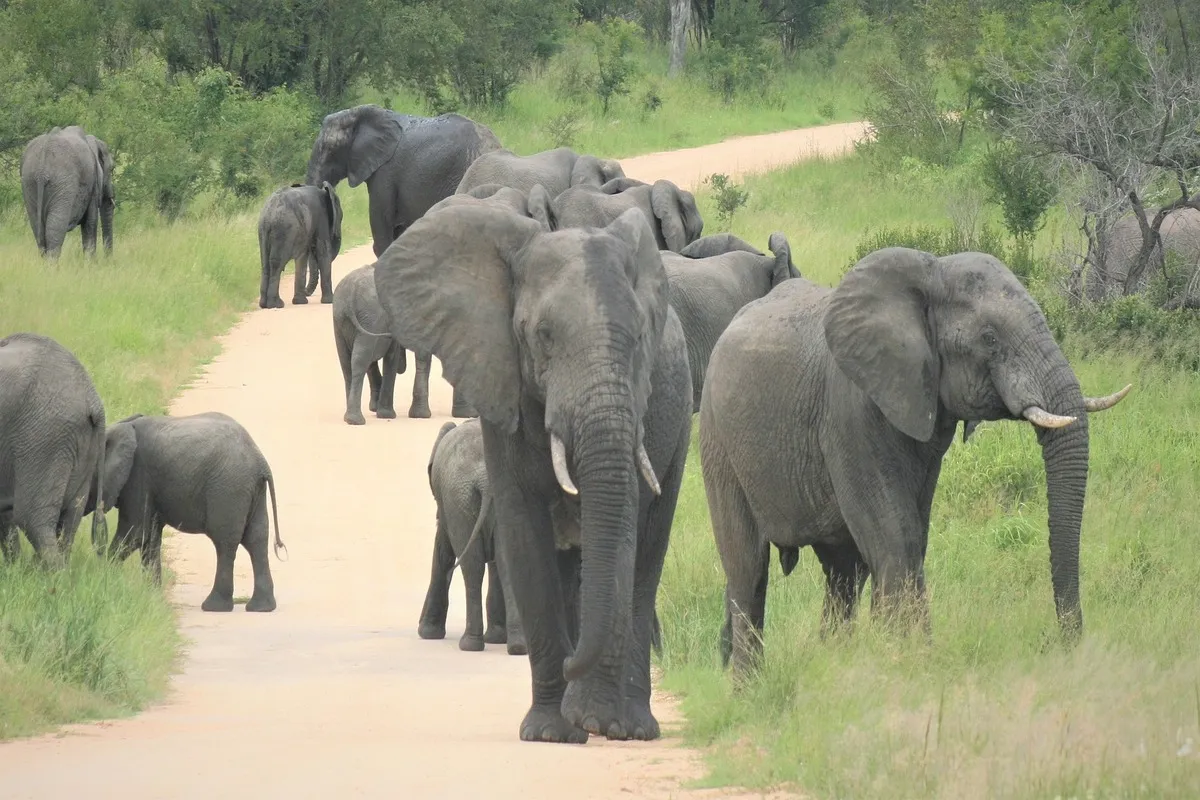
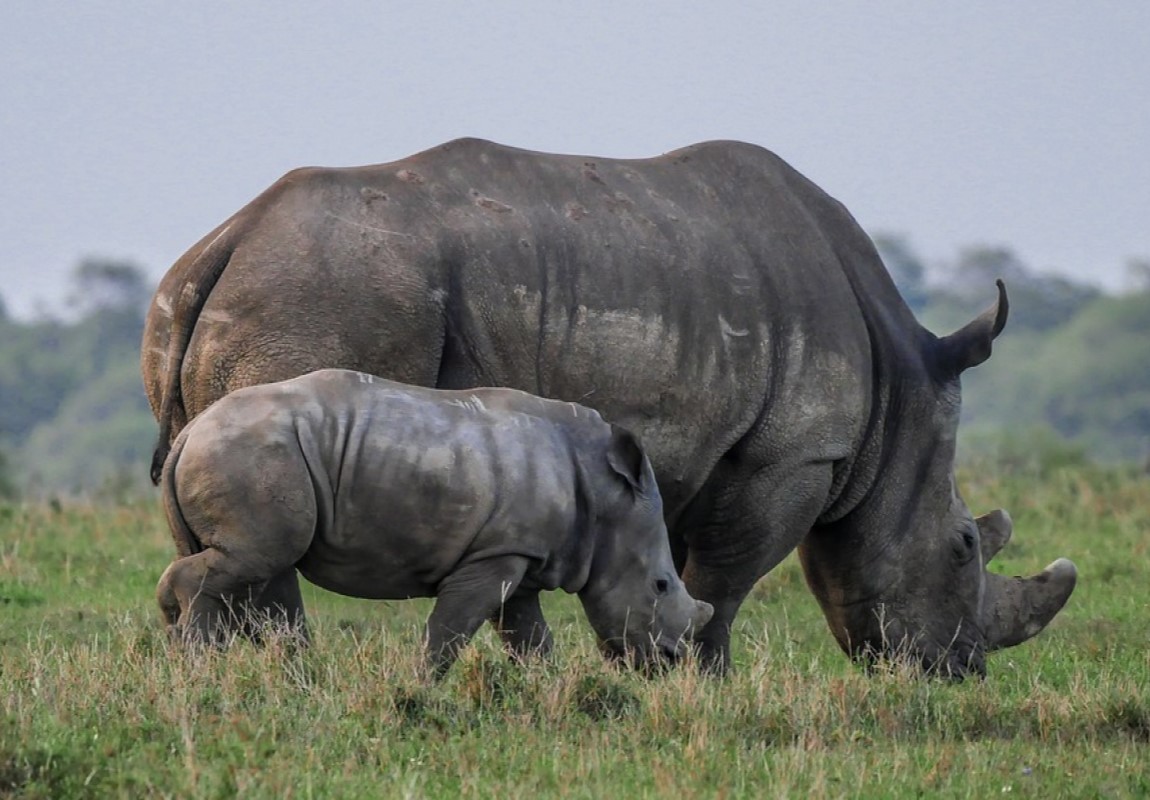
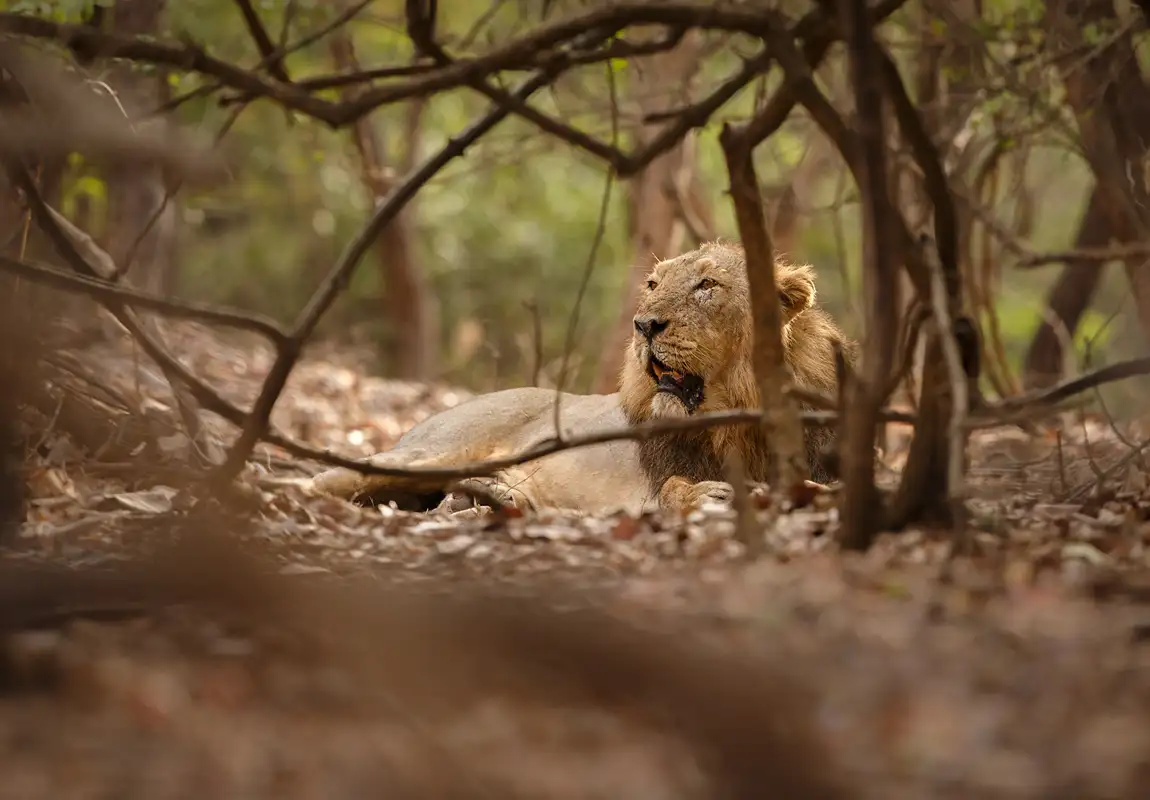
Shamwari Private Game Reserve supports a wide variety of wildlife across its restored ecosystems, including all members of the Big Five. Lions, elephants, buffalo, rhinos, and leopards roam freely across the reserve alongside cheetahs, giraffes, zebras, and numerous antelope species. The Eastern Cape setting creates a different safari character compared to northern South Africa, with open plains, dense thicket, and river systems shaping animal movement and sightings. Guided game drives focus on ethical wildlife viewing, ecological interpretation, and conservation awareness, offering guests an educational and immersive safari experience.
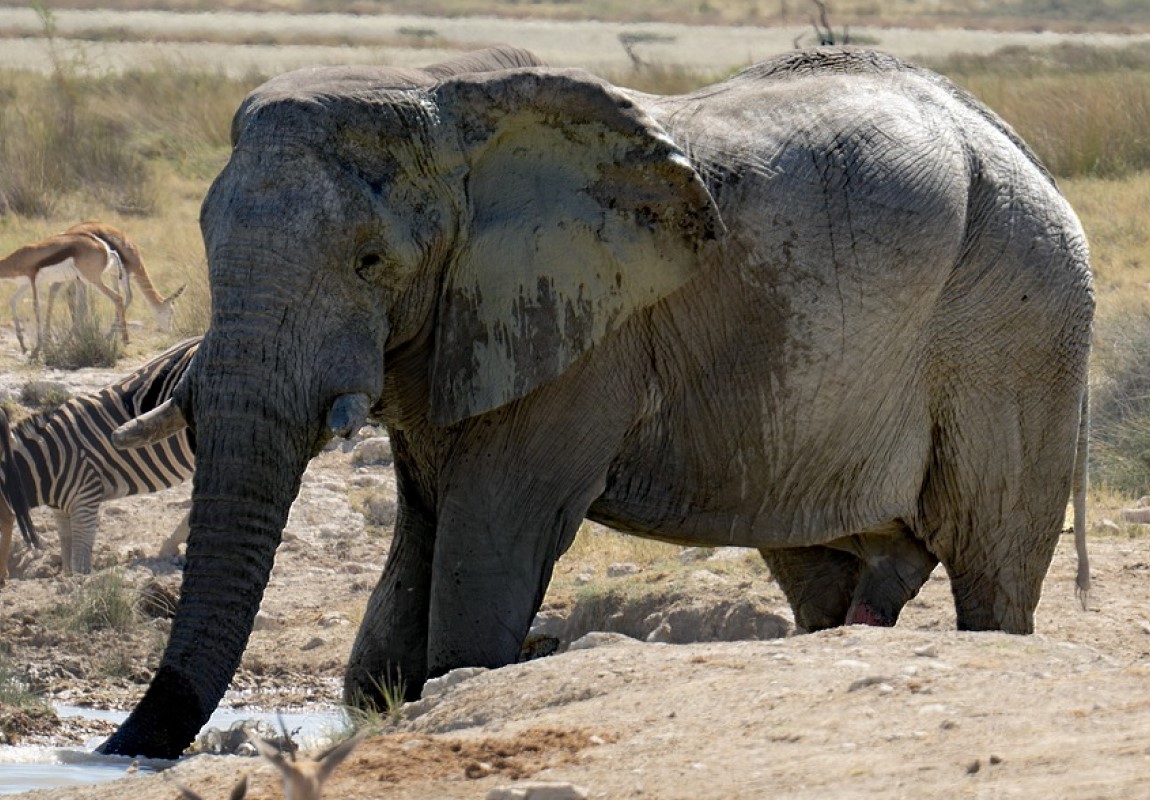
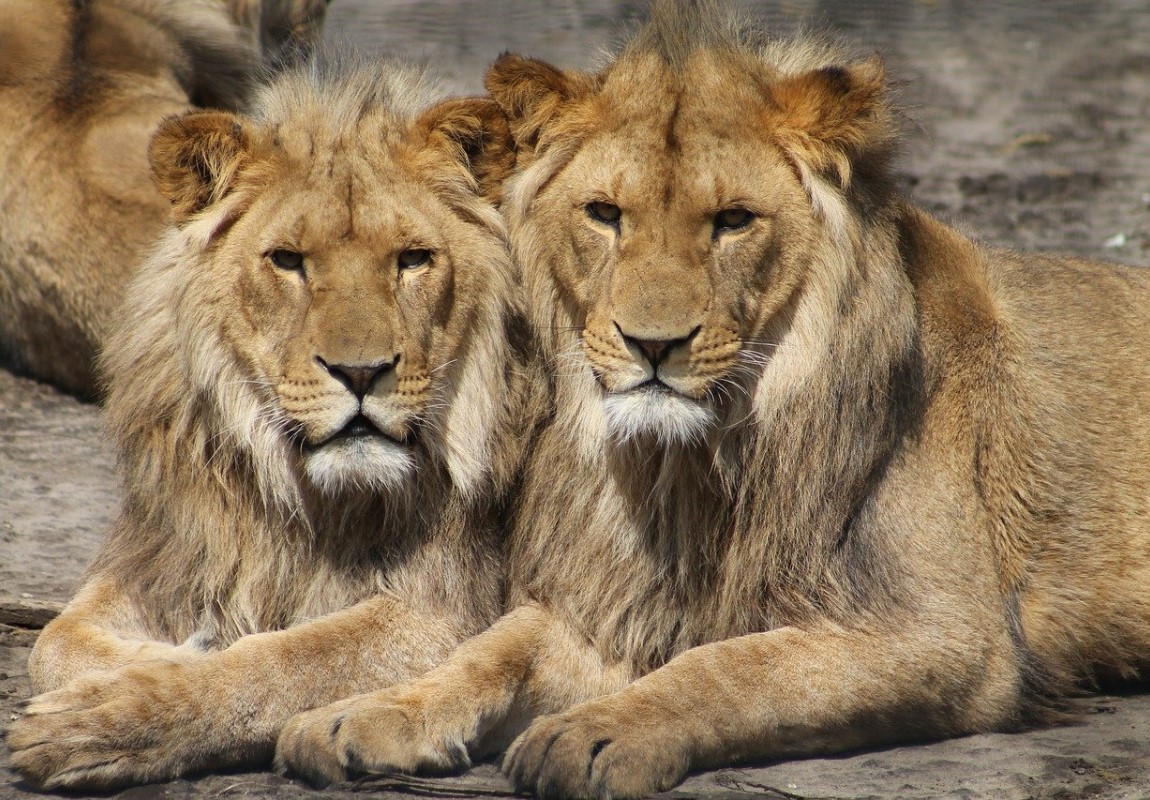

Wildlife Highlights
A defining highlight of Shamwari is its commitment to conservation and wildlife rehabilitation. The reserve is home to the Born Free Big Cat Sanctuaries and a Wildlife Rehabilitation Centre, which provide insight into rescue, rehabilitation, and release programs. Rhino conservation is another key focus, with active anti-poaching initiatives and breeding programs. These conservation elements add depth to the safari experience, allowing visitors to understand wildlife protection beyond game viewing alone.
Best Time for Wildlife Viewing
The best time to visit Shamwari for wildlife viewing is during the cooler, drier months from May to September. During this period, vegetation is less dense and animals are more active during daylight hours, improving visibility on game drives. Cooler temperatures also make safari activities more comfortable, especially during morning and afternoon drives.
Want to Visit Shamwari Private Game Reserve?
Birds
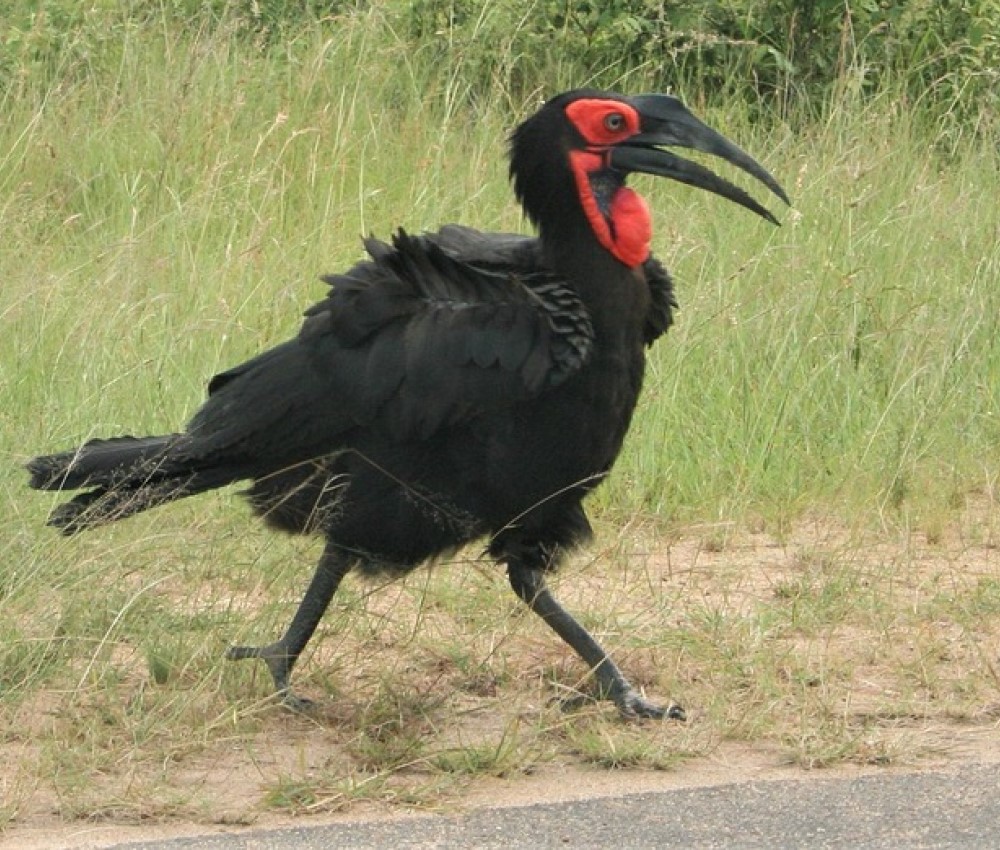
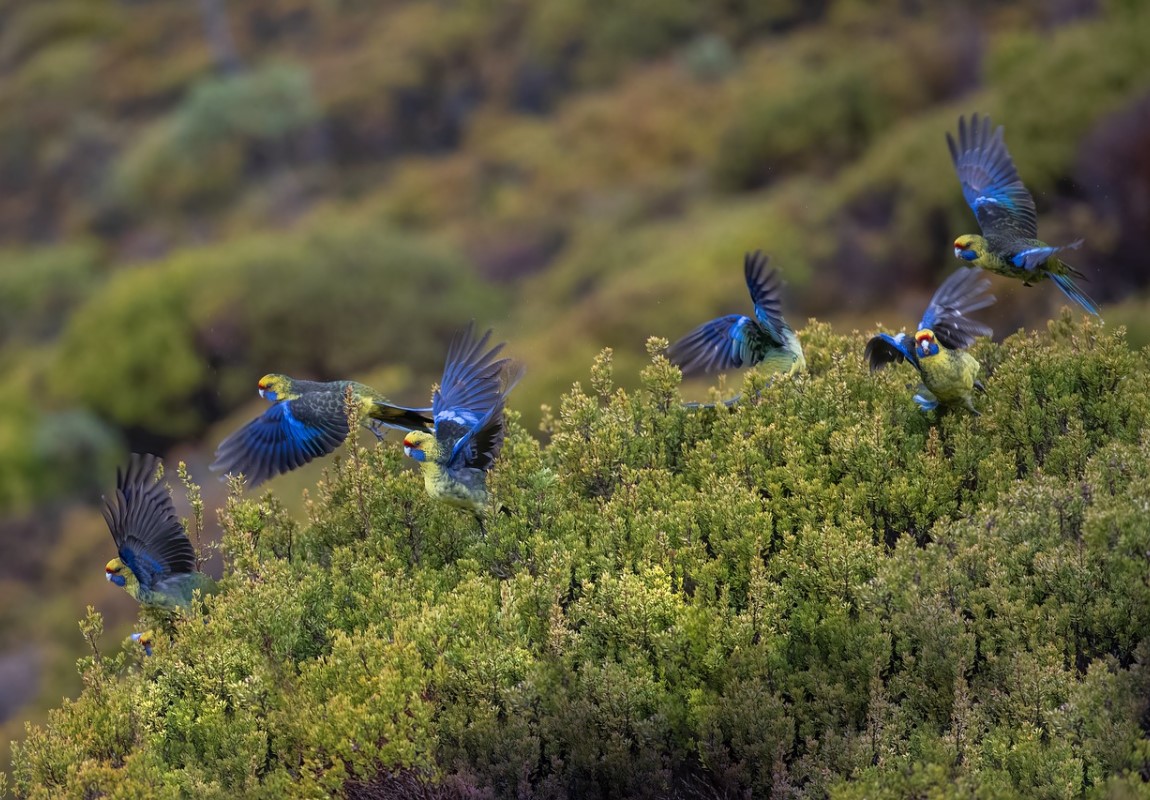
Shamwari Private Game Reserve offers rewarding birding opportunities due to its diverse habitats, which support grassland, woodland, and wetland species. The reserve is home to a wide range of resident birds, including raptors, bustards, and colorful woodland species. Seasonal rainfall attracts migratory birds, adding further diversity during the summer months. Birdlife complements the safari experience and appeals to both casual birdwatchers and dedicated enthusiasts.
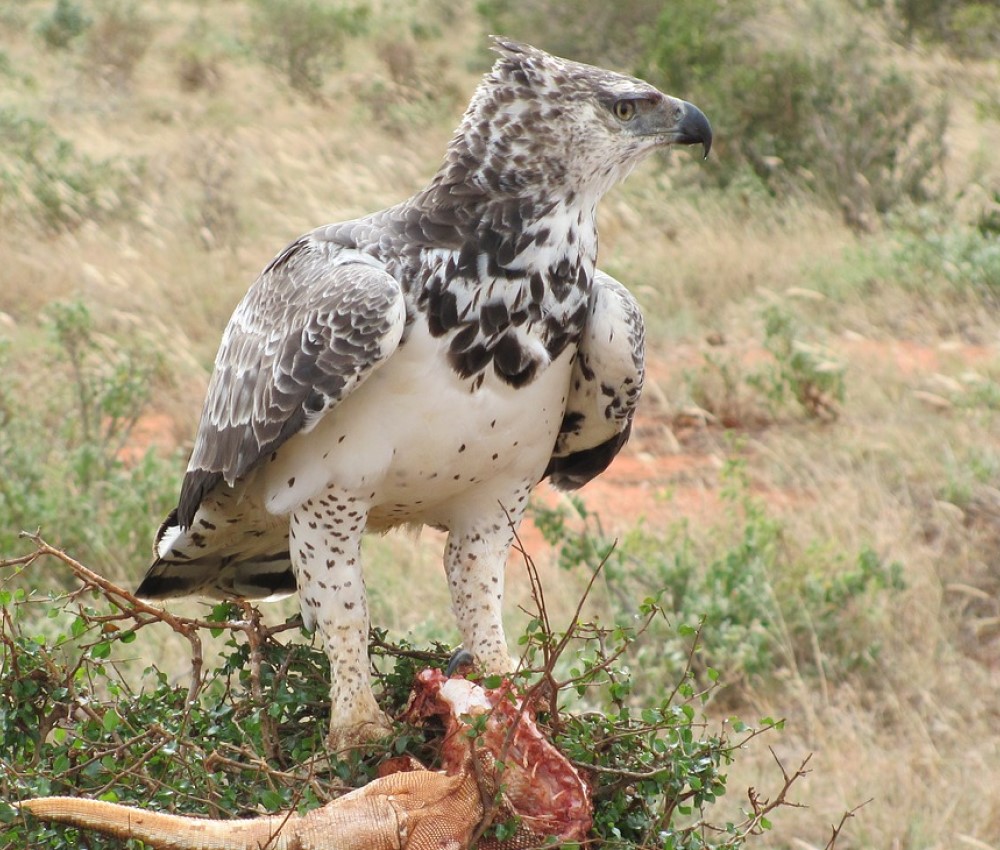


Best Time for Birding
The best time for birdwatching at Shamwari is from October to March, when migratory species arrive and breeding activity increases. Warmer temperatures and summer rains result in greater bird diversity, frequent calls, and more vibrant plumage, making this period particularly rewarding for bird enthusiasts.
Want to Visit Shamwari Private Game Reserve?
Best Time to Visit – Shamwari Private Game Reserve
The best time to visit Shamwari for wildlife viewing is during the cooler, drier months from May to September. During this period, vegetation is less dense and animals are more active during daylight hours, improving visibility on game drives. Cooler temperatures also make safari activities more comfortable, especially during morning and afternoon drives.
May to September (Dry Season)
- Excellent Big Five visibility
- Comfortable daytime temperatures
- Ideal safari conditions
- Cool early mornings and evenings
- Drier landscapes
October to March (Wet Season)
- Lush green scenery
- Peak birding season
- Fewer visitors
- Thicker vegetation reduces visibility
- Warmer temperatures
Want to Visit Shamwari Private Game Reserve?
Activities
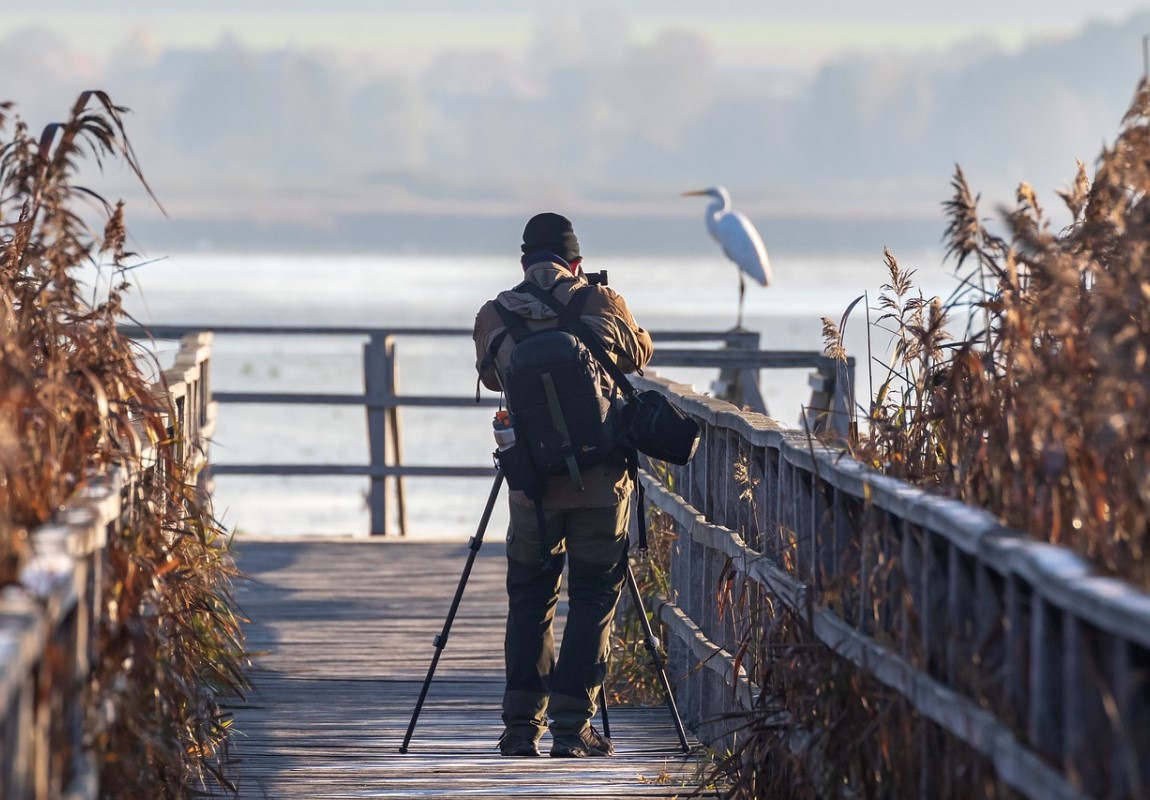
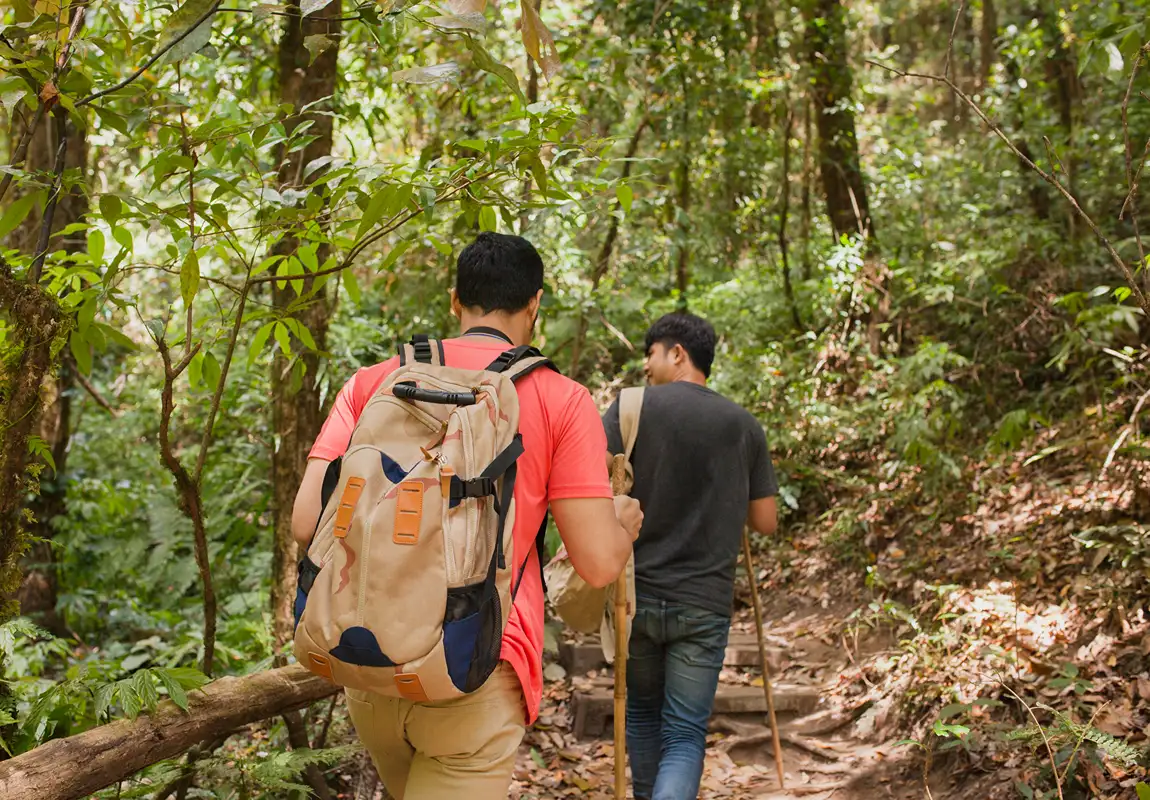
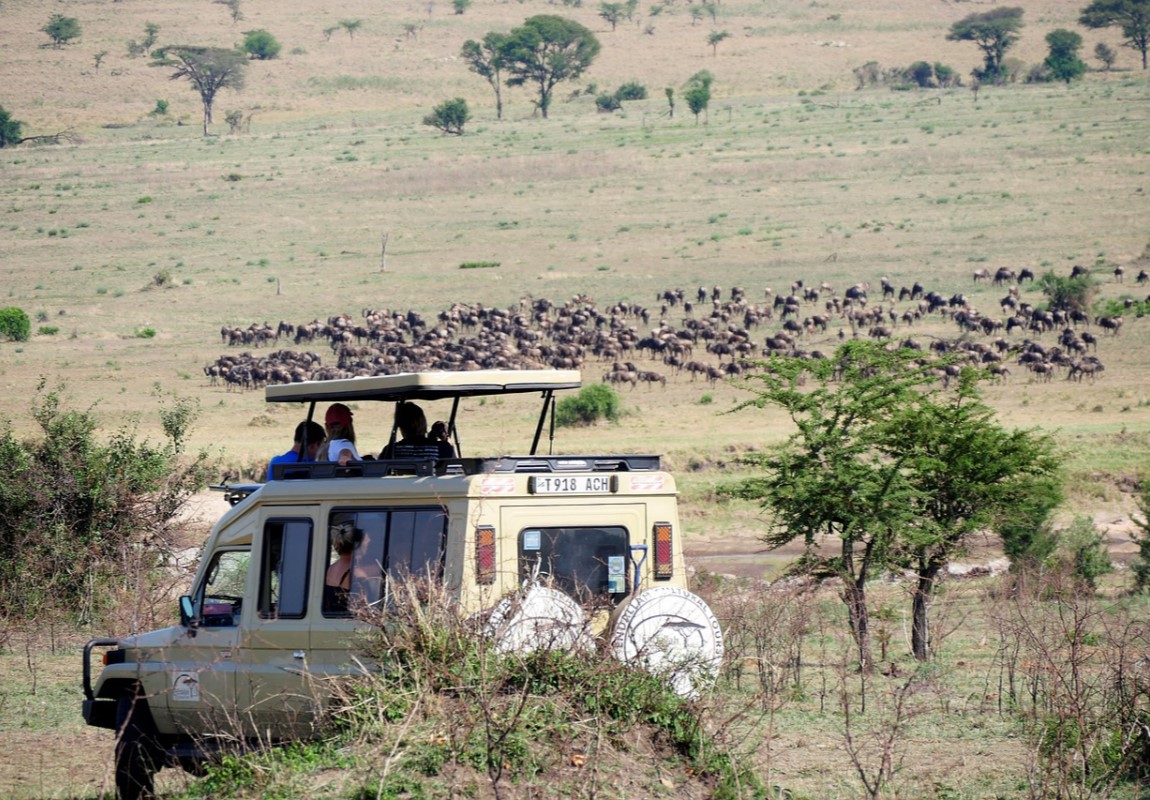
Explore popular activities available in and around Shamwari Private Game Reserve.
Want to Visit Shamwari Private Game Reserve?
No FAQs available for this park yet.
Safari Tours
View all tours