Phinda Private Game Reserve 
Phinda Private Game Reserve - South Africa Wildlife Destination
Starting from
$500PP
Overview
Phinda Private Game Reserve is a renowned private conservation area located in northern KwaZulu-Natal, South Africa, between the Mkuze wetlands and the Indian Ocean coastal forests. Covering a remarkable range of ecosystems within a relatively compact area, Phinda protects seven distinct habitats including rare dry sand forests, savanna, wetlands, riverine woodland, and coastal grasslands. This ecological diversity makes Phinda one of the most biologically rich private reserves in South Africa. Known for its high-end safari lodges, expert guiding, and strong conservation partnerships, Phinda delivers an intimate and educational safari experience with a strong emphasis on biodiversity, sustainability, and community upliftment.
Pros & Cons
- Exceptional habitat diversity
- Excellent Big Five sightings
- Strong conservation and community programs
- High-quality guiding and luxury lodges
- Malaria area with managed risk
- Smaller reserve compared to national parks
- Higher costs typical of private reserves
- Malaria precautions recommended
Map in South Africa

Want to Visit Phinda Private Game Reserve?


Want to Visit Phinda Private Game Reserve?
Wildlife & Animals
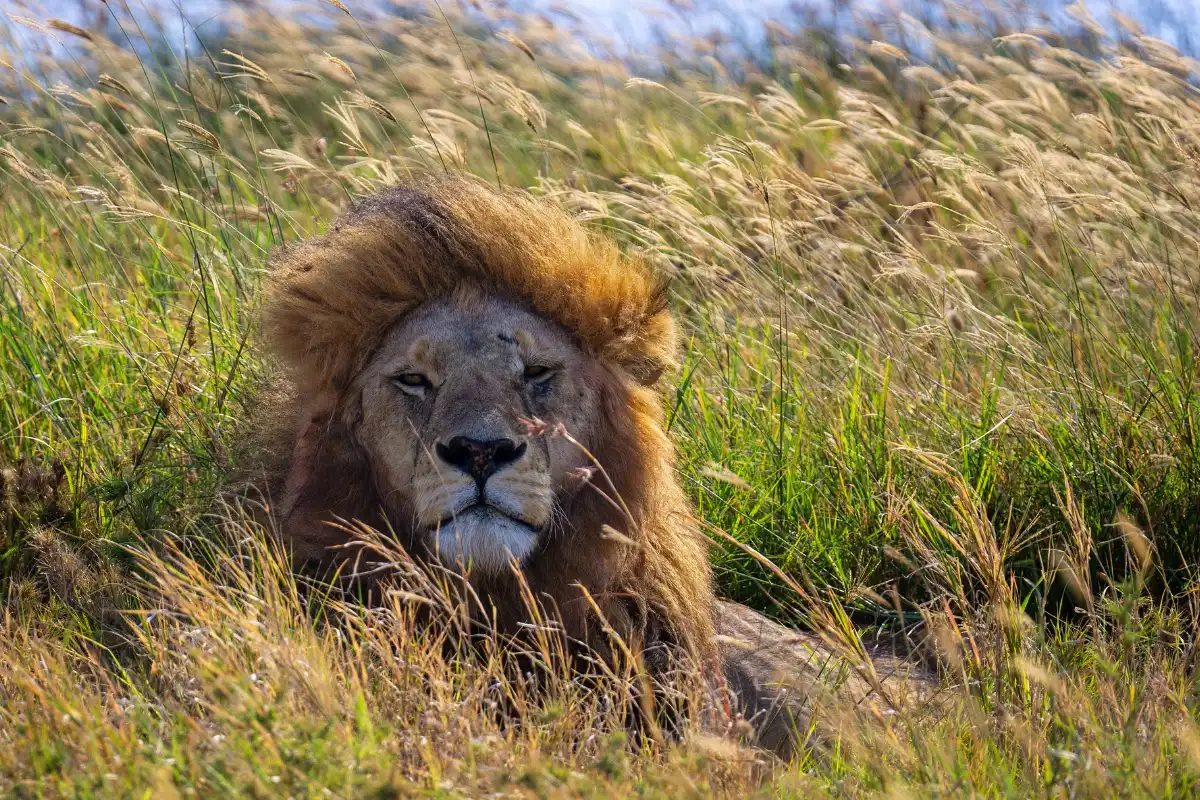
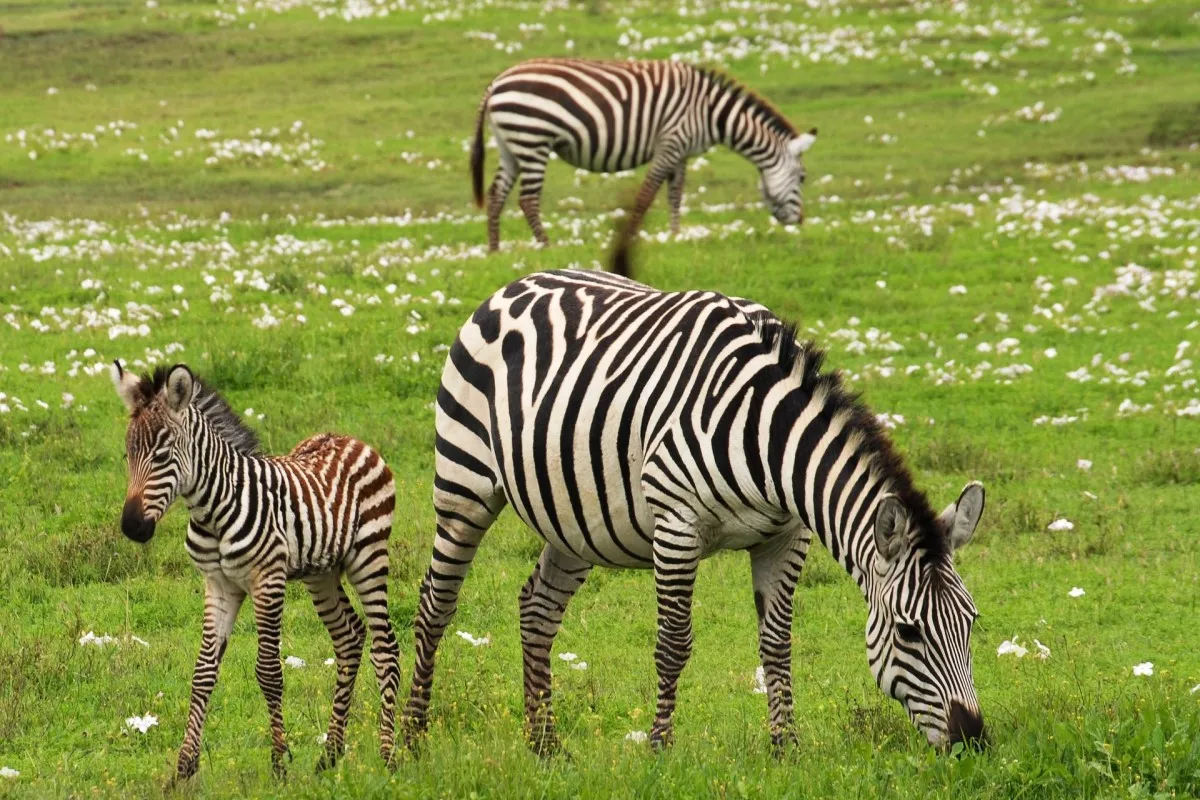
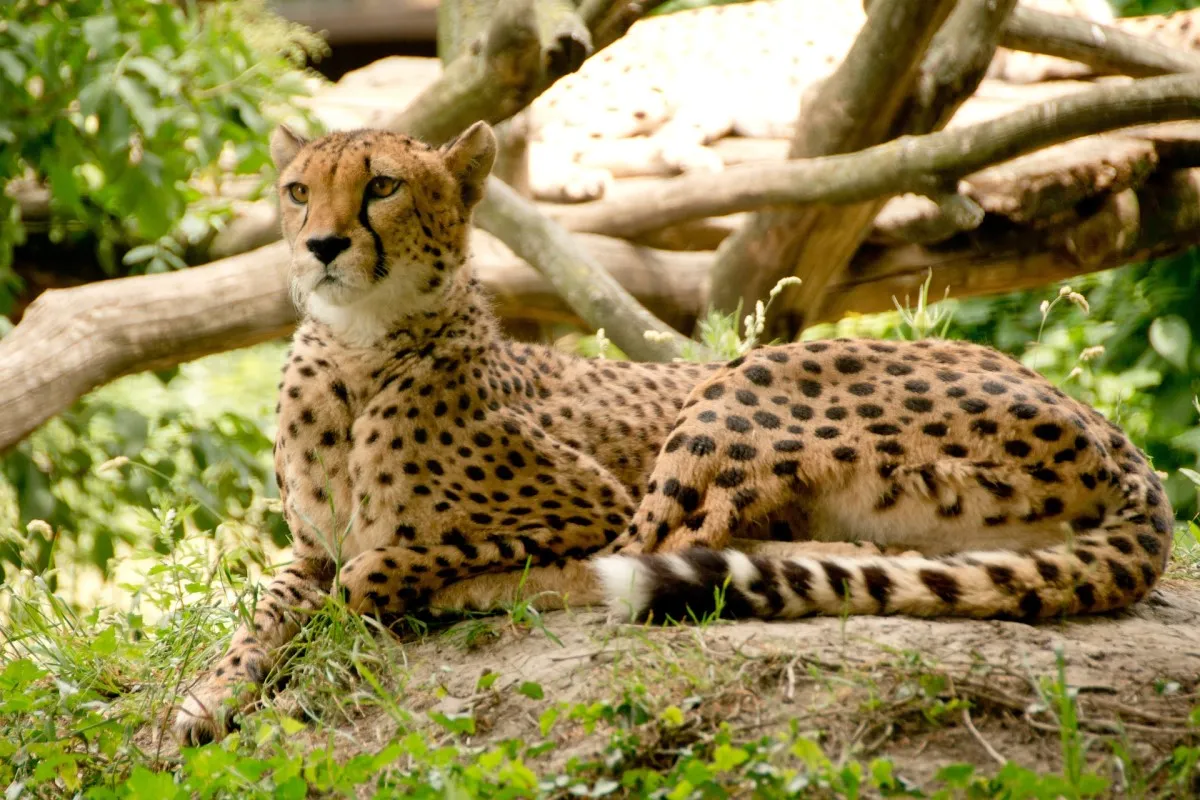
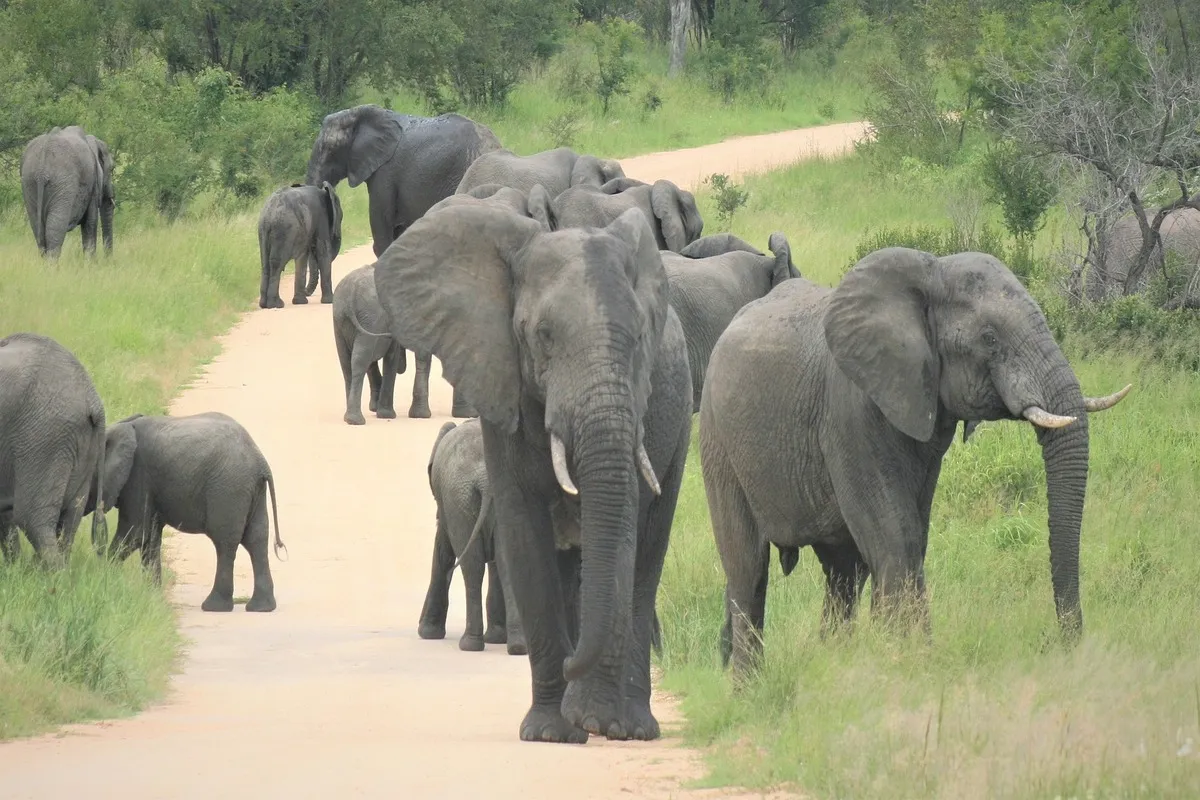
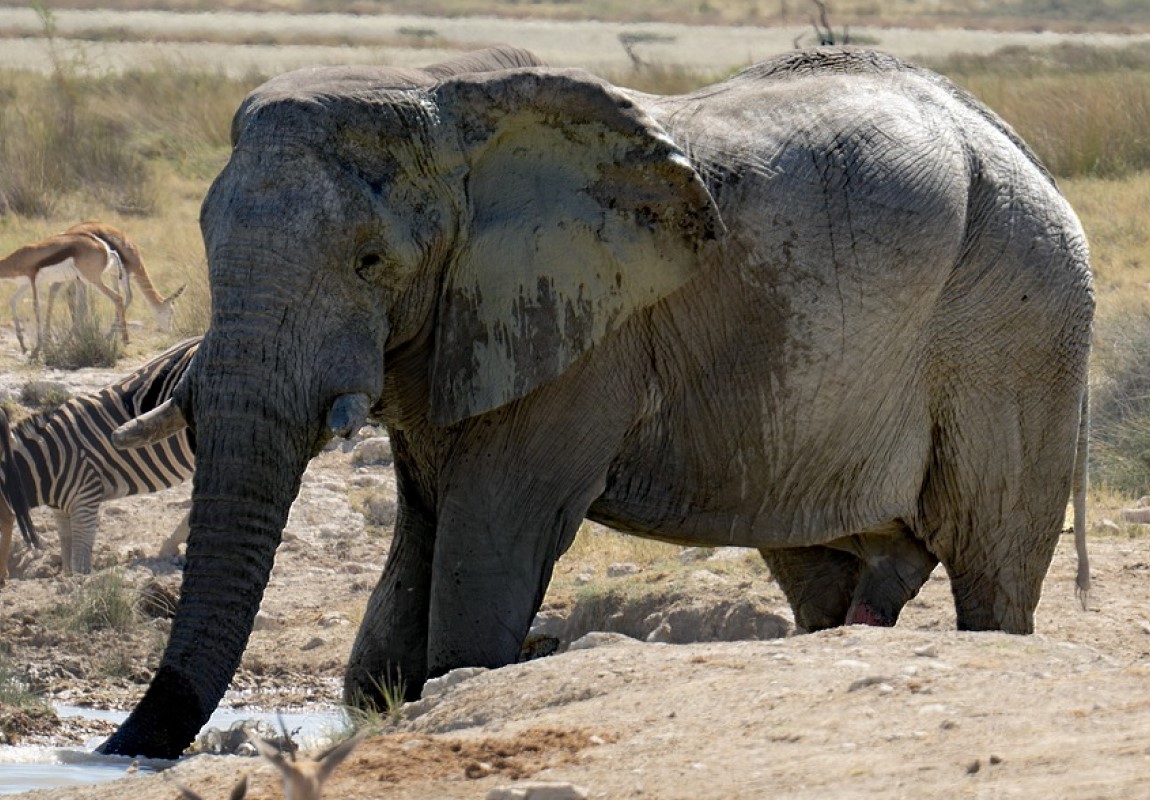
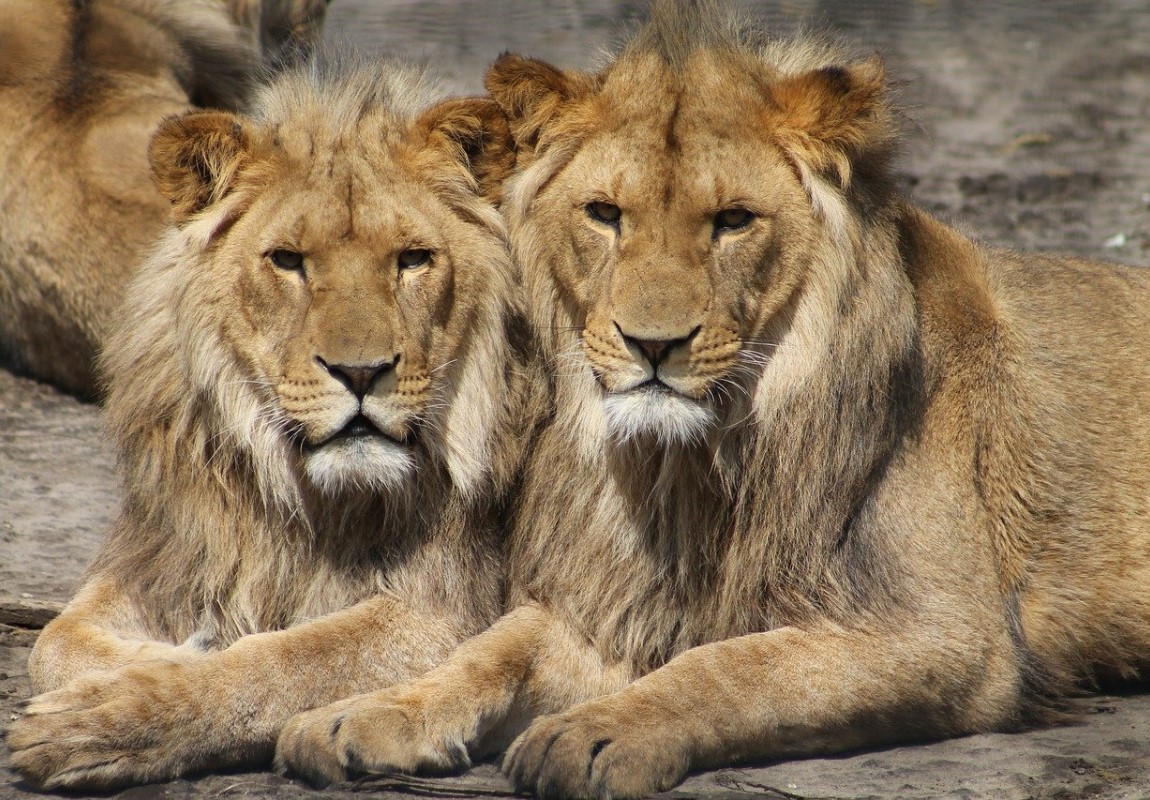
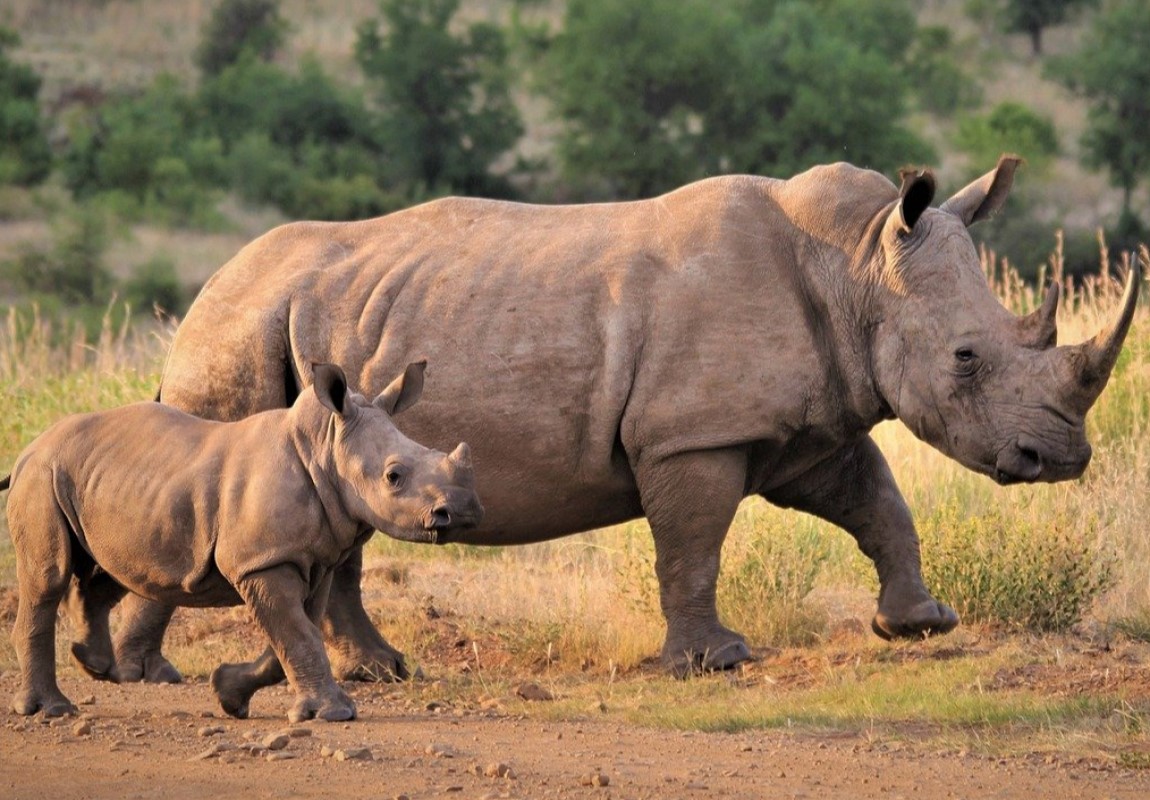
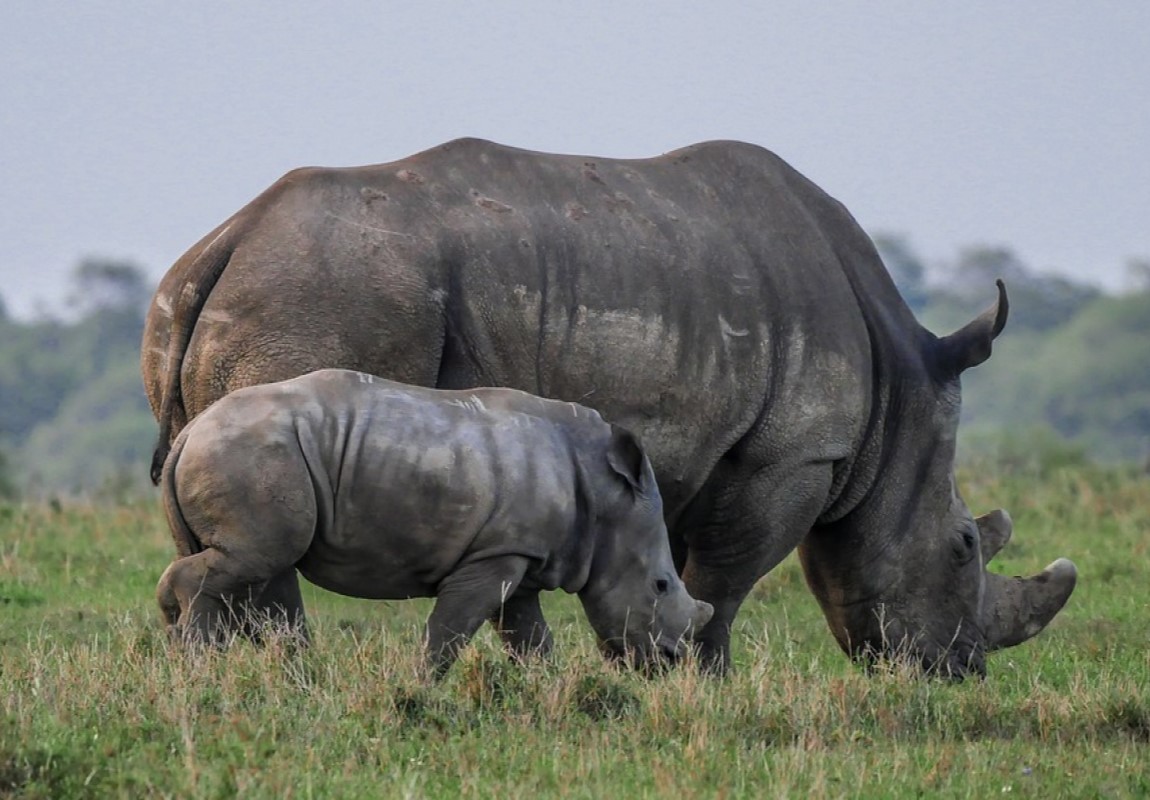
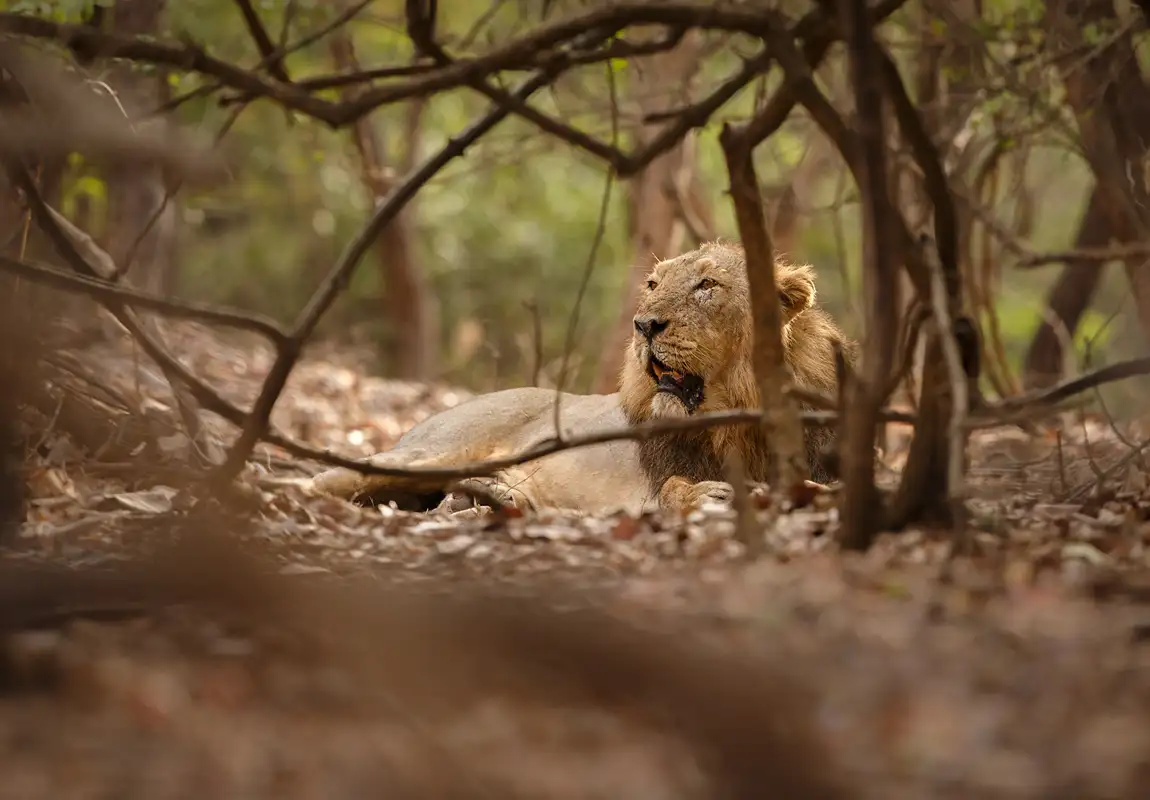
Phinda Private Game Reserve is celebrated for its strong Big Five presence and outstanding biodiversity. Lions, elephants, buffalo, white and black rhinos, and leopards are regularly encountered, alongside cheetahs, spotted hyenas, giraffes, zebras, and numerous antelope species. The reserve is particularly known for successful cheetah and rhino conservation programs. Diverse habitats allow for varied wildlife encounters, from open savanna game drives to sightings along river systems and forest edges. Guided safaris emphasize tracking skills, ecological understanding, and responsible wildlife viewing.


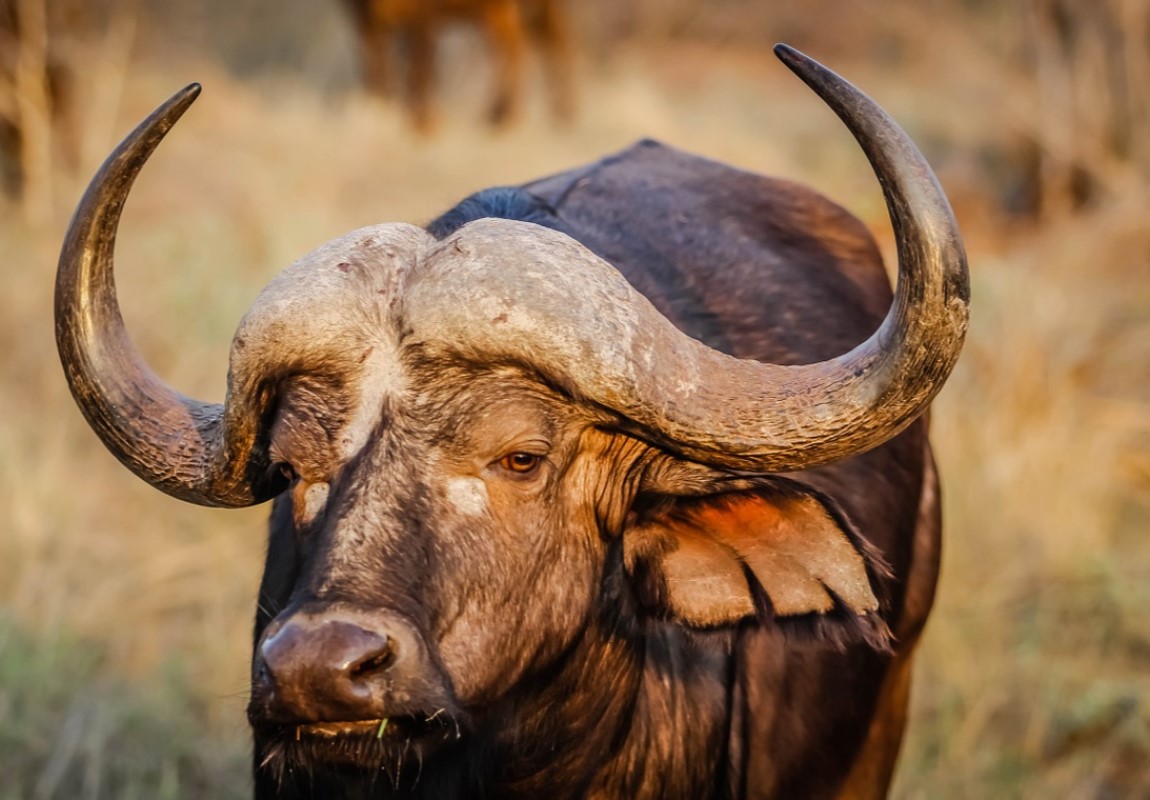
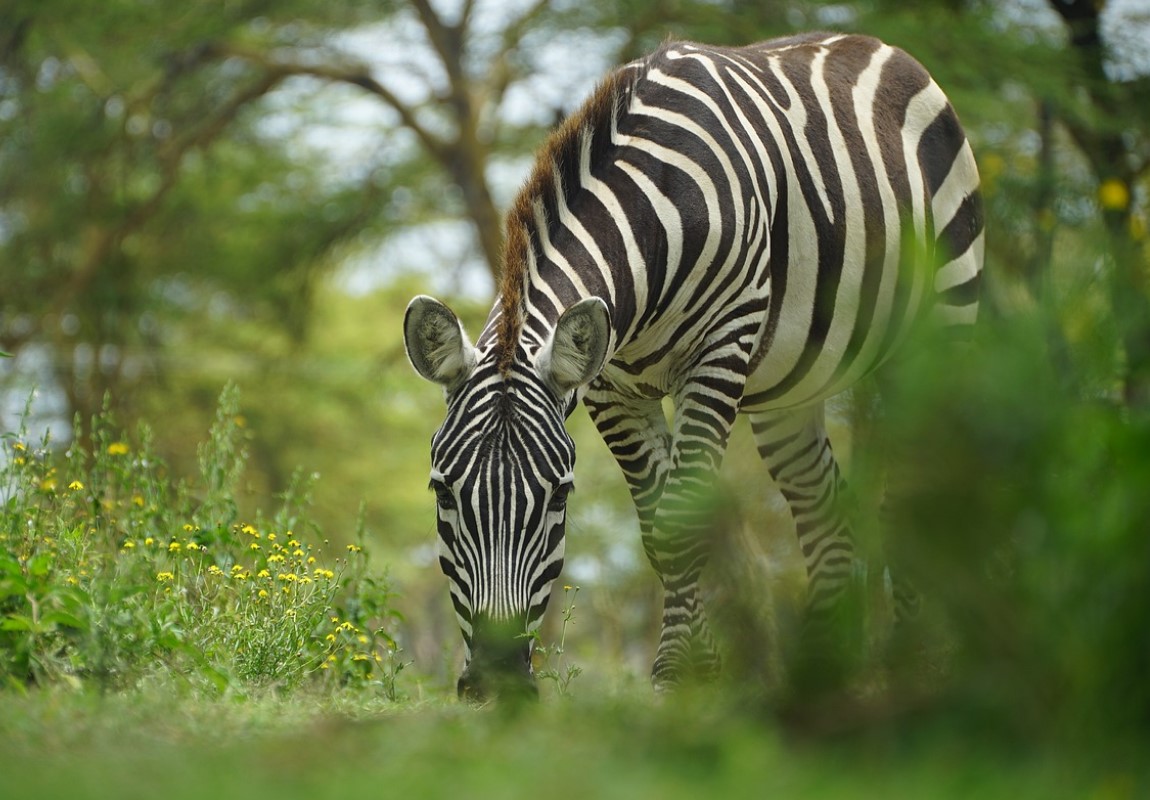
Wildlife Highlights
A major wildlife highlight at Phinda is its successful cheetah reintroduction program, which has become a conservation benchmark in South Africa. Rhino conservation is another key focus, supported by intensive monitoring and anti-poaching initiatives. The reserve’s rare dry sand forest habitat supports species found almost nowhere else in the country, adding a unique ecological dimension to the safari experience.
Best Time for Wildlife Viewing
The best time for wildlife viewing at Phinda is during the dry winter months from May to September, when vegetation is thinner and animals congregate around water sources. Cooler temperatures also make game drives more comfortable and improve predator visibility.
Want to Visit Phinda Private Game Reserve?
Birds
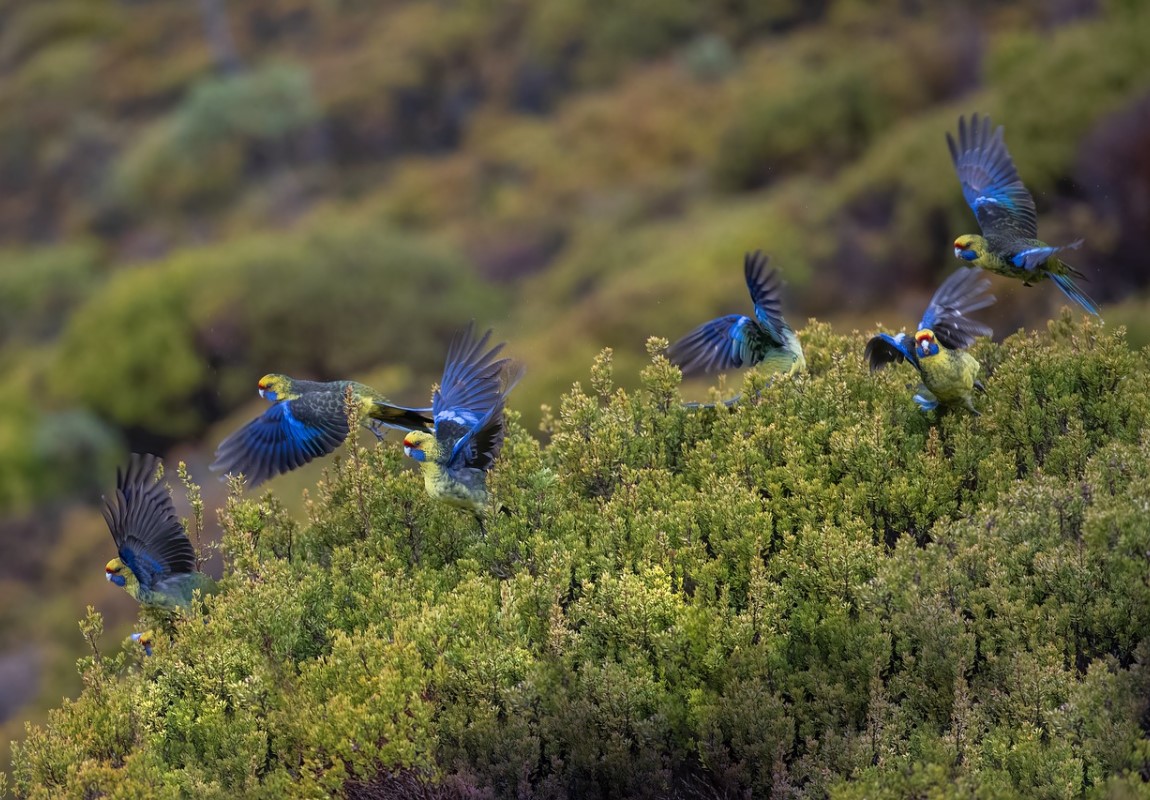
Phinda Private Game Reserve is one of South Africa’s premier birding destinations, with over 430 recorded bird species. The presence of multiple ecosystems within a small area allows birders to encounter savanna, wetland, forest, and coastal species in a single destination. Raptors, waterbirds, and rare forest specialists are all well represented, making Phinda attractive to both serious birders and casual nature enthusiasts.
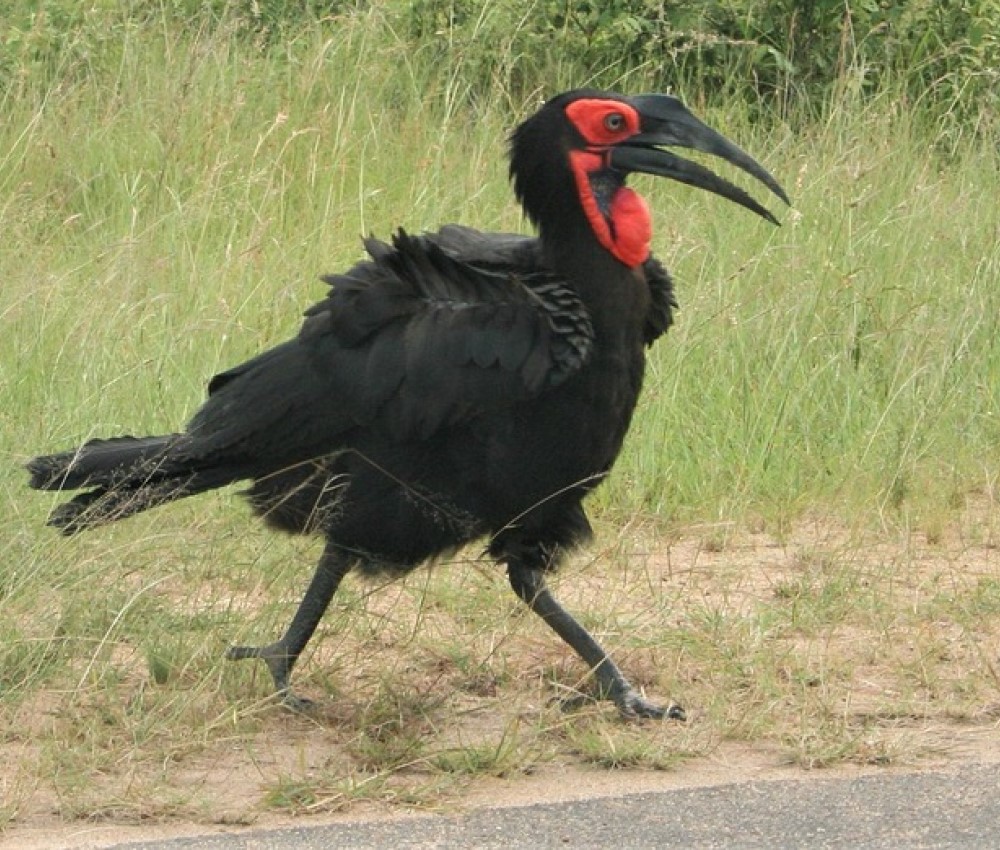

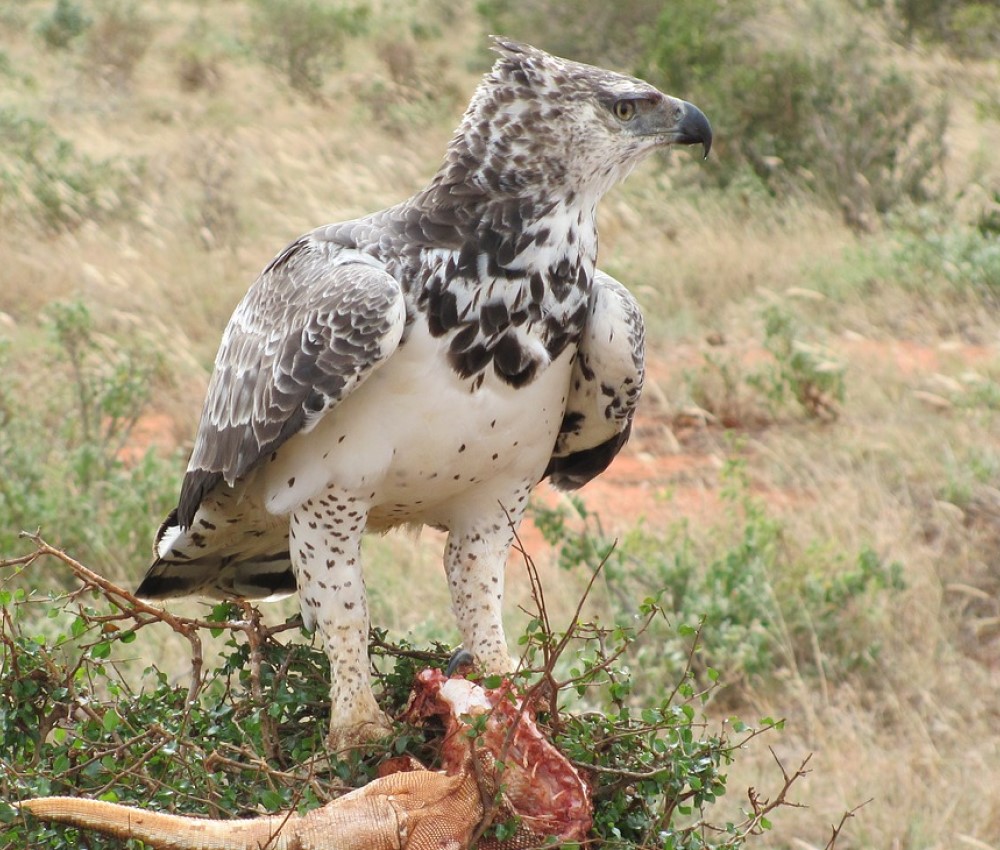
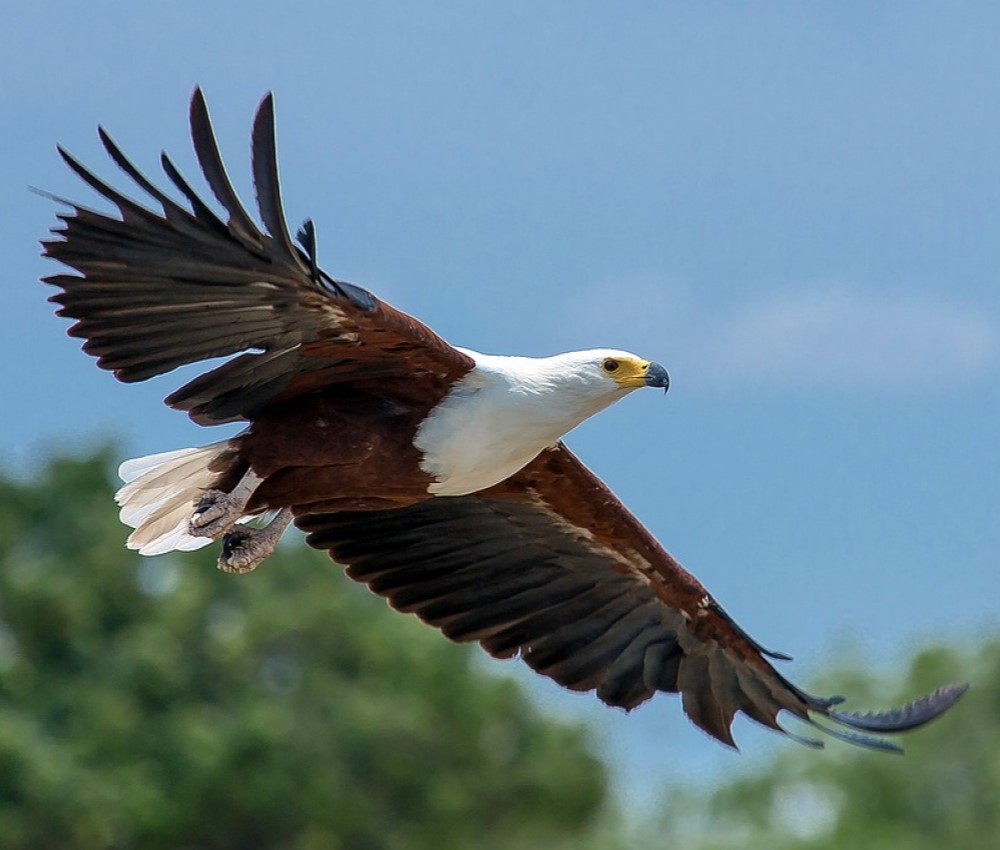
Best Time for Birding
The best time for birdwatching at Phinda is from October to March, when migratory species arrive and breeding activity peaks. Summer rains increase insect life and vegetation cover, resulting in higher bird diversity, frequent calls, and colorful breeding plumage.
Want to Visit Phinda Private Game Reserve?
Best Time to Visit – Phinda Private Game Reserve
The best time for wildlife viewing at Phinda is during the dry winter months from May to September, when vegetation is thinner and animals congregate around water sources. Cooler temperatures also make game drives more comfortable and improve predator visibility.
May to September (Dry Season)
- Excellent Big Five visibility
- Comfortable safari temperatures
- Less dense vegetation
- Cool mornings and evenings
- Drier scenery
October to March (Wet Season)
- Lush green landscapes
- Peak birding season
- Fewer visitors
- Thicker vegetation reduces visibility
- Hot and humid conditions
Want to Visit Phinda Private Game Reserve?
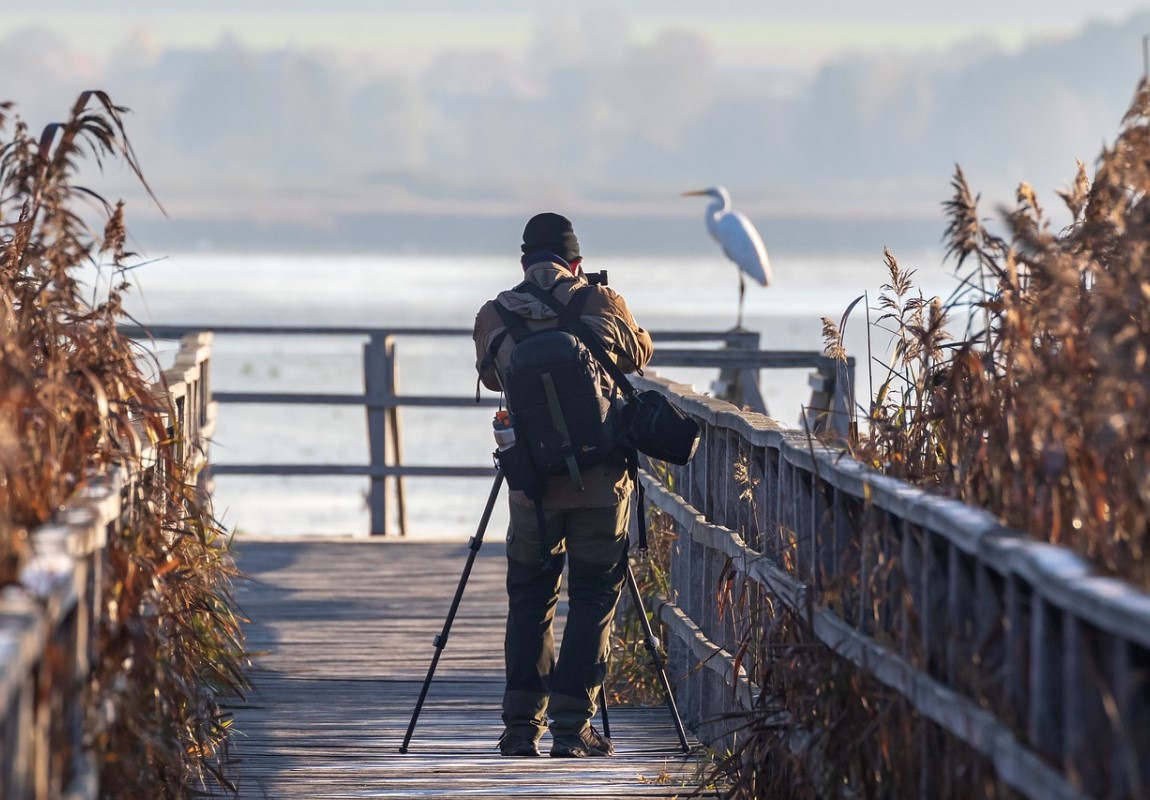
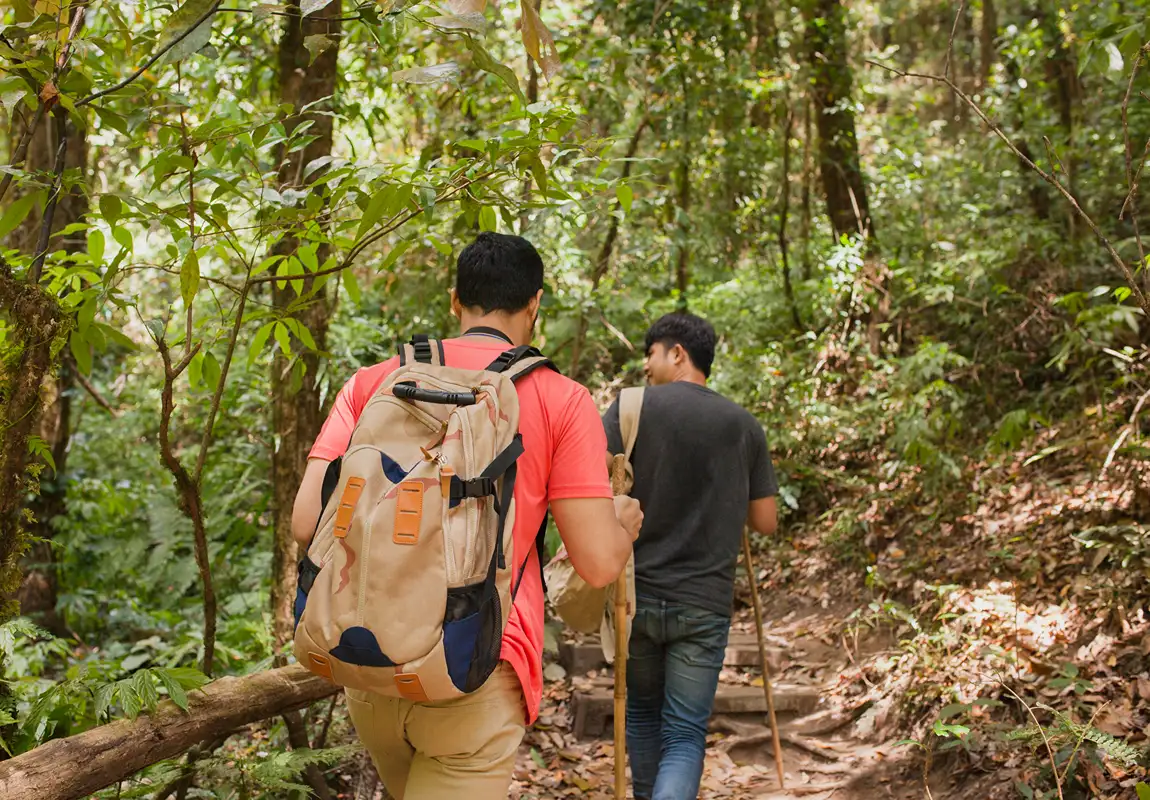
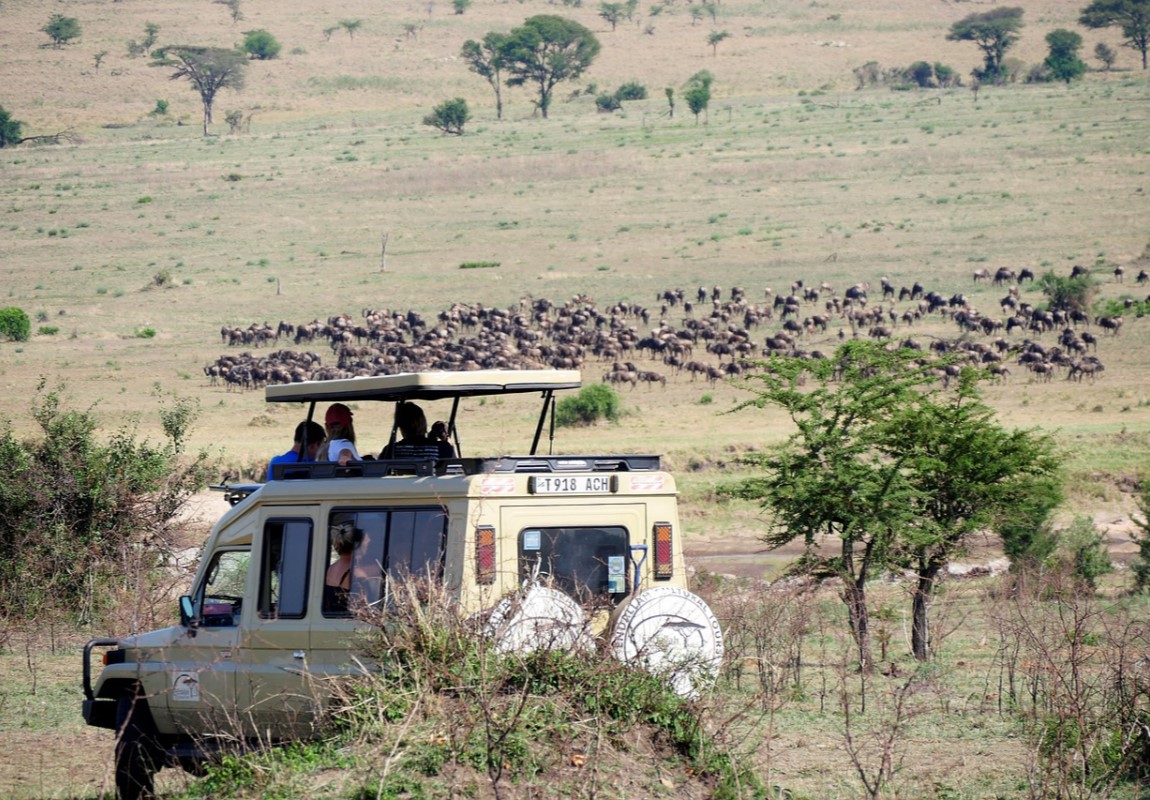
Activities
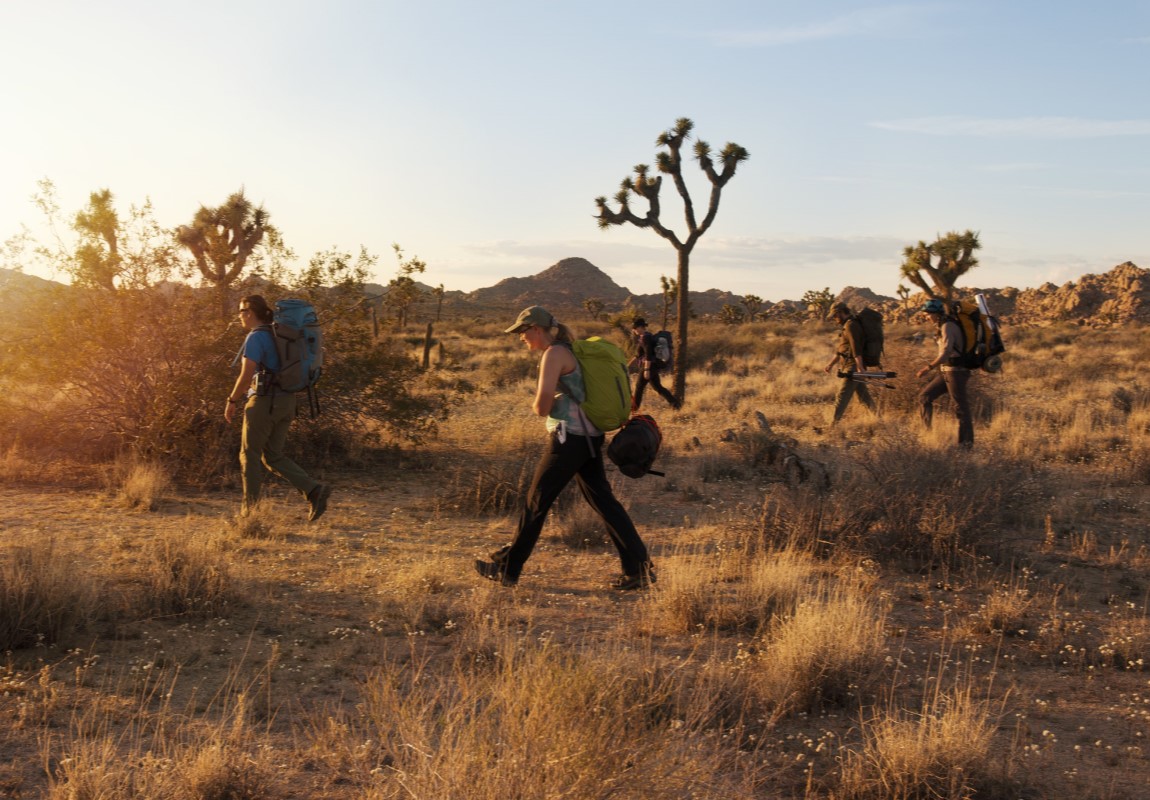
Explore popular activities available in and around Phinda Private Game Reserve.
Want to Visit Phinda Private Game Reserve?
No FAQs available for this park yet.
Safari Tours
View all tours