
Starting from
$500PP
Overview
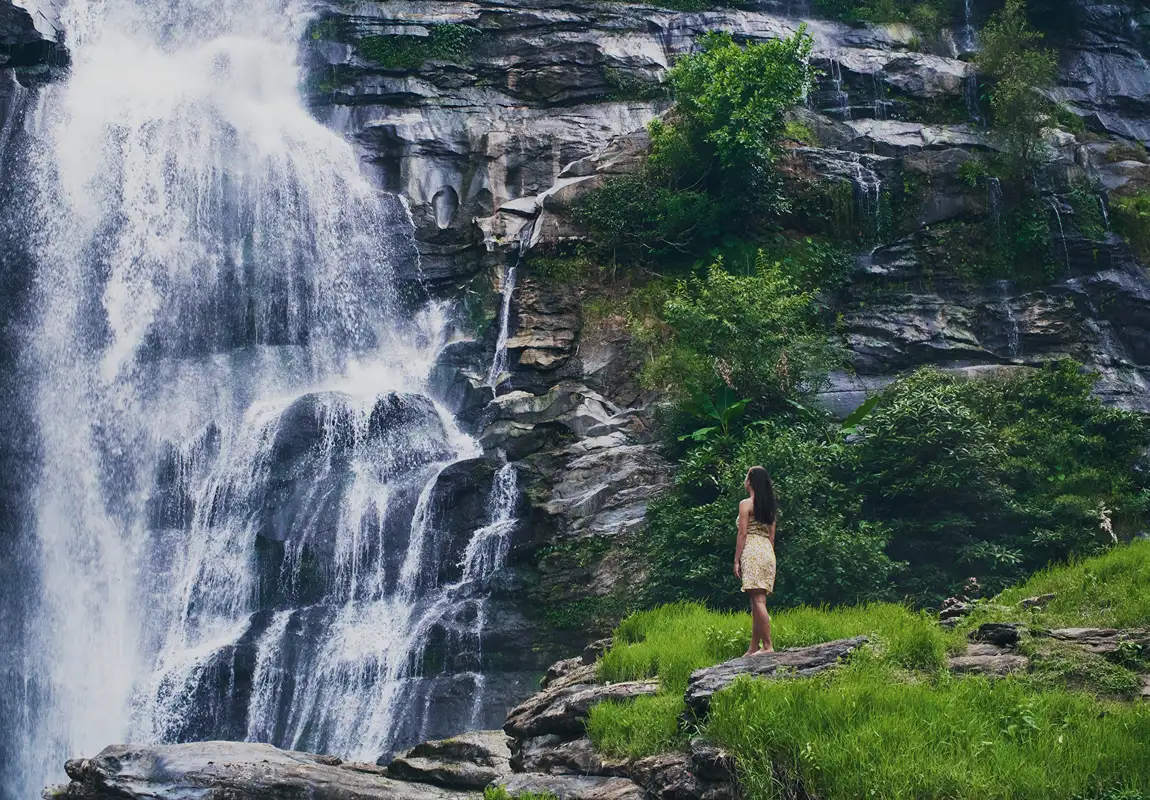
The Panorama Route is one of South Africa’s most celebrated scenic journeys, running through the Mpumalanga Province along the dramatic edge of the Drakensberg Escarpment. This iconic route is renowned for its breathtaking natural beauty, where towering cliffs, deep valleys, misty forests, and winding mountain passes create constantly changing vistas. The route is shaped by millions of years of geological activity, resulting in spectacular landforms such as the Blyde River Canyon, the largest green canyon in the world, and a series of waterfalls that plunge into lush ravines below. Rather than being a single protected area, the Panorama Route is a collection of natural landmarks, viewpoints, short hiking trails, and cultural stops that together form a rich travel experience. Its accessibility, well-maintained roads, and proximity to Kruger National Park make it a favorite stop for travelers who want to combine scenic exploration, photography, light adventure, and cultural discovery with classic safari experiences.
Pros & Cons
- Spectacular mountain and canyon scenery
- Multiple iconic viewpoints and waterfalls
- Excellent photography opportunities
- Easy access by road
- Close to Kruger National Park
- Can be crowded at major viewpoints
- Weather can change quickly
- Limited wildlife sightings along the route itself
Map in South Africa

Want to Visit Panorama Route?


Want to Visit Panorama Route?
Wildlife & Animals
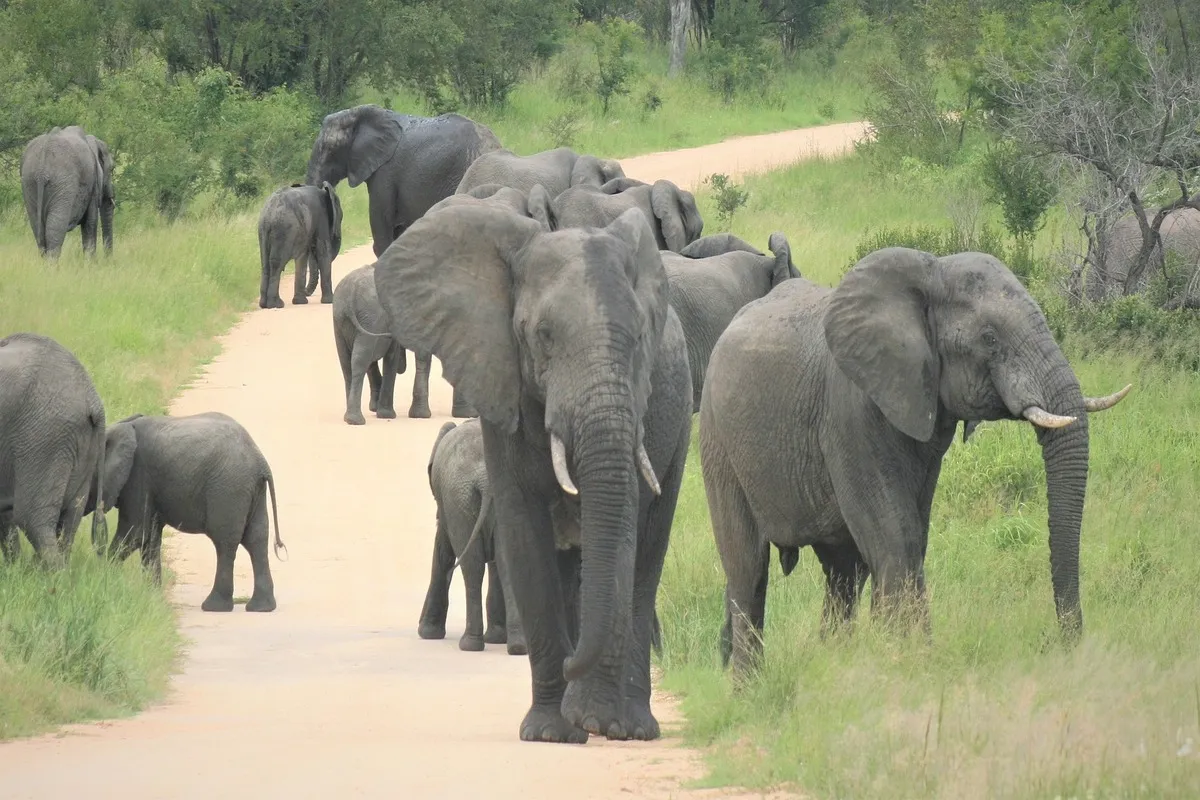
Wildlife is not the primary focus of the Panorama Route, but the varied habitats along the escarpment still support a range of animal species. Forested areas and riverine valleys are home to small antelope, bushbuck, and duiker, while baboons and vervet monkeys are frequently seen near viewpoints and picnic sites. Reptiles such as lizards and snakes inhabit rocky outcrops, and insects thrive in the warmer months, supporting a healthy ecosystem. What truly enhances the wildlife value of the Panorama Route is its close proximity to major conservation areas. Travelers often use the route as a scenic gateway to Kruger National Park and neighboring private reserves, allowing them to enjoy both dramatic landscapes and world-class wildlife viewing within the same itinerary.
Wildlife Highlights
The wildlife highlights of the Panorama Route lie in its role as a scenic counterpart to nearby safari destinations. While large mammals are limited along the route itself, sightings of baboons, monkeys, and small antelope add interest during stops. The real advantage is the seamless combination of panoramic sightseeing with Big Five safaris in Kruger National Park and private reserves such as Sabi Sand. This pairing allows visitors to experience contrasting environments: the cool, elevated escarpment landscapes followed by the wildlife-rich savannas of the Lowveld.
Best Time for Wildlife Viewing
Wildlife-related experiences linked to the Panorama Route are best during the dry season from May to September. During this period, vegetation is thinner in nearby reserves, making animals easier to spot, and cooler temperatures improve overall comfort. This season is ideal for travelers combining scenic drives with game viewing in Kruger National Park, as wildlife congregates around permanent water sources and visibility is at its best.
Want to Visit Panorama Route?
Birds
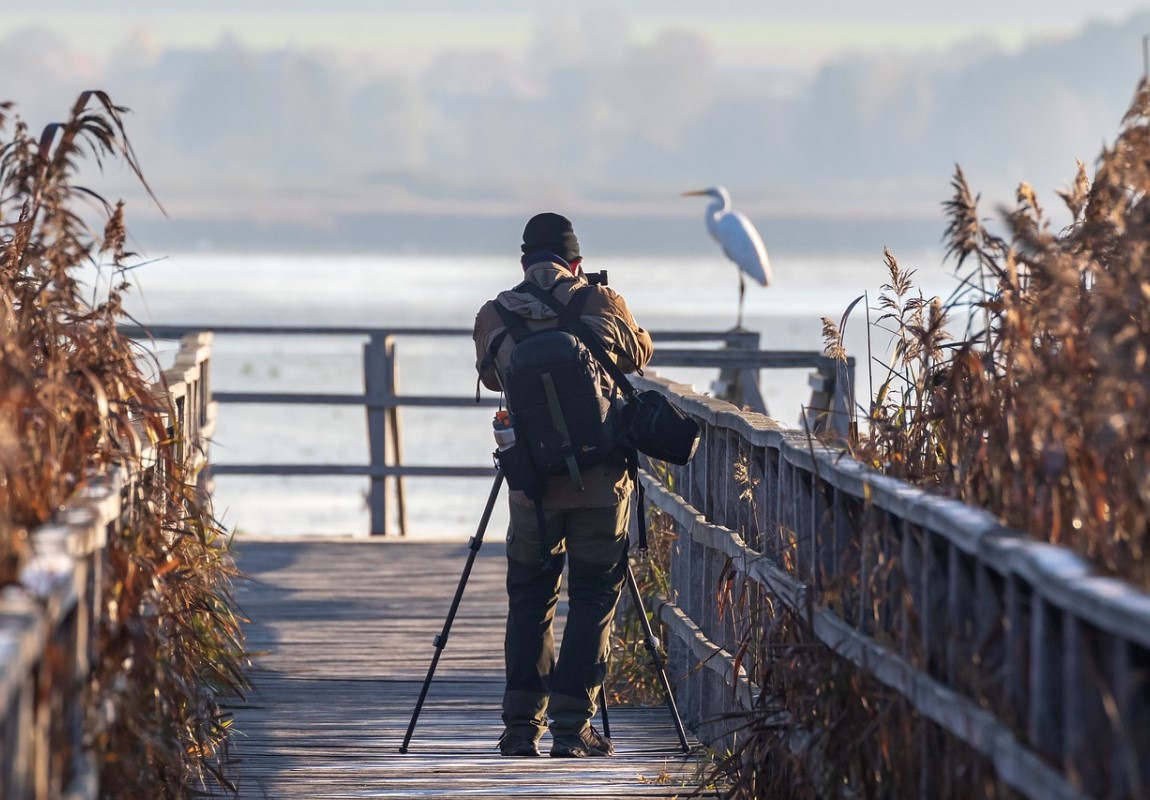
Birdlife along the Panorama Route is diverse due to the variety of habitats found along the escarpment. Indigenous forests, open grasslands, cliffs, and river valleys support a wide range of resident and migratory bird species. Raptors such as black eagles, African fish eagles, and vultures are often seen soaring above the canyon and escarpment edges, while colorful forest species inhabit shaded areas near streams. Seasonal migration significantly increases species diversity, making the route appealing to both casual birdwatchers and dedicated enthusiasts.
Best Time for Birding
The best time to visit the Panorama Route for birdwatching is from October to March. This period coincides with the arrival of migratory species and the breeding season for many resident birds. Increased insect activity attracts a wide variety of birds, and breeding plumage and vocal displays make identification easier. The greener landscapes and flowing waterfalls during this season also enhance the overall birding experience.
Want to Visit Panorama Route?
Best Time to Visit – Panorama Route
Wildlife-related experiences linked to the Panorama Route are best during the dry season from May to September. During this period, vegetation is thinner in nearby reserves, making animals easier to spot, and cooler temperatures improve overall comfort. This season is ideal for travelers combining scenic drives with game viewing in Kruger National Park, as wildlife congregates around permanent water sources and visibility is at its best.
May to September (Dry Season)
- Clear panoramic views
- Comfortable temperatures
- Ideal for sightseeing and photography
- Drier landscapes
- Lower waterfall flow
October to March (Wet Season)
- Lush green scenery
- Full waterfalls
- Excellent bird activity
- Frequent rain and mist
- Reduced visibility at viewpoints
Want to Visit Panorama Route?
Activities
Explore popular activities available in and around Panorama Route.


Want to Visit Panorama Route?
No FAQs available for this park yet.
Safari Tours
View all tours