
Starting from
$500PP
Overview
Omo National Park is one of Ethiopia’s oldest and largest protected areas, located in the remote southwest along the Omo River and bordering South Sudan. The park is defined by vast savannah plains, riverine forests, seasonal wetlands, and rugged wilderness that remains largely untouched by mass tourism. Omo National Park is historically significant as one of Ethiopia’s first designated conservation areas and ecologically important for supporting large migratory mammals and predators. Its remoteness, raw landscapes, and cultural proximity to indigenous tribes of the Lower Omo Valley make it a destination suited to experienced travelers seeking authentic, off-the-beaten-path safari and exploration experiences.
Pros & Cons
- One of Ethiopia’s largest and least disturbed national parks
- True wilderness with minimal tourist traffic
- Supports large mammals and predator species
- Close proximity to culturally rich Omo Valley tribes
- Ideal for exploratory and conservation-focused safaris
- Very limited tourism infrastructure
- Challenging access and long travel distances
- Wildlife sightings can be unpredictable
- Not suitable for first-time safari travelers
Map in Ethiopia

Want to Visit Omo National Park?


Want to Visit Omo National Park?
Wildlife & Animals
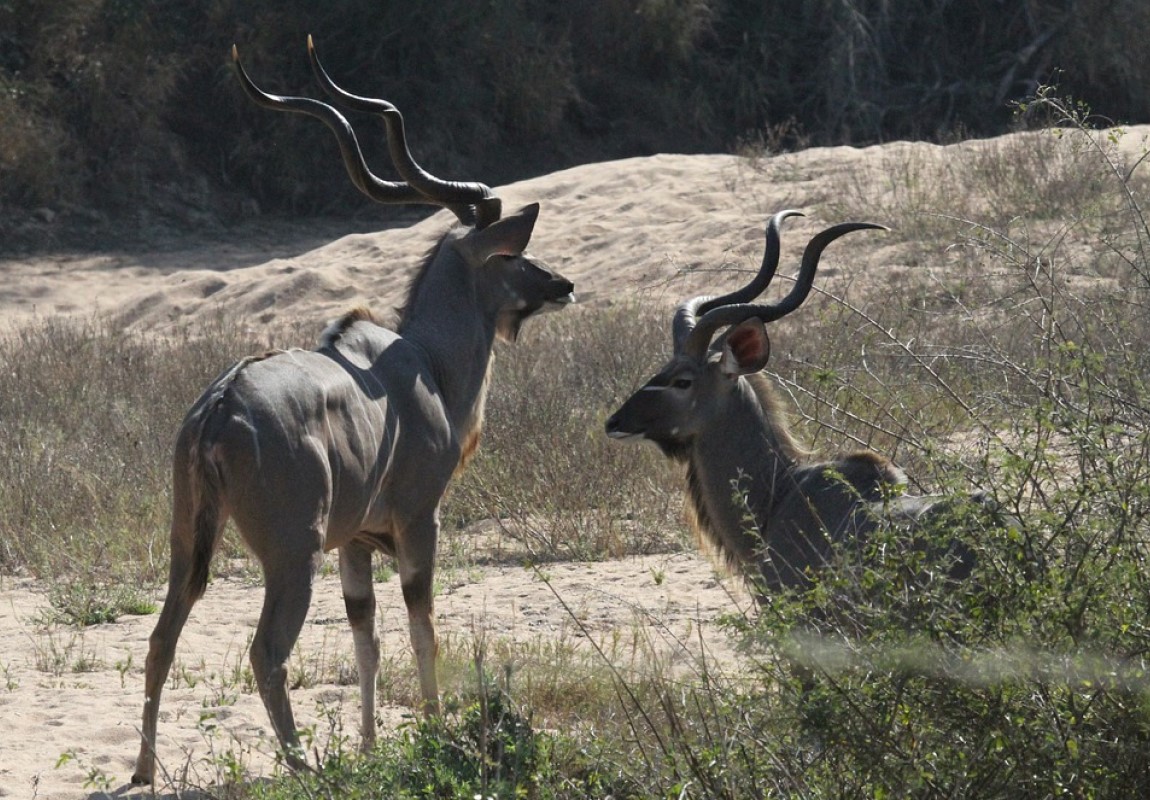
Omo National Park protects extensive savannah and riverine ecosystems that support a wide range of large mammals. Wildlife is widely dispersed due to the park’s size and low development, requiring patience and experienced guiding. The park remains ecologically important as a refuge for species affected by habitat loss elsewhere in the region.
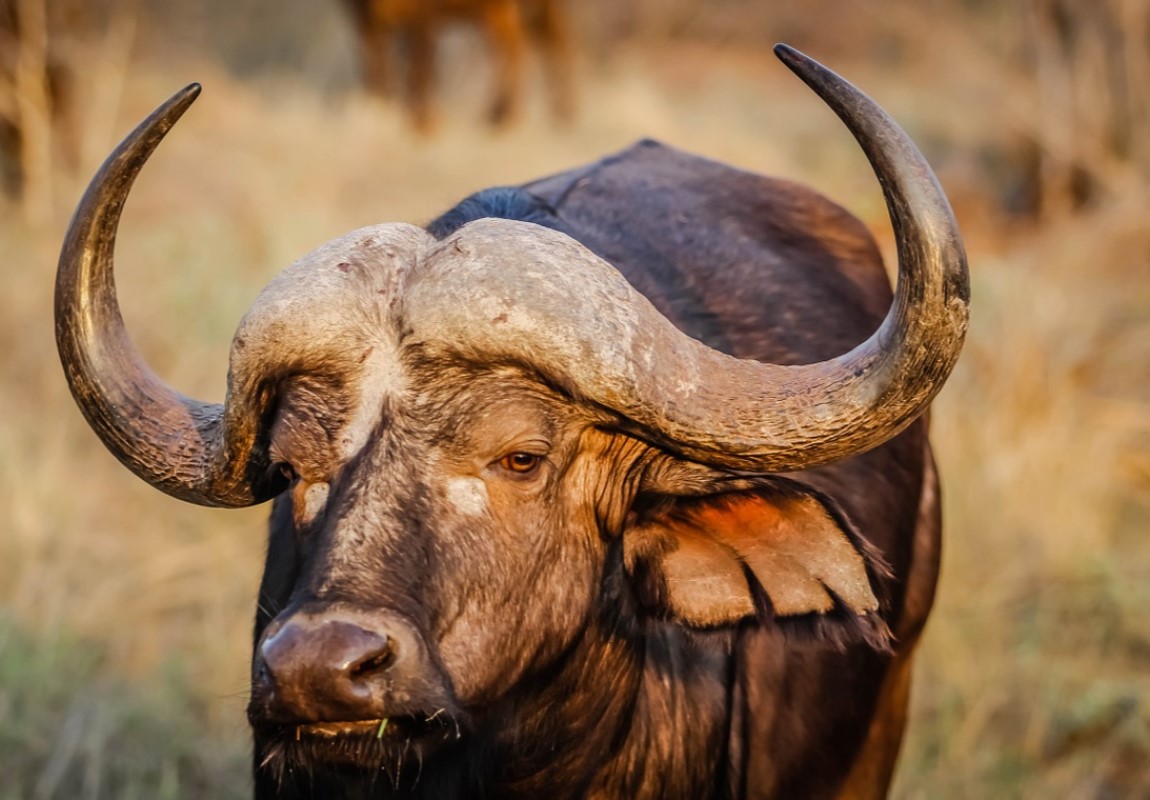
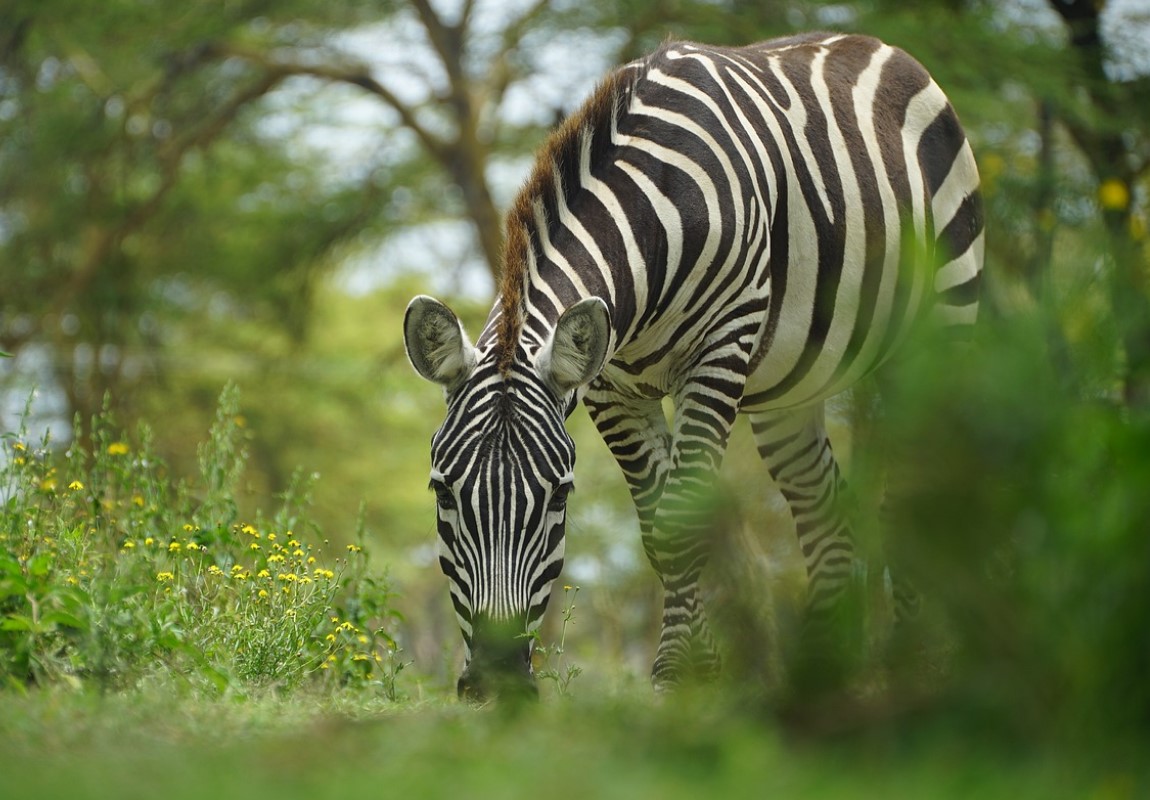
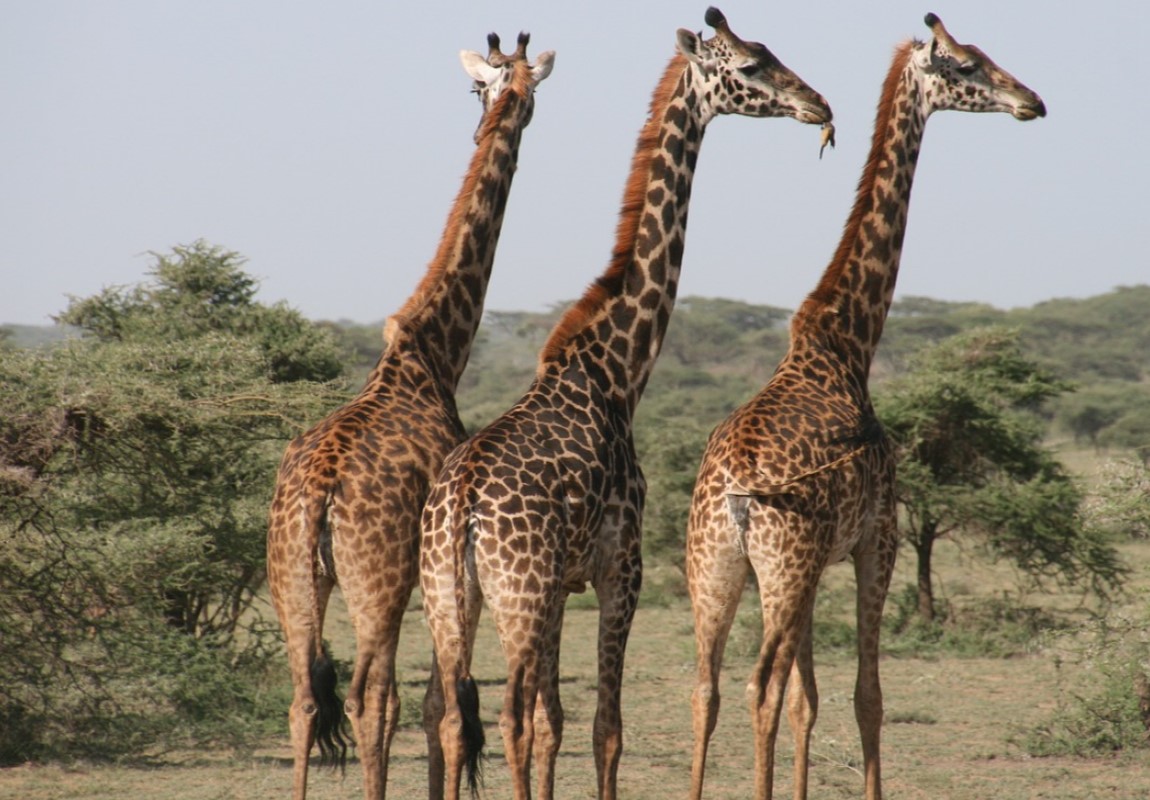
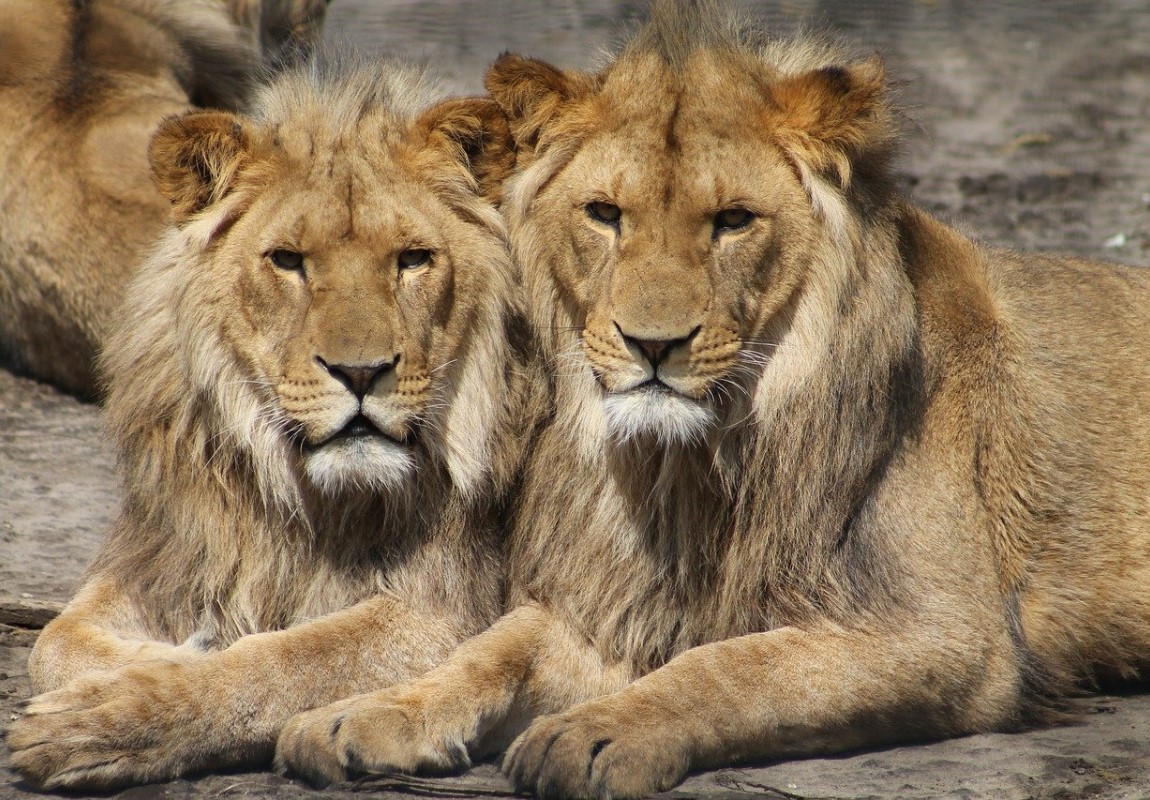



Wildlife Highlights
Key highlights include sightings of buffalo, giraffe, antelope species, and large predators such as lion and leopard. The park’s unspoiled setting and sense of isolation make every wildlife encounter feel raw and authentic.
Best Time for Wildlife Viewing
The best time for wildlife viewing is from December to February, when animals concentrate near the Omo River and remaining water sources.
Want to Visit Omo National Park?
Birds
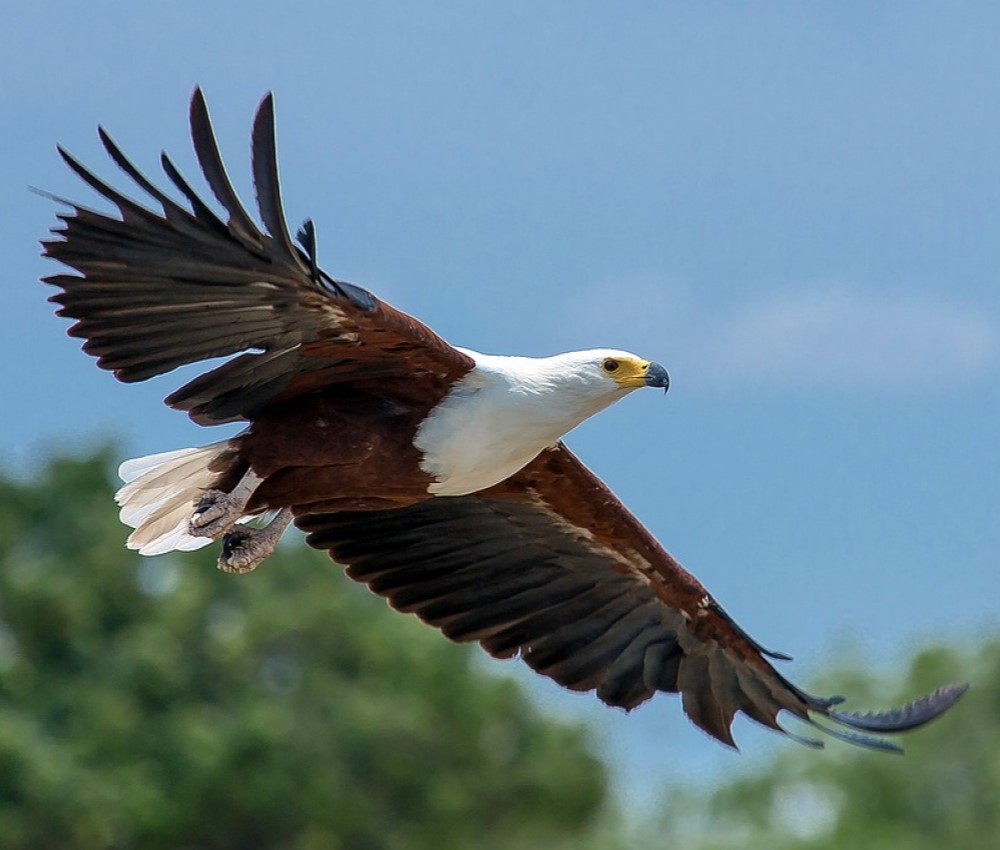
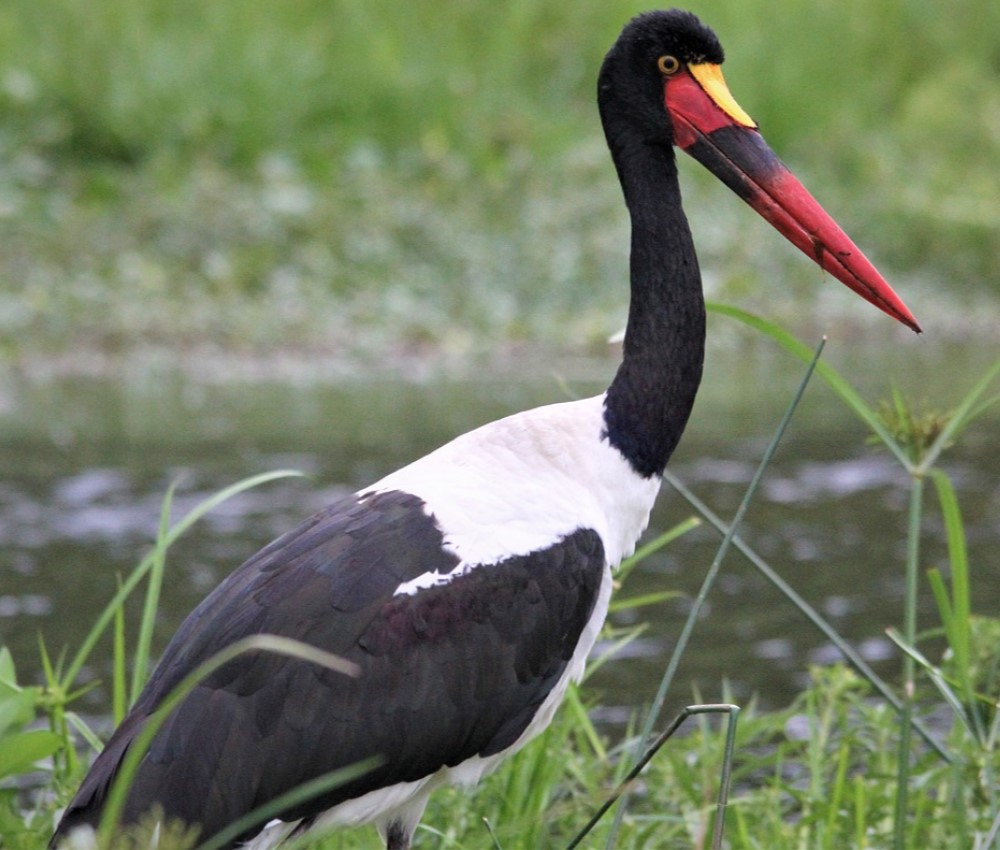
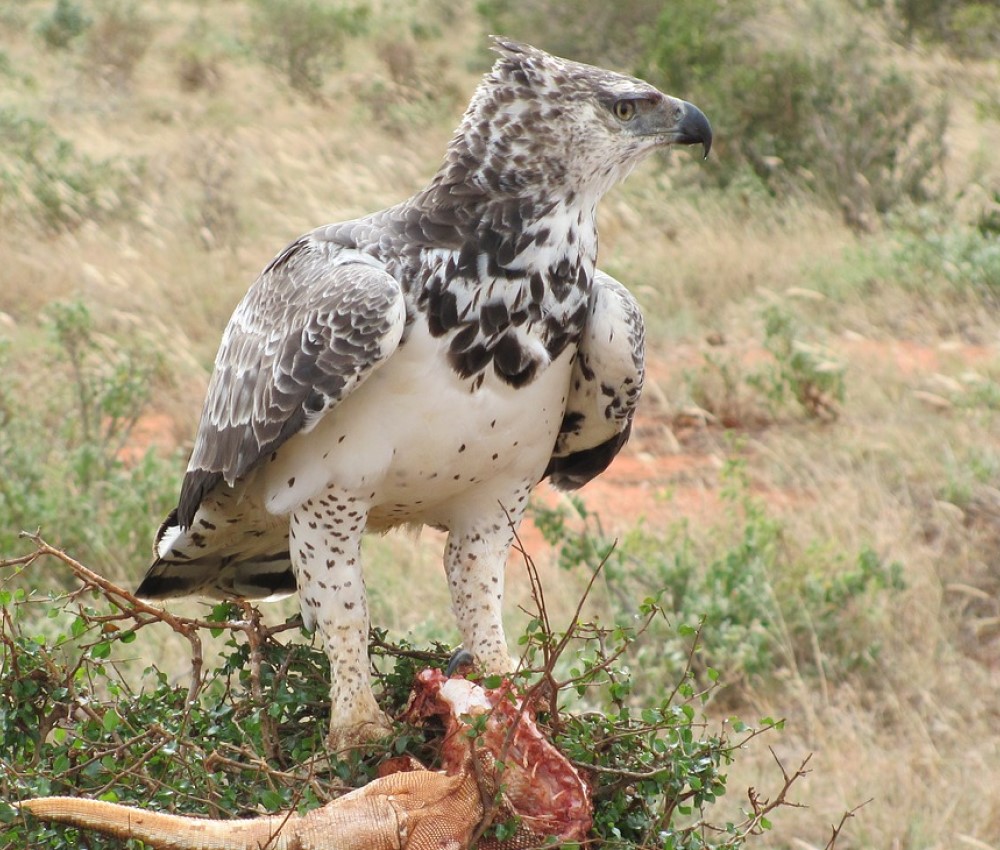
Omo National Park supports diverse birdlife associated with savannah, wetlands, and riverine forests. Raptors, waterbirds, and dryland species are all present, making the park rewarding for birders exploring remote ecosystems of southwestern Ethiopia.

Best Time for Birding
Birdwatching is best from November to March, when migratory species are present and bird activity is highest around water sources.
Want to Visit Omo National Park?
Best Time to Visit – Omo National Park
The best time for wildlife viewing is from December to February, when animals concentrate near the Omo River and remaining water sources.
November to February (Dry Season)
- Improved road accessibility
- Better chances of wildlife sightings
- Comfortable daytime temperatures
- Easier movement within the park
- Remote conditions and basic facilities
- Limited accommodation options
June to September (Wet Season)
- Lush green landscapes
- Minimal human presence
- Increased bird diversity
- Poor road conditions
- Wildlife widely dispersed
- Travel disruptions due to rain
Want to Visit Omo National Park?
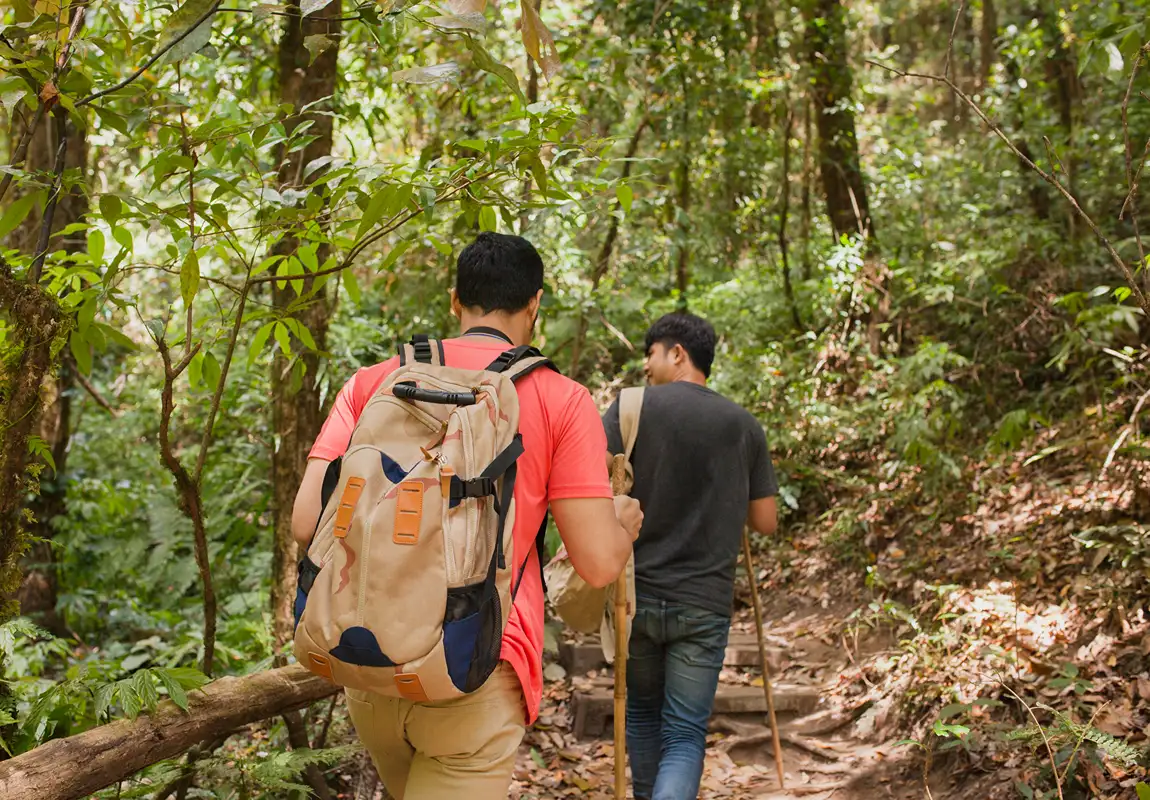
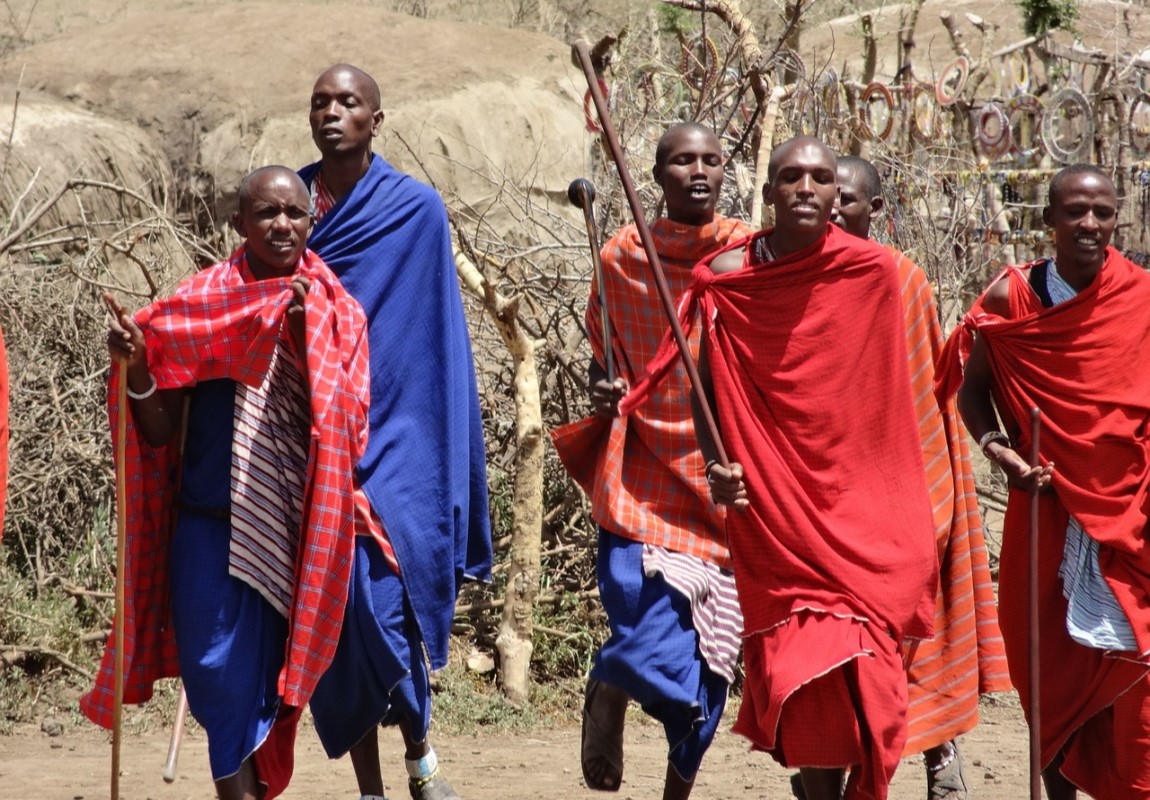
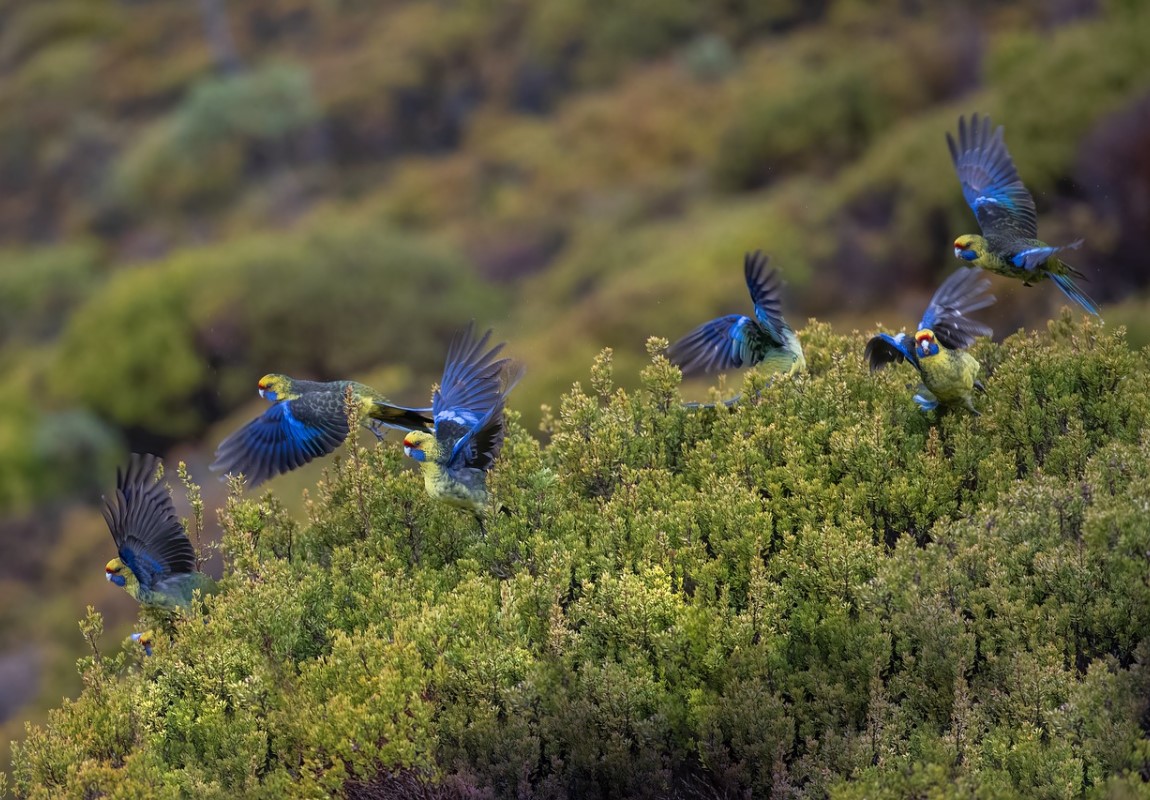
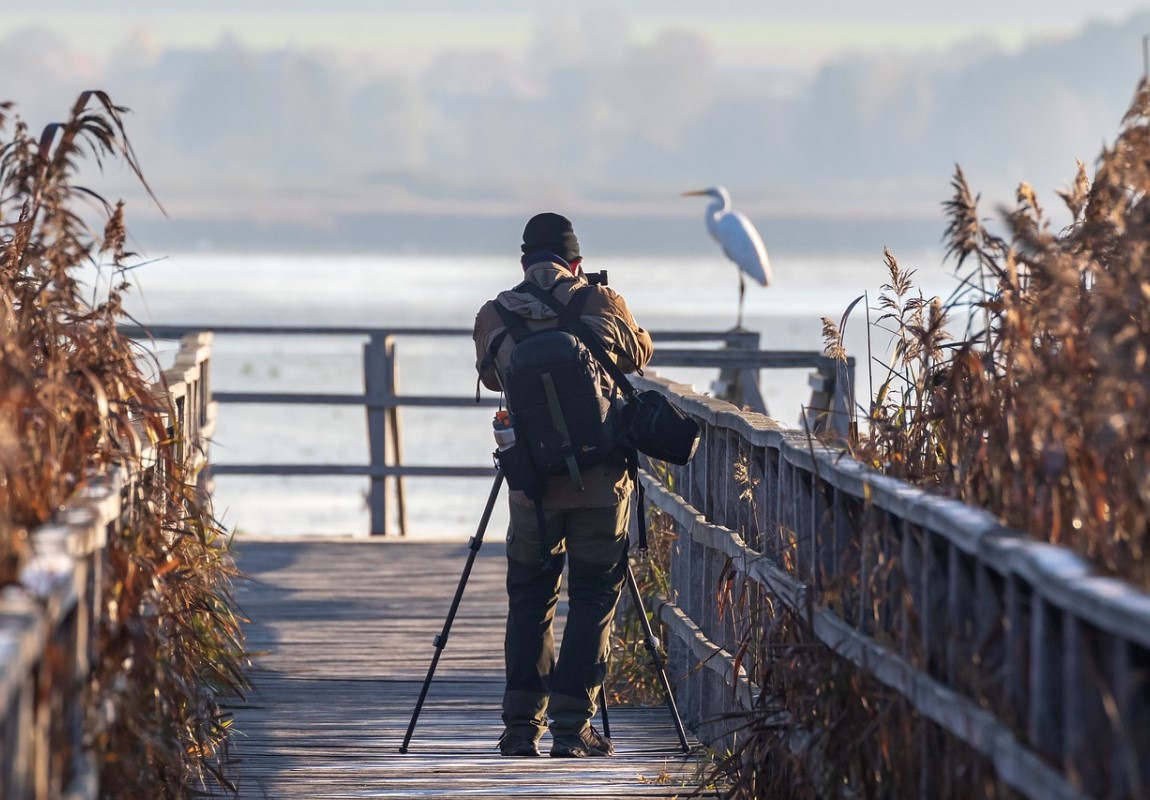
Activities
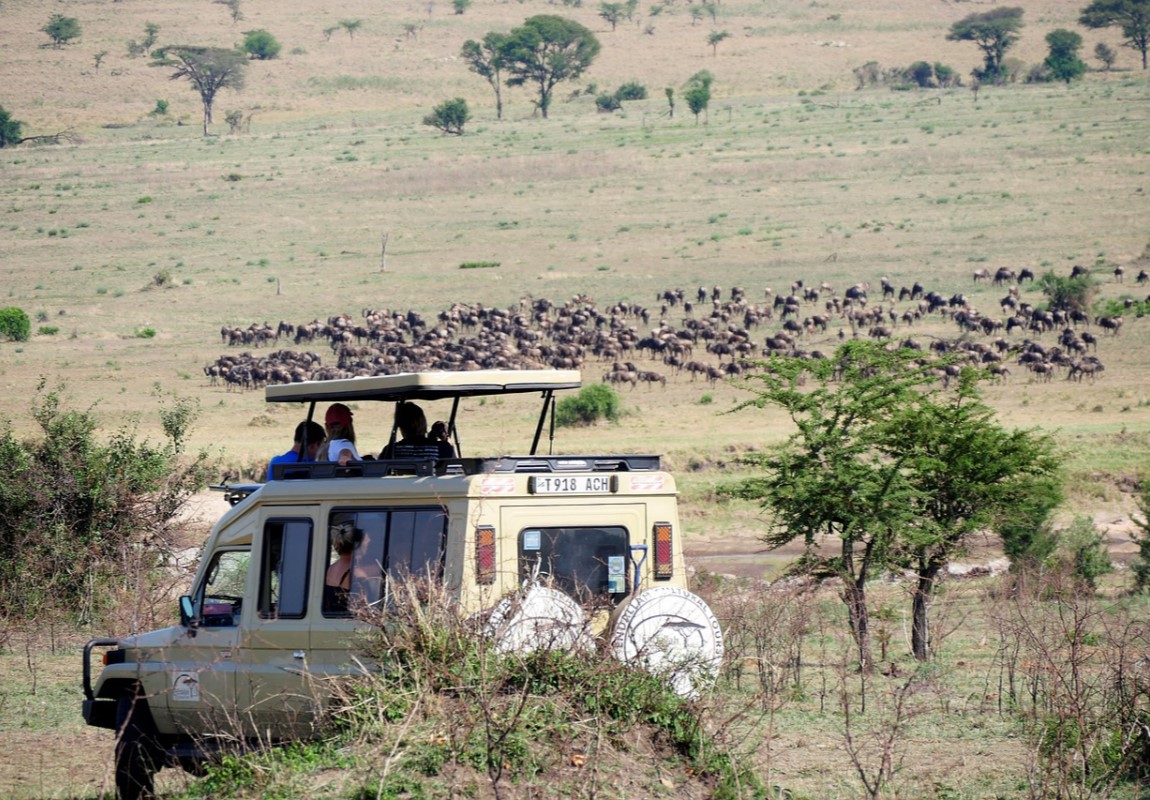
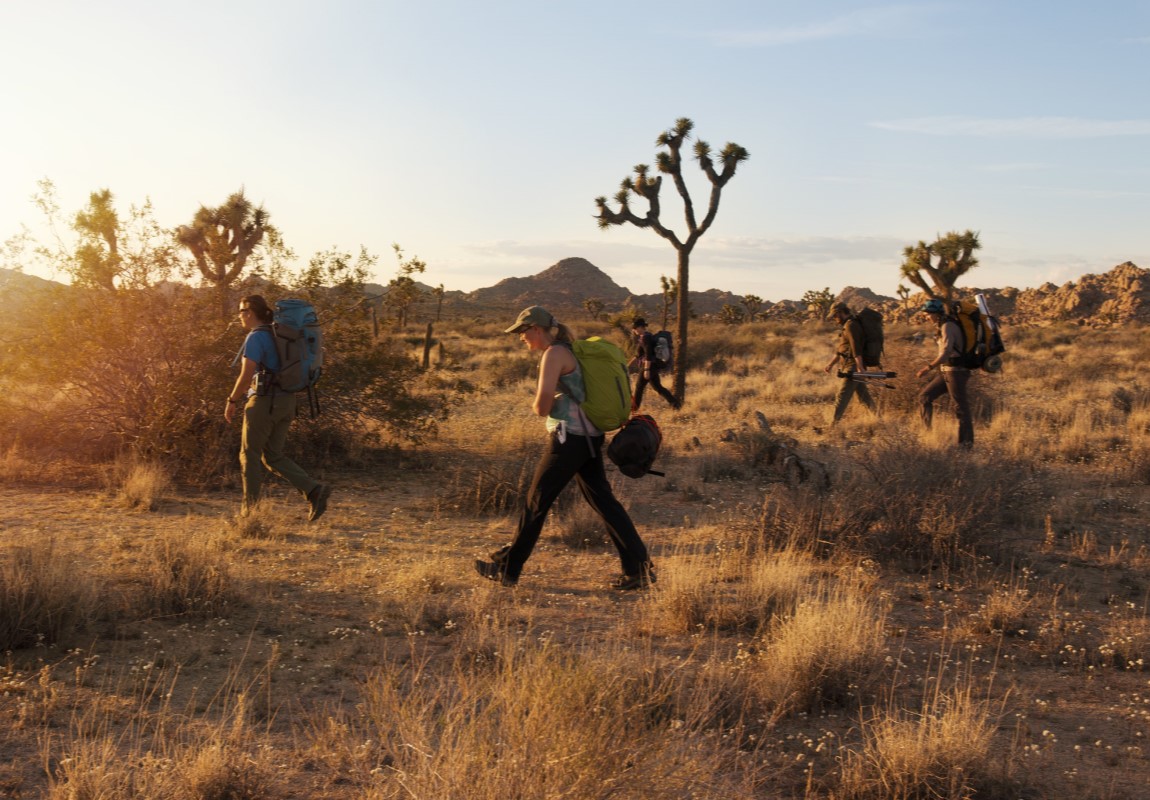
Explore popular activities available in and around Omo National Park.

Want to Visit Omo National Park?
No FAQs available for this park yet.