Nkasa Rupara National Park 
Nkasa Rupara National Park - Namibia Wildlife Destination
Starting from
$500PP
Overview
Nkasa Rupara National Park, often referred to as the "Everglades of Namibia", is a remote and water-rich wilderness located in the Zambezi Region. The park is defined by its vast floodplains, seasonal wetlands, river channels, and islands formed by the Kwando and Linyanti river systems. During the rainy season, large parts of the park become inundated, creating a dramatic and constantly changing landscape that supports an abundance of wildlife. Nkasa Rupara offers an authentic, off-the-beaten-path safari experience focused on raw nature, solitude, and conservation, making it ideal for experienced travelers seeking untouched African wilderness.
Pros & Cons
- Pristine wetlands and floodplain ecosystems
- High concentrations of elephants and buffalo
- Excellent birdlife in wet and dry seasons
- Very remote and uncrowded safari experience
- Limited tourism infrastructure
- Seasonal flooding restricts access
- Challenging road conditions
- Requires 4x4 and experienced guides
Map in Namibia

Want to Visit Nkasa Rupara National Park?


Want to Visit Nkasa Rupara National Park?
Wildlife & Animals
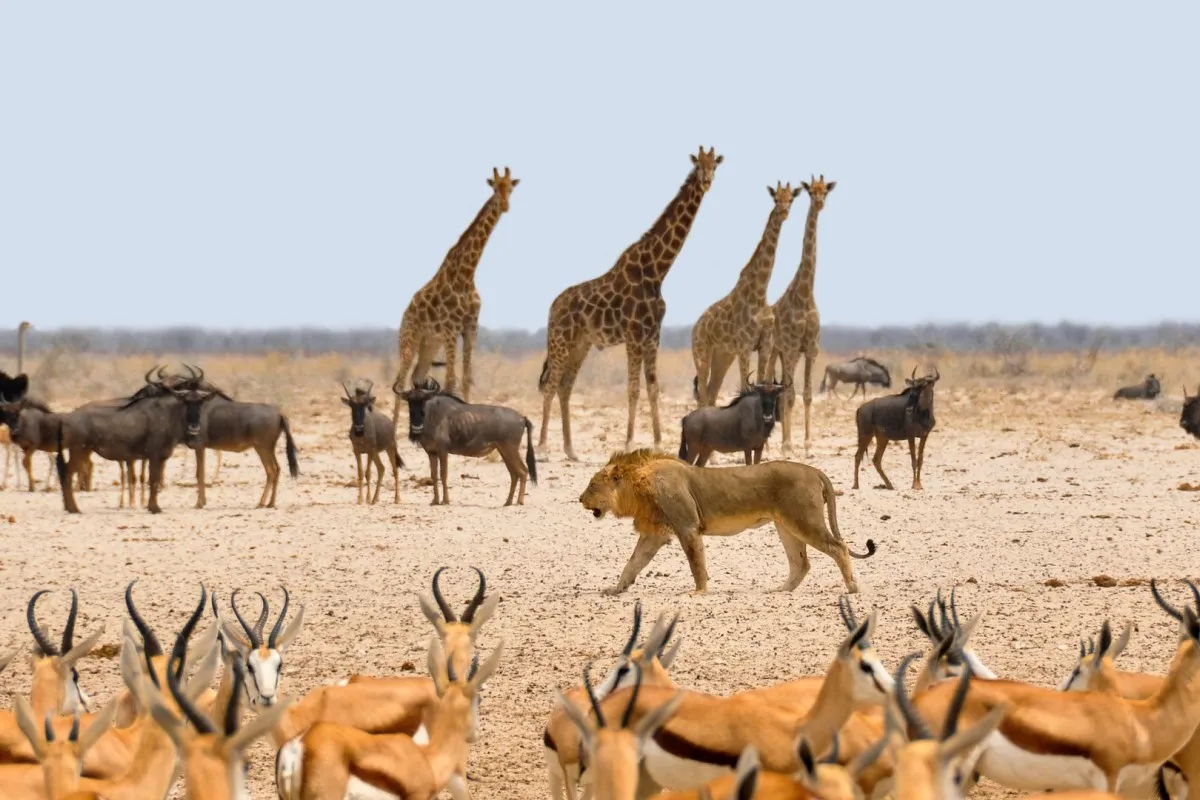
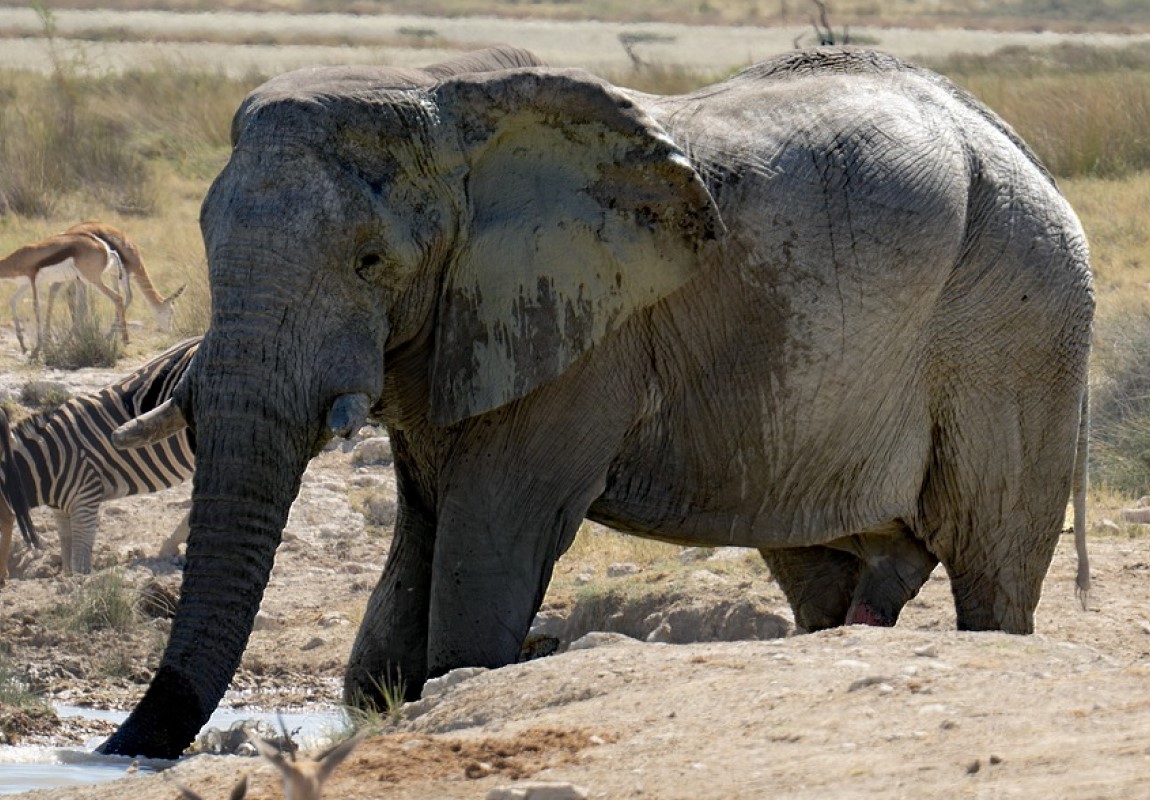
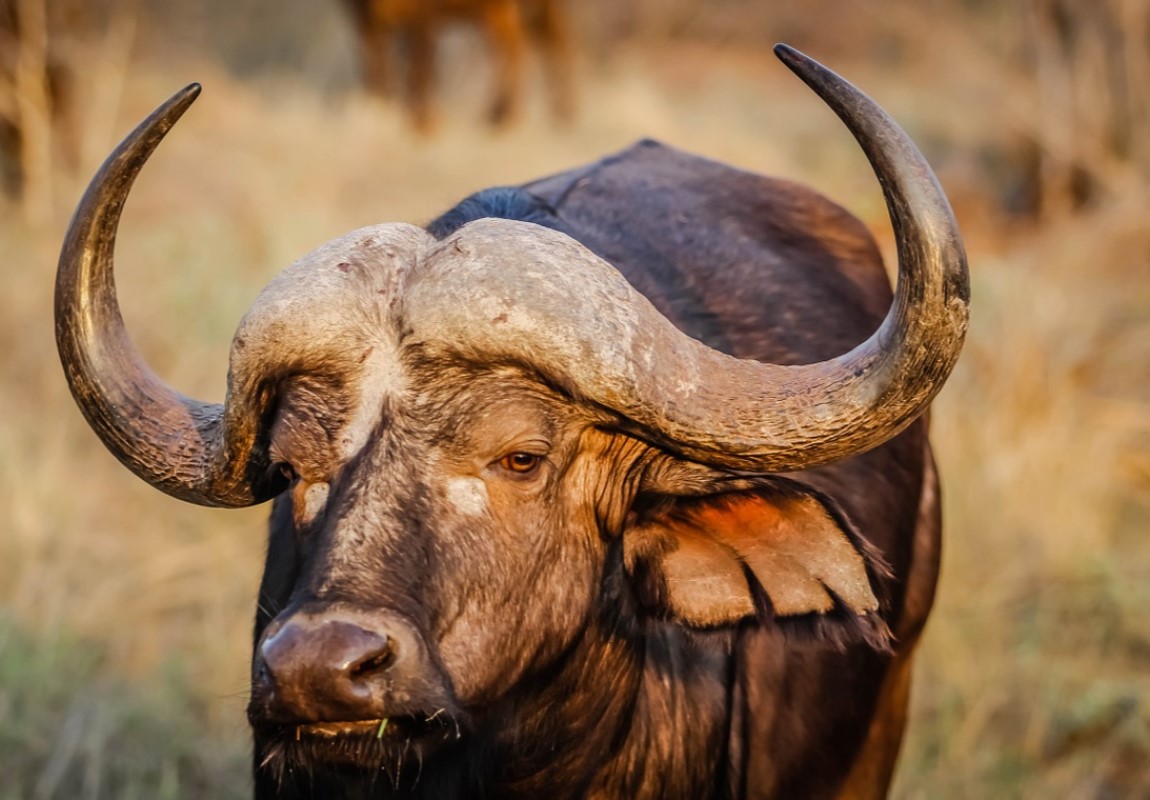
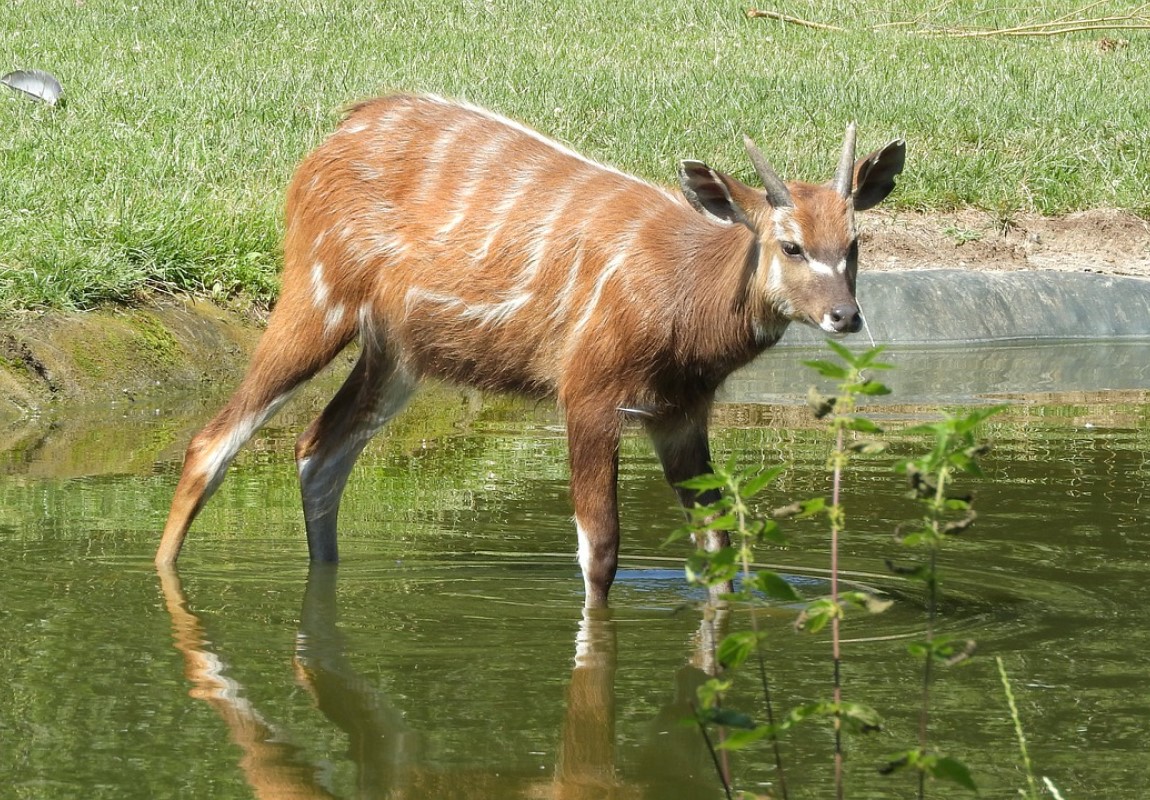
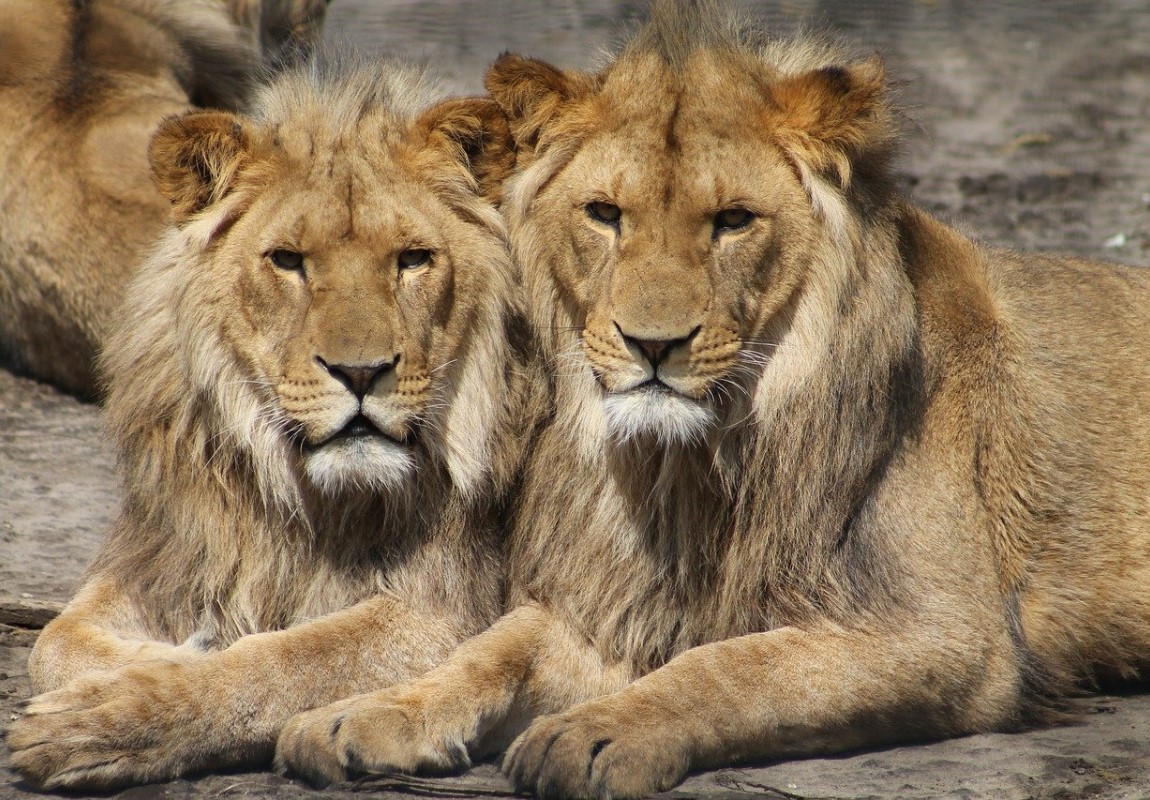
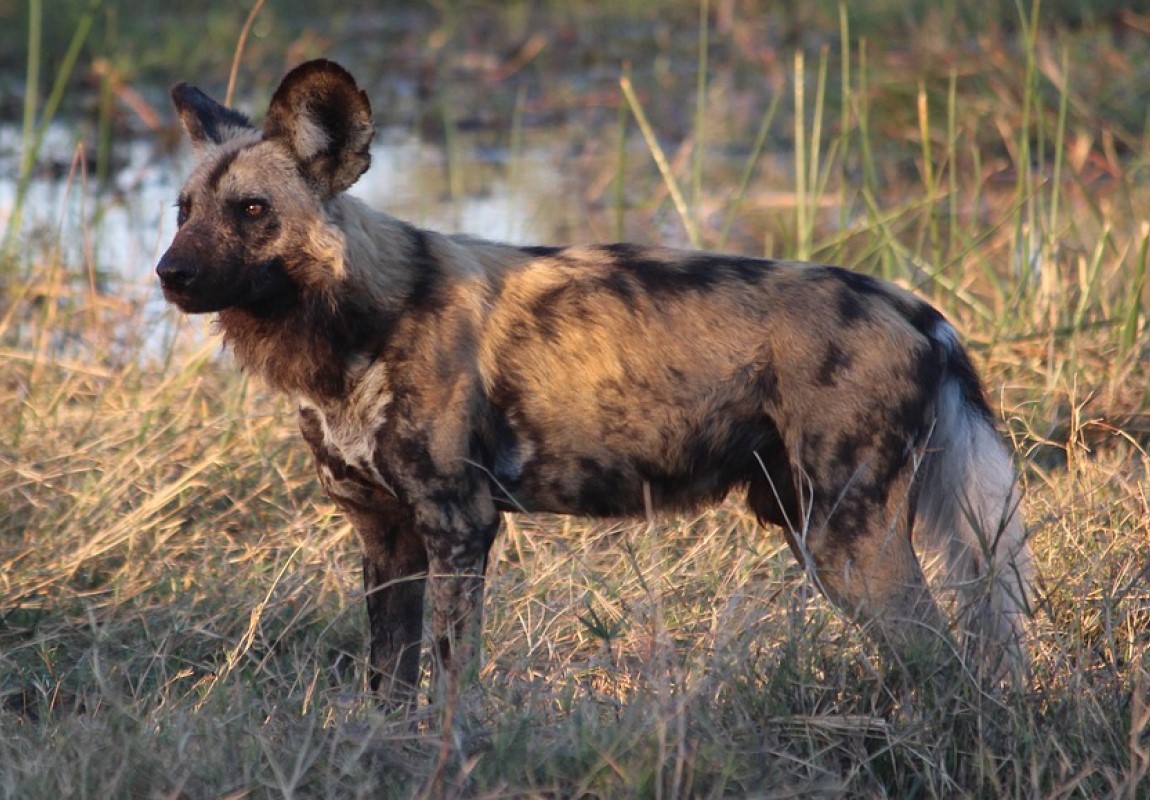
Wildlife in Nkasa Rupara National Park is strongly influenced by seasonal flooding, which transforms the park into a haven for large mammals and wetland species. Elephants, buffalo, red lechwe, and sitatunga thrive in the floodplains, while predators such as lions, leopards, spotted hyenas, and wild dogs follow prey movements across the shifting landscape. The abundance of water supports healthy herbivore populations and creates excellent conditions for observing natural predator-prey interactions in a largely untouched environment.



Wildlife Highlights
One of the park's most remarkable highlights is its large elephant and buffalo herds, which migrate through the wetlands during the dry season. Red lechwe and sitatunga are particularly well adapted to the swampy terrain and are key species of interest. Predator sightings are often dramatic, with lions and wild dogs using floodplains and islands strategically while hunting. The park's low visitor numbers ensure intimate and rewarding wildlife encounters.
Best Time for Wildlife Viewing
The best time for wildlife viewing is from June to October, when floodwaters recede and animals concentrate around permanent water channels. During this period, game viewing becomes more predictable, and road access improves. Early mornings and late afternoons offer the best chances to observe predators and large herbivores moving across open floodplains.
Want to Visit Nkasa Rupara National Park?
Birds
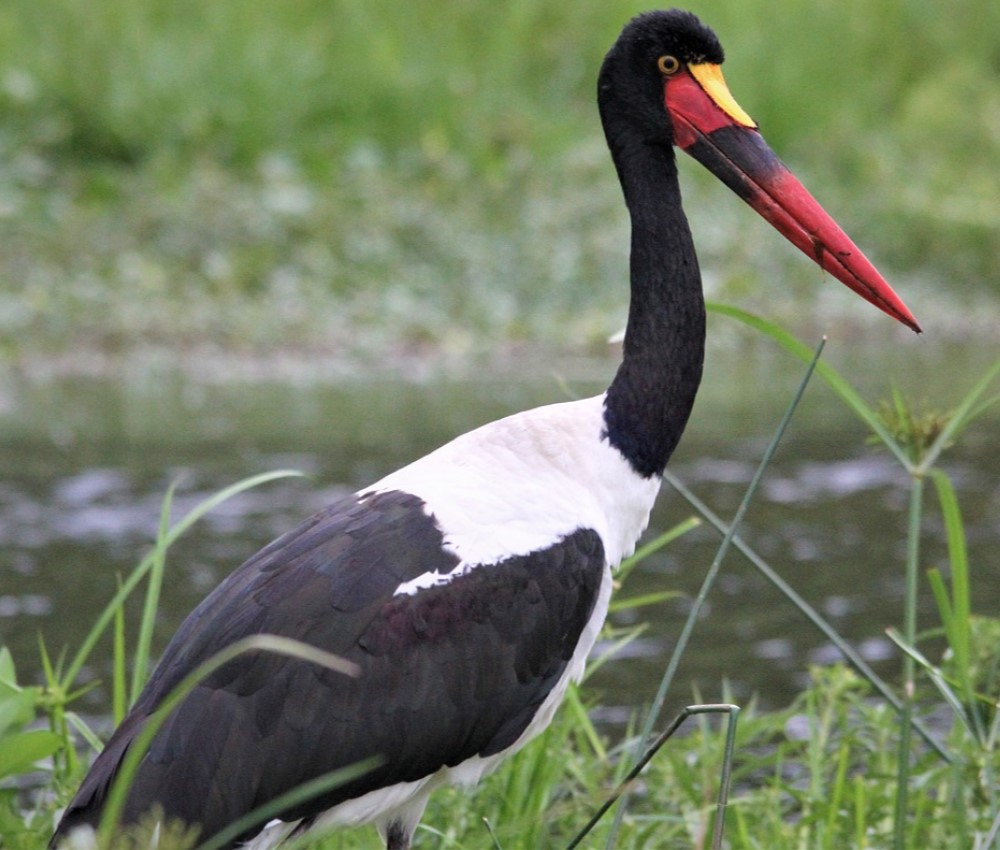
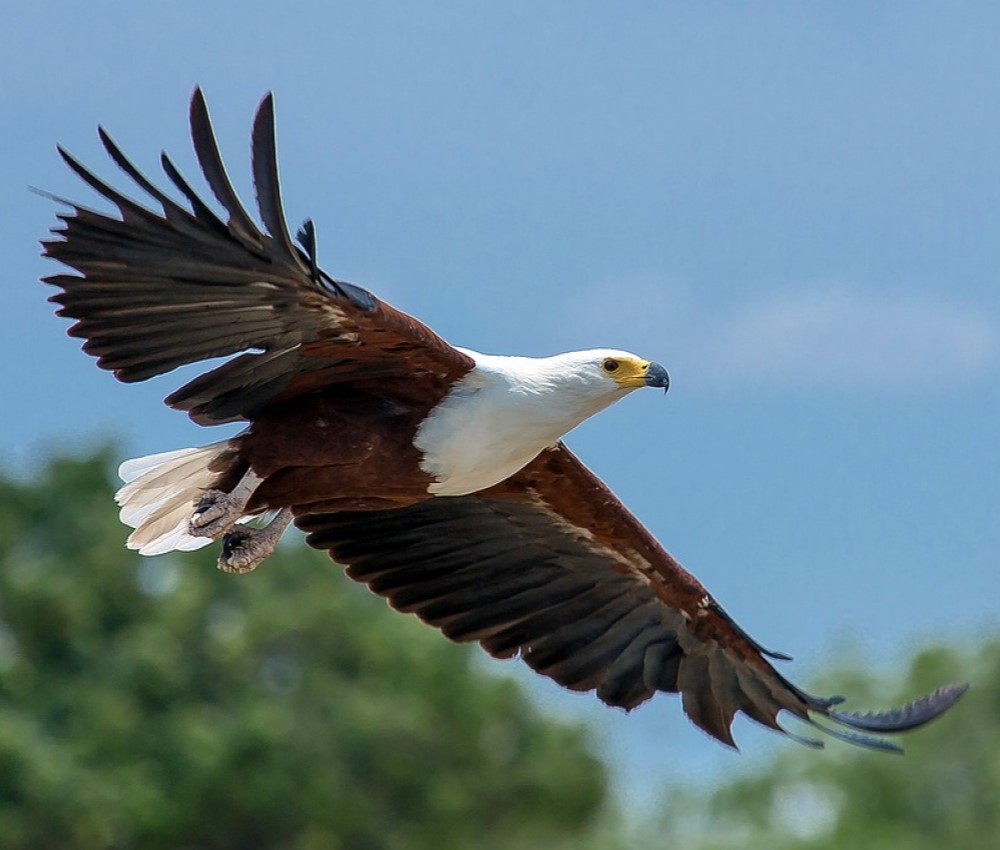
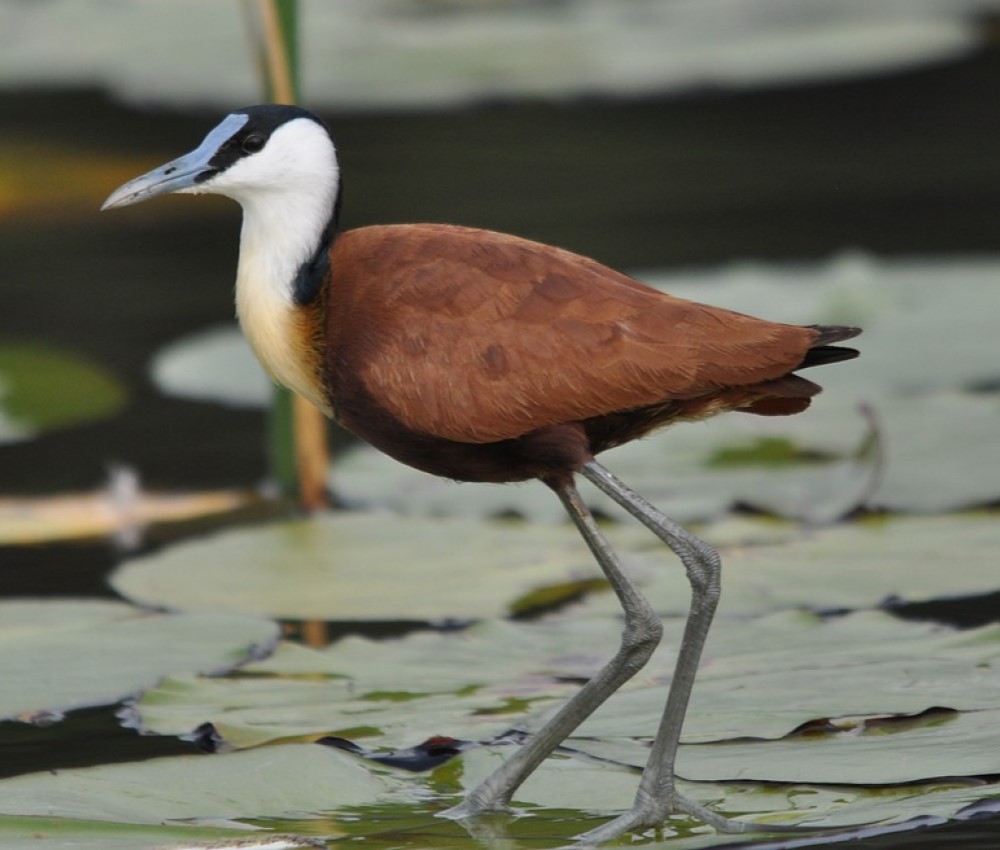
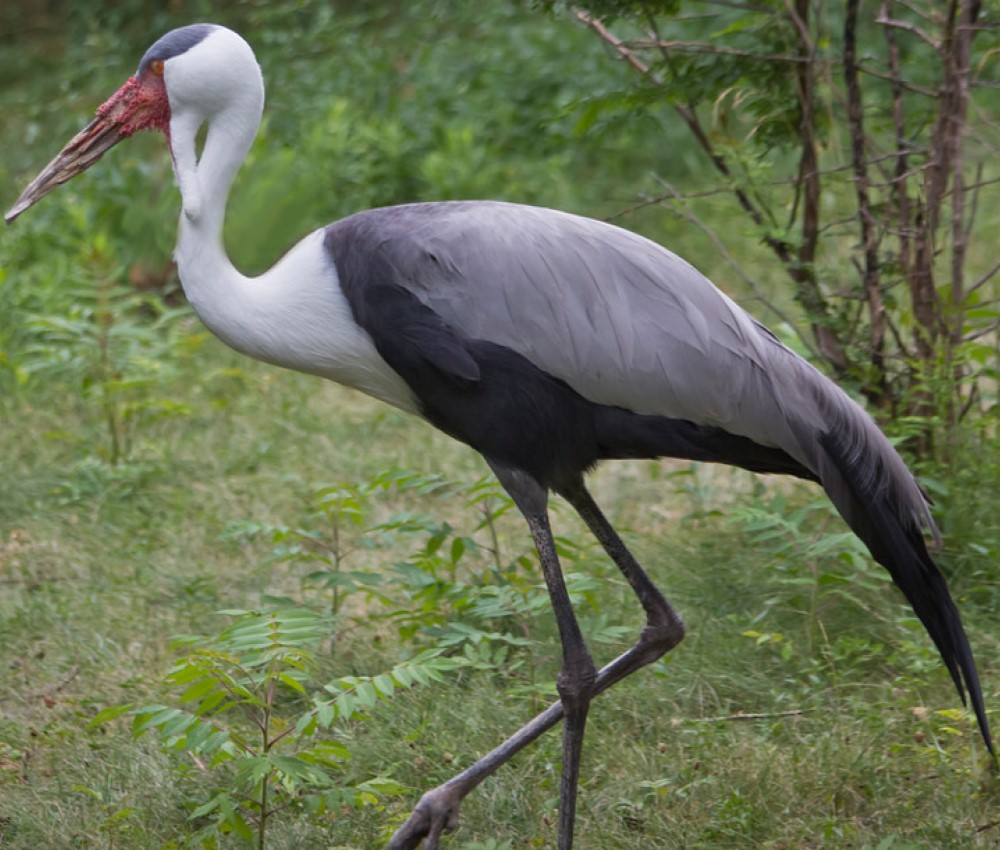
Nkasa Rupara National Park is one of Namibia's most important birding destinations, supporting a rich diversity of wetland, riverine, and woodland bird species. The floodplains attract storks, herons, egrets, cranes, and kingfishers, while raptors patrol open skies and forest edges. Seasonal water levels create ideal breeding conditions, making the park particularly attractive to both resident and migratory birds.
Best Time for Birding
Birdwatching is best from November to March, when migratory species arrive and breeding activity peaks. During the wet season, bird diversity and visibility increase significantly as wetlands expand and insect populations flourish. This period offers exceptional opportunities to observe nesting behavior, courtship displays, and large congregations of waterbirds.
Want to Visit Nkasa Rupara National Park?
Best Time to Visit – Nkasa Rupara National Park
The best time for wildlife viewing is from June to October, when floodwaters recede and animals concentrate around permanent water channels. During this period, game viewing becomes more predictable, and road access improves. Early mornings and late afternoons offer the best chances to observe predators and large herbivores moving across open floodplains.
June to October (Dry Season)
- Excellent wildlife visibility
- Improved road access
- Lower humidity
- Ideal conditions for game drives
- Limited bird diversity
- Dusty conditions
- Reduced water coverage
November to April (Wet Season)
- Outstanding birdwatching
- Lush landscapes
- Breeding activity among wildlife
- Flooded roads and restricted access
- High humidity
- Wildlife more dispersed
Want to Visit Nkasa Rupara National Park?
Activities
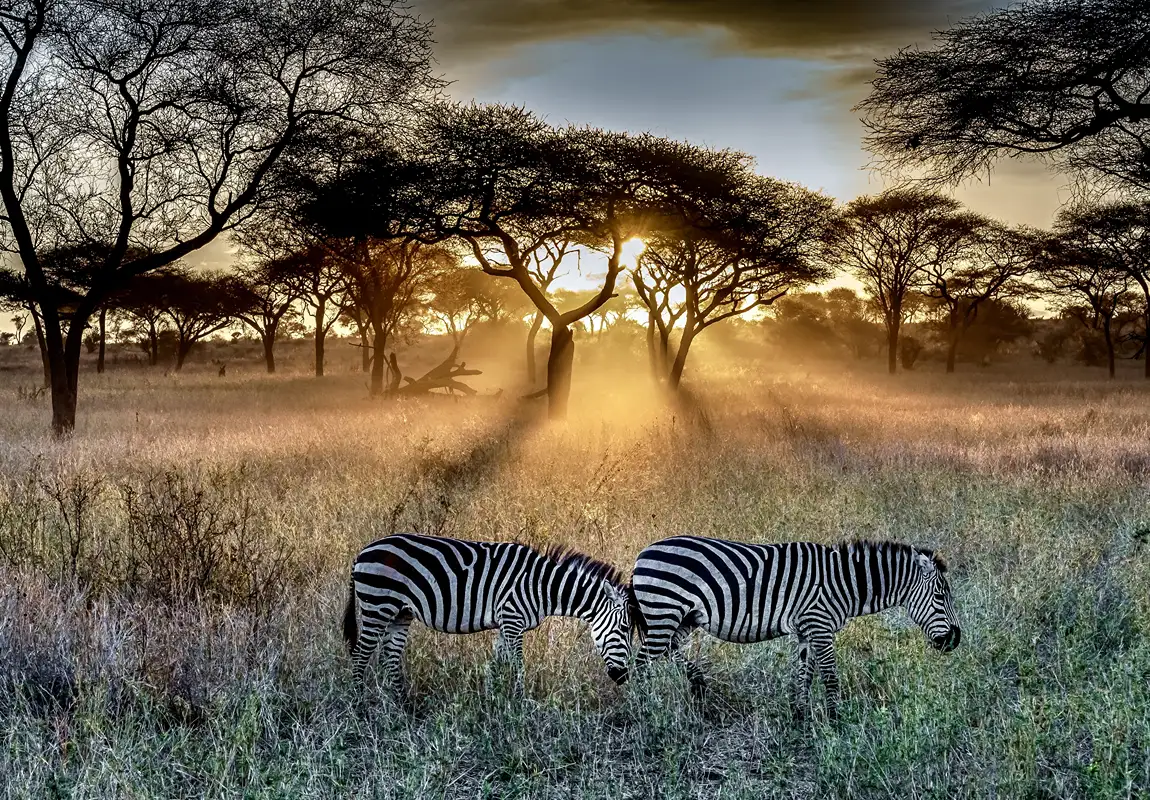
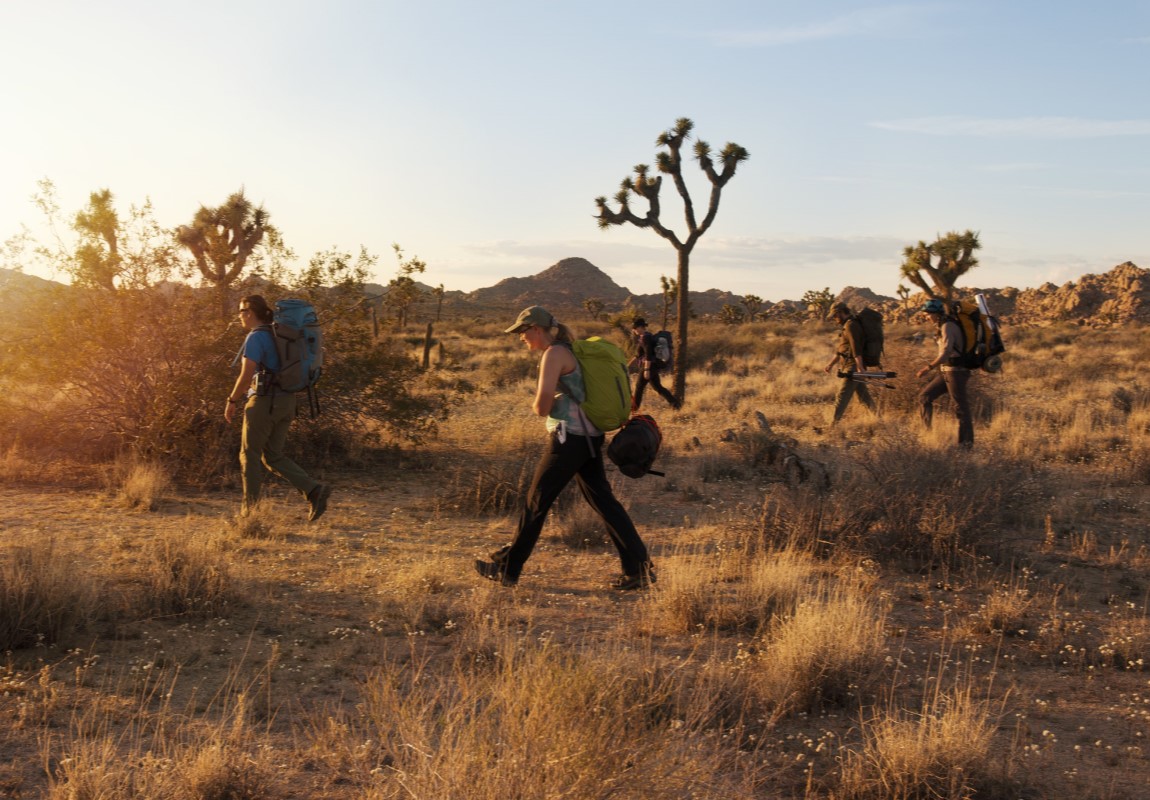
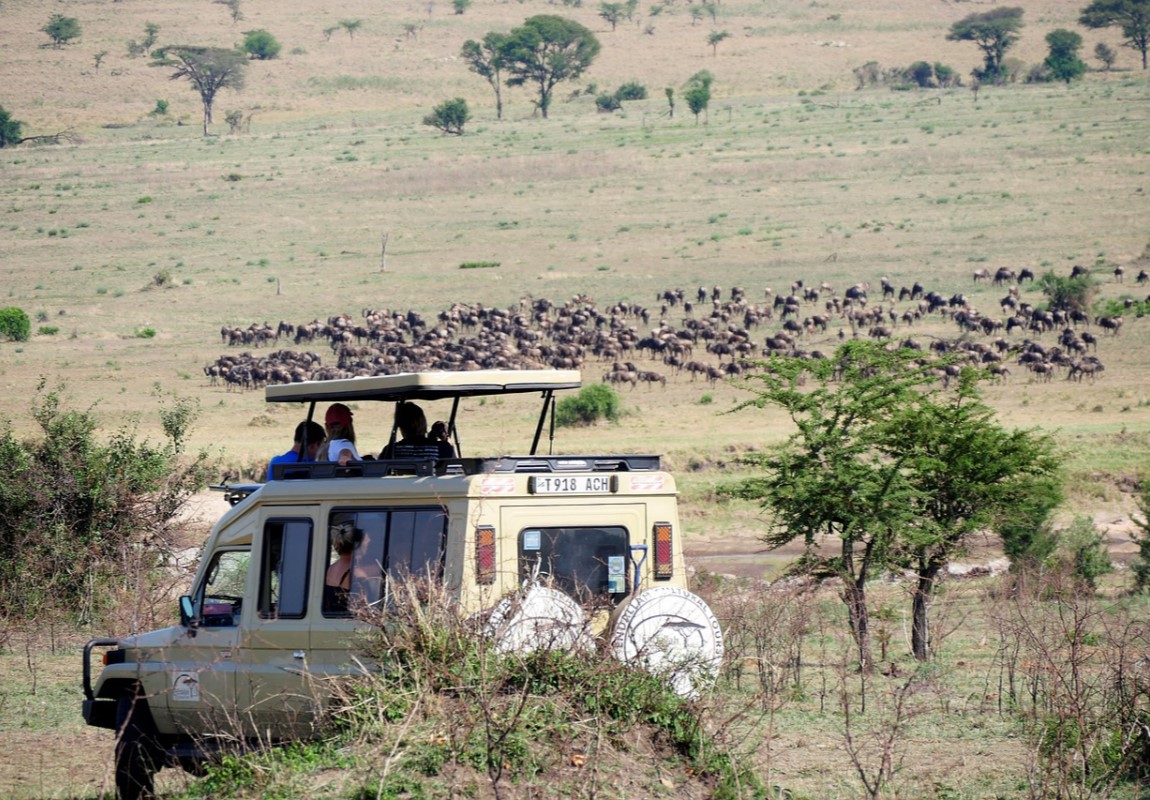
Explore popular activities available in and around Nkasa Rupara National Park.
Want to Visit Nkasa Rupara National Park?
No FAQs available for this park yet.