Starting from
$500PP
Overview
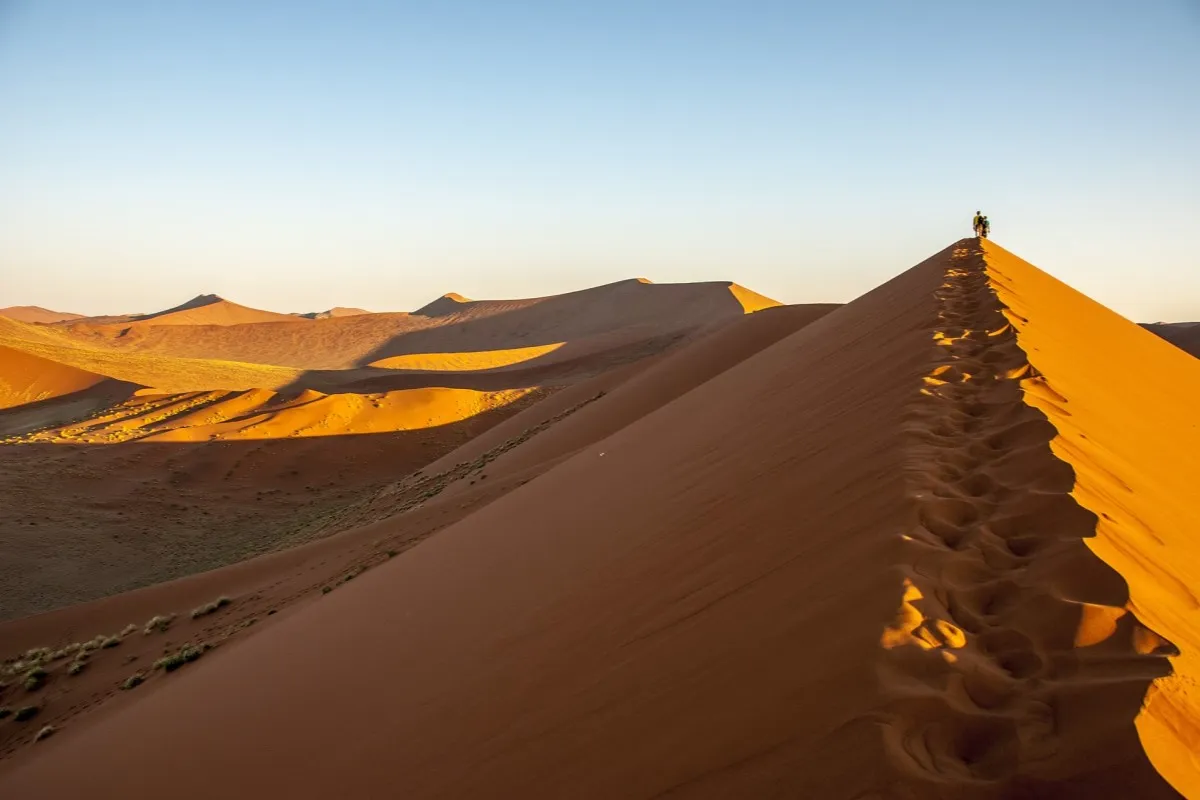
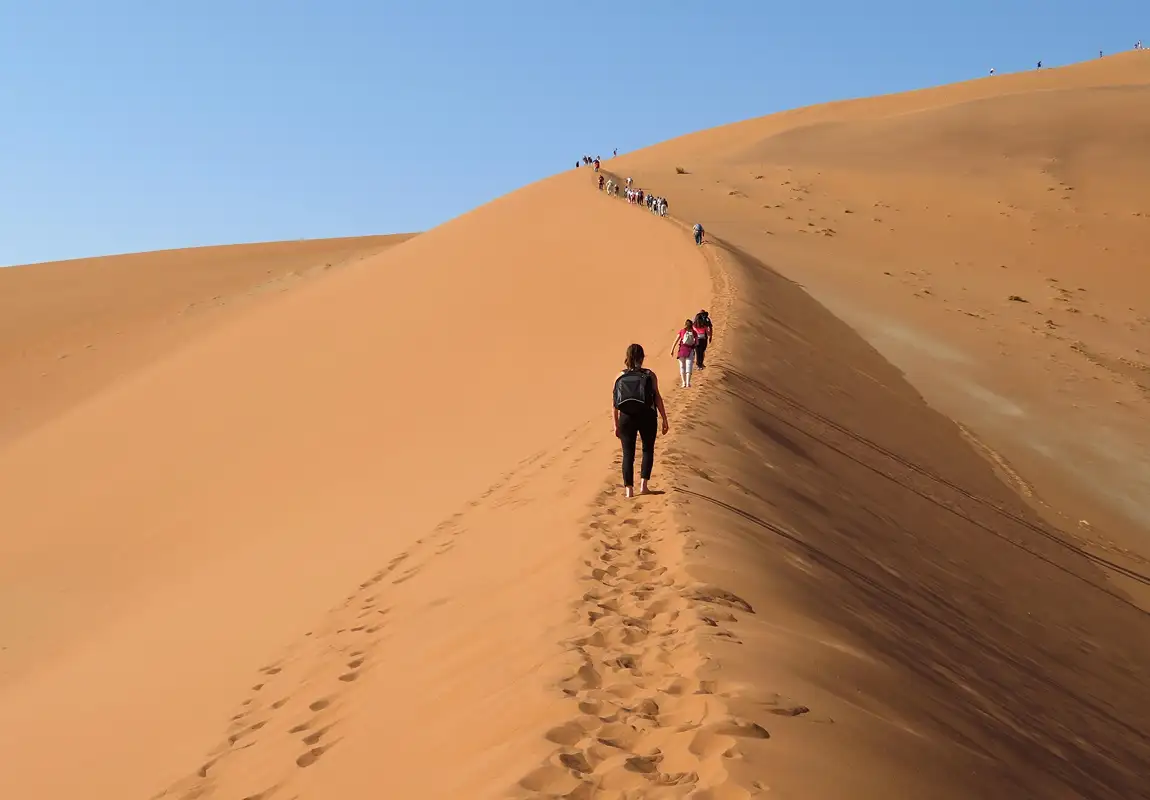
The Namib Desert is one of the world’s oldest and most iconic deserts, stretching along Namibia’s Atlantic coastline and renowned for its towering red sand dunes, vast gravel plains, and stark, otherworldly beauty. Home to legendary landscapes such as Sossusvlei, Deadvlei, and the Skeleton Coast, the Namib offers a safari experience unlike anywhere else in Africa. Despite its harsh conditions, the desert supports a surprising array of specially adapted wildlife and plant life. The Namib Desert is ideal for travelers seeking dramatic scenery, photographic perfection, and a deep sense of wilderness shaped by millions of years of natural history.
Pros & Cons
- Spectacular red sand dunes and unique desert landscapes
- Excellent destination for photography and sightseeing
- Year-round wildlife adapted to desert conditions
- Clear skies and dramatic sunrises and sunsets
- Low visitor density and vast open spaces
- Safe and well-managed tourism infrastructure
- Extreme temperatures during summer months
- Limited wildlife compared to savannah parks
- Long driving distances between attractions
- Remote areas require careful planning
Map in Namibia

Want to Visit Namib Desert?


Want to Visit Namib Desert?
Wildlife & Animals
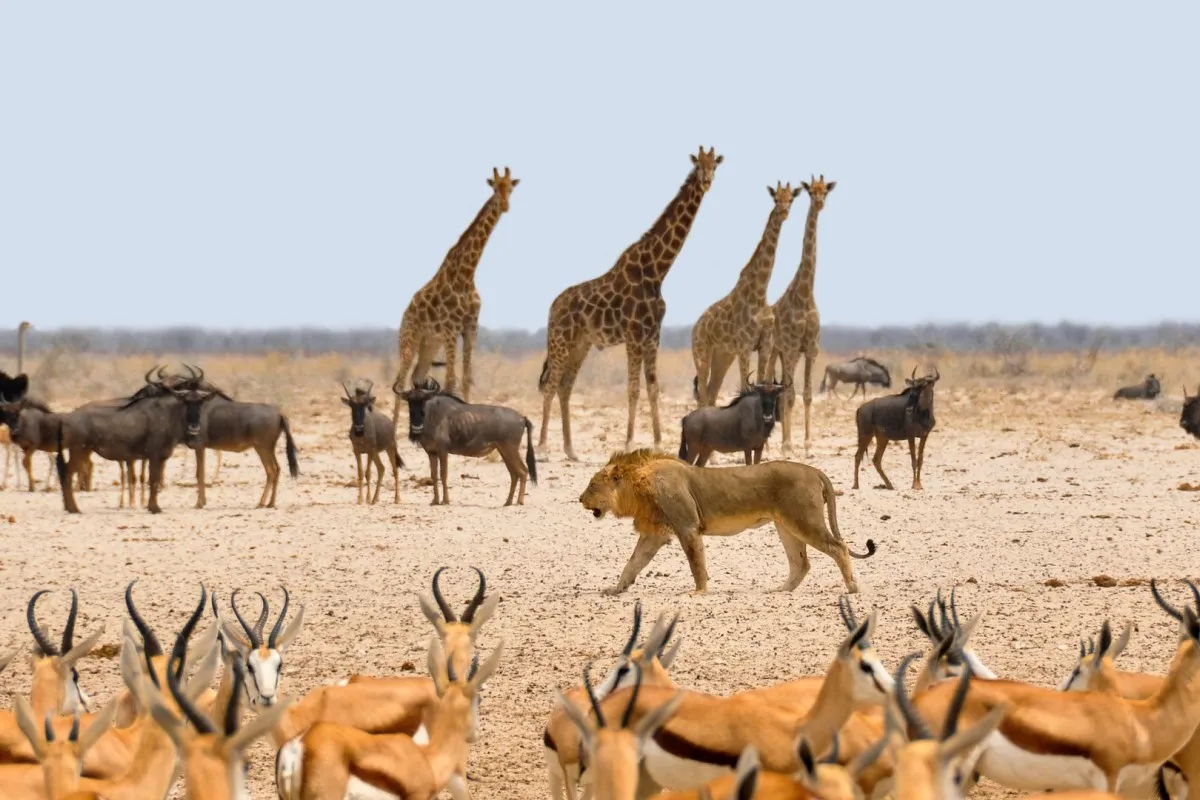
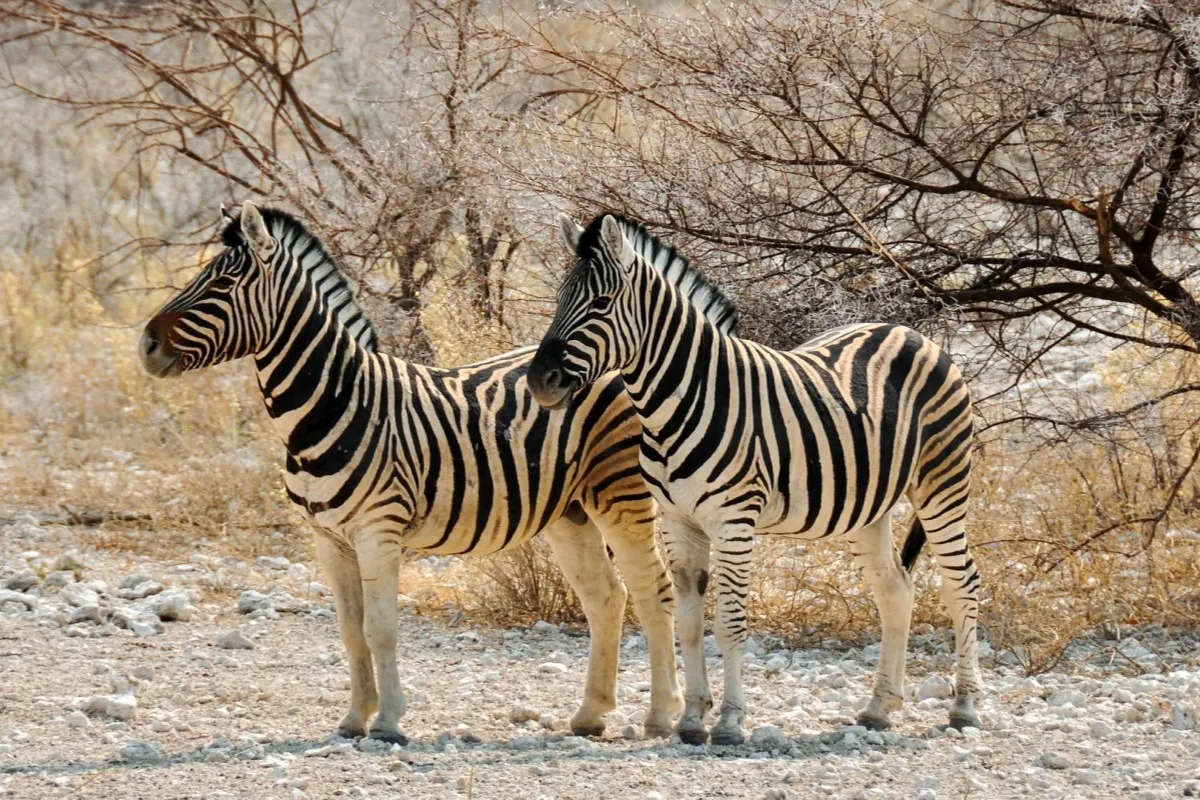
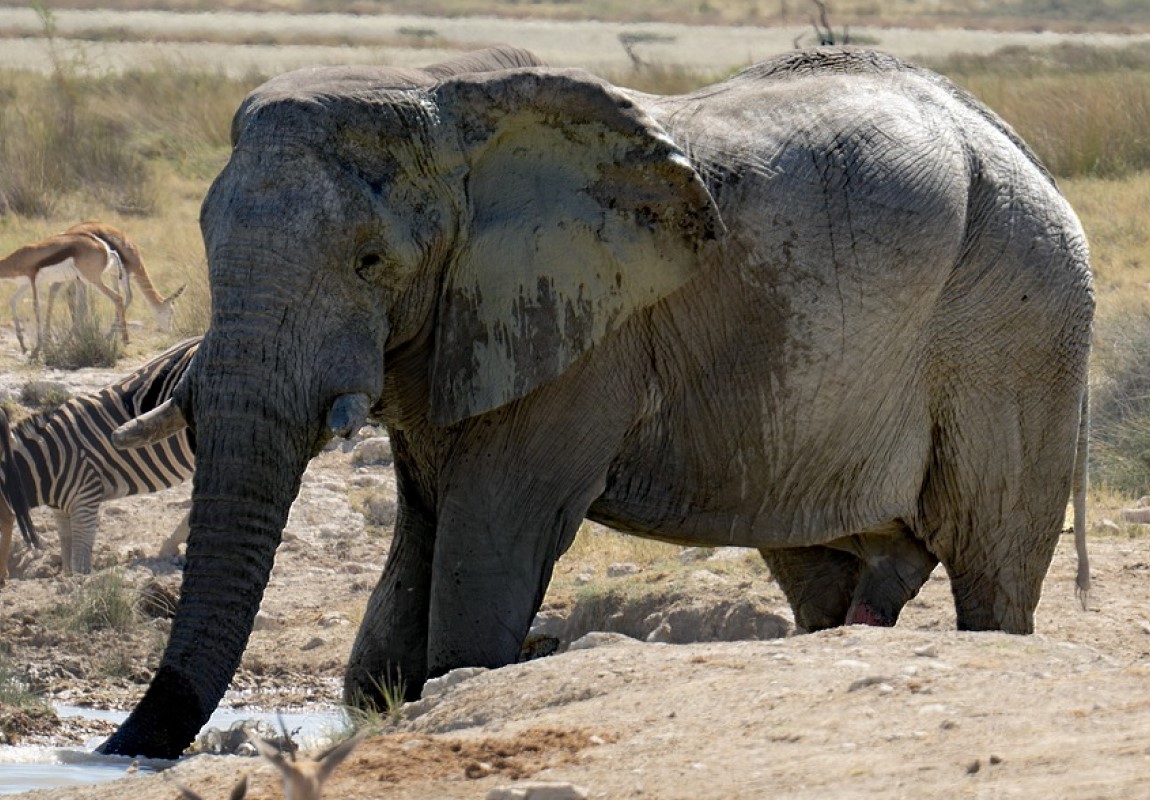
Wildlife in the Namib Desert has evolved remarkable adaptations to survive in one of the driest environments on Earth. Species rely on fog from the Atlantic Ocean, underground moisture, and nocturnal behavior to cope with extreme conditions. Visitors may encounter desert-adapted elephants, oryx, springbok, jackals, and smaller mammals, as well as reptiles uniquely suited to the sand dunes. Although wildlife density is low, sightings are memorable due to the stark landscapes and specialized adaptations.



Wildlife Highlights
The sight of oryx and springbok silhouetted against towering red dunes is a defining wildlife experience of the Namib Desert. Desert-adapted elephants and predators in fringe areas add to the region’s appeal, while reptiles and insects showcase extraordinary survival strategies in shifting sands.
Best Time for Wildlife Viewing
Wildlife viewing is best from May to September, when cooler temperatures make animals more active during daylight hours and visibility is excellent.
Want to Visit Namib Desert?
Birds
The Namib Desert supports a surprising diversity of birdlife, particularly in coastal and dune ecosystems. Fog-dependent species, raptors, and desert specialists thrive in this harsh environment. Coastal lagoons and river mouths attract seabirds and migratory species, while inland dunes host larks, bustards, and other desert-adapted birds.


Best Time for Birding
Bird watching is best from October to March, when migratory birds are present and breeding activity increases following seasonal rainfall.
Want to Visit Namib Desert?
Best Time to Visit – Namib Desert
Wildlife viewing is best from May to September, when cooler temperatures make animals more active during daylight hours and visibility is excellent.
May to October (Dry Season)
- Comfortable daytime temperatures
- Best conditions for dune climbing and hiking
- Clear skies for photography and stargazing
- Wildlife more active during the day
- Cold nights and early mornings
- Peak season prices for lodges and tours
December to March (Wet Season)
- Fewer tourists and quieter landscapes
- Dramatic skies and lighting for photography
- Occasional desert blooms after rainfall
- Extreme daytime heat
- Limited outdoor activity during midday
- Lower wildlife activity
Want to Visit Namib Desert?
Activities
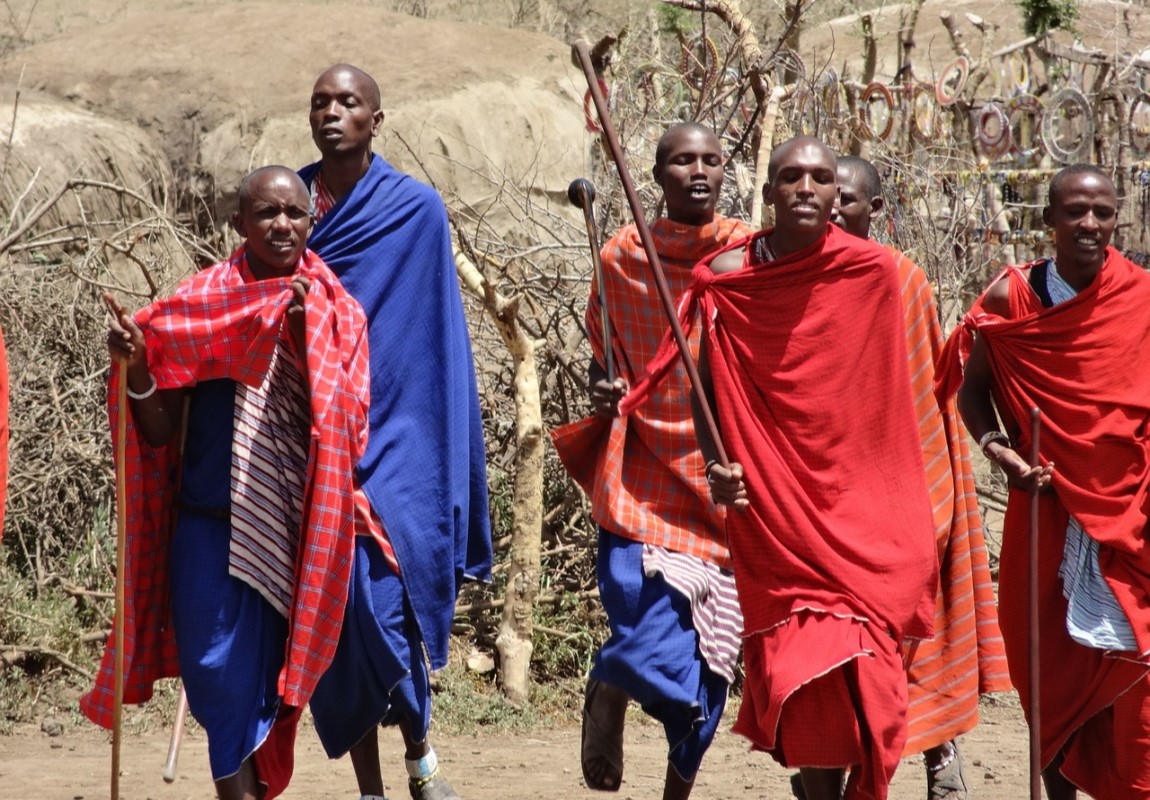
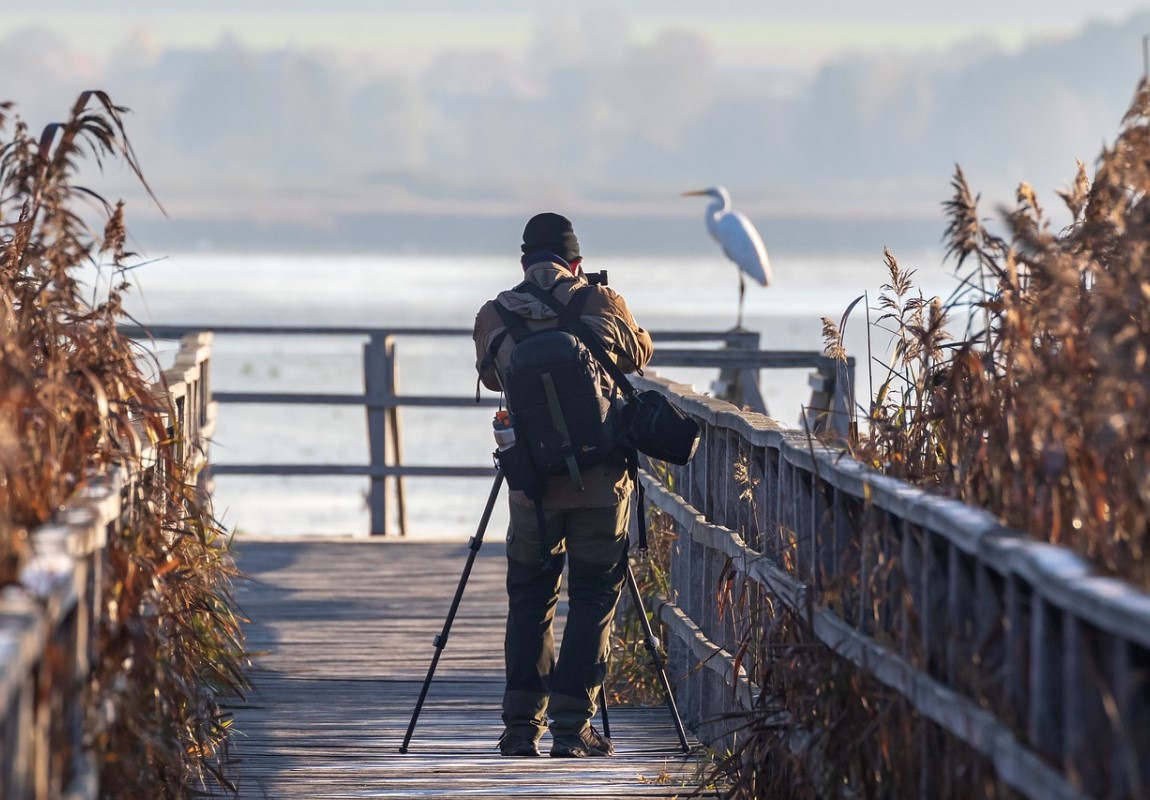
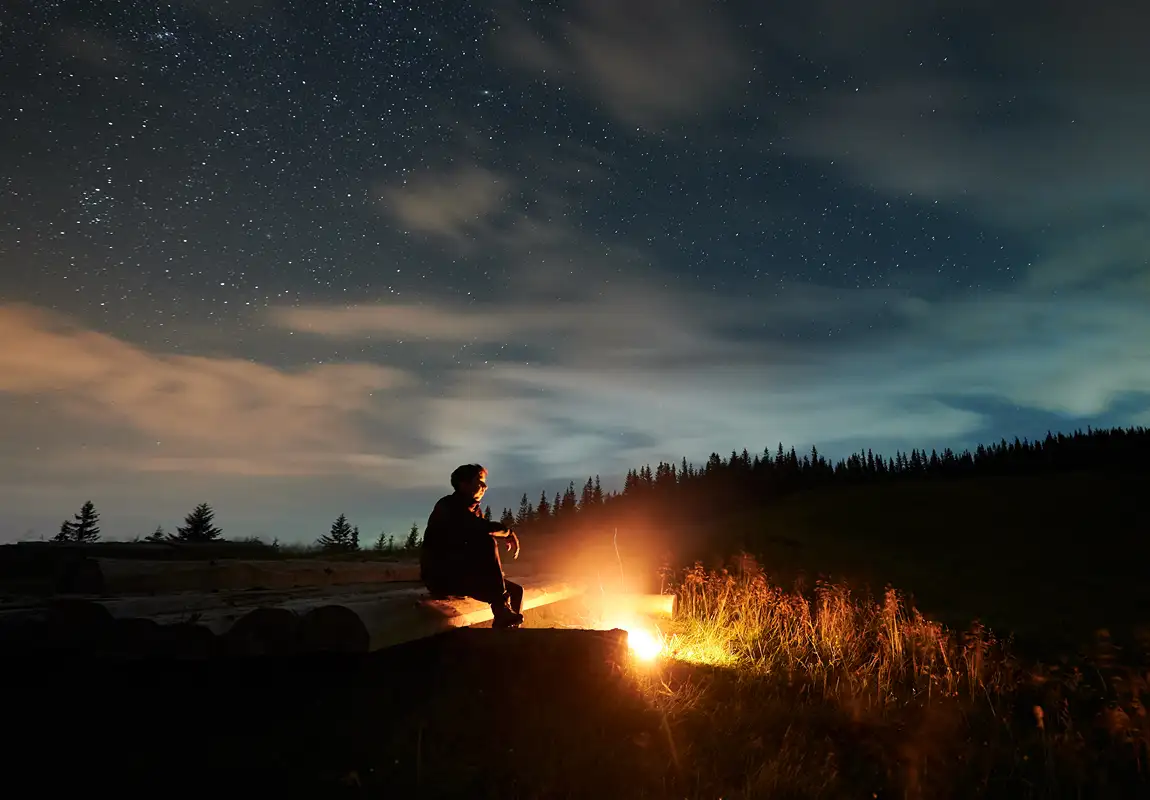
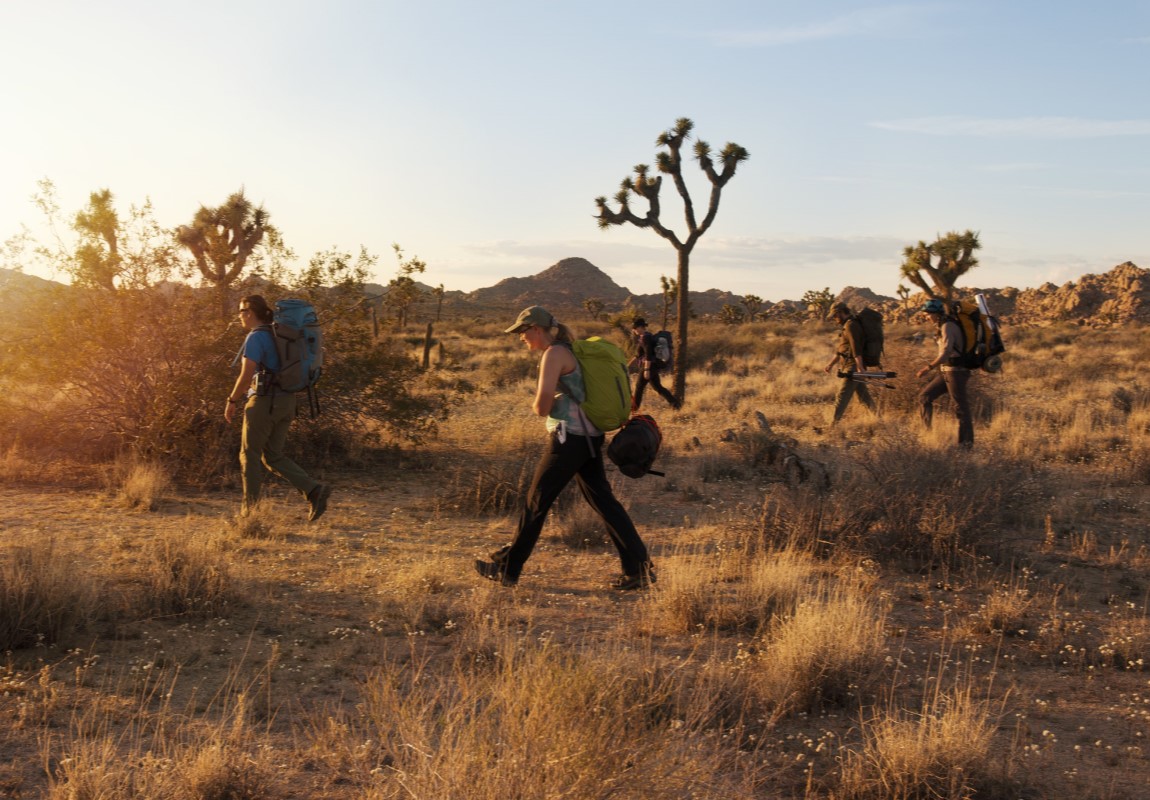
Explore popular activities available in and around Namib Desert.



Want to Visit Namib Desert?
No FAQs available for this park yet.