
Starting from
$500PP
Overview
Mudumu National Park lies in northeastern Namibia within the Zambezi Region and forms part of the greater Kavango-Zambezi Transfrontier Conservation Area. Characterized by broad floodplains, riverine woodlands, mopane forests, and seasonal wetlands, the park is shaped by the flow of the Kwando River and its tributaries. Unlike arid desert parks, Mudumu offers a lush, water-rich ecosystem that supports large concentrations of wildlife, particularly during the dry season when animals congregate near permanent water sources. The park is relatively undeveloped, providing an authentic wilderness experience focused on conservation, ecological diversity, and low-impact tourism. Its remote nature makes it especially appealing to travelers seeking off-the-beaten-path safari experiences in a pristine riverine landscape.
Pros & Cons
- Rich riverine and wetland ecosystems
- Excellent elephant and buffalo viewing
- Part of a major transfrontier conservation area
- Low visitor numbers and authentic wilderness feel
- Limited tourism infrastructure
- Seasonal access challenges during rains
- Dense vegetation can limit visibility
- Remote location
Map in Namibia

Want to Visit Mudumu National Park?


Want to Visit Mudumu National Park?
Wildlife & Animals
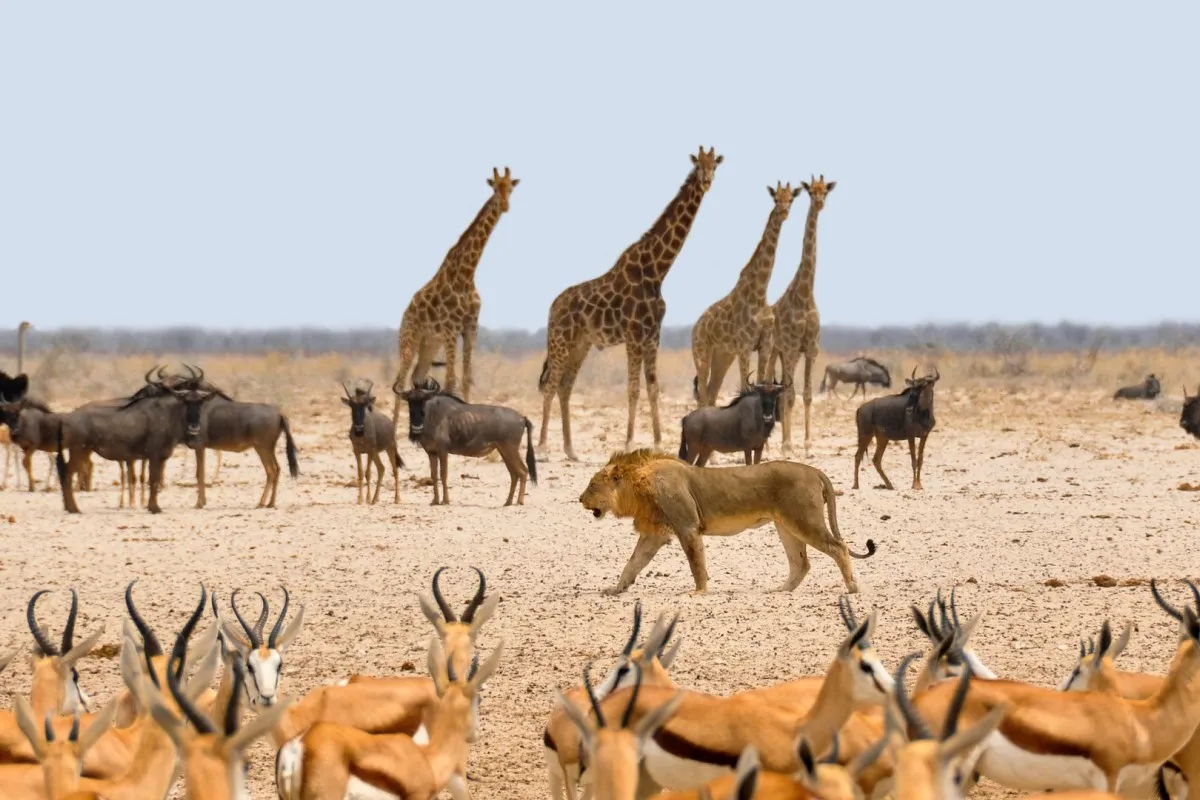
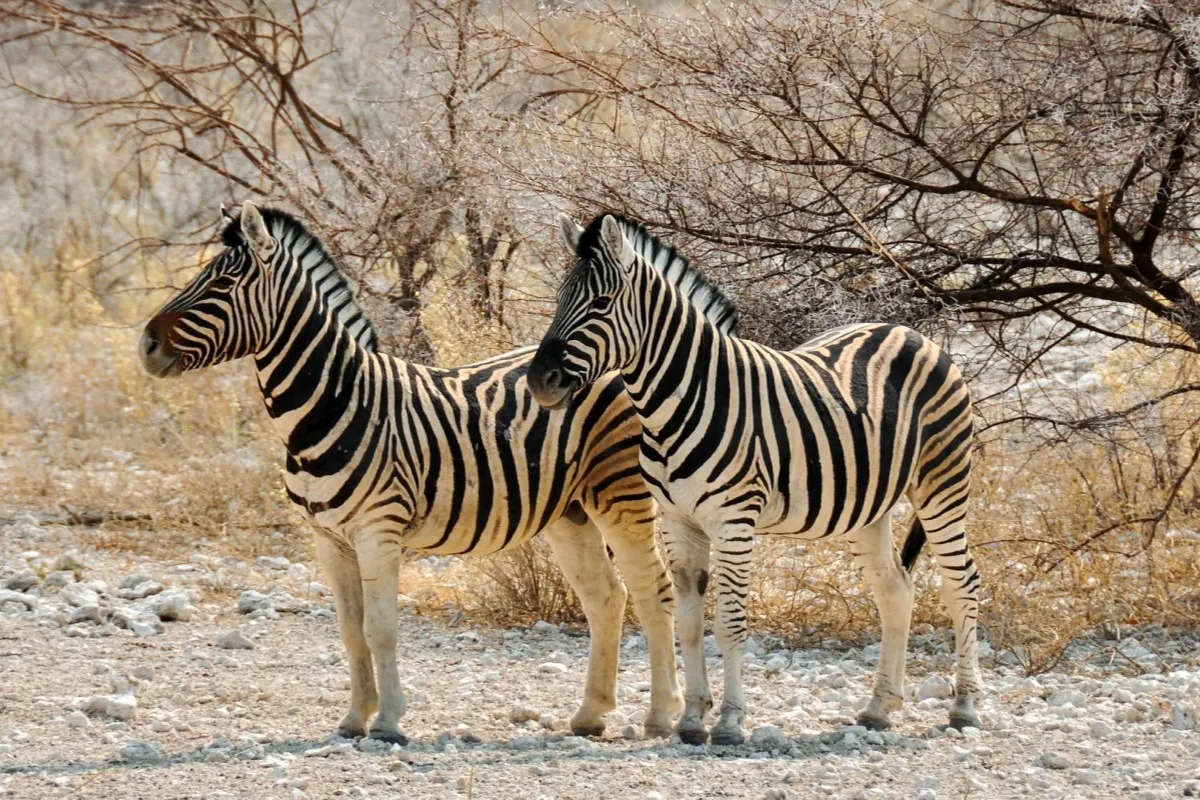
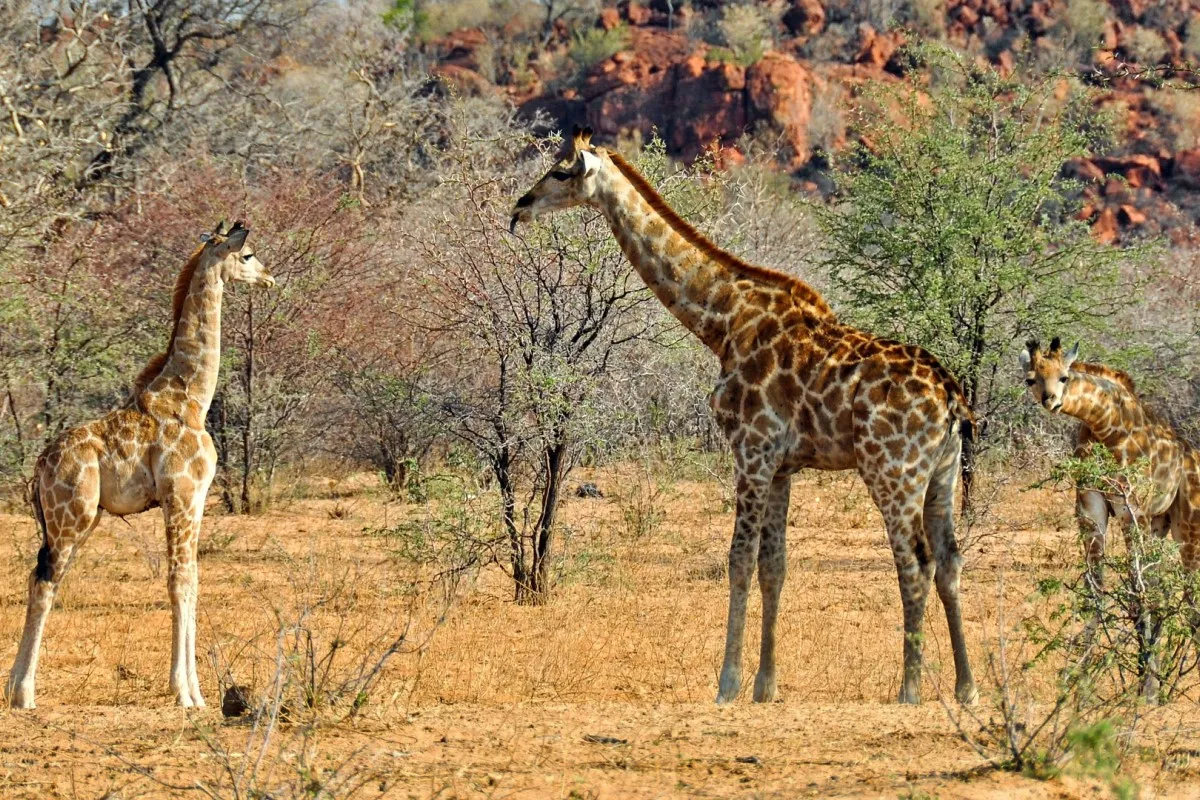
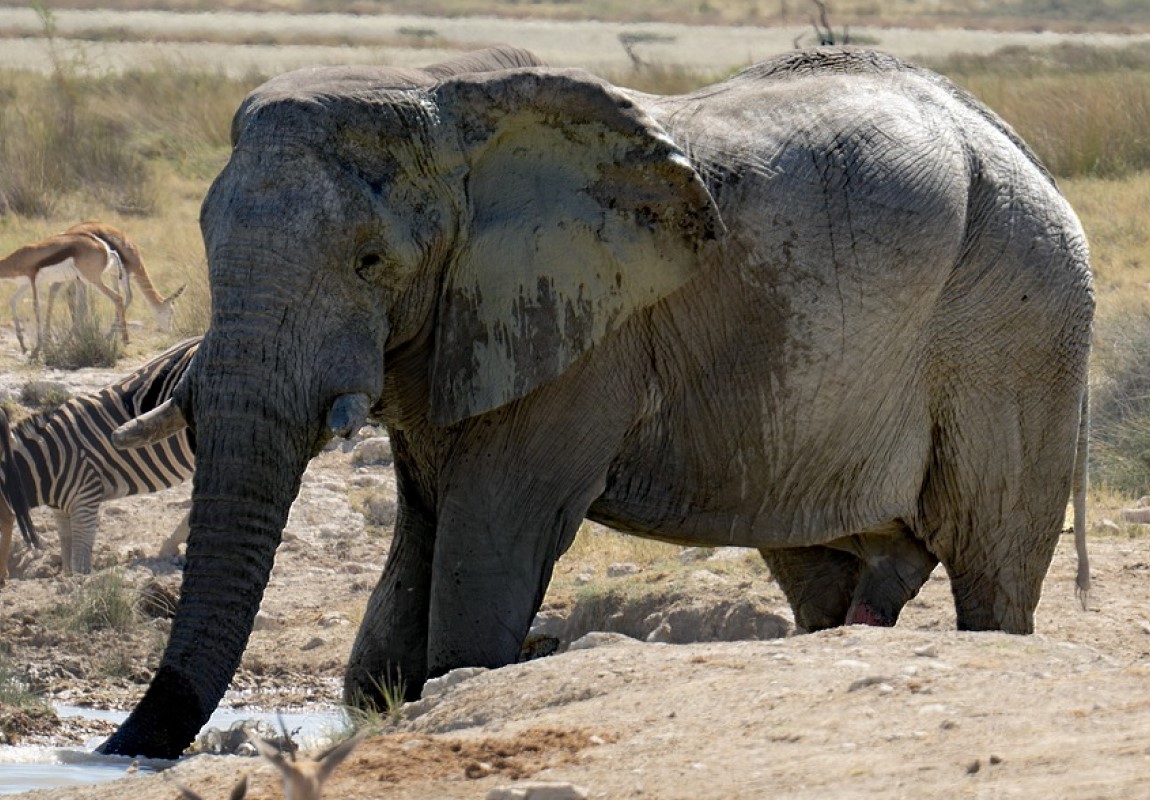
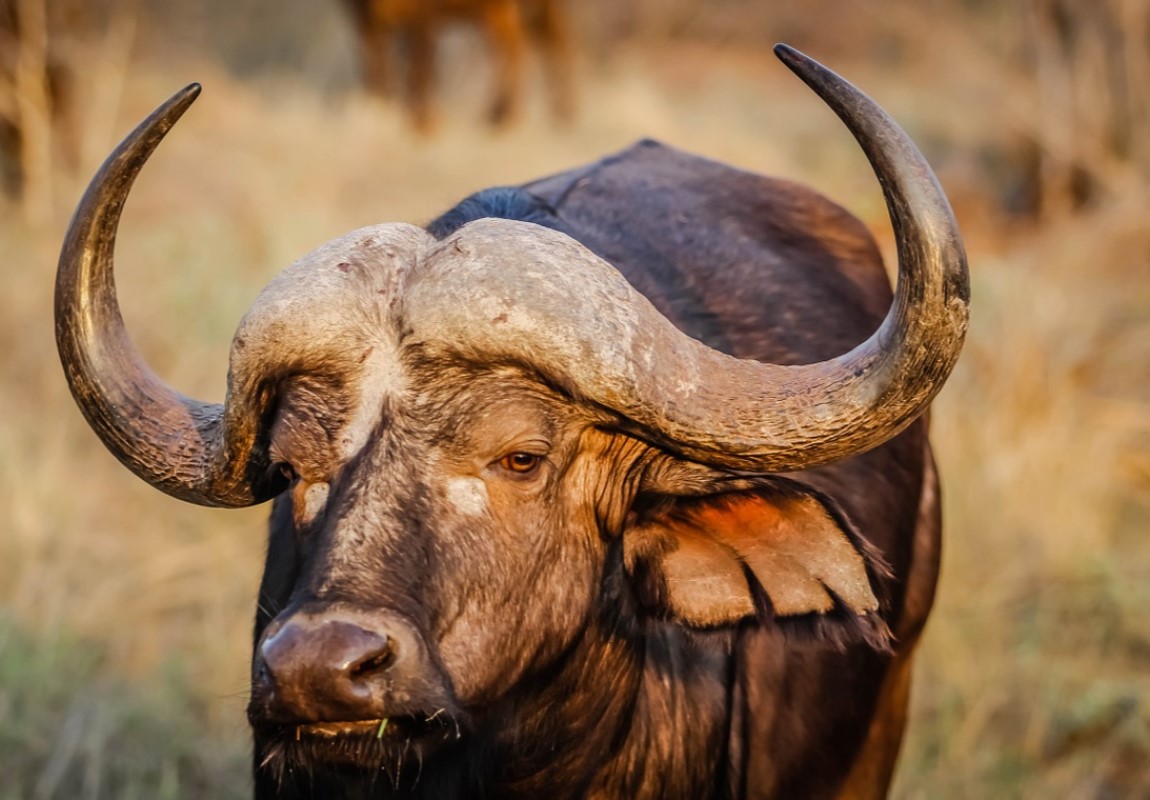
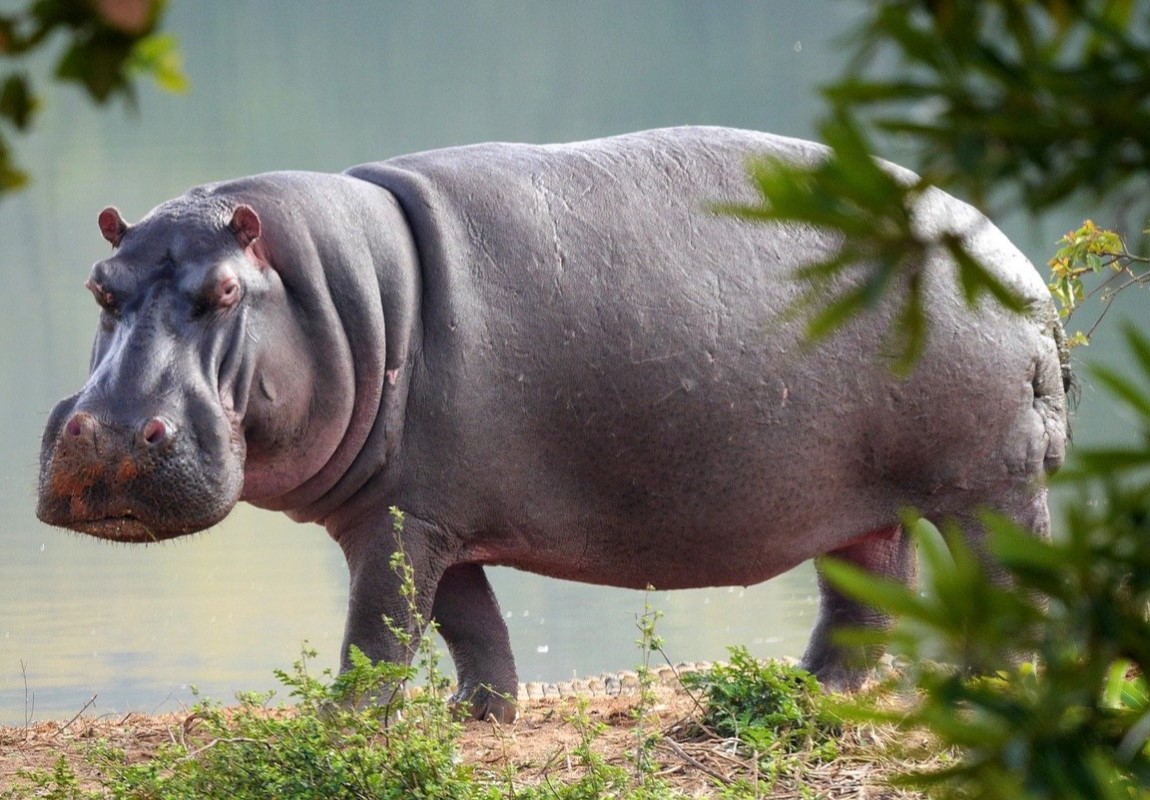
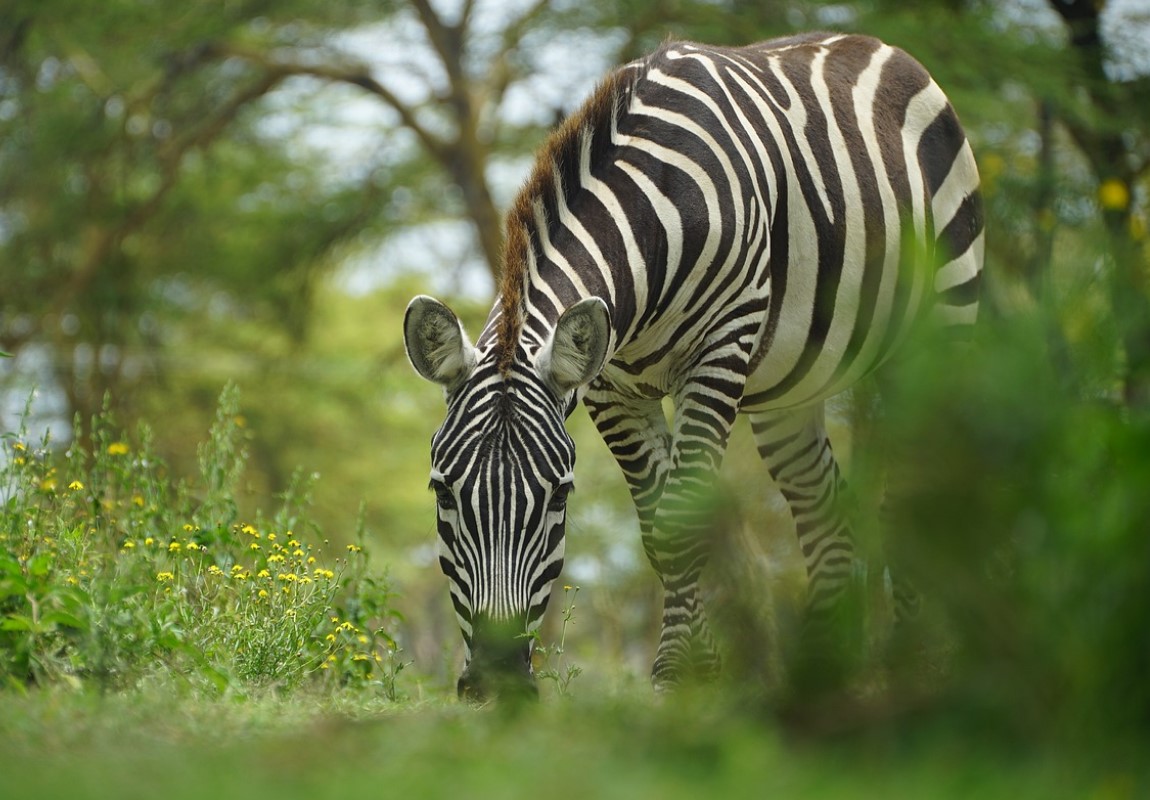
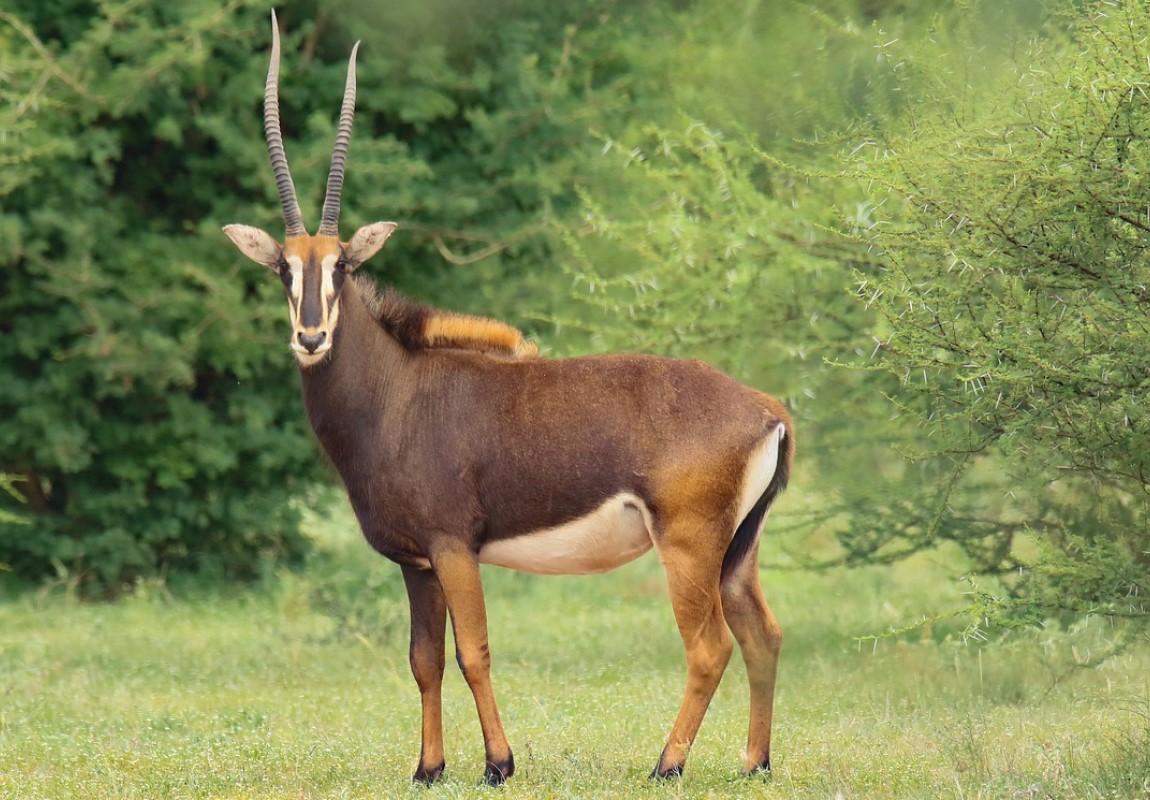
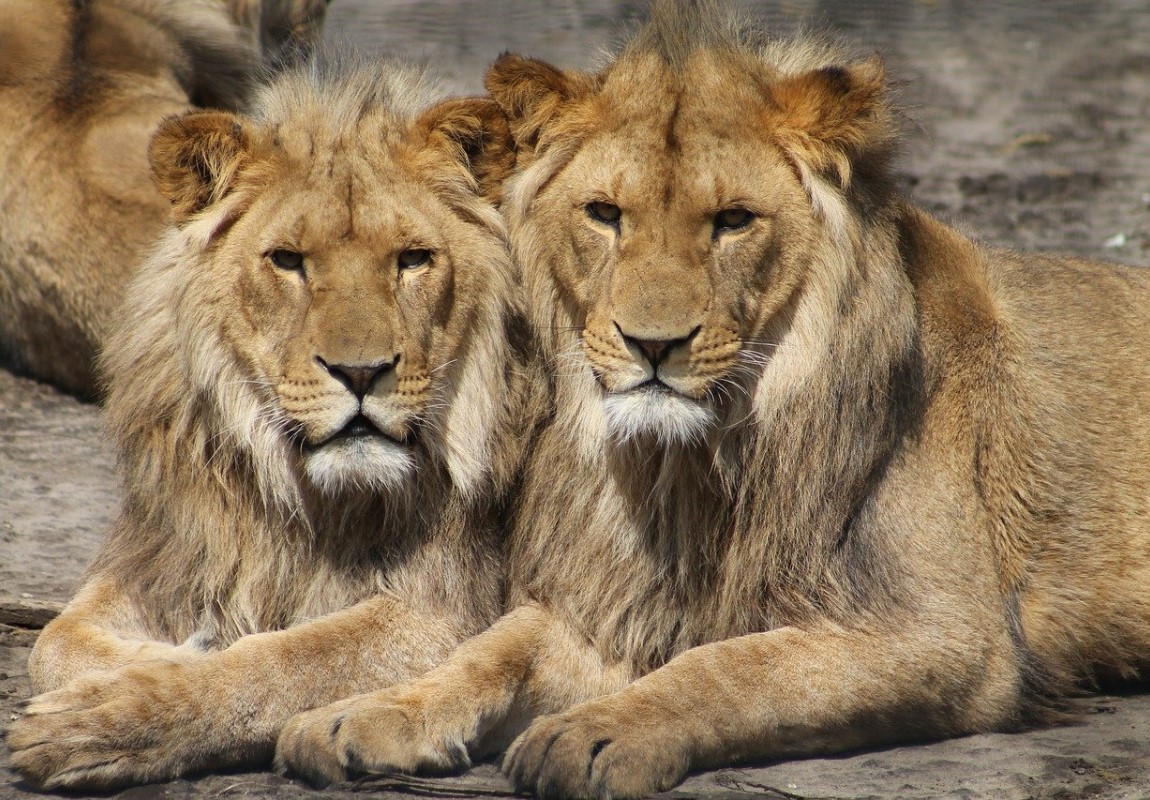
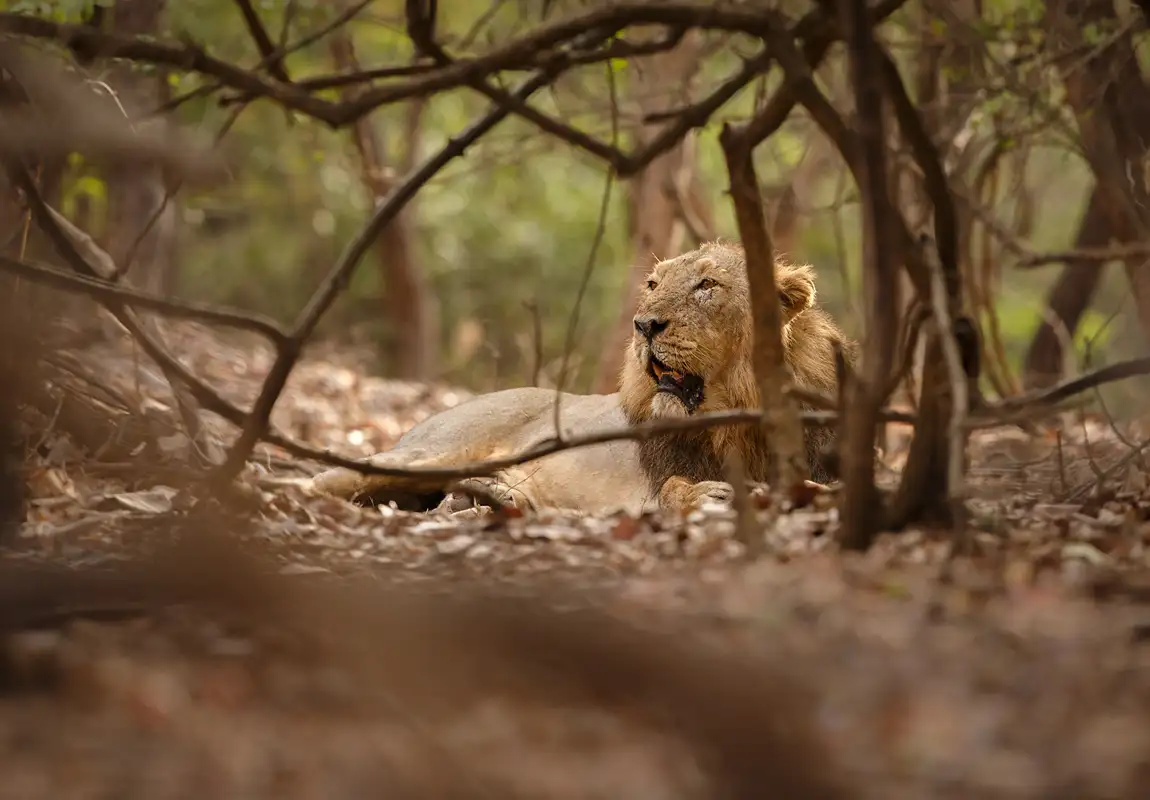
Mudumu National Park supports a high diversity of large mammals thanks to its permanent water sources and productive floodplains. Elephants and buffalo are the dominant species, often seen moving in large herds through woodlands and along riverbanks. Plains game such as roan antelope, sable antelope, kudu, and impala thrive in the mosaic of grassland and forest habitats. Predators including lions, leopards, and spotted hyenas are present but tend to be elusive due to dense vegetation and vast territories. The park plays an important role as a wildlife corridor, allowing seasonal movements between Namibia, Botswana, and Zambia.


Wildlife Highlights
Key highlights include close encounters with large elephant herds, sightings of rare antelope species such as roan and sable, and the sense of witnessing wildlife movement across international borders. The riverine setting adds a unique dimension, with animals frequently seen crossing channels, feeding along floodplains, or resting in shaded woodland areas during the heat of the day.
Best Time for Wildlife Viewing
The best time for wildlife viewing is from July to October, when dry conditions force animals to concentrate near the Kwando River and remaining waterholes. During these months, vegetation is thinner and wildlife movements are easier to observe, particularly in early mornings and late afternoons.
Want to Visit Mudumu National Park?
Birds
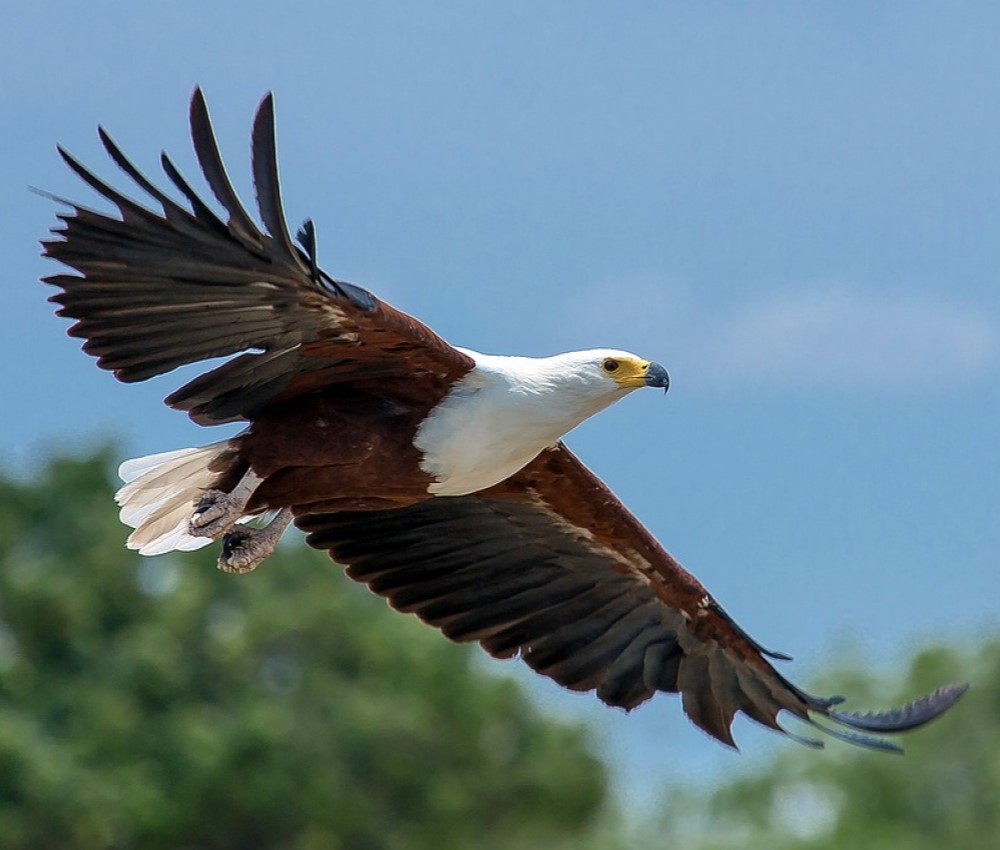
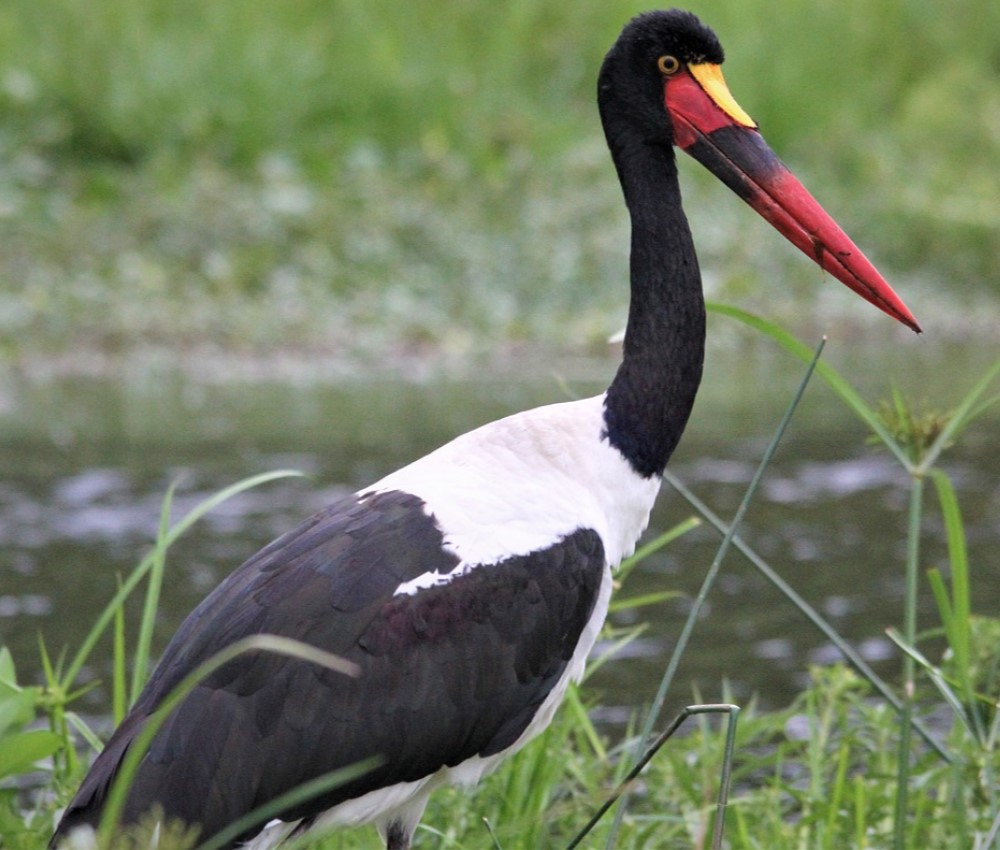
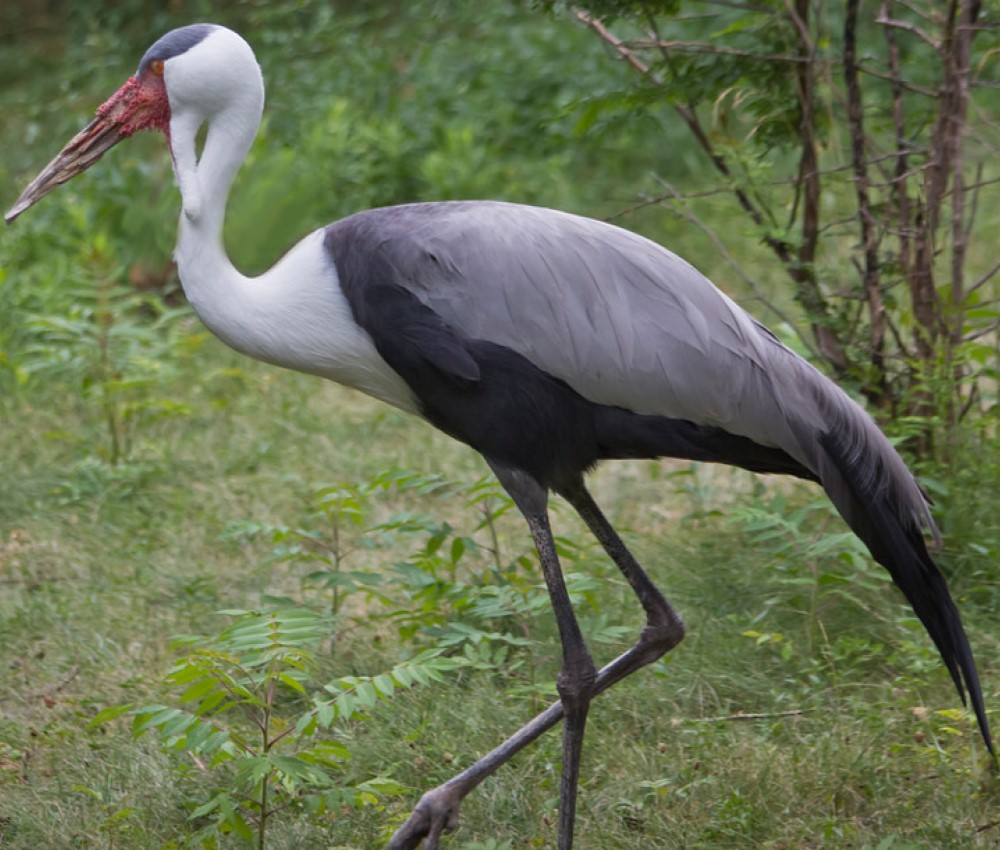
Birdlife in Mudumu National Park is exceptionally diverse, reflecting its combination of wetlands, riverine forests, and savanna habitats. The park is home to numerous waterbirds, raptors, and woodland species, with both resident and migratory birds present. Herons, storks, kingfishers, and bee-eaters are commonly seen along waterways, while raptors patrol open floodplains and forest edges. Seasonal flooding plays a major role in shaping bird distribution and breeding activity.

Best Time for Birding
The best time for birdwatching is from November to March, when migratory species arrive and breeding activity peaks following the rainy season. Increased insect abundance and flooded wetlands attract a wide variety of birds, making this period particularly rewarding for bird enthusiasts.
Want to Visit Mudumu National Park?
Best Time to Visit – Mudumu National Park
The best time for wildlife viewing is from July to October, when dry conditions force animals to concentrate near the Kwando River and remaining waterholes. During these months, vegetation is thinner and wildlife movements are easier to observe, particularly in early mornings and late afternoons.
June to October (Dry Season)
- High wildlife concentrations
- Easier park access
- Comfortable daytime temperatures
- Dusty conditions
- Reduced bird diversity
- Cool mornings
December to March (Wet Season)
- Excellent birdwatching
- Lush green landscapes
- Fewer visitors
- Difficult road conditions
- Dispersed wildlife
- High humidity
Want to Visit Mudumu National Park?
Activities
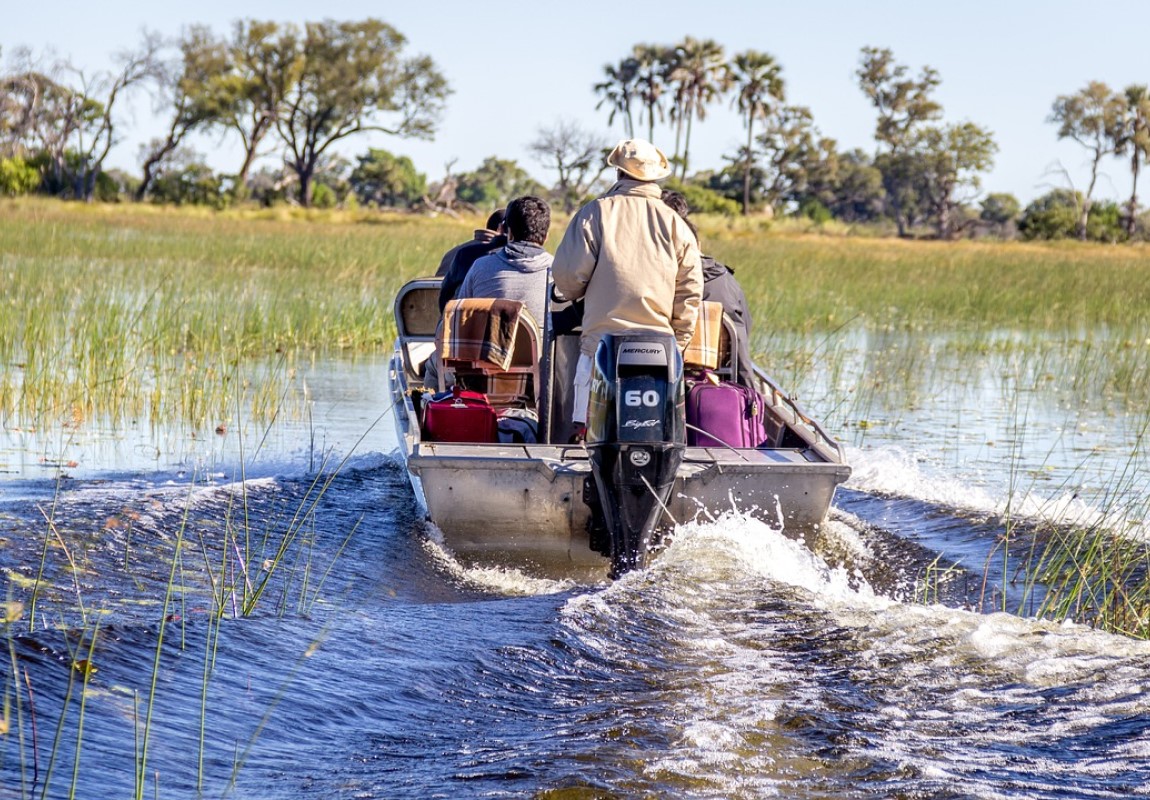
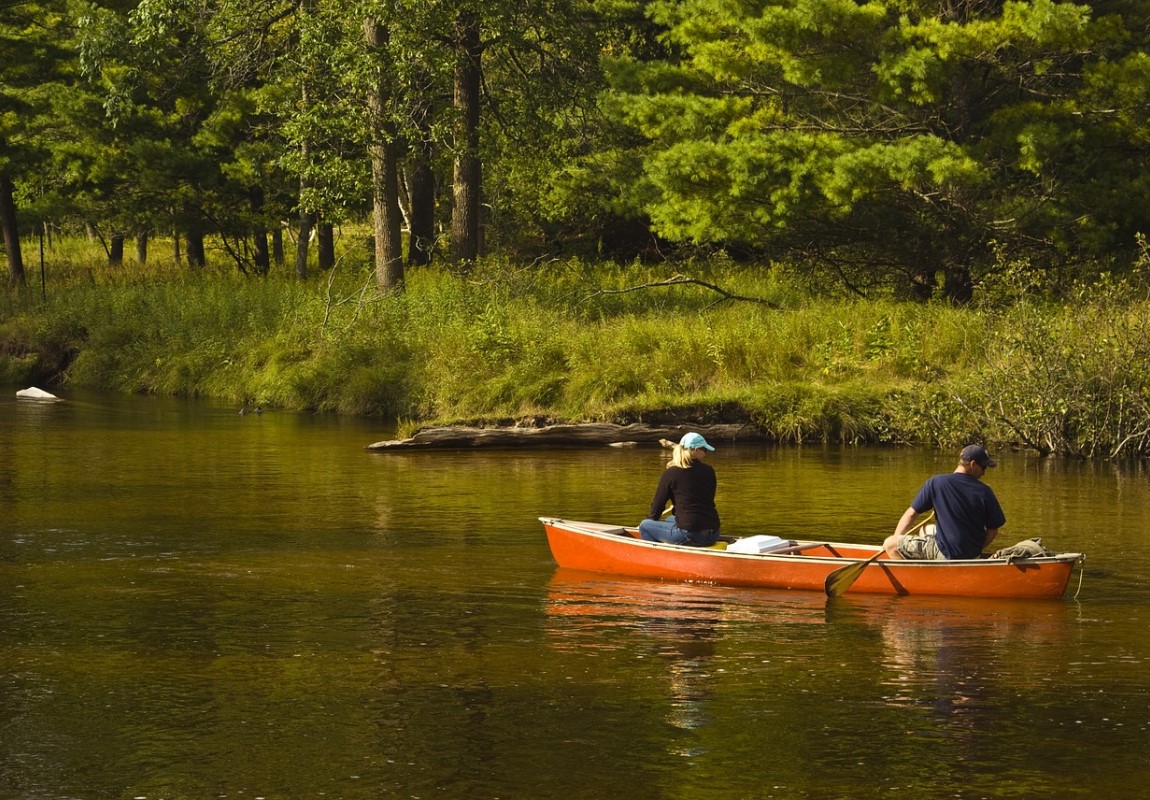
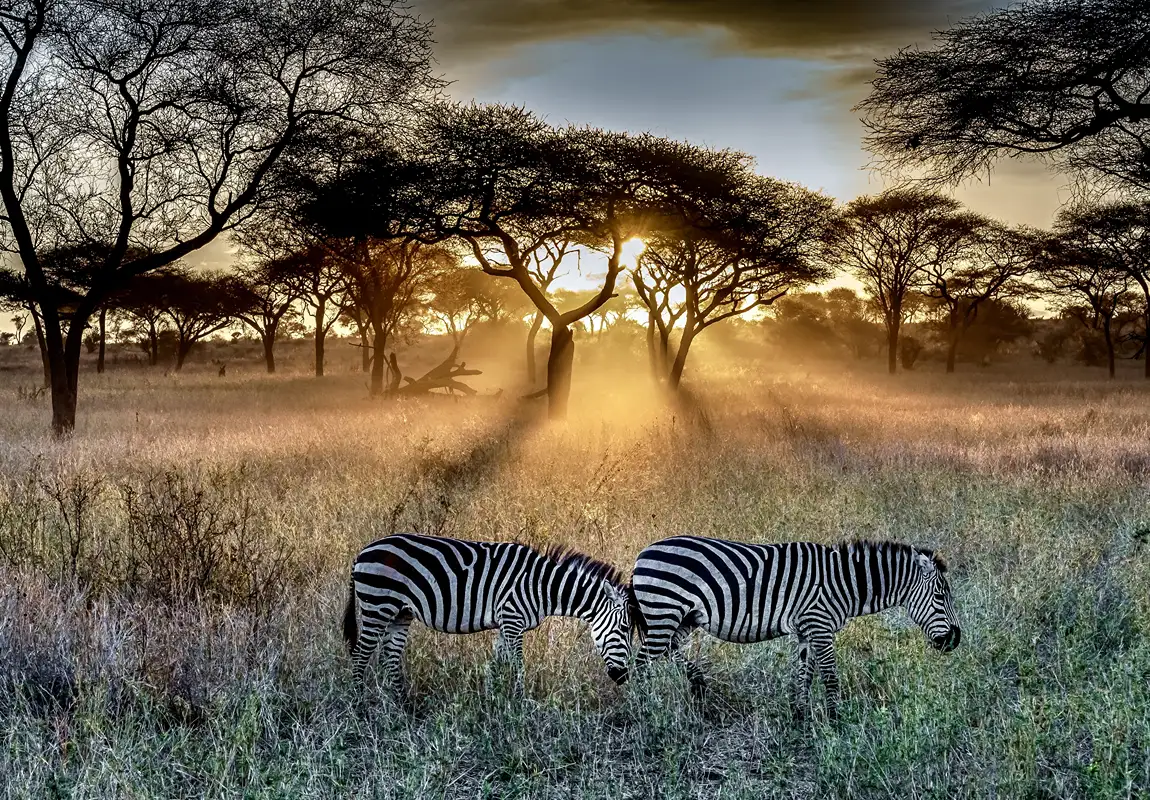
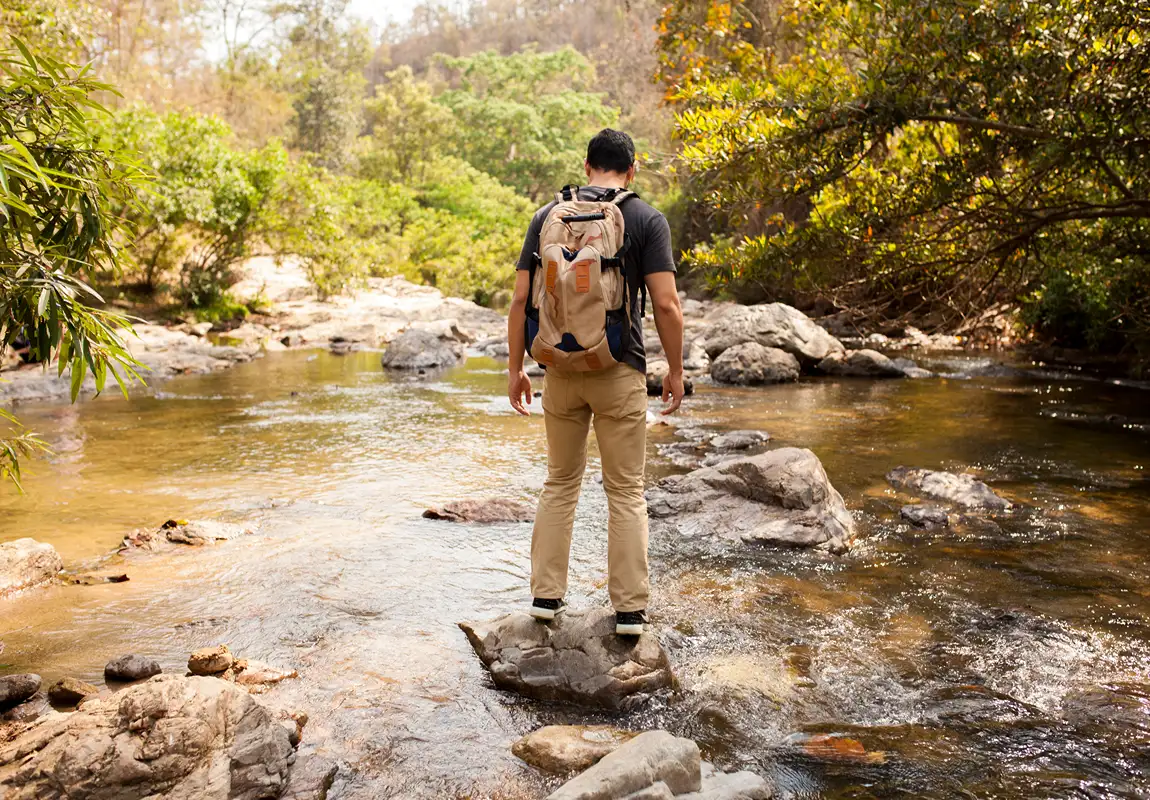
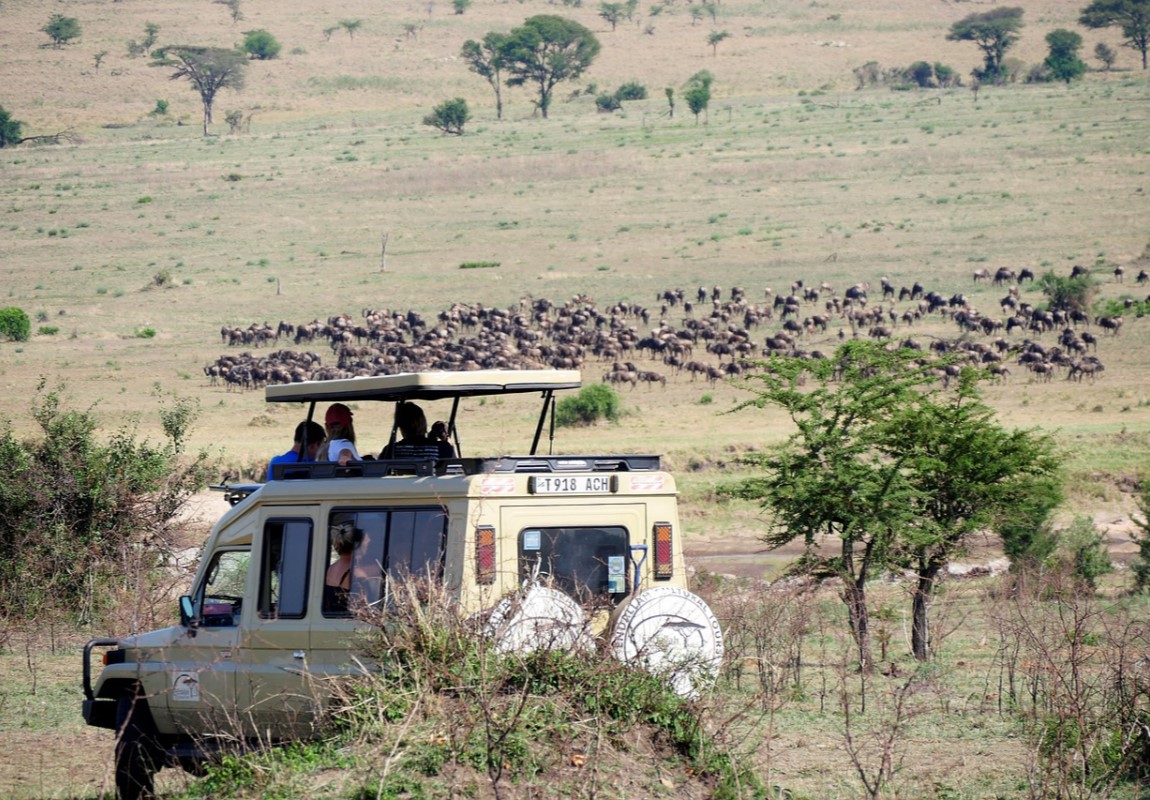
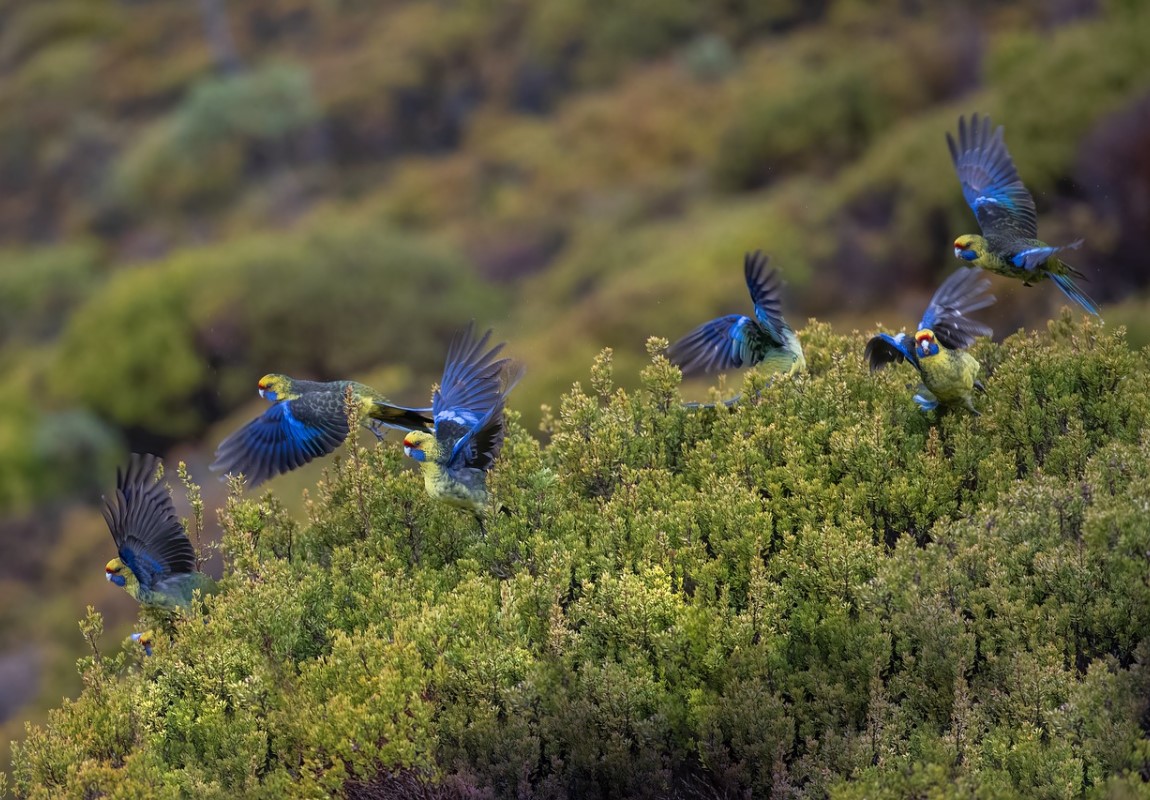
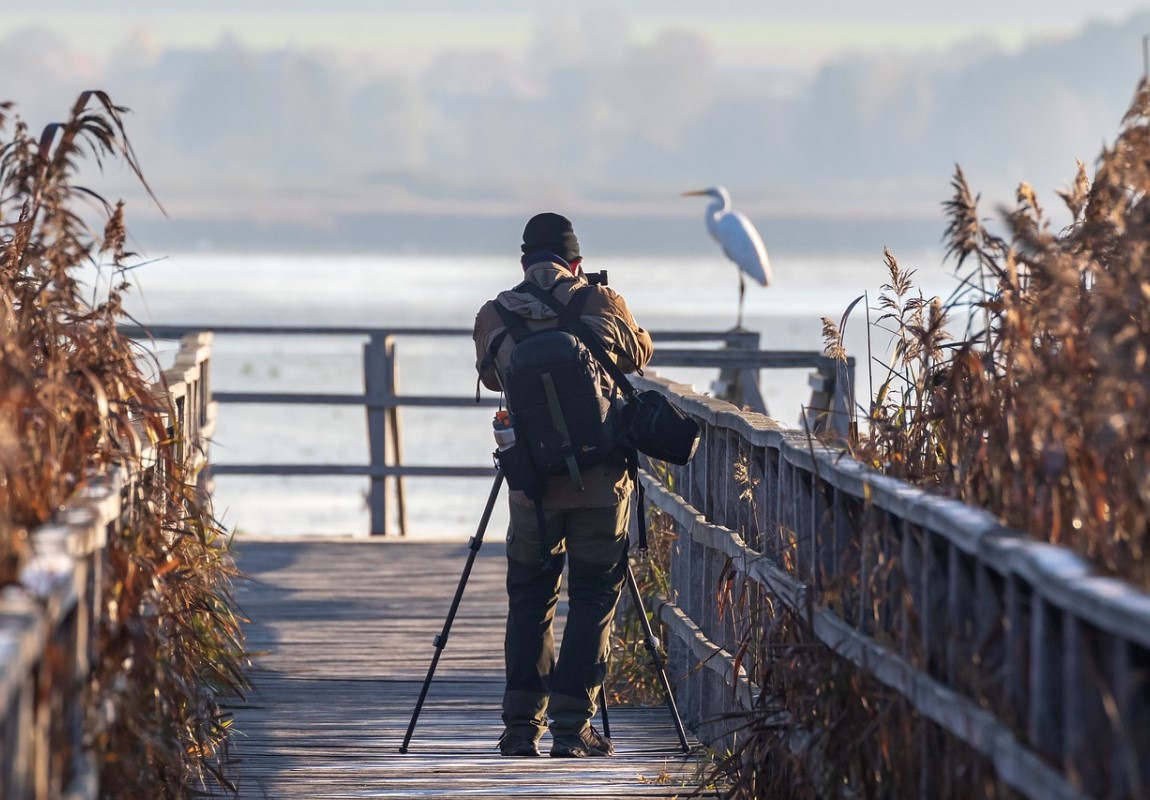
Explore popular activities available in and around Mudumu National Park.
Want to Visit Mudumu National Park?
No FAQs available for this park yet.