
Starting from
$200PP
Overview
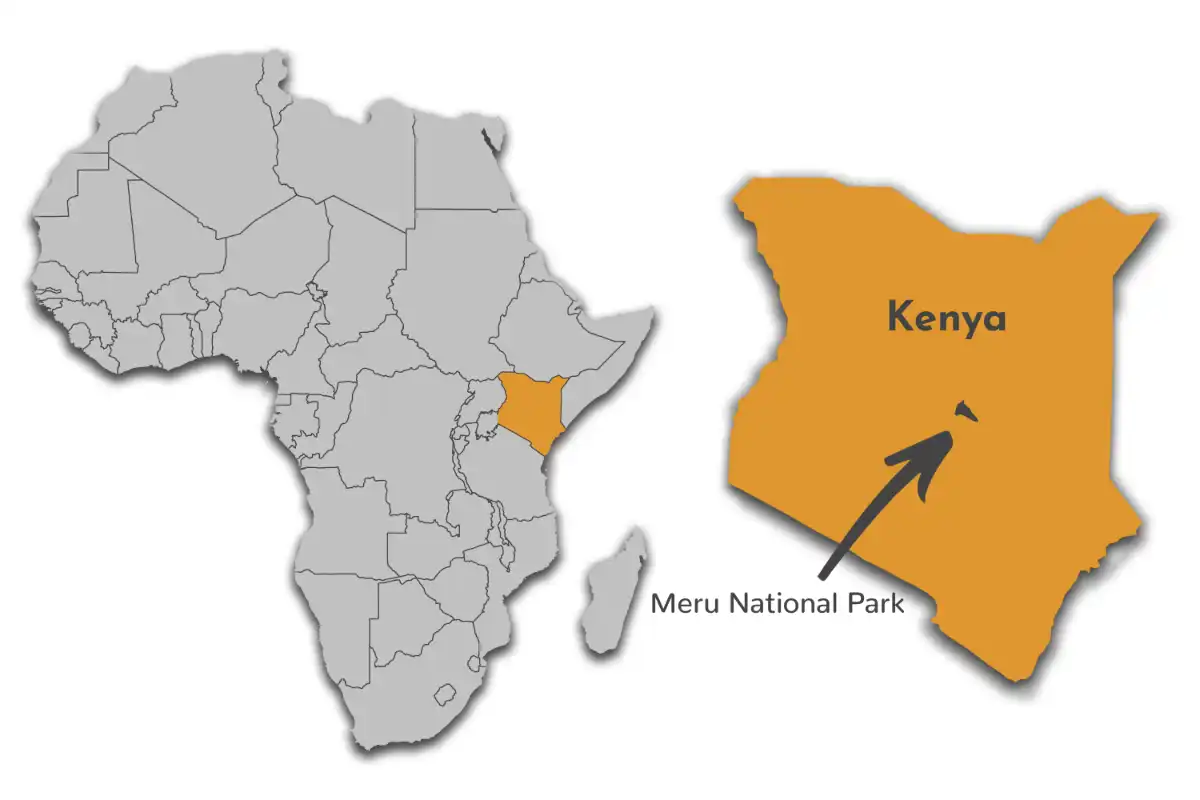
Meru National Park is a remote national park in Kenya. This wild and beautiful park has diverse landscapes, which incorporate open fields lined by riverbanks, slopes such as the Nyambene mountain reach, and forest regions. Meru National Park's 13 rivers are one of its fundamental attractions. Other than its amazing rivers, Meru additionally flaunts different attraction points like Adamson's Falls, the burial site of Elsa the Lioness, and stunning views of Mount Kenya from different regions inside the park.
Pros & Cons
- Wildlife watching is better when it’s dry and animals gather at water sources
- Rarely gets hot, Most of the time it's sunny & dry
- The park never get crowded
- Amazing accommodation options are available
- Birding is best as migratory birds are present
- Animals aren’t very habituated
- Predator sightings are hit-and-miss
Map in Kenya
Want to Visit Meru National Park?
Gallery Images
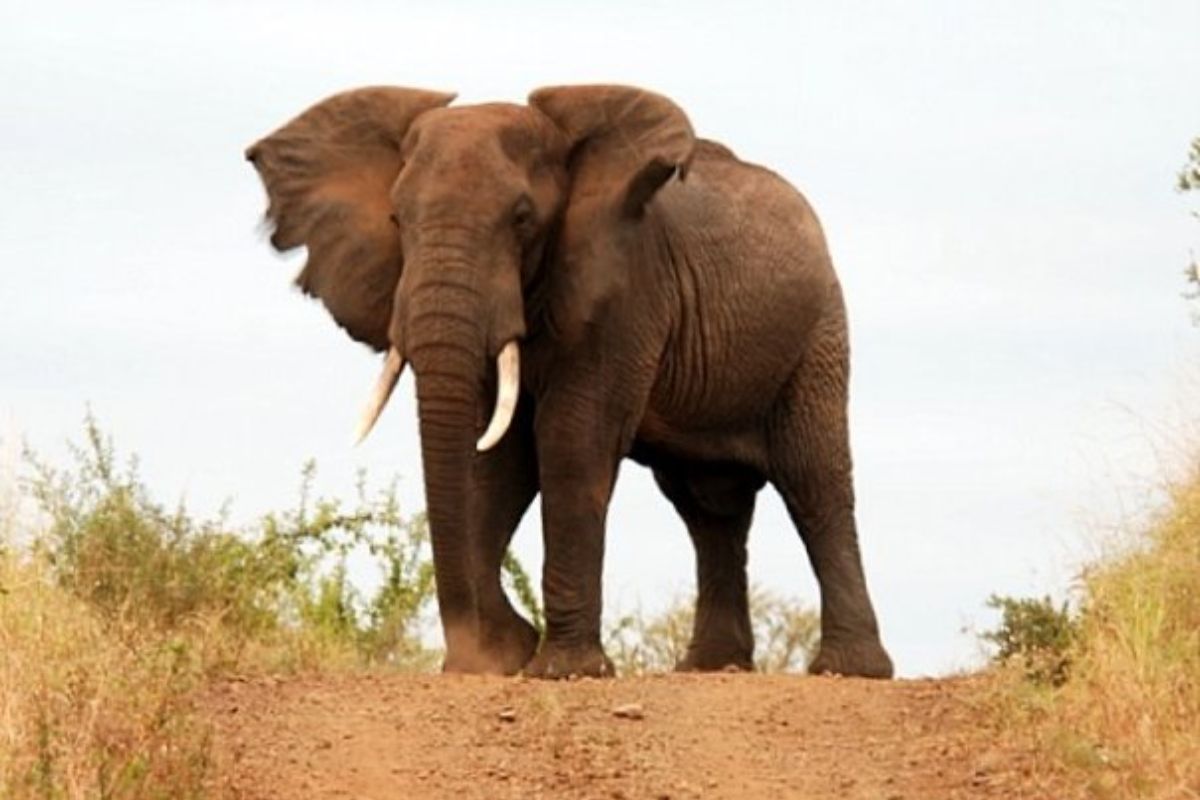
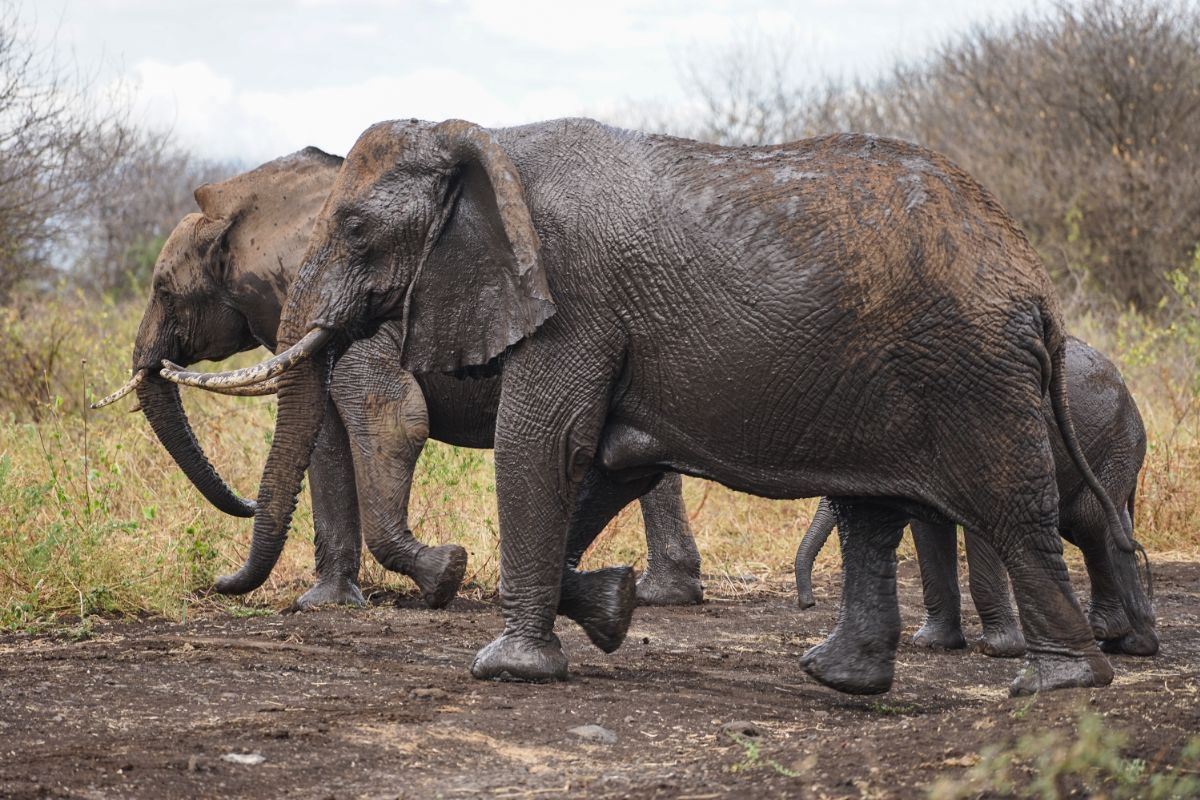
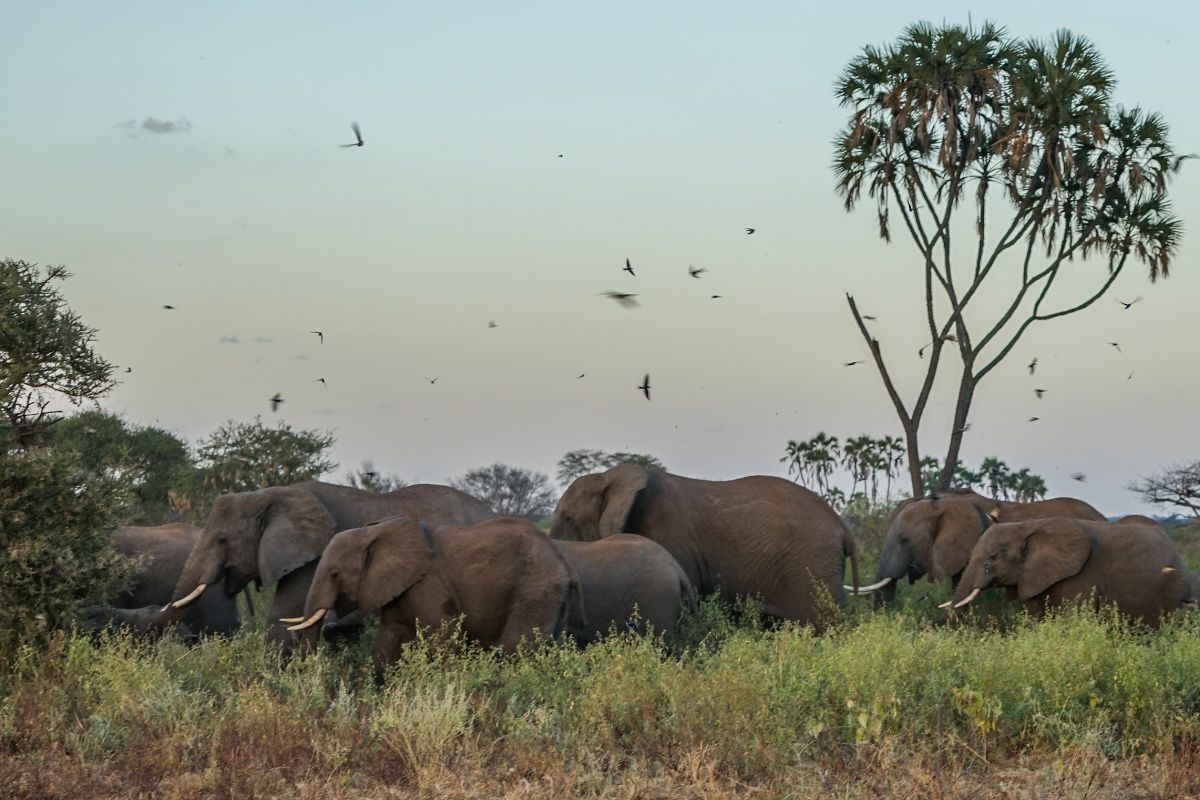
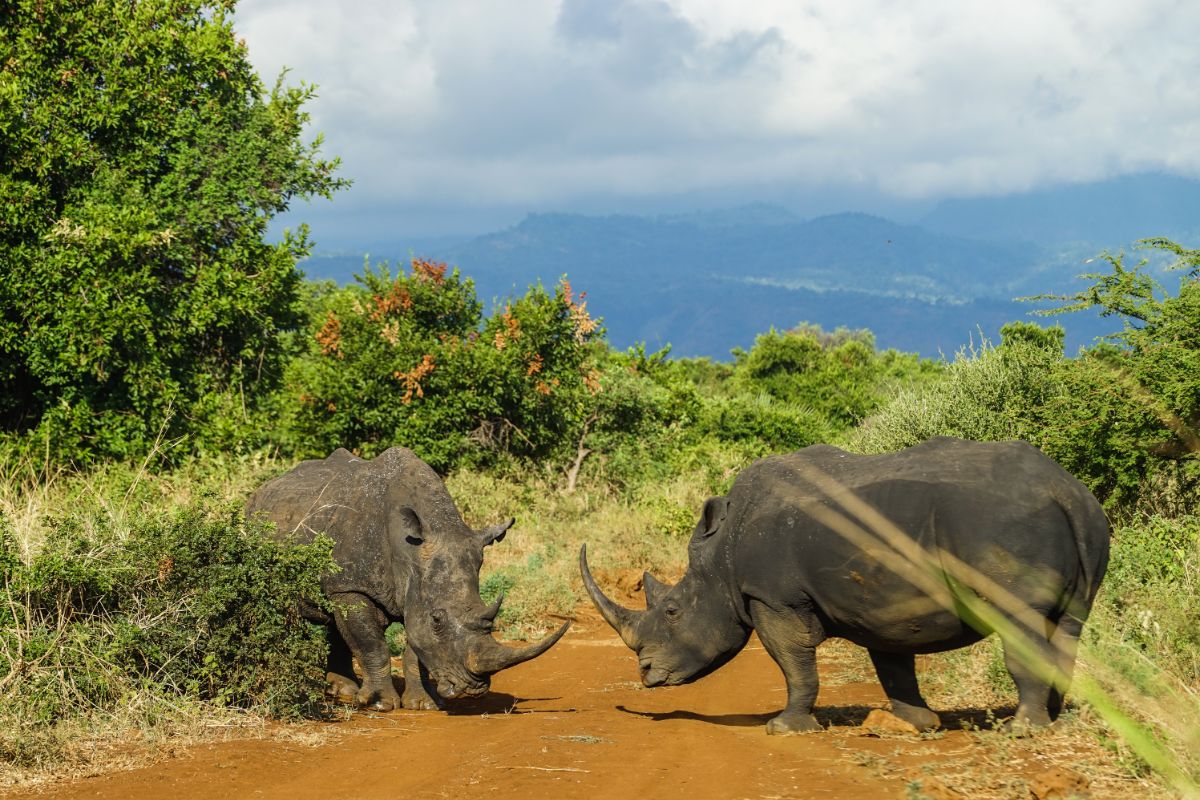
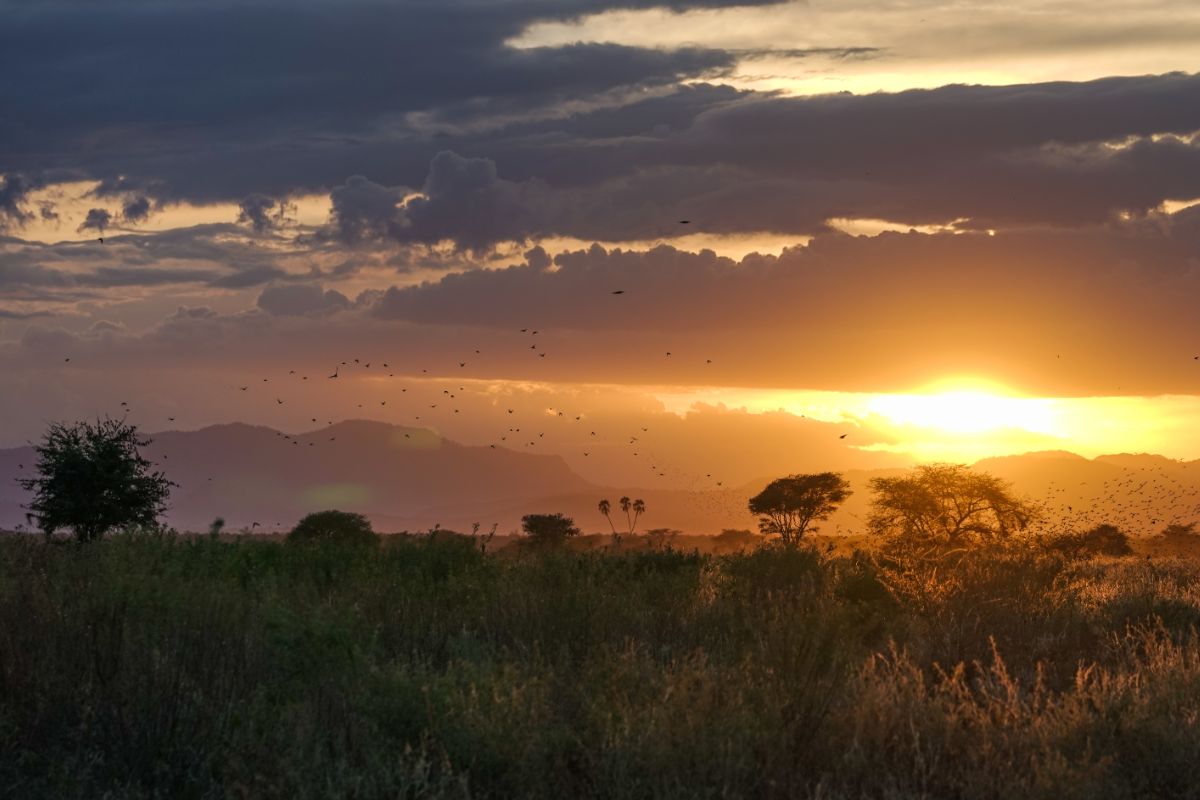
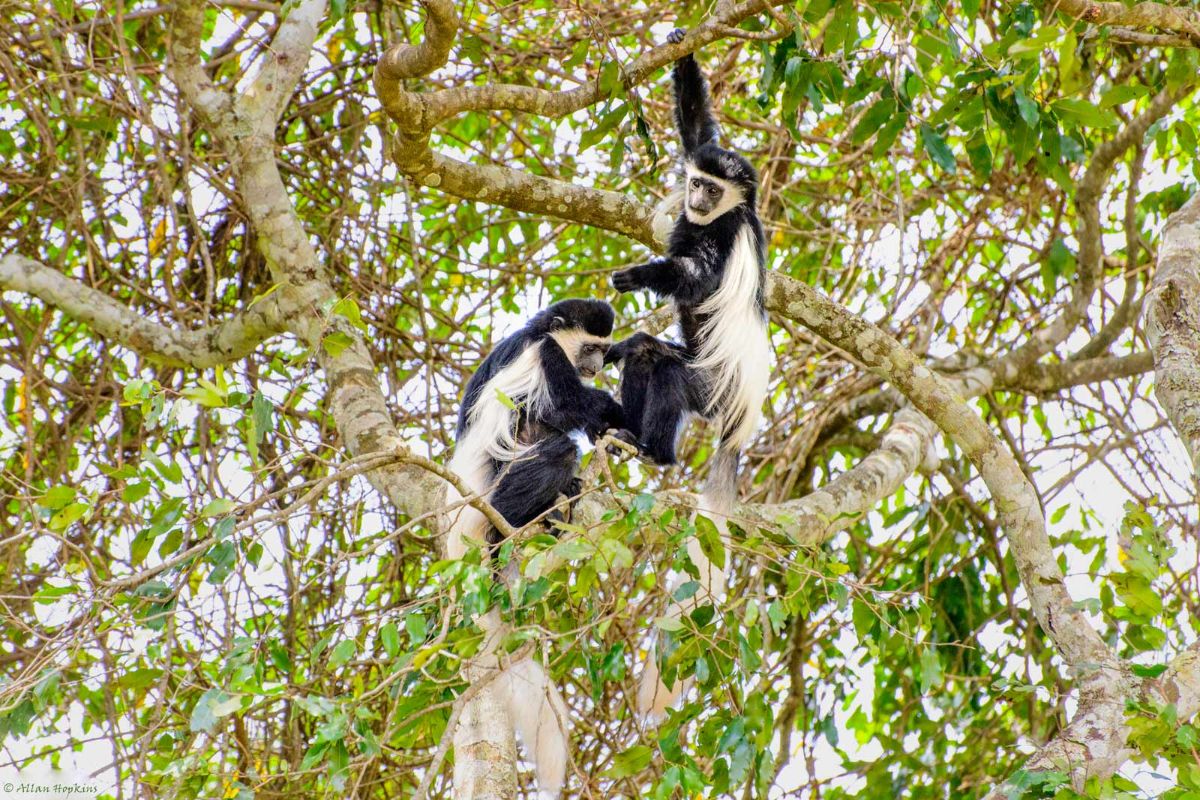
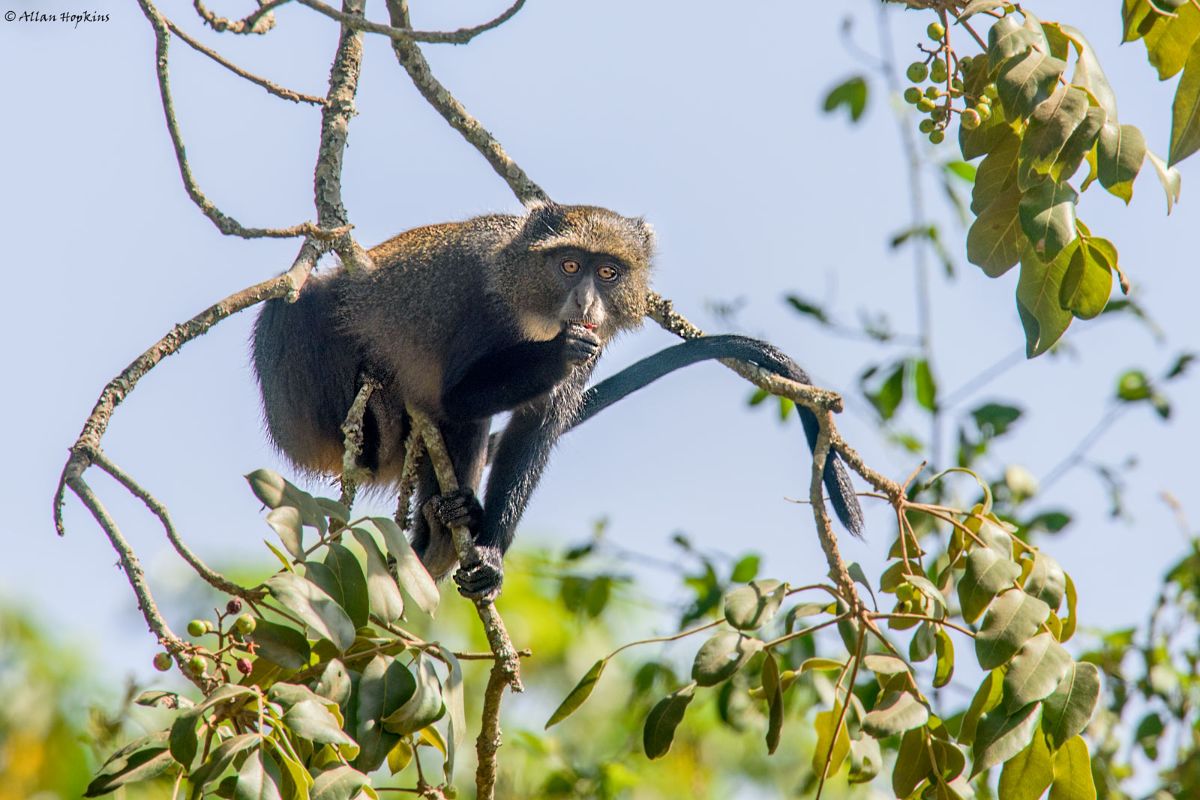
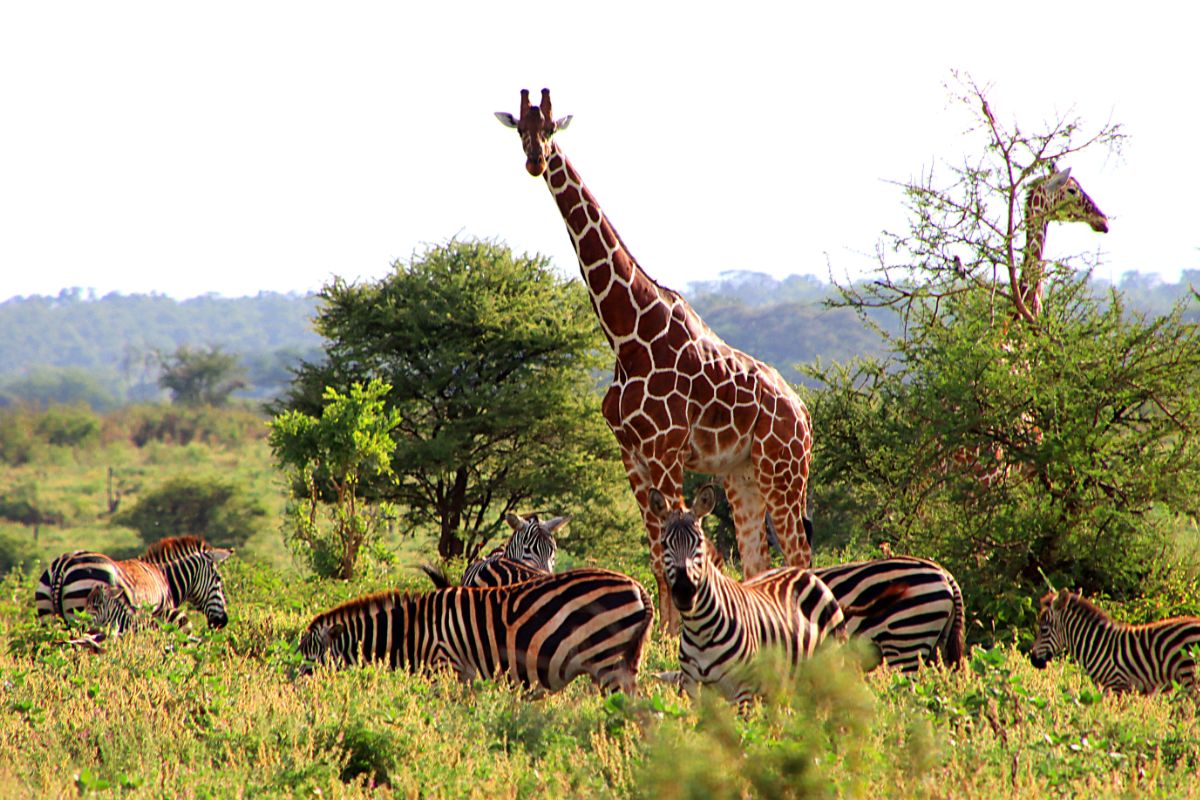
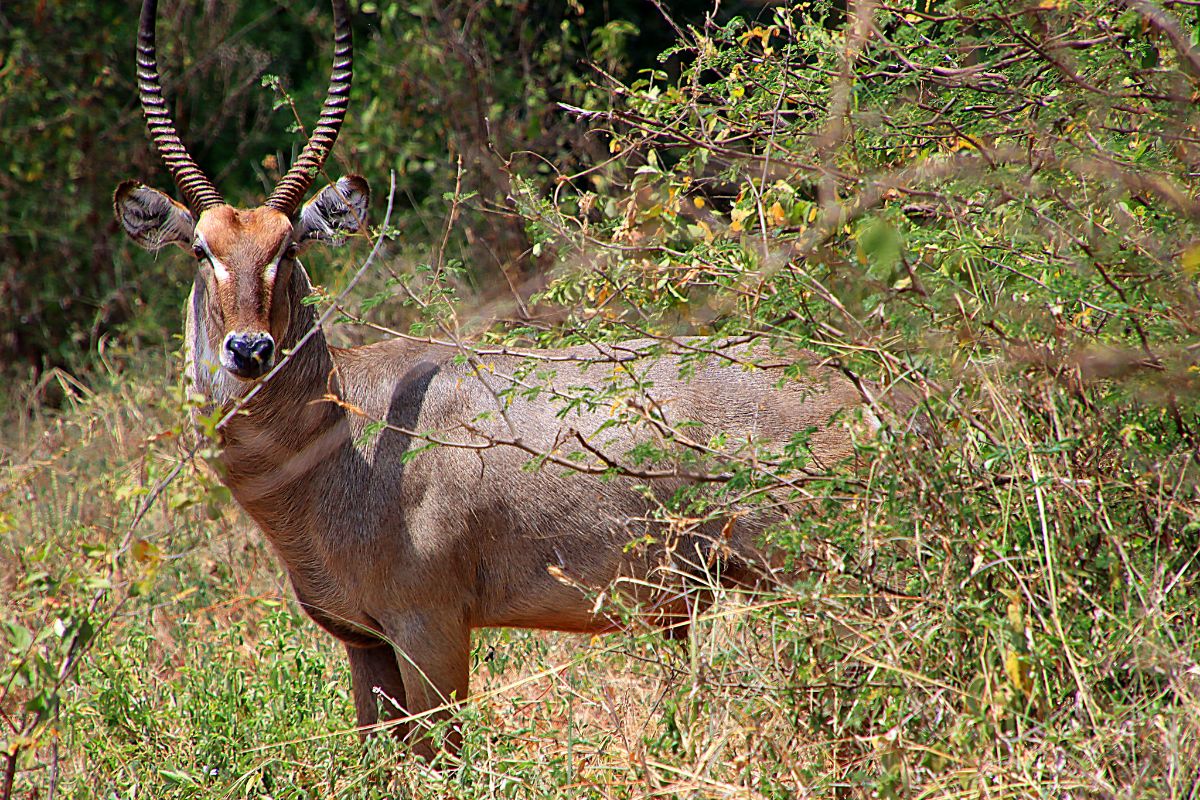
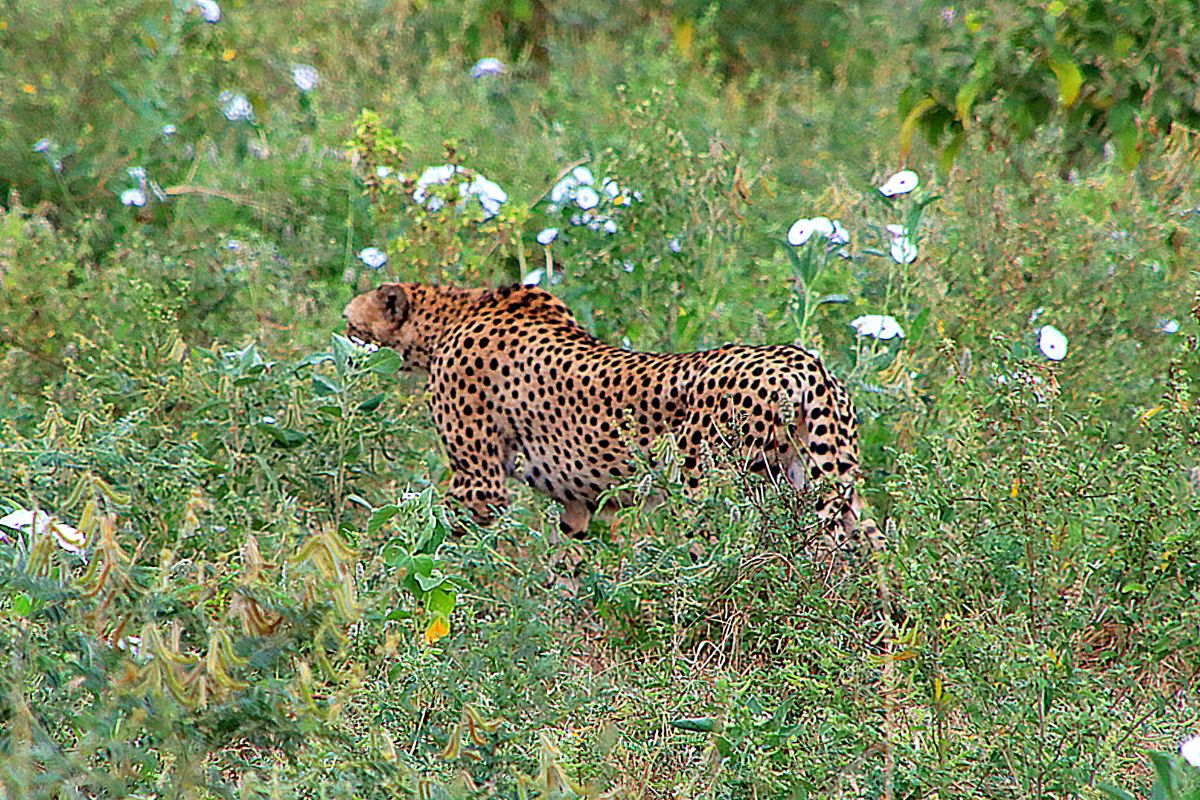
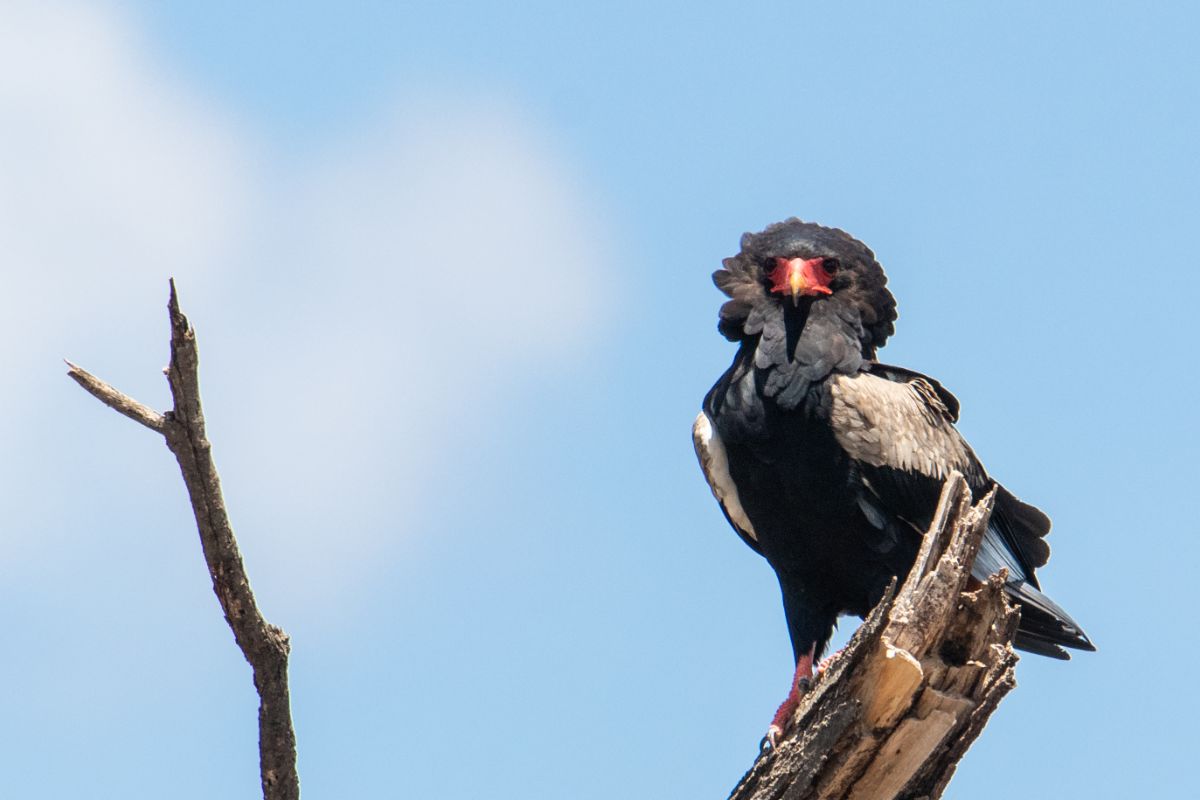
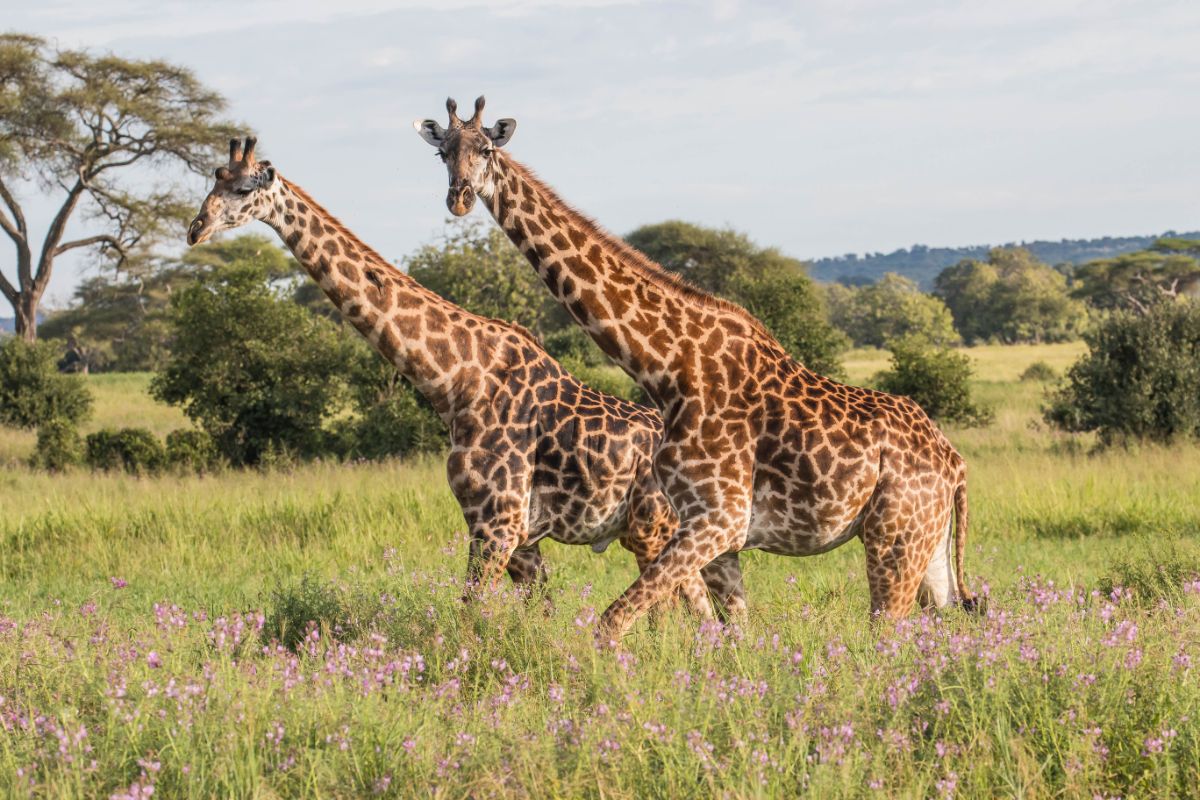
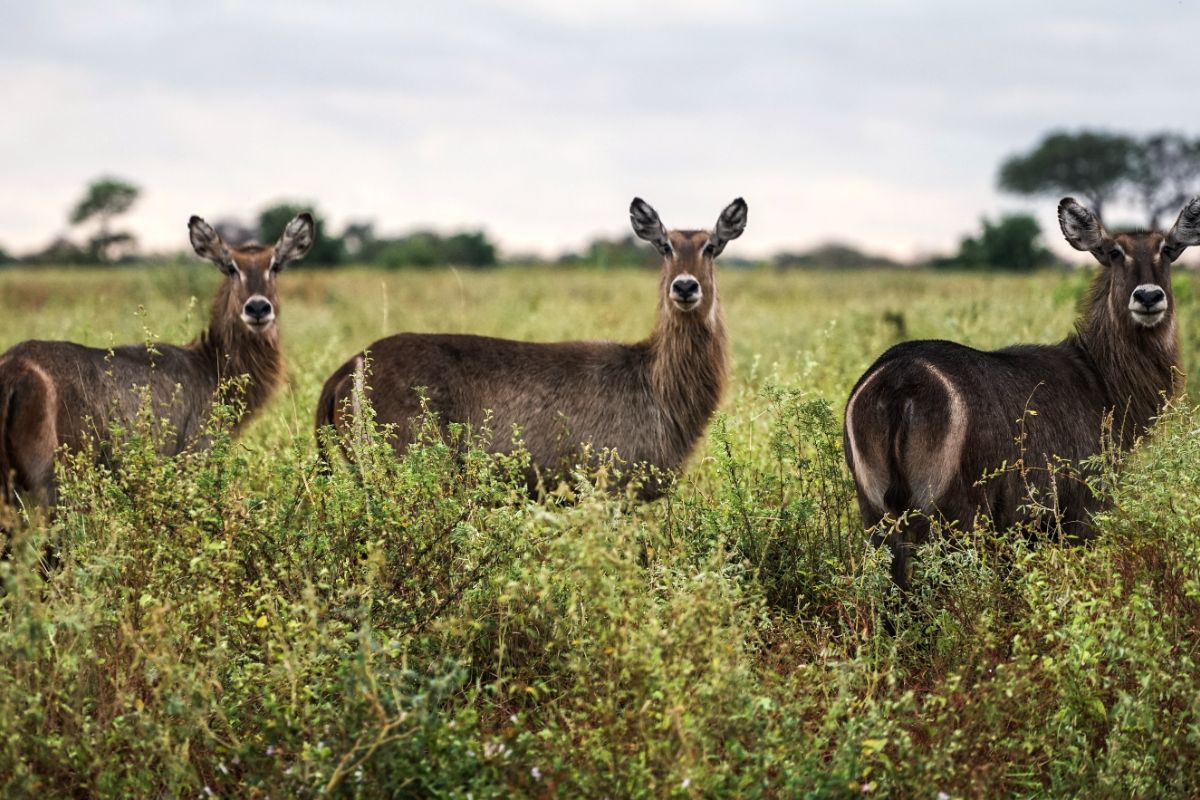
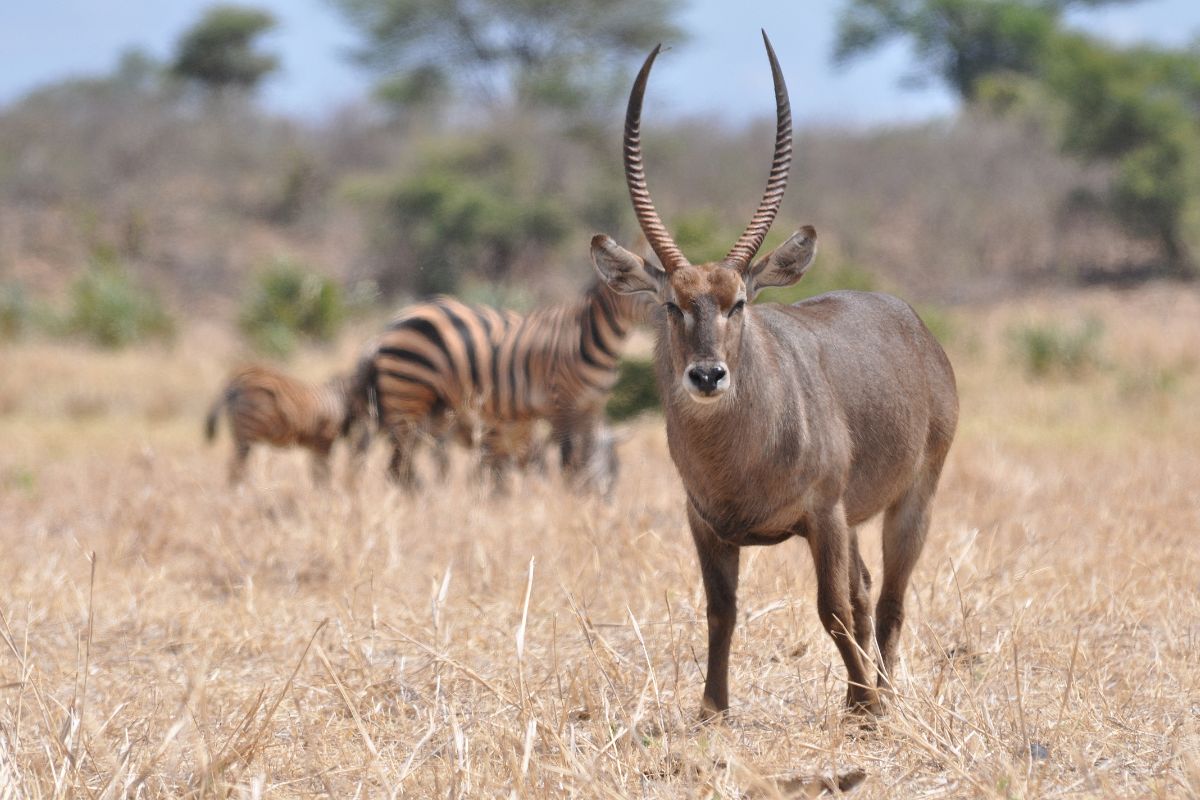
Explore the stunning beauty of Meru National Park through our curated collection of photographs showcasing its landscapes, wildlife, and natural wonders.
Want to Visit Meru National Park?
Wildlife & Animals
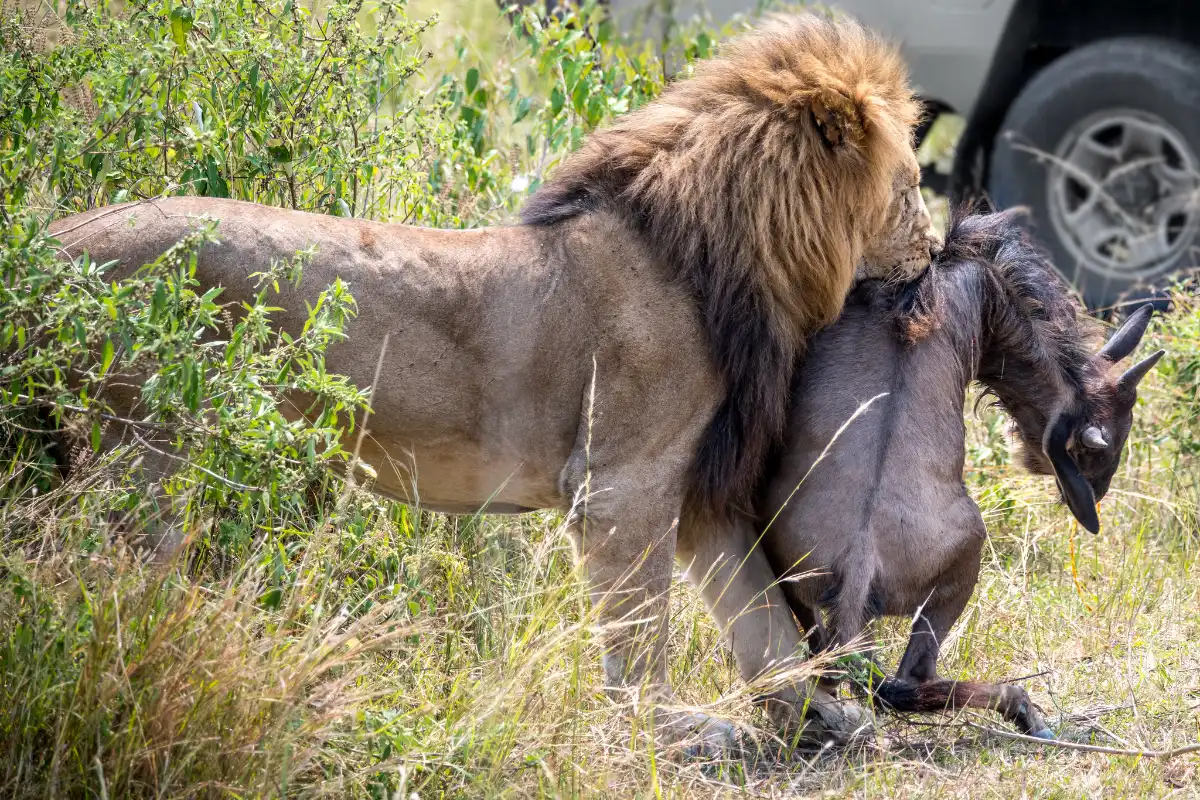
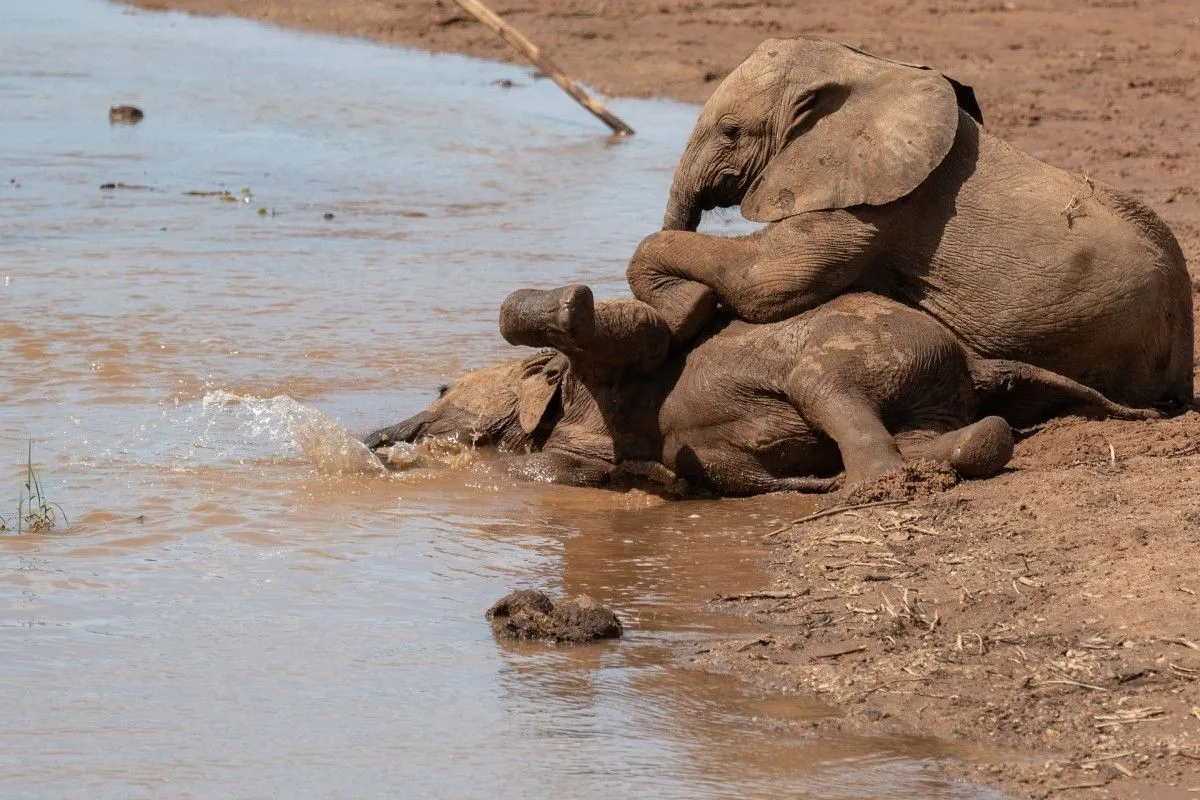
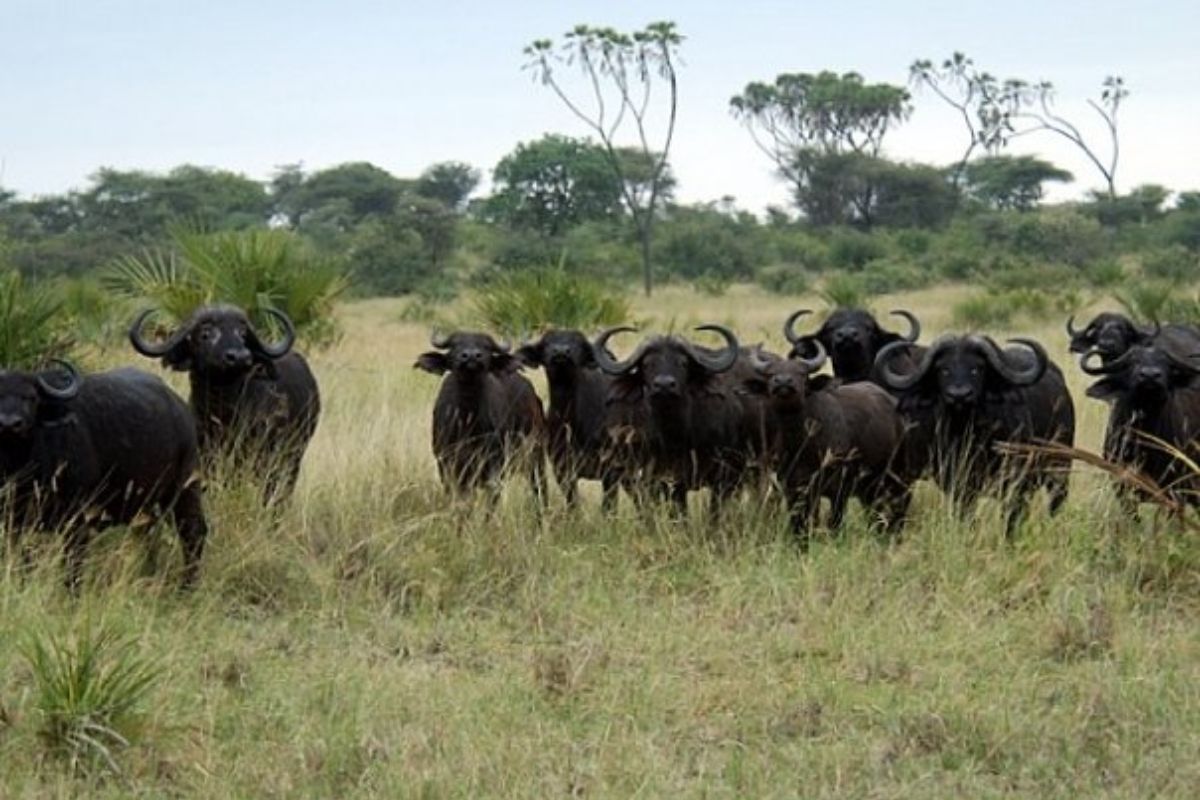
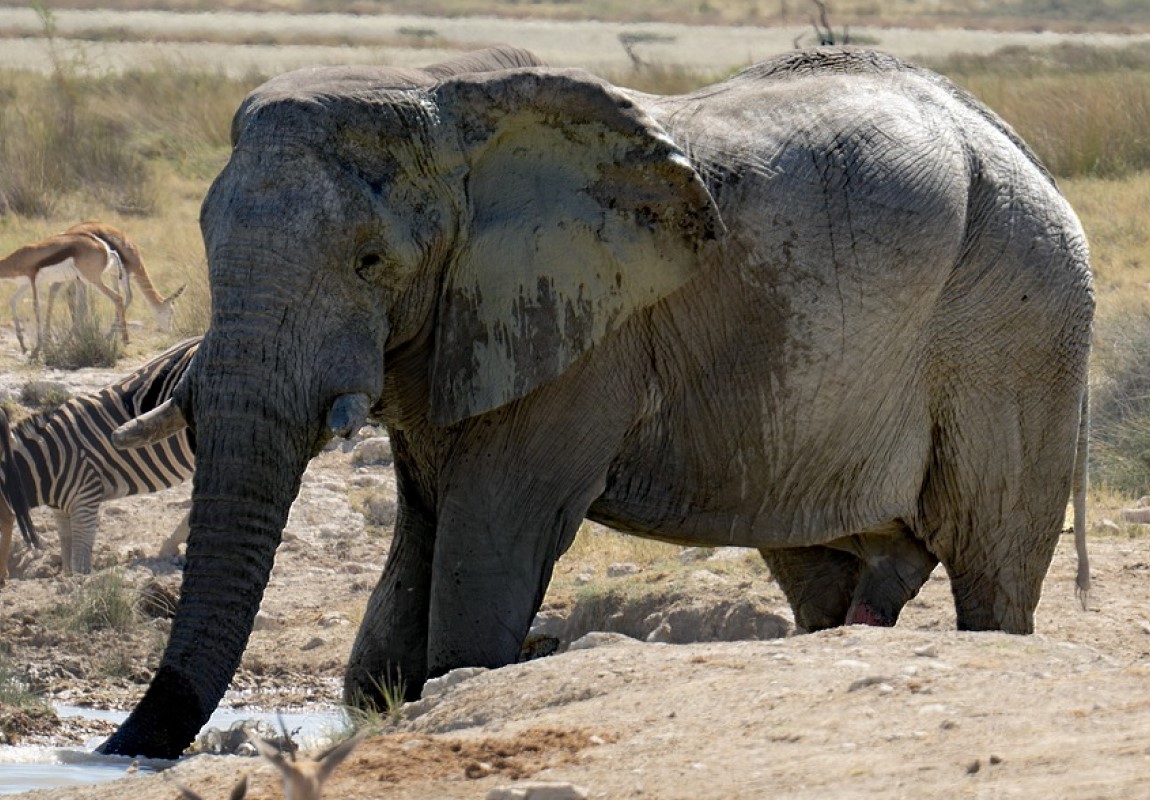
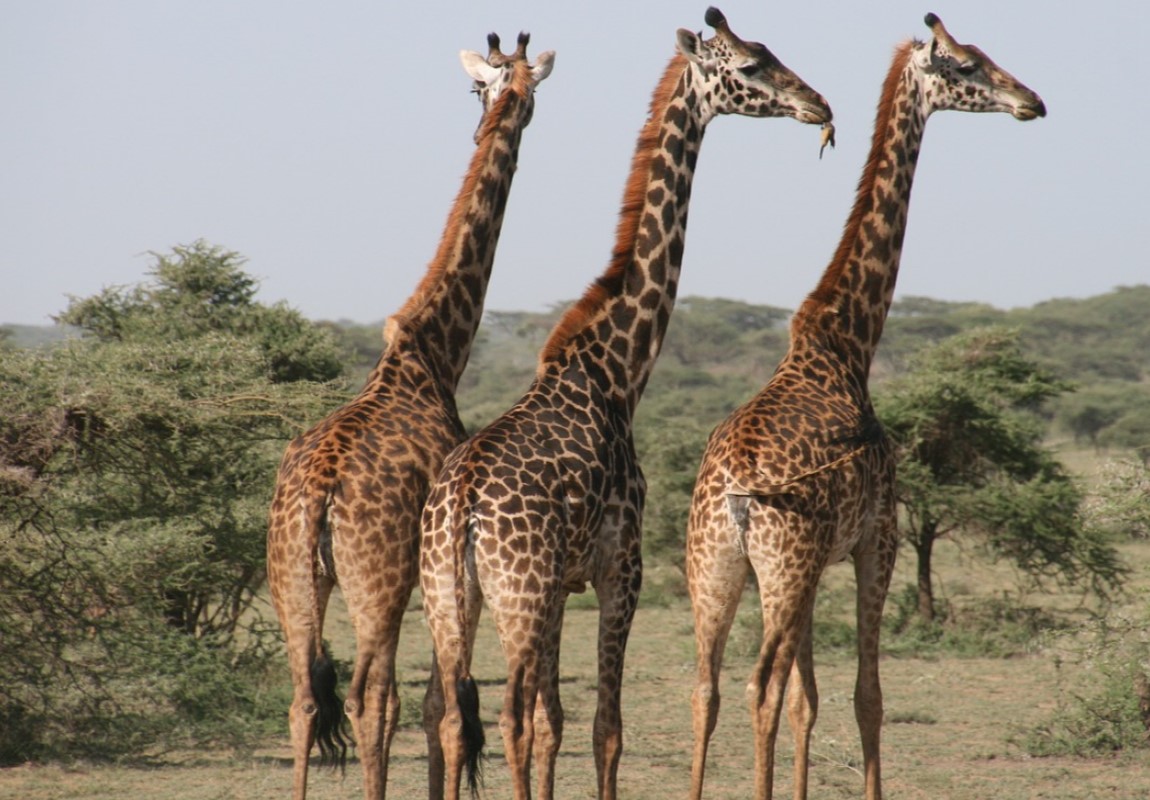
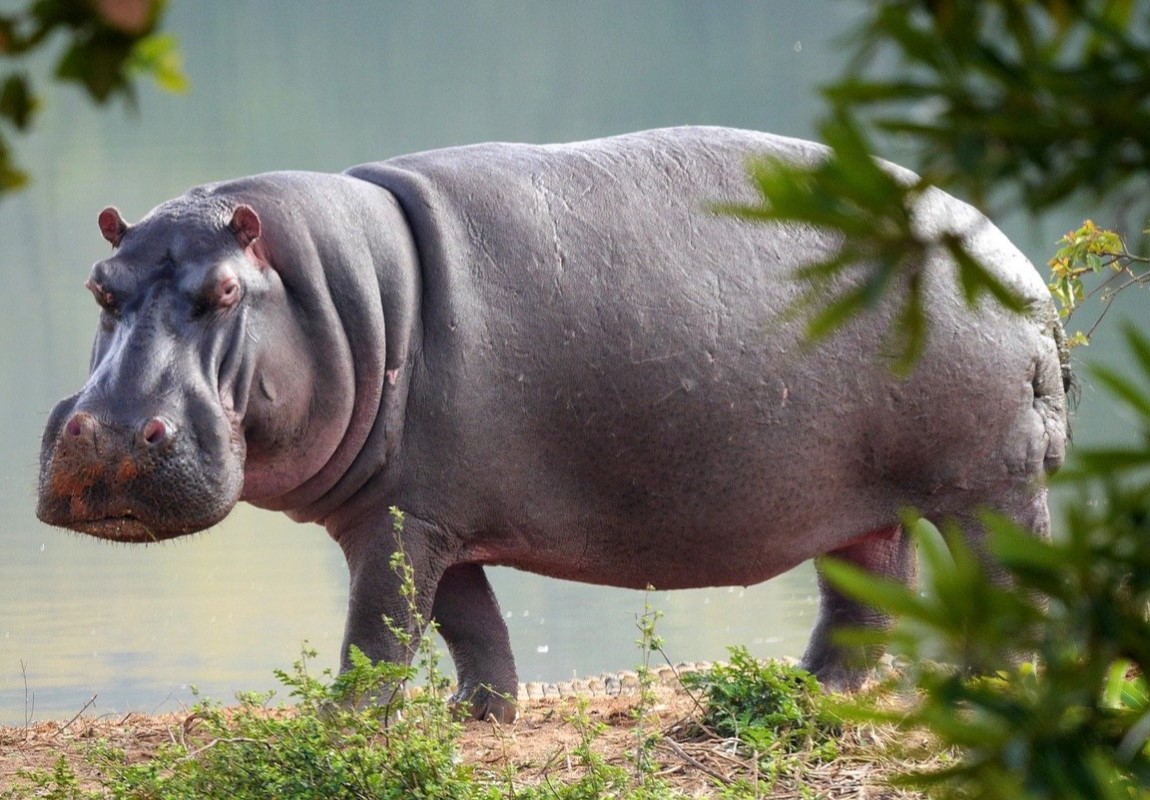
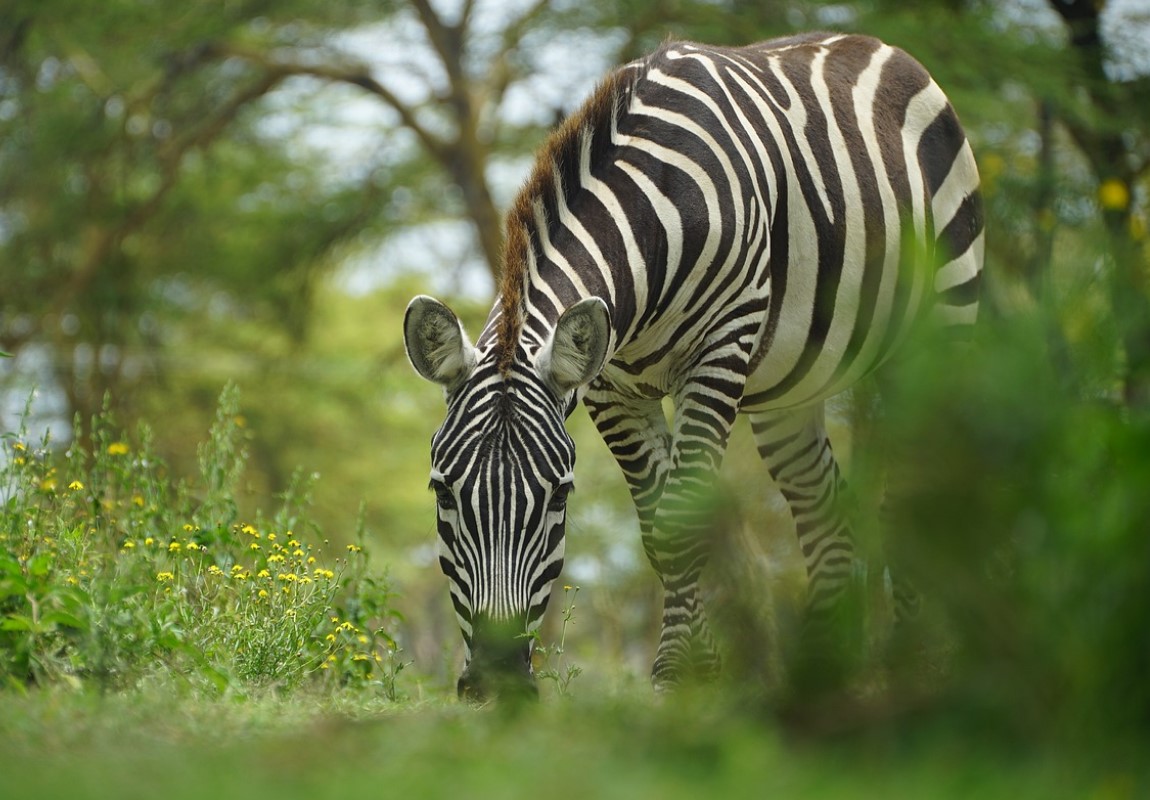
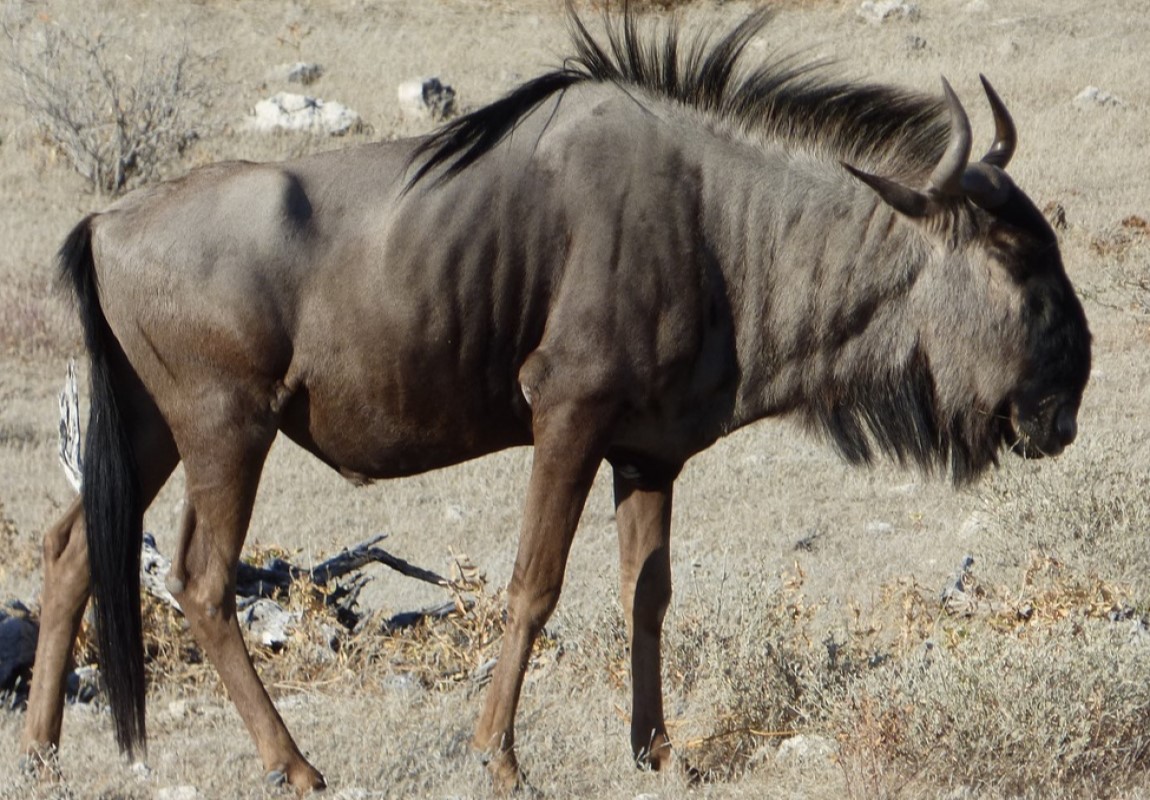
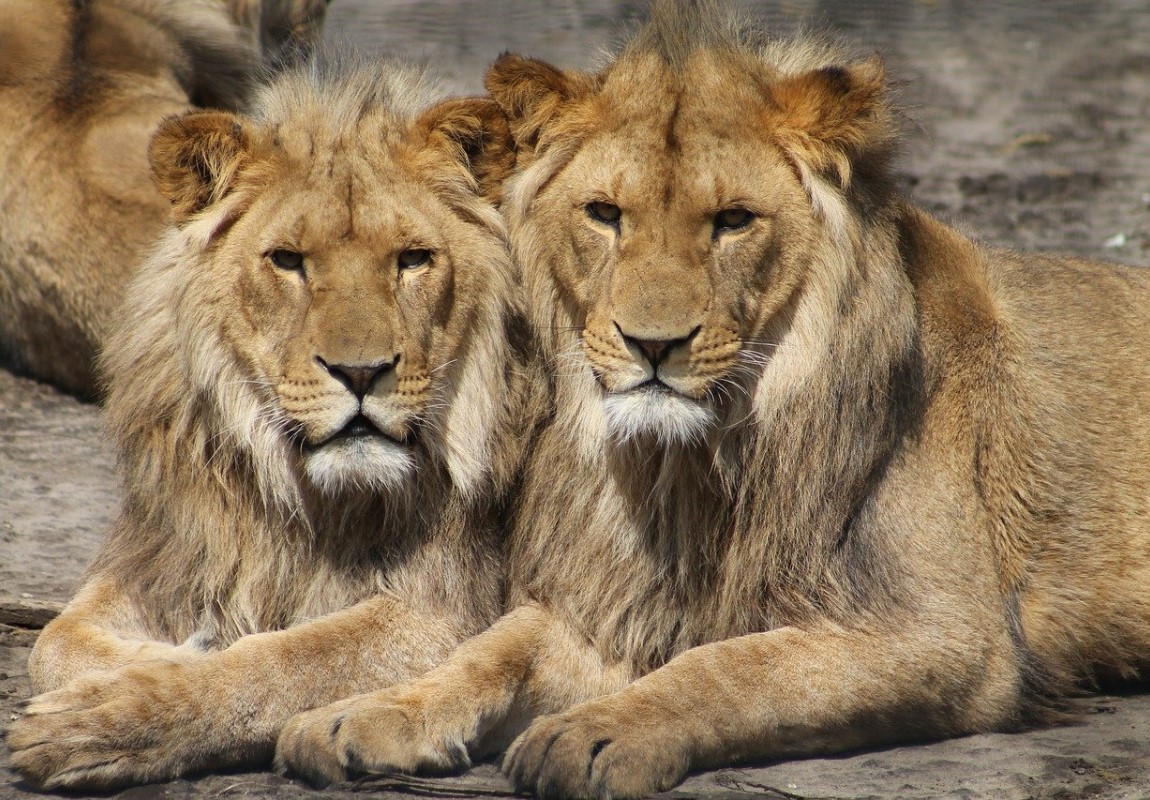
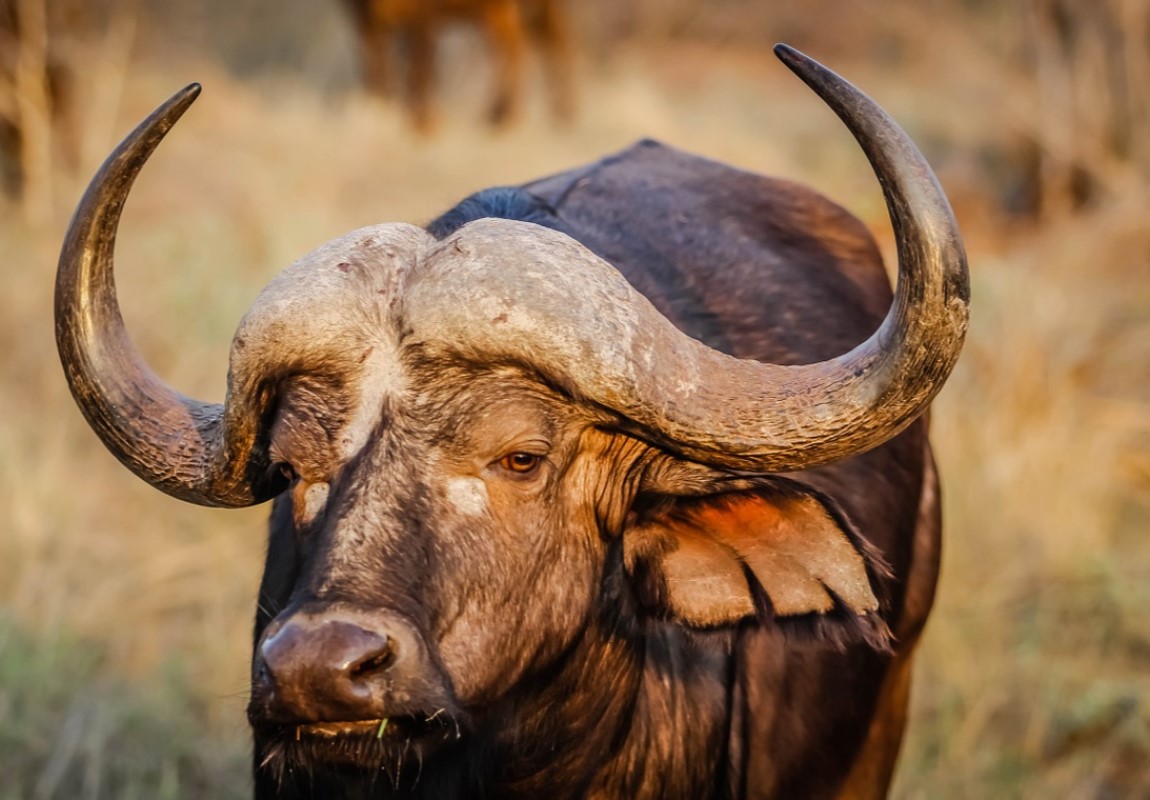
Meru National Park has incredible wildlife viewing opportunities and is home to the Big Five, including a large pride of lions and herds of buffalo. The African bush elephant, lion, African leopard, cheetah, eastern black rhinoceros, southern white rhinoceros, Grévy's zebra, and hippopotamus can all be found in the park. Catfish, Barbus, freshwater turtles, and Nile crocodiles, as well as hippos, can be seen wallowing in the rivers of Meru National Park.

Wildlife Highlights
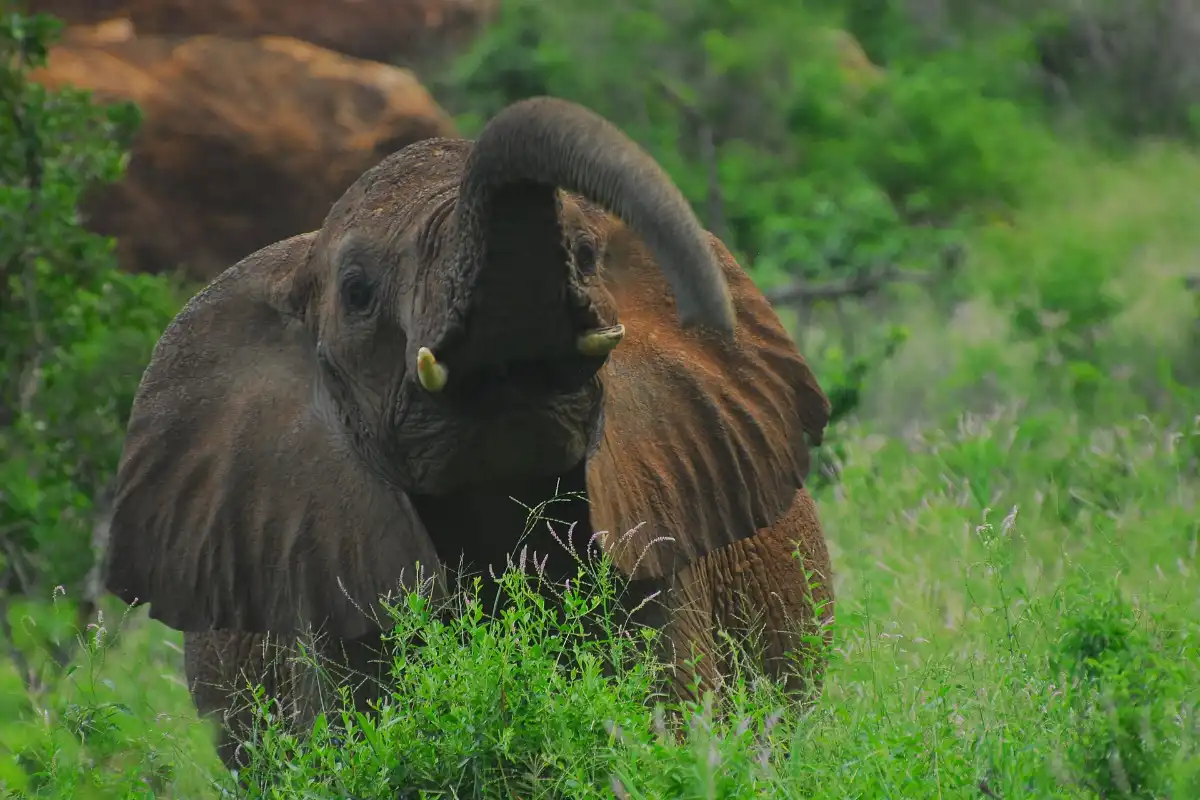
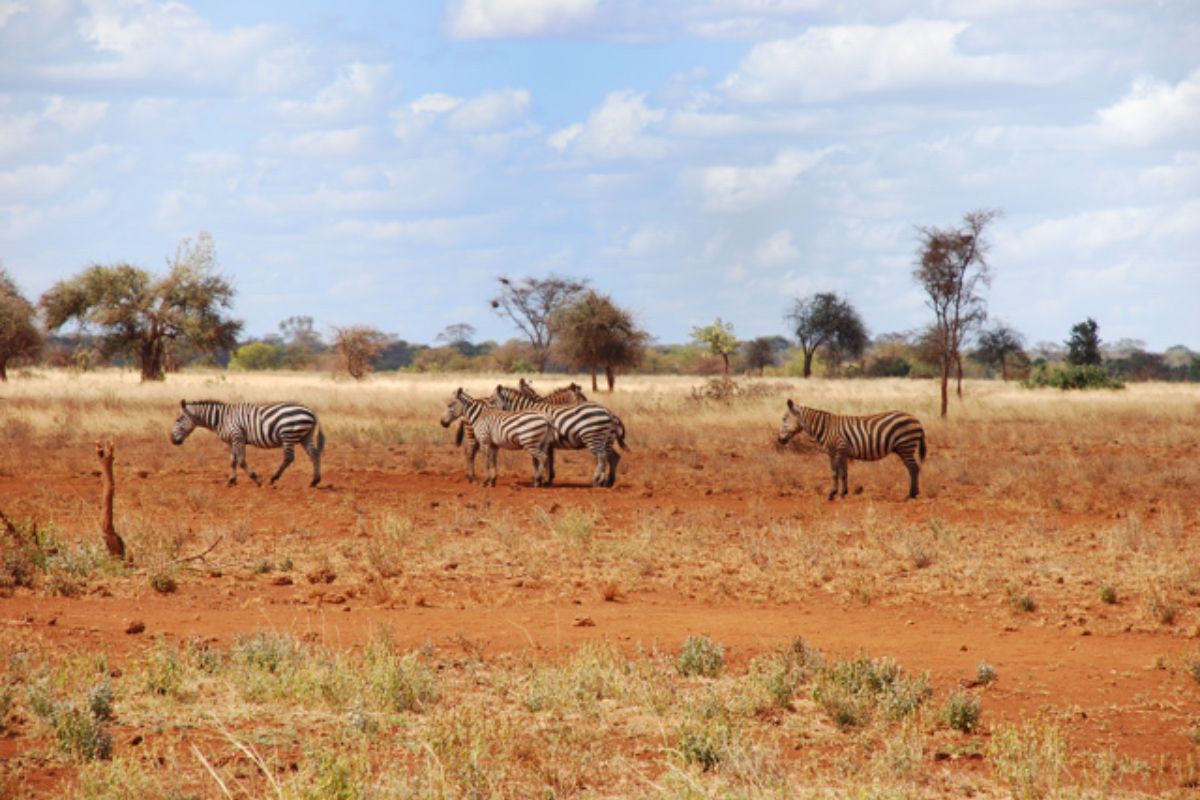
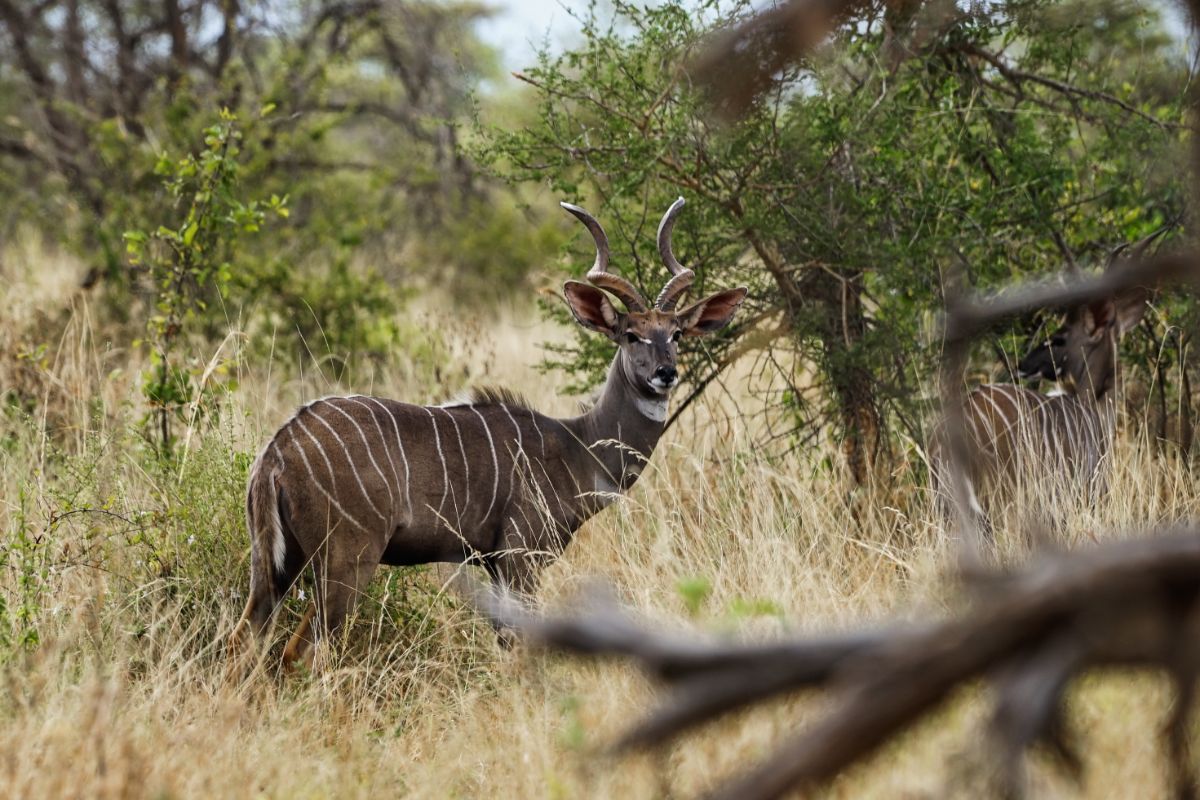
Elephants are especially common and relaxed. Hippos and Nile crocodiles are common along the Tana River. Big cat sightings are hit-and-miss. Grevy's zebra happen close by the more modest and more normal Burchell's zebra. This is one of few spots to experience the timid lesser kudu and the impressive-looking Beisa oryx. Generally odd of all is the gerenuk with its extended neck.
Best Time for Wildlife Viewing
For Wildlife viewing, the best time to visit Meru National Park is in the Dry season from June to September. Wildlife is simpler to spot since vegetation is more slender and animals assemble around predictable water sources. During Kenya’s short and long rains, the park is covered with high grass, making it harder to spot game. Furthermore, the elephants of the park migrate out at this time of year.
Want to Visit Meru National Park?
Birds
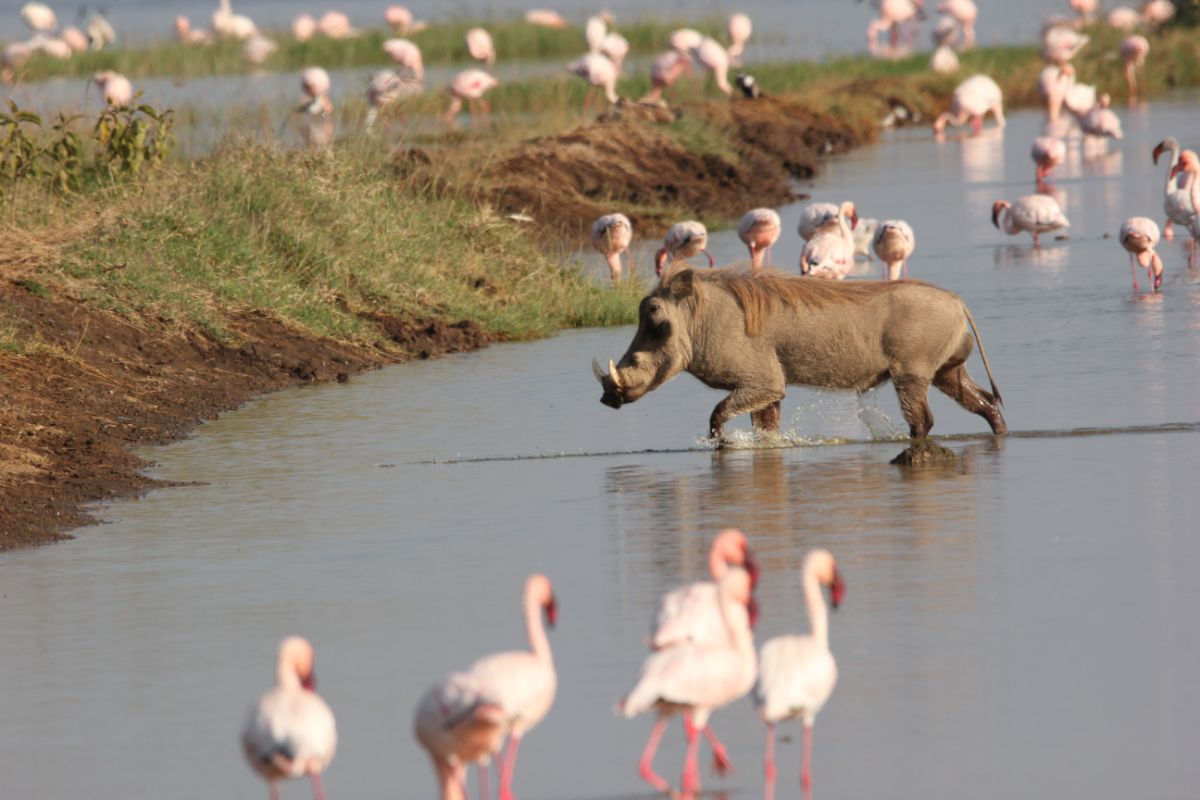
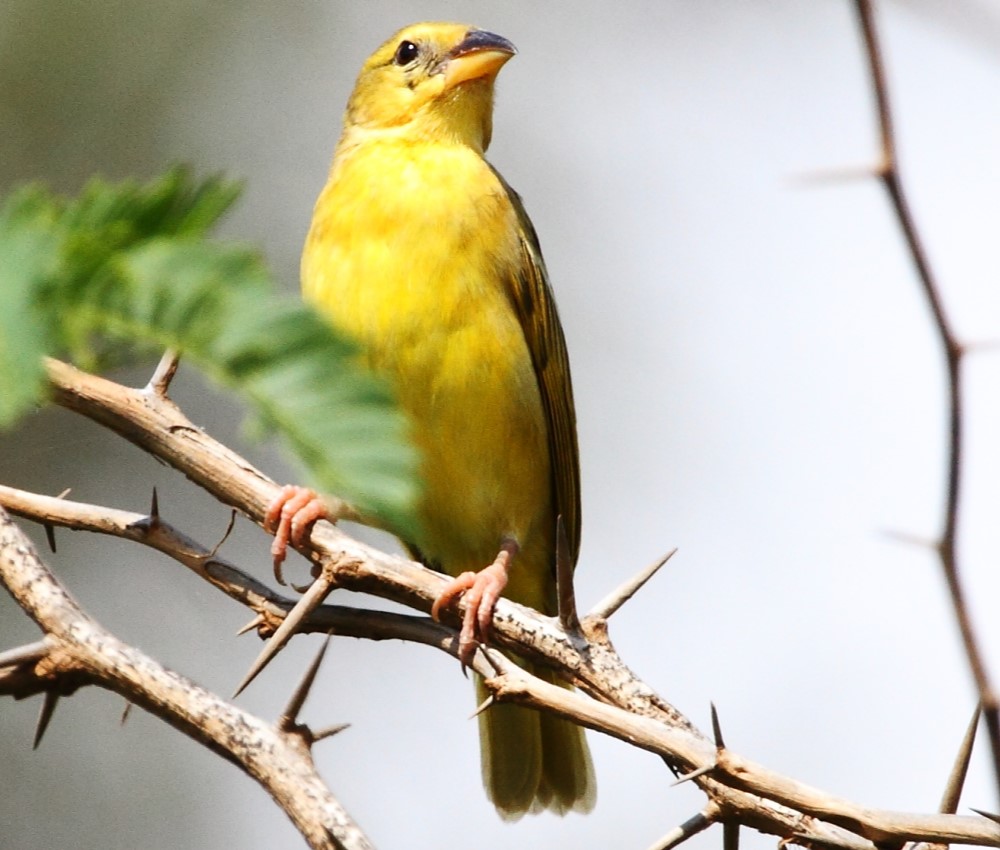
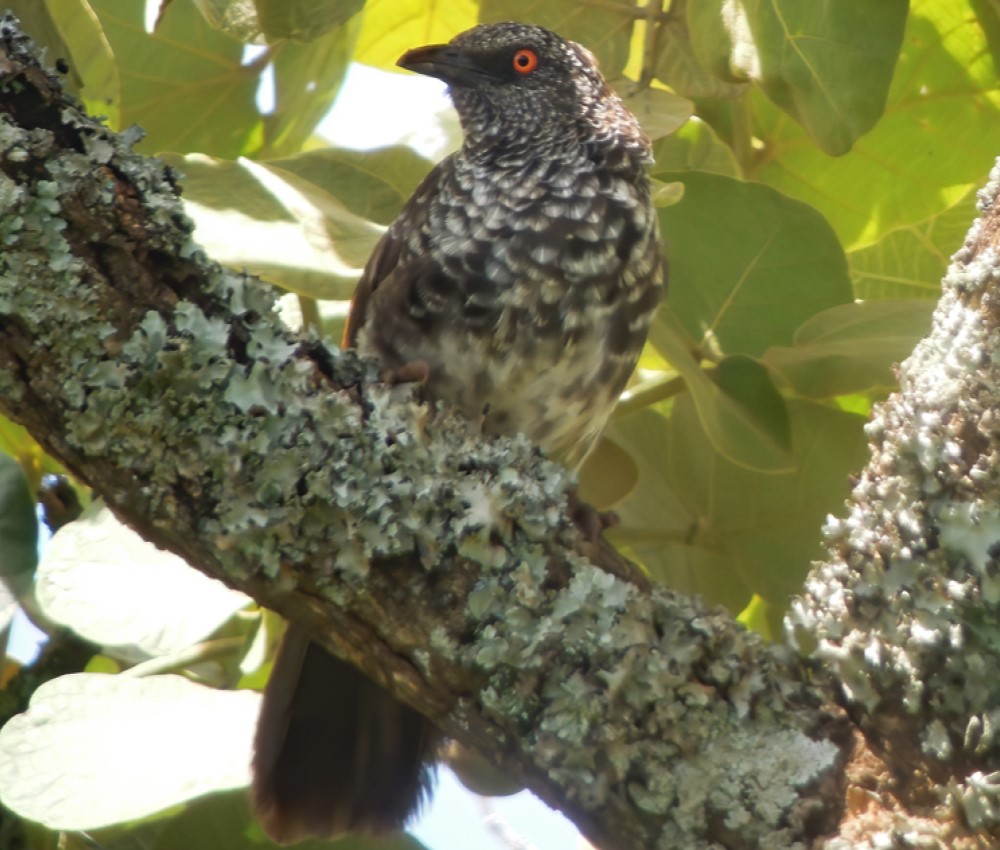
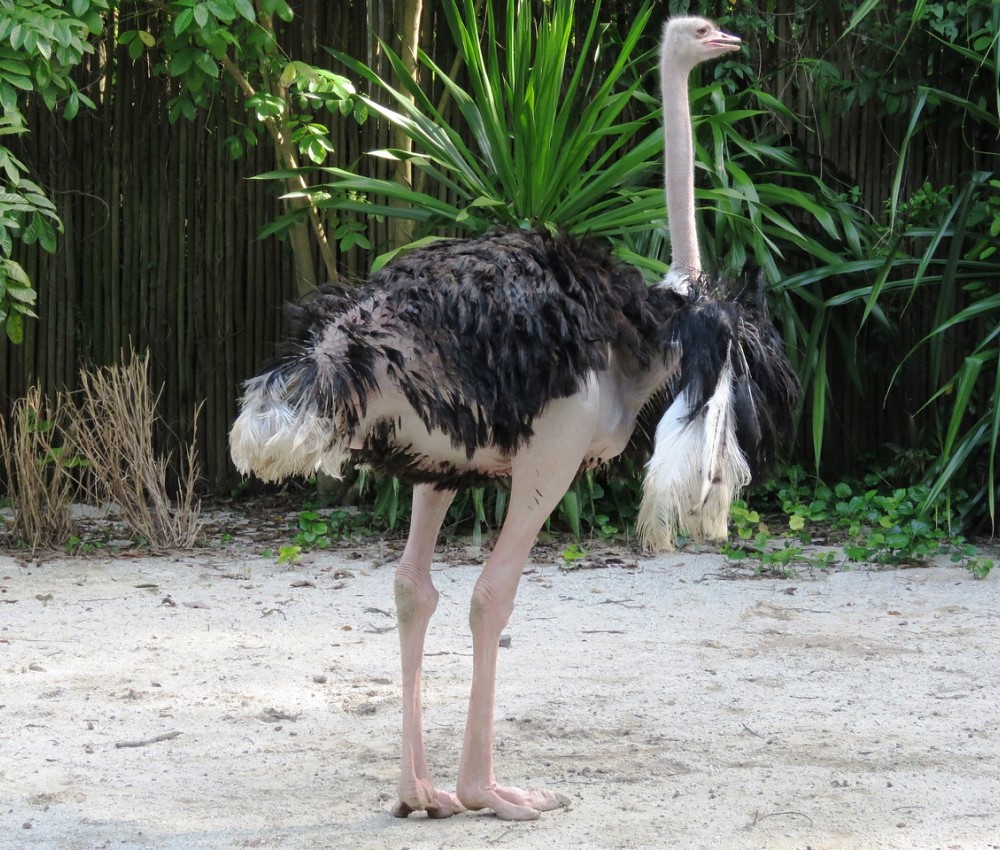
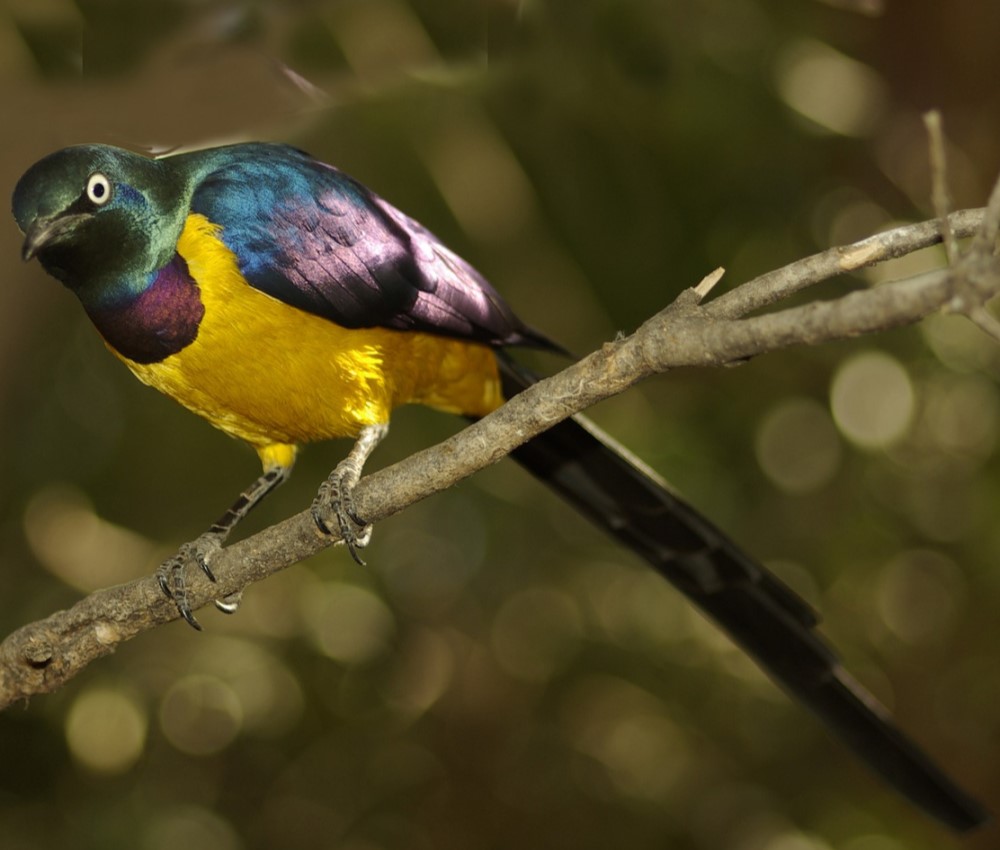
Meru is a premier bird-watching destination with more than 300 recorded bird species. The golden palm weaver and Hinde's pied babbler are two bird species found distinctly in this part of eastern Africa. Boran cisticola, Golden-breasted starling, Somali ostrich, Somali bee-eater and vulturine guinea fowl are some of the rare birds found in the park. Meru likewise has its share of birds of prey which includes palm-nut vulture, bat bird of prey and military hawk.
Best Time for Birding
Bird watchers can visit the Meru National park all year round to spot the resident bird species. However, the best time is from November to April when the migrants from Europe and North Africa are present. This somewhat coincides with the breeding season when many species are nesting.
Want to Visit Meru National Park?
Best Time to Visit – Meru National Park
For Wildlife viewing, the best time to visit Meru National Park is in the Dry season from June to September. Wildlife is simpler to spot since vegetation is more slender and animals assemble around predictable water sources. During Kenya’s short and long rains, the park is covered with high grass, making it harder to spot game. Furthermore, the elephants of the park migrate out at this time of year.
June to February (Dry Season)
- Wildlife watching is better when it’s dry and animals gather at water sources
- Rarely gets hot, Most of the time it's sunny & dry
- The park never get crowded
- There is a lot of dust in the air because it is very dry
- The sky is hazy and the scenery isn’t as pretty
March to May (Wet Season)
- As the park is less busy, Pricing is very less to bring more travellers
- Birding is best as migratory birds are present
- Many newborn animals
- The scenery is beautiful and at its most lush
- Rain in April will sometimes come in between your planned activities
- Roads become sloppy and difficult to travel
- Wildlife viewing will be difficult as the grass is long and animals scattered
Want to Visit Meru National Park?
Activities
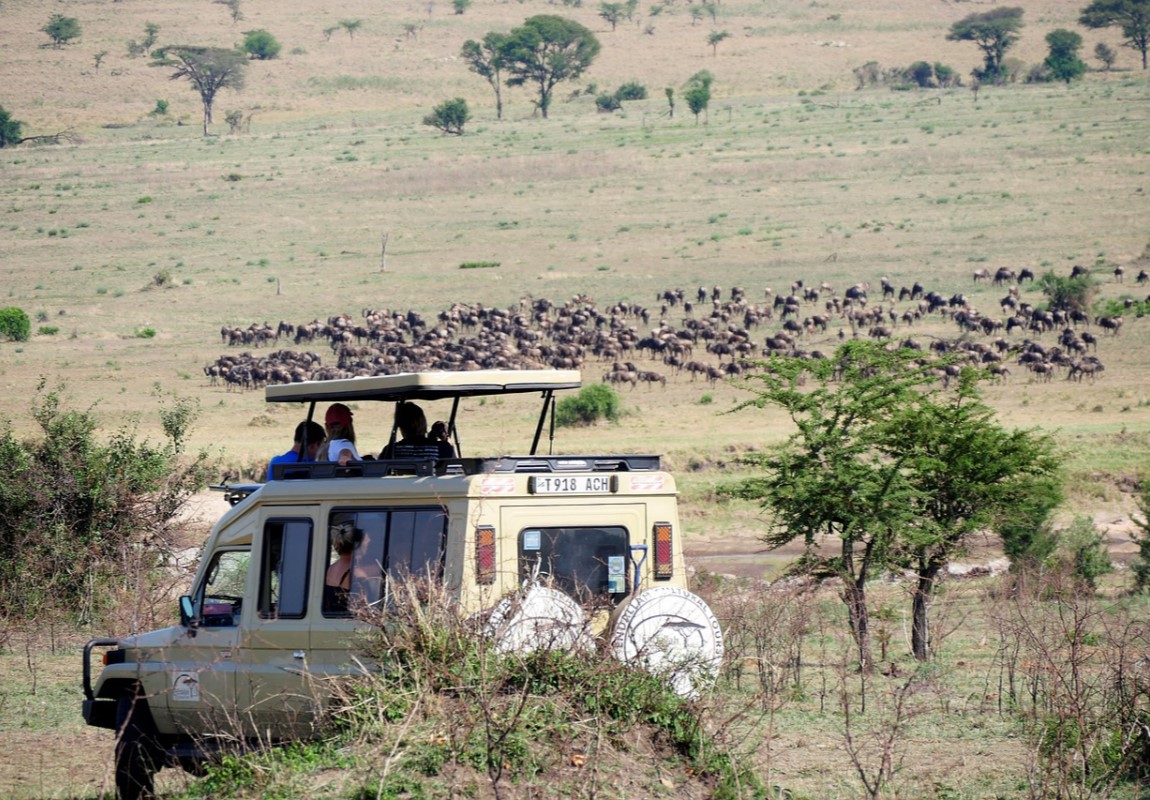
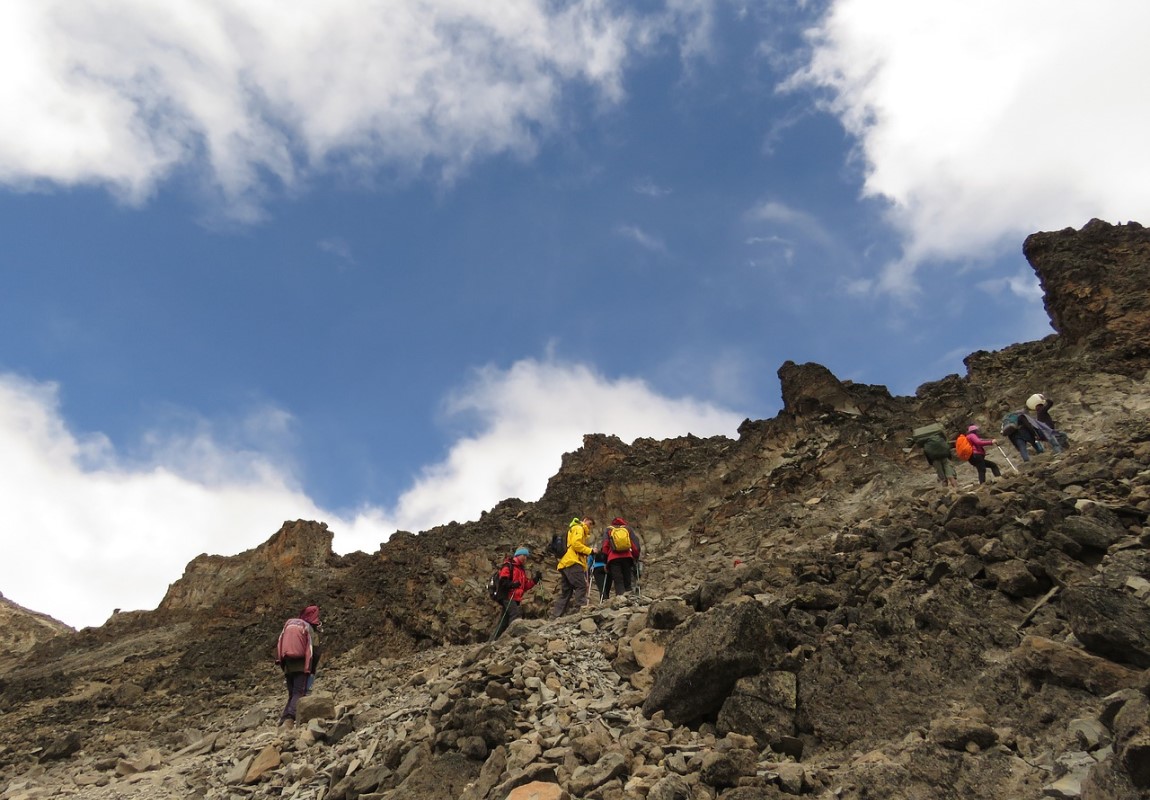
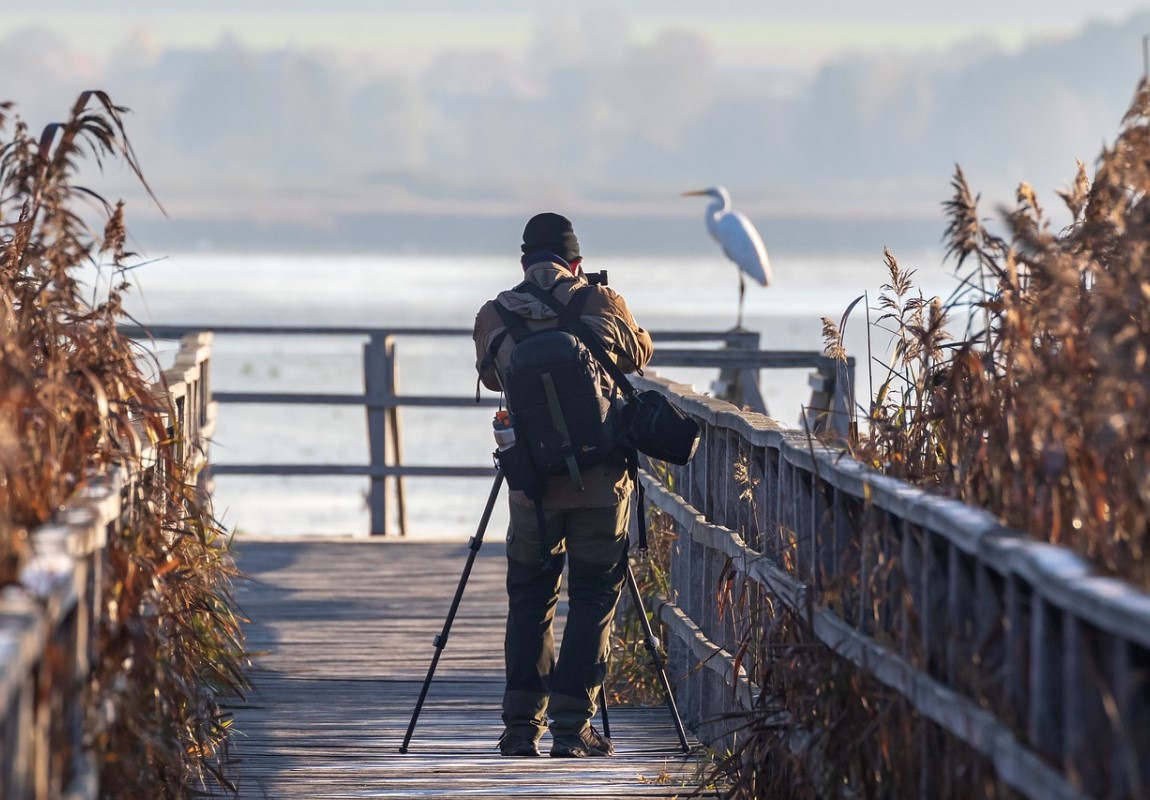
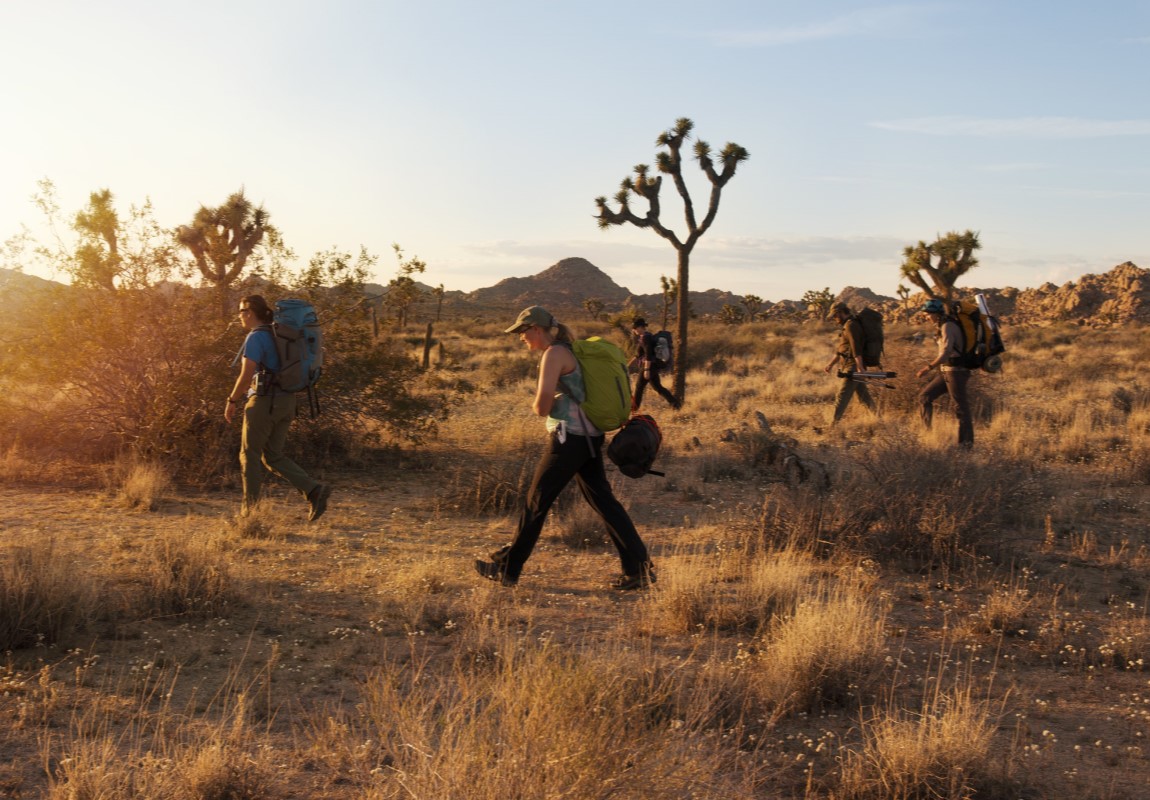
Explore popular activities available in and around Meru National Park.


Want to Visit Meru National Park?
No FAQs available for this park yet.