
Starting from
$500PP
Overview
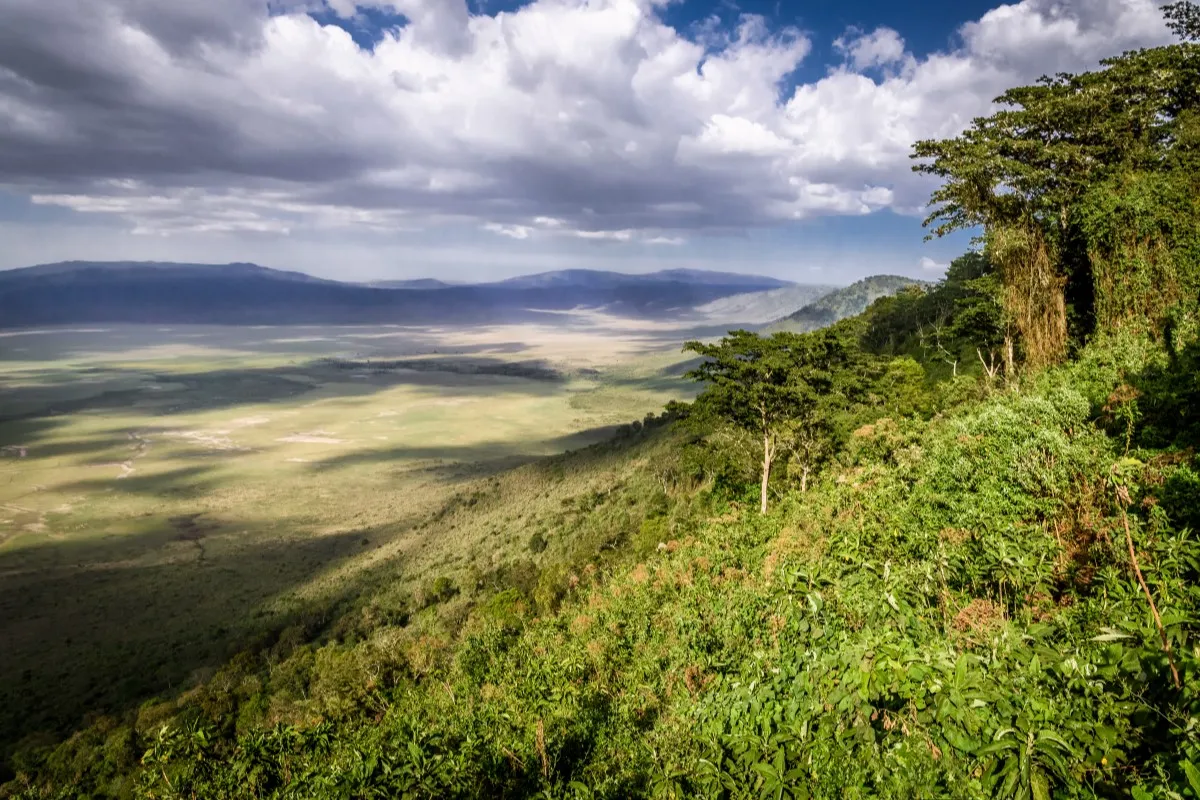
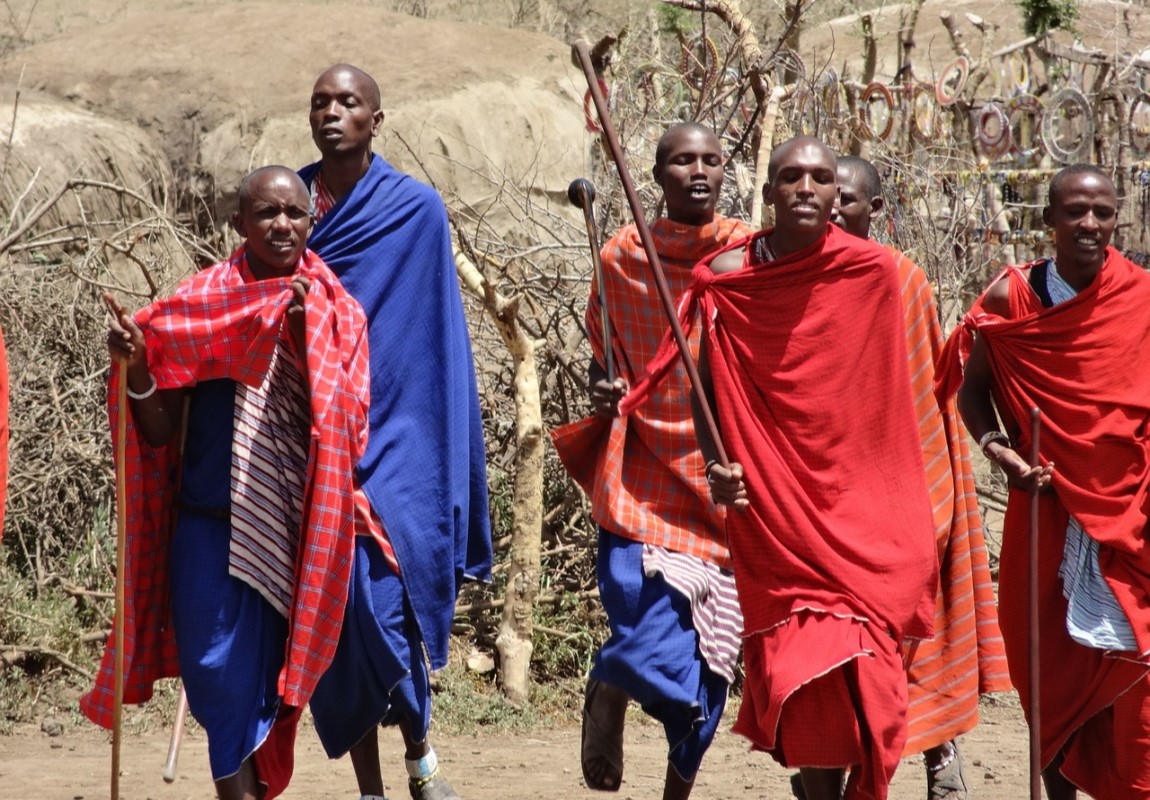
Lake Eyasi is a seasonal soda lake located in northern Tanzania at the southwestern edge of the Ngorongoro Conservation Area. Unlike classic safari destinations, Lake Eyasi offers an immersive cultural and landscape experience, set against arid plains, rocky escarpments, and shimmering salt flats. The lake attracts wildlife during the dry season but is best known for its proximity to some of Africa’s last remaining hunter-gatherer communities, including the Hadzabe and Datoga tribes. Visiting Lake Eyasi provides travelers with a rare opportunity to experience traditional ways of life, dramatic sunsets, and raw, unfiltered East African wilderness. Its remote setting and low visitor numbers make it an ideal destination for those seeking authenticity, cultural depth, and off-the-beaten-path exploration.
Pros & Cons
- Authentic cultural encounters with Hadzabe and Datoga tribes
- Very few tourists and uncrowded landscapes
- Unique cultural experiences not found in traditional safari parks
- Beautiful sunsets and dramatic scenery
- Excellent birding during wet season
- Easy to combine with Ngorongoro and Serengeti
- Limited wildlife compared to major national parks
- Basic accommodation options
- Very hot temperatures during dry months
- Road access can be difficult after heavy rains
Map in Tanzania

Want to Visit Lake Eyasi?
Gallery Images
Explore the stunning beauty of Lake Eyasi through our curated collection of photographs showcasing its landscapes, wildlife, and natural wonders.

Want to Visit Lake Eyasi?
Wildlife & Animals
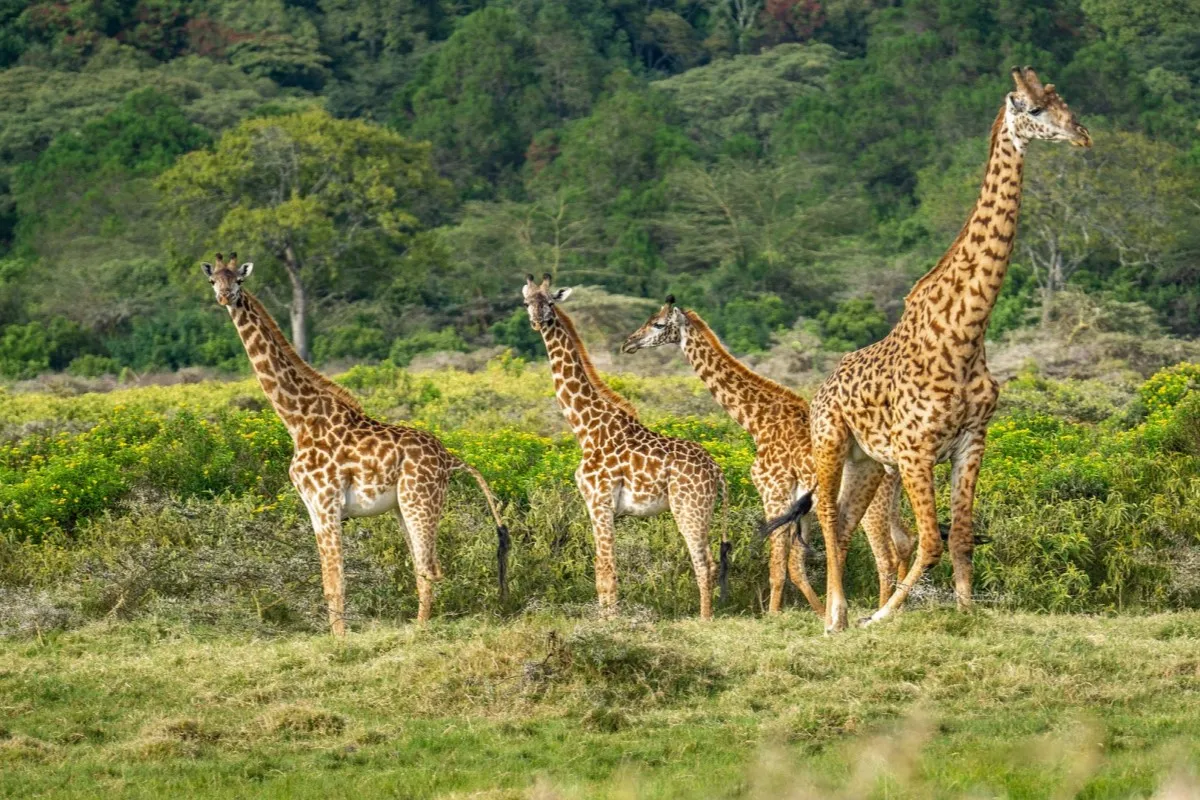
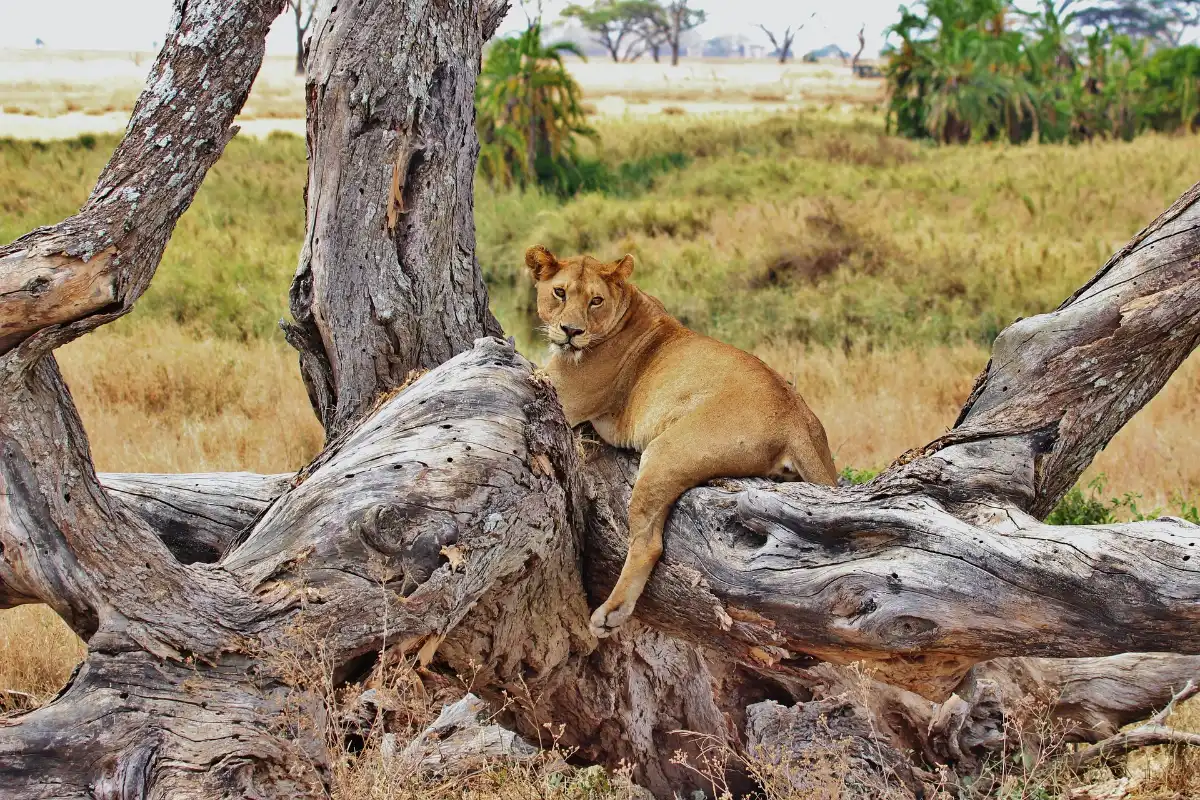
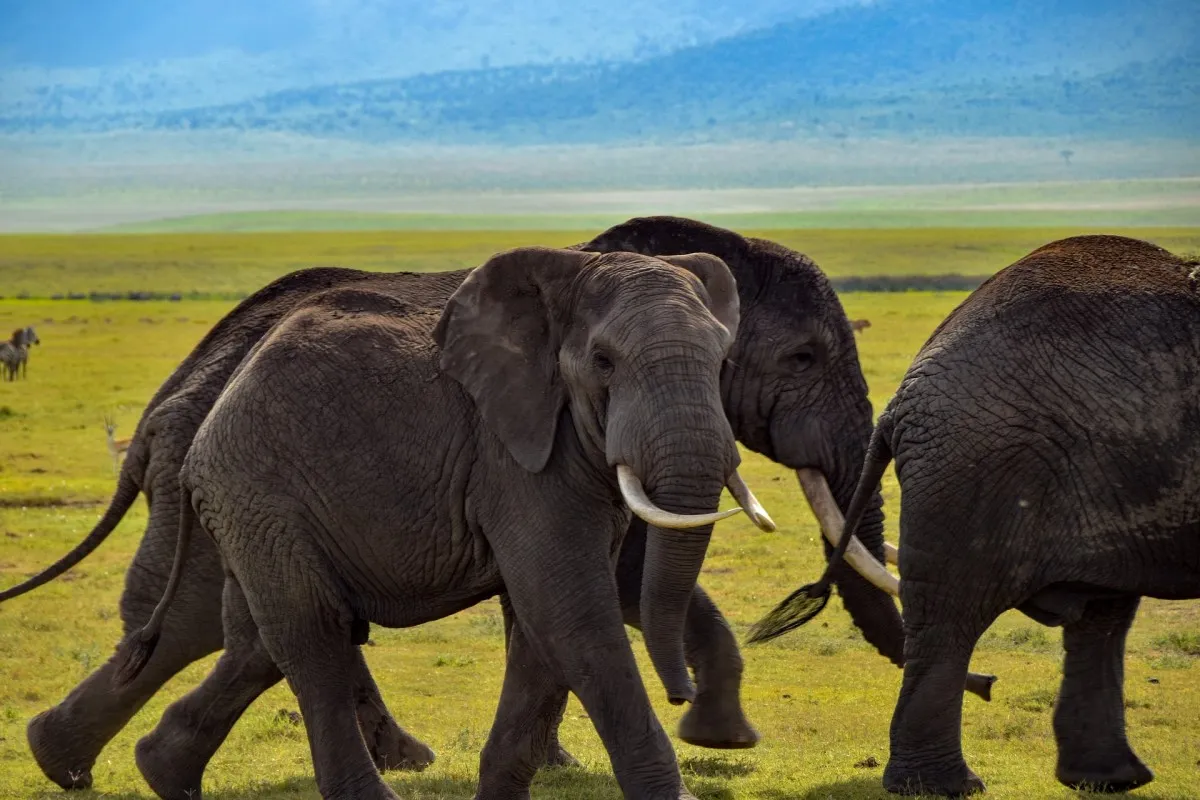
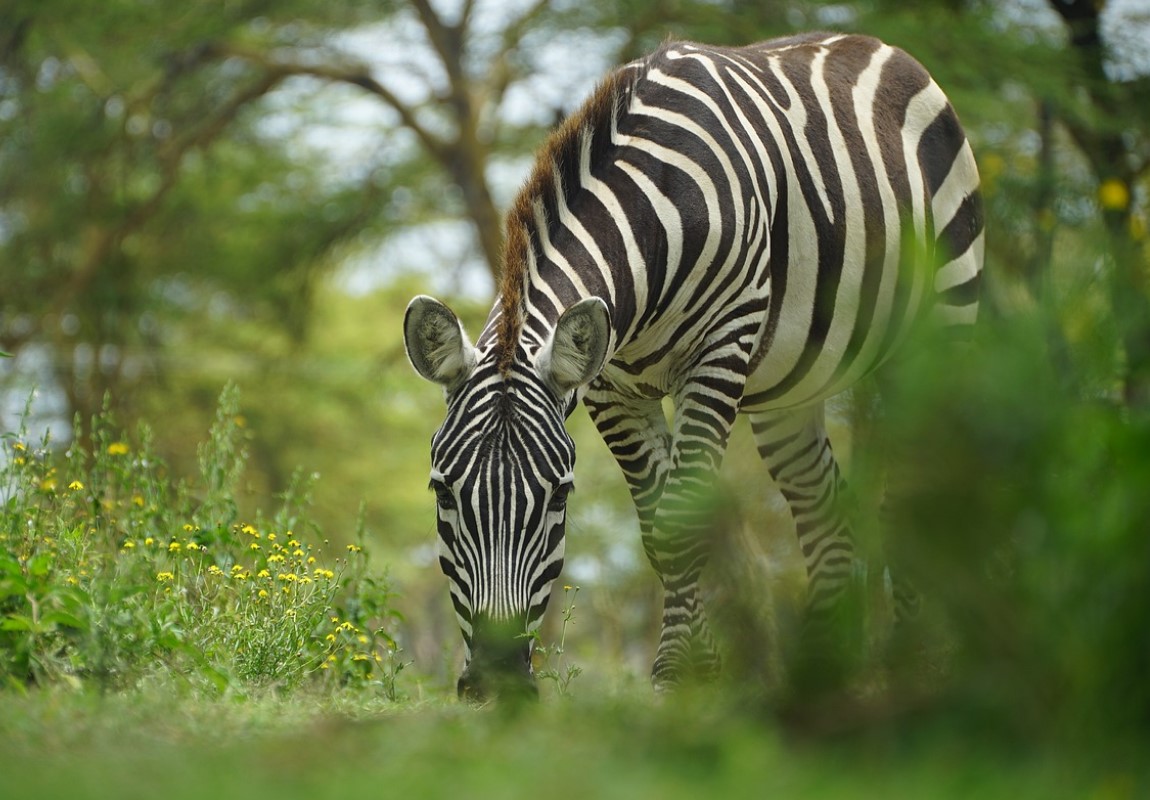
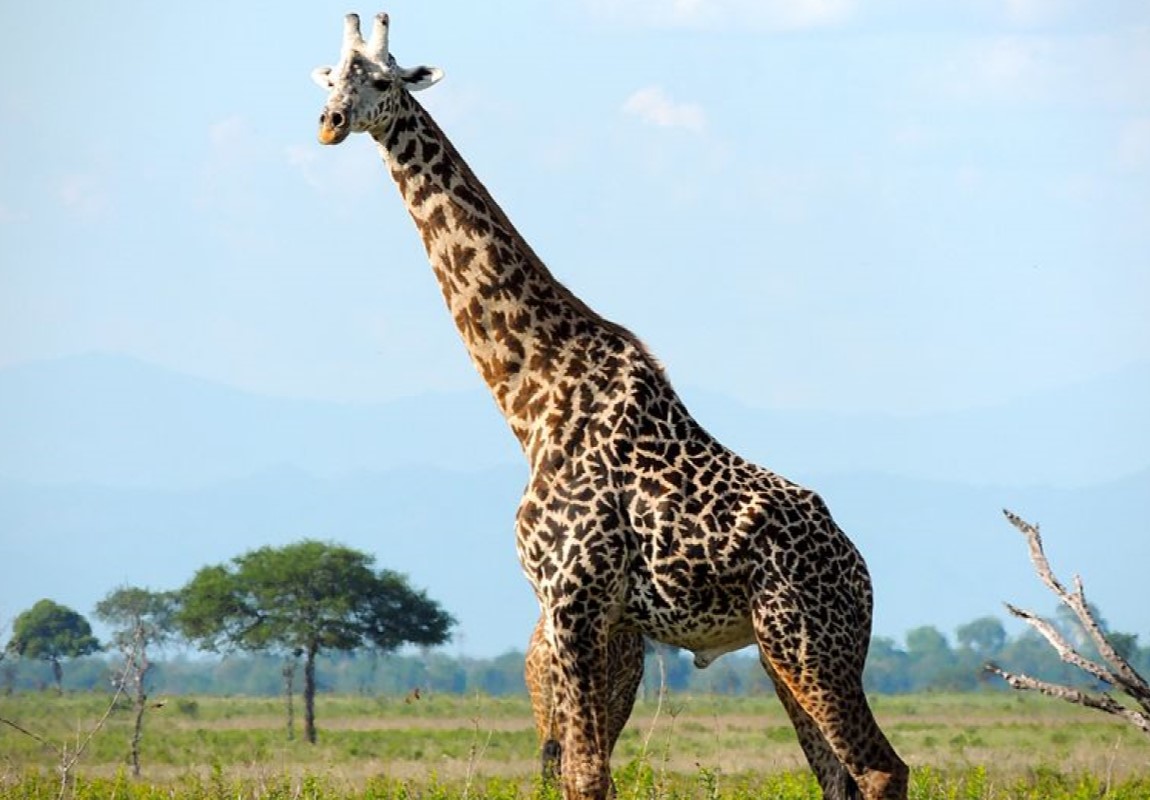
Wildlife around Lake Eyasi is seasonal and closely linked to water availability. During the dry season, animals from surrounding areas migrate toward the lake in search of water, making sightings more frequent. Species such as zebras, giraffes, antelopes, and small predators are occasionally seen, while hippos may appear when water levels rise. The ecosystem is fragile and heavily influenced by climate, meaning wildlife density fluctuates significantly throughout the year. While not a classic Big Five destination, Lake Eyasi offers rewarding wildlife encounters in a quiet, natural setting.


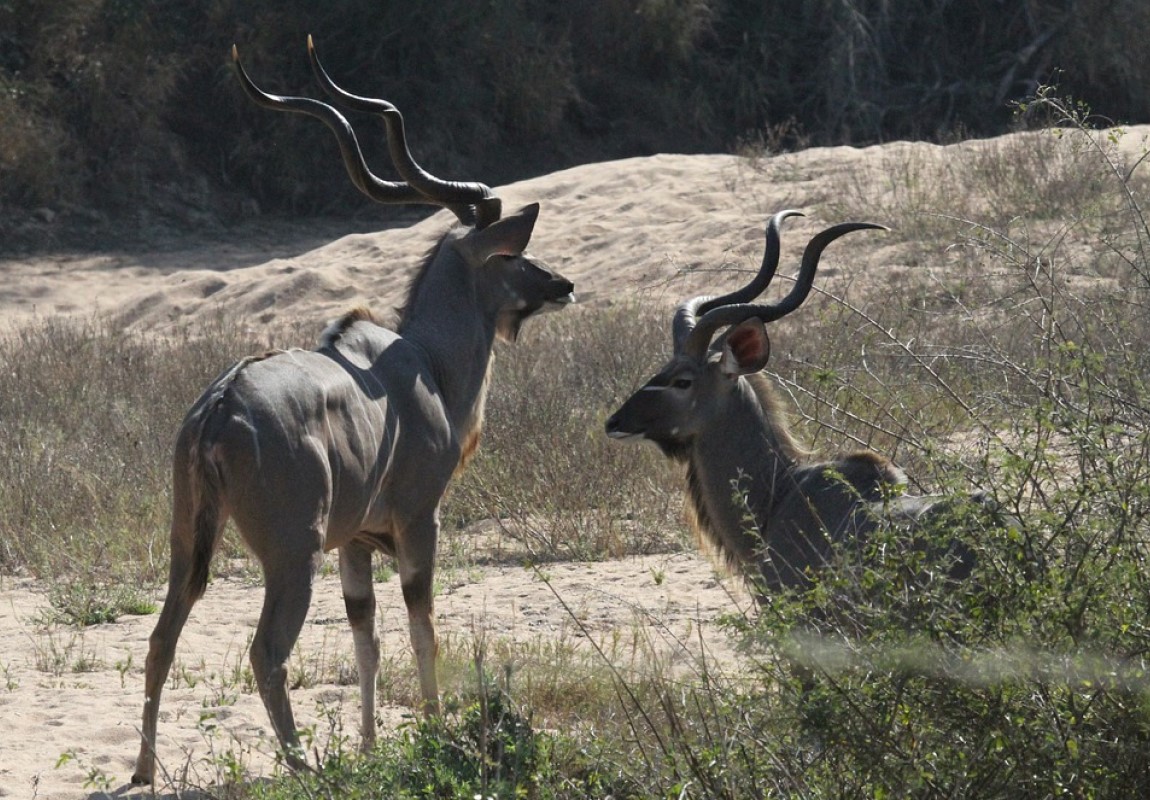
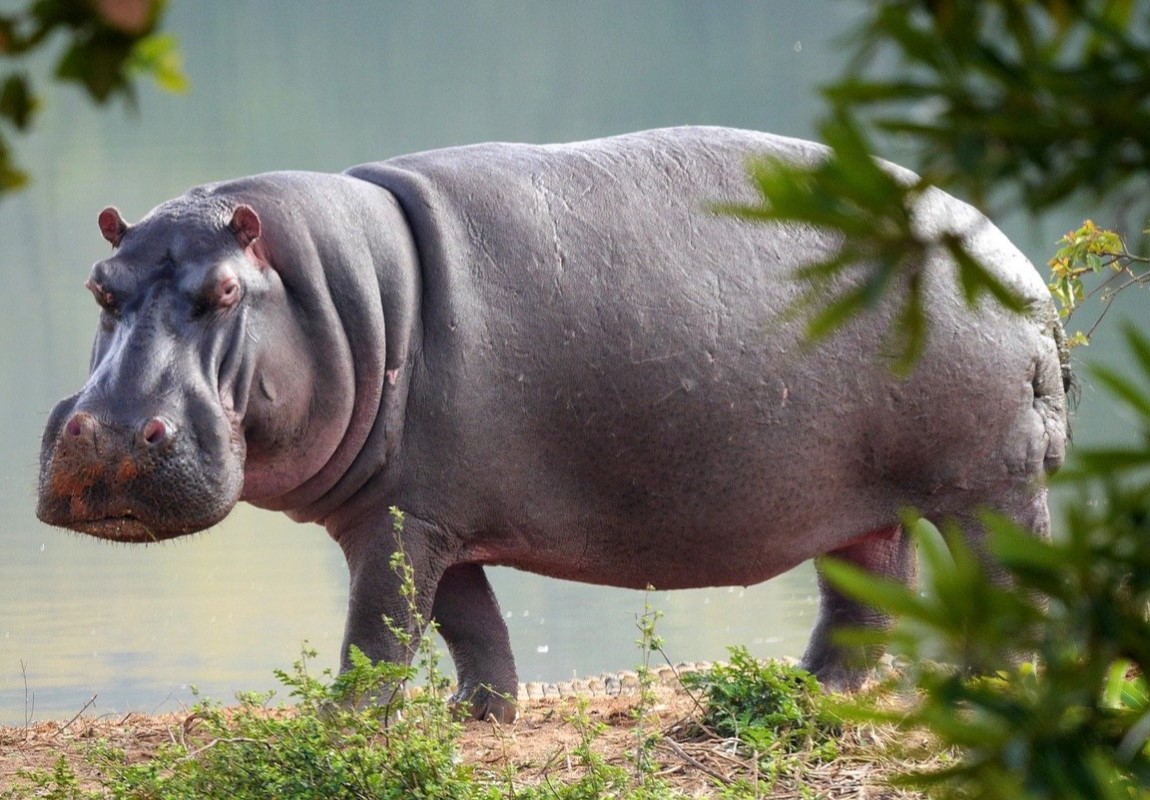
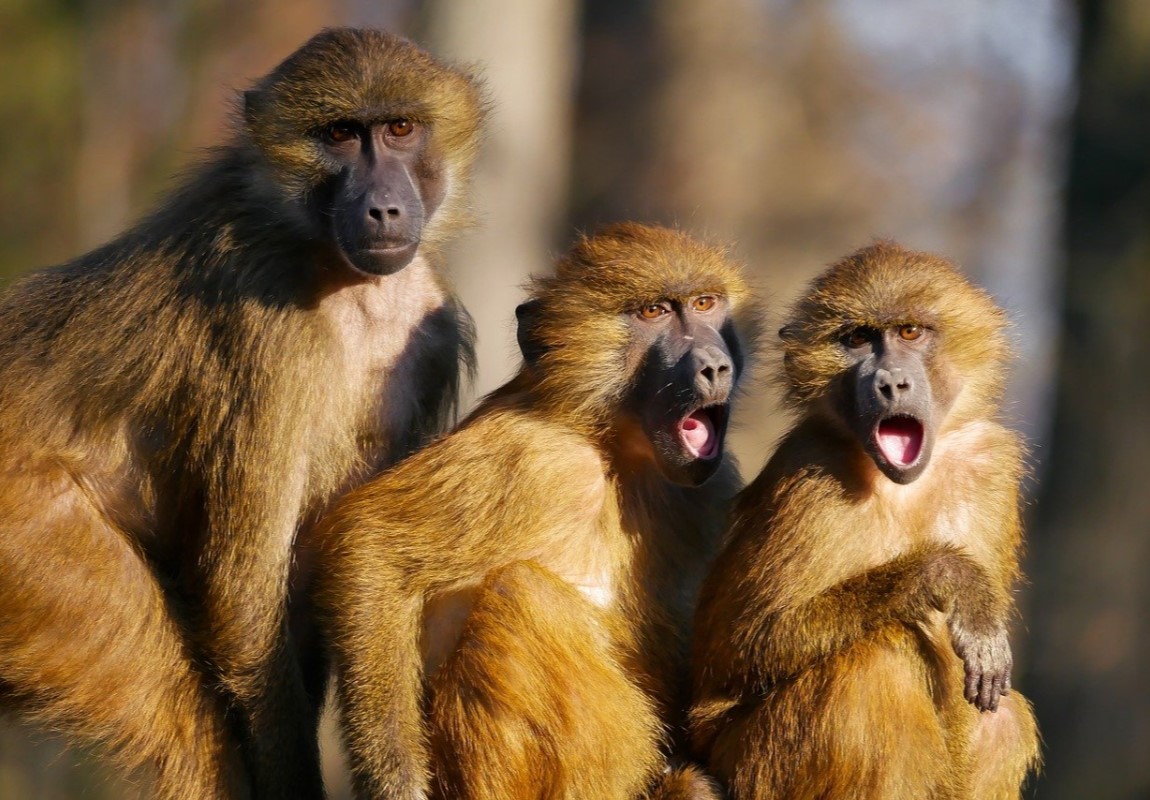
Wildlife Highlights
The highlight of wildlife viewing at Lake Eyasi is experiencing animals in a raw, human-free landscape with almost no tourist traffic. Occasional sightings of plains game against the backdrop of salt flats and escarpments create striking photographic moments, especially during early mornings and late afternoons.
Best Time for Wildlife Viewing
The best time for wildlife viewing is during the dry season from June to October, when animals concentrate around remaining water sources and visibility is at its best.
Want to Visit Lake Eyasi?
Birds
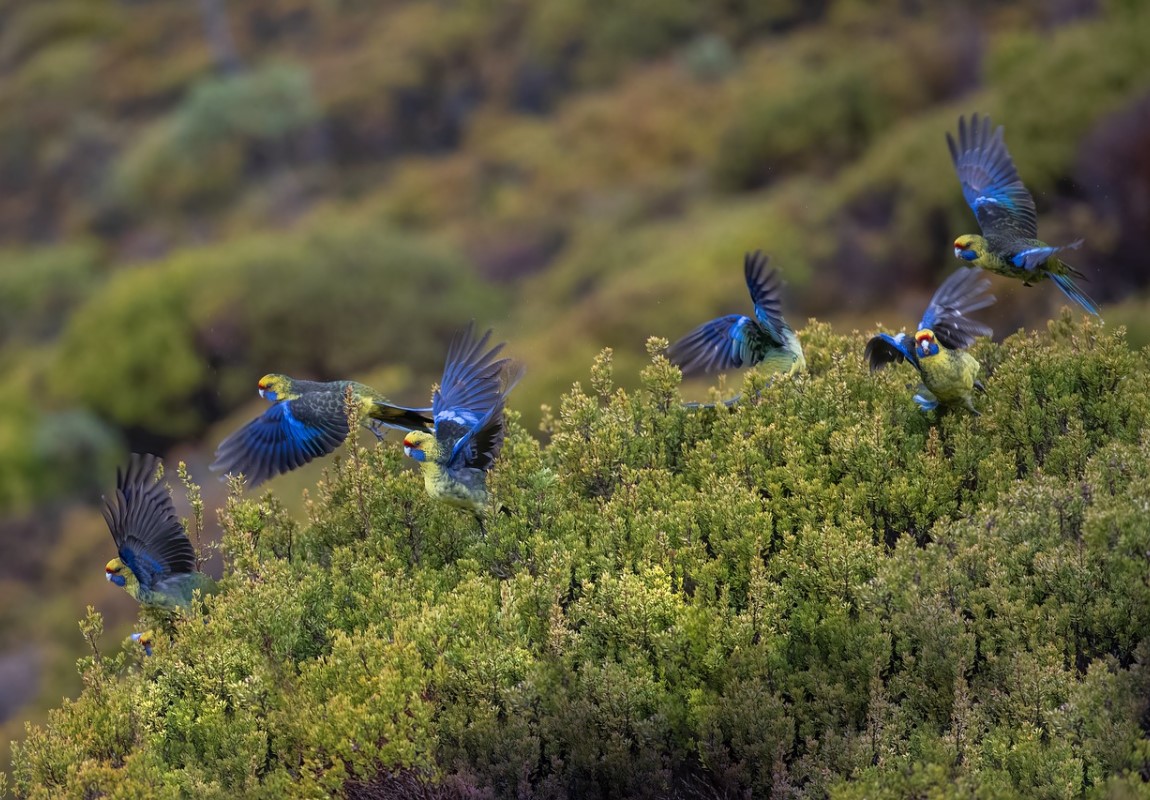
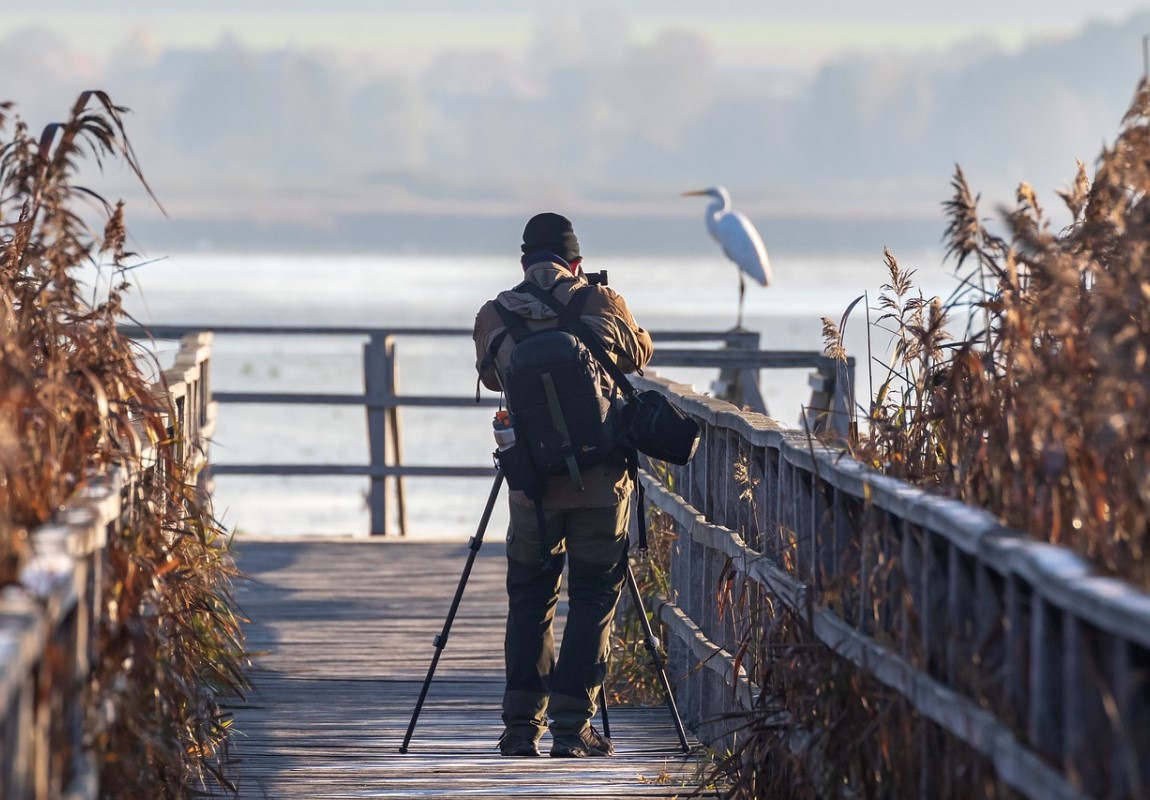
Lake Eyasi is an excellent birding destination, particularly during the wet season when water levels rise and attract large numbers of resident and migratory birds. Flamingos, pelicans, storks, and waders gather along the lake’s shallow shores, while birds of prey patrol the surrounding plains. The mix of lake, woodland, and open savannah habitats supports diverse birdlife, making Eyasi especially appealing to bird enthusiasts.


Best Time for Birding
Bird watching is best from November to April, when migratory species arrive and the lake supports larger concentrations of water birds and waders.
Want to Visit Lake Eyasi?
Best Time to Visit – Lake Eyasi
The best time for wildlife viewing is during the dry season from June to October, when animals concentrate around remaining water sources and visibility is at its best.
June to October (Dry Season)
- Easy road access and better travel conditions
- Wildlife gathers near remaining water sources
- Clear skies and excellent photography light
- Comfortable for cultural visits and walking activities
- Very hot daytime temperatures
- Reduced water levels limit aquatic birdlife
- Dry and dusty conditions
November to May (Wet Season)
- Excellent birding with migratory species
- Lush landscapes and seasonal water coverage
- Cooler temperatures
- Muddy and sometimes impassable roads
- Wildlife more dispersed
- Occasional travel disruptions due to rain
Want to Visit Lake Eyasi?
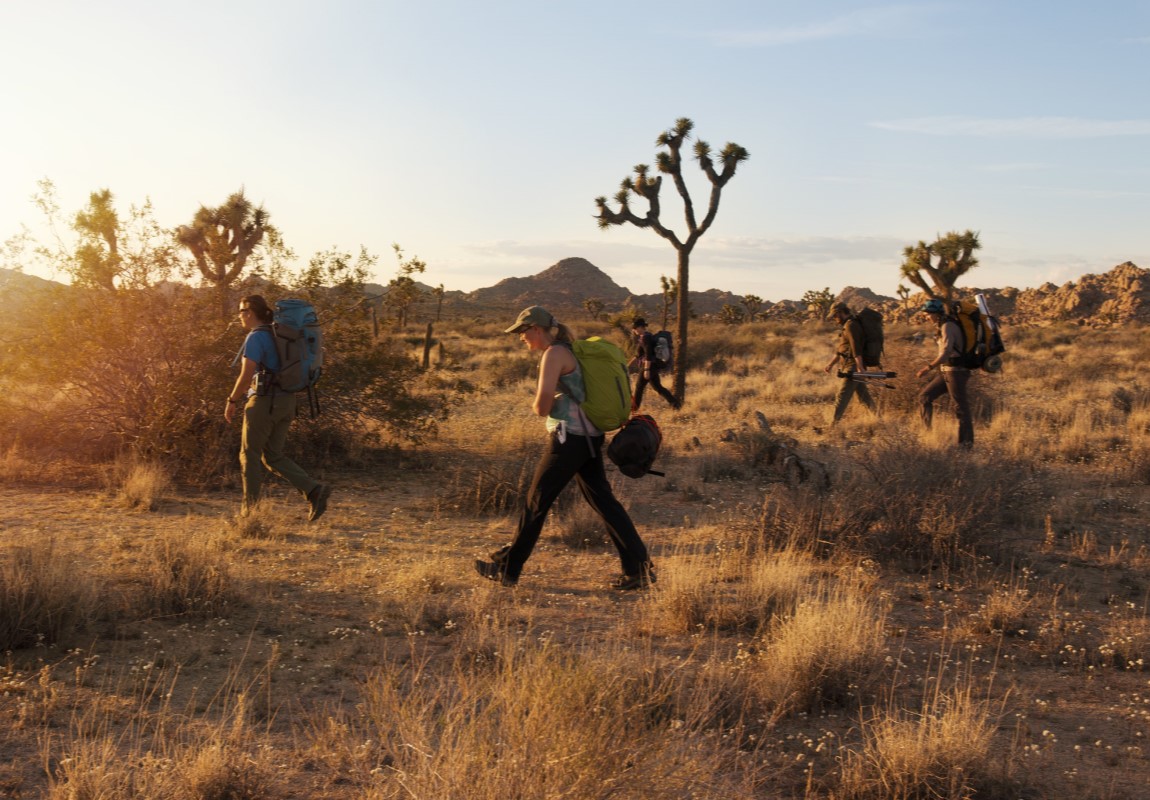
Activities
Explore popular activities available in and around Lake Eyasi.


Want to Visit Lake Eyasi?
No FAQs available for this park yet.
Safari Tours
View all tours