Starting from
$500PP
Overview
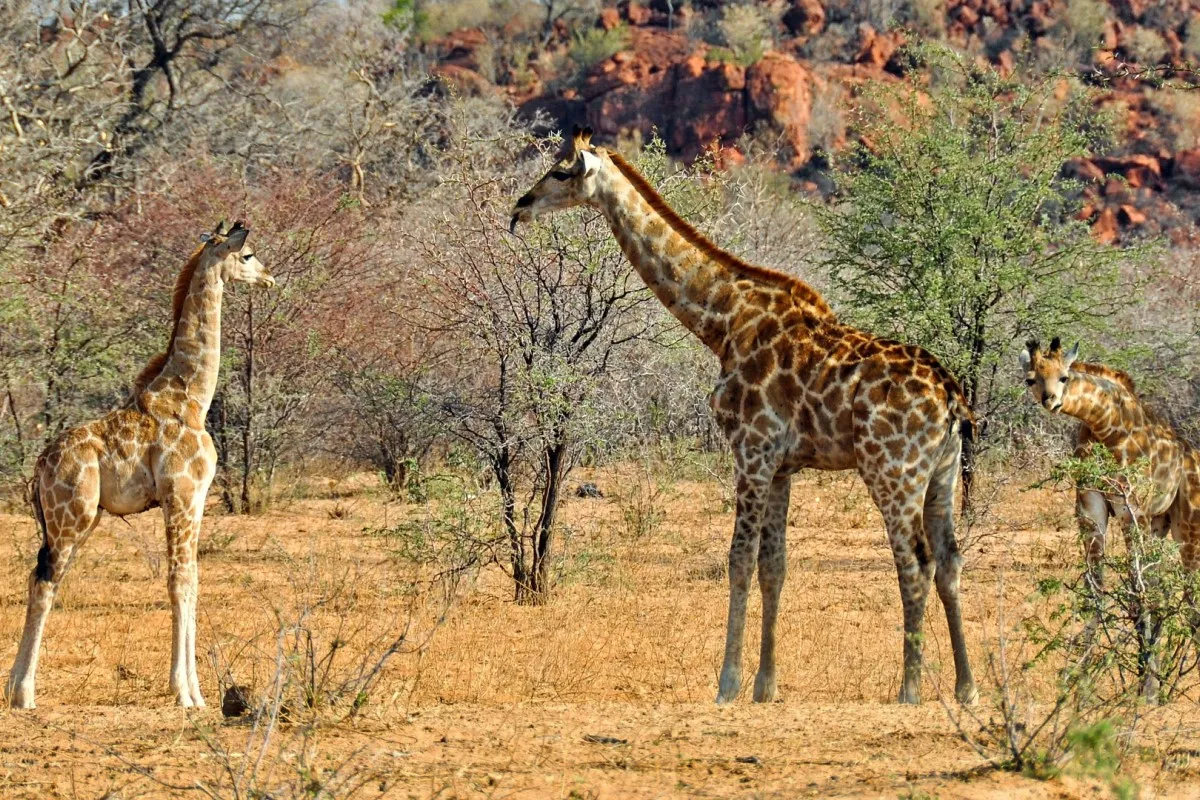
Etosha National Park is Namibia’s most famous and iconic wildlife destination, centered around the vast Etosha Pan, a shimmering salt pan so large it can be seen from space. Located in northern Namibia, the park covers diverse habitats including open grass plains, mopane woodlands, saline flats, and numerous natural and artificial waterholes. Etosha is globally renowned for exceptional wildlife viewing, especially during the dry season when animals congregate in large numbers around water sources. The park offers one of Africa’s most accessible safari experiences, with excellent road networks, well-managed rest camps, and the unique opportunity to observe wildlife day and night at floodlit waterholes. Its ecological importance, high biodiversity, and reliable sightings make Etosha a cornerstone of Southern African safaris.
Pros & Cons
- Outstanding wildlife visibility
- Reliable Big Game sightings
- Excellent road infrastructure
- Floodlit waterholes for night viewing
- Suitable for self-drive safaris
- Can be crowded in peak season
- Limited dense vegetation reduces habitat variety
- Hot temperatures outside winter months
Map in Namibia

Want to Visit Etosha National Park?


Want to Visit Etosha National Park?
Wildlife & Animals
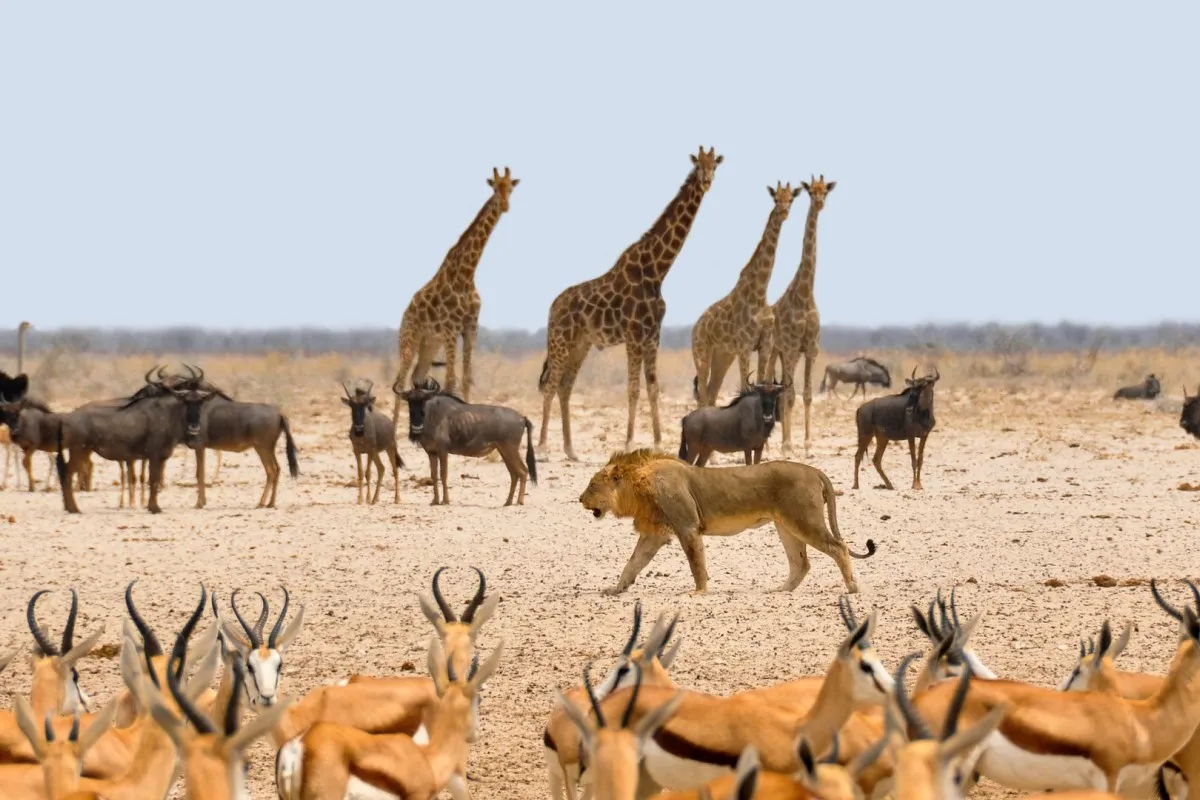
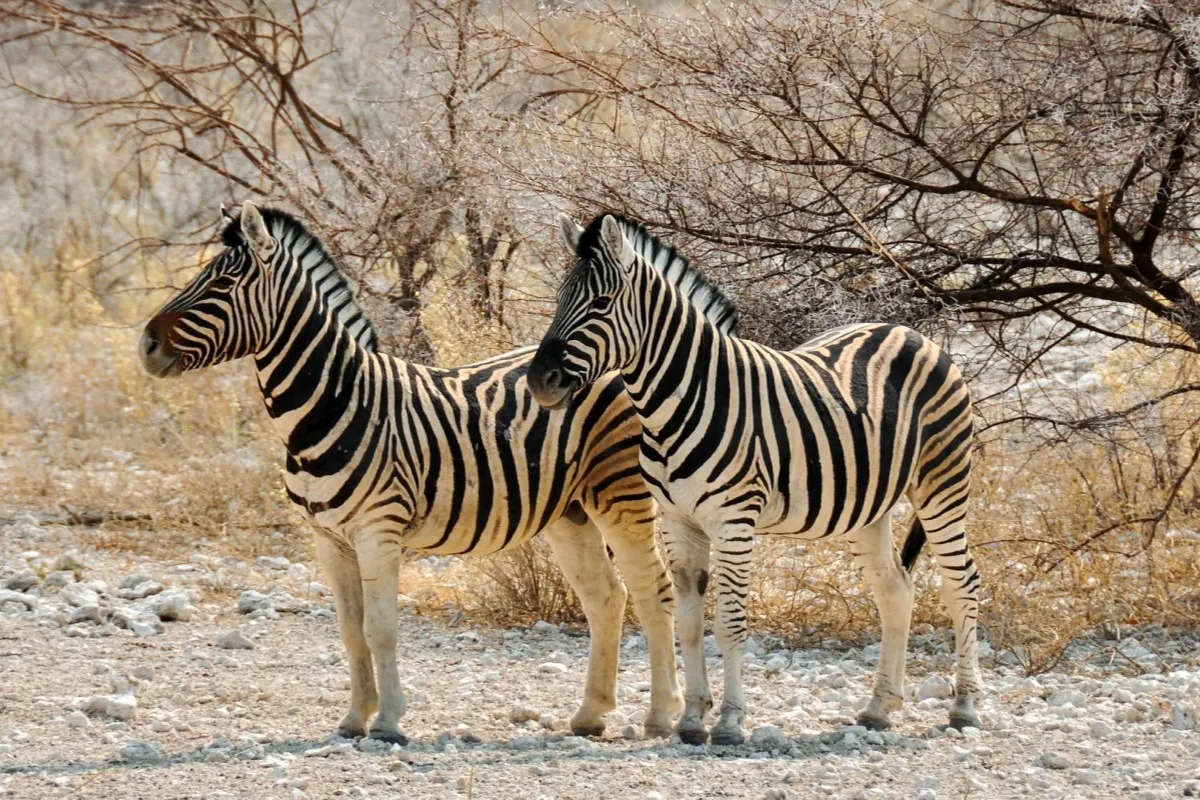
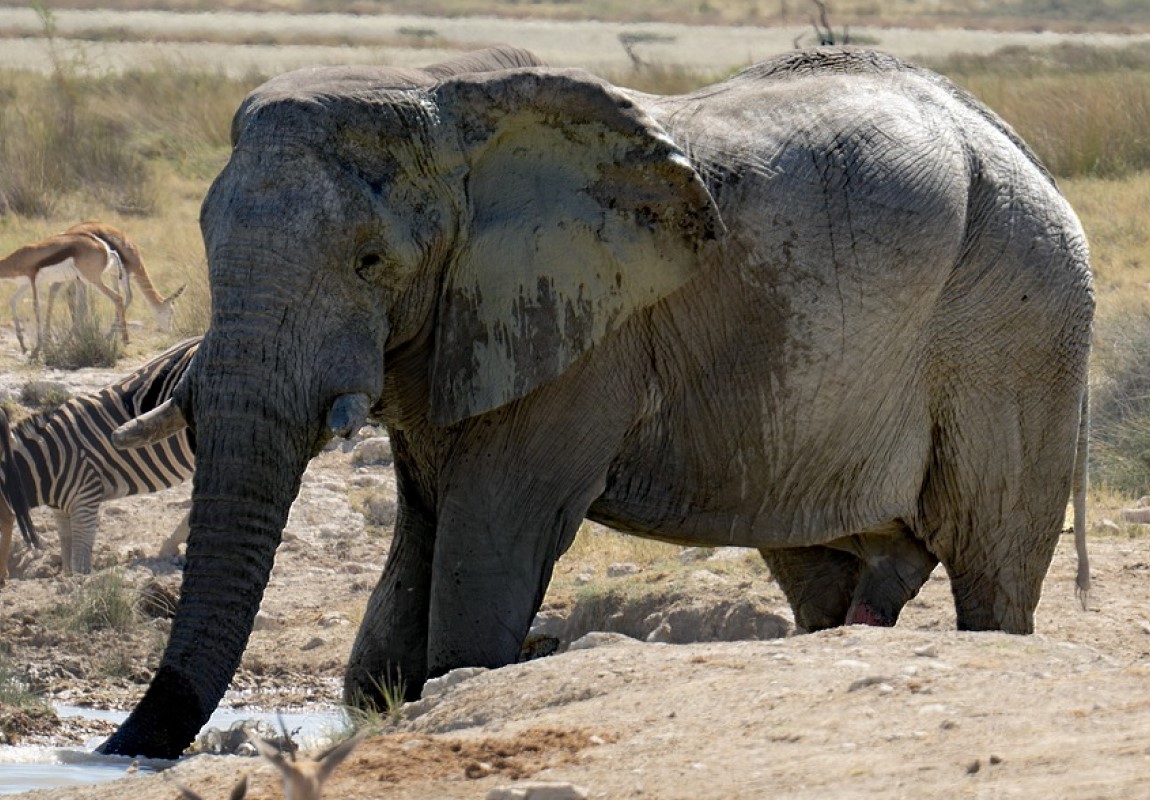
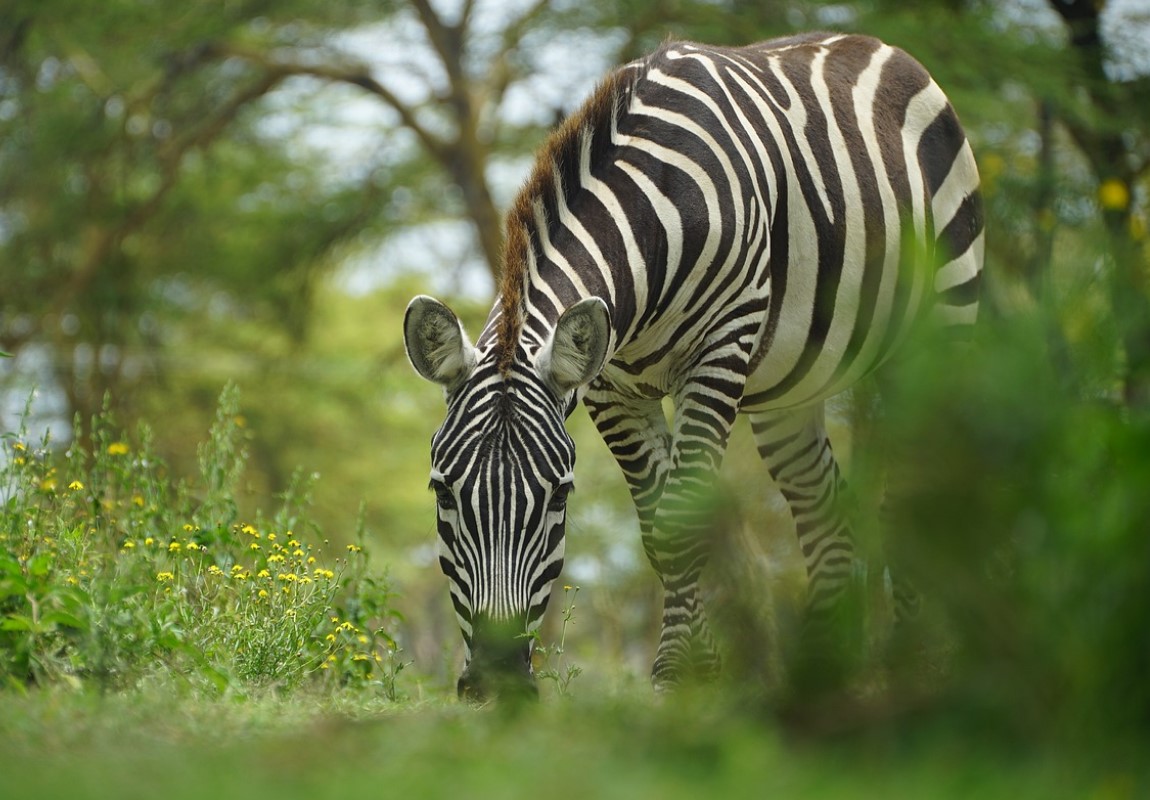
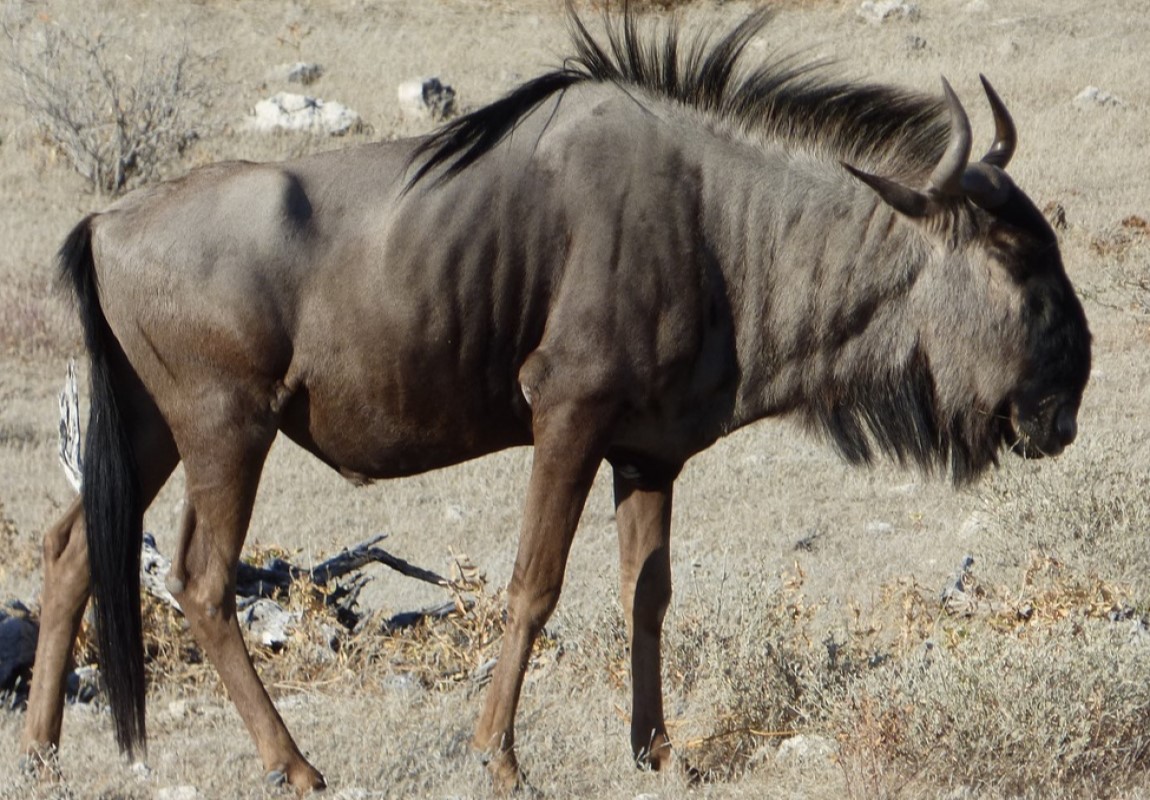
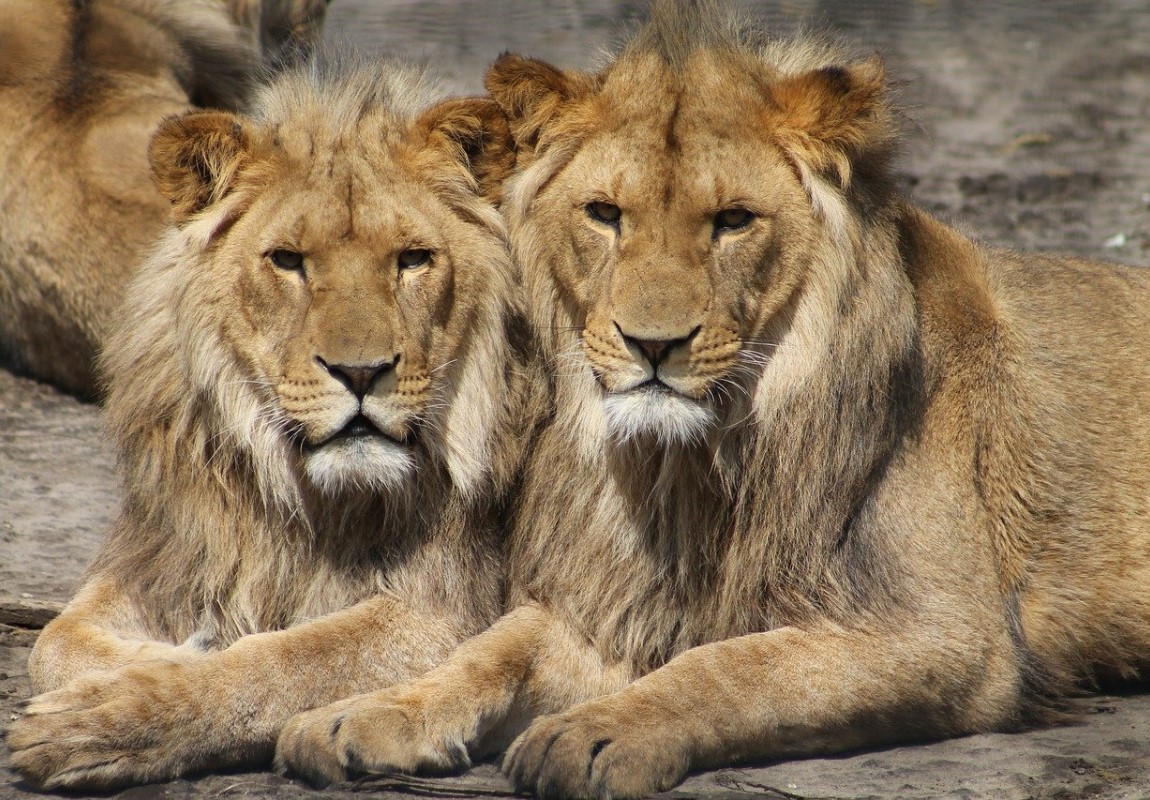
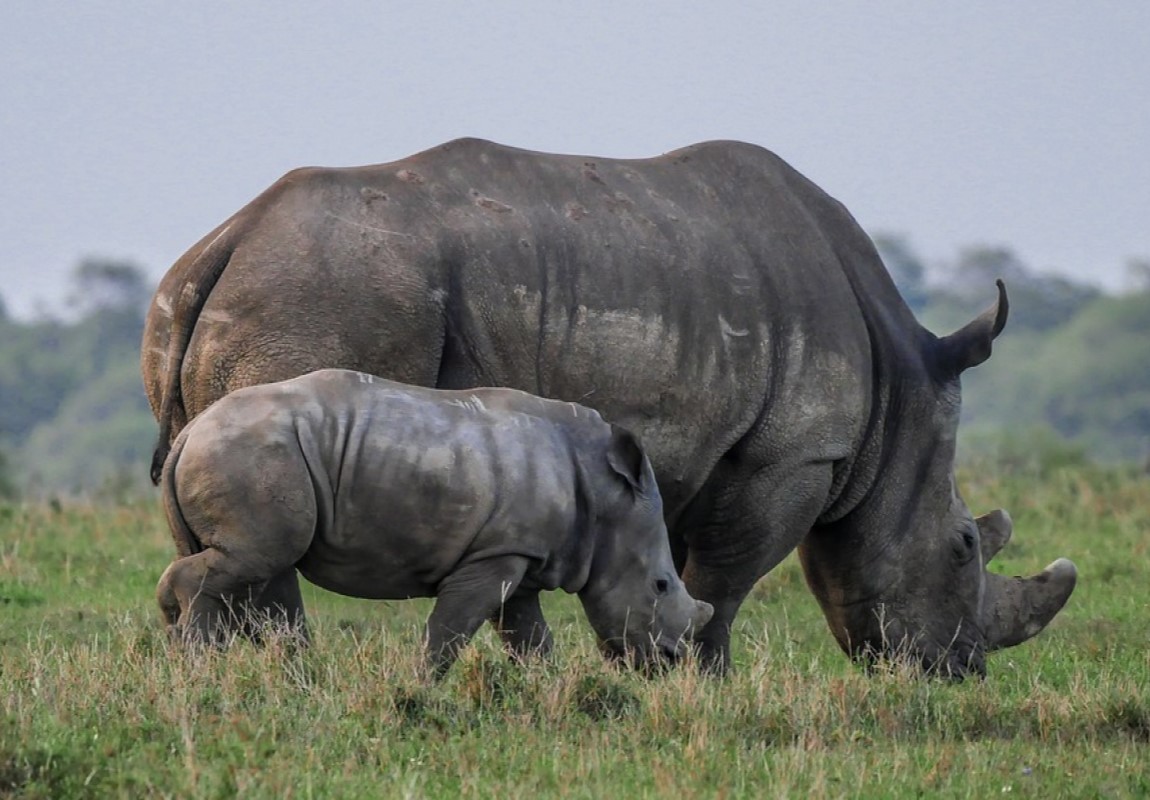
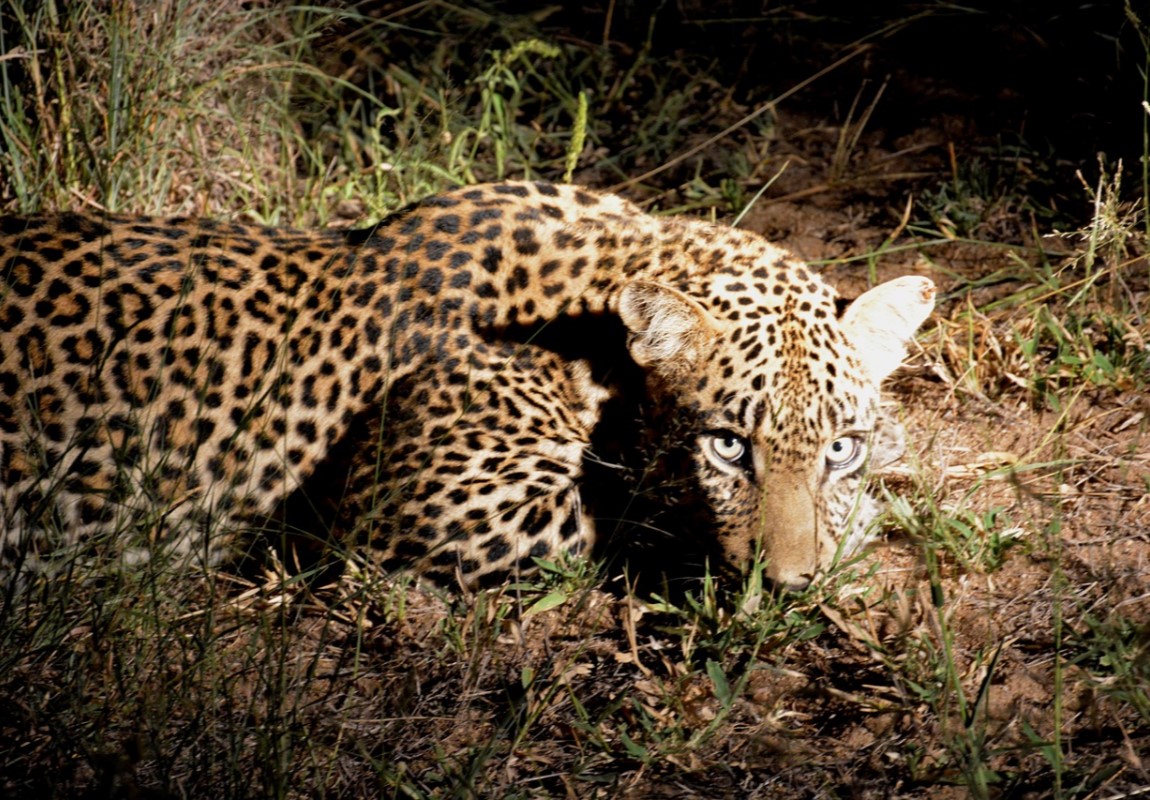
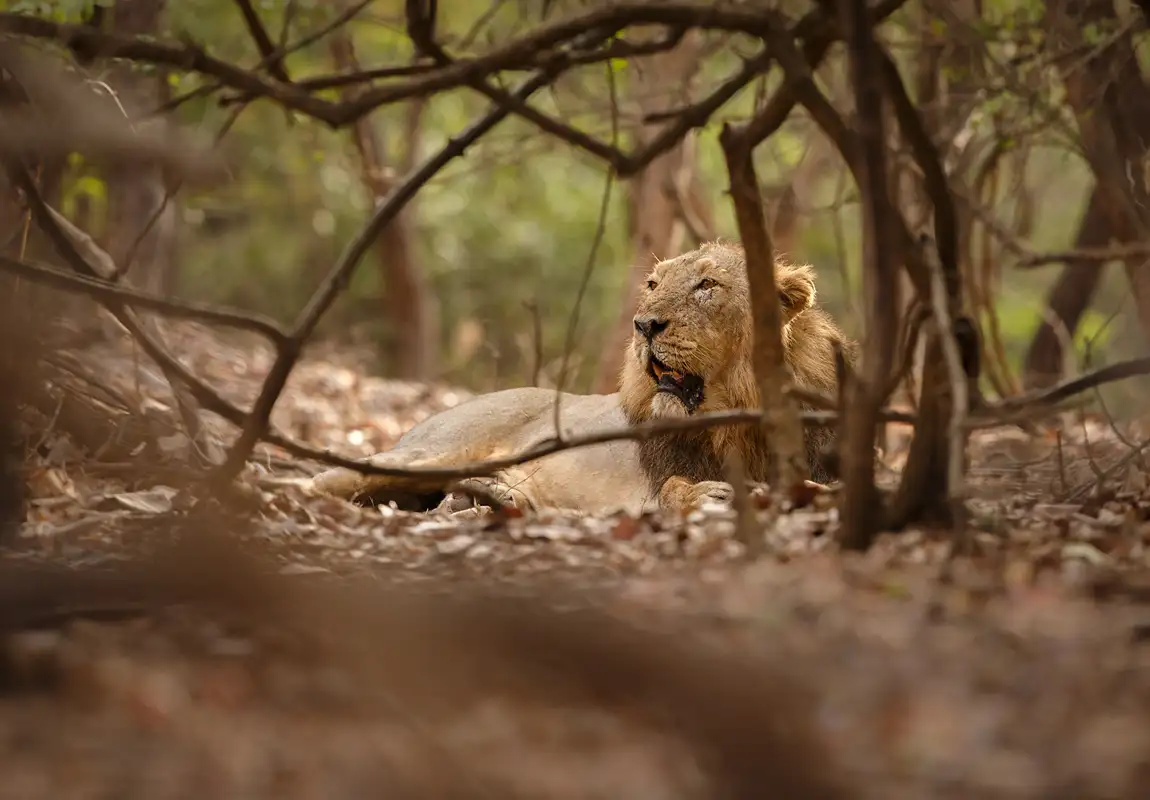
Etosha National Park supports one of the highest concentrations of wildlife in Namibia, particularly during the dry season when animals are drawn to permanent waterholes scattered across the park. Large herbivores such as elephants, plains zebra, springbok, wildebeest, and giraffe dominate the landscape, while rare species like the black rhinoceros find refuge in protected areas of the park. Predators are well represented, with lions being frequently seen, especially near waterholes at dusk and dawn. Leopards, cheetahs, and spotted hyenas add to the park’s rich predator diversity. The open terrain of Etosha allows for excellent visibility, making wildlife encounters frequent and often dramatic.



Wildlife Highlights
One of Etosha’s defining wildlife highlights is waterhole-based game viewing, where dozens of species gather in a single location, offering unparalleled photographic and observational opportunities. The park is also internationally significant for its black rhino conservation efforts, hosting one of the largest free-ranging populations in Africa. Predator-prey interactions are commonly observed at waterholes, and nocturnal activity can be witnessed at floodlit camps such as Okaukuejo, providing rare insights into animal behavior after dark.
Best Time for Wildlife Viewing
The best time for wildlife viewing in Etosha National Park is during the dry season from June to October. During this period, surface water is scarce, forcing animals to congregate around waterholes, dramatically increasing sighting frequency. Sparse vegetation further improves visibility, and cooler winter temperatures make game drives more comfortable, particularly during early mornings and late afternoons.
Want to Visit Etosha National Park?
Birds
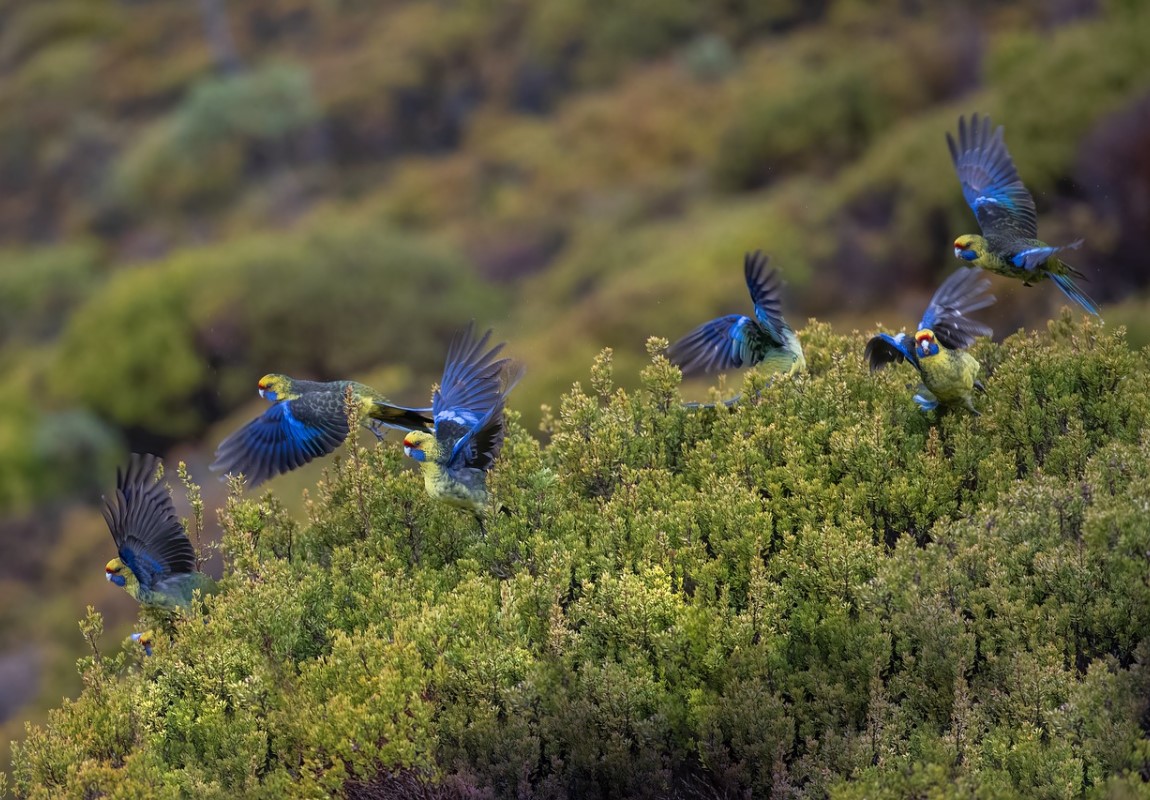
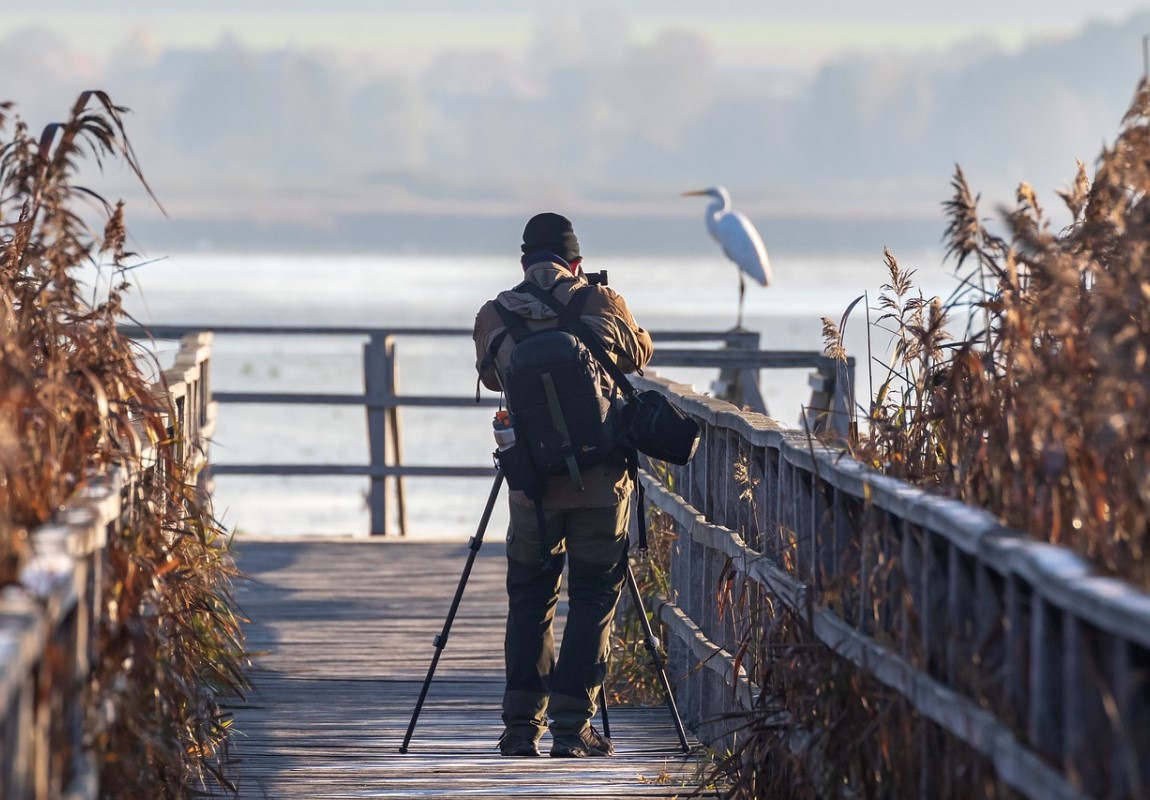
Etosha National Park is an important birding destination, with habitats ranging from saline pans to grasslands and woodlands supporting a wide variety of avian species. During the wet season, the Etosha Pan fills partially with water, attracting thousands of flamingos, pelicans, and other waterbirds. Raptors are present year-round, while ground-dwelling birds such as bustards and ostriches thrive in open plains. The park records hundreds of bird species, making it appealing to both casual birdwatchers and dedicated enthusiasts.


Best Time for Birding
The best time for birdwatching is from November to March, when migratory birds arrive and the Etosha Pan holds water. This period coincides with breeding season, bringing colorful plumage, increased activity, and large congregations of waterbirds, particularly flamingos and pelicans.
Want to Visit Etosha National Park?
Best Time to Visit – Etosha National Park
The best time for wildlife viewing in Etosha National Park is during the dry season from June to October. During this period, surface water is scarce, forcing animals to congregate around waterholes, dramatically increasing sighting frequency. Sparse vegetation further improves visibility, and cooler winter temperatures make game drives more comfortable, particularly during early mornings and late afternoons.
June to October (Dry Season)
- Exceptional wildlife concentrations
- Clear visibility at waterholes
- Comfortable temperatures
- Higher visitor numbers
- Dusty conditions
- Limited bird diversity
November to March (Wet Season)
- Outstanding birdwatching
- Lush landscapes
- Fewer tourists
- Dispersed wildlife
- Occasional road closures
- High temperatures
Want to Visit Etosha National Park?
Activities
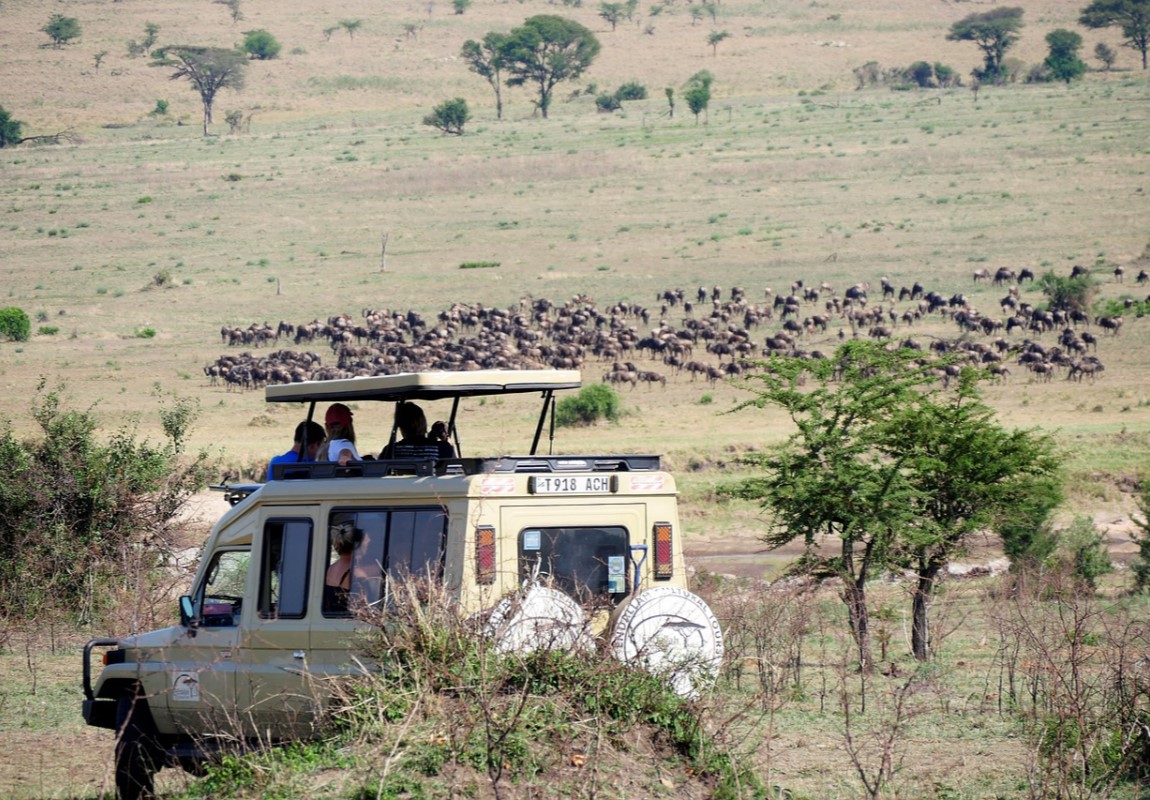
Explore popular activities available in and around Etosha National Park.


Want to Visit Etosha National Park?
No FAQs available for this park yet.