Djuma Private Game Reserve 
Djuma Private Game Reserve - South Africa Wildlife Destination
Starting from
$500PP
Overview
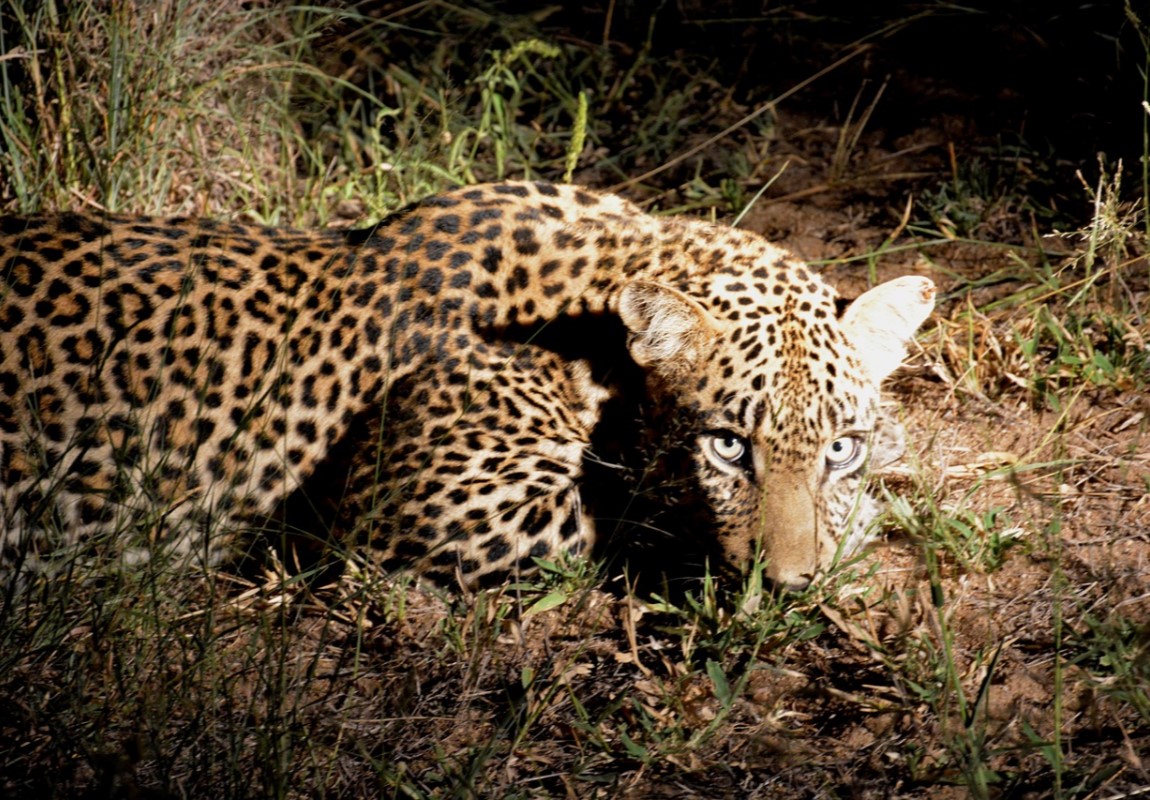
Djuma Private Game Reserve is a renowned safari destination located in the heart of the Sabi Sand Game Reserve, forming part of the Greater Kruger National Park ecosystem. Covering approximately 12,000 hectares, Djuma is characterized by open savanna, dense bushveld, and riverine habitats along the Sand River and its tributaries. The reserve is unfenced, allowing wildlife to move freely between Djuma, neighboring Sabi Sand reserves, and Kruger National Park. Djuma is especially famous for its exceptional leopard sightings, long-term wildlife research, and immersive photographic safari experiences, making it a favorite among serious safari enthusiasts and wildlife photographers.
Pros & Cons
- Outstanding leopard sightings
- Located within the prestigious Sabi Sand Game Reserve
- Unfenced access to Kruger National Park
- Excellent guiding and tracking expertise
- Ideal for photographic safaris
- Premium safari pricing
- Limited lodge options
- No self-drive safaris permitted
Map in South Africa

Want to Visit Djuma Private Game Reserve?


Want to Visit Djuma Private Game Reserve?
Wildlife & Animals
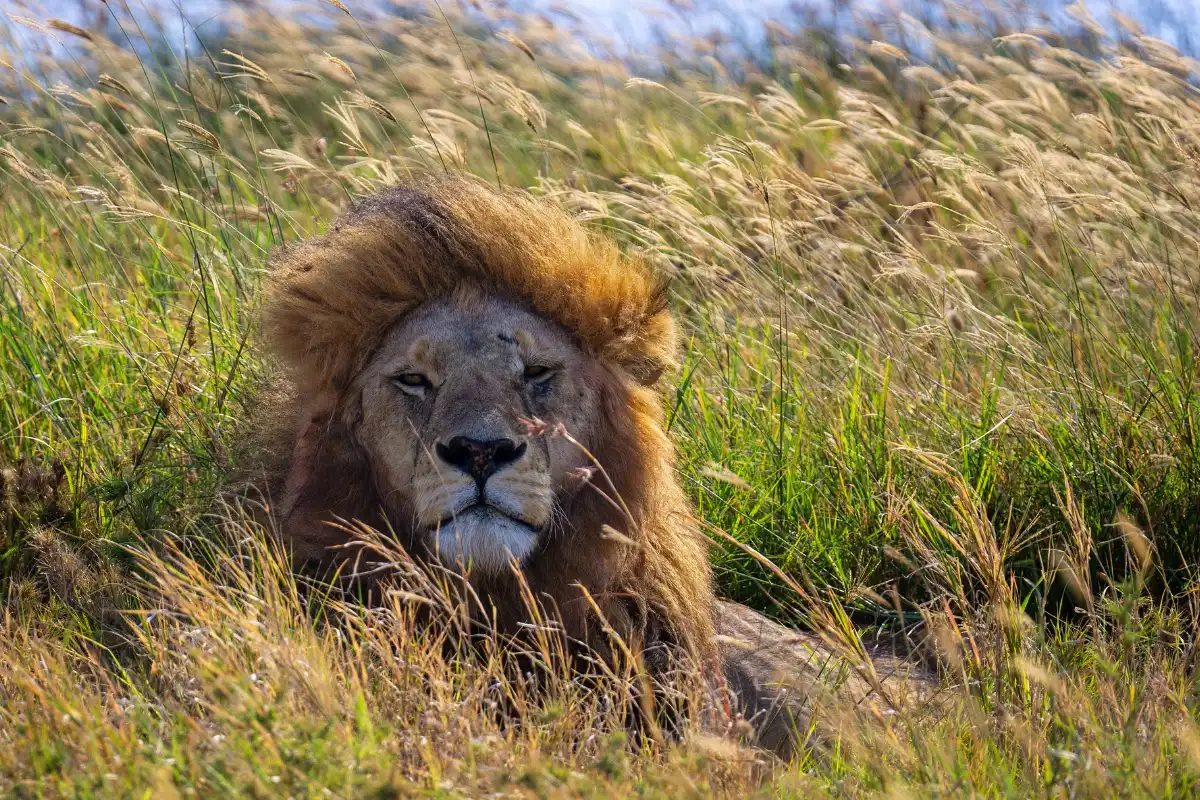
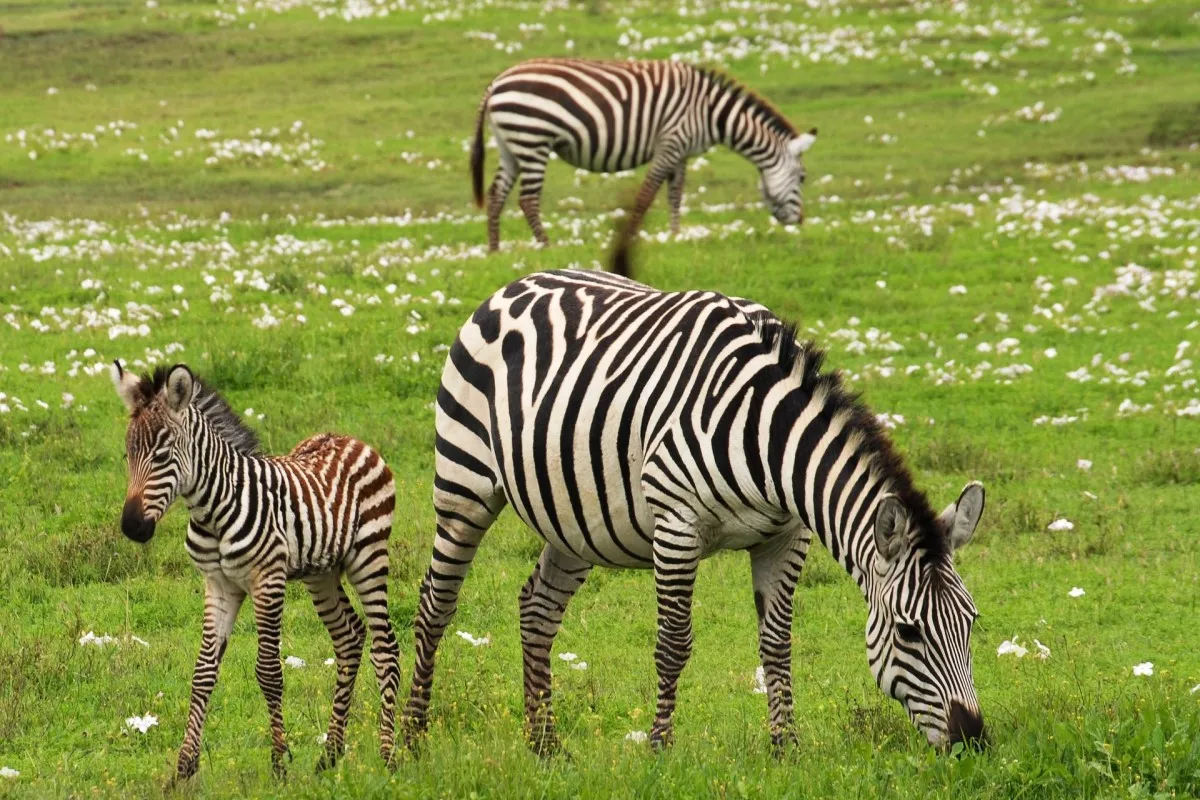
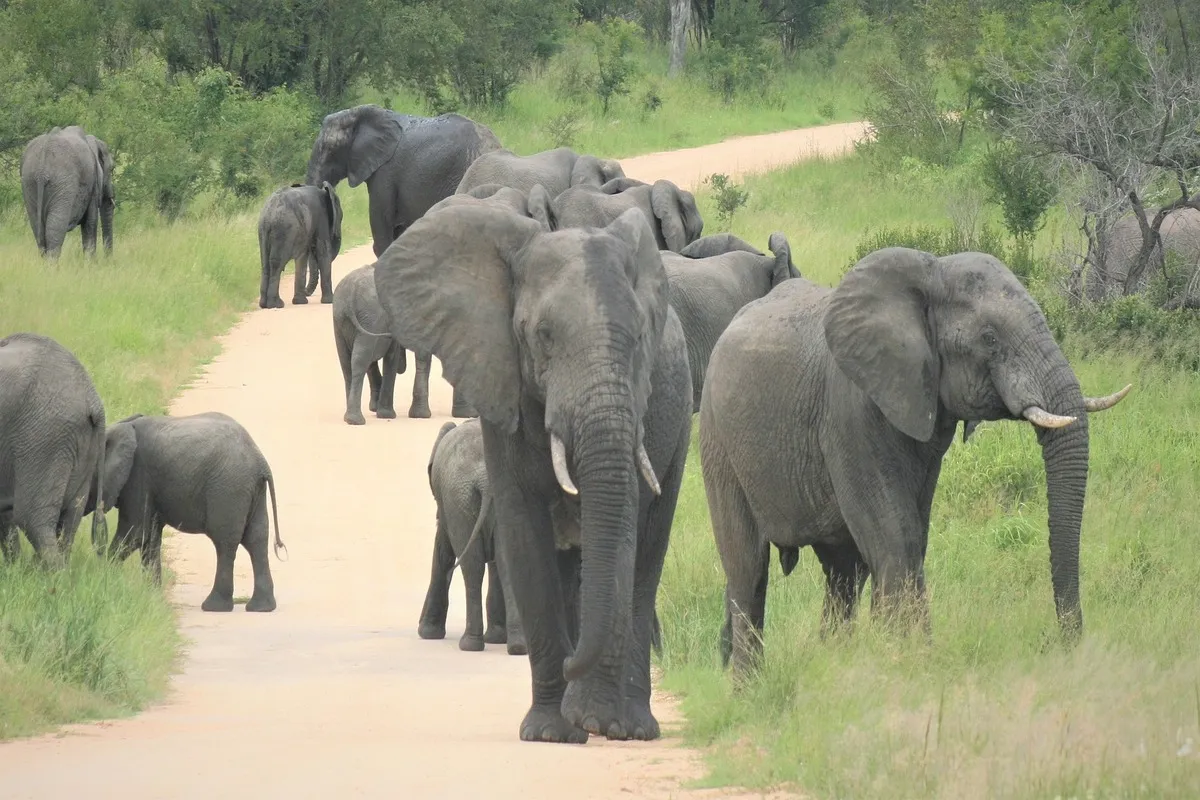
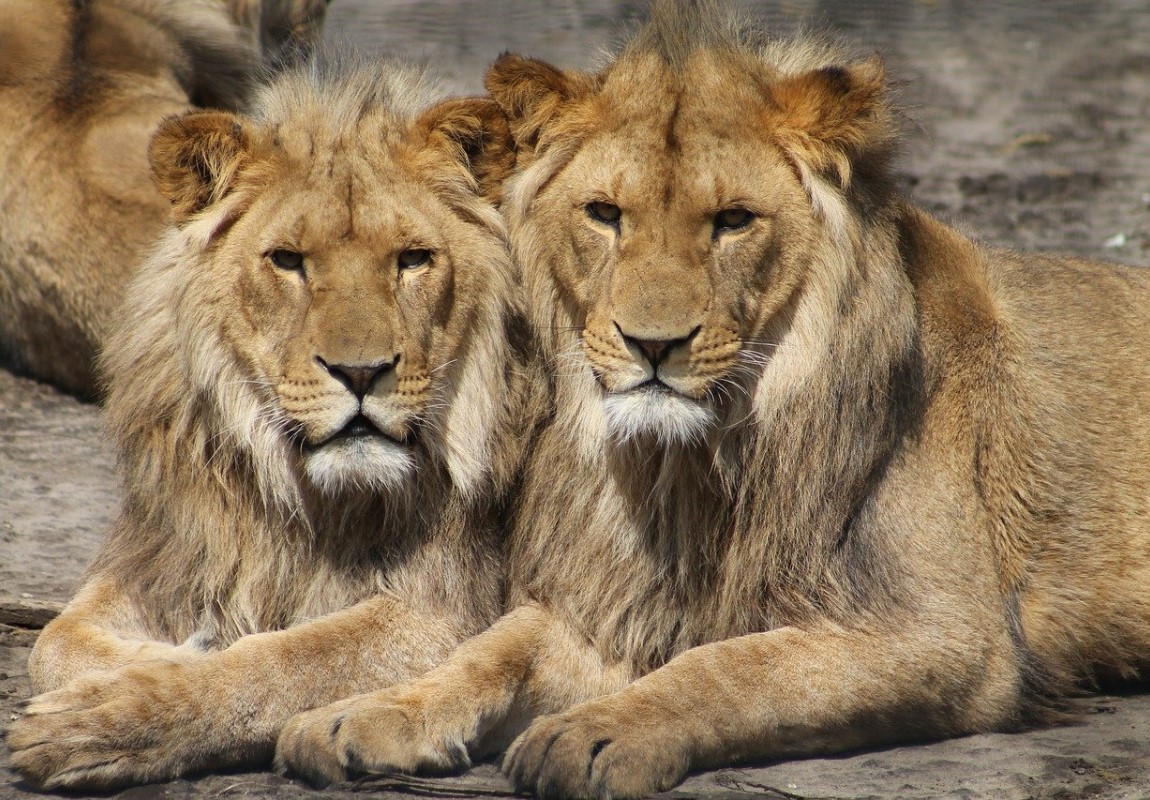
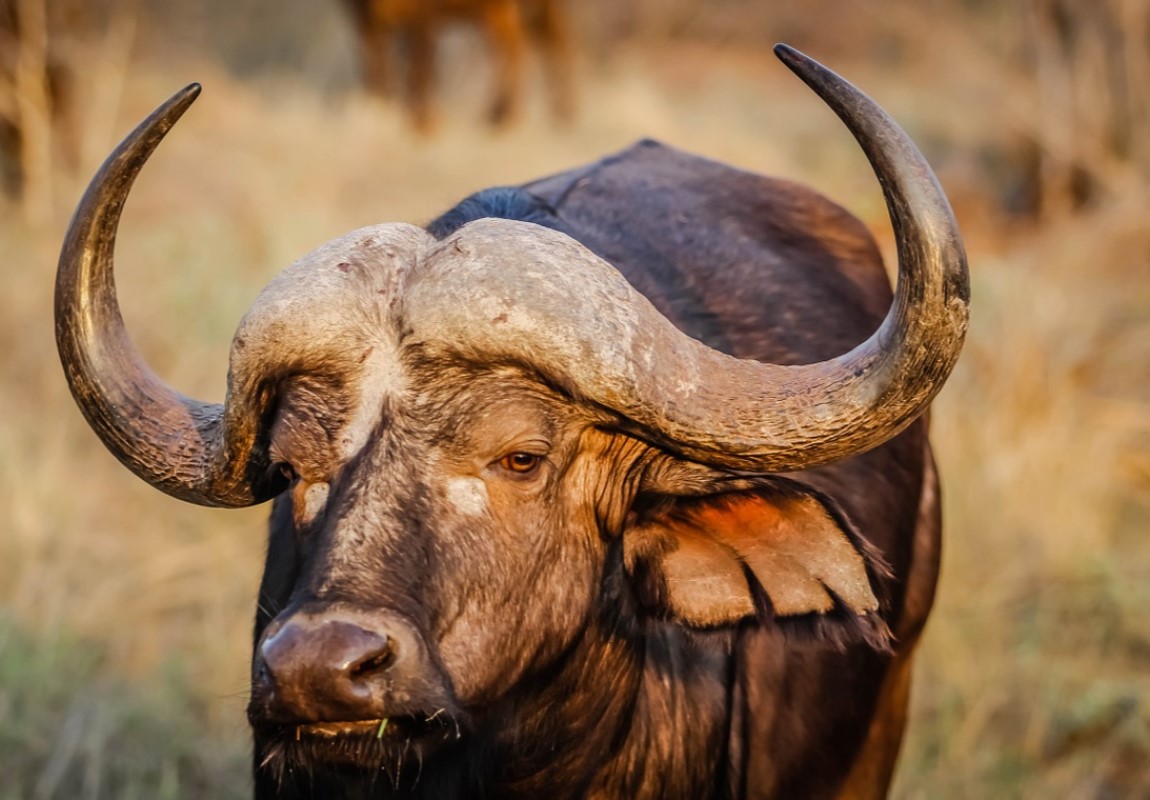
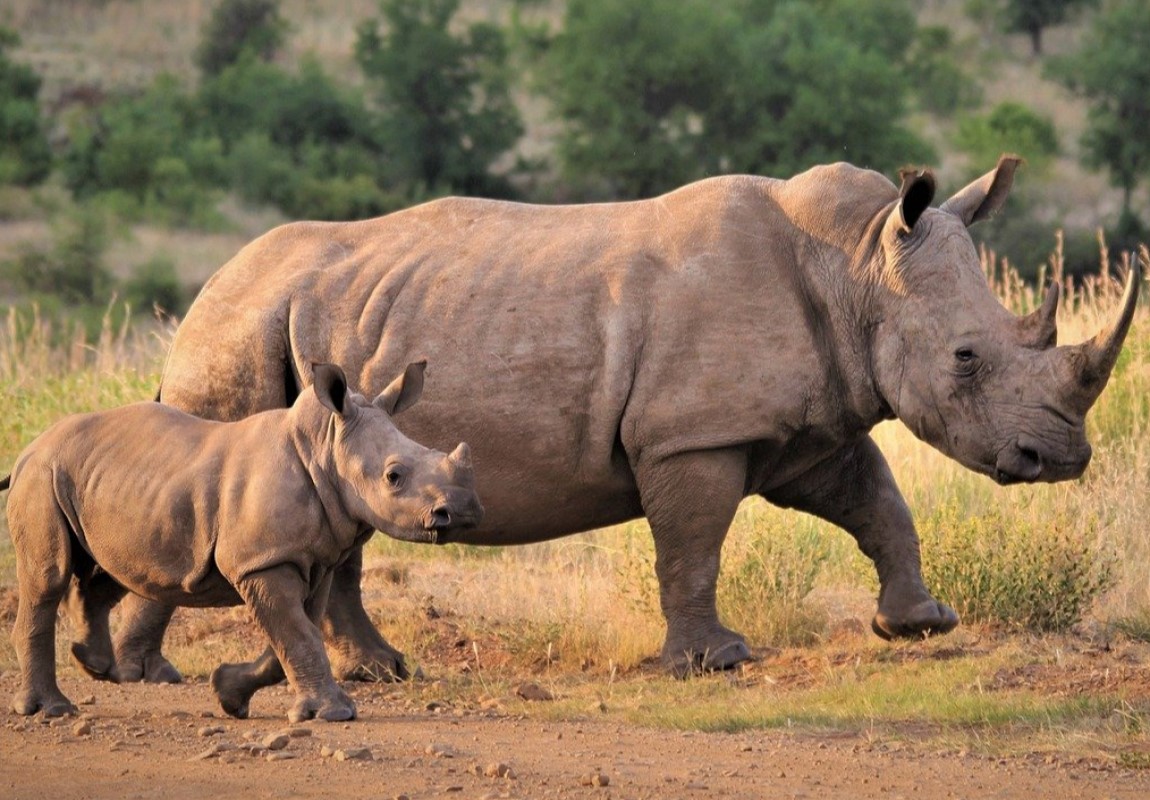
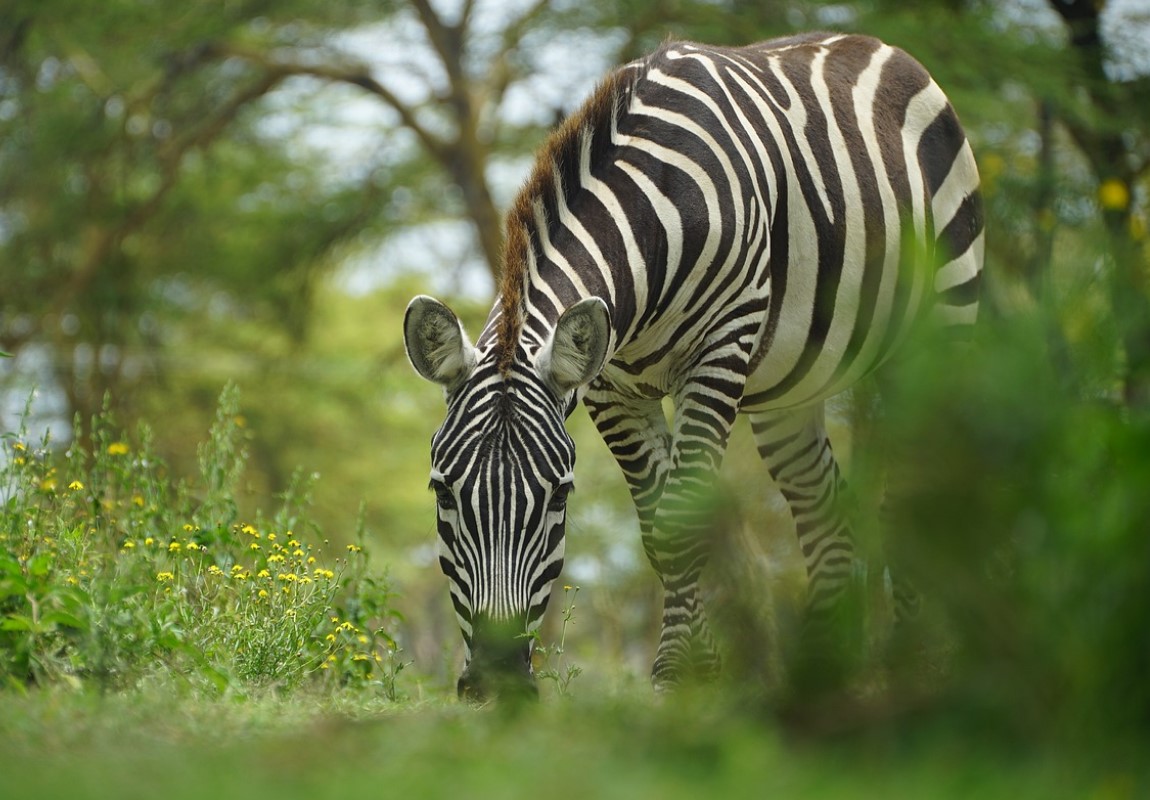
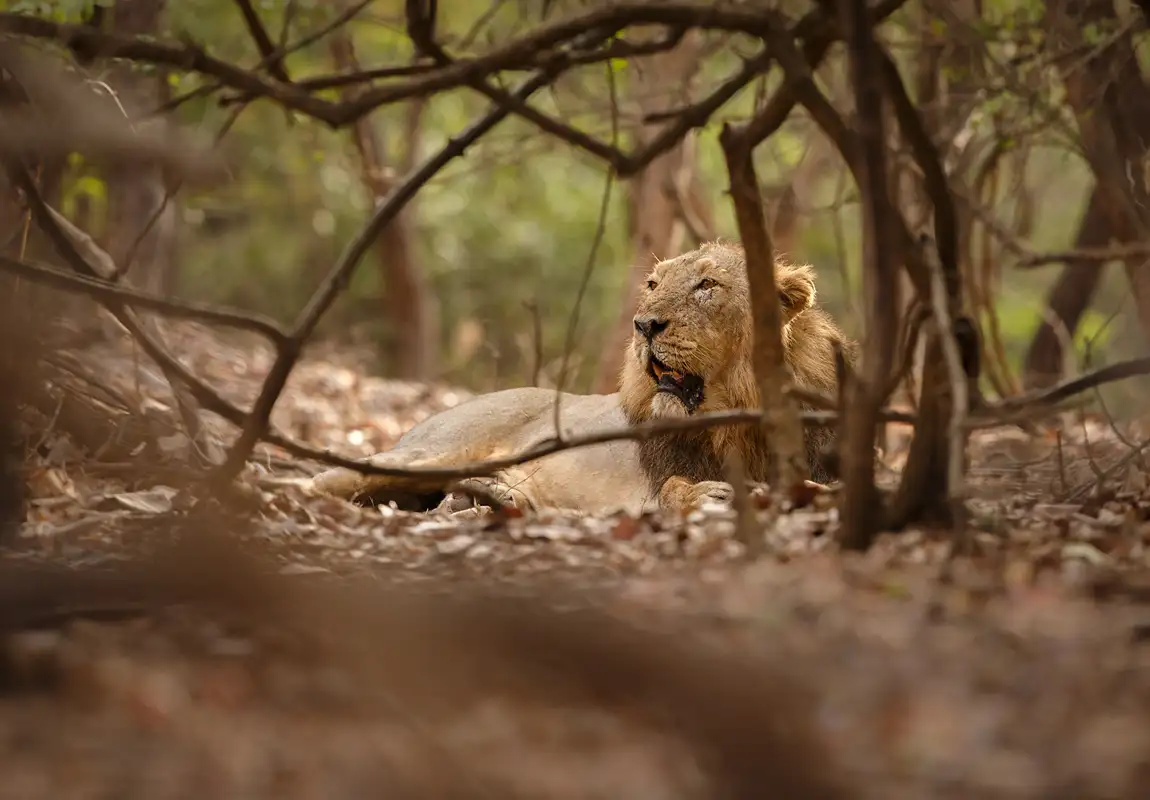
Djuma Private Game Reserve supports an exceptional diversity of wildlife typical of the Sabi Sand region. All members of the Big Five are present, including elephants, lions, leopards, buffalo, and rhinoceroses. Leopards are a signature species at Djuma, with several well-known individuals regularly observed due to the reserve’s open terrain and skilled trackers. Lion prides frequently move through the reserve, while elephant herds and buffalo are commonly seen along river systems. Other species include giraffes, zebras, spotted hyenas, hippos, warthogs, and a variety of antelope, contributing to consistently rewarding game drives.
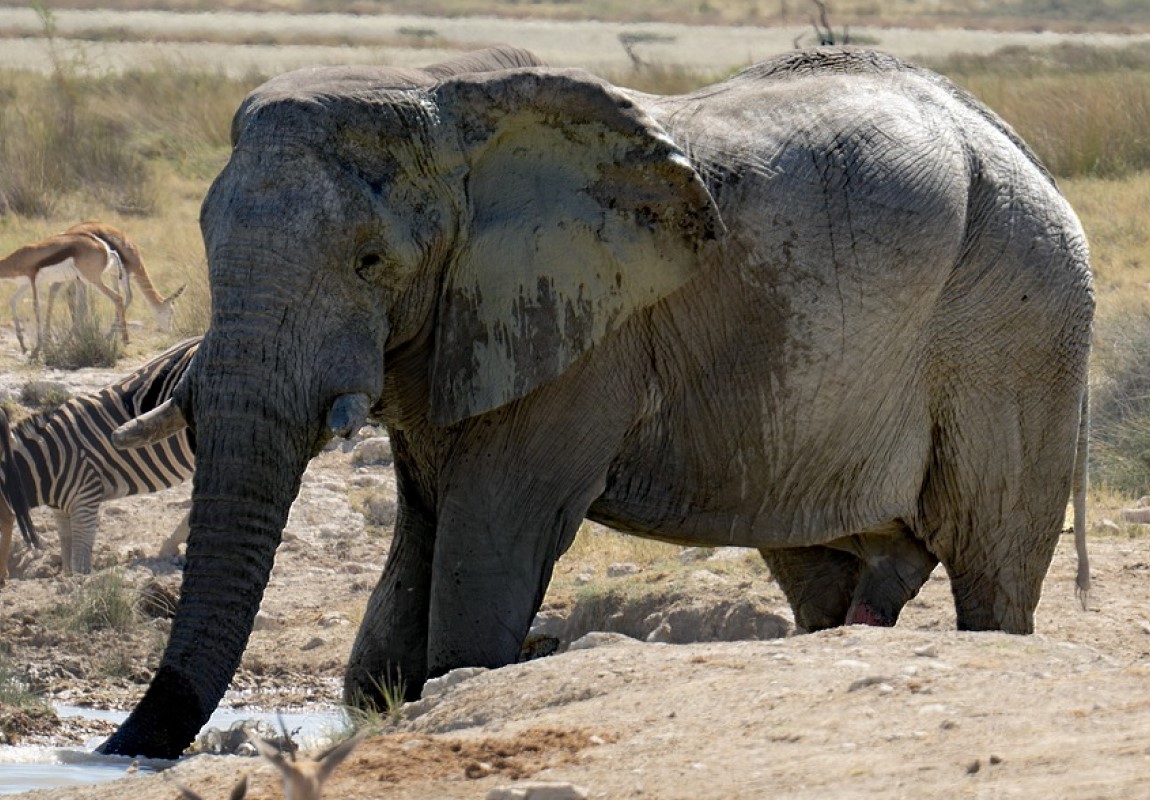


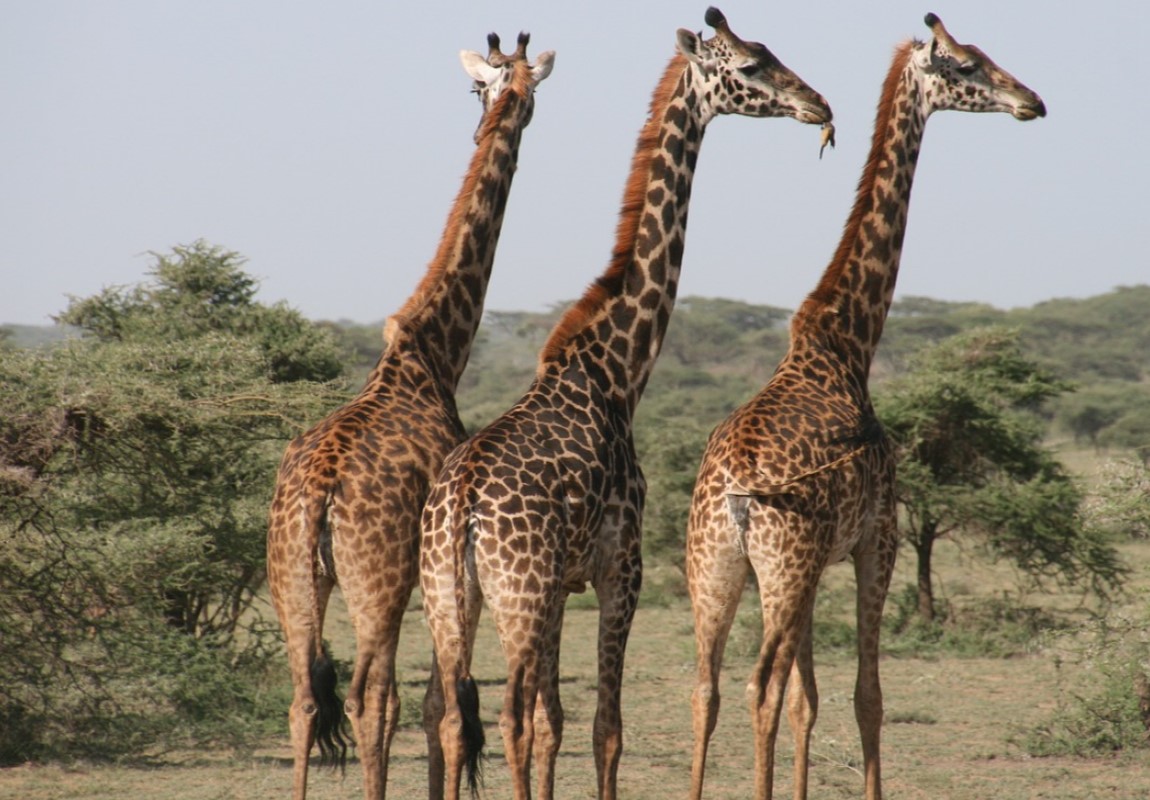
Wildlife Highlights
Djuma is internationally recognized for its leopard research and conservation initiatives, making leopard encounters one of the reserve’s greatest highlights. Guests often witness natural predator-prey interactions involving lions, hyenas, and plains game. Night drives reveal nocturnal species such as civets, genets, porcupines, and bush babies, adding depth to the safari experience. The reserve’s long-standing photographic safaris have also contributed to some of Africa’s most iconic wildlife imagery.
Best Time for Wildlife Viewing
The best time to visit Djuma for wildlife viewing is during the dry winter months from May to October. Sparse vegetation and limited water sources draw animals into open areas and riverbeds, improving visibility and increasing the likelihood of extended predator sightings throughout the day.
Want to Visit Djuma Private Game Reserve?
Birds
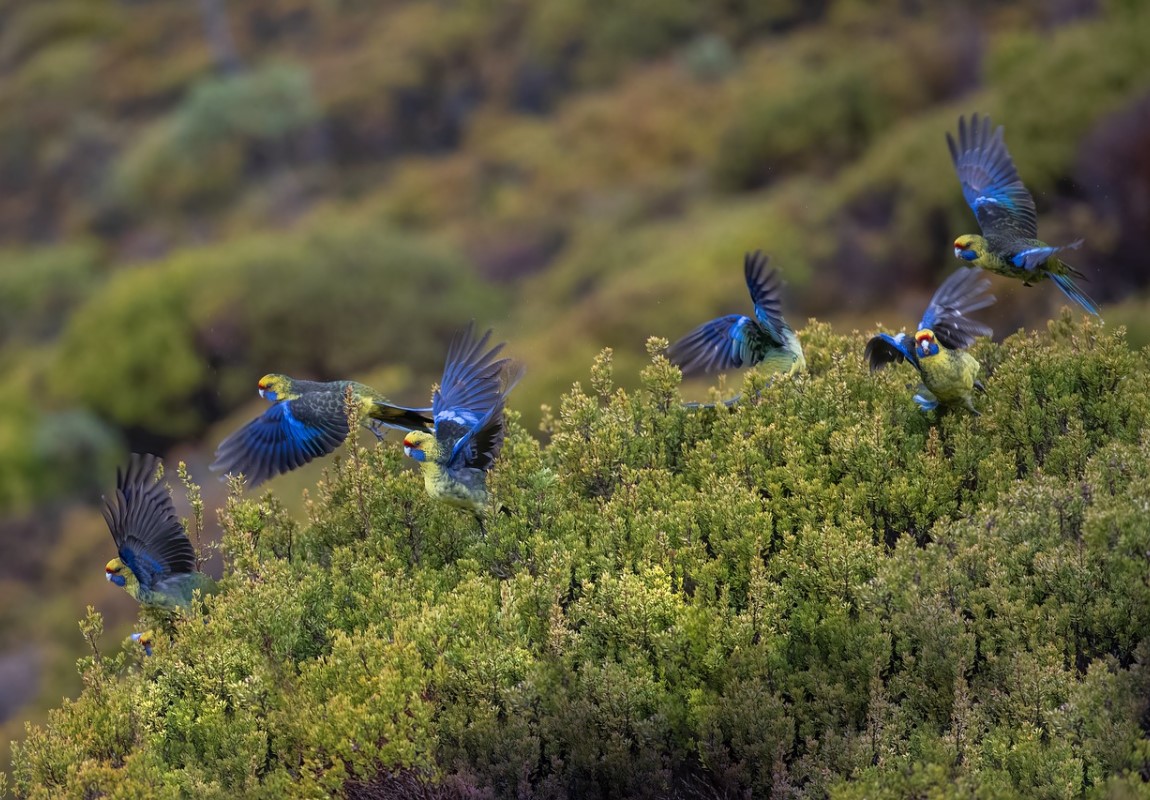
Djuma Private Game Reserve offers excellent birding opportunities supported by diverse habitats, including riverine woodland, open grasslands, and dense bushveld. Raptors, water-associated birds, and colorful woodland species are frequently observed. Birding adds an enriching dimension to safaris, particularly along seasonal rivers and open plains.
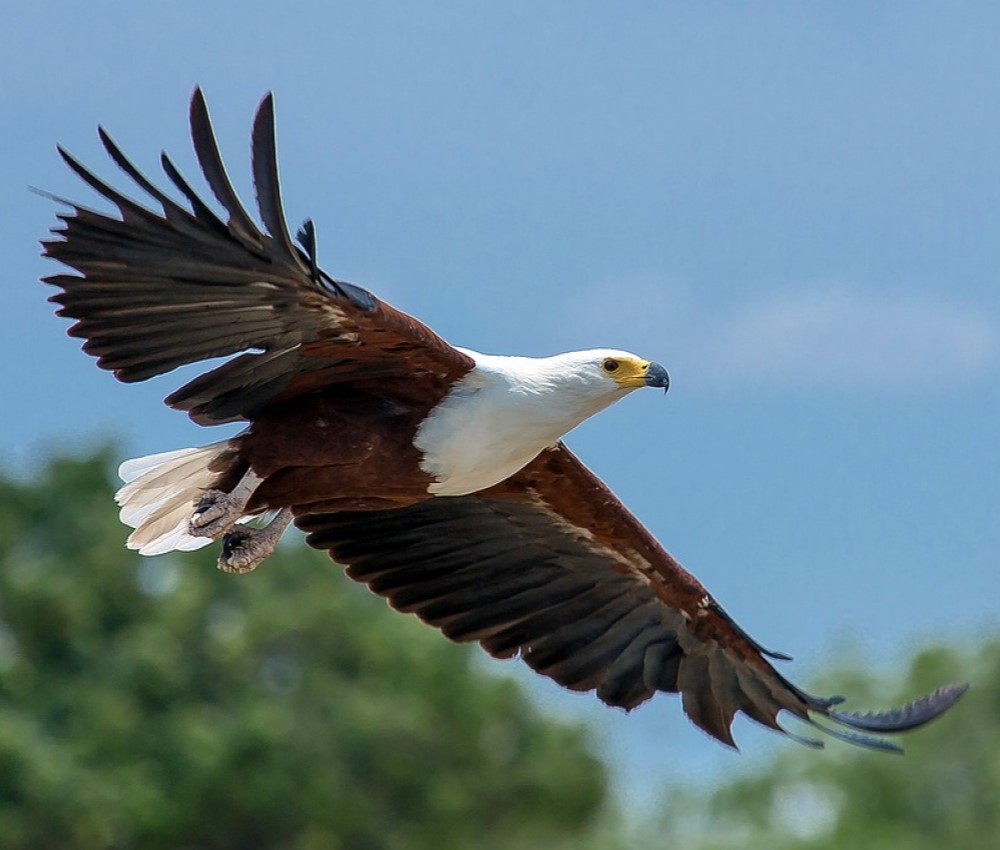

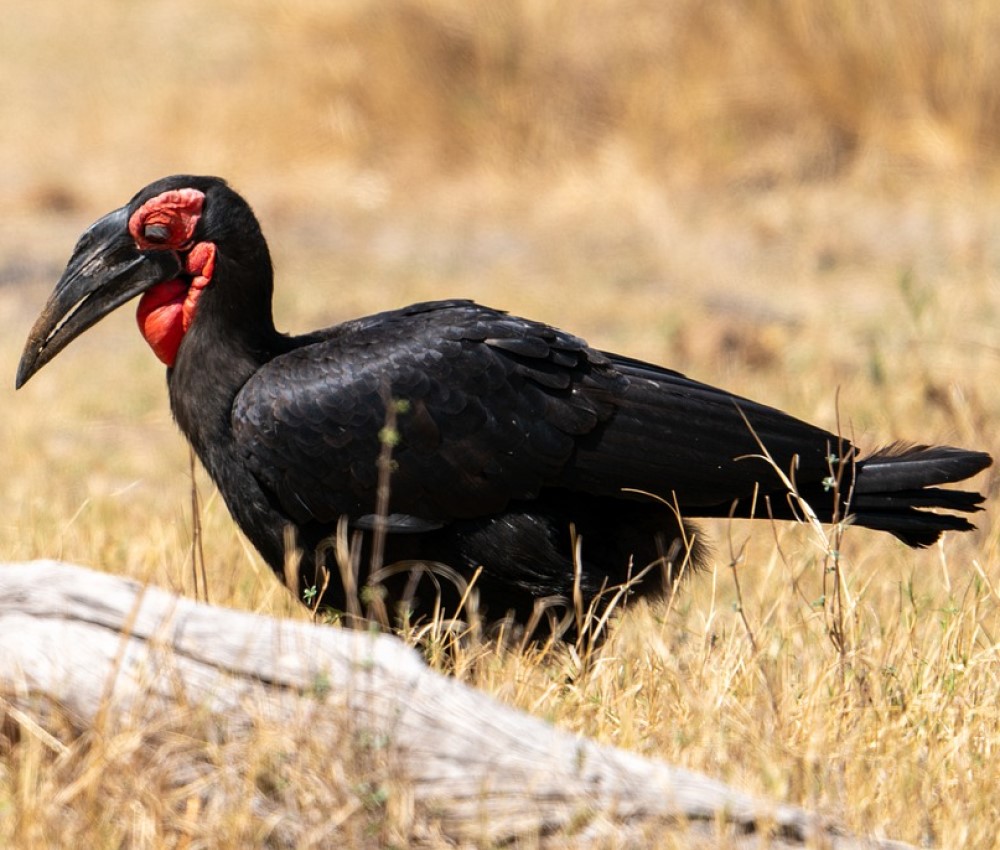
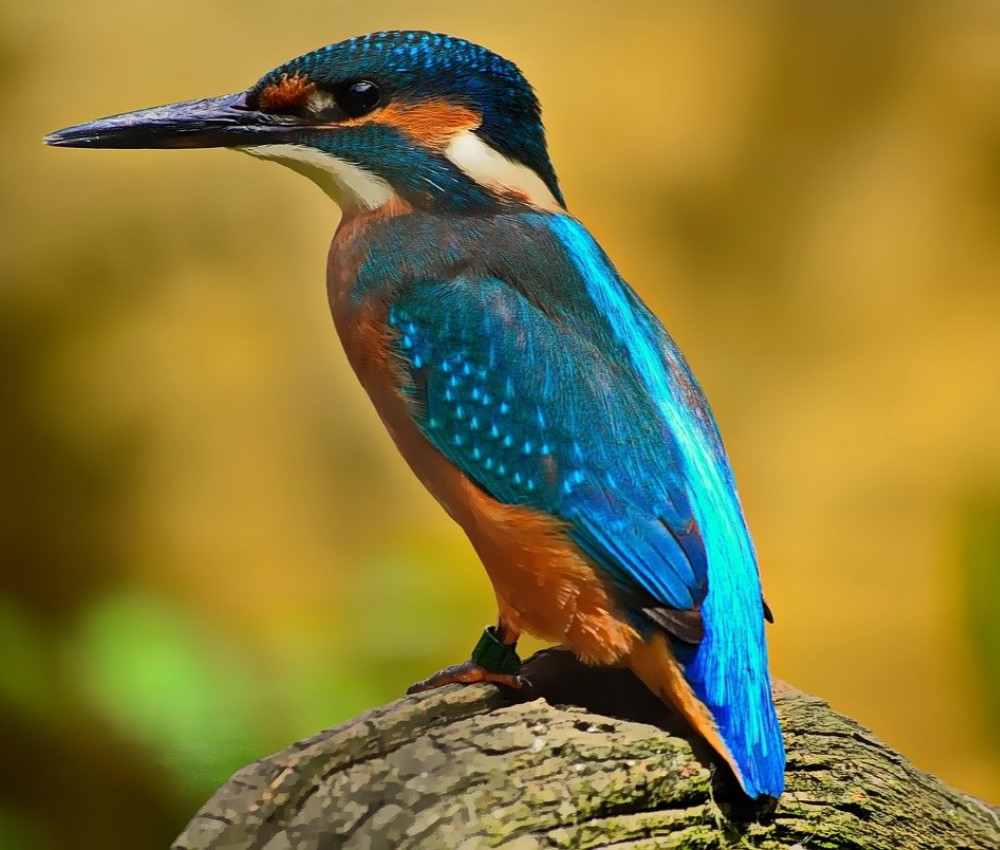
Best Time for Birding
The best time for birdwatching at Djuma is from November to March, when migratory species arrive and the breeding season brings increased activity, vibrant plumage, and a wider variety of bird species.
Want to Visit Djuma Private Game Reserve?
Best Time to Visit – Djuma Private Game Reserve
The best time to visit Djuma for wildlife viewing is during the dry winter months from May to October. Sparse vegetation and limited water sources draw animals into open areas and riverbeds, improving visibility and increasing the likelihood of extended predator sightings throughout the day.
May to October (Dry Season)
- Excellent predator visibility
- High wildlife concentration
- Comfortable safari conditions
- Cold early morning drives
- Dusty conditions later in the season
November to March (Wet Season)
- Lush green scenery
- Peak birding season
- Fewer tourists
- Hot and humid afternoons
- Thicker vegetation reduces visibility
Want to Visit Djuma Private Game Reserve?
Activities
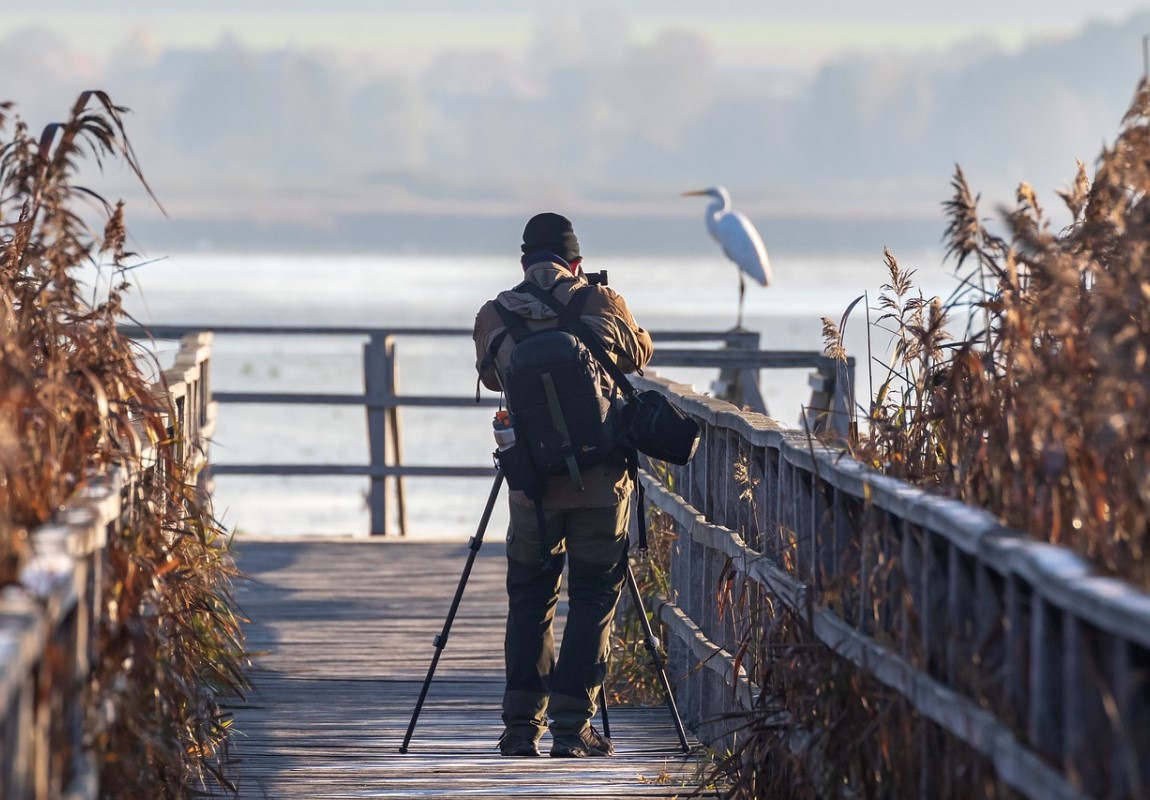
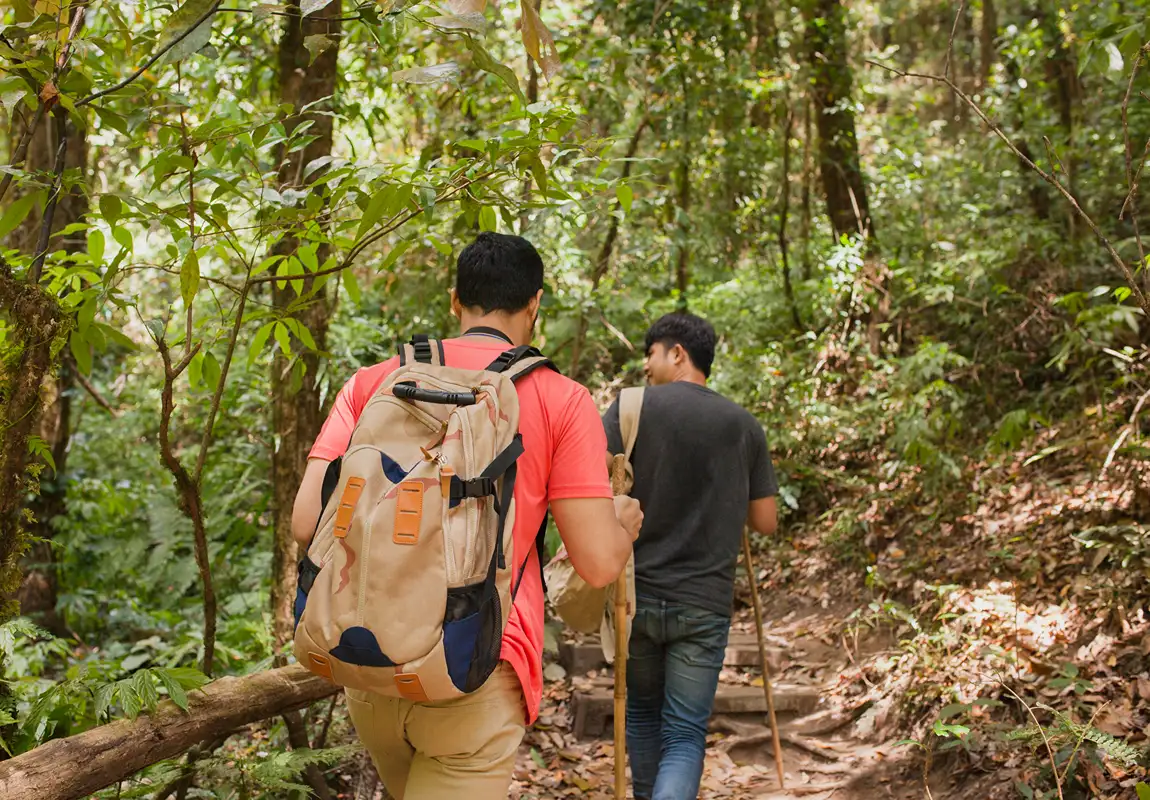
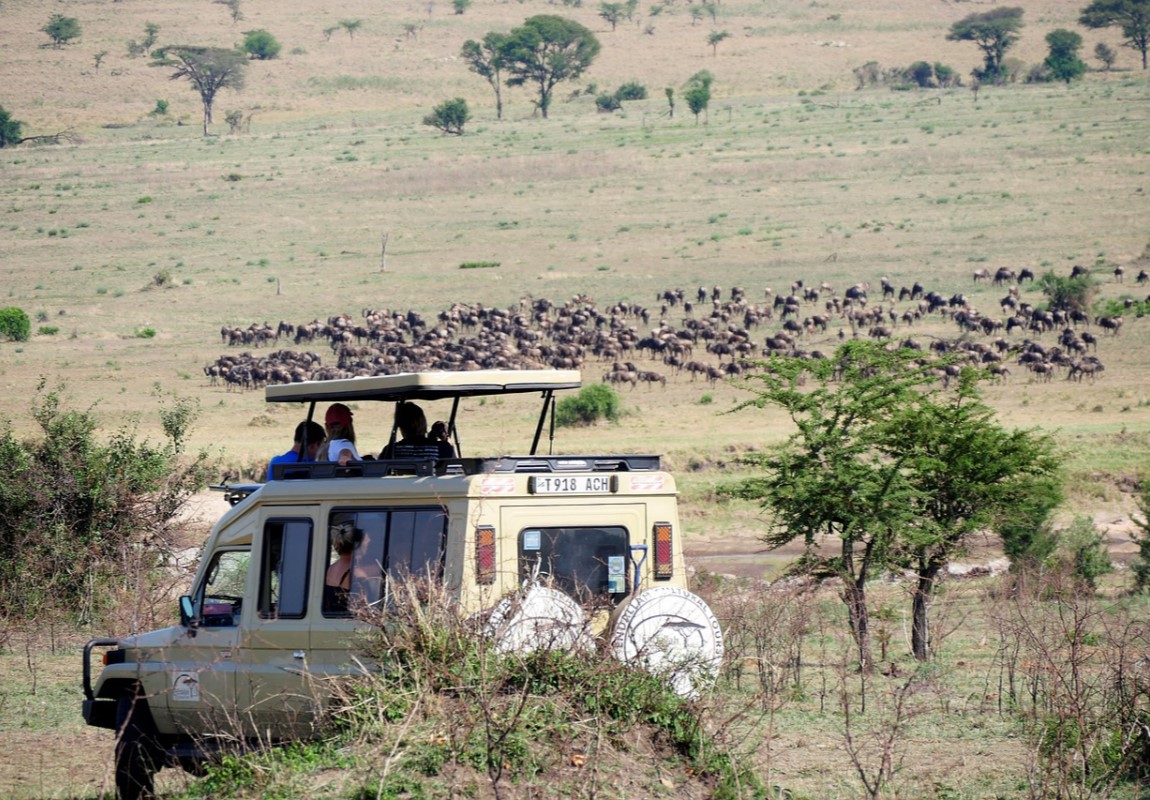
Explore popular activities available in and around Djuma Private Game Reserve.
Want to Visit Djuma Private Game Reserve?
No FAQs available for this park yet.
Safari Tours
View all tours